
Kaplan Real Estate Course: Complete Review & Exam Prep Guide for 2026 September
Master real estate law and ace your license exam with Kaplan. 🏆 Full course review, costs, pros/cons, and free practice tests inside.

If you are serious about mastering real estate law and earning your license, the Kaplan Real Estate course is one of the most recognized names in pre-licensing education across the United States. Kaplan has been training professionals for decades, and its real estate division offers state-approved coursework designed to prepare candidates for both the national and state portions of the licensing exam. Whether you prefer self-paced online study, live classes, or a blended approach, Kaplan provides flexible pathways that fit different learning styles and busy schedules.
Understanding real estate law is not optional — it is the backbone of every transaction you will ever facilitate as an agent. Kaplan's curriculum digs deep into property rights, contract law, agency relationships, fair housing regulations, and disclosure requirements. Students who complete the full course consistently report feeling well-prepared for the legal content that makes up a significant portion of the licensing exam. The structured modules ensure that no critical topic is skimmed over, giving learners a thorough foundation before they walk into the testing center.
One of the biggest questions aspiring agents ask is how to become a real estate agent as efficiently as possible without sacrificing quality preparation. Kaplan answers that question by offering accelerated schedules alongside traditional semester-length formats. Many students complete their pre-licensing hours in as little as four to six weeks through the online self-paced option, while others prefer the accountability of live virtual classes that meet several times per week with a licensed instructor leading the session.
The course content is organized into intuitive learning units that progress logically from foundational concepts to advanced topics. You will start with an introduction to real estate principles — ownership, land description, and title — before moving into financing, valuation, and investment analysis. Each unit concludes with a practice quiz that reinforces retention and helps you identify weak areas before they become exam-day liabilities. Kaplan's learning management system tracks your progress automatically so you always know where you stand.
Kaplan also integrates exam simulation into its preparation model. The QBank tool, available as an add-on or included in premium packages, gives students access to hundreds of exam-style questions organized by topic. You can create custom quizzes targeting your weakest subject areas, simulate timed full-length exams, and review detailed explanations for every answer choice. This iterative practice-and-review loop is one of the primary reasons Kaplan students tend to outperform the national first-time pass rate average.
Pricing for the Kaplan Real Estate course varies by state and package tier. Basic pre-licensing packages typically start around $200 to $300, while premium bundles that include the QBank, exam prep guarantee, and study guides can range from $400 to $600 or more depending on your state's required hours.
Compared to community college alternatives that may cost similar amounts but offer fewer digital resources, Kaplan's investment is competitive — especially when you factor in the time saved by having everything organized in one platform. If you want to explore real estate lawreal estate law compared to mortgage licensing requirements, that comparison can help you decide which credential aligns with your career goals.
Customer support is another area where Kaplan distinguishes itself. Students can reach academic advisors by phone, email, or live chat during business hours. Instructors are accessible through discussion boards in the online platform, and many students report receiving responses within 24 hours. This level of support is particularly valuable for career changers who may be balancing coursework alongside a full-time job and need quick answers when they hit a confusing topic late at night.
Kaplan Real Estate Course by the Numbers

Kaplan Real Estate Course Formats Explained
Study on your own schedule with pre-recorded video lectures, interactive readings, and unit quizzes. Ideal for working adults who need maximum flexibility. Access typically remains open for six months, giving you ample time to finish without rushing.
Attend instructor-led sessions via video conference on a fixed weekly schedule. You get real-time Q&A, peer interaction, and structured accountability — the closest digital equivalent to a traditional classroom without the commute.
Kaplan's blended option pairs recorded lessons with scheduled live review sessions. Students work through content independently, then join live webinars to clarify difficult topics. This hybrid model is the most popular format among career changers.
A focused short-format program for students who have already completed pre-licensing elsewhere. Covers the most-tested topics, provides hundreds of practice questions, and includes timed simulation exams to sharpen test-taking strategy before exam day.
The Kaplan Real Estate curriculum is built around the content outlines published by PSI and Pearson VUE — the two major exam vendors used by most states. This alignment is deliberate and important: it means every hour you spend in Kaplan's course maps directly to topics that will appear on your actual licensing exam. Kaplan's instructional designers update course content annually to reflect changes in state regulations, fair housing guidance, and contract law standards, so you are never studying outdated material that could trip you up on exam day.
Real estate law constitutes a major portion of the national exam, and Kaplan's treatment of this subject is comprehensive. The curriculum covers property ownership types, including fee simple, life estates, and leasehold interests. It addresses easements, encumbrances, liens, and deed restrictions in practical terms that help students understand how these legal concepts apply to real transactions. Agency law — covering buyer's agents, seller's agents, dual agency, and designated agency — receives particular attention because agency misunderstandings are among the most common sources of license exam errors.
Contract law modules walk students through the essential elements of a valid contract, offer and acceptance mechanics, contingencies, and the legal consequences of breach. The curriculum explains how to read and interpret standard purchase agreements, listing contracts, and buyer representation agreements. Students also learn about specific performance, liquidated damages, and rescission rights — topics that appear regularly on the national exam and have enormous practical importance once you begin working with clients in live transactions.
Fair housing law is woven throughout the Kaplan curriculum rather than treated as an isolated chapter. Students learn about the protected classes established by the Fair Housing Act of 1968, subsequent amendments, and state-level additions. Kaplan's instructors present realistic scenario-based examples — a landlord who seems to prefer certain tenants, an agent steering buyers away from certain neighborhoods — and explain how to recognize and avoid discriminatory practices. This scenario-based approach builds practical judgment alongside theoretical knowledge.
The financing and mortgage section covers loan types, qualification criteria, the Truth in Lending Act, RESPA requirements, and the basics of mortgage math. Students learn to calculate loan-to-value ratios, monthly payments, and points — skills that appear on both the exam and in daily agent work. Kaplan supplements these modules with formula sheets and worked examples so students who are not naturally comfortable with numbers can still build proficiency before the test.
Property valuation and appraisal principles form another critical content area. Kaplan teaches the three approaches to value — sales comparison, cost, and income — along with the concepts of depreciation, capitalization rate, and gross rent multiplier. Understanding these concepts is essential not only for passing the exam but for advising clients accurately on pricing strategy once you enter the field. Students preparing in markets like wake county real estate or other high-growth areas will find the valuation modules especially applicable to local market conditions.
Land use, zoning, and environmental regulations round out the curriculum. Kaplan explains the distinction between public and private land use controls, the mechanics of zoning variances and non-conforming uses, and the disclosure requirements related to environmental hazards such as lead paint, asbestos, and underground storage tanks. These topics appear on the exam with enough frequency that thorough preparation here can meaningfully improve your overall score and help you avoid common errors that catch underprepared candidates off guard.
How Kaplan Prepares You for Real Estate Law & the License Exam
Kaplan's QBank is a digital question database containing hundreds of exam-style items organized by topic category. Students can build custom quizzes targeting specific subjects — real estate law, contracts, finance, or valuation — and receive instant feedback with detailed answer explanations. The adaptive engine tracks your performance across sessions and surfaces your weakest areas so your study time is never wasted on topics you have already mastered.
Full-length timed simulation exams within the QBank replicate the actual testing experience, including the time pressure that catches many candidates off guard. Completing at least five to seven full simulations before your test date is one of the most reliable predictors of first-attempt success. Students who use the QBank consistently report higher confidence and lower anxiety walking into the Pearson VUE or PSI testing center on exam day.

Is the Kaplan Real Estate Course Worth It?
- +State-approved in nearly every US state, so your hours count toward licensure
- +Comprehensive real estate law coverage aligned directly to exam content outlines
- +Flexible format options including self-paced, live online, and blended tracks
- +QBank with hundreds of exam-style questions and detailed answer explanations
- +Pass guarantee on premium packages reduces financial risk for first-time students
- +Regular curriculum updates to reflect current regulations and fair housing standards
- −Premium packages with QBank and guarantee can cost $400 to $600 or more
- −Self-paced students may struggle with accountability without instructor check-ins
- −Some state-specific content modules are thinner than national exam preparation
- −Live class schedules may not accommodate all time zones or shift workers
- −Customer support response times can slow during high-enrollment periods in spring
- −No mobile app for offline study — requires internet access to view course materials
Kaplan Real Estate Exam Prep Checklist
- ✓Complete 100% of assigned pre-licensing video lectures before your scheduled exam date.
- ✓Score at least 75% on every unit quiz before advancing to the next content module.
- ✓Finish at least three full-length timed QBank simulation exams under real test conditions.
- ✓Review every incorrect answer with the detailed explanation, not just the correct answer choice.
- ✓Create a formula reference sheet covering mortgage math, appreciation, and commission calculations.
- ✓Dedicate at least two focused study sessions specifically to real estate law and agency concepts.
- ✓Attend or rewatch any live session covering topics where your QBank scores are below 70%.
- ✓Contact a Kaplan academic advisor at least one week before your exam to confirm eligibility for the pass guarantee.
- ✓Take one final timed simulation exam 48 hours before your actual test to calibrate confidence.
- ✓Review your state's specific license requirements, application deadlines, and background check rules before exam day.
Practice Volume Is the Single Biggest Predictor of Success
Kaplan's internal data and national pass-rate research consistently show that candidates who complete five or more full-length timed practice exams before their test date pass at nearly double the rate of those who rely only on reading course materials. The exam tests recall speed and application under time pressure — skills built only through repeated simulation, not passive reading. Prioritize practice volume above all other study strategies.
Understanding the true cost of the Kaplan Real Estate course requires looking beyond the sticker price and calculating the total investment including state application fees, exam registration fees, background checks, and post-license requirements.
In most states, the full path from course enrollment to active license costs between $500 and $1,200 all-in, with Kaplan's pre-licensing coursework representing roughly one-third to one-half of that total. When viewed in that context, paying an extra $100 to $200 for a premium Kaplan package with the pass guarantee is a prudent hedge against the $100 to $200 exam retake fees you would pay if you fail unprepared.
Kaplan frequently runs promotional discounts — particularly in January, September, and around major holidays. Enrolling during a sale can reduce your course cost by 20% to 30%, bringing a premium package down to a price point comparable to basic alternatives. Sign up for Kaplan's email list or check the website directly before purchasing at full price. Some employers in the real estate industry, particularly large brokerages, offer tuition reimbursement or group discount codes for agents they intend to recruit — it is worth asking before you pay out of pocket.
When comparing Kaplan to competitors like The CE Shop, Aceable, or Real Estate Express, the key differentiator is depth of live instructor interaction. Kaplan's live online format provides more structured teacher-student engagement than fully asynchronous platforms. However, purely self-paced learners who are highly disciplined may find that competitors offer equal content at lower price points. Your learning style matters: if you know you need external accountability and expert guidance, Kaplan's live options are worth the premium. If you thrive studying independently, a lower-cost self-paced platform may serve you equally well.
State availability is another factor to evaluate carefully. Kaplan is approved in most but not all US states. Before enrolling, verify that Kaplan's pre-licensing course is state-approved where you plan to get licensed. Kaplan's website has a state selector tool that displays available formats and required hours for each jurisdiction. Some states have unusual hour requirements — Connecticut requires 60 hours, California requires 135, Texas requires 180 — and the course length and price reflect those differences significantly.
Renewal and continuing education (CE) are areas where Kaplan provides long-term value beyond pre-licensing. Once you are licensed, Kaplan offers CE courses to help you meet renewal requirements, many of which overlap with advanced topics like commercial real estate news, investment analysis, and property management. Having a single trusted provider for both pre-licensing and CE simplifies your professional education calendar and often qualifies you for loyalty discounts on future enrollments.
Scholarship and financing options exist for students who find the upfront cost prohibitive. Kaplan does not offer in-house financing, but several third-party education financing platforms cover real estate coursework. Some state housing associations and workforce development programs offer grants for pre-licensing education, particularly in underserved markets. Aspiring agents in markets tracked by sources covering allegheny county real estate and similar high-demand regions may find local incentive programs that offset education costs as part of broader workforce development initiatives.
The return on investment for any quality pre-licensing course becomes clear quickly once you earn your license and begin closing transactions. The median gross commission income for a real estate agent in the United States exceeds $60,000 annually once they build an active client base, with top producers in competitive markets earning several times that figure. Investing $400 to $600 in quality exam preparation that improves your first-attempt pass rate is, by any reasonable measure, one of the highest-return investments available to a prospective agent entering the profession.
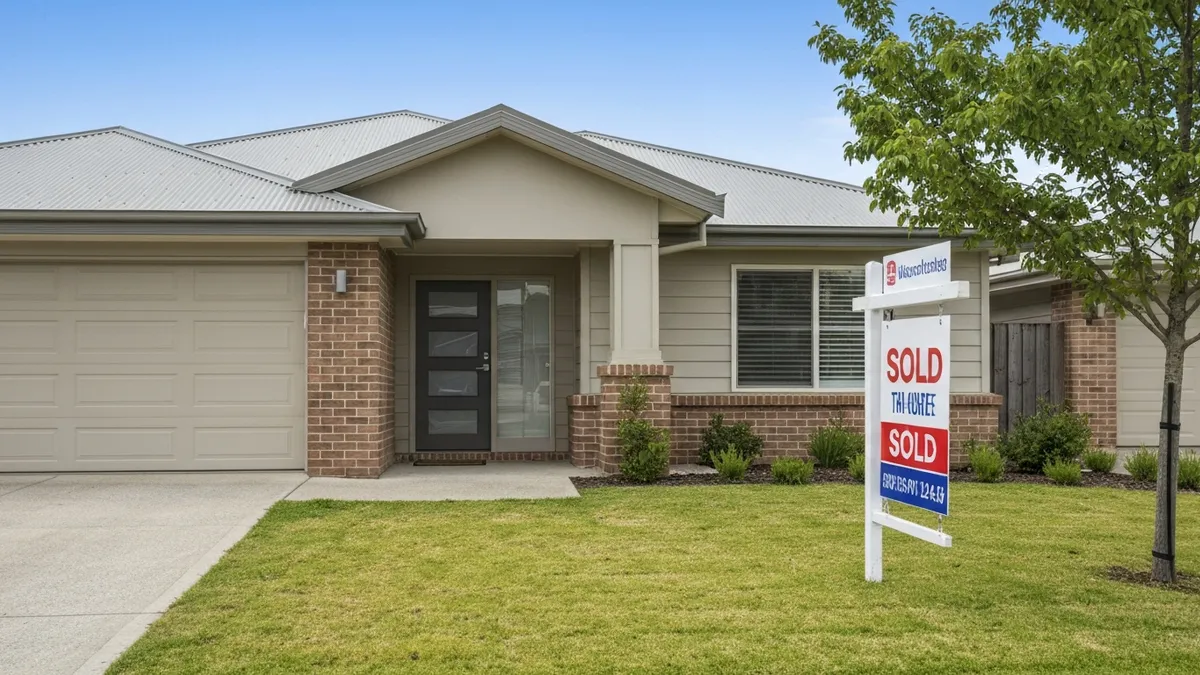
Many Kaplan students over-index on national content and underestimate their state-specific exam portion. Depending on your state, the state section can account for 30% to 40% of your total score. Kaplan's state-specific modules cover local license law, disclosure requirements, and real estate commission rules — review them as carefully as the national content, especially the two weeks before your exam date.
Maximizing your performance on the real estate licensing exam requires more than completing the Kaplan course — it demands a structured, intentional study strategy that begins before your first lesson and extends through your final simulation exam. The most successful candidates treat their pre-licensing period like a part-time job, committing consistent daily blocks of study time rather than cramming sporadically. Research on adult learning consistently shows that spaced repetition — reviewing material in shorter sessions spread across multiple days — produces far stronger long-term retention than marathon study sessions the night before an exam.
Build a weekly study calendar at the start of your course. Map out when you will watch each module, complete each unit quiz, and run practice exam sessions. Block time on your calendar exactly as you would a work meeting and treat those blocks as non-negotiable. Students who set a fixed daily study time — even just 60 to 90 minutes — consistently complete the course faster and score higher than those who study opportunistically whenever time happens to open up. Consistency matters more than total hours in any single session.
The formula-heavy sections of the exam — mortgage calculations, commission math, prorations, and investment return analysis — deserve dedicated practice separate from your regular course study. Write out every formula by hand, work through the step-by-step logic for each calculation type, and then practice with unfamiliar numbers until the process becomes automatic. Many candidates lose points on math questions not because they do not understand the concept but because they rush under time pressure and make arithmetic errors. Drilling calculations until they feel routine eliminates that source of avoidable mistakes.
Test-taking strategy is a skill distinct from content knowledge, and Kaplan's QBank is the ideal tool for developing it. When you encounter a question you are unsure about during a practice exam, do not simply guess and move on — use the process of elimination systematically. Identify any answer choices that are clearly wrong and cross them out mentally, then evaluate the remaining options against the specific wording of the question. Real estate exam questions are often designed with two plausible-sounding answer choices, and the correct selection frequently hinges on a single word or qualifying phrase in the question stem.
Managing exam-day anxiety is a practical concern that deserves advance preparation. Familiarize yourself with the testing center location and parking situation before your exam date by visiting in person or using maps. Arrive 30 minutes early to complete check-in without rushing. Bring your government-issued ID and any documentation the testing vendor requires.
During the exam, if you feel anxiety building, use the controlled breathing technique — four counts in, four counts hold, four counts out — to reset your nervous system before continuing. Time management during the exam itself matters: if you have 150 questions in 180 minutes, that is about 72 seconds per question, which is generous if you have prepared thoroughly.
Peer study groups are an underutilized resource among Kaplan students. Connecting with two or three fellow students to review difficult topics, quiz each other, and compare notes on practice exam questions accelerates learning significantly. Explaining a concept to someone else is one of the most reliable ways to solidify your own understanding — if you cannot explain agency law or contract contingencies clearly to a peer, you have identified a gap that needs more attention before exam day.
Kaplan's online discussion boards serve this function, but self-organized study groups via video call tend to be even more interactive and accountable. For a comprehensive overview of what the full licensing journey involves, review a guide on how to become a real estate agent that covers every step from enrollment through your first transaction.
Post-exam planning should begin before your test date. Research your state's license activation requirements, including when and how to affiliate with a sponsoring broker, what the license issuance timeline looks like, and what post-license education you will need to complete in your first renewal period. Having a broker interview lined up and your business setup underway before you receive your license allows you to activate quickly and begin earning commissions without losing weeks to administrative logistics. The agents who earn the most in their first year are almost always those who were ready to work the moment their license arrived.
The final weeks before your real estate licensing exam are arguably the most important in your entire preparation timeline, and how you use them will have a disproportionate impact on your outcome. At this stage, you should have already completed the full Kaplan pre-licensing curriculum and taken at least two to three full-length timed practice exams. Your focus now shifts from learning new material to sharpening and consolidating what you already know. Reviewing your QBank performance analytics will reveal exactly which topic categories need reinforcement — prioritize those ruthlessly while maintaining light review of your stronger areas to avoid regression.
Create a personal formula card that fits on one index card and review it every morning during your final two weeks. Include the commission calculation formula, loan-to-value ratio, debt-to-income ratio, proration calculation steps, and any other formulas that have appeared in your practice exam errors. Seeing these formulas daily in your own handwriting reinforces the specific notation you will use when working through exam math, reducing the cognitive load during the actual test when stress can disrupt retrieval of memorized information.
Vocabulary mastery is another high-leverage final-week activity. Real estate exams test precise terminology — the difference between an easement appurtenant and an easement in gross, or between a deed restriction and a zoning ordinance, can determine whether you select the correct answer. Review Kaplan's glossary in your final week with active recall rather than passive reading: cover the definition, attempt to state it from memory, then uncover and compare. This active retrieval practice is far more effective than simply re-reading terms you already recognize.
Sleep and physical condition matter more than most study guides acknowledge. Research consistently demonstrates that sleep-deprived test-takers perform significantly worse on timed assessments requiring recall and logical reasoning — exactly the skills your real estate exam measures. In the three days before your exam, prioritize seven to eight hours of sleep per night over any last-minute cramming. A well-rested brain retrieves information faster, manages time pressure more calmly, and makes fewer careless errors than a sleep-deprived one, regardless of how many hours were logged studying in the preceding weeks.
On the morning of your exam, eat a protein-rich breakfast and avoid caffeine overload that could amplify anxiety. Bring water if the testing center permits it. Read every question twice before selecting an answer — the first read for comprehension, the second to confirm you understand exactly what is being asked before committing to a choice.
Flag questions you are uncertain about and return to them after completing the questions you know confidently. Never leave a question blank; there is no penalty for guessing, so an educated guess based on eliminating one or two wrong answers is always better than no answer.
After you pass — and with thorough Kaplan preparation, your probability of passing on the first attempt is meaningfully higher than the national average — your license represents the beginning of a career, not just the end of a preparation period. The real estate knowledge you have built through the Kaplan course will serve you in every client interaction, every transaction review, and every negotiation you conduct. The agents who build the most durable careers are those who continue treating education as an ongoing professional commitment rather than a one-time hurdle to clear on the way to a license.
Use the practice quizzes on PracticeTestGeeks.com to run focused final review sessions in the days immediately before your exam. The platform provides immediate feedback, topic-level performance analytics, and question formats that closely mirror the actual Pearson VUE and PSI exam interface. Combining Kaplan's comprehensive curriculum with high-volume external practice questions gives you the broadest possible preparation base and the highest probability of walking out of the testing center on exam day with a passing score and a clear path to activating your new real estate license.
Real Estate License Questions and Answers

Real Estate License vs NMLS MLO: Which One Should You Choose?

PSI Real Estate Exam: Complete Guide to Passing in 2026

How to Pass the Real Estate License Exam in 2026 — Complete Study Guide

Real Estate Complete Guide: Licensing, Careers, Law, and How to Succeed

Real Estate Agent Course: Everything You Need to Know to Get Licensed
About the Author

Licensed Real Estate Broker & Licensing Exam Specialist
University of Wisconsin School of BusinessSandra Taylor is a Graduate Realtor Institute (GRI) and Accredited Buyer's Representative (ABR) designee with an MBA in Real Estate from the University of Wisconsin School of Business. She has 18 years of residential and commercial real estate brokerage experience and coaches real estate license candidates through state salesperson and broker pre-license examinations across multiple states.
Join the Discussion
Connect with other students preparing for this exam. Share tips, ask questions, and get advice from people who have been there.
View discussion (7 replies)