
RCMP Wikipedia: Complete Guide to the Royal Canadian Mounted Police
🔎 RCMP Wikipedia guide: history, structure, hiring, and exam prep for the Royal Canadian Mounted Police. Everything you need to know.

When people search rcmp wikipedia, they are typically looking for a reliable, organized overview of one of the world's most recognizable law enforcement agencies. The Royal Canadian Mounted Police — commonly abbreviated as the RCMP — is Canada's national police service and one of its oldest federal institutions. Founded in 1873, the force has evolved from a frontier constabulary patrolling the vast Canadian prairies into a sophisticated, multi-jurisdictional police service that operates at municipal, provincial, and federal levels across the country.
The RCMP is headquartered in Ottawa, Ontario, and employs more than 30,000 people including regular members, civilian members, and public service employees. Its mandate is extraordinarily broad: the force investigates federal crimes, enforces federal statutes, provides policing services to eight provinces, three territories, and hundreds of municipalities, and fulfills international obligations through Interpol and peacekeeping missions. No other police force in Canada — or arguably in the world — carries such a wide and complex mandate simultaneously.
For Americans curious about Canadian policing, the RCMP is roughly analogous to a combination of the FBI, the DEA, and state police forces all rolled into one agency. However, that comparison undersells its unique character. The RCMP operates under a contract policing model in which provinces and municipalities pay the federal government for RCMP services, a system with no real American equivalent. This arrangement gives the federal government both significant reach and significant responsibility across Canadian society.
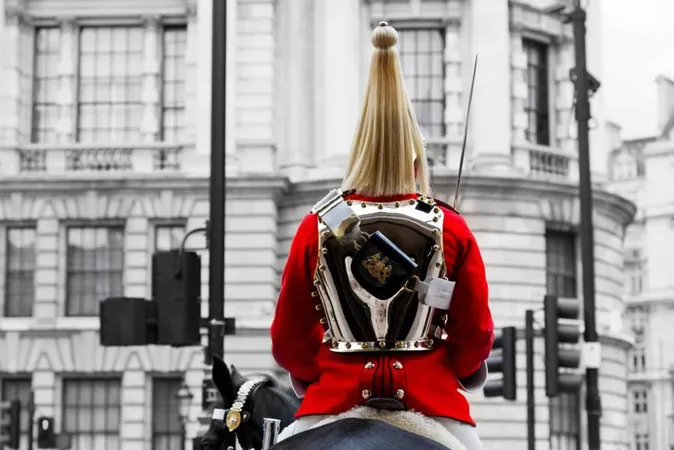
The force is perhaps best known internationally for its ceremonial red serge uniform and the iconic Musical Ride — a precision equestrian drill team that tours North America and beyond. But behind the pageantry lies a highly trained, technologically advanced organization that tackles organized crime, cybercrime, terrorism, border security, financial crimes, and indigenous community safety. The RCMP's work touches virtually every corner of Canadian life, from rural farming communities to downtown financial districts.
For anyone considering a career with the RCMP, understanding the organization's structure, history, and values is an essential first step. The force has specific values around integrity, honesty, professionalism, compassion, respect, and accountability — values that filter through every stage of the recruitment process. Candidates must demonstrate not only physical fitness and academic ability but also a character and ethical framework consistent with these core principles. The selection process is rigorous, lengthy, and highly competitive.
This article functions as a comprehensive rcmp wikipedia-style reference for the modern reader, covering the force's origins, organizational structure, divisions, recruitment process, and examination requirements. Whether you are a prospective officer, a student researching Canadian institutions, or simply someone fascinated by one of North America's most storied police services, this guide will give you the foundational knowledge you need. We will also point you toward practice resources to help you prepare if you are considering joining the force yourself.
Understanding the RCMP is not just an academic exercise. For the roughly 3,000 to 5,000 new regular members the force recruits in any given multi-year cycle, grasping the organization's full scope helps contextualize why the selection standards are so high. The RCMP is not simply hiring local beat officers — it is recruiting people who may one day investigate national security threats, manage crisis negotiations, or represent Canada on international peacekeeping missions. That level of responsibility demands a correspondingly rigorous entry process, and preparation begins with knowledge.
RCMP by the Numbers

RCMP Organizational Structure at a Glance
The Commissioner is the highest-ranking officer in the RCMP, appointed by the federal cabinet and reporting to the Minister of Public Safety. The Commissioner oversees all operational and administrative functions of the national force and represents Canada in international law enforcement forums.
The RCMP is organized into 15 geographic divisions, each designated by a letter (e.g., E Division in British Columbia, O Division in Ontario). Each division is commanded by a Commanding Officer at the rank of Deputy Commissioner or Assistant Commissioner, who manages all local operations.
The Federal Policing program handles national security investigations, organized crime, border integrity, cybercrime, financial crime, and international policing obligations. It operates separately from contract policing and reports directly to federal government priorities and legislation such as the Criminal Code of Canada.
Under the Police Services Agreement, the RCMP provides front-line policing to provinces and municipalities that do not maintain their own police forces. This covers the majority of rural and remote Canadian communities, making the RCMP the primary law enforcement contact for millions of Canadians daily.
The RCMP operates numerous elite units including the Emergency Response Team (ERT), the Integrated National Security Enforcement Teams (INSET), the National Child Exploitation Crime Centre (NCECC), and the Financial Crime divisions. These units tackle the most complex and dangerous criminal enterprises in Canada.
The RCMP's history is inseparable from the history of Canada itself. The force was established on May 23, 1873, by an Act of Parliament under Prime Minister John A. Macdonald, originally as the North-West Mounted Police (NWMP). The immediate impetus was the Cypress Hills Massacre of that same year, in which American whiskey traders killed a group of Assiniboine people in what is now Saskatchewan. The Canadian government recognized that lawlessness in the vast Northwest Territories posed an existential threat to its ambitions of westward expansion and national unity.
The original force of approximately 300 officers undertook the famous March West in 1874 — a grueling 900-mile expedition from Manitoba to what is now southern Alberta. The mission was to establish Canadian authority in the territory before American influences could take hold, shut down the illegal whiskey trade, and build relationships with Indigenous nations. The march was a near-catastrophe in terms of logistics and weather, but it succeeded in establishing a permanent Canadian presence in the plains. Fort Macleod, built in 1874, became the first permanent NWMP post in the Northwest Territories.
In the decades that followed, the NWMP played a pivotal role in some of the most significant events in Canadian history. Officers supervised the negotiation of the Numbered Treaties with First Nations peoples, policed the construction of the Canadian Pacific Railway, managed the influx of gold rush prospectors during the Klondike Gold Rush of 1897–98, and maintained order during the North-West Resistance of 1885. Their reputation for firm but fair enforcement — encapsulated in the phrase "maintaining the right" — distinguished Canadian frontier policing from the more violent approach common in the American West during the same era.
The force was renamed the Royal North-West Mounted Police in 1904 following King Edward VII's granting of the "Royal" designation in recognition of its service during the South African War. In 1920, the RNWMP merged with the Dominion Police — a smaller federal force focused on protecting government buildings and investigating counterfeiting — to form the Royal Canadian Mounted Police. The RCMP then absorbed the federal policing mandate and expanded its reach from coast to coast over the following decades.
Two defining expansions occurred in the 1930s and 1940s. As the Great Depression strained provincial and municipal budgets, several provinces contracted the RCMP to replace their own provincial forces. By 1950, the RCMP provided provincial policing in all provinces except Ontario and Quebec, which maintain their own provincial forces (the Ontario Provincial Police and the Sûreté du Québec, respectively). This contract policing system became the defining structural feature of modern RCMP operations and remains largely unchanged today.
The postwar era brought new challenges and new mandates. The RCMP created its Security Service to counter communist espionage during the Cold War, though this function was eventually transferred to the newly created Canadian Security Intelligence Service (CSIS) in 1984 following revelations of illegal surveillance activities documented by the McDonald Commission. That period of accountability reshaped how the RCMP approached civil liberties and internal oversight, leading to significant reforms in governance and the creation of the Civilian Review and Complaints Commission (CRCC) to provide independent public oversight.
Today the RCMP continues to evolve. Ongoing discussions around Indigenous policing, systemic racism, mental health crisis response, and the appropriate role of armed police officers in social services calls have prompted significant internal reflection and external review. The force launched a comprehensive modernization initiative called "Vision 150" on its 150th anniversary in 2023, committing to cultural transformation, improved accountability, and a renewed relationship with Indigenous communities. Understanding this arc of history is essential for anyone who wants to understand what the RCMP is today and where it is heading tomorrow.
RCMP Divisions, Roles, and Key Programs
The RCMP divides Canada into 15 lettered divisions. "E" Division covers British Columbia and is the largest by geography and personnel. "K" Division covers Alberta, "F" Division covers Saskatchewan, "D" Division covers Manitoba, and "O" Division covers Ontario — though Ontario's contract policing is handled by the OPP. "C" Division serves Quebec, while Atlantic provinces are covered by "H" (Nova Scotia), "J" (New Brunswick), and "B" (Newfoundland and Labrador). The North is served by "G" (Northwest Territories), "M" (Yukon), and "V" (Nunavut).
National headquarters in Ottawa falls under "A" Division, which handles policing for the National Capital Region and protective services. "Depot" Division in Regina, Saskatchewan, is where all RCMP officer cadets complete their training at the RCMP Academy. Understanding which division covers which region matters for applicants because staffing needs, posting locations, and operational priorities can vary significantly — recruits should research which divisions are actively hiring and where they are willing to be posted before applying.

RCMP Career: Strengths and Challenges to Consider
- +Exceptional job security with federal government employment status and benefits
- +Diverse career opportunities spanning federal, provincial, municipal, and international postings
- +Competitive starting salary with structured pay increases tied to rank and years of service
- +Access to world-class training at Depot Division and the Canadian Police College
- +Pension plan and comprehensive benefits package including health, dental, and disability coverage
- +Opportunity to work on high-profile national security, cybercrime, and organized crime files
- −Mandatory posting system means officers may be assigned anywhere in Canada, often away from family
- −Lengthy and demanding recruitment process can take 12–18 months or more to complete
- −Physical and psychological demands of policing can lead to burnout, PTSD, and career fatigue
- −Highly publicized institutional controversies around systemic racism and harassment create reputational pressures
- −Shift work, irregular hours, and on-call requirements disrupt work-life balance, especially in early career postings
- −Promotion competition is intense, and advancement to senior ranks is limited and slow for many officers
RCMP Recruitment Checklist: Key Requirements to Meet
- ✓Hold Canadian citizenship — permanent residents are not eligible to apply as regular members.
- ✓Be at least 19 years of age at the time of appointment to the RCMP.
- ✓Hold a valid Class 5 (passenger vehicle) driver's license with no prohibitions.
- ✓Possess a Canadian secondary school diploma or provincial equivalent as the minimum education requirement.
- ✓Pass the RCMP Police Aptitude Battery (RPAT) with a minimum score of 70%.
- ✓Complete and pass the Physical Abilities Requirement Evaluation (PARE) in under 4 minutes and 45 seconds.
- ✓Clear a comprehensive security clearance including background, financial, and character reference checks.
- ✓Pass a medical examination confirming vision, hearing, cardiovascular, and general health standards.
- ✓Submit a thorough online application with detailed personal, employment, and education history.
- ✓Successfully complete the 26-week Cadet Training Program at Depot Division in Regina, Saskatchewan.
The RPAT Pass Rate Is Lower Than Most Candidates Expect
The RCMP Police Aptitude Battery (RPAT) has a reported first-attempt pass rate of approximately 50–60% among applicants. Many candidates underestimate the verbal reasoning and written communication sections, which test grammar, vocabulary, and reading comprehension at a post-secondary level. Dedicated practice using official-style materials for 4–8 weeks significantly improves scores and reduces the likelihood of having to retest, which delays the entire application timeline by months.
The RCMP entrance examination process is one of the most comprehensive in North American law enforcement. Unlike many municipal police forces where written testing is just one component of a short hiring cycle, the RCMP selection process unfolds over many months and involves multiple sequential phases, each of which must be passed before advancing to the next. This cascading structure means that weaknesses in any single area — whether cognitive testing, physical fitness, or background review — can end a candidacy regardless of strengths elsewhere.
The RCMP Police Aptitude Battery, or RPAT, is the standardized written test used to evaluate cognitive ability across five core areas: written communication (grammar, spelling, punctuation, and sentence construction), composition (organizing information into coherent written form), reading comprehension (understanding and drawing inferences from written passages), memory (recall of details from information presented earlier in the test), and problem solving (logical and numerical reasoning). The test is not timed section by section but rather has an overall time limit, and candidates must demonstrate balanced competency across all five domains.
Written communication is consistently the section that surprises candidates most. The RCMP requires officers to produce accurate, professional written reports as a core job function — everything from arrest reports to court disclosure documents depends on officers who can write clearly and correctly. The grammar and composition sections of the RPAT therefore carry significant weight, and candidates with weak writing backgrounds often struggle even if their logical reasoning skills are strong. Targeted grammar review and writing practice are essential preparation steps that many candidates skip to their detriment.
The memory component is another frequently underestimated section. Candidates are shown a series of images, names, and biographical information about fictional individuals at the start of the test. Later in the exam, without being able to refer back to those materials, they are asked detailed recall questions about what they observed. This section simulates the cognitive demands of police work, where officers must accurately remember and report details from witnesses, crime scenes, and documentation. Memory training techniques such as spaced repetition and active recall practice are highly effective for improving performance on this section.
Problem solving in the RPAT context involves numerical reasoning — working with tables, charts, percentages, and basic arithmetic — as well as logical deduction from scenarios. The math required is not advanced, but it must be performed accurately under time pressure without a calculator. Candidates who have been out of school for years and rarely use arithmetic in their daily work often find this section unexpectedly challenging. A few weeks of systematic practice with word problems and data interpretation exercises typically closes the gap significantly.
Beyond the RPAT, candidates must complete the Physical Abilities Requirement Evaluation (PARE), which is a standardized obstacle course designed to simulate the physical demands of police work. The PARE involves a six-lap obstacle course with running, jumping, and stair climbing, followed by a push-and-pull component with a weighted sled to simulate controlling a resisting subject.
The time standard for the complete test is four minutes and 45 seconds, which most reasonably fit individuals can achieve with dedicated training. However, candidates who begin training only after applying often find the timeline too tight to achieve meaningful fitness gains before their scheduled test date.
The RCMP's background investigation is among the most thorough of any Canadian employer. Investigators review criminal history, credit records, past employment, academic history, and conduct extensive interviews with family members, friends, and former colleagues. Candidates must disclose drug use history, and while the RCMP has updated its policies to account for cannabis legalization in Canada, undisclosed or recent hard drug use remains disqualifying.
Character witnesses play a significant role — the RCMP is not merely checking boxes but genuinely assessing whether a candidate's life history reflects the honesty, integrity, and judgment required of a police officer entrusted with significant public authority.

The RCMP recruitment process typically takes 12 to 24 months from initial application to enrollment at Depot Division. Each stage must be completed sequentially, and failures require waiting periods before reapplication. Candidates who are not actively preparing — studying for the RPAT, training for the PARE, and organizing their documentation — well before they apply often find themselves caught off guard by the pace and intensity of the process. Begin preparation at least six months before you plan to submit your application.
Preparing for a career with the RCMP requires a holistic approach that addresses cognitive skills, physical fitness, personal character development, and institutional knowledge simultaneously. Unlike preparing for a single standardized test, RCMP preparation is more like preparing for an extended audition in which every aspect of who you are — your thinking, your body, your history, and your values — is evaluated. Candidates who approach this process with that mindset tend to fare significantly better than those who treat it as a series of isolated hurdles to clear one at a time.
Cognitive preparation should begin with an honest self-assessment of your current writing and reasoning skills. Take a diagnostic practice test early in your preparation cycle to identify your weakest areas. If grammar and written communication are your gaps, invest in structured grammar review using resources designed for adult learners re-entering academic skills. If problem solving is your weakness, work through data interpretation exercises and arithmetic word problems daily until the skill becomes automatic. The RCMP provides some information about the RPAT format, and numerous practice resources are available online to help candidates simulate test conditions.
Physical preparation for the PARE should follow a structured program that begins at least 12 weeks before your test date. The obstacle course requires functional fitness — cardiovascular endurance, leg power for jumping, upper body strength for the push-pull component, and agility for the tight turns on the course.
Candidates who focus only on running often find the push-pull component more demanding than expected. A balanced program incorporating running, circuit training, and functional strength exercises produces the most reliable results. Aim to complete practice runs of the full course under the time standard well before your official test date, leaving margin for nerves on test day.
Character and values preparation is less tangible but equally important. The RCMP's extensive background investigation and interview process is designed to assess judgment, honesty, and personal integrity over a lifetime of decisions. This is not something that can be fabricated or rehearsed at the last minute.
However, candidates can and should reflect deeply on their personal history, identify any areas of concern that may arise in the investigation, and prepare honest, thoughtful explanations for past mistakes or questionable decisions. The RCMP understands that people make mistakes — what they are assessing is how you responded to those mistakes and what they reveal about your character and growth.
Institutional knowledge preparation means learning about the RCMP's structure, values, policies, and current challenges in depth. Candidates who arrive at interviews demonstrating genuine familiarity with topics like the Civilian Review and Complaints Commission, the RCMP's Indigenous policing mandate, or the force's modernization initiatives signal to recruiters that they are seriously motivated and intellectually engaged — not just looking for a job with a pension. Read the RCMP's annual reports, follow coverage of major RCMP operations and controversies in Canadian news outlets, and understand the basic legal framework within which Canadian police operate, including the Charter of Rights and Freedoms.
Networking and mentorship can also accelerate preparation considerably. Many communities have RCMP community liaison programs, and some divisions offer ride-along opportunities for serious prospective applicants. Speaking with current or former RCMP officers about their experiences — the reality of posting life, shift work, community relations, and career progression — provides context that no amount of online research can fully replicate. The RCMP also maintains an active social media presence and publishes recruiting information through various channels that can help prospective candidates stay current on application requirements and timelines.
Finally, mental health and resilience preparation is increasingly recognized as a critical component of police officer readiness. Policing is a profession with high rates of occupational stress, critical incident exposure, and PTSD. The RCMP has invested significantly in mental health resources for serving members in recent years, but prevention begins before recruitment.
Candidates who have robust stress management practices, strong social support networks, and a realistic understanding of the psychological demands of policing are better positioned for long-term career success and personal well-being. This is not a reason to be discouraged — it is a reason to go in with your eyes open and your mental foundation solid.
One of the most valuable things any RCMP candidate can do in the months leading up to their application is to engage seriously with Canadian law and the Criminal Code. The RCMP operates within a complex legal framework, and officers must apply legal standards correctly under pressure in the field. While the RPAT does not test legal knowledge directly, the RCMP selection interviews often explore candidates' understanding of fundamental legal principles, and Depot training will require rapid mastery of the Criminal Code from day one. Getting ahead of this curve before applying is a significant advantage.
The Canadian Charter of Rights and Freedoms governs how RCMP officers interact with the public. Section 8 (unreasonable search and seizure), Section 9 (arbitrary detention), Section 10 (rights upon arrest), and Section 11 (rights of accused persons) are particularly central to everyday policing decisions. Understanding these provisions — not just what they say but how courts have interpreted them in landmark cases — helps candidates discuss police powers intelligently in interviews and prepares them for the legal reasoning they will need throughout their career. Study of the Charter is time well invested at any stage of the preparation process.
The Criminal Code of Canada is the primary federal statute that defines criminal offenses and the procedures for their prosecution. RCMP officers must know how offenses are classified (summary conviction versus indictable), what powers of arrest attach to each classification, and how to properly document and report incidents in ways that will withstand legal scrutiny in court.
Cadets at Depot Division spend significant time on Criminal Code study, but candidates who arrive with a head start — having already worked through the key provisions and their practical applications — typically perform better in training and transition more smoothly into operational policing after graduation.
Beyond the Criminal Code, RCMP officers routinely apply dozens of other federal statutes: the Controlled Drugs and Substances Act, the Firearms Act, the Youth Criminal Justice Act, the Immigration and Refugee Protection Act, the Canada Evidence Act, and many others depending on the nature of their assignment.
Federal policing officers who specialize in financial crimes must understand the Proceeds of Crime (Money Laundering) and Terrorist Financing Act. Officers in border integrity work must know the Customs Act. This breadth of legal knowledge is part of what makes RCMP officers distinct from their municipal policing counterparts, and it is part of what makes the training and selection process so demanding.
Practice tests that simulate RCMP-style legal knowledge questions are one of the most efficient ways to build this foundation. Working through scenario-based questions that require applying the Criminal Code to realistic police situations does two things simultaneously: it builds legal knowledge and it builds the kind of applied reasoning that the RPAT and the selection interviews reward. Candidates who practice legal scenarios regularly find that their confidence in both the written test and the interview process increases markedly, because the same analytical skills transfer across both assessment types.
Time management during test preparation is a frequently overlooked variable. Many RCMP candidates are balancing full-time work, family responsibilities, and fitness training simultaneously with their study. Treating preparation like a structured project — with weekly study goals, scheduled training sessions, and defined milestones — produces consistently better outcomes than sporadic cramming sessions.
Even 45 minutes of focused daily study, maintained over 12 weeks, accumulates to more than 60 hours of deliberate practice, which is typically more than enough to move from a borderline score to a comfortable pass margin on the RPAT and the legal knowledge components of the selection process.
Remember that the RCMP is not just selecting individuals for a job — it is recruiting people who may serve for 25 or more years in one of the most complex and demanding law enforcement roles in the world. The thoroughness of the selection process reflects the seriousness of that commitment.
Candidates who embrace rather than resent that rigor, who prepare genuinely rather than gaming the system, and who approach the process with humility and growth mindset are exactly the kind of individuals the force is designed to select. The preparation itself, done right, makes you a better candidate and a better future officer.
RCMP Questions and Answers



About the Author

Educational Psychologist & Academic Test Preparation Expert
Columbia University Teachers CollegeDr. Lisa Patel holds a Doctorate in Education from Columbia University Teachers College and has spent 17 years researching standardized test design and academic assessment. She has developed preparation programs for SAT, ACT, GRE, LSAT, UCAT, and numerous professional licensing exams, helping students of all backgrounds achieve their target scores.
Join the Discussion
Connect with other students preparing for this exam. Share tips, ask questions, and get advice from people who have been there.
View discussion (7 replies)