
Personal Support Worker Job Description: Complete Career Guide for 2026 October
🟢 Discover the personal support worker job description including daily duties, required skills, salary data, and certification paths for PSW careers in 2026 October.

Understanding the personal support worker job description is essential for anyone considering a rewarding career in healthcare support services. Personal support workers provide hands-on assistance to individuals who need help with daily living activities due to age, illness, disability, or recovery from surgery. The role combines compassion with practical clinical skills, making it one of the most in-demand healthcare positions across North America in 2026. Whether you are exploring career options or preparing for certification, knowing exactly what this role entails will help you make an informed decision about your professional future.
The demand for qualified personal support workers continues to grow significantly as populations age and healthcare systems expand community-based care models. According to recent labor market data, PSW positions are projected to increase by eighteen percent through 2030, far outpacing average job growth across all occupations. This surge creates exceptional opportunities for individuals seeking stable employment with meaningful daily responsibilities. Facilities ranging from hospitals to private homes actively recruit workers who demonstrate both technical competence and genuine empathy for the people they serve.
Many candidates researching fidelity psw preparation resources discover that the job description encompasses far more than basic caregiving tasks. Personal support workers serve as vital links between patients and the broader healthcare team, reporting changes in condition, implementing care plans, and ensuring safety protocols remain consistently followed. The scope of practice varies somewhat between jurisdictions, but core responsibilities remain remarkably similar whether you work in Ontario, British Columbia, or other provinces and states offering PSW certification programs.
A typical personal support worker job description outlines responsibilities across several domains including personal hygiene assistance, mobility support, meal preparation, medication reminders, and emotional companionship. Workers must demonstrate proficiency in infection control procedures, proper body mechanics for safe transfers, and documentation practices that maintain accurate client records. These combined competencies ensure that each client receives dignified, professional care tailored to their individual needs and preferences throughout every shift.
The definition of PSW extends beyond simple task completion to encompass a holistic approach to client wellness. Personal support workers observe and report physical changes, provide social interaction that combats isolation, and maintain household environments conducive to health and safety. This complex role requires workers who can adapt quickly to changing situations while maintaining professional boundaries and following established care protocols without deviation from approved procedures.
Employers hiring for PSW positions typically seek candidates who have completed an accredited personal support worker certificate program, possess current CPR and First Aid certification, and demonstrate clear criminal background checks. Additional qualifications might include specialized training in dementia care, palliative support, or mental health first aid. These credentials signal to hiring managers that candidates possess both the knowledge foundation and the professional commitment necessary to deliver exceptional care consistently.
Throughout this comprehensive guide, we explore every aspect of the personal support worker job description from daily duties and required qualifications to salary expectations and career advancement pathways. Whether you are a prospective student evaluating training programs or an experienced worker seeking to understand how your role compares with related healthcare positions like the PSW nurse distinction, this resource provides the detailed information you need to navigate your career with confidence and clarity.
Free PSW - Personal Support Worker Study Tools
Interactive PSW - Personal Support Worker resources on PracticeTestGeeks, free to start:
- PSW - Personal Support Worker practice test — 150+ questions with instant scoring and answer explanations
- PSW - Personal Support Worker flashcards — review key terms and concepts card by card
- PSW - Personal Support Worker study guide — topic-by-topic overview of what the exam covers
- PSW - Personal Support Worker cheat sheet — one-page printable summary for last-minute review
Personal Support Worker Career by the Numbers

Core Personal Support Worker Job Requirements
Complete an accredited PSW certificate program of 600-700 hours including both classroom theory and supervised clinical placements in approved healthcare facilities.
Demonstrate ability to assist with client transfers, perform repetitive bending and lifting tasks, and maintain stamina throughout eight to twelve hour shifts in demanding care environments.
Show proficiency in verbal reporting, written documentation, active listening, and culturally sensitive interaction with diverse client populations and interdisciplinary healthcare team members.
Obtain clear vulnerable sector criminal background check, current CPR and Standard First Aid certification, and meet provincial or state registration requirements where applicable.
Exhibit patience, empathy, reliability, strong ethical boundaries, time management skills, and commitment to ongoing professional development throughout your PSW career.
The daily duties within a personal support worker job description encompass a broad range of activities that directly impact client health, safety, and quality of life. Each shift begins with reviewing the care plan for assigned clients, noting any updates from previous workers or supervising nurses. This initial review ensures continuity of care and alerts the PSW to changes in medication schedules, dietary restrictions, mobility limitations, or behavioral concerns that require modified approaches during the upcoming hours of service delivery.
Personal hygiene assistance represents one of the most fundamental responsibilities outlined in any PSW job description. Workers help clients with bathing, oral care, hair grooming, nail maintenance, toileting, and dressing while preserving maximum dignity and encouraging independence wherever safely possible. Proper technique during these intimate care tasks requires training in infection prevention, skin assessment, and adaptive equipment usage. Workers must recognize signs of skin breakdown, unusual bruising, or other changes that warrant immediate reporting to the supervising healthcare professional.
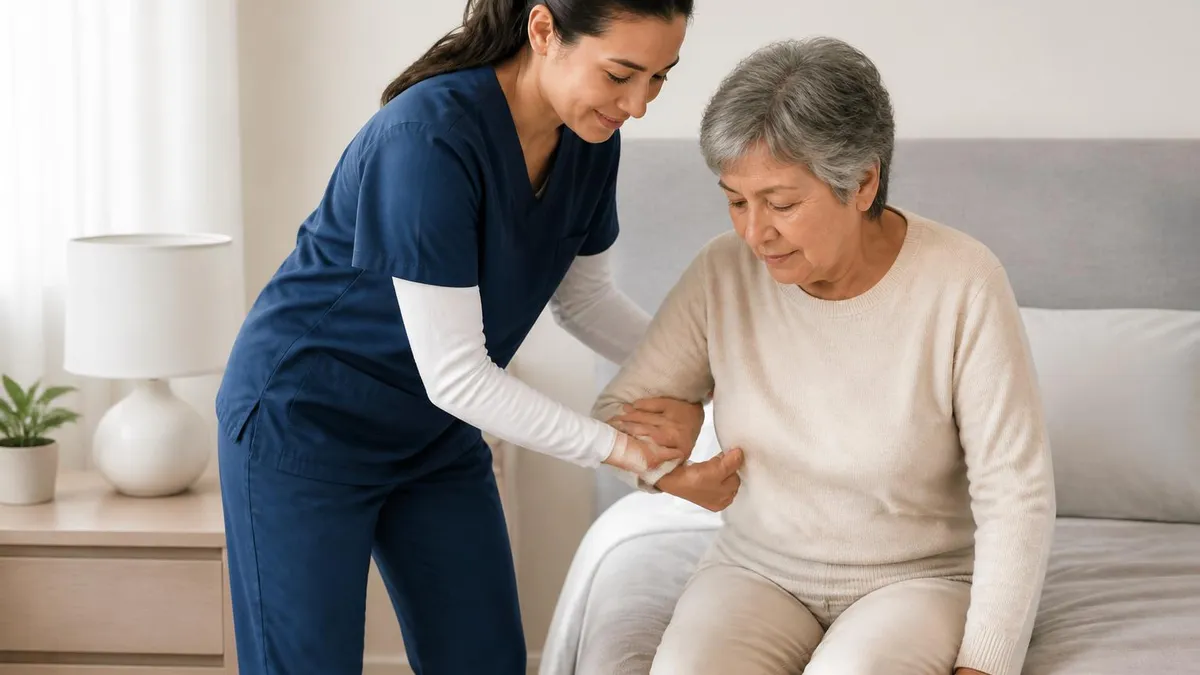
Mobility and transfer assistance demands careful attention to body mechanics and safety protocols that protect both the client and the worker from injury. Personal support workers use mechanical lifts, transfer belts, sliding boards, and proper positioning techniques to help clients move between beds, wheelchairs, toilets, and common areas. Understanding weight-bearing restrictions, fall prevention strategies, and post-surgical movement limitations ensures that every transfer maintains the client's physical safety while promoting recovery and functional independence over time.
Nutritional support within the PSW role extends from meal planning assistance through preparation, serving, and feeding support for clients with swallowing difficulties or limited motor control. Workers must understand therapeutic diet modifications including diabetic, cardiac, renal, and texture-modified meal requirements. Accurate intake documentation helps the healthcare team monitor nutritional status and adjust care plans accordingly. Many employers also expect PSWs to maintain clean kitchen environments and manage basic grocery shopping when working in home care settings.
The distinction between a psw nurse involves understanding scope of practice boundaries that define what personal support workers can and cannot perform independently. PSWs do not administer medications beyond reminders, perform sterile procedures, or make clinical assessments. However, they provide invaluable observational data by reporting changes in vital signs, skin condition, behavior patterns, appetite, and pain levels that inform nursing decisions. This collaborative relationship between PSWs and nurses creates comprehensive care coverage that benefits every client.
Documentation responsibilities require personal support workers to maintain accurate records of care provided, client responses, observed changes, and any incidents or concerns arising during shifts. Many facilities now use electronic documentation systems that demand basic computer literacy alongside clear written communication skills. Timely and thorough documentation protects clients by ensuring critical information transfers reliably between care providers across shift changes, weekends, and holiday coverage periods when regular staff may be absent.
Household management duties frequently appear in home care PSW job descriptions, encompassing light housekeeping, laundry, bed-making, and maintaining safe living environments free from fall hazards and infection risks. Workers may also assist with appointment scheduling, transportation accompaniment, and community activity participation that supports client socialization and mental health. These broader responsibilities demonstrate how the PSW role transcends basic physical care to address holistic wellbeing across all dimensions of daily living.

PSW Practice Test Questions
Prepare for the PSW - Personal Support Worker exam with our free practice test modules. Each quiz covers key topics to help you pass on your first try.
PSW Emotional and Social Support Test
Free PSW Practice Test featuring Emotional and Social Support Test. Improve your PSW Exam score with mock test prep.
PSW Household Management Test
PSW Mock Exam on Household Management Test. PSW Study Guide questions to pass on your first try.
PSW Physical Care Test
PSW Mock Test covering Physical Care Test. Online PSW Test practice with instant feedback.
PSW Meaning Across Different Career Settings
In hospital settings, the PSW meaning takes on an acute care dimension where workers assist patients recovering from surgeries, managing chronic illness exacerbations, or receiving palliative treatment. Hospital PSWs work alongside registered nurses and physicians, following detailed care plans that change frequently as patient conditions evolve. Shift work including nights, weekends, and holidays is standard, with patient assignments rotating regularly based on unit needs and acuity levels throughout the facility.
Hospital personal support workers must demonstrate rapid adaptability since patient populations change daily through admissions and discharges. Documentation requirements tend to be more rigorous than community settings, with electronic health records demanding precise charting of vital signs, intake output measurements, and mobility assessments. The fast-paced environment develops strong clinical observation skills and prepares workers for advancement into specialized units including rehabilitation, oncology, and surgical recovery programs within the hospital system.
Advantages and Challenges of the PSW Career
- +High job security with consistent demand growth projected through 2030 and beyond
- +Meaningful daily work providing direct positive impact on vulnerable individuals' quality of life
- +Multiple work setting options including hospitals, homes, long-term care, and community agencies
- +Relatively short training period of eight to twelve months compared to other healthcare professions
- +Flexible scheduling options with part-time, full-time, casual, and self-scheduling availability
- +Clear career advancement pathways into nursing, healthcare management, or specialized support roles
- −Physically demanding work requiring lifting, bending, and extended periods on your feet
- −Emotional challenges when clients experience health decline, suffer, or pass away unexpectedly
- −Entry-level wages below median income levels despite the essential nature of the work performed
- −Irregular hours including mandatory weekends, holidays, and overnight shifts in many positions
- −Risk of workplace injury from client aggression, repetitive strain, or improper transfer techniques
- −Heavy workloads with high client-to-worker ratios particularly in understaffed long-term care facilities
Pros and Cons at a Glance
| Pros | Cons |
|---|---|
| Meaningful daily work providing direct positive impact on vulnerable individuals' quality of life | Physically demanding work requiring lifting, bending, and extended periods on your feet |
| Multiple work setting options including hospitals, homes, long-term care, and community agencies | Emotional challenges when clients experience health decline, suffer, or pass away unexpectedly |
| Relatively short training period of eight to twelve months compared to other healthcare professions | Entry-level wages below median income levels despite the essential nature of the work performed |
| Flexible scheduling options with part-time, full-time, casual, and self-scheduling availability | Irregular hours including mandatory weekends, holidays, and overnight shifts in many positions |
| Clear career advancement pathways into nursing, healthcare management, or specialized support roles | Risk of workplace injury from client aggression, repetitive strain, or improper transfer techniques |

Essential PSW Job Description Skills Checklist
- ✓Demonstrate proper hand hygiene and infection prevention and control procedures consistently
- ✓Perform safe mechanical and manual client transfers using appropriate equipment and body mechanics
- ✓Document care activities accurately and promptly using facility-approved recording systems
- ✓Communicate changes in client condition to supervising nurses through proper reporting channels
- ✓Assist with personal hygiene tasks while maintaining client dignity and encouraging independence
- ✓Prepare and serve meals according to therapeutic diet requirements and texture modifications
- ✓Implement fall prevention strategies and maintain hazard-free client living environments
- ✓Provide emotional support and social interaction that addresses client isolation and loneliness
- ✓Follow medication reminder protocols without exceeding scope of practice boundaries
- ✓Respond appropriately to emergency situations following established facility emergency procedures
PSW Demand Outpaces Supply Through 2030
Labor market analysts project that North America will need over 150,000 additional personal support workers by 2030 to meet growing demand from aging populations. This shortage creates exceptional job security, competitive wage increases, and signing bonuses at many facilities. Workers who obtain specialized certifications in dementia care or palliative support command premium wages fifteen to twenty percent above base PSW rates.
Salary expectations represent a critical component of any personal support worker job description evaluation, and compensation varies significantly based on geographic location, employer type, experience level, and specialized certifications held. Entry-level PSWs in 2026 typically earn between thirty-eight thousand and forty-two thousand dollars annually, while experienced workers with five or more years of service and additional training credentials can reach fifty-two thousand to fifty-eight thousand dollars. Union-represented positions generally offer higher base wages plus comprehensive benefits packages including health insurance, pension contributions, and paid professional development days.
Hospital-employed personal support workers tend to earn the highest hourly rates due to shift premiums for evening, night, and weekend work combined with strong union representation in most acute care facilities. Home care agencies offer competitive per-visit compensation that rewards efficient scheduling, though workers must account for unpaid travel time between client locations. Long-term care facilities provide middle-range wages but often include valuable benefits such as employer-matched retirement savings, tuition reimbursement for continuing education, and opportunities for internal advancement into supervisory or training roles.
Geographic salary variations reflect local cost of living differences and regional demand intensity for healthcare support workers. Urban centers generally offer higher nominal wages, though rural and remote communities increasingly provide recruitment incentives including relocation assistance, housing subsidies, and accelerated advancement timelines that effectively increase total compensation. Workers willing to accept positions in underserved communities often negotiate significantly better employment packages than their urban counterparts despite lower posted base rates.
Benefits packages deserve careful evaluation beyond base hourly rates when comparing PSW employment opportunities across different organizations. Comprehensive health and dental insurance, employer pension contributions, paid sick leave, vacation entitlements, and professional development funding can add twenty to thirty percent to total compensation value. Some progressive employers now offer mental health support programs, fitness memberships, and childcare assistance specifically designed to reduce burnout and improve retention among frontline care workers who face significant occupational stress.
The PSW-10 competency framework influences compensation in organizations that implement performance-based pay structures recognizing advanced skill development. Workers demonstrating proficiency across all ten assessment domains may qualify for premium pay rates, specialized assignment opportunities, or fast-track promotion to senior personal support worker classifications. Understanding how your employer evaluates performance and rewards skill advancement helps you strategically plan professional development activities that maximize both career satisfaction and financial returns over time.
Overtime opportunities significantly boost annual earnings for personal support workers willing to accept additional shifts beyond their regular schedules. Current staffing shortages mean overtime availability remains consistently high across most healthcare settings, with premium rates of time-and-a-half or double-time applying to hours worked beyond standard thresholds. Some workers strategically combine part-time positions at multiple facilities to maximize hourly earnings while maintaining scheduling flexibility that accommodates personal commitments and prevents occupational burnout from excessive consecutive working hours.
Career stage planning helps personal support workers set realistic financial expectations and identify strategic decisions that accelerate income growth over their working lives. New graduates should expect modest starting wages that increase substantially within the first three years as experience accumulates and additional certifications expand available opportunities. Workers who invest in continuing education and accept progressively challenging assignments typically reach senior pay scales within five to seven years, positioning themselves for eventual advancement into supervisory, education, or specialized clinical support roles.
Personal support workers must never exceed their defined scope of practice regardless of employer pressure or client requests. Administering medications, performing sterile procedures, making clinical assessments, or providing treatments outside your training creates legal liability and endangers client safety. Always escalate tasks beyond PSW scope to your supervising registered nurse or healthcare professional immediately.
Career advancement pathways available to personal support workers extend far beyond remaining in direct care positions throughout an entire working life. Many PSWs use their certification as a foundational stepping stone toward registered nursing programs, recognizing that hands-on care experience provides invaluable clinical context for advanced academic study. Bridging programs specifically designed for experienced personal support workers offer accelerated pathways into registered practical nursing that credit prior learning and reduce overall program duration by several months compared to standard entry routes.
Specialization within the PSW role itself represents another advancement pathway that increases both job satisfaction and earning potential without requiring additional years of formal education. Dementia care specialists, palliative support workers, acquired brain injury companions, and pediatric personal support workers all command premium compensation while performing highly rewarding specialized work. These specializations typically require forty to eighty hours of additional training beyond basic certification, available through employer-sponsored programs, community colleges, or professional development organizations.
Supervisory and management advancement attracts experienced personal support workers who demonstrate leadership aptitude, strong communication skills, and deep understanding of care delivery operations. Senior PSW positions, team lead roles, and care coordinator designations offer increased responsibility with corresponding wage premiums while maintaining connection to direct client service. Some workers eventually transition into facility management, quality improvement, or staff education positions that use their frontline experience to improve organizational care delivery at systemic levels.
Those researching reset ig psw certification requirements discover that maintaining and upgrading credentials opens doors to increasingly rewarding positions throughout a healthcare career spanning decades. Provincial registries and professional associations offer continuing education tracking systems that help workers identify skill gaps, plan development activities, and document competencies that employers recognize during promotion considerations. Proactive credential management demonstrates professional commitment that distinguishes advancement-oriented workers from those content with maintaining basic certification status.
Entrepreneurial PSWs increasingly establish private care practices serving clients who prefer self-directed care arrangements outside traditional agency structures. Private practice requires business registration, liability insurance, and strong professional networks for client referrals, but offers significantly higher hourly rates along with complete scheduling autonomy. This career model suits experienced workers with established reputations, excellent time management skills, and comfort operating independently without organizational support structures commonly available in facility-based employment.
The relationship between personal support work and broader healthcare career planning deserves thoughtful consideration from anyone entering the field. Understanding how PSW experience translates into university admission advantages, scholarship eligibility, professional references, and clinical placement preparation helps new workers approach their initial positions as strategic career investments rather than simply jobs. This long-term perspective improves job satisfaction during challenging early-career periods while maintaining motivation toward larger professional goals and aspirations.
International credential recognition increasingly allows personal support workers trained in one country to practice in others through mutual recognition agreements and bridging assessment programs. Workers considering eventual international mobility should research credential portability during their initial training selection process, choosing programs accredited by bodies whose certificates transfer across borders with minimal additional requirements. This global perspective opens extraordinary career possibilities including overseas healthcare development work, cruise ship medical support, and expatriate care coordination in international communities worldwide.
Preparing effectively for PSW employment requires strategic attention to both technical skill development and professional presentation throughout your job search process. Successful candidates tailor their resumes to highlight specific competencies mentioned in each job posting rather than submitting generic applications that fail to demonstrate relevant experience alignment. Use the exact terminology from the personal support worker job description when describing your clinical placement experiences, volunteer activities, and any previous care-related employment to ensure applicant tracking systems identify your application as a strong match.
Interview preparation for PSW positions should include practiced responses to behavioral questions exploring how you handle challenging care situations, ethical dilemmas, team conflicts, and emergency scenarios. Employers consistently report that candidates who provide specific examples from their training placements or previous work experiences outperform those offering only theoretical responses about what they would hypothetically do. Prepare three to five detailed stories demonstrating compassion, problem-solving, communication skills, and professional boundary maintenance that you can adapt to various interview question formats.
Clinical placement performance during your training program directly influences early career employment opportunities since placement supervisors frequently become professional references and occasionally offer positions to outstanding students upon graduation. Approach every placement shift as a working interview by arriving early, demonstrating initiative, asking thoughtful questions, accepting feedback gracefully, and building genuine collegial relationships with permanent staff members. These connections often provide insider information about upcoming vacancies before positions appear on public job boards.
Professional development planning should begin immediately upon certification rather than waiting until employers require specific credentials for advancement. Identify two or three specialization areas that genuinely interest you and systematically pursue relevant training opportunities including workshops, online courses, mentorship arrangements, and conference attendance. Building specialized expertise early in your career creates competitive advantages that compound over years through increasingly selective position access, premium compensation, and leadership opportunity eligibility.
Networking within the healthcare community accelerates career development more effectively than isolated job searching through online portals alone. Join professional associations, attend local healthcare events, participate in community volunteer programs, and maintain active connections with former classmates and instructors who now work across various care settings. Many PSW positions fill through internal referrals and professional network recommendations before reaching public advertisement, making relationship cultivation an essential ongoing career management activity throughout your professional life.
Work-life balance management deserves deliberate attention from personal support workers whose emotionally and physically demanding roles create improved burnout risk compared to many other occupations. Establish clear boundaries between work responsibilities and personal time, develop stress management practices including regular exercise and social connection, and use employee assistance programs when occupational stress affects your wellbeing. Sustainable career longevity requires treating self-care as a professional obligation rather than an optional luxury that competes with work availability.
Continuing to test your knowledge through practice examinations and professional development quizzes helps maintain clinical competency while preparing you for any recertification requirements or promotional assessments that arise throughout your career. Regular self-assessment identifies knowledge gaps before they manifest as practice errors, demonstrates professional commitment to supervisors, and builds confidence that translates directly into improved daily care delivery and client outcomes across all healthcare settings where personal support workers serve.
Sample PSW - Personal Support Worker Practice Questions
Try these questions from our free PSW - Personal Support Worker practice tests. The correct answer and an explanation follow each question.
In a healthcare context, which of the following best sums up the work of a Personal Support Worker (PSW)?
- A. PSWs are qualified to carry out intricate medical treatments like anesthesia and surgery.
- B. Under the direction of licensed nurses or other medical professionals, PSWs help clients with daily living activities and offer basic healthcare services.
- C. PSWs offer patients and their family psychotherapy and emotional support.
- D. The main duties of PSWs are to diagnose illnesses and recommend remedies.
Answer: B. Under the direction of licensed nurses or other medical professionals, PSWs help clients with daily living activities and offer basic healthcare services.
Personal Support Workers (PSWs) are frontline healthcare providers who assist clients with activities of daily living (ADLs) such as bathing, dressing, feeding, and mobility, as well as providing basic personal care and companionship. They work under the supervision of registered nurses or other regulated healthcare professionals, following care plans to support clients' independence and well-being. PSWs do not perform complex medical procedures, diagnose illnesses, or provide psychotherapy.
Which of the following is an example of a standard precaution in personal support work?
- A. Isolating all clients with colds
- B. Treating all blood and body fluids as potentially infectious
- C. Using sterile gloves for every task
- D. Notifying public health for every illness
Answer: B. Treating all blood and body fluids as potentially infectious
Standard precautions require treating all blood and body fluids as potentially infectious regardless of a client's known diagnosis.
Among the support services offered by home care are not
- A. Help with household management
- B. Self-care
- C. Support for everyday living activities
- D. Respiratory therapy
Answer: D. Respiratory therapy
Home care services typically focus on assisting clients with daily living activities, personal care, and household management to enable them to live independently at home. Respiratory therapy, which involves specialized medical treatments for breathing disorders, is a skilled nursing or specialized medical service that is generally not considered a standard 'support service' provided by a Personal Support Worker (PSW) in home care. While a PSW might assist with oxygen equipment, the actual therapy is beyond their scope.
When should a PSW perform hand hygiene?
- A. Only before preparing food
- B. Before and after every client contact
- C. Only after removing gloves
- D. Once at the start and end of a shift
Answer: B. Before and after every client contact
Hand hygiene must be performed before and after every client contact to protect both the client and the worker from cross-contamination.
PSW Questions and Answers


About the Author

Educational Psychologist & Academic Test Preparation Expert
Columbia University Teachers CollegeDr. Lisa Patel holds a Doctorate in Education from Columbia University Teachers College and has spent 17 years researching standardized test design and academic assessment. She has developed preparation programs for SAT, ACT, GRE, LSAT, UCAT, and numerous professional licensing exams, helping students of all backgrounds achieve their target scores.