
Juvenile Probation Officer: Career Guide, Salary, and How to Become One
Juvenile probation officer career guide: what JPOs do, salary by state, education and requirements, hiring process, and day-in-the-life details. 🎯

If you're drawn to youth work, social justice, and the idea of helping kids turn their lives around before the system swallows them, becoming a juvenile probation officer (JPO) might be your calling. JPOs supervise young people aged roughly 10 to 17 who've been adjudicated delinquent by juvenile court. The work blends counseling, case management, and accountability in a way most government jobs simply don't offer.
This guide walks you through everything you need to know about the JPO career path in 2026: what the day-to-day actually looks like, how it differs from adult probation, the education and certification you'll need, what salaries look like by state, and how to land the job. Whether you're a college student weighing a criminal justice major or a recent grad mapping out next steps, you'll leave with a clear picture of whether the JPO path fits you.
The juvenile justice system has changed dramatically over the past decade. Diversion programs have expanded, mental health and drug courts have proliferated, and trauma-informed practice has moved from buzzword to baseline expectation. That means today's JPO needs broader training and softer interpersonal skills than the role demanded twenty years ago. The upside? The work is more impactful, and skilled officers are in genuine demand across most of the country.
A juvenile probation officer supervises court-involved youth, focuses on rehabilitation over punishment, and typically manages 25 to 40 cases. Entry pay runs $45,000 to $58,000 with a bachelor's degree, climbing past $95,000 for senior and supervisory roles. Demand is stable, with roughly 4% projected growth through 2032 according to BLS data. If you want meaningful work, government benefits, and smaller caseloads than adult probation, JPO work delivers.
Juvenile probation officers exist because the legal system treats youth differently from adults. The whole point is rehabilitation. When a teen ends up in juvenile court for shoplifting, vandalism, drug possession, or assault, a judge can order probation instead of detention. That's where the JPO steps in. You become the bridge between the court, the family, the school, and any treatment providers, making sure the youth follows the conditions of probation while getting the support they need to stay out of further trouble.
Day-to-day, you'll do home visits, meet with parents who are sometimes overwhelmed and sometimes hostile, drop in on schools to check attendance and grades, run drug tests, and write detailed court reports. You're also the person making recommendations when a youth violates probation: do you ask the judge for a stricter sanction, or do you advocate for more services? That judgment call is what makes the work both demanding and meaningful.
You'll also coordinate constantly with people who don't always agree. Defense attorneys want their clients held to lighter conditions. Prosecutors want firmer sanctions. School staff want updates and sometimes want the youth removed from class. Therapists want privacy protections. Parents want the system to fix what they can't. Your job is to weigh all those voices and still represent what's best for the youth in front of the judge. For broader context on the field, see what is a probation officer and the available probation officer jobs across the country.

JPO vs Adult Probation Officer
Rehabilitation-focused. You'll work closely with the youth's family, school, and treatment providers. Caseloads run smaller, typically 25 to 35 youth. The role leans heavily on case management, mentoring, and service coordination. You'll build genuine relationships over months or years. Court involvement is constant because juvenile cases revisit the bench regularly for review hearings.
JPOs aren't all doing the same job. Most departments split staff into specialized units depending on caseload type, risk level, and the youth's needs. You might start as a generalist field officer, then specialize once you've earned a few years of experience and additional training. The three core roles below show the range you'll see in a typical county juvenile probation department.
Settings matter too. Most JPOs work in a county juvenile probation department, but state juvenile justice agencies, tribal courts, federal probation, detention-affiliated probation units, diversion programs, and reentry programs all hire JPOs. Federal juvenile work is rare because most juvenile cases are handled at the state and county level, but those federal slots, when they open, pay considerably more. Reentry programs are growing fast as states close large youth detention facilities and shift toward community-based supervision. That trend means more JPO openings every year in this specialized niche, especially in states actively closing legacy facilities.
Three Main JPO Roles
You're the first JPO a youth meets after arrest or referral. You conduct screening interviews, gather school records and prior history, and recommend whether the case should be diverted (handled informally with services) or formally adjudicated. Intake officers shape the trajectory of every case in the system, so the role demands sharp interviewing skills, knowledge of community resources, and the ability to read families quickly under pressure.
Requirements to Become a JPO
- ✓Bachelor's degree in criminal justice, social work, psychology, sociology, or human services
- ✓Minimum age 21 in most states
- ✓U.S. citizen or lawful permanent resident
- ✓Valid driver's license and reliable transportation
- ✓Pass a comprehensive background check (no felony convictions)
- ✓Pass a psychological evaluation
- ✓Pass a written civil-service exam (state and county specific)
- ✓Pass drug screening and physical fitness assessment in many states
- ✓Complete state academy training (3 to 6 months post-hire)
- ✓Maintain First Aid and CPR certification
The bachelor's degree requirement isn't going anywhere. A few small rural departments still accept extensive related experience in place of a four-year degree, but those exceptions are vanishing fast. If you're still in school, criminal justice and social work are the two safest majors, with psychology a close third. Want to set yourself apart? Take electives in juvenile delinquency, child development, family systems, and trauma-informed care. Most hiring managers will assume a CJ grad knows criminal procedure, but they won't assume that grad understands adolescent brain development.
Here's a quick breakdown of which majors fit best. Criminal justice is the most common and broadly accepted choice. Social work (BSW or MSW) is the strongest pick if you want to lean into case management and family work. Psychology helps with assessments and communication. Counseling or mental health counseling is ideal if you want to specialize in clinical roles later. Public administration is a smarter long-term play if you're aiming at management or department leadership. Pick based on where you want to be in ten years, not where you want to start.
If you're targeting promotion to supervisor or specialty roles within a decade, start thinking about a master's degree from day one. An MSW (Master of Social Work) is the strongest credential for clinical and family-focused work. A master's in criminal justice or public administration is better if you're aiming for management. Either way, many departments offer tuition reimbursement, so let your employer help foot the bill. Some applicants also benefit from grabbing a probation officer practice test PDF to prep for the entry exam.

Hiring Process: 10 Steps from Diploma to Caseload
Earn your bachelor's degree
Apply through county or state HR portal
Pass the written exam
Background investigation
Psychological evaluation
Oral board interview
Conditional job offer
Polygraph (some agencies)
Academy training
Field training and independent caseload
Salary for juvenile probation officers varies more than most career-guide sites admit. Two factors drive the spread: the state's general cost of living and the size of the local government's pay scale. A first-year JPO in Los Angeles County can earn $75,000 starting, while a first-year hire in rural Mississippi might pull $35,000. Don't pick a state purely for pay, but go in with realistic numbers. The good news is that government benefits (pension, health, paid leave) often add 25 to 40 percent in real value on top of base pay.
Pay also tracks experience predictably. Most county systems use step-and-grade schedules, so you'll get raises on a published schedule rather than negotiating each year. That can feel slow during the first few years, but it builds significant cumulative gains over a 20-year career. By the time you're vested in the pension and have made it to a senior or supervisor band, total compensation can easily exceed what private sector counterparts pull in for similar work. The trade-off is that you give up upside in exchange for stability.
One question newcomers ask constantly: should I work for a county, state, or federal agency? County jobs dominate the field. State agency roles often come with stronger training and clearer promotion paths. Federal probation pays the most but rarely handles juveniles directly. If you're picking your first agency, prioritize manageable caseloads, a strong training program, and a culture you actually want to be part of for at least three years. Money matters, but staying long enough to vest matters more.
Salary Ranges by Career Stage
- Salary range: $45,000 - $58,000
- Typical caseload: 25-35 youth
- Common title: JPO I or Probation Officer Trainee
- Benefits: Full state pension + health
- Salary range: $58,000 - $78,000
- Typical caseload: 20-30 (often specialty)
- Common title: JPO II or Senior JPO
- Benefits: Pension vested, longevity pay
- Salary range: $78,000 - $95,000+
- Typical caseload: Supervisory or 12-18 high-risk
- Common title: Supervising JPO or Lead JPO
- Benefits: Management pay band
- Salary range: $90,000 - $120,000+
- Typical caseload: Department oversight
- Common title: Chief Probation Officer
- Benefits: Executive pension tier
Skills employers actually look for, beyond the bachelor's degree and the credential checkboxes, are surprisingly soft. Strong written and verbal communication tops every job posting. Cultural competency comes second, especially in jurisdictions serving racially and linguistically diverse communities. A trauma-informed approach is now table stakes. De-escalation training matters more than ever as departments move away from confrontational supervision styles. Patience and empathy are obvious, but so is the ability to enforce consequences when needed. Crisis intervention skills come up constantly. Computer literacy matters because case management software runs the modern department.
Reliable transportation is non-negotiable. Bilingual ability, especially Spanish, brings a real pay premium and faster hiring in most metropolitan areas. The candidates who get hired fast often have a small set of standout signals: a relevant internship, volunteer work with at-risk youth, basic Spanish, and the ability to talk specifically about a few books or trainings on adolescent development. None of that is rare on its own. Stack three or four together and you'll outshine most applicants.
Where you live shapes your paycheck more than how good you are at the job. The numbers below come from a mix of BLS state data, county HR pay scales, and recent job postings. Treat them as ranges, not promises. Big metros within each state typically pay 10 to 25 percent more than the state average, and rural counties pay correspondingly less. Federal probation, which occasionally handles juvenile-adjacent cases, runs higher across the board with starting pay around $55,000 and ceilings near $95,000.

JPO Salary by State (2026 Estimates)
Forget the stats for a second. Let's walk through a real day. A typical field officer carrying 30 youth on a suburban caseload starts at 8 a.m. with paperwork and court prep, then heads to court at 9 for a review hearing on an active case. By 11 they're at one or two schools checking in with teachers. Lunch is at 1, then home visits from 1:30 to 4. A family meeting at 4 pulls them back to the office, with documentation wrapping at 6.
Notice how little time happens at a desk and how much driving is involved. Reliable transportation isn't optional, and mileage reimbursement is a meaningful chunk of total compensation. Add in an on-call rotation (most departments use a one-week-on, three-weeks-off schedule) and you've got a job that demands real flexibility. If you crave a 9-to-5 desk job, this isn't it. If you like variety and being out in the community, you'll thrive.
Documentation deserves its own warning. Every contact, phone call, drug test result, school report, and court appearance gets logged. Risk assessments need updating on a fixed schedule. Court reports for review hearings can run 5 to 15 pages. Plan on spending one full day per week on paperwork even if your other days look more glamorous. Officers who skimp on documentation end up in trouble when a case goes sideways, because the file is the only thing protecting you and the youth when memories fade.
Caseload size matters more than salary. An average JPO carries 25 to 40 youth, but high-risk specialty caseloads stay smaller (12 to 18) and diversion or low-risk caseloads can balloon to 50 to 80. Burnout risk climbs sharply above 40. When you interview, ask about average caseload size and what the department does to keep it manageable. The answer tells you a lot about the agency's culture and how long staff actually last.
Hiring managers ask the same handful of questions in nearly every interview. Why do you want to work with juvenile offenders? How do you handle a non-compliant youth? Describe a time you de-escalated a tense situation. How do you balance helping a kid versus holding them accountable? What's your experience with trauma-informed care? Why our agency specifically? Prepare two to three concrete stories from internships, volunteer work, or part-time jobs that show your judgment under pressure. Generic answers get you cut. Specific stories with measurable outcomes get you hired.
Hiring panels also pay close attention to how candidates talk about youth. Avoid phrases that sound dismissive or label-heavy. Use language that recognizes development, context, and capacity for change. Mention what you've read or learned about adolescent brain development, the school-to-prison pipeline, ACEs (adverse childhood experiences), and how families function under stress. The panel wants to know you'll see the youth as a whole person, not just a case number, and that you'll bring evidence-based thinking to a job that often defaults to gut instinct.
State certification requirements vary, and you should know the rules where you plan to work. California uses Probation Officer Standards (POST-C). Texas runs certification through the Texas Juvenile Justice Department (TJJD). Florida runs hires through the state Department of Juvenile Justice training program. Most states require an academy plus continuing education hours each year (usually 16 to 40), often including topics like firearms qualification, defensive tactics refresher, ethics, and trauma-informed practice. Maintaining good standing isn't passive. You'll keep training your entire career.
Pros and Cons of the JPO Career
- +Meaningful work that genuinely helps youth turn lives around
- +Strong pension and government benefits package
- +Variety in daily work (office, court, field, schools)
- +Smaller caseloads than adult probation
- +Clear career advancement ladder
- +Less physical risk than uniformed law enforcement
- +Educational and community impact you can see
- −Emotionally taxing (working with traumatized youth)
- −Long hours including evenings and weekends
- −On-call rotation for after-hours crisis response
- −Difficult and sometimes hostile families
- −Limited resources and bureaucratic frustrations
- −Some risk during home visits (rare but real)
- −High burnout risk in understaffed departments
- −Lower pay than law enforcement counterparts
Pros and Cons at a Glance
| Pros | Cons |
|---|---|
| Meaningful work that genuinely helps youth turn lives around | Emotionally taxing (working with traumatized youth) |
| Strong pension and government benefits package | Long hours including evenings and weekends |
| Variety in daily work (office, court, field, schools) | On-call rotation for after-hours crisis response |
| Smaller caseloads than adult probation | Difficult and sometimes hostile families |
| Clear career advancement ladder | Limited resources and bureaucratic frustrations |
| Less physical risk than uniformed law enforcement | Some risk during home visits (rare but real) |
One last thing worth saying clearly: the JPO role isn't right for everyone, and that's okay. If you need rigid structure, predictable hours, and clean answers, you'll burn out within a year. The job runs on ambiguity. A youth you've worked with for eight months might commit a serious new offense the day before their case closes. A family that seemed cooperative might block every home visit when the judge isn't watching. Your most carefully written court report might get ignored.
What keeps experienced JPOs going is a long view. The kids you reach today won't always tell you they appreciated the help, but research consistently shows that consistent, supportive supervision reduces recidivism. You'll occasionally hear from someone five years later who graduated college, started a family, or simply stayed out of the adult system. Those moments make the late nights, the difficult families, and the underwhelming paychecks worth it. If that kind of slow-burn impact appeals to you, this work will reward you.
If you decide JPO work is for you, start preparing now even if graduation is years away. Land an internship at a juvenile probation department (most graduate programs require it anyway, and undergrad CJ programs strongly recommend it). Volunteer with at-risk youth through organizations like Big Brothers Big Sisters or local mentoring programs. Take electives in child development, family systems, and trauma-informed practices. Learn Spanish, because bilingual JPOs command premium pay and faster hiring almost everywhere. Build a small network of practicing officers who can review your application materials and coach you through the interview process.
The advancement ladder runs roughly like this. You start as JPO I. After one to three years you'll move up to JPO II or Senior JPO with a more complex caseload. By year three to seven, specialized roles open up: drug court, mental health court, sex offender supervision, gang intervention, or reentry coordinator. Year seven and beyond brings supervisor and lead JPO roles. Ten-plus years gets you into management, all the way up to chief probation officer.
Also consider how your career might branch later. Some JPOs become federal probation officers, which involves moving to a different jurisdiction but boosts pay considerably. Others move sideways into juvenile court administration, social work practice, or nonprofit youth services. A handful go back to school for law degrees and work on the legal side of juvenile justice. The skills you build (interviewing, case management, court testimony, motivational interviewing) transfer to many other careers, including a related crime scene investigator career if you decide to pivot toward investigations later.
Job outlook is steady. The Bureau of Labor Statistics projects roughly 4% growth for probation officers and correctional treatment specialists through 2032, slower than average across all occupations but reliably positive. Demand stays consistent because the workforce is aging out and diversion programs continue expanding. Funding cycles shape hiring at the state level, so keep an eye on local budget news. The biggest hiring volumes are in California, Texas, Florida, New York, and Illinois, but mid-size counties in growing metros (Phoenix, Atlanta, Charlotte, Denver) often have the freshest openings and the shortest hiring timelines for new grads.
Here's the bottom line. Juvenile probation rewards people drawn to youth work and rehabilitation, with stable government benefits and meaningful daily impact. It's also emotionally demanding and often underpaid relative to law enforcement counterparts. If you can stomach the heavy emotional load and stick around long enough to vest, you'll build a career that pays adequately, grows steadily, and matters in ways most office jobs never will.
Want a clear next step? Study for the entry exam, line up an internship, and start applying broadly via the probation officer practice test resources to see which agencies match your goals.
Sample Probation Officer Practice Questions
Try these questions from our free Probation Officer practice tests. The correct answer and an explanation follow each question.
What is the purpose of a graduated sanctions framework in probation case management?
- A. To automatically discharge offenders after minor violations
- B. To provide proportional responses to non-compliance without immediately seeking revocation
- C. To replace all judicial involvement in supervision decisions
- D. To allow offenders to choose their own sanctions
Answer: B. To provide proportional responses to non-compliance without immediately seeking revocation
Graduated sanctions allow officers to respond proportionally to violations, reserving revocation for serious or repeated non-compliance.
Which condition is considered a 'standard' (general) condition of probation rather than a 'special' condition?
- A. Completing a sex-offender treatment program
- B. Obeying all laws and reporting to the probation officer
- C. Installing an ignition interlock device
- D. Attending anger management classes
Answer: B. Obeying all laws and reporting to the probation officer
Standard conditions like obeying laws and reporting apply to all probationers, while special conditions are tailored to the individual offense.
Restitution as a condition of probation primarily serves to:
- A. Punish the offender financially for the state's benefit
- B. Compensate the victim for losses caused by the crime
- C. Pay the probation officer's wages
- D. Fund unrelated court programs
Answer: B. Compensate the victim for losses caused by the crime
Restitution is intended to make the victim whole by repaying losses resulting from the offense.
Under U.S. law, what standard of proof is required to revoke probation?
- A. Beyond a reasonable doubt
- B. Preponderance of the evidence
- C. Clear and convincing evidence
- D. Probable cause only
Answer: B. Preponderance of the evidence
Revocation hearings use the preponderance of the evidence standard, meaning it is more likely than not that a violation occurred.
Juvenile Probation Officer Questions and Answers
About the Author
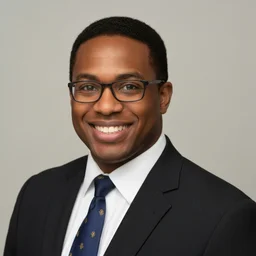
Law Enforcement Trainer & Civil Service Exam Specialist
John Jay College of Criminal JusticeMarcus B. Thompson earned his Master of Arts in Criminal Justice from John Jay College of Criminal Justice and served 12 years as a law enforcement officer before transitioning to full-time academy instruction. He is a POST-certified instructor who has prepared candidates for police entrance exams, firefighter assessments, and civil service examinations across dozens of agencies.