
How to Become a Probation Officer 2026 October
Become a probation officer through bachelors degree, application, background check, and training academy. 🔎 Learn salary, requirements, and career path.

Becoming a probation officer represents rewarding career path supporting criminal justice system through supervision of offenders serving probation sentences in community. Probation officers work with adult and juvenile offenders helping them complete probation requirements while supporting rehabilitation and community safety. The career combines social work elements with law enforcement responsibilities producing varied work supporting offenders through probation completion. Understanding how to become a probation officer helps individuals interested in this criminal justice career navigate educational requirements, hiring processes, training, and various other steps toward probation officer career launch.
Probation officer career attracts individuals interested in criminal justice combined with helping offenders rehabilitate. The career provides direct contact with offenders supporting positive change. Work settings include county and state probation departments serving various offender populations. Federal probation officers serve federal court system. Specialized probation roles include juvenile probation, drug court probation, and various other specialty areas. Salary ranges and career advancement opportunities provide reasonable career prospects. Understanding the full career landscape helps prospective probation officers evaluate fit with personal interests and career goals.
This guide explains how to become a probation officer comprehensively including educational requirements, age and other eligibility criteria, hiring processes, training programs, certification considerations, salary expectations, career advancement, specialty practice areas, day-to-day work activities, comparison with related criminal justice careers, and various other aspects affecting probation officer career pursuit. Whether you are exploring criminal justice career options or actively pursuing probation officer career, understanding the comprehensive path supports informed decisions matching individual circumstances and professional goals.
Probation Officer Career Key Facts
Educational requirements for probation officer positions typically include bachelors degree. Criminal justice represents most common major though sociology, psychology, social work, and various other related fields also qualify candidates. Some positions accept associates degree combined with relevant experience though bachelors degree generally preferred. Specific coursework supporting probation officer career includes criminology, juvenile justice, corrections, sociology, psychology, ethics, and various other related subjects. Internships during education provide valuable practical experience and networking. The educational investment typically 4 years for bachelors degree supports systematic preparation for probation officer career launch.
Age requirements for probation officer positions typically include minimum age 21 with maximum age requirements at some agencies. Some agencies have maximum hiring ages typically 35 to 37 reflecting physical demands and retirement planning. The age requirements vary across agencies and states. Federal probation officer positions through US Courts have specific age considerations. Understanding age requirements supports career planning particularly for older career changers entering probation officer career later in life. Most agencies welcome qualified candidates across age range though specific limits may apply at certain agencies.
Physical and background requirements affect probation officer hiring. Background checks include criminal history review, credit checks, drug testing, and various other screening. Clean criminal record typically required though minor infractions may not disqualify depending on agency. Physical fitness requirements vary by agency with some requiring specific fitness standards. Psychological evaluation supports hiring assessment. Driving record review evaluates ability to perform field work requiring driving. The background requirements support hiring qualified candidates capable of probation officer responsibilities including handling sensitive criminal justice information and potentially encountering challenging situations during work.

Probation officer positions exist at federal, state, and county levels with different employer characteristics. Federal probation officers work for US Courts serving federal offenders through US Probation and Pretrial Services Office. Higher salary, federal benefits, more selective hiring, and broader jurisdiction characterize federal positions. State probation officers work for state corrections departments serving state offenders. County probation officers work for county court systems serving offenders at county level often with most positions and varied work characteristics. Understanding employer level differences helps career planning matching personal preferences for jurisdiction, salary, and work characteristics across various probation officer employer options.
Application process for probation officer positions follows specific employer procedures. Researching available positions through state and county job postings, federal usajobs.gov, and various other sources identifies opportunities. Application typically requires resume, cover letter, education transcripts, and various other documentation. Civil service examinations may be required for some positions. Background investigation begins after initial application screening. Interviews assess candidate qualifications and fit. Some positions require psychological assessment. Job offers extend to selected candidates subject to background completion. The systematic application process typically takes 3 to 6 months from initial application to job offer for selected candidates.
Civil service examinations test general aptitude and specific knowledge for many probation officer positions. Tests typically include reading comprehension, writing skills, mathematical reasoning, situational judgment, and various other components. Specific test content varies across jurisdictions. Preparation for civil service tests supports better performance and competitive position scores. Various civil service test preparation resources help candidates prepare. The examination represents one component of hiring process combining with other application elements. Understanding civil service test requirements helps prospective probation officers prepare appropriately for hiring competition with other qualified candidates.
Training programs for newly hired probation officers provide comprehensive role preparation. Initial training typically 4 to 12 weeks at probation officer training academy covers criminal law, probation procedures, case management, communication skills, ethics, defensive tactics, firearms training for armed officers, and various other topics. On-the-job training continues after academy with experienced officer mentoring. Continuing education throughout career supports skill maintenance and development. The substantial training investment supports prepared probation officer workforce capable of effective offender supervision across various challenging situations encountered during probation work.
Probation Officer Career Steps
Complete bachelors degree typically in criminal justice, sociology, psychology, social work, or related field. 4-year educational investment provides foundational knowledge supporting probation officer career launch and ongoing professional development.
Internships, volunteer work, and entry-level criminal justice positions build relevant experience. Direct experience with offender populations particularly valuable. Strong experience supports competitive hiring among multiple applicants for probation officer positions.
Search federal, state, and county probation officer openings through various job sources. Submit applications with required documentation. Pass civil service examination if required. Complete interview process with hiring agency for probation officer positions.
Complete comprehensive background investigation including criminal history, credit check, drug testing, psychological evaluation, and various other screening. Clean background generally required though minor issues may not disqualify depending on agency policies.
Attend 4 to 12 week probation officer training academy covering criminal law, procedures, case management, communication, ethics, and various other essential topics. Pass all required examinations and skill demonstrations completing initial training.
Continue professional development throughout career through continuing education, specialty training, advanced certifications, and various other development opportunities. Support career advancement and skill maintenance throughout probation officer career.
Salary expectations for probation officers vary substantially across jurisdictions and experience levels. Entry-level probation officer salaries typically range $40,000 to $55,000 annually. Mid-career probation officers earn $55,000 to $75,000. Senior probation officers and supervisors earn $75,000 to $95,000. Federal probation officers typically earn higher salaries than state and county positions. Geographic variation produces substantial salary differences with metropolitan areas and high-cost regions paying more. Specific specialty practice areas may pay higher. Understanding salary expectations helps career planning matching financial needs with probation officer career options across various employer levels.
Career advancement opportunities support long-term probation officer career growth. Senior probation officer positions support experienced practitioners. Supervisor positions handle team leadership responsibilities. Chief probation officer represents executive-level position. Specialized roles in juvenile court, drug court, mental health court, and various other specialty areas offer focused practice. Career advancement typically requires combination of experience, performance, education, and sometimes additional certifications. The advancement options support varied career trajectories beyond entry-level practice supporting long-term career development matching individual goals.
Specialty practice areas within probation work offer focused career paths. Juvenile probation focuses on offenders under 18 with specific juvenile justice considerations. Drug court probation supports drug-involved offenders through specialized rehabilitation-focused approach. Domestic violence probation addresses specific domestic violence offender population. Sex offender supervision involves intensive supervision and specific protocols. Mental health court probation supports offenders with mental health concerns. Each specialty offers unique work characteristics matching different practitioner interests. Building specialty expertise supports premium compensation and focused practice matching individual interests and skills.

Probation Officer Career Aspects
Daily probation officer work activities include caseload management with assigned offenders, office meetings with offenders, field visits to offender homes or workplaces, court appearances reporting on offender progress, drug testing administration, treatment program coordination, employment verification, and various other supervisory activities. Substantial documentation requirements support case management and court reporting. Risk assessment activities inform supervision intensity decisions. The varied work combines office activities with field work producing diverse daily routines beyond just office-based work alone.
Educational pathway specifics affect probation officer career launch. Choosing accredited bachelors program supports credible educational foundation. Criminal justice major represents most directly relevant though sociology, psychology, and social work also support career path. Internship completion during education provides valuable practical experience and networking. Some programs offer specific tracks supporting various criminal justice career paths. Graduate degrees in criminal justice or related fields support some advancement positions though typically not required for initial probation officer positions. The educational investment typically representing 4 years and $40,000-$200,000 plus depending on institution supports career launch.
Volunteer and internship experience supports competitive applications. Volunteer work with criminal justice organizations builds experience. Internships with probation departments or related criminal justice agencies provide direct exposure to probation work. Various other criminal justice volunteer opportunities support relevant experience. Strong volunteer and internship experience combined with education produces competitive applications standing out among multiple applicants for limited probation officer positions. Building experience starting during education before formal application supports better hiring outcomes than applying with only education credential.
Networking within criminal justice profession supports career development. Professional organizations like American Probation and Parole Association APPA provide networking opportunities. Connecting with current probation officers through informational interviews builds understanding and contacts. Attending criminal justice conferences and various professional events expands network. Building relationships with college faculty and internship supervisors supports references and ongoing professional connection. The networking investment particularly benefits new graduates entering competitive hiring market through professional connections supporting hiring information and recommendations.
Probation officer career involves potentially challenging situations requiring careful preparation. Working with offenders who may have substance abuse, mental health, or violent histories presents safety considerations. Substantial paperwork and documentation requirements may differ from public perception of helping-oriented role. Caseload pressures can produce burnout for some officers. Court demands and case decisions create stress. Understanding realistic career characteristics rather than idealized perception helps make informed career commitment. Most successful probation officers handle these challenges effectively though career fit assessment matters for sustainable career commitment matching personal circumstances and stress management capabilities.
Comparison with related criminal justice careers helps probation officer career decisions. Parole officers work with offenders released from prison rather than serving probation. Correctional officers work in prisons and jails rather than community supervision. Police officers focus on law enforcement rather than offender supervision. Social workers support various populations including some criminal justice clients. Court probation supervisors lead probation teams in supervisor roles. Each related career has different characteristics matching different practitioner preferences. Understanding similar careers helps determine best fit matching personal interests and goals across criminal justice career spectrum.
Continuing education requirements throughout probation officer career support ongoing professional development. Annual training hours typically required maintaining professional development. Specialty training supports practice area expertise. Continuing education topics include legal updates, supervision techniques, evidence-based practices, ethics, and various other relevant topics. Professional development through advanced certifications supports career advancement. Various professional development opportunities support skill maintenance throughout careers. The ongoing learning investment matches career-long professional commitment to effective probation work as field evolves over time matching changing criminal justice practices and evidence.
Job market considerations affect probation officer career pursuit. BLS projects approximately 3% job growth over the next decade representing slow growth compared to other occupations. Government budget considerations affect hiring across federal, state, and county levels. Specific geographic markets have varied opportunities. Understanding job market helps geographic and timing decisions for career launch. Some areas offer more opportunities than others. Federal hiring follows different patterns than state and county hiring. The varied market across employer types and locations supports different career planning approaches matching personal circumstances and flexibility.

Probation Officer Career Pursuit Checklist
- ✓Complete bachelors degree in criminal justice or related field
- ✓Build relevant experience through internships and volunteer work
- ✓Network with current probation officers and criminal justice professionals
- ✓Research probation officer positions at federal, state, and county levels
- ✓Prepare for civil service examinations if required by target agencies
- ✓Submit applications with required documentation including resume and transcripts
- ✓Complete background investigation including criminal history and various other screening
- ✓Pass interview process with hiring agency
- ✓Complete probation officer training academy upon hiring
- ✓Plan continuing education and career advancement throughout probation officer career
Personal qualities supporting probation officer success include various traits beyond just credentials. Strong communication skills support offender relationships and team collaboration. Analytical thinking supports case management decisions. Patience helps work with challenging offenders. Integrity supports ethical practice. Empathy supports rehabilitation focus alongside accountability. Stress management capabilities support handling difficult cases. Reliability supports court and team commitments. The personal qualities combine with credentials supporting effective probation work. Self-assessment of personal traits helps career fit evaluation beyond just educational and experiential qualifications for probation officer position pursuit.
Career change considerations for individuals entering probation officer career later in life include various factors. Existing experience in related fields like law enforcement, social work, military, education, or various other backgrounds may provide relevant skills. Educational requirements still apply though may need to complete degree if not previously earned. Age limits at some agencies may restrict career change options. Financial considerations affect career change feasibility. Family circumstances affect timing and location flexibility. Career change to probation officer represents substantial transition though many career changers succeed in probation officer roles matching their commitment to criminal justice work.
The probation officer career offers rewarding criminal justice career path for individuals interested in offender supervision and rehabilitation. Understanding educational requirements, hiring processes, training, salary expectations, career advancement, and various other aspects supports informed career pursuit. The investment in education and qualification produces career launch supporting public safety and offender rehabilitation work. Whether early career exploration or career change consideration, comprehensive probation officer career understanding supports informed decisions matching individual circumstances and professional goals across various criminal justice career opportunities throughout federal, state, and county probation officer employment.
Probation Officer Career Pros and Cons
- + —
- + —
- + —
- + —
- + —
- + —
- + —
- + —
- − —
- − —
- − —
- − —
- − —
- − —
Long-term career planning for probation officers supports sustained career success. Building specialty expertise in specific practice areas like juvenile justice, drug court, or mental health court supports advancement opportunities. Pursuing graduate education during career supports supervisor and management advancement. Building professional reputation through quality work and professional involvement supports networking and references. Maintaining current certifications and continuing education supports professional standing. The long-term planning approach treats probation officer career as career-long professional development rather than initial entry alone supporting better long-term outcomes through systematic advancement and specialization.
Retirement and benefits considerations affect probation officer career planning. Government pension benefits represent substantial career advantage particularly for federal positions and many state systems. Specific pension eligibility and amounts vary by employer. Health insurance benefits during career and into retirement matter substantially. Other benefits including life insurance, disability coverage, and various other benefits affect total compensation. The retirement and benefits considerations may make probation officer career particularly attractive long-term compared to private sector careers offering higher salary without comparable retirement benefits. Understanding benefits comprehensively supports informed career decisions.
The probation officer career represents valuable criminal justice career option supporting public safety, offender rehabilitation, and meaningful work in challenging field. Understanding the career comprehensively including educational pathway, hiring process, training, working conditions, and career advancement supports informed pursuit. The investment in probation officer career produces value through stable government employment, meaningful work, advancement opportunities, and substantial benefits matching career-long commitment to criminal justice work. Whether early career planning or experienced career change, comprehensive understanding supports better outcomes matching individual circumstances and career goals.
Sample Probation Officer Practice Questions
Try these questions from our free Probation Officer practice tests. The correct answer and an explanation follow each question.
Which assessment approach uses statistical formulas derived from group data to predict individual recidivism probability?
- A. Clinical assessment
- B. Actuarial assessment
- C. Subjective narrative assessment
- D. Collateral source assessment
Answer: B. Actuarial assessment
Actuarial assessment uses statistically derived instruments and population data to generate risk scores that predict the probability of future criminal behavior.
What is the significance of pre-market and after-hours trading?
- A. It does not exist
- B. Trading that occurs outside regular market hours, often with lower volume, wider spreads, and higher volatility
- C. It is only for institutions
- D. It follows different rules entirely
Answer: B. Trading that occurs outside regular market hours, often with lower volume, wider spreads, and higher volatility
Extended hours trading allows reactions to news and earnings before and after the regular session, but typically with less liquidity and wider bid-ask spreads.
What is the purpose of continuing education in a profession?
- A. To collect certificates
- B. To maintain and expand knowledge, meet licensing requirements, and stay competitive in the field
- C. It is only for new professionals
- D. To increase tuition revenue for schools
Answer: B. To maintain and expand knowledge, meet licensing requirements, and stay competitive in the field
Continuing education ensures professionals maintain current knowledge, meet regulatory requirements, and develop new skills for career advancement.
Under the Interstate Compact for Adult Offender Supervision, when can a receiving state reject a transfer request?
- A. Whenever it chooses without reason
- B. If the offender does not meet eligibility criteria such as a valid residence or means of support
- C. Only if the offender is violent
- D. It can never reject a request
Answer: B. If the offender does not meet eligibility criteria such as a valid residence or means of support
Receiving states may deny transfers when offenders fail eligibility criteria like a verified residence or employment.
Probation Officer Questions and Answers
Federal probation officer career path involves specific considerations beyond state and county positions. Federal positions through US Courts require federal-specific application process through usajobs.gov. Federal hiring typically more competitive with fewer positions than state and county opportunities. Federal probation officers typically earn higher salaries than state and county counterparts. Federal benefits including pension and health insurance generally superior to state and county options. Federal training academy duration and specifics differ from state and county training. Understanding federal-specific path helps prospective federal probation officers prepare appropriately for federal hiring competition.
The probation officer profession continues evolving with various developments affecting career considerations. Evidence-based supervision practices increasingly emphasized in modern probation work. Technology integration including electronic monitoring affects supervision approaches. Specialty courts including drug courts, mental health courts, and veterans courts expand specialty practice opportunities. Reduced incarceration emphasis may expand probation officer roles. Various other criminal justice reforms affect probation officer practice. Understanding profession evolution helps career planning matching evolving practice rather than treating profession as static.
The probation officer career provides meaningful criminal justice career path combining offender supervision with rehabilitation support. Understanding educational requirements, hiring processes, training, working conditions, salary, advancement, and various other aspects supports informed career pursuit. The investment in probation officer qualification produces career launch supporting public safety work and meaningful offender rehabilitation. Whether early career planning or career change consideration, comprehensive understanding supports better outcomes matching individual circumstances and professional commitment to criminal justice work across federal, state, and county probation officer career opportunities.
About the Author
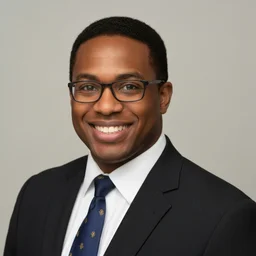
Law Enforcement Trainer & Civil Service Exam Specialist
John Jay College of Criminal JusticeMarcus B. Thompson earned his Master of Arts in Criminal Justice from John Jay College of Criminal Justice and served 12 years as a law enforcement officer before transitioning to full-time academy instruction. He is a POST-certified instructor who has prepared candidates for police entrance exams, firefighter assessments, and civil service examinations across dozens of agencies.