

Parkinson's Practice Test
Updated for September 2026Parkinson Question and Answers
- Parkinson’s disease stage 1 is the mildest type. There may be symptoms now, but they aren’t severe enough to affect everyday activities or one’s way of life. The symptoms are so mild at this point that they are frequently overlooked. However, your relatives and friends can notice alterations in your gait, posture, or facial expressions.
- Parkinson’s stage 2 is regarded as a moderate form, and the symptoms are significantly more pronounced than those of stage 1. Changes in facial expressions and stiffness may be more obvious, as well as shaking and trembling.
- Stage 3 of Parkinson’s disease is the middle stage and a crucial turning point in the course of the illness. The symptoms resemble those of stage 2 in many ways. But your chances of losing your balance and slowing down now are higher. Overall, your movements slow down. This is why stage 3 sees an increase in falls. Parkinson’s stage 3 patients and stage 4 patients are distinguished by their independence.
- It is possible to stand unaided during stage 4. However, moving about can necessitate the use of a walker or another kind of aid.
- The most advanced stage of Parkinson’s disease is stage 5. Advanced leg stiffness can also result in freezing when standing, which makes it impossible to move or stand. People in this stage frequently need wheelchairs and can’t stand up straight without falling. To avoid falls, constant help is needed.
- If you are of state pension age and have a health condition or impairment that makes it difficult for you to accomplish daily chores, you may be eligible for an attendance allowance.
- Personal Independence Payment, if you require assistance with daily activities or mobility due to a medical condition. People who are caring for someone with Parkinson’s are eligible for the Carer’s Allowance. But they must devote at least 35 hours a week to looking after them.
- Primary Parkinson’s Parkinson’s disease’s primary form is diagnosed in up to 85% of elderly patients. Researchers are aware that the condition arises as a result of the death of dopamine-producing neurons, but they are unsure of what causes the problem to occur.
- Parkinson’s Plus Parkinson’s plus, also known as secondary Parkinson’s, arises from physiological alterations that are simpler to identify. Additionally, the secondary form of disease typically advances more quickly and does not react to dopamine.
Parkinson's Practice Test Questions
Prepare for the Parkinson's exam with our free practice test modules. Each quiz covers key topics to help you pass on your first try.
Parkinson's Disease
Parkinson's Exam Questions covering Disease. Master Parkinson's Test concepts for certification prep.
Parkinson's Knowledge
Free Parkinson's Practice Test featuring Knowledge. Improve your Parkinson's Exam score with mock test prep.
Parkinson's Trivia
Parkinson's Mock Exam on Trivia. Parkinson's Study Guide questions to pass on your first try.
Parkinson's Caregiving and Daily Living
Parkinson's Test Prep for Parkinson's Caregiving and Daily Living. Practice Parkinson's Quiz questions and boost your score.
Parkinson's Complications and Comorbidities
Parkinson's Questions and Answers on Parkinson's Complications and Comorbidities. Free Parkinson's practice for exam readiness.
Parkinson's Disease Stages and Progression
Parkinson's Mock Test covering Parkinson's Disease Stages and Progression. Online Parkinson's Test practice with instant feedback.
Parkinson's Epidemiology and Statistics
Free Parkinson's Quiz on Parkinson's Epidemiology and Statistics. Parkinson's Exam prep questions with detailed explanations.
Parkinson's Exercise and Physical Therapy
Parkinson's Practice Questions for Parkinson's Exercise and Physical Therapy. Build confidence for your Parkinson's certification exam.
Parkinson's Fall Prevention and Safety
Parkinson's Test Online for Parkinson's Fall Prevention and Safety. Free practice with instant results and feedback.
Parkinson's Genetics and Risk Factors
Parkinson's Study Material on Parkinson's Genetics and Risk Factors. Prepare effectively with real exam-style questions.
Parkinson's Mental Health and Cognitive Ch...
Free Parkinson's Test covering Parkinson's Mental Health and Cognitive Changes. Practice and track your Parkinson's exam readiness.
Parkinson's Nutrition and Lifestyle
Parkinson's Exam Questions covering Parkinson's Nutrition and Lifestyle. Master Parkinson's Test concepts for certification prep.
Parkinson's Occupational Therapy and Adapt...
Free Parkinson's Practice Test featuring Parkinson's Occupational Therapy and Adaptive Strategies. Improve your Parkinson's Exam score with mock test prep.
Parkinson's Research and Pathophysiology
Parkinson's Mock Exam on Parkinson's Research and Pathophysiology. Parkinson's Study Guide questions to pass on your first try.
Parkinson's Sleep and Autonomic Function
Parkinson's Test Prep for Parkinson's Sleep and Autonomic Function. Practice Parkinson's Quiz questions and boost your score.
Parkinson's Speech and Communication
Parkinson's Questions and Answers on Parkinson's Speech and Communication. Free Parkinson's practice for exam readiness.
Parkinson's Support Resources and Community
Parkinson's Mock Test covering Parkinson's Support Resources and Community. Online Parkinson's Test practice with instant feedback.
Parkinson's Surgery and Advanced Therapies
Free Parkinson's Quiz on Parkinson's Surgery and Advanced Therapies. Parkinson's Exam prep questions with detailed explanations.
Important: The Parkinson's exam covers multiple domains. Allocate more study time to unfamiliar topics while maintaining review of strong areas.
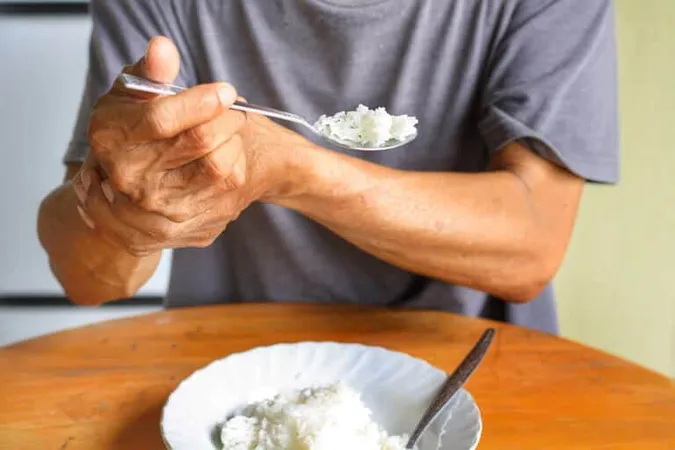

Mechanism Of Parkinsons Disease
Parkinson's: Pros and Cons
- +Parkinson's credential is recognized by employers and industry professionals
- +Higher earning potential compared to non-credentialed peers
- +Expanded career opportunities and professional advancement
- +Structured learning path builds comprehensive knowledge
- +Professional development that stays current with industry standards
- −Preparation requires significant time and study commitment
- −Associated costs for exams, materials, and renewal fees
- −Continuing education needed to maintain credentials
- −Competition for advanced positions can be challenging
- −Requirements and standards may vary by state or region
About the Author

Certified Professional Development Expert & Niche Certification Advisor
University of Pennsylvania Graduate School of EducationDr. Alexandra Kim holds a PhD in Professional Studies from the University of Pennsylvania and is a Certified Professional in Learning and Performance (CPLP) and Certified Professional in Talent Development (CPTD). With 17 years of corporate training and professional certification advisory experience, she helps professionals navigate specialized, emerging, and cross-industry certification programs.