
YouTube Pediatric Advanced Life Support: The Complete PALS Video Study Guide
Master PALS with YouTube videos, free practice tests & study tips. ✅ Complete 2026 September guide for certification prep — real strategies that work.

YouTube pediatric advanced life support videos have transformed how nurses, paramedics, respiratory therapists, and physicians prepare for PALS certification. Where learners once relied solely on thick textbooks and classroom lectures, thousands of free high-quality video lessons now explain cardiac algorithms, rhythm recognition, and pediatric pharmacology in visual, step-by-step formats. Whether you are a first-time candidate or renewing your credential every two years, integrating YouTube into your study plan can dramatically reduce anxiety and improve recall on exam day.
The sheer volume of PALS content on YouTube can feel overwhelming at first glance. Searching "pediatric advanced life support" returns tens of thousands of results ranging from 90-second algorithm overviews to four-hour comprehensive review courses. The key is building a structured playlist rather than watching whatever the algorithm surfaces next. Experienced candidates recommend organizing videos by AHA algorithm category — respiratory distress, shock, cardiac arrest, post-resuscitation care — and moving through each category before tackling practice questions.
Video learning activates a different cognitive pathway than reading. When you watch an instructor draw out the pediatric bradycardia algorithm on a whiteboard, your brain encodes the visual layout alongside the verbal explanation, creating two retrieval routes instead of one. Research on multimedia learning consistently shows that well-designed instructional videos improve both short-term recall and long-term retention compared to text alone. For PALS, where you must rapidly recognize a rhythm and execute a precise intervention, that stronger encoding is critical.
Not all YouTube PALS channels are created equal. The most trustworthy sources are produced by AHA-affiliated instructors, emergency medicine physicians, and critical care educators who cite current American Heart Association guidelines. Look for videos that explicitly reference the 2020 AHA PALS guidelines and note when content was last updated. Outdated videos may reference drug doses or algorithm steps that have been revised, so always cross-check clinical details against your official AHA PALS Provider Manual before your exam.
Combining YouTube video review with timed practice questions is the gold standard approach recommended by most PALS educators. Videos build conceptual understanding and visual familiarity with algorithms, while practice questions test your ability to apply that knowledge under time pressure. Aim for a ratio of roughly 60% video study to 40% question practice during your first two weeks, then shift to 30% video and 70% questions in the final week before your course. This progression mirrors how memory consolidates — broad input first, targeted retrieval practice second.
Many candidates underestimate the value of rewatching videos. Cognitive science research shows that spaced repetition — revisiting material at increasing intervals — dramatically outperforms a single extended study session. A practical approach is to watch a video on pediatric tachycardia on day one, review your notes on day three, watch the video again on day seven, and then answer related practice questions on day ten. This spacing schedule roughly doubles long-term retention compared to cramming the same material in one sitting.
If you are wondering about the financial side of PALS preparation alongside your video study plan, understanding pals youtube resources alongside course pricing helps you budget realistically. Free YouTube content can meaningfully offset your preparation costs by reducing or eliminating the need for expensive third-party review courses, making certification accessible even on a tight healthcare worker budget.
PALS YouTube Study: Key Numbers

7-Day PALS YouTube Study Schedule
- ▸Watch pediatric airway anatomy overview videos (30 min)
- ▸Study BVM technique and bag-mask ventilation tutorials
- ▸Review respiratory distress vs. respiratory failure videos
- ▸Complete 20 airway management practice questions
- ▸Watch pediatric ECG interpretation video series (45 min)
- ▸Study bradycardia with a pulse algorithm walkthrough
- ▸Review SVT and tachycardia decision tree videos
- ▸Watch cardiac arrest (pulseless arrest) algorithm tutorial
- ▸Complete 30 cardiac rhythm practice questions
- ▸Watch hypovolemic, distributive, cardiogenic shock videos
- ▸Study obstructive shock and tension pneumothorax tutorials
- ▸Review pediatric drug dosing videos (epinephrine, adenosine, amiodarone)
- ▸Watch Broselow tape and weight-based dosing explanation
- ▸Complete 25 shock and pharmacology practice questions
- ▸Watch ROSC and post-cardiac arrest care videos
- ▸Review targeted temperature management tutorials
- ▸Watch full PALS algorithm review compilation (60–90 min)
- ▸Complete full 50-question timed PALS practice test
- ▸Rewatch any algorithm videos where you missed questions
Building a well-organized YouTube playlist is the single most productive step you can take before diving into PALS video content. Without a playlist, most learners spend 20–30% of their study time searching, clicking through unrelated videos, and losing their place in a logical learning sequence. Start by creating a dedicated YouTube playlist titled something like "PALS Cert 2026" and systematically add videos in the order that mirrors the AHA PALS Provider Manual chapters: systematic approach, recognition of respiratory problems, recognition of shock, cardiac arrest algorithms, and special resuscitation situations.
When evaluating which videos to add to your playlist, apply a quick quality checklist before committing. First, check the publication or update date — content more than three years old may reference outdated drug doses or deprecated algorithm steps. Second, look at the credentials listed in the channel description; physician educators, flight nurses, and AHA PALS instructors generally produce more accurate content than anonymous uploaders.
Third, scan the comments section for corrections from other clinicians, since the YouTube community often flags clinical errors quickly. A single inaccurate drug dose seen in a video and not caught could cause you to answer an exam question incorrectly.
Video length matters more than most candidates realize. Research on instructional video engagement shows that learner attention and retention drop sharply after about 9 minutes. For PALS topics, this means a 7-minute focused tutorial on the pediatric tachycardia algorithm is likely to be more effective than a 45-minute comprehensive lecture that covers everything at once. When you encounter longer review sessions, use the YouTube chapters feature — most quality channels break long videos into named segments — and watch one chapter at a time with a short break between segments.
Active watching is dramatically more effective than passive viewing. Instead of simply playing a video while multitasking, pause frequently to write down key decision points in your own words. After a video on supraventricular tachycardia management, for example, close your notes and try to reconstruct the algorithm from memory: What is the first intervention for stable SVT?
What dose of adenosine is used? What is the synchronized cardioversion energy dose for an unstable patient? Forcing your brain to retrieve information immediately after watching — a technique called the testing effect — can improve retention by up to 50% compared to re-reading or re-watching alone.
Supplement your YouTube playlist with speed adjustments based on your familiarity with each topic. For areas where you already have clinical experience, watching at 1.25x or 1.5x speed lets you cover more content in less time without sacrificing comprehension. For unfamiliar topics — perhaps neonatal resuscitation if you work primarily in adult care, or pediatric pharmacology if your background is in respiratory therapy — slow down to 0.75x speed and take detailed notes. YouTube's variable speed playback is one of its most underutilized study tools.
Create a second "rewatch" playlist as you study. Every time you feel uncertain after watching a video, or every time you miss a practice question that relates to a specific video topic, add that video to your rewatch list. In the final three days before your PALS course, work through only your rewatch playlist rather than new content. This targeted review approach ensures you spend your limited pre-course time reinforcing your weakest areas rather than re-covering content you already understand well.
Consider using YouTube's "Save to Watch Later" feature as a quick-capture tool during your study day. When a question during a practice set reveals a knowledge gap — say you missed a question about pediatric septic shock fluid resuscitation — immediately search YouTube for a focused video on that topic and add it to Watch Later. That evening, watch those targeted videos before your regular playlist. This reactive study loop keeps your video learning tightly connected to your actual performance gaps rather than following a generic outline that may not reflect your individual weaknesses.
Top PALS Topics Covered in YouTube Videos
YouTube hosts hundreds of detailed walkthroughs of the core PALS cardiac algorithms. The pediatric cardiac arrest algorithm — covering pulseless VF/VT, asystole, and PEA — is among the most-searched topics, and top channels break it into color-coded flowcharts that candidates can pause, study, and reproduce from memory. Look for videos that demonstrate the two-minute CPR cycle, appropriate shock energies (2 J/kg for first shock, 4 J/kg for subsequent), and epinephrine timing at every other cycle.
Bradycardia with a pulse and tachycardia algorithms are equally well-represented. The best YouTube tutorials walk through the decision tree step by step: Is the patient symptomatic? Is the rhythm sinus or non-sinus? Is the QRS narrow or wide? Is the patient stable or unstable? Videos that use real pediatric ECG strips alongside algorithm diagrams are particularly valuable because they train you to recognize the rhythm and execute the correct intervention simultaneously — exactly what the PALS course skills stations will require.

YouTube vs. Traditional PALS Study Materials: Pros and Cons
- +Completely free access to hundreds of hours of expert-led PALS instruction
- +Visual algorithm walkthroughs create stronger memory encoding than text alone
- +Flexible playback speed allows faster review or slower deep-dive study
- +Searchable by specific topic so you can target individual knowledge gaps immediately
- +Community comments frequently flag errors, effectively crowd-sourcing quality control
- +Accessible on any device — phone, tablet, or computer — for on-the-go study during breaks
- −Content quality varies widely; no formal vetting process for clinical accuracy
- −Outdated videos may reference deprecated drug doses or old AHA guidelines
- −Passive watching without active recall delivers far less retention than it appears to
- −Algorithm overload is possible — too many variations from different instructors can cause confusion
- −No built-in spaced repetition system; candidates must self-manage their rewatch schedule
- −Internet dependency makes offline study difficult in low-connectivity environments
PALS YouTube Study Checklist: 10 Steps to Certification Readiness
- ✓Create a dedicated YouTube playlist organized by AHA PALS algorithm category before watching any videos
- ✓Verify each video's publication date and creator credentials before adding it to your study playlist
- ✓Watch the pediatric systematic assessment (ABCDE) overview video at least twice to anchor all algorithm decisions
- ✓Complete the cardiac arrest algorithm video series including VF/VT, asystole, and PEA pathways
- ✓Study the bradycardia with a pulse and tachycardia algorithm videos back to back to contrast the decision trees
- ✓Watch at least two shock recognition videos covering all four shock types with clinical case examples
- ✓Practice active recall after every video by writing the algorithm key steps from memory without looking at notes
- ✓Build a rewatch playlist of videos linked to any practice questions you answer incorrectly
- ✓Use the 4-week study schedule above, dedicating the final week primarily to practice questions over new videos
- ✓On the day before your PALS course, rewatch only your rewatch playlist for maximum targeted reinforcement

The 9-Minute Rule for PALS Video Learning
Research on instructional video engagement consistently shows that attention and retention drop sharply after 9 minutes of continuous viewing. When studying PALS on YouTube, actively seek out videos under 10 minutes per algorithm topic and take a 3–5 minute active recall break between each video — close your notes and reconstruct the key decision points from memory before moving on. This single habit can increase your overall retention by up to 40% compared to marathon video sessions.
Maximizing what you retain from PALS YouTube videos requires more than simply pressing play and watching attentively. The most effective video learners apply a consistent framework around every video: a brief preview, active engagement during playback, and an immediate consolidation step after the video ends. Before pressing play, spend 60 seconds reading the video title, scanning the description, and glancing at any chapter markers. This pre-viewing primes your brain to notice and organize the information as it arrives rather than processing it passively from scratch.
Note-taking strategy during PALS videos should prioritize decision trees and thresholds over narrative prose. Rather than writing full sentences, sketch abbreviated algorithm flowcharts with boxes and arrows as the instructor explains each step. For example, while watching a bradycardia algorithm video, draw a quick flowchart: HR below 60 with poor perfusion → CPR → epinephrine 0.01 mg/kg IV → if no response, atropine 0.02 mg/kg → consider pacing. This visual output forces active processing and creates a personalized study reference that is faster to review than rewatching the full video.
The consolidation step immediately after each video is the most frequently skipped and most cognitively valuable part of the study cycle. Within two minutes of a video ending, close your notes and answer three self-test questions: What is the single most important clinical decision point in this algorithm? What are the two drug doses I must memorize? What is the one scenario most likely to appear on the PALS written exam? Writing your answers without looking at your notes activates retrieval practice, which research shows is more effective for long-term memory formation than additional re-reading or re-watching.
Spaced repetition scheduling for YouTube videos does not require a formal app if you maintain your rewatch playlist diligently. A practical low-tech approach: after finishing a topic's video series, mark a calendar entry 3 days later to rewatch a 2-minute self-quiz on that topic — not necessarily the full video, but perhaps a shorter related tutorial that tests the same knowledge. Then schedule a second brief rewatch at day 7, and a final one at day 14. By the time your PALS course arrives, content that went through this three-touch spaced review cycle will feel automatic rather than memorized.
Group study using YouTube videos adds an accountability and discussion layer that solo viewing cannot replicate. A simple approach used by many PALS candidates is to schedule 90-minute virtual study sessions over video call where all participants watch the same video simultaneously, then pause the video to discuss each decision point before moving on. One person acts as the "instructor" for the first algorithm — drawing the flowchart from memory while others critique and add detail — then rotate. This teach-back method is among the highest-retention study techniques identified in medical education research.
Simulation-based reinforcement after YouTube video study is the bridge between conceptual knowledge and clinical performance. After watching videos on a specific algorithm, practicing that algorithm on a mannequin or in a simulated case scenario — even a tabletop walkthrough with a colleague — dramatically strengthens your ability to execute it under pressure. Many PALS preparation videos actually include a simulation component, narrating a mock case while displaying the algorithm simultaneously, which provides a useful intermediate step between pure video learning and live skills practice with an AHA instructor.
Understanding which YouTube content aligns with each section of the actual PALS written examination helps you allocate your study time most efficiently. The PALS written exam typically includes roughly 30% airway and respiratory questions, 30% cardiac rhythm and algorithm questions, 25% shock recognition and management questions, and 15% post-resuscitation care and special situations. If you track your playlist watch time by category and find you have spent 70% of your video study time on cardiac algorithms, deliberately shift your remaining study hours toward respiratory and shock videos to correct that imbalance before exam day.
YouTube PALS videos are not a substitute for your official AHA PALS Provider Manual, and drug dose information in particular should always be cross-referenced against current AHA guidelines before your course. Some widely viewed YouTube videos were produced before the 2020 AHA guidelines update and may cite outdated dosing intervals or deprecated medications. If a YouTube video conflicts with your AHA manual, always trust the manual — and consider leaving a comment on the video alerting other candidates to the discrepancy.
Combining YouTube video study with structured practice testing is the preparation strategy most consistently associated with first-attempt PALS pass rates above 85%. Videos build the conceptual map — you learn where each algorithm goes and why each decision point exists — while practice questions test whether you can apply that map under the time pressure and scenario-based framing of the actual PALS written exam. Neither tool alone is as effective as the two used together in a deliberate sequence.
The optimal integration sequence is what educators call the "input-output-feedback" cycle. First, watch a YouTube video on a topic (input). Second, answer 10–15 practice questions on that same topic immediately after (output). Third, review every question you got wrong and identify the exact algorithm step or clinical threshold you misapplied (feedback). Then return to YouTube to rewatch only the portion of the relevant video that covers your error point. This tight loop between video learning and question-based testing transforms passive comprehension into active mastery.
Time pressure is a dimension that YouTube videos alone cannot replicate. The PALS written exam requires you to answer questions at a pace of approximately one question per minute, and many candidates who feel fully prepared from video study are surprised by how differently they perform under timed conditions.
Introducing timed practice from the very first day of question practice — not just in the final week — trains your brain to retrieve algorithm steps quickly rather than allowing the leisurely recall that video review permits. Aim for 60 seconds per question from day one, and track your accuracy rate separately at full speed versus unlimited time to measure your speed-accuracy tradeoff.
Scenario-based questions are particularly well-aligned with YouTube video preparation because both formats present a clinical picture and ask you to reason through a decision sequence. When you encounter a scenario question about a 4-year-old with narrow-complex tachycardia at 220 bpm and signs of poor perfusion, your brain should automatically visualize the tachycardia algorithm flowchart you drew while watching that YouTube video. This mental movie retrieval is far more reliable under stress than trying to recall a list of bullet points from a textbook page.
Track your practice question performance by algorithm category using a simple spreadsheet or even a handwritten table. Record your accuracy percentage for cardiac arrest, bradycardia, tachycardia, respiratory distress, and each shock type separately. After every practice session, your lowest-performing category tells you exactly which YouTube videos to rewatch. This data-driven approach prevents the common mistake of continuing to study comfortable topics — those you already understand well — while inadvertently neglecting the algorithm categories where your knowledge is weakest.
The week before your PALS course, shift your study ratio decisively toward question practice and away from new video content. At this stage, watching entirely new YouTube videos risks introducing confusion from instructors with slightly different framings of the same algorithm, especially for edge cases. Instead, limit video study to your rewatch playlist — videos specifically linked to your past question errors — and spend the majority of your final study hours answering timed full-length practice exams under realistic test conditions: 50 questions, 50 minutes, no pausing, no looking up answers until the full test is complete.
After passing your PALS certification, YouTube remains a valuable resource for maintaining your skills and preparing for biennial renewal. Many healthcare professionals bookmark their strongest PALS algorithm playlists and review them quarterly during downtime, keeping algorithm recall sharp even during periods when they rarely encounter pediatric resuscitation cases in clinical practice. This maintenance approach means that when renewal time arrives in two years, a few focused days of video and question review is sufficient rather than starting your preparation from scratch.
Practical tips from PALS-certified clinicians who used YouTube as their primary study tool consistently cluster around a few high-impact behaviors. First, always study in an environment that mirrors the cognitive demands of the exam — seated, without background music, with your phone face-down. YouTube's autoplay feature is particularly dangerous for focused study because it can pull you from a targeted PALS video into tangentially related content that wastes study time without building exam-relevant knowledge. Disable autoplay in your YouTube settings before every study session.
The most commonly cited YouTube PALS study mistake among unsuccessful candidates is treating video watching as equivalent to understanding. Feeling familiar with an algorithm after watching a video is not the same as being able to execute it correctly under exam conditions. Familiarity is the sensation of recognition; understanding is the ability to reconstruct and apply. The distinction matters enormously for PALS, because the exam presents novel clinical scenarios that require application — not recognition of a diagram you have seen before. Always test your understanding immediately after video study before moving to the next topic.
Downloading YouTube videos for offline access is an option worth considering if you study in environments with unreliable internet, such as during commutes, on night shifts, or in rural areas. YouTube Premium allows offline downloads that expire after 30 days. Alternatively, some PALS educators post their content on platforms like Vimeo or their own websites where download is permitted. If you choose to download third-party content, ensure you are using official channels and not redistributed or edited copies, which may have altered algorithm steps or drug doses without attribution.
Closed captions are an underutilized accessibility feature with real study benefits for PALS learners who are not native English speakers, who have auditory processing differences, or who study in noisy clinical break rooms. YouTube's auto-generated captions have significantly improved in accuracy, and many professional PALS channels provide manually reviewed captions. Reading captions alongside audio creates dual-coding of information — verbal and textual processing simultaneously — which can improve retention particularly for dense pharmacology content where precise terminology matters.
If you work in a pediatric setting, consider bookmarking YouTube PALS algorithm videos directly to your work computer or tablet for rapid refresher access before a resuscitation is anticipated. While YouTube is not a substitute for regular practice and current certification, having visual algorithm references accessible during high-stress situations can support decision-making in the early seconds of a pediatric emergency while your team assembles and the formal resuscitation process begins. Always follow your institution's protocols and defer to your most experienced clinician on scene.
Building a study group around a shared YouTube playlist multiplies the value of your preparation time. When four or five PALS candidates all add their recommended videos to a shared playlist, each person benefits from the curation effort of the entire group. Weekly 60-minute virtual review sessions where the group watches and discusses one algorithm video together create a collaborative learning environment that holds everyone accountable to a consistent study pace. Study group members also tend to catch each other's misunderstandings during discussion — a correction from a peer often creates a stronger memory trace than a solo self-correction.
Finally, remember that YouTube video study is the preparation layer, not the certification itself. The PALS course combines written examination with skills stations that assess your hands-on performance in simulated pediatric emergencies. No matter how many hours you spend watching algorithm videos, you will still need to demonstrate correct BVM technique, accurate rhythm interpretation, appropriate drug selection, and effective team communication during the course's case simulations.
Use your video preparation to build the cognitive foundation, then practice the physical skills separately — ideally with a colleague, in your simulation lab, or in a structured PALS review course — so that both your knowledge and your hands are ready when certification day arrives.
PALS Questions and Answers

PALS Certification Cost: Complete 2026 Pricing Guide for Healthcare Professionals

PALS Instructor Course: Complete Training Guide & Requirements for 2026

PALS Practice Test PDF (Free Printable 2026)
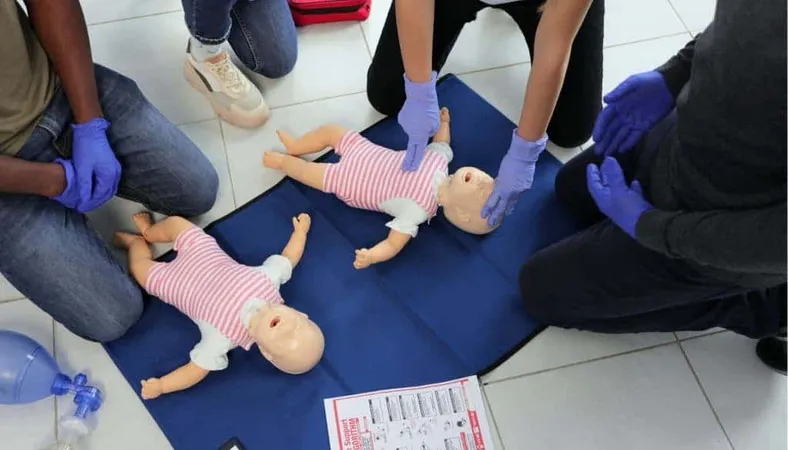
Pediatric Advanced Life Support Training Guide 2026

PALS Videos: The Complete Study Guide for Pediatric Advanced Life Support Certification
About the Author

Registered Nurse & Healthcare Educator
Johns Hopkins University School of NursingDr. Sarah Mitchell is a board-certified registered nurse with over 15 years of clinical and academic experience. She completed her PhD in Nursing Science at Johns Hopkins University and has taught NCLEX preparation and clinical skills courses for nursing students across the United States. Her research focuses on evidence-based exam preparation strategies for healthcare certification candidates.
Join the Discussion
Connect with other students preparing for this exam. Share tips, ask questions, and get advice from people who have been there.
View discussion (8 replies)