
PALS Portal: Your Complete Guide to Pediatric Advanced Life Support Resources
Navigate the PALS page and portal with ease. 🎯 Discover certification resources, study tools, and practice tests for pediatric advanced life support.

The PALS page — your central hub for everything related to Pediatric Advanced Life Support — can feel overwhelming the first time you encounter it. Whether you are a pediatric nurse, emergency physician, paramedic, or respiratory therapist, knowing how to navigate certification portals, locate study materials, and understand renewal timelines is essential before you ever sit down to study. This guide walks you through every corner of the PALS portal so you spend less time hunting for resources and more time building the clinical knowledge that saves children's lives.
Pediatric Advanced Life Support certification is maintained and administered primarily through the American Heart Association, and their online portal serves as the official gateway for course registration, provider card management, and instructor resources. Millions of healthcare professionals rely on this system each year to maintain credentials, and understanding how to use it effectively can save you significant time and frustration. From initial enrollment to card replacement, every major function you need is accessible through the portal's structured interface.
Many candidates approach PALS preparation without first understanding how certification timelines work or where their provider records are stored. The AHA's Training Network portal allows both individual providers and training center coordinators to look up completion records, download digital cards, and verify expiration dates. This transparency is especially valuable in high-turnover clinical environments where HR departments must confirm staff credentials on short notice or before joint commission visits.
One of the most common questions new learners ask is where to find legitimate practice resources before the course date. The answer often starts with the pals portal, which links to the AHA's HeartCode platform, publisher study guides, and approved supplemental materials. Understanding these pathways early means you can build a structured prep plan rather than scrambling through disconnected search results the week before your class.
Beyond registration and records, the PALS portal ecosystem includes instructor-facing tools, quality improvement dashboards, and course completion reporting systems used by hospitals and simulation centers. Knowing which sections are relevant to your role prevents unnecessary confusion. A staff nurse renewing a provider card needs only a small subset of the portal's features, while a program coordinator managing dozens of employees will use a much broader range of administrative functions.
Throughout this guide you will find detailed explanations of every major portal function, practical checklists for both first-time candidates and renewers, and answers to the most frequently asked questions from healthcare professionals who have navigated the PALS certification process. By the end, you will have a clear mental map of where everything lives, what documents to gather, and how to make the most efficient use of your study time before and after accessing the portal.
Whether your goal is to earn your first PALS provider card, renew an expiring credential, or prepare your team for an upcoming training day, this resource provides the structured overview you need. Read on to discover how each section of the PALS ecosystem fits together and how practice tests on platforms like PracticeTestGeeks complement the official AHA resources you will find inside the portal.
PALS Certification by the Numbers

How the PALS Portal Is Organized
Look up your current provider card status, download a digital copy, request a replacement physical card, and verify your expiration date. This section is the most visited area of the portal for individual healthcare professionals managing their own credentials.
Browse available PALS courses at AHA-authorized training centers near you, register for initial or renewal classes, and receive confirmation emails with pre-course reading assignments. Filtering by date, location, and training center makes scheduling straightforward.
The blended learning pathway lets you complete the cognitive portion of PALS online before attending a shorter hands-on skills session. HeartCode modules cover all core algorithms, case scenarios, and pharmacology reviewed on the written exam.
Coordinators and instructors access roster management, course reporting, equipment tracking, and instructor certification records. This section requires elevated portal permissions and is not visible to standard provider-level accounts.
Downloadable algorithm cards, reference charts, BLS and PALS interaction guides, and updated 2020 AHA Guidelines summaries are housed here. Many healthcare teams print and laminate these quick-reference cards for use in clinical areas.
Understanding the formal requirements for PALS certification is the foundation of any successful preparation strategy. The AHA requires that candidates complete both a cognitive evaluation — the written exam — and a skills evaluation, which includes hands-on demonstration of resuscitation techniques using high-fidelity manikins. Both components must be passed during the same course enrollment period to receive a provider card. Candidates who pass the written test but fail the megacode station must repeat the skills portion before a card is issued.
The written exam consists of 50 multiple-choice questions covering core PALS content domains: recognition of respiratory distress and failure, shock assessment and management, cardiac arrest algorithms, post-resuscitation care, and special resuscitation situations such as toxicologic emergencies and trauma. A score of 84% or higher — meaning at least 42 correct answers — is required to pass. The exam is closed-book and taken in a proctored environment during the in-person course session or, in the HeartCode blended format, through a secure online testing interface.
Skills stations evaluate your ability to direct and perform as both a team leader and team member during simulated pediatric emergencies. Common megacode scenarios include respiratory failure requiring bag-mask ventilation, a pulseless child requiring high-quality CPR and defibrillation, and a child in shock requiring rapid fluid resuscitation. Instructors observe and score each candidate's performance against AHA-defined competency checklists, which are based on the most current pediatric resuscitation guidelines.
For renewal candidates, the AHA offers a streamlined HeartCode renewal pathway that reduces total course time significantly. Providers who have a current, unexpired card may be eligible to complete only the online cognitive modules and a shorter hands-on skills check rather than attending a full-length provider course. This pathway is available through participating training centers and must be completed before the existing card expires — lapsed providers must repeat the full initial certification course regardless of prior experience.
Prerequisite knowledge matters enormously for PALS success. The AHA strongly recommends that all PALS candidates hold a current BLS provider certification, as high-quality CPR forms the foundation of every pediatric resuscitation algorithm. Candidates without a BLS background consistently struggle with the pace of PALS scenarios and often require additional remediation during skills stations. Many hospitals require BLS as a condition of employment well before PALS certification becomes a requirement, which creates a natural progression for clinical staff.
Pharmacology is one of the most challenging components for many candidates. PALS algorithms reference epinephrine, amiodarone, adenosine, atropine, magnesium, sodium bicarbonate, and several other agents — each with specific dose ranges calculated by weight. Understanding not just the drug names but their mechanisms, indications, and common errors is essential for both the written exam and the megacode station. Creating drug flashcards and practicing dose calculations before your course date dramatically improves confidence during timed scenarios.
Finally, familiarity with pediatric vital sign norms across age groups — neonate, infant, toddler, school-age, and adolescent — is non-negotiable. The ability to quickly recognize that a respiratory rate of 45 breaths per minute is normal in a newborn but alarming in a ten-year-old child is the kind of foundational knowledge that the PALS written exam tests repeatedly. Review age-appropriate heart rate, blood pressure, and respiratory rate ranges as part of your very first study session.
Study Strategies by Healthcare Role
Registered nurses and nurse practitioners preparing for PALS should focus heavily on recognition-phase skills: identifying the difference between compensated and decompensated shock, distinguishing upper from lower airway obstruction, and categorizing respiratory problems by type and severity. These recognition tasks form the first decision point in every PALS algorithm and are the area where nurses — who often assess patients first — can have the greatest clinical impact. Reviewing age-appropriate vital sign norms and practicing rapid pediatric assessment across all age groups strengthens this skill set significantly.
Beyond recognition, nurses benefit from understanding the team dynamics and communication conventions taught in PALS. Closed-loop communication, clear role assignments, and assertive yet respectful challenge-and-response techniques are behaviors the AHA explicitly evaluates during megacode stations. Practicing these skills with colleagues before your course date — even informally over lunch — makes the structured team scenarios feel natural rather than stressful. Many nursing units organize brief PALS study groups in the weeks before a scheduled training day, which provides both accountability and peer teaching opportunities.

Online vs. In-Person PALS Preparation: Key Trade-offs
- +Self-paced online modules allow study during off-shift hours without schedule conflicts
- +Digital flashcard tools enable rapid pharmacology review between clinical duties
- +Practice exams on platforms like PracticeTestGeeks simulate real question difficulty and format
- +HeartCode blended learning shortens the in-person skills day, reducing time away from work
- +Online video demonstrations let you review algorithm flowcharts and megacode examples repeatedly
- +Discussion forums and study groups connect candidates across time zones for peer support
- −Online study cannot replicate the hands-on pressure of live megacode scenarios
- −Self-paced formats require strong personal discipline to complete before the course date
- −Video demonstrations may show equipment or techniques that differ from your institution's setup
- −HeartCode blended pathway is not accepted at all training centers — verify eligibility first
- −Online-only preparation often underestimates the physical demands of sustained high-quality CPR
- −Passive video watching without active recall practice produces much lower retention than practice tests
PALS Pre-Course Preparation Checklist
- ✓Verify your BLS provider card is current and will not expire before your PALS course date.
- ✓Create your AHA account or log into the PALS portal to confirm your enrollment and download pre-course reading materials.
- ✓Review all six PALS core algorithms: respiratory emergencies, shock, cardiac arrest, bradycardia, tachycardia, and post-resuscitation care.
- ✓Memorize age-appropriate vital sign ranges for neonates, infants, toddlers, school-age children, and adolescents.
- ✓Study weight-based drug dosing for epinephrine, amiodarone, adenosine, atropine, and magnesium using pediatric reference cards.
- ✓Complete at least two full-length PALS practice exams under timed, closed-book conditions before your course.
- ✓Review defibrillation and cardioversion energy settings: 2 J/kg for initial defibrillation, 0.5–1 J/kg for cardioversion.
- ✓Practice high-quality CPR technique including rate, depth, recoil, and minimizing interruptions to compressions.
- ✓Watch at least two megacode scenario videos to familiarize yourself with team leader communication conventions.
- ✓Gather required course materials: government-issued ID, confirmation email, and any forms your training center requests.
Practice Tests Beat Passive Reading Every Time
Research on medical education consistently shows that active retrieval practice — answering questions, recalling algorithms, solving cases — produces dramatically better long-term retention than re-reading textbooks or watching videos. Candidates who complete five or more full practice exams before their PALS course date pass at significantly higher rates and report feeling more confident during the megacode station. Schedule your first practice test within 48 hours of beginning your study plan, not as a final review activity the night before your course.
Managing your PALS certification records effectively is just as important as passing the course itself. Once you complete a PALS provider course, your training center submits your completion data to the AHA Training Network within a defined reporting window — typically within 20 days of the course date. This submission triggers the issuance of your provider card, which may arrive as a physical card by mail, a digital card accessible through the AHA portal, or both, depending on your training center's preferences and your account settings.
If your provider card has not appeared in your AHA account within four weeks of completing your course, the first step is to contact your training center coordinator, not the AHA directly. Training centers are responsible for roster submission, and delays most commonly originate from administrative backlogs at the center level rather than from AHA processing. Your coordinator can check submission status and escalate to the AHA Training Network if the record is confirmed submitted but still not appearing in your portal account.
Replacement cards are available through the AHA portal for a small administrative fee. If you have lost your physical card but your completion is on record, you can request a duplicate quickly using the card management section of the portal. Digital provider cards, introduced in recent years, are now accepted by most hospitals and accreditation bodies as proof of certification, which means many providers no longer need to wait for a physical card to demonstrate compliance with credentialing requirements.
Tracking your expiration date is critical, especially in busy clinical environments where two years can pass surprisingly fast. Setting a calendar reminder 90 days before expiration gives you adequate time to schedule a renewal course without risking a lapse in credentials. Many hospitals also have credentialing management systems that automatically notify employees when required certifications are approaching expiration, but relying solely on institutional reminders without cross-checking through your own AHA portal account is a common mistake that leads to last-minute scrambles.
Lapsed credentials — provider cards that have expired — require the full initial certification course rather than the shorter renewal pathway. The AHA does not offer grace periods or extensions for expired provider cards regardless of the circumstances surrounding the lapse. This policy creates a significant practical burden for providers who miss their renewal window, as full PALS provider courses are considerably longer than renewal courses and are often harder to schedule on short notice, particularly in facilities with limited training center partnerships.
For providers who work in multiple facilities or maintain credentials through more than one professional organization, keeping a personal certification portfolio — a simple digital folder containing PDF copies of all current cards, renewal records, and course completion confirmations — eliminates the stress of fielding credentialing requests from HR departments at inconvenient times. This habit is particularly useful for travel nurses, locum physicians, and agency paramedics who may need to demonstrate compliance across multiple employers simultaneously.
Your AHA portal account also maintains a historical record of past certifications, which can be useful when applying for positions that ask you to document PALS completion history or when demonstrating ongoing professional development. This history does not replace active credentials for clinical practice purposes, but it provides a useful paper trail that supports professional portfolio building and career advancement conversations with hiring managers.

An expired PALS provider card cannot be renewed through the shortened HeartCode pathway — you must complete the full initial certification course all over again. This adds several hours of training time and significantly limits your scheduling flexibility. Set a calendar alert at least 90 days before your expiration date and book your renewal course early, especially during high-demand periods like fall and spring when training centers fill quickly.
Maximizing your exam readiness for PALS requires a deliberate, structured approach that goes well beyond reading the AHA textbook cover to cover. The written exam rewards candidates who can apply algorithmic thinking under time pressure, not just those who have memorized isolated facts. Building that applied knowledge requires active practice with scenario-based questions, spaced repetition of high-yield content, and regular self-assessment to identify weak areas before they show up on exam day.
One of the highest-yield study strategies is working through PALS practice questions immediately after reviewing each algorithm, rather than waiting until you have studied all content areas. This interleaved approach — studying an algorithm, then immediately testing yourself on related questions — strengthens the mental connections between recognition cues and intervention sequences. It also reveals gaps in understanding faster than blocked studying, where all content review happens before any practice testing begins.
Algorithm mastery is non-negotiable. Every PALS scenario — whether on the written exam or in the megacode station — traces back to one of the core algorithms. Candidates who can mentally walk through the complete cardiac arrest algorithm, including CPR cycles, rhythm checks, and drug administration timing, without consulting a reference card perform significantly better on both the written and skills components. Many successful candidates practice verbally narrating each algorithm from memory as a final preparation step before their course date.
Pharmacology mastery requires more than knowing drug names. For the written exam, you need to understand the indication, dose, route, and common adverse effects of each PALS medication. For the megacode station, you need to be able to order these drugs verbally and clearly while simultaneously managing team dynamics and monitoring the patient's simulated response. Practicing drug ordering out loud — stating the drug name, dose, route, and expected effect — in front of a study partner is one of the most effective preparation techniques reported by certified providers.
Time management during the written exam is straightforward but worth planning. With 50 questions and a generous time allowance, most candidates have adequate time to read each question carefully, eliminate obviously incorrect options, and flag difficult questions for review. The questions most likely to slow you down are multi-step scenario questions that require you to first categorize the patient's problem — respiratory versus cardiac, compensated versus decompensated — before selecting the correct intervention. Practicing this two-step thought process during your study sessions makes it automatic on exam day.
Using PracticeTestGeeks and other free online resources to supplement the AHA's official materials gives you exposure to a wider variety of question formats and scenarios than any single study guide provides. This breadth of exposure is valuable because the AHA written exam draws from the full scope of PALS content, and encountering diverse question styles before exam day reduces the likelihood of being surprised by an unfamiliar framing. Tracking your practice exam scores over time also helps you confirm that your preparation is on the right trajectory as your course date approaches.
Finally, physical preparation matters more than most candidates expect. The skills station requires sustained high-quality CPR, which is physically demanding even for fit providers. Practicing proper compression technique — heel of hand on the lower half of the sternum, elbows locked, allowing full chest recoil — until it feels automatic prevents fatigue-related form breakdown during the megacode evaluation. Arriving at your course rested, hydrated, and having eaten a solid meal positions you for success in both the cognitive and physical components of PALS certification.
Beyond initial certification, PALS knowledge requires continuous reinforcement to remain clinically sharp. The two-year renewal cycle exists precisely because resuscitation science evolves and cognitive skills decay without regular practice. Healthcare professionals who work in high-acuity environments where pediatric emergencies occur regularly maintain their PALS competencies more naturally than those in settings where such events are rare. For the latter group, deliberate practice between certification cycles is essential, not optional.
Simulation-based learning has become increasingly accessible as healthcare institutions invest in dedicated simulation centers and portable high-fidelity manikins. Monthly or quarterly pediatric simulation scenarios — even brief 20-minute tabletop exercises — maintain the pattern-recognition and decision-making skills that PALS certification validates. Many institutions now incorporate PALS skill maintenance into annual competency assessments, recognizing that a provider card alone does not guarantee clinical readiness two years after certification.
The AHA periodically updates its pediatric resuscitation guidelines based on emerging evidence, and these updates are reflected in PALS course curricula at renewal. Major guideline updates occur approximately every five years, most recently in 2020, and are accompanied by significant revisions to algorithms, drug recommendations, and resuscitation priorities. Staying informed about guideline changes between your certification cycles — through AHA publications, institutional education programs, and professional society updates — ensures you enter your renewal course already familiar with current evidence rather than encountering major changes for the first time in the classroom.
Team-based skills are frequently the difference between effective and ineffective pediatric resuscitations in real clinical environments. The PALS course teaches specific communication conventions — closed-loop confirmation, clear role designation, assertive challenge-and-response — that research shows improve resuscitation outcomes in real events. Incorporating these communication habits into your daily clinical practice, not just during PALS simulations, builds a professional culture where resuscitation team performance is consistently high regardless of which individuals happen to be present at any given event.
Post-resuscitation care is an area that many providers feel less confident about compared to the acute resuscitation phase, despite its enormous impact on neurological outcomes. The PALS curriculum dedicates meaningful attention to post-cardiac arrest care — targeted temperature management considerations, hemodynamic optimization, glucose management, and seizure surveillance — because survival to hospital discharge depends heavily on what happens in the hours after return of spontaneous circulation. Make post-resuscitation protocols part of your regular review, not an afterthought addressed only during courses.
Documentation habits also matter in pediatric resuscitation. During an actual event, a designated recorder should capture intervention timing, drug doses administered, rhythm findings, and team communication in real time. PALS training reinforces the recorder role because retrospective documentation — completing a resuscitation record from memory after the event — is significantly less accurate and complete than contemporaneous recording. Practicing the recorder role during simulation scenarios, not just the team leader and compressor roles, rounds out your resuscitation competency profile.
As you complete your PALS certification journey — from navigating the portal and scheduling your course to studying algorithms, passing the exam, and maintaining your skills between renewals — remember that the ultimate purpose of every hour invested is a child whose outcome improves because you were prepared. PALS is not a credential to be checked off a compliance list; it is a practical framework for structured, evidence-based pediatric emergency care. Approach it with that perspective, and both your exam performance and your clinical effectiveness will reflect the effort you have invested.
PALS Questions and Answers

PALS Certification Cost: Complete 2026 Pricing Guide for Healthcare Professionals

PALS Instructor Course: Complete Training Guide & Requirements for 2026
PALS Practice Test PDF (Free Printable 2026)
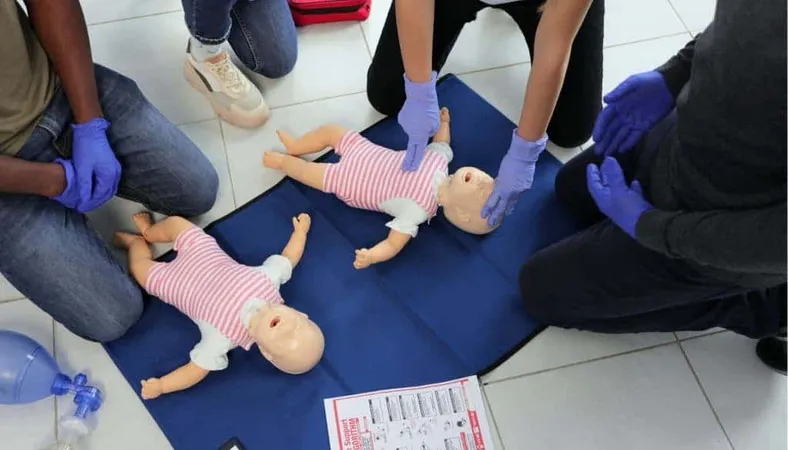
Pediatric Advanced Life Support Training Guide 2026

PALS Videos: The Complete Study Guide for Pediatric Advanced Life Support Certification
About the Author

Registered Nurse & Healthcare Educator
Johns Hopkins University School of NursingDr. Sarah Mitchell is a board-certified registered nurse with over 15 years of clinical and academic experience. She completed her PhD in Nursing Science at Johns Hopkins University and has taught NCLEX preparation and clinical skills courses for nursing students across the United States. Her research focuses on evidence-based exam preparation strategies for healthcare certification candidates.
Join the Discussion
Connect with other students preparing for this exam. Share tips, ask questions, and get advice from people who have been there.
View discussion (8 replies)