
PALS Medical License: What Healthcare Professionals Need to Know 2026 September
Learn how PALS certification intersects with your medical license requirements. ✅ Who needs it, renewal timelines, and state-specific rules explained.

Understanding the relationship between your pals medical license requirement and your professional credentials is one of the most practical steps any healthcare provider can take early in their career. PALS — Pediatric Advanced Life Support — is a certification developed by the American Heart Association (AHA) that equips clinicians with the skills to recognize and manage life-threatening emergencies in infants and children. While PALS is not a license itself, it is deeply intertwined with the licensing, credentialing, and employment requirements that govern pediatric and emergency care professionals across the United States.
Many healthcare workers are surprised to discover that their state licensing board, hospital credentialing committee, or malpractice insurer all have something to say about PALS certification. Physicians, nurse practitioners, registered nurses, paramedics, and respiratory therapists who work in pediatric settings — from NICUs and PICUs to emergency departments and air-transport units — are routinely required to hold a current PALS card as a condition of their practice privileges. The specifics vary by employer, specialty, and state, but the overarching expectation is consistent: if you care for critically ill children, PALS certification is non-negotiable.
The AHA redesigned the PALS curriculum in recent years to emphasize a systematic approach to pediatric assessment, team dynamics, and high-quality CPR integration. This reflects the evidence base showing that structured, team-based resuscitation dramatically improves outcomes for children in cardiac arrest and respiratory failure. For licensing purposes, what matters most is that your certification is current, issued by an AHA-recognized training center, and documented in a way your employer and credentialing body can verify quickly.
One area of confusion that comes up repeatedly is the difference between initial certification and renewal. First-time candidates must complete a full hands-on PALS course — typically 14 to 16 hours spread over two days — that includes skills stations, written assessments, and a final megacode evaluation. Renewal candidates (those with a valid, unexpired card) may be eligible for the shorter HeartCode PALS blended-learning option, which combines online self-study with a brief in-person skills check. Knowing which pathway applies to you directly affects your scheduling, budget, and ability to meet licensing deadlines.
Another dimension that healthcare professionals often overlook is the role of continuing education (CE) credits. In many states, PALS renewal generates CE hours that count toward nursing license renewal, paramedic certification maintenance, or physician CME requirements. The exact credit values differ by state board, but typical PALS renewal courses provide 8 to 12 CE hours — a meaningful contribution toward your annual or biennial education requirements. Tracking these credits and submitting them correctly is an administrative step that can save considerable time at license renewal.
Employers in high-acuity pediatric settings treat PALS certification much like they treat Basic Life Support (BLS): it is a baseline credential that must be active before the first clinical shift. Hospitals routinely audit employee certification records and will place staff on administrative leave — or restrict their scope of practice — if a PALS card expires without renewal. For traveling healthcare professionals, an expired PALS card can void an entire assignment contract, creating both financial and professional consequences. Staying ahead of your renewal date is therefore not just good practice; it is a core professional obligation.
This guide walks through everything you need to know about PALS in the context of medical licensing and professional credentialing: who requires it, how renewal intersects with license maintenance, what state-specific rules look like, and how to build a reliable system so your card never lapses at the wrong moment. Whether you are a new graduate navigating your first hospital orientation or a seasoned clinician updating your practice portfolio, the information here will help you keep your credentials current, compliant, and ready for inspection.
PALS Certification by the Numbers

Who Requires PALS Certification
Physicians and nurse practitioners working in emergency departments — especially those seeing pediatric patients — must hold current PALS certification as a condition of hospital privileges and credentialing committee approval in virtually every US health system.
RNs assigned to PICUs, NICUs, pediatric med-surg units, and emergency departments are routinely required to maintain PALS certification. Many state boards of nursing also accept PALS renewal hours as CE credits toward biennial license renewal.
Pre-hospital providers transporting or treating pediatric patients — including flight paramedics and critical-care transport teams — must meet PALS requirements set by their medical director, state EMS office, and often their individual county protocols.
Respiratory therapists working in pediatric critical care, neonatal transport, or emergency airway management are frequently required to hold PALS certification by both their employer and their state respiratory care licensure board.
Hospitalists and intensivists in inpatient pediatric settings — including general pediatricians with admitting privileges — are expected to maintain PALS certification as part of ongoing competency validation and credentialing file maintenance.
The intersection of PALS certification and medical license renewal is more practical than most clinicians expect. At the state licensing level, PALS itself is rarely mandated by name in the statutory language of nursing, medical, or EMS practice acts. Instead, the requirement flows through employer policies, hospital bylaws, specialty board guidelines, and malpractice carrier conditions of coverage.
This means your state board of nursing or medicine may not specifically list PALS on its renewal checklist, but your hospital credentialing office almost certainly will — and failure to maintain it can affect your ability to practice at that facility even if your underlying license remains active.
For nurses, the CE credit angle is particularly valuable. The National Council of State Boards of Nursing (NCSBN) does not set a universal CE requirement, so each state establishes its own rules. States such as California, Florida, Texas, and New York require between 20 and 30 CE hours per renewal cycle.
A full initial PALS course typically generates 8 to 12 CE hours depending on how the training center has applied for approval through the American Nurses Credentialing Center (ANCC) or a state-recognized provider. This means PALS renewal can cover 30–60% of a nurse's total CE requirement for the entire biennial cycle — a substantial administrative benefit on top of the clinical skills gained.
Physicians seeking to maintain their hospital privileges face a somewhat different process. The Joint Commission, which accredits most US hospitals, requires accredited facilities to define and monitor provider competencies. PALS certification is one of the most common competency checkpoints for physicians who manage pediatric codes or resuscitations. Board-certified pediatricians, emergency medicine specialists, and pediatric surgery fellows are all subject to this expectation. The specific documentation format — original AHA eCard, scanned copy in the credentialing file, or third-party verification through the AHA's online lookup tool — varies by institution, but the underlying requirement is consistent.
Paramedics and EMT-Advanced providers navigate a third regulatory track. State EMS offices set scope-of-practice rules and may specify PALS as a requirement for licensure at the advanced level. For example, several states including California, New York, and Washington include PALS certification in their requirements for critical care paramedic endorsements. Medical directors of EMS agencies have broad authority to add PALS requirements on top of baseline state rules, meaning a paramedic in a rural county may face PALS requirements even if the state does not explicitly mandate it for the basic licensure category.
One practical issue that affects all provider types is the timing mismatch between PALS renewal cycles and license renewal cycles. PALS certification is valid for exactly two years from the date of course completion. State professional licenses typically renew on biennial or triennial cycles tied to the provider's birth month or a fixed calendar date.
These cycles rarely align perfectly, which means most clinicians will need to renew their PALS card at least once during any given license cycle — sometimes twice, depending on when their initial certification fell. Building a personal credential calendar that maps both renewal dates simultaneously is one of the most effective administrative strategies a healthcare professional can adopt.
Traveling healthcare professionals — nurses on agency contracts, locum tenens physicians, and contract respiratory therapists — face additional scrutiny. Travel nursing agencies and locum staffing firms typically require proof of current PALS certification before placing a provider, and many contracts include a clause that allows early termination if a certification expires mid-assignment without renewal.
The financial implications can be significant: losing a 13-week travel nursing assignment due to an expired PALS card represents thousands of dollars in lost income. Some agencies now offer direct reimbursement for PALS renewal if the provider completes renewal before starting the assignment, making it worth asking about this benefit during contract negotiation.
Understanding how your employer's credentialing system works is equally important. Most hospital credentialing offices maintain a certification tracking database and will send automated reminders 90, 60, and 30 days before a certification expires. However, these systems depend on the provider having submitted accurate initial documentation.
If your PALS card was issued under a maiden name, a nickname, or a slightly different version of your name than what appears on your license, the match may fail and the reminder system may not trigger. Always verify with your credentialing coordinator that your name, date of birth, and certification date are recorded correctly — and that the AHA eCard associated with your training center has actually been issued to your profile in the AHA's system.
PALS Requirements by Provider Type and Setting
Hospital-based providers are the most likely to face explicit PALS requirements tied directly to their credentialing file. Most accredited hospitals require current PALS certification for any provider who may be called to respond to a pediatric code — regardless of their primary specialty. This includes hospitalists, emergency physicians, anesthesiologists, and any nurse or respiratory therapist assigned to units that admit patients under 18. Documentation must typically be an AHA-issued eCard or physical card showing the provider name, course date, and two-year expiration date.
Facilities that hold Joint Commission accreditation must demonstrate ongoing competency assessment for all providers. PALS certification is one of the most commonly accepted proofs of pediatric resuscitation competency, and credentialing committees often review it alongside BLS and ACLS during the initial appointment and biennial re-credentialing cycle. Some Level I and Level II pediatric trauma centers additionally require providers to complete a pediatric trauma course such as ATLS or PHTLS in combination with PALS, setting a higher bar than general hospitals.

PALS Certification: Benefits and Challenges for Licensed Professionals
- +Satisfies credentialing requirements at most accredited US hospitals without additional documentation
- +Generates 8–12 CE hours applicable toward nursing or respiratory therapy license renewal
- +Demonstrates verified clinical competency in pediatric resuscitation to employers and patients
- +Strengthens your professional portfolio for travel nursing, locum work, and career advancement
- +Builds team-based resuscitation skills that directly improve patient outcomes in high-stakes situations
- +AHA eCard is instantly verifiable online by employers, credentialing offices, and licensing boards
- −Two-year renewal cycle may not align with state license renewal timelines, requiring careful scheduling
- −Initial course costs $150–$300 and renewal adds ongoing expense every 24 months
- −Full initial course requires 14–16 hours of in-person time, which is challenging for busy clinicians
- −Expired card can result in immediate restriction of clinical privileges or contract termination
- −Course availability in rural areas is limited, sometimes requiring travel to a training center
- −Some employers require AHA-specific certification and do not accept equivalent courses from other providers
PALS Renewal Checklist for Licensed Healthcare Professionals
- ✓Locate your current PALS card and confirm the exact expiration date — do not rely on memory.
- ✓Check your employer's credentialing policy to confirm they require AHA-issued PALS certification specifically.
- ✓Identify whether you qualify for the shorter HeartCode PALS renewal or need a full two-day course.
- ✓Register with an AHA-authorized training center at least 60 days before your card expires.
- ✓Verify that your name and date of birth on the registration exactly match your professional license.
- ✓Request documentation of CE credit hours from the training center before or on the day of the course.
- ✓Submit CE hours to your state licensing board or professional association tracking system promptly.
- ✓Upload or provide your new AHA eCard to your employer's credentialing or HR department immediately after completion.
- ✓Confirm the eCard appears correctly in the AHA's online verification system under your profile.
- ✓Update your personal credential calendar with the new two-year expiration date and set a 90-day advance reminder.
Don't Wait for the 30-Day Warning
Most hospital credentialing offices send PALS expiration reminders at 90, 60, and 30 days — but registration slots at AHA training centers in high-demand areas fill up 4 to 6 weeks out. If you wait for the 30-day notice, you may find no available course dates before your card expires, triggering a privilege restriction. Schedule renewal at the 90-day mark to guarantee availability and avoid any gap in your clinical privileges.
The employer credentialing process for PALS-required positions follows a fairly standardized path across US health systems, though the specific documentation requirements and timelines vary enough to catch unprepared providers off guard. Understanding what credentialing committees actually look for — and how they verify it — can help you prepare your submission correctly the first time and avoid delays that push back your start date or restrict your clinical scope.
Most credentialing applications ask providers to self-report their PALS certification status and upload a copy of their AHA eCard or physical card. The credentialing committee then independently verifies this information through the AHA's online certification lookup tool.
This two-step process — self-report plus independent verification — is designed to catch documentation fraud, but it also catches innocent administrative errors, such as a card issued under a slightly different name or one that was never properly registered by the training center. Providers who complete a PALS course through a smaller or rural training center should specifically ask the instructor to confirm that the completion record has been submitted to the AHA's central database before leaving the session.
For nurses applying through the hospital's Nursing Staff Office (NSO) rather than the medical staff credentialing committee, the verification process is often handled by HR rather than a physician-led committee. This can mean faster turnaround, but it also means less tolerance for ambiguity: an HR specialist checking a box is less likely to call you for clarification than a credentialing coordinator who knows the process. Submit clean, complete documentation from the start — a clear scan of your eCard, your full legal name as it appears on your license, and the training center's name and AHA provider number.
Travel nurses and locum physicians face a parallel credentialing process at every new assignment, which is why many experienced travelers keep a digital credential portfolio — a cloud-based folder containing PDFs of all current certifications — that they can share with a new credentialing office on same-day notice.
Including your PALS eCard in this portfolio alongside your BLS card, nursing or medical license, DEA registration (if applicable), and any specialty certifications dramatically accelerates the facility credentialing process. Some staffing agencies have adopted verified credential management platforms such as Nursys, VerifyMD, or ACEMAPP to centralize this documentation, reducing re-submission burden across multiple facility assignments.
One aspect of the credentialing process that PALS candidates often underestimate is the role of primary source verification. Credentialing committees are required by Joint Commission standards to verify certain credentials directly from the issuing organization — not just from a copy provided by the applicant. For PALS, the AHA's online lookup tool serves as the primary source.
If your eCard information does not appear in the AHA system, the credentialing committee cannot complete primary source verification, and your application will be placed on hold. This is almost always a training center administrative error rather than a provider error, but the resolution process can take one to three weeks, so reporting the discrepancy promptly is essential.
Providers who practice in multiple states or hold clinical privileges at more than one hospital face a multiplication of the credentialing burden. Each facility maintains its own credentialing file and verification timeline. A PALS card that is current and verified at Hospital A must be separately submitted and verified at Hospital B — the facilities do not share databases in most cases.
Some health systems have moved toward unified credentialing through the Council for Affordable Quality Healthcare (CAQH) database, which allows providers to maintain a single verified credential portfolio that participating organizations can access directly. If your employer participates in CAQH, uploading your PALS documentation there may eliminate the need for separate submissions to each credentialing office.
Finally, providers should be aware of the grace period question that comes up frequently in clinical settings. When a PALS card expires, there is no AHA-sanctioned grace period — the certification is simply lapsed. Some employers informally allow a 30-day window before restricting privileges, particularly for long-tenured staff with demonstrated clinical performance. However, this is an employer policy decision, not an AHA rule, and it is not safe to rely on it.
From a liability standpoint, an expired PALS card creates a gap in the documented competency record that could be relevant in the event of an adverse patient outcome during that period. The professional and legal risk of practicing with a lapsed PALS card — even with informal employer tolerance — is simply not worth the administrative convenience of delaying renewal.

The AHA does not offer any official grace period for expired PALS certifications. Once your card lapses, your certification is invalid — and any employer policy that informally tolerates a gap is not backed by AHA standards or Joint Commission requirements. Practicing with an expired PALS card during a pediatric adverse event creates a documented competency gap that can have serious professional and legal consequences. Renew before expiration, every time.
Preparing for PALS recertification is a different challenge than preparing for initial certification, and healthcare professionals who have held their PALS card for two years sometimes underestimate how much the content can shift between renewal cycles. The AHA updates the PALS curriculum on a regular schedule tied to the International Liaison Committee on Resuscitation (ILCOR) evidence review cycle, which runs every five years.
The most recent major update incorporated new evidence on optimal compression depth in pediatric patients, updated medication dosing tables, and refined criteria for when to initiate and when to terminate resuscitation in pediatric cardiac arrest. If your previous certification predates these changes, reviewing the current PALS provider manual before your renewal course is essential — not just for passing the skills stations, but for providing the highest standard of care.
The HeartCode PALS blended-learning pathway has become the most common renewal route for busy healthcare professionals. In this model, providers complete an online self-study module — typically four to six hours — that covers the cognitive content of the PALS curriculum at their own pace.
They then schedule a two- to three-hour in-person skills check session with an AHA-certified instructor, during which they demonstrate competency in core skills including pediatric assessment, mask ventilation, rhythm recognition, and megacode team leadership. The final written exam is embedded in the online module rather than administered in person. This structure allows providers to study around their clinical schedule and minimizes the block of time they must be away from their unit or practice.
For providers who are less confident in their cognitive knowledge — particularly those who have not regularly used their PALS skills in clinical practice over the past two years — the full two-day in-person renewal course may actually be the better choice.
Full courses include more repetitions at each skills station, more opportunity to ask questions of the instructor, and more team-based megacode practice, which builds the muscle memory and verbal communication habits that translate most directly into improved performance during real resuscitations. The additional time investment is worth it for providers who work in lower-acuity settings where PALS skills are rarely activated but must be immediately available when needed.
Study preparation for PALS renewal should focus on five core areas: the pediatric assessment triangle (PAT), recognition of respiratory failure versus respiratory arrest, recognition and management of shock in pediatric patients, arrhythmia recognition and management including VF, VT, SVT, and bradycardia, and the post-cardiac arrest care bundle.
These are the areas most heavily weighted in both the written assessment and the megacode evaluation. Free PALS practice tests — including the ones available on PracticeTestGeeks.com — are particularly valuable for identifying knowledge gaps before you walk into the skills check, because the in-person session moves quickly and instructors expect providers to already have their cognitive knowledge solid.
Team communication skills are evaluated during the megacode component and are often the weakest area for providers who work solo or in smaller teams in their daily practice. The PALS megacode asks you to function as either a team leader or a team member during a simulated resuscitation scenario, applying closed-loop communication, clear role assignment, and structured decision-making under time pressure. Reviewing the AHA's team dynamics framework — including the specific language for closed-loop communication and how to give clear, unambiguous orders as a team leader — is a high-yield preparation step that many candidates skip.
Medication calculations are another area that trips up renewal candidates, particularly nurses and paramedics who rely on weight-based dosing in practice. The PALS curriculum requires you to calculate correct doses of epinephrine, adenosine, and amiodarone based on a patient weight given in the scenario. Practicing these calculations under mild time pressure — as you would experience during the megacode — is far more effective than simply reviewing the formulas. Using the Broselow tape color-coding system as a mental reference point can help you sanity-check your calculations quickly during the scenario.
Finally, approach your PALS renewal as a genuine professional development opportunity rather than an administrative checkbox. The two-year renewal cycle exists because the evidence base for pediatric resuscitation evolves continuously, and keeping your knowledge and skills current is the only way to ensure that the PALS training you deliver at the bedside reflects the best available science.
Providers who treat renewal as a formality tend to rush through preparation and miss the updates that matter most. Those who approach it as a chance to sharpen skills that can save a child's life leave the course with something far more valuable than a two-year card — they leave with renewed confidence and current knowledge that will serve their patients well.
Building a sustainable system for managing your PALS certification alongside your broader professional credential portfolio requires a small upfront investment of time but pays dividends every renewal cycle. The most effective approach is a simple credential calendar — a spreadsheet or digital calendar that lists every professional credential you hold, its issue date, its expiration date, and the lead time you need to renew it. For PALS, set a calendar alert 90 days before expiration so you have time to find an available training center, complete any required pre-course work, and submit documentation to your employer before the card lapses.
Healthcare professionals who work at multiple facilities or through multiple agencies should maintain a standardized credential packet — a single PDF document that consolidates your current PALS eCard, BLS card, nursing or medical license, DEA certificate, board certification, and any other required credentials into one shareable file. Update this packet immediately after each renewal. Having a current, comprehensive credential packet ready to send means you can respond to new contract opportunities or credentialing requests within hours rather than days, which is a meaningful competitive advantage in travel nursing and locum staffing markets.
For team leaders and department managers, tracking PALS expiration dates for your entire unit is a legitimate leadership responsibility. Most hospital HR systems can generate credential expiration reports, and scheduling a monthly review of upcoming expirations gives you the lead time to schedule group renewal courses, negotiate group pricing with a local training center, and ensure that your unit's staffing ratios are not disrupted by last-minute credential lapses.
Group PALS courses at the hospital or agency level also offer a clinical benefit: team-based megacode practice with your actual colleagues builds communication patterns that transfer directly to real resuscitations in your unit.
New graduates entering high-acuity pediatric settings for the first time should prioritize PALS certification as part of their orientation checklist. Many hospital systems offer PALS training during new employee orientation at no cost to the provider, which is the most efficient way to obtain initial certification. If your orientation program does not include PALS, ask your nurse manager or clinical educator whether the hospital subsidizes the cost of external training — many do, particularly for units where PALS is required for all staff.
Obtaining your PALS card early in your career, before you are managing a full patient assignment under time pressure, also means you can approach the course with more attention and absorb the material more deeply than you might if you are scrambling to meet a credentialing deadline mid-employment.
For senior clinicians who may be transitioning from full-time clinical roles to administrative, education, or consulting positions, the question of whether to continue renewing PALS certification is worth considering deliberately. If your new role requires any direct patient care — covering a clinical shift, supervising residents or students in a clinical setting, or providing medical oversight for an EMS agency — maintaining PALS certification is advisable even if no one is checking.
If your role is entirely non-clinical, the renewal decision becomes a personal and professional one. Many senior providers choose to maintain PALS certification throughout their careers as a signal of ongoing engagement with clinical standards, even when it is not formally required.
The administrative burden of maintaining PALS certification — scheduling, cost, documentation, and CE tracking — is real, but it is manageable with the right systems in place. The clinical benefit is non-negotiable: every healthcare provider who might be called to respond to a critically ill child should be equipped with current, evidence-based skills. The AHA's PALS program provides that foundation, and the two-year renewal cycle ensures that what you know reflects the current science. Treating PALS certification as a core professional commitment — not just a credentialing checkbox — is the mindset that separates good clinicians from great ones.
As healthcare systems continue to evolve toward value-based care models, documented clinical competencies like PALS certification will play an increasingly important role in quality metrics, reimbursement calculations, and professional reputation management. Providers who maintain consistent, uninterrupted certification records over the course of their careers demonstrate a standard of professional discipline that employers, credentialing bodies, and patients value. Starting — or maintaining — that record today is one of the highest-return investments a healthcare professional can make in their own career longevity and clinical impact.
PALS Questions and Answers

PALS Certification Cost: Complete 2026 Pricing Guide for Healthcare Professionals

PALS Instructor Course: Complete Training Guide & Requirements for 2026
PALS Practice Test PDF (Free Printable 2026)
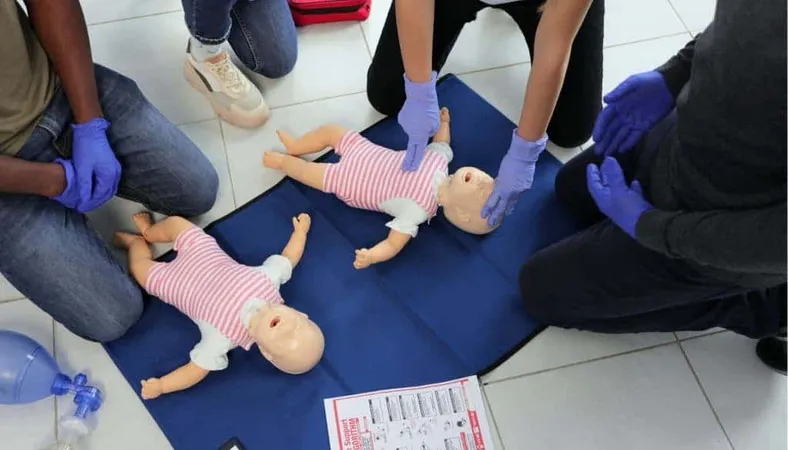
Pediatric Advanced Life Support Training Guide 2026

PALS Videos: The Complete Study Guide for Pediatric Advanced Life Support Certification
About the Author

Registered Nurse & Healthcare Educator
Johns Hopkins University School of NursingDr. Sarah Mitchell is a board-certified registered nurse with over 15 years of clinical and academic experience. She completed her PhD in Nursing Science at Johns Hopkins University and has taught NCLEX preparation and clinical skills courses for nursing students across the United States. Her research focuses on evidence-based exam preparation strategies for healthcare certification candidates.
Join the Discussion
Connect with other students preparing for this exam. Share tips, ask questions, and get advice from people who have been there.
View discussion (8 replies)