
Adenosine PALS: Complete Guide to PALS Algorithm Medications for Certification
Master adenosine PALS dosing, epinephrine, amiodarone & all algorithm medications. 🎯 Study guide + practice questions for PALS certification.

Adenosine PALS dosing is one of the most high-stakes medication questions on the pediatric advanced life support certification exam, and understanding it thoroughly can be the difference between a passing and failing score. Adenosine is the first-line drug for stable supraventricular tachycardia (SVT) in children, administered as a rapid IV push followed immediately by a saline flush.
The initial dose is 0.1 mg/kg (maximum 6 mg), with a second dose of 0.2 mg/kg (maximum 12 mg) if the first dose fails to convert the rhythm. Because of its ultrashort half-life — less than 10 seconds — technique matters as much as dose.
The PALS algorithm medication framework covers far more than adenosine alone. Epinephrine, amiodarone, atropine, lidocaine, magnesium sulfate, and glucose each play precise roles within specific pediatric emergency algorithms. The 2020 AHA guidelines reinforced that drug selection must follow the underlying rhythm and clinical presentation, not a one-size-fits-all approach. Candidates who memorize drugs in isolation without connecting them to the correct algorithm pathway consistently underperform on exam day and, more critically, in real clinical emergencies.
This guide walks through every major PALS algorithm medication category — cardiac arrest drugs, tachycardia management agents, bradycardia interventions, and adjunct medications — with exact dosing, administration tips, and the clinical reasoning behind each choice. You will also find exam-style practice questions, a medication checklist, and a study schedule designed specifically for PALS candidates preparing for their certification or recertification. Whether you are a registered nurse, paramedic, respiratory therapist, or physician, mastering these medications is non-negotiable for safe pediatric care. Consider bookmarking this page alongside pals algorithm medication resources as part of your complete preparation plan.
One critical concept the exam tests repeatedly is the distinction between shockable and non-shockable rhythms, because medication selection diverges sharply at that branch point. In a shockable rhythm — ventricular fibrillation (VF) or pulseless ventricular tachycardia (pVT) — epinephrine is administered after the second shock, and amiodarone or lidocaine is considered after the third shock. In non-shockable rhythms — pulseless electrical activity (PEA) or asystole — epinephrine is the only rhythm-reversing drug, and it is given as soon as IV or IO access is obtained. Understanding this branching logic is more valuable than memorizing isolated facts.
Pediatric dosing principles add another layer of complexity that the PALS exam specifically addresses. All weight-based medications require accurate patient weight estimation, and the Broselow tape or a validated length-based system is the standard of care when a scale weight is unavailable. The exam will present scenarios where you must calculate doses for children ranging from neonates to adolescents, often under time pressure that mimics real resuscitation stress. Practicing dose calculations as part of your study routine — not just reading the numbers — dramatically improves speed and accuracy during both the exam and actual emergencies.
Routes of administration are another area where PALS candidates frequently lose points. Intraosseous (IO) access is equivalent to IV access for all PALS medications when peripheral IV cannot be established quickly. The exam may ask whether it is appropriate to use IO for epinephrine, adenosine, or amiodarone — the answer is yes for all of them. Endotracheal (ET) drug delivery is now considered a last resort and is not preferred for any PALS medication because absorption is unreliable compared to IV or IO routes. Knowing route hierarchy prevents costly errors on exam and in practice.
Finally, understanding medication adverse effects and contraindications is tested on every PALS exam iteration. Adenosine can cause brief asystole, flushing, and bronchospasm, making it relatively contraindicated in patients with severe reactive airway disease where the rhythm diagnosis must be reconsidered. Amiodarone carries risks of hypotension with rapid infusion, and lidocaine requires dose adjustment in hepatic dysfunction. Epinephrine's vasopressor effect can worsen myocardial ischemia if underlying coronary disease is present, though this consideration is more relevant in adult resuscitation. Knowing the full pharmacological profile of each drug rounds out the clinical picture the examiners want you to demonstrate.
PALS Algorithm Medications by the Numbers

PALS Medication Categories You Must Master
Epinephrine is the cornerstone drug for both shockable and non-shockable arrest rhythms. Amiodarone and lidocaine are antiarrhythmics used after the third shock in VF/pVT. Sodium bicarbonate addresses severe metabolic acidosis when indicated by clinical context.
Adenosine is first-line for stable SVT. Amiodarone and procainamide manage stable wide-complex tachycardia. Synchronized cardioversion remains the treatment for unstable tachycardia, with adenosine as a diagnostic and therapeutic bridge for narrow-complex rhythms.
Epinephrine is the primary drug for symptomatic bradycardia unresponsive to oxygenation and ventilation. Atropine is indicated for increased vagal tone or primary AV block at 0.02 mg/kg with a minimum dose of 0.1 mg. Transcutaneous pacing is a parallel intervention.
Glucose (0.5–1 g/kg IV) corrects documented hypoglycemia during resuscitation. Calcium chloride addresses hypocalcemia, hyperkalemia, and calcium-channel blocker toxicity. Magnesium sulfate treats hypomagnesemia and torsades de pointes at 25–50 mg/kg IV over 10–20 minutes.
Epinephrine is the most important drug in the PALS cardiac arrest algorithm, and its dosing protocol is one of the most frequently tested topics on the exam. The standard IV or IO dose is 0.01 mg/kg of the 1:10,000 concentration (equivalent to 0.1 mL/kg), repeated every 3 to 5 minutes throughout the resuscitation. The maximum single dose is 1 mg. There is no high-dose epinephrine recommendation in current pediatric guidelines — studies showed it did not improve survival and may cause harm, so the exam will penalize you for selecting a high-dose option in most scenarios.
The timing of epinephrine relative to defibrillation is a critical algorithm decision that the PALS exam tests with scenario-based questions. In VF or pVT, the sequence is: CPR → shock → CPR → epinephrine after the second shock → CPR → shock → consider amiodarone or lidocaine after the third shock. This sequence ensures that early defibrillation, which is the most effective intervention for shockable rhythms, is not delayed by medication administration. Candidates who administer epinephrine before the second shock in a shockable rhythm are making a protocol error the exam is specifically designed to detect.
Amiodarone remains the preferred antiarrhythmic for pediatric VF and pVT in the 2020 AHA guidelines, with lidocaine as an acceptable alternative when amiodarone is unavailable. The amiodarone dose is 5 mg/kg IV or IO bolus, which can be repeated up to a maximum of 15 mg/kg per day. Lidocaine is dosed at 1 mg/kg IV or IO.
Both agents are administered after the third defibrillation attempt, during the CPR cycle, not as a reason to pause compressions. The PALS exam consistently tests the rule that no medication should interrupt high-quality CPR for more than the minimum time required for rhythm check and shock delivery.
For pulseless electrical activity (PEA) and asystole, the medication protocol is simpler but the clinical reasoning is more complex. Epinephrine is the only PALS-recommended drug for non-shockable arrest rhythms, and identifying and correcting reversible causes — the 5 H's and 5 T's — takes equal priority. The H's include hypovolemia, hypoxia, hydrogen ion (acidosis), hypoglycemia, hypo/hyperkalemia, and hypothermia. The T's include tension pneumothorax, tamponade, toxins, thrombosis (pulmonary or coronary), and trauma. Drug therapy alone will not restore circulation when a reversible cause is driving the arrest.
Sodium bicarbonate is one of the most misunderstood PALS medications among exam candidates. It is NOT a routine cardiac arrest drug in pediatric patients. The 2020 guidelines reserve sodium bicarbonate for specific scenarios: documented severe metabolic acidosis, hyperkalemia, tricyclic antidepressant overdose, and prolonged cardiac arrest with ongoing CPR where acidosis is significantly compromising the cardiac response to epinephrine. The exam will present scenarios designed to test whether you recognize these specific indications versus routine use, which is not supported. Giving sodium bicarbonate without an indication can actually worsen outcomes by causing paradoxical intracellular acidosis.
Calcium chloride is another medication with narrow, well-defined PALS indications that the exam tests carefully. It is indicated for documented hypocalcemia, hyperkalemia, hypermagnesemia, and calcium-channel blocker overdose. The dose is 20 mg/kg IV or IO of calcium chloride 10% solution. Calcium gluconate can be used peripherally because it is less caustic, though it delivers less elemental calcium per milligram than calcium chloride. The exam may ask you to choose between calcium chloride and calcium gluconate based on available access — central or IO access favors calcium chloride, peripheral IV access may favor gluconate to reduce the risk of tissue injury.
Glucose management during pediatric resuscitation is an area where the PALS algorithm departs from adult protocols in important ways. Hypoglycemia is more common and more immediately harmful in children than in adults because pediatric glycogen stores are smaller and metabolic demand during resuscitation is high. The PALS recommendation is to treat documented hypoglycemia with 0.5 to 1 g/kg of dextrose: D10W at 5–10 mL/kg in neonates, D25W at 2–4 mL/kg in infants and children, and D50W at 1–2 mL/kg in adolescents. Checking a bedside glucose early in any pediatric resuscitation is a standard-of-care expectation reflected throughout the exam question bank.
Adenosine PALS Dosing, Administration & Clinical Decision Points
Adenosine is administered for stable supraventricular tachycardia at an initial dose of 0.1 mg/kg IV rapid push, maximum 6 mg. If the first dose fails to convert the rhythm within 1 to 2 minutes, a second dose of 0.2 mg/kg (maximum 12 mg) is appropriate. The drug must be drawn into a syringe and administered as a rapid bolus — not a slow push — because its half-life is less than 10 seconds. The IV port closest to the patient and a simultaneous normal saline flush of 5–10 mL ensures the drug reaches central circulation before it is metabolized.
The exam frequently tests the distinction between adenosine's diagnostic and therapeutic uses. In a wide-complex tachycardia of uncertain origin, adenosine can unmask underlying atrial flutter or fibrillation by temporarily blocking the AV node, which reveals atrial activity that was hidden by the rapid ventricular rate. If the rhythm is SVT with aberrant conduction, adenosine may also terminate it. However, adenosine should not be used for irregular wide-complex tachycardias because it will not terminate true ventricular tachycardia and may precipitate deterioration in polymorphic VT or pre-excited atrial fibrillation via Wolff-Parkinson-White syndrome.

Adenosine vs. Synchronized Cardioversion for Pediatric SVT
- +Adenosine works within seconds when given correctly, often converting SVT before the team can prepare cardioversion equipment
- +Non-invasive medication route via IV or IO avoids the need for sedation required with conscious synchronized cardioversion
- +Diagnostic value: adenosine can reveal underlying atrial flutter or fibrillation when SVT diagnosis is uncertain
- +Can be repeated with a higher second dose if the first fails, giving two evidence-based chances before escalating
- +Well-established pediatric dosing with decades of safety data across neonates, infants, and children
- +Preferred by most pediatric emergency guidelines as first-line pharmacologic therapy for stable SVT with confirmed IV access
- −Ultrashort half-life demands perfect administration technique — slow push or failure to flush renders the dose ineffective
- −Causes brief but alarming asystole that may be distressing to both the clinical team and any observing family members
- −Contraindicated or used with caution in children with severe reactive airway disease due to risk of bronchospasm
- −May not work if the SVT has a wide-complex morphology from aberrant conduction, potentially worsening the rhythm
- −Absolute contraindication in pre-excited atrial fibrillation (WPW) where AV node blockade can accelerate accessory pathway conduction
- −Cardioversion remains faster and more reliable for patients already showing hemodynamic instability, making adenosine inappropriate in those cases
PALS Medication Exam Readiness Checklist
- ✓Memorize adenosine doses: 0.1 mg/kg (max 6 mg) first dose, 0.2 mg/kg (max 12 mg) second dose
- ✓Recall epinephrine IV/IO dose: 0.01 mg/kg every 3–5 minutes during cardiac arrest
- ✓Know amiodarone dose: 5 mg/kg IV/IO bolus for VF/pVT after the third shock
- ✓State the minimum atropine dose of 0.1 mg to avoid paradoxical bradycardia worsening
- ✓List the 5 H's and 5 T's of reversible cardiac arrest causes from memory
- ✓Identify when synchronized cardioversion is required versus when adenosine is appropriate first-line
- ✓Explain why high-dose epinephrine is not recommended in current PALS guidelines
- ✓Describe the correct adenosine administration technique: rapid IV push with immediate NS flush
- ✓Name three contraindications or precautions for adenosine use in pediatric tachycardia
- ✓Calculate weight-based drug doses for a 20 kg child for epinephrine, adenosine, and amiodarone
The Adenosine Flush Technique Is Tested Directly
On the PALS written exam and skills stations, correct adenosine administration requires a two-syringe technique: one syringe with the adenosine dose, a second syringe with 5–10 mL normal saline. Both are connected to the same IV port via a stopcock or T-connector, and the saline flush is given immediately after the adenosine push. Candidates who describe a slow infusion or fail to mention the flush will lose points on both the written and hands-on portions of the certification.
Mastering PALS algorithm medications for the exam requires moving beyond passive memorization to active clinical reasoning. The exam is designed around scenario-based questions that present a child's rhythm, vital signs, weight, and clinical appearance — and then ask you to select the correct medication, dose, route, and sequence. Candidates who have practiced walking through the algorithm decision tree perform significantly better than those who have only read the drug list. The difference is the ability to process multiple data points simultaneously under timed conditions, which is exactly what real pediatric emergencies demand.
One of the most effective study strategies is creating drug cards that organize each medication by the specific algorithm it belongs to, the clinical trigger for its use, the exact dose, and the key contraindication or caution.
For example, adenosine belongs to the stable tachycardia pathway, is triggered by narrow-complex regular tachycardia unresponsive to vagal maneuvers, is dosed at 0.1 then 0.2 mg/kg, and carries a caution against use in WPW with atrial fibrillation. This four-part framework — algorithm, trigger, dose, caution — gives you a complete mental model for every drug rather than isolated facts that are easily confused under pressure.
The PALS exam heavily emphasizes sequence over selection. It is not enough to know which drug to give; you must know when in the algorithm it appears. A common question type presents three or four interventions — CPR, epinephrine, shock, airway — and asks you to order them correctly for a specific arrest scenario. The correct answer always prioritizes CPR quality and rhythm-appropriate defibrillation before medication.
Epinephrine follows the second shock in shockable rhythms and is the first drug in non-shockable rhythms after IV or IO access is confirmed. Antiarrhythmics follow the third shock. Any answer that places medication before adequate CPR or early defibrillation reflects a misunderstanding of algorithm priorities.
Weight estimation is a clinical skill the exam expects you to demonstrate. The Broselow tape provides both weight estimation and color-coded drug dosing for common resuscitation medications, and the exam may present a scenario where a Broselow tape is listed among the available equipment.
Knowing that the tape is the preferred weight estimation tool in emergency settings — because scale weights are unavailable and parental-reported weights in a crisis are often inaccurate — is a testable fact. Age-based weight formulas such as 2 × (age + 4) for children 1 to 10 years are acceptable alternatives when the tape is unavailable, and the exam may test your ability to estimate using this formula.
IO access is tested on every PALS exam because it is frequently underutilized in real pediatric emergencies but is explicitly recommended in current guidelines. The exam will present scenarios where IV access has failed after one or two attempts, and the correct answer is to establish IO access rather than continue pursuing peripheral IV.
Common IO sites in children include the proximal tibia, distal tibia, and distal femur. All PALS medications — including epinephrine, adenosine, amiodarone, glucose, and calcium — can be delivered via IO at the same doses as IV. Fluid resuscitation volumes and rates via IO are equivalent to IV as well. The exam may also test the recognition that IO needles must be removed once reliable IV access is established.
Post-resuscitation care medications are increasingly prominent on the PALS exam as the guidelines have expanded coverage of the post-cardiac-arrest syndrome. After return of spontaneous circulation (ROSC), the priority shifts to maintaining adequate blood pressure, oxygenation, ventilation, and glucose.
Epinephrine or dopamine infusions may be required to support blood pressure after ROSC, and the exam may ask you to recognize hemodynamic instability as a post-resuscitation complication requiring vasoactive support. Targeted temperature management for comatose pediatric patients after cardiac arrest is also testable, though the specific temperature targets and duration protocols are more commonly tested in advanced PALS or PICU settings than in initial certification exams.
Drug interaction knowledge is tested in a targeted way on the PALS exam — not as a pharmacology deep dive, but as clinically relevant cautions. The most important interaction to know is that amiodarone and procainamide should not be combined because both prolong the QT interval and the combination substantially increases the risk of torsades de pointes.
Adenosine effects are potentiated by dipyridamole and blocked by methylxanthines such as caffeine and theophylline, which is clinically relevant in premature infants receiving theophylline for apnea management. The exam may present a scenario involving an infant on theophylline who fails to convert with standard adenosine doses — recognizing the theophylline interaction as the reason and adjusting the dose upward is a high-yield scenario.

Administering both amiodarone and procainamide together for pediatric tachycardia is explicitly contraindicated in PALS guidelines because the combination causes additive QT prolongation and significantly increases the risk of torsades de pointes. On the PALS exam, any scenario that asks you to select a second antiarrhythmic when the first has already been given should guide you away from combining these agents. Choose one antiarrhythmic and escalate to cardioversion if it is ineffective — never layer antiarrhythmics without expert consultation.
Preparing for the PALS medication section requires a structured study approach that integrates pharmacology, algorithm logic, and clinical scenario practice. The most common failure mode among PALS candidates is over-relying on reading materials while underinvesting in active recall practice. Research in medical education consistently shows that retrieval practice — answering questions, writing out algorithms from memory, and explaining concepts aloud — produces stronger retention than passive review. Building your study plan around practice questions rather than textbook reading is the single most evidence-based strategy for passing the PALS exam on your first attempt.
Start your medication study with the two most high-yield drug categories: cardiac arrest agents and tachycardia management drugs. These two categories account for the majority of medication questions on every PALS exam iteration. Within cardiac arrest drugs, epinephrine dosing, timing relative to shocks, and the distinction between shockable and non-shockable algorithms are the three pillars. Within tachycardia drugs, adenosine dosing, administration technique, and contraindications — along with the stable versus unstable tachycardia branch point — are the core competencies. Master these six areas before expanding to bradycardia medications and adjunct agents.
Simulation practice, whether in a formal PALS course or with colleagues using a mannequin, reinforces medication knowledge in ways that written study cannot replicate. When you physically draw up a dose, call it out to a teammate, and administer it during a simulated code, the muscle memory and verbal reinforcement create stronger neural pathways than reading the dose three times. Most PALS certification courses include skills stations where medication administration is directly evaluated, and candidates who have done at least one practice simulation before their exam consistently report feeling more confident and making fewer errors during the skills assessment.
Time management during the written exam is a common source of unnecessary errors on medication questions. The exam allots adequate time per question, but candidates who pause too long on a single difficult question can rush through later questions where they actually know the answer.
A reliable strategy is to answer every question you know immediately, flag uncertain questions for review, and return to flagged items with whatever time remains. On medication questions specifically, if you are unsure between two options, consider which one aligns more closely with the algorithm pathway for the scenario — the PALS exam rewards algorithm thinking over isolated drug knowledge.
Using practice tests throughout your preparation serves multiple purposes beyond simple content review. Each practice question exposes potential knowledge gaps before the real exam, provides repetition of key drug facts in context, and builds familiarity with the exam's question style and phrasing. The PALS exam uses clinical scenarios rather than direct fact retrieval — questions are framed as patient cases, not as fill-in-the-blank drug doses. Training your brain to process scenario-based questions efficiently during study reduces cognitive load on exam day, allowing you to focus on reasoning rather than decoding unfamiliar question formats.
Group study can be highly effective for PALS medication preparation when structured correctly. Quizzing each other on drug doses, running through algorithm decision trees out loud, and debriefing after practice scenarios builds both knowledge and confidence. The key is ensuring group sessions are active — actual recall and discussion — rather than passive review where one person talks and others listen. Assigning each group member a medication category to teach to the others is a particularly effective technique, as the act of explaining a concept to peers solidifies understanding far more reliably than simply reading about it.
In the final week before your PALS exam, shift your focus from learning new material to consolidating and confirming what you already know. Review your drug cards, run through complete algorithm pathways for each major rhythm category, and take at least two full-length practice exams under timed conditions. Identify any remaining weak areas — specific drugs or algorithm branches where you are still uncertain — and target those specifically with focused question practice.
Arrive at your exam well-rested and with confidence grounded in thorough preparation. The PALS medication section rewards candidates who have invested time in systematic, active study, and that investment pays dividends not only on exam day but in every pediatric emergency throughout your career.
Practical test-taking tips for PALS medication questions start with recognizing the question's algorithm context before evaluating the answer choices. Read the scenario carefully for three pieces of information: the rhythm (shockable vs. non-shockable, or tachycardia vs. bradycardia), the hemodynamic status (stable vs. unstable), and the current phase of resuscitation (first-line intervention vs. refractory management). These three data points determine which branch of the algorithm you are on and therefore which medications are appropriate. Candidates who skip this analysis and jump directly to answer choices frequently select plausible-sounding options that are correct for a different scenario.
Eliminate wrong answers using algorithm logic rather than drug trivia. On a question about stable narrow-complex tachycardia, any answer involving immediate defibrillation can be eliminated because defibrillation is not indicated for a perfusing rhythm. Any answer involving amiodarone can be eliminated because amiodarone is not first-line for stable SVT. This leaves adenosine and vagal maneuvers, and since vagal maneuvers would logically precede medication, a correctly sequenced answer involving vagal maneuvers first is stronger. This elimination process works for virtually every PALS medication scenario and is faster and more reliable than trying to recall isolated facts under time pressure.
Know the two-dose adenosine limit. The PALS algorithm specifies two doses of adenosine for stable SVT before moving to alternative management — either expert consultation, a different medication such as amiodarone or procainamide, or synchronized cardioversion. Exam questions sometimes present scenarios where multiple doses have been given, and the correct answer involves escalating rather than repeating adenosine a third time. Recognizing this algorithm boundary prevents the error of continuing ineffective therapy, which mirrors the real clinical error of anchoring on a single drug when a patient is not responding.
Understand that post-ROSC medication management is increasingly tested in modern PALS exams. After achieving return of spontaneous circulation, the exam may present a child with persistent hypotension, hypoventilation, or hypoglycemia and ask you to identify the appropriate intervention. Epinephrine infusion at 0.1 to 1 mcg/kg/min addresses post-ROSC hypotension. Targeted normoxia and normocapnia prevent secondary brain injury. Glucose correction addresses the hypoglycemia common after prolonged resuscitation. The exam rewards candidates who continue systematic assessment and intervention after ROSC rather than stopping active management once the rhythm is restored.
Practice your dose calculations daily in the week before your exam. For a child estimated at 15 kg: epinephrine 0.01 mg/kg = 0.15 mg = 1.5 mL of 1:10,000 solution; adenosine first dose 0.1 mg/kg = 1.5 mg; amiodarone 5 mg/kg = 75 mg. Being able to compute these values in under 30 seconds eliminates the cognitive bottleneck of slow math during both the exam and real resuscitations. Use a Broselow tape or a drug dosing reference during your practice calculations so you also build familiarity with the tools you will have available during the exam's simulation components.
Finally, remember that the PALS exam is not designed to trick you. The questions are written to assess whether you can safely manage a critically ill child — not to identify obscure pharmacological details. When two answer choices both seem reasonable, ask yourself which one reflects the safest, most evidence-based intervention for the specific scenario.
PALS guidelines are deliberately conservative and favor established, well-supported interventions over newer or less proven approaches. The answer that most closely follows the published AHA PALS algorithm will be correct the vast majority of the time, making deep familiarity with the algorithm pathways your single most reliable exam strategy.
Supplement your algorithm and medication study with consistent practice testing to build both knowledge and exam confidence. Free and paid PALS practice question banks are available online and in this site's quiz library, covering cardiac arrest scenarios, tachycardia cases, bradycardia management, and post-resuscitation care. Each practice session should end with a brief review of any questions you answered incorrectly, focusing on understanding why the correct answer was right rather than simply memorizing it for next time. This feedback loop — practice, review, understand, repeat — is the fastest path to exam readiness and clinical competence in pediatric advanced life support.
PALS Questions and Answers

PALS Certification Cost: Complete 2026 Pricing Guide for Healthcare Professionals

PALS Instructor Course: Complete Training Guide & Requirements for 2026

PALS Practice Test PDF (Free Printable 2026)
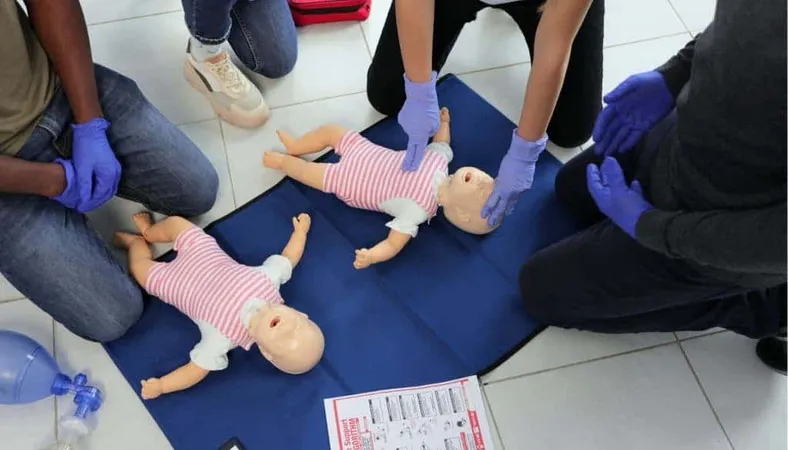
Pediatric Advanced Life Support Training Guide 2026

PALS Videos: The Complete Study Guide for Pediatric Advanced Life Support Certification
About the Author

Registered Nurse & Healthcare Educator
Johns Hopkins University School of NursingDr. Sarah Mitchell is a board-certified registered nurse with over 15 years of clinical and academic experience. She completed her PhD in Nursing Science at Johns Hopkins University and has taught NCLEX preparation and clinical skills courses for nursing students across the United States. Her research focuses on evidence-based exam preparation strategies for healthcare certification candidates.
Join the Discussion
Connect with other students preparing for this exam. Share tips, ask questions, and get advice from people who have been there.
View discussion (8 replies)