
Advance Online OSHA 10: Complete Guide to OSHA 10 Online Training, Requirements, and Cost
🎓 Advance online OSHA 10 explained: who needs the 10-hour card, what it costs, how long it takes, and how to finish OSHA 10 online training the right way.
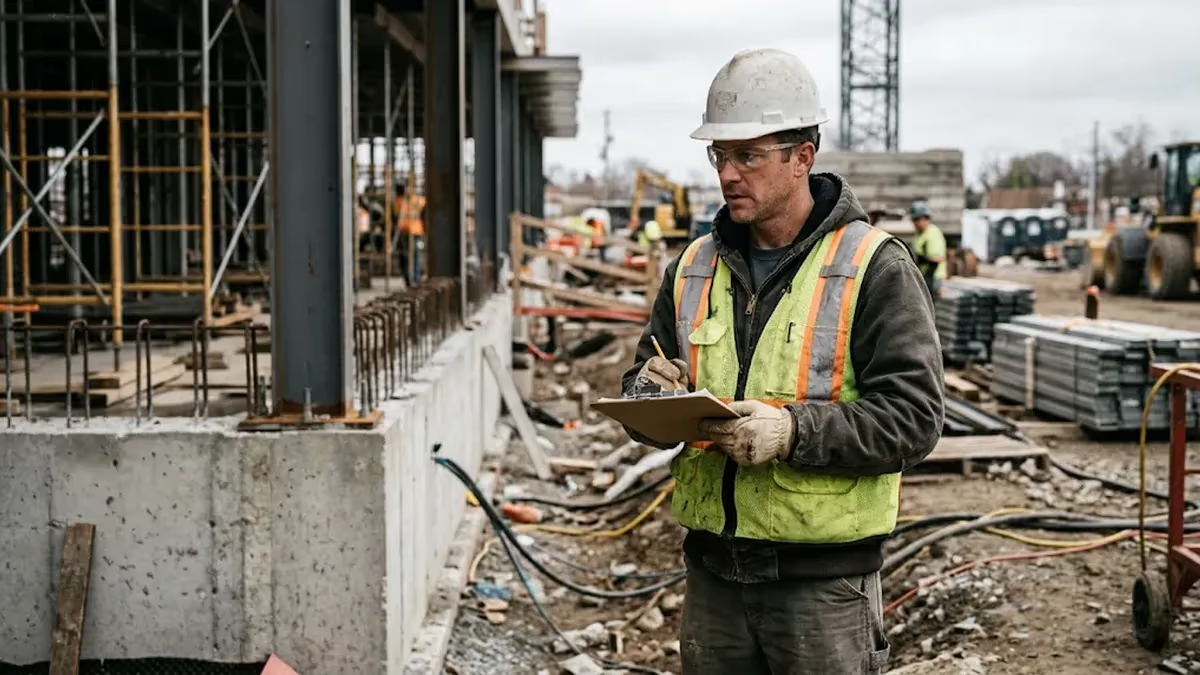
Searches for advance online osha 10 usually come from workers who need a Department of Labor card fast, often before a job site, a union hall, or a staffing agency will let them start. The good news is that the 10-hour Outreach course is built for exactly that situation. You can complete it from a laptop or phone, at your own pace, and you do not need prior safety experience. This guide explains the course content, cost, and how to finish without wasting time. Practice with the free OSHA Safety Certificate practice test on PracticeTestGeeks (21 questions with answer explanations).
Before you pay for anything, understand what the card is. OSHA does not certify workers, and the 10-hour card is not a license. It is a Department of Labor student course completion card issued after you finish an Outreach Training Program class taught by an OSHA-authorized trainer or provider. Quality osha 10 online training follows a fixed curriculum, enforces time limits, and ends with a graded assessment. Anything that skips those steps is not the real course.
There are two main versions. The Construction course is for building, renovation, demolition, and road work. The General Industry course covers warehouses, manufacturing, healthcare, retail, and most other fixed workplaces. Picking the wrong one is the most common and most expensive mistake, because a general industry card will not satisfy a construction contractor. Check with your employer, safety manager, or the job posting before you register, and ask which card they will accept in writing.
Time matters too. The course contains ten hours of instructional content, and OSHA caps online students at 7.5 hours per day. That means nobody can legitimately finish in a single sitting. Most learners spread the course across two to four days. You also have six months from your start date to finish, so a slow pace is allowed, but the clock is running as soon as you log in for the first time.
Cost is another reason people shop around. Reputable authorized providers typically charge between roughly $50 and $100 for the 10-hour course, with construction sometimes priced slightly above general industry. Prices far below that range deserve suspicion, and so do guarantees that you will finish in a few hours. Your employer may reimburse the fee, and many workforce programs, unions, and apprenticeship sponsors pay for it outright, so ask before you spend your own money.
After you pass, the provider processes your completion record with OSHA. Many providers let you print a temporary certificate immediately, which is usually accepted for the first few weeks of employment. The permanent plastic Department of Labor wallet card commonly arrives by mail within a few weeks. Keep a digital copy of the temporary certificate, because replacement cards can only be requested through the provider that trained you, and not every provider keeps records forever.
This article walks through the whole process in order: who actually needs the card, how to confirm a provider is authorized, what the modules teach, what the final assessment looks like, and what to do afterward. Along the way you will find a checklist, a study schedule, free practice questions, and answers to the questions workers ask most often. Read it once, then use it as a reference while you work through your own course.
Free OSHA Safety Certificate Study Tools
Interactive OSHA Safety Certificate resources on PracticeTestGeeks, free to start:
- OSHA Respiratory Protection — 21 questions with instant scoring and answer explanations
- OSHA Safety Certificate flashcards — review key terms and concepts card by card
- OSHA Safety Certificate study guide — topic-by-topic overview of what the exam covers
- OSHA Safety Certificate cheat sheet — one-page printable summary for last-minute review
OSHA 10 Online Training by the Numbers
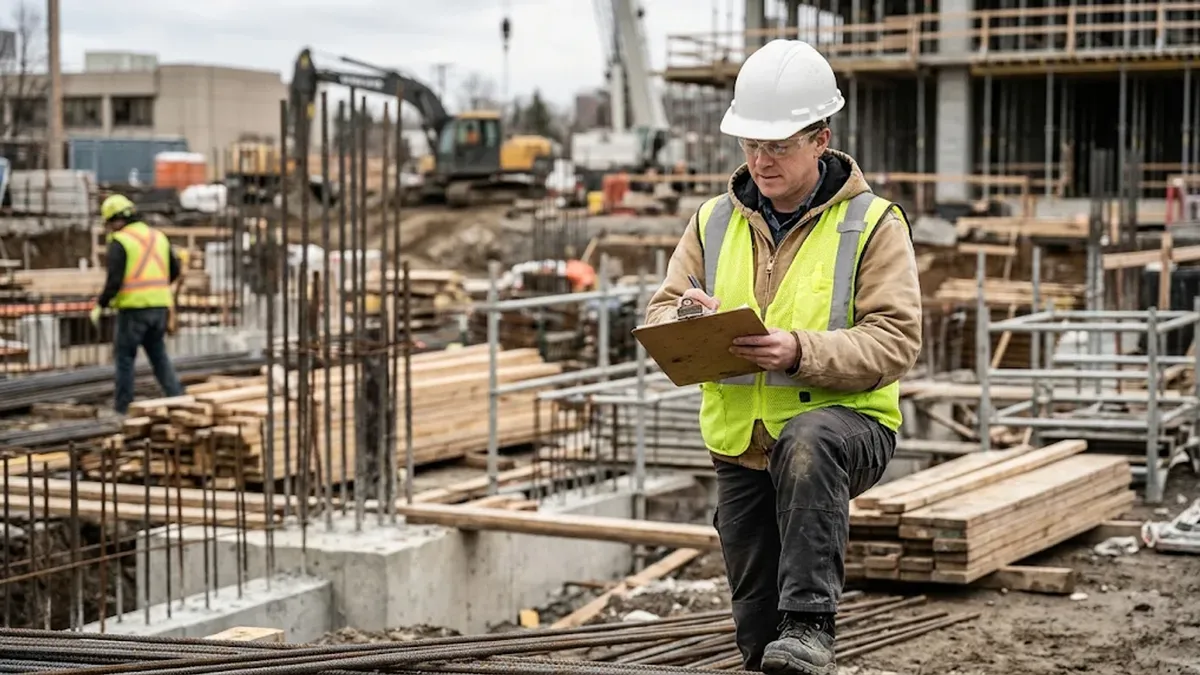
How to Complete Advance Online OSHA 10 Training Step by Step
Confirm the Course You Need
Choose an Authorized Provider
Register and Verify Identity
Finish the Modules in Order
Pass the Final Exam and Get Your Card
Who Needs OSHA 10 Online Training and Which Course to Choose
Federal OSHA does not require every worker to hold a 10-hour card, which surprises many people. The requirement usually comes from somewhere else: a state law, a city ordinance, a public contract, an insurance carrier, or a company policy. Several jurisdictions, including Nevada, Connecticut, Massachusetts, Rhode Island, Missouri, and New York City, mandate the course for certain construction or public works jobs. Rules change often and depend on project size, so confirm the current requirement with your state labor department.
General contractors are the biggest driver. Many write the 10-hour card into subcontractor agreements, and project owners, especially on public, school, hospital, and industrial sites, often insist on it before anyone passes the gate. Unions and apprenticeship programs frequently build it into the first weeks of training. If a recruiter says the card is preferred, treat that as required, because a candidate who already holds it is cheaper and faster to put on the schedule.
The 10-hour course targets entry-level and non-supervisory workers: laborers, carpenters, electricians, plumbers, painters, warehouse staff, factory operators, and healthcare aides. Supervisors, foremen, and safety coordinators are usually pointed toward the 30-hour course, which goes deeper into managing hazards and programs. If you are unsure which level you need, ask whoever is hiring you. Taking the 30-hour course when only a 10-hour card is required costs more and takes three times as long.
Choosing between Construction and General Industry comes down to the work you will actually do. Construction covers new building, alteration, repair, demolition, excavation, and similar jobs. General Industry covers nearly everything else, including manufacturing, warehousing, retail, hospitals, and hotels. Some workers, such as a maintenance technician moving between a factory and a renovation project, may eventually need both. Start with the card your next job requires, because you can always add the second later.
Confirming that a provider is authorized protects you from wasting money. OSHA publishes a list of online providers approved through its Outreach Training Program, and each course is tied to an authorized trainer. Look for the provider's name on that list, a clear statement of which course you are buying, and contact information that works. A legitimate company will tell you plainly whether you receive a Department of Labor card and how long mailing usually takes.
Red flags are easy to spot once you know them. Be careful with sites that promise a card in two hours, advertise OSHA certification as if the agency licensed them, hide the price until checkout, or skip the final assessment. A real course tracks your seat time, forces you to complete modules in order, and logs you out after long idle periods. If the process feels effortless, the card you receive may not be valid.
Access and language also matter. Most authorized providers offer English and Spanish versions, and many work on phones and tablets, although a larger screen makes the diagrams and photographs easier to study. You will typically verify your identity by answering personal questions or uploading identification. Workers who need accommodations for reading or hearing should contact the provider before starting, since changing courses midstream can reset your progress and cost you part of the six-month window.
Advance Online OSHA 10: Construction, General Industry, and Other Tracks
The Construction course follows 29 CFR 1926 and suits anyone who works on a building site, highway project, utility trench, or demolition crew. It heavily emphasizes the Focus Four hazards and includes extra lessons on scaffolds, excavation, cranes, and concrete work. Most general contractors and public agencies ask for this version. If your job title includes laborer, carpenter, ironworker, roofer, or equipment operator, this is almost certainly the card you need. It is the safest default for site work.
Expect the course to feel highly visual, with photographs of real job sites and short scenarios about unsafe behavior. The assessment checks whether you can spot violations, such as missing guardrails, unprotected trenches, or damaged cords. Providers usually price this course a little higher than general industry, and the card is marked as Construction so that supervisors can quickly confirm it matches the project requirement before you are allowed on site. Plan on the same ten hours either way.
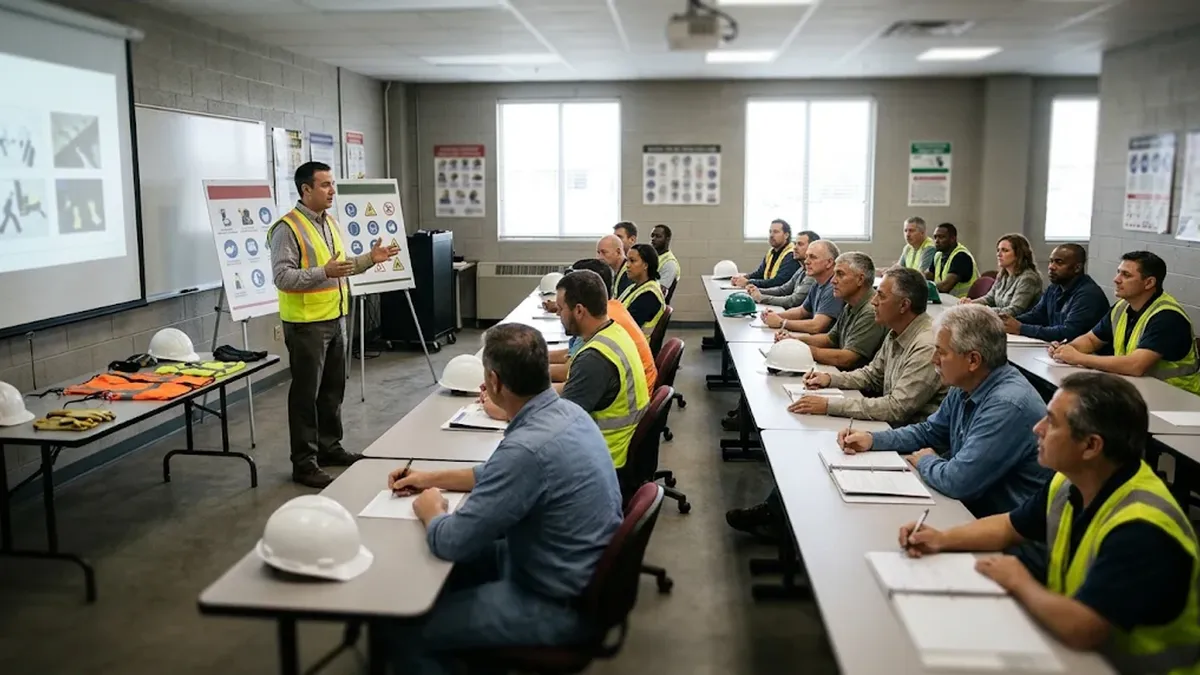
Is Taking OSHA 10 Online Better Than a Classroom Course?
- +Learn at your own pace and pause whenever your shift or family needs you
- +Study from a phone, tablet, or laptop with no commute
- +Usually costs less than an instructor-led class
- +Spanish and English versions are widely available
- +Progress is saved, so you can resume where you stopped
- +Most providers offer an immediate printable completion certificate
- −Requires self-discipline, since nobody keeps you on schedule
- −The 7.5-hour daily cap means you cannot finish in one day
- −Idle timers can pause or log you out of the course
- −No live instructor to answer questions on the spot
- −Provider quality varies, and some sites are not authorized
- −Failing the final exam three times can mean paying again
Pros and Cons at a Glance
| Pros | Cons |
|---|---|
| Learn at your own pace and pause whenever your shift or family needs you | Requires self-discipline, since nobody keeps you on schedule |
| Study from a phone, tablet, or laptop with no commute | Idle timers can pause or log you out of the course |
| Usually costs less than an instructor-led class | No live instructor to answer questions on the spot |
| Spanish and English versions are widely available | Provider quality varies, and some sites are not authorized |
| Progress is saved, so you can resume where you stopped | Failing the final exam three times can mean paying again |
Advance Online OSHA 10 Pre-Enrollment Checklist
- ✓Ask your employer whether Construction or General Industry is required.
- ✓Check your state or city for any legal training mandate.
- ✓Confirm the provider appears on OSHA's authorized online list.
- ✓Compare the total price, including card mailing and rush fees.
- ✓Read the refund and failed-exam retake policy before paying.
- ✓Register using your legal name exactly as it should print.
- ✓Block out two to four sessions of no more than 7.5 hours each.
- ✓Prepare a notebook for key numbers and definitions.
- ✓Save your receipt, login, and the provider's support number.
- ✓Print the temporary certificate and photograph the permanent card.
Verify the provider, not just the price
A cheap course that is not OSHA-authorized produces a worthless card, and you will have to retake the training. Spend five minutes confirming the provider on OSHA's official list and reading how it handles cards, timers, and refunds before entering payment details.
What the Online OSHA 10 Course Covers: Modules and Focus Four Hazards
The course opens with an introduction to OSHA that explains worker rights, employer duties, and how inspections work. You learn that employees can file complaints, request workplace hazard information, and report injuries without retaliation. This module also introduces the General Duty Clause, which requires employers to keep workplaces free from recognized serious hazards even when no specific standard applies. Expect plain explanations, short videos, and knowledge checks that confirm you understood each point before the course lets you move forward.
Construction courses center on the Focus Four hazards, which account for the majority of fatalities in the industry: falls, electrocution, struck-by incidents, and caught-in or caught-between events. Falls from roofs, ladders, and scaffolds alone cause the largest share of deaths. You learn about guardrails, safety nets, personal fall arrest systems, ladder angles such as the four-to-one rule, and why protection is generally required at six feet in construction work.
Electrical hazards get a full module. You study overhead power lines, the minimum clearance distances that keep equipment away from them, ground-fault circuit interrupters, damaged cords, and lockout and tagout basics. The lesson stresses that most electrocutions involve ordinary tools or contact with lines the worker did not notice. Struck-by and caught-in lessons cover vehicles, cranes, flying objects, trench collapses, and unguarded machinery, with attention to spotters, barricades, and the simple habit of never standing under a suspended load.
Personal protective equipment and lifesaving equipment form another core topic. You learn when to use hard hats, safety glasses, hearing protection, gloves, respirators, high-visibility clothing, and fall arrest harnesses, and how to inspect each item before use. The module also explains that PPE is the last line of defense, after eliminating the hazard, substituting something safer, and applying engineering and administrative controls. This hierarchy of controls appears again on the final assessment in several wordings.
Health hazards and hazard communication introduce chemical exposure, noise, silica dust, asbestos, lead, and heat illness. You learn to read safety data sheets, understand pictograms on labels, and recognize symptoms such as dizziness, confusion, and heavy sweating that warn of heat stress. Workers who have already studied the hazard communication standard will find this section familiar. Hazard communication is one of the most frequently cited OSHA standards, so the material comes up often on real job sites.
Remaining modules vary by provider and course type but commonly include materials handling, tools, excavation, scaffolds, cranes, stairways and ladders, concrete and masonry, and welding or cutting. General Industry courses replace some of these with walking and working surfaces, machine guarding, emergency action plans, fire protection, and ergonomics. Employers may also add site-specific topics. Each module ends with a short quiz, and your results are saved so that you can resume where you stopped.
Use the content strategically. Take brief notes on numbers, such as six feet for fall protection in construction, four feet in general industry, ten feet minimum clearance from power lines under 50 kilovolts, and the 29 CFR 1926 and 1910 standard numbers. Those details are easy to forget and show up on assessments. More importantly, they keep you safe on the job, which is the real purpose of the card.
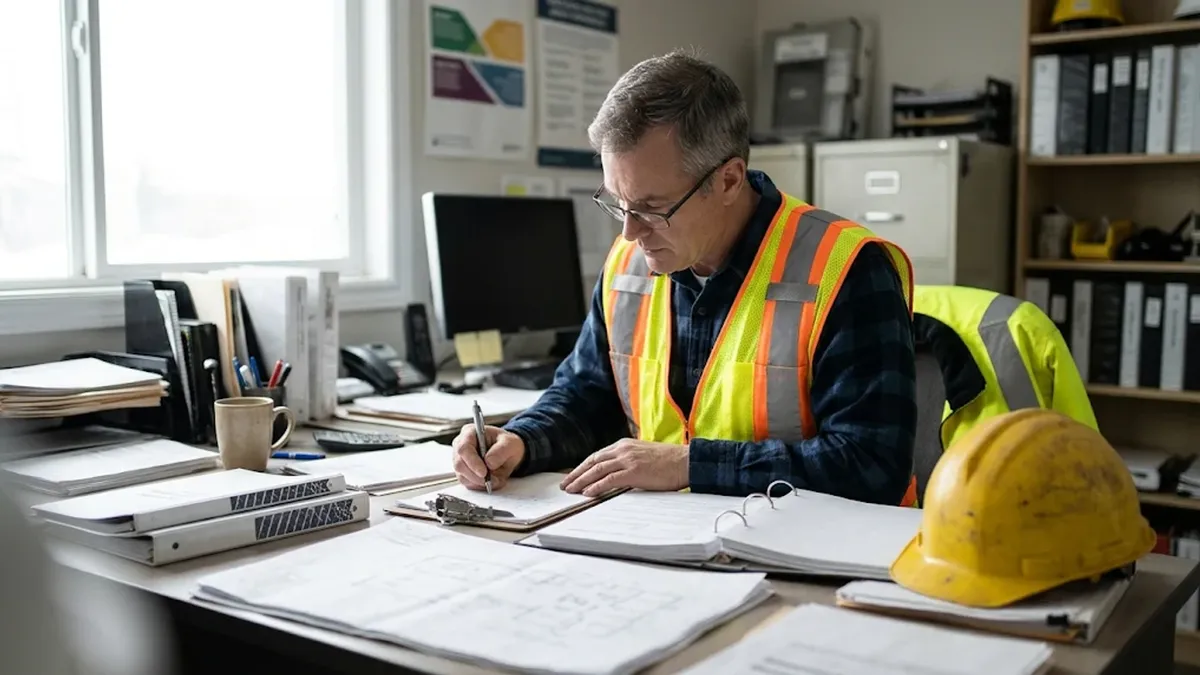
You must finish within six months of your first login, and you cannot log more than 7.5 hours of course time in one day. Anyone promising a card in a few hours is not following the Outreach rules, so avoid that provider.
OSHA 10 Final Assessment, Passing Score, and Getting Your Card
Each module ends with a short quiz, and the course finishes with a final exam covering the whole curriculum. Most authorized providers require a score of 70 percent to pass, and you generally receive three attempts at the final exam. Questions are multiple choice, drawn from the same learning objectives you studied, and phrased in everyday workplace language. Because attempts are limited, treat the first try seriously rather than guessing to see what the questions look like.
Question styles are practical. You might be asked what to do when a coworker is found near an energized line, which fall protection system suits a roof with a low parapet, or what a particular label pictogram indicates. Others test rights, such as who can request an OSHA inspection. Reading every answer option before choosing, and eliminating those that are unsafe or illegal, will help you pass even when a question uses wording you did not memorize.
If you fail the final exam three times, most providers require you to start over, which means repeating the course at an added cost. Some offer a single reset at no charge, others do not. Check the policy before buying. Prevent this outcome by reviewing your module quiz results and rereading any section where you missed several questions. A few extra hours of review is far cheaper than another full course fee and another week of delay.
After passing, the provider completes your record and typically offers a printable course completion certificate you can use right away. The durable Department of Labor card is printed on plastic and mailed, usually within two to six weeks depending on the provider and shipping method. Rush shipping is sometimes available for a fee. Confirm that the mailing address is correct and spelled the way you want your name to appear, because corrections may require paying for a replacement.
The federal card does not expire, but that does not mean employers will accept an old one forever. Many contractors want a card issued within the last five years, and some jurisdictions set their own renewal timelines. If your card is older, ask whether a refresher or a new course is needed. Confirm requirements with your employer or state labor department before relying on a card you earned many years ago, especially for public works projects.
Lost cards can be replaced, but only through the trainer or provider that issued the original. OSHA itself cannot reprint it, and the process often has a time limit, with providers typically supporting replacements for a fixed number of years. Request a replacement from the same company, expect a fee, and have your course completion date and name ready. Store a photo of the card in your phone and a copy with your personal records.
Be careful with counterfeit and altered cards. Employers increasingly verify cards by calling the provider or checking details such as the trainer's name and the issue date. A photocopied or altered card can cost you the job, and OSHA has warned about fake documents. If you suspect your provider was not authorized, report it, and be prepared to retake the course through a legitimate source to avoid being turned away at the gate.
Practical Tips to Finish Your OSHA 10 Online Course and Pass the First Time
Plan your schedule before you begin. Because OSHA limits online sessions to 7.5 hours per day, a realistic plan is two sessions of five hours or four sessions of two and a half hours. Block out time when you will not be interrupted, since idle timers may log you out and pause your progress. If you are working full time, evenings and weekends add up quickly, and most people finish in a week or less.
Set up your environment. Use a reliable internet connection, a laptop or tablet if you can, headphones for narrated sections, and a notebook for key numbers. Turn off notifications and close extra browser tabs, because some courses detect when you leave the window and stop the timer. Keep your payment receipt, login details, and provider support number in one place so you can solve account problems quickly instead of losing days to email delays.
Study actively rather than clicking through. Pause videos to write down definitions, say the answer to knowledge checks before selecting it, and explain each hazard to yourself in plain words. Connect the lessons to your own job: where could a fall, a strike, or an electrical contact happen on your next site? This habit improves retention and makes the later final exam feel like a review rather than a surprise.
Practice outside the course as well. Free question banks let you test whether you understand the material without spending an attempt on the real exam. Work through a set, check each explanation, and note topics you missed. Then reread those course sections. Repeat until you consistently score above 80 percent. That buffer above the 70 percent pass line protects you from nerves, tricky wording, and the occasional question you simply do not know.
Handle problems promptly. If a module freezes, take a screenshot and contact support right away, since they can usually reset the lesson and verify your seat time. Do not try to speed through using scripts or browser tricks; providers monitor for this, and OSHA can revoke cards from fraudulent completions. If your name was misspelled or you chose the wrong course, say so before the final exam rather than after the card is printed.
Think about your next steps. Add the card to your resume with the course type and completion year, share a copy with your employer, and store a digital copy. If you plan to move into supervision, consider the 30-hour course next, along with specialized training such as confined space, forklift, or fall protection competent person classes. The 10-hour card is a foundation, not a finish line, and employers value workers who keep learning.
Finally, use what you learn. The course is only worth the fee if it changes behavior on the job. Check your ladder before climbing, read labels, wear the right PPE, and speak up when something looks unsafe. You have the legal right to raise hazards without fear of retaliation. Workers who understand OSHA standards spot problems sooner, help coworkers avoid injuries, and are trusted with more responsibility over time.
Sample OSHA Safety Certificate Practice Questions
Try these questions from our free OSHA Safety Certificate practice tests. The correct answer and an explanation follow each question.
Can an employer rely solely on labels to satisfy the training requirement?
- A. Yes, labels are enough
- B. No, training on hazards and protective measures is separately required
- C. Only for flammables
- D. Only if the SDS is missing
Answer: B. No, training on hazards and protective measures is separately required
Labels supplement but do not replace required employee training on hazards and protections.
An employer has installed an employee alarm system to communicate emergencies. To comply with OSHA standards, what is a key requirement for this alarm?
- A. The alarm must be audible only in the immediate area of the hazard.
- B. The alarm signal must be distinctive and recognizable to all employees.
- C. The alarm must automatically contact the local fire department.
- D. The alarm must be tested once every year during a scheduled fire drill.
Answer: B. The alarm signal must be distinctive and recognizable to all employees.
OSHA 29 CFR 1910.38(d) requires that the employee alarm system use a distinctive signal. Furthermore, 29 CFR 1910.165(b)(3) specifies the alarm must be distinctive and recognizable by all employees as a signal for a specific purpose, such as evacuation. This ensures there is no confusion about what the alarm signifies.
An employer implements an Assured Equipment Grounding Conductor Program (AEGCP) on a construction site. Which of the following is a key requirement of this program?
- A. All cord sets and receptacles must be tested for continuity and correct terminal connection at least every 6 months.
- B. A written description of the program must be kept at the jobsite.
- C. Only a certified electrician is permitted to conduct the required tests.
- D. The program eliminates the need for any visual inspections of equipment.
Answer: B. A written description of the program must be kept at the jobsite.
OSHA standard 1926.404(b)(1)(iii) requires that a written description of the Assured Equipment Grounding Conductor Program, including the specific procedures adopted, be kept at the jobsite for inspection and for reference by employees.
Which OSHA standard specifically addresses the requirements for walking-working surfaces in general industry?
- A. 29 CFR 1910 Subpart D
- B. 29 CFR 1926 Subpart M
- C. 29 CFR 1910 Subpart I
- D. 29 CFR 1926 Subpart L
Answer: A. 29 CFR 1910 Subpart D
Subpart D of 29 CFR 1910 covers walking-working surfaces for general industry workplaces.
Take the full OSHA Safety Certificate practice test
OSHA Questions and Answers
OSHA Safety Certificate Practice Test and Study Guide

OSHA Toolbox Talks: A Complete Guide to Safety Meetings That Actually Work

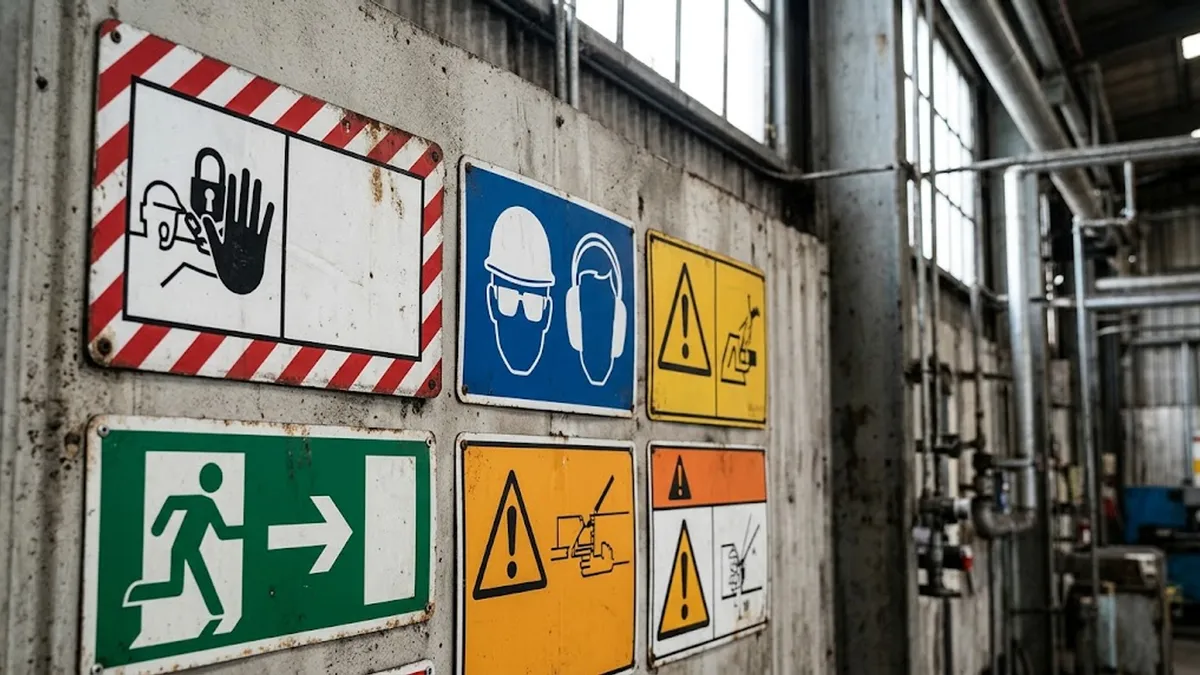
OSHA Stickers: Complete Guide to Workplace Safety Labels, Compliance, and Hazard Communication
OSHA 100 Employees Vaccine Rule: What Employers and Workers Need to Know
OSHA Haz Com: The Hazard Communication Standard Explained for Workers and Employers
Written and edited by Nathan Beja, founder of Practice Test Geeks, with AI assistance. Exam facts are checked against the official sources linked below. Editorial policy
Sources & references
Exam facts on this page (fees, format, dates, passing scores) are checked against these official sources; the date is our last check. Editorial policy
- osha.gov — Score validity, test delivery, eligibility, passing score, renewal, retake policy, score release · verified Nov 2026