
Cal/OSHA Phone Number: Complete Contact Directory, District Offices, Reporting Requirements, and How to Reach California Occupational Safety and Health for Crane Operators and Construction Workers
🆕 Find the cal osha phone number for reporting accidents, filing complaints, scheduling consultations, and reaching district offices across California.
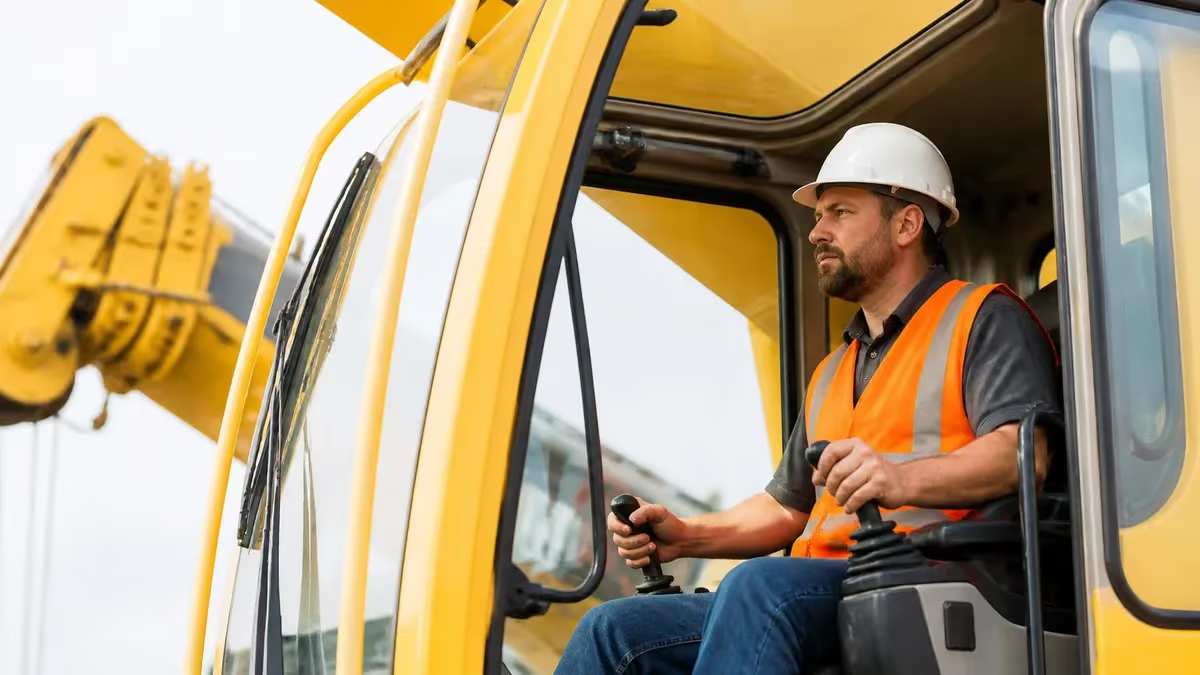
Finding the correct cal osha phone number quickly can mean the difference between a compliant workplace and a costly citation, especially for crane operators and construction supervisors working under California's strict occupational safety framework. The California Division of Occupational Safety and Health, commonly known as Cal/OSHA, operates a network of district offices, regional bureaus, and specialized units that each handle different types of inquiries, from accident reporting to permit applications and complaint filings.
Cal/OSHA maintains its own enforcement authority separate from federal OSHA because California operates a state plan approved under Section 18 of the Occupational Safety and Health Act. This means that crane operators working anywhere from San Diego to Eureka must contact Cal/OSHA rather than federal OSHA for most workplace safety matters, including the mandatory eight-hour fatality reporting requirement that carries significant penalties for late notification.
The main Cal/OSHA headquarters phone number is 1-833-579-0927, which serves as the toll-free statewide reporting line for serious injuries, illnesses, and fatalities. This 24-hour line connects callers directly to a duty officer who can dispatch investigators, coordinate emergency response, and document initial details of the incident. Knowing this number before an emergency occurs prevents the dangerous scramble that often follows a workplace catastrophe.
Beyond the central reporting line, Cal/OSHA operates more than two dozen district offices spread across California, each responsible for enforcement, inspections, and consultation services in specific geographic territories. Crane operators traveling between job sites in different counties may need to contact multiple district offices over the course of a project, particularly when applying for tower crane permits or scheduling pre-operational inspections required under Title 8 of the California Code of Regulations.
This comprehensive guide compiles every essential Cal/OSHA phone number, organized by function and region, so crane operators, supervisors, safety managers, and business owners can reach the right office on the first call. We cover emergency reporting lines, district office directories, consultation service numbers, permit unit contacts, complaint filing procedures, and the specialized Mining and Tunneling Unit number that crane operators working on subterranean projects must know.
We also address common questions about response times, what information to gather before calling, how Cal/OSHA handles anonymous complaints, and the differences between contacting enforcement versus consultation services. Many crane operators avoid calling Cal/OSHA because they fear triggering an inspection, but the consultation branch operates separately from enforcement and offers free advisory services that can prevent violations rather than cause them.
Whether you are a tower crane operator in Los Angeles needing to report an unsafe lift, a foreman in the Central Valley filing a discrimination complaint, or a safety coordinator scheduling a voluntary consultation visit, this directory gives you the verified phone numbers, hours of operation, and procedural guidance you need to connect with Cal/OSHA efficiently and resolve your matter properly.
Cal/OSHA Contact System by the Numbers
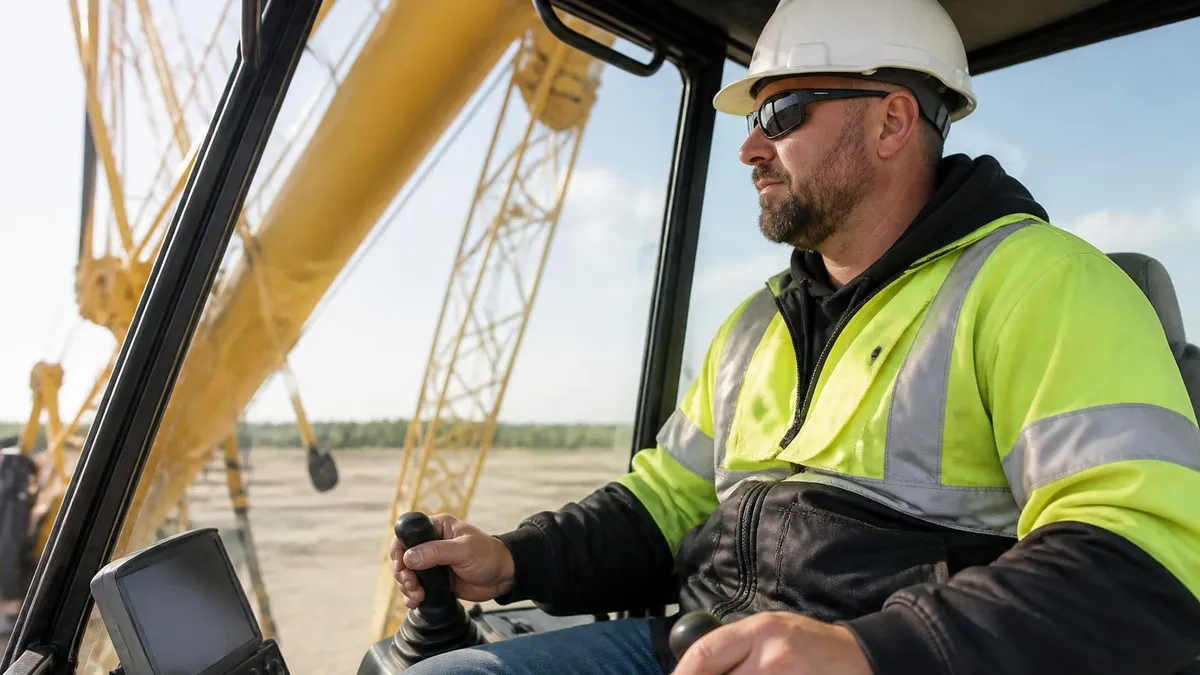
Primary Cal/OSHA Phone Numbers Every Crane Operator Should Save
1-833-579-0927 connects to the 24-hour duty officer for reporting serious injuries, illnesses, and fatalities. This is the mandatory line for the eight-hour fatality notification requirement under Title 8.
(510) 286-7000 reaches the main Oakland headquarters for administrative inquiries, policy questions, public records requests, and general guidance on regulations affecting crane operations statewide.
1-800-963-9424 provides free, confidential advisory services completely separate from enforcement. Schedule on-site evaluations, hazard assessments, and training without triggering inspections or citations.
(714) 558-4451 reaches the Cal/OSHA permit unit for tower crane permits, elevator permits, and pressure vessel certifications required before equipment operation begins on California job sites.
(916) 574-2540 handles all underground construction, tunnel boring, and mining-related crane operations. Required contact for any subterranean lifting equipment work in California.
Cal/OSHA's district office network divides California into geographic enforcement zones, each staffed with inspectors, supervisors, and administrative personnel who handle complaints, inspections, and follow-up activities within their territory. Understanding which district office covers your job site location helps route your call to the right team immediately, avoiding transfers and delays that frustrate callers trying to report time-sensitive issues like crane collapses or rigging failures.
The Southern California region contains the highest concentration of Cal/OSHA district offices, reflecting the dense industrial and construction activity across Los Angeles, Orange, Riverside, and San Bernardino counties. The Van Nuys office at (818) 901-5403 covers the San Fernando Valley and northern Los Angeles County, while the Long Beach office at (562) 590-5048 handles the port complex, harbor operations, and surrounding coastal construction sites where crane activity is constant.
The Build City office at (650) 573-3812 serves the San Francisco Peninsula and parts of the South Bay, including the rapidly expanding biotech and data center construction corridor. Crane operators working on the major mixed-use developments in San Mateo County or contributing to infrastructure expansion at SFO should program this number for both routine inquiries and emergency reporting purposes during their project assignments.
Central California crane operations fall under the Fresno district office, reachable at (559) 454-1295, which covers an enormous geographic area stretching from Bakersfield up through Stockton. This office handles agricultural construction, oil field crane work, and the substantial residential development activity transforming the Central Valley. Response times can be longer here due to travel distances, making prompt reporting and complete documentation especially important for incidents in this region.
Northern California outside the Bay Area is served by the Sacramento district office at (916) 263-2800, which covers the state capital region and extends north through Redding and into rural counties bordering Oregon and Nevada. This office handles wildfire reconstruction crane work, dam infrastructure projects, and the growing data center construction industry in cities like Reno-adjacent Truckee. Understanding the geographic scope of each district prevents misdirected calls during emergencies.
The Oakland headquarters office, reachable at (510) 622-3052 for its district enforcement function, covers Alameda and Contra Costa counties including the Port of Oakland container terminal operations where ship-to-shore crane activity creates unique inspection requirements. This office also coordinates with the main Cal/OSHA administrative headquarters located in the same building, allowing efficient handling of complex multi-jurisdiction matters affecting crane operators working across multiple counties.
San Diego crane operators contact the San Diego district office at (619) 767-2280 for incidents, complaints, and routine inquiries throughout San Diego and Imperial counties. This office manages the substantial naval shipyard support work, the cross-border industrial corridor near Tijuana, and downtown San Diego's continuous high-rise construction activity. Having this direct line saves valuable time compared to routing calls through the main reporting number during non-emergency situations requiring district-level expertise.
OSHA Practice Test Questions
Prepare for the OSHA - OSHA Certified Crane Operator exam with our free practice test modules. Each quiz covers key topics to help you pass on your first try.
OSHA Crane Operation Controls & Signal Com...
OSHA Exam Questions covering Crane Operation Controls & Signal Communication. Master OSHA Test concepts for certification prep.
OSHA Crane Safety Procedures & Hazard Prev...
Free OSHA Practice Test featuring Crane Safety Procedures & Hazard Prevention. Improve your OSHA Exam score with mock test prep.
OSHA Load Handling & Rigging Techniques
OSHA Mock Exam on Load Handling & Rigging Techniques. OSHA Study Guide questions to pass on your first try.
OSHA Regulations & Equipment Inspection St...
OSHA Test Prep for Regulations & Equipment Inspection Standards. Practice OSHA Quiz questions and boost your score.
OSHA Code Compliance
OSHA Questions and Answers on Code Compliance. Free OSHA practice for exam readiness.
OSHA Crane Operator Certification & Qualif...
OSHA Mock Test covering Crane Operator Certification & Qualification Requirements. Online OSHA Test practice with instant feedback.
OSHA Environmental Standards
Free OSHA Quiz on Environmental Standards. OSHA Exam prep questions with detailed explanations.
OSHA Equipment Operation
OSHA Practice Questions for Equipment Operation. Build confidence for your OSHA certification exam.
OSHA Maintenance Protocols
OSHA Test Online for Maintenance Protocols. Free practice with instant results and feedback.
OSHA Material Selection
OSHA Study Material on Material Selection. Prepare effectively with real exam-style questions.
OSHA Pre-Lift Planning & Load Chart Interp...
Free OSHA Test covering Pre-Lift Planning & Load Chart Interpretation. Practice and track your OSHA exam readiness.
OSHA Quality Inspection
OSHA Exam Questions covering Quality Inspection. Master OSHA Test concepts for certification prep.
Cal/OSHA Phone Number Procedures for Different Reporting Scenarios
California law requires employers to report any work-related fatality to Cal/OSHA within eight hours of the death or discovery of death. Call 1-833-579-0927 immediately and be prepared to provide the employer name, address, time and nature of incident, number of fatalities, and contact information for the on-site supervisor coordinating emergency response and inspector access to the scene.
The duty officer will dispatch an investigator to the location, typically within hours for crane-related fatalities given the catastrophic nature of such incidents. Do not disturb the scene, move equipment, or interview witnesses before investigators arrive unless necessary to prevent additional harm. Preserve all maintenance logs, lift plans, and signal communication records for inspector review during their on-site investigation.
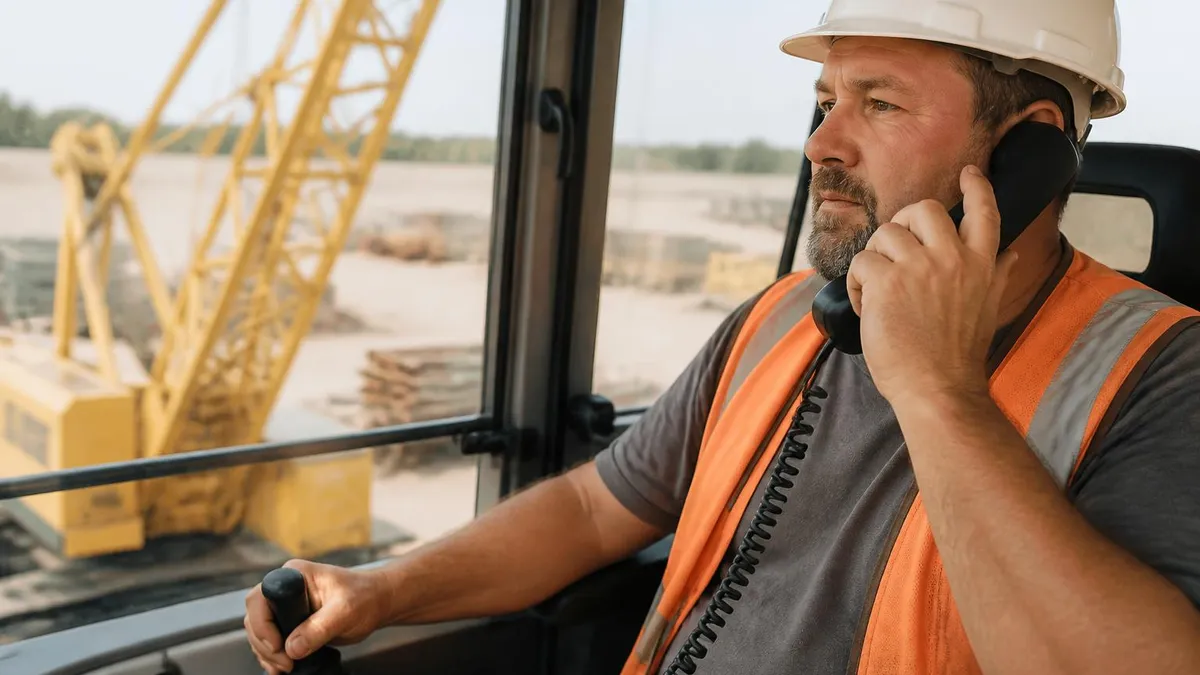
Calling Cal/OSHA: When It Helps and When to Consider Alternatives
- +Immediate access to qualified investigators trained in crane safety and California regulations
- +Toll-free statewide reporting line operates twenty-four hours daily, including holidays
- +Anonymous complaint filing protects workers from retaliation while triggering inspections
- +Free consultation services help employers prevent violations before they occur
- +District office structure routes calls to inspectors familiar with regional industries
- +Bilingual operators available for Spanish-speaking callers throughout California
- +Specialized units handle mining, tunneling, and high-hazard crane operations
- −Hold times during business hours can exceed thirty minutes at busy district offices
- −Initial calls require detailed information that may be difficult to gather during emergencies
- −Mandatory reporting requirements create employer liability for late notification
- −Inspector response times vary significantly by region and current caseload
- −Some district offices have limited after-hours staffing for non-emergency calls
- −Complaint investigations may take weeks or months to resolve depending on severity
Pros and Cons at a Glance
| Pros | Cons |
|---|---|
| Immediate access to qualified investigators trained in crane safety and California regulations | Hold times during business hours can exceed thirty minutes at busy district offices |
| Toll-free statewide reporting line operates twenty-four hours daily, including holidays | Initial calls require detailed information that may be difficult to gather during emergencies |
| Anonymous complaint filing protects workers from retaliation while triggering inspections | Mandatory reporting requirements create employer liability for late notification |
| Free consultation services help employers prevent violations before they occur | Inspector response times vary significantly by region and current caseload |
| District office structure routes calls to inspectors familiar with regional industries | Some district offices have limited after-hours staffing for non-emergency calls |
| Bilingual operators available for Spanish-speaking callers throughout California | Complaint investigations may take weeks or months to resolve depending on severity |
Information to Gather Before Calling the Cal/OSHA Phone Number
- ✓Exact street address and cross streets of the incident location or job site
- ✓Employer legal name, federal tax ID number, and California business license number
- ✓Name, job title, and contact phone number of the on-site supervisor or safety officer
- ✓Detailed description of equipment involved including make, model, and serial numbers
- ✓Time and date of incident in twenty-four hour format with time zone reference
- ✓Number of workers injured or killed and their current medical treatment status
- ✓Names and contact information for witnesses present during the incident occurrence
- ✓Weather conditions including wind speed, visibility, temperature, and precipitation status
- ✓Load weight, rigging configuration, and lift plan documentation if applicable
- ✓Most recent equipment inspection date and copies of relevant maintenance records
Eight-Hour Reporting Window Is Non-Negotiable
California law requires fatality and serious injury reports within eight hours of the incident, not eight business hours. This deadline applies regardless of weekends, holidays, or normal business operations. Penalties for late reporting can exceed $5,000 per missed deadline, and willful failure to report can lead to criminal charges against responsible supervisors.
Many crane operators and construction supervisors hesitate to call Cal/OSHA because they confuse enforcement with consultation, fearing that any contact will trigger inspections and citations. Understanding the firewall between Cal/OSHA's two main service branches eliminates this anxiety and unlocks valuable resources that can actually reduce regulatory risk rather than increase it for California employers operating cranes and construction equipment.
The Cal/OSHA Consultation Service, reachable at 1-800-963-9424, operates as a completely separate division from enforcement. Consultation staff cannot share information with enforcement inspectors, cannot issue citations, and cannot trigger investigations based on what they observe during voluntary visits. This legal firewall, codified in California Labor Code Section 6354, exists specifically to encourage employers to seek help addressing hazards before they cause injuries or violations.
Crane operating companies particularly benefit from consultation services because the complexity of California's crane safety regulations creates frequent unintentional violations even among well-intentioned employers. A consultation visit typically takes one to two days and produces a written hazard analysis report identifying issues ranging from inspection record gaps to operator certification deficiencies. Employers must correct identified hazards within agreed timeframes but face no fines or citations during this process.
The High Hazard Employer Program represents a specialized consultation pathway for industries with improved injury rates, including construction and crane operations. Employers in this program receive enhanced consultation support, training assistance, and recognition through programs like the Cal/OSHA Voluntary Protection Program for sites demonstrating exemplary safety management systems. Participating companies frequently report reduced workers compensation premiums and improved bid competitiveness.
Enforcement contacts, by contrast, occur through district office phone numbers and the central reporting line. When you call to report an incident, file a complaint, or respond to an inspector's questions, you are interacting with enforcement personnel whose primary mission is determining compliance and issuing appropriate citations for violations discovered. Statements made to enforcement staff can become evidence in administrative proceedings or civil litigation.
Crane operators facing inspector visits should understand their rights and obligations during enforcement contacts. Employers may have a representative present during inspector interviews and may decline to answer questions outside the scope of the specific inspection authorization. However, refusing reasonable inspector access can lead to warrant applications that ultimately produce broader inspections than originally planned for the affected job site.
The smart strategy for most California crane operating companies involves proactive use of consultation services to identify and address hazards before they trigger enforcement attention. Annual consultation visits help maintain inspection-ready conditions, ensure certification records remain current, and build documented evidence of good-faith compliance efforts that mitigate penalties if enforcement action ever occurs following an incident or complaint.
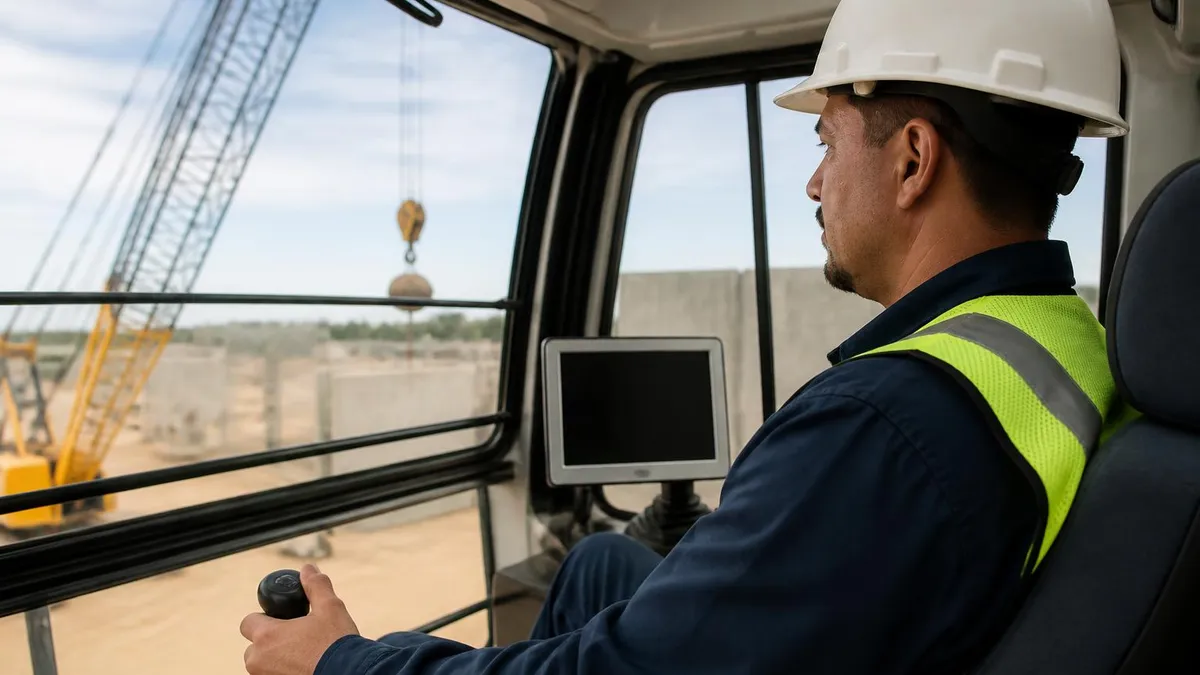
While Cal/OSHA protects complainant identity during investigations, information disclosed during enforcement calls can be subpoenaed in civil litigation. Consult with legal counsel before making detailed statements following serious incidents. The consultation hotline at 1-800-963-9424 offers genuinely confidential advisory services without these legal exposure risks.
Crane operations in California face specialized regulatory requirements that often necessitate contact with specific Cal/OSHA units beyond the general district offices. Understanding which specialty unit handles your particular crane-related inquiry helps avoid the runaround that occurs when general phone operators transfer calls between multiple departments before reaching personnel qualified to address technical questions about your equipment and operations.
The Cal/OSHA Crane Unit operates within the Engineering Services section and handles all matters related to tower crane permits, mobile crane certifications, and crane operator licensing under California's enhanced certification requirements. Reach the Crane Unit through the permit unit number at (714) 558-4451 and request transfer to crane specialists. This team reviews lift plans for critical lifts, evaluates tower crane installation drawings, and conducts pre-erection inspections required before tower cranes can begin operations on California job sites.
For ongoing compliance questions about crane operations, the Engineering Services Bureau provides technical guidance separate from enforcement activities. Engineers in this bureau help interpret Title 8 California Code of Regulations provisions, evaluate proposed alternative compliance methods, and provide written interpretations that crane operating companies can rely upon for planning purposes. These technical opinions carry significant weight during enforcement proceedings if compliance becomes contested.
California's mandatory crane operator certification through accredited testing organizations represents another area where Cal/OSHA contact frequently becomes necessary. The Cal/OSHA Standards Board, reachable through the main headquarters number, handles certification reciprocity questions, accreditation issues affecting California-recognized testing organizations, and certification challenges related to specific equipment types not covered by standard NCCCO examinations. Operators with international experience should consult the OSHA 500 course online resources for trainer pathway information.
The Process Safety Management Unit handles crane operations at refineries, chemical plants, and other facilities covered by California's stringent process safety regulations. Crane work at PSM-covered facilities requires additional permitting, specialized hot work coordination, and enhanced contractor safety verification. Reach this unit through (562) 590-5491 for matters involving lifts at petroleum refineries, chemical manufacturing plants, and other regulated hazardous facilities throughout California.
For matters involving cranes used in agricultural operations, including fruit and vegetable handling, the Cal/OSHA Agricultural Safety Unit at (510) 286-7000 extension provides specialized guidance reflecting unique requirements applicable to farm-related lifting equipment. California's substantial agricultural sector generates significant crane activity for crop processing facilities, irrigation infrastructure, and food packaging plants that benefit from sector-specific regulatory expertise.
Public works projects involving cranes trigger additional Cal/OSHA contact requirements through the prevailing wage and apprenticeship enforcement divisions. While these matters relate more to labor compliance than safety, they affect crane operator wage rates and apprenticeship hour requirements. Coordination between public works compliance and crane safety enforcement sometimes occurs during incident investigations at state-funded construction projects throughout California.
Finally, crane operators working in proximity to high-voltage power lines must coordinate with both Cal/OSHA and the California Public Utilities Commission. Cal/OSHA's electrical safety specialists provide guidance on the minimum approach distances required under Title 8 regulations, while utility companies handle line de-energization coordination. Knowing the proper contact protocol prevents the deadly accidents that occur when these coordination steps are skipped during time-pressured construction schedules.
Successfully navigating Cal/OSHA contacts requires more than just having the right phone numbers programmed into your device. Effective communication with Cal/OSHA personnel demands preparation, documentation discipline, and an understanding of how to frame questions and reports in ways that produce useful guidance rather than generating misunderstandings that complicate your regulatory standing as a California crane operator or construction industry employer.
Document every Cal/OSHA contact thoroughly, including the date and time of the call, the name and title of the person you spoke with, the substance of the conversation, and any guidance or commitments provided during the interaction. These records prove invaluable during subsequent enforcement actions, citation contests, or appeals proceedings where verbal guidance from Cal/OSHA staff becomes a material issue affecting the outcome of formal regulatory proceedings before administrative law judges.
Follow up significant phone conversations with written confirmation requests, particularly when seeking interpretive guidance about specific regulations or proposed compliance approaches. Email follow-ups create documentation that protects both parties and provides clear evidence of good-faith reliance on agency guidance. Cal/OSHA staff often appreciate written confirmation because it ensures that callers understand the guidance accurately rather than acting on misinterpretations of verbal advice.
When calling district offices, ask for the specific inspector or supervisor assigned to your industry sector when possible. Cal/OSHA district offices typically organize inspector assignments by industry specialty, and reaching the inspector with crane safety expertise produces better technical guidance than speaking with a general construction inspector. This specialty-matching strategy works particularly well for tower crane operations, mobile crane work, and rigging-intensive lifting activities requiring specialized regulatory knowledge.
Maintain an updated emergency contact card in every crane operator's hard hat or wallet containing the main reporting line, the local district office, the consultation hotline, and key internal contacts including company safety personnel and legal counsel. Posting these numbers prominently in crane cabs and project trailers ensures availability during emergencies when stress and chaos make memory unreliable. Companies should review and refresh these contact cards quarterly to reflect any office reorganizations.
Train all crane operators and supervisors on Cal/OSHA reporting protocols during initial orientation and through annual refresher training. Workers need to understand both their rights and their obligations during enforcement contacts, including the right to participate in inspections, the obligation to provide truthful information, and the protections available through Cal/OSHA's whistleblower provisions. This training reduces panic during real incidents and improves the quality of information transmitted to investigators.
Build relationships with your local Cal/OSHA district office through participation in industry advisory groups, attendance at Cal/OSHA-sponsored training events, and routine consultation visits during periods of operational stability. Personal familiarity with district staff helps smoother communications during stressful situations and demonstrates your company's commitment to safety culture. These relationships often produce better outcomes during inspections and incident investigations because inspectors understand your organizational context.
Sample OSHA - OSHA Certified Crane Operator Practice Questions
Try these questions from our free OSHA - OSHA Certified Crane Operator practice tests. The correct answer and an explanation follow each question.
Which OSHA standard governs crane and derrick operations in construction, including power line safety requirements?
- A. 29 CFR 1926.502
- B. 29 CFR 1926.1400 (Subpart CC)
- C. 29 CFR 1910.179
- D. 29 CFR 1926.550
Answer: B. 29 CFR 1926.1400 (Subpart CC)
29 CFR 1926.1400 (Subpart CC), effective 2010, is the comprehensive OSHA standard governing cranes and derricks in construction including electrical hazard requirements.
What is the most critical safety requirement in quality inspection?
- A. Speed of completion
- B. Following all applicable safety regulations and wearing required PPE
- C. Cost minimization
- D. Working alone to avoid delays
Answer: B. Following all applicable safety regulations and wearing required PPE
Safety regulations and proper PPE use are the most critical requirements in quality inspection to prevent injury and ensure compliance.
What is the most critical safety requirement in material selection?
- A. Speed of completion
- B. Following all applicable safety regulations and wearing required PPE
- C. Cost minimization
- D. Working alone to avoid delays
Answer: B. Following all applicable safety regulations and wearing required PPE
Safety regulations and proper PPE use are the most critical requirements in material selection to prevent injury and ensure compliance.
What is the most critical safety requirement in equipment operation?
- A. Speed of completion
- B. Following all applicable safety regulations and wearing required PPE
- C. Cost minimization
- D. Working alone to avoid delays
Answer: B. Following all applicable safety regulations and wearing required PPE
Safety regulations and proper PPE use are the most critical requirements in equipment operation to prevent injury and ensure compliance.
Take the full OSHA - OSHA Certified Crane Operator practice test
OSHA Questions and Answers
OSHA 500 Course Online: Complete Guide to Trainer Certification for Construction Industry Outreach
When Stacking Blank Interlocking Rows OSHA Requirements: Complete Guide to General Compliance, Material Storage Safety, and Crane Operator Stacking Standards
360 OSHA Training: Complete Guide to Online OSHA 10 & 30 Certification Courses for Construction and General Industry Workers
What Is the OSHA Rule? Complete Guide to OSHA Rules and Standards for Crane Operators
OSHA 30 Courses: Complete Guide to OSHA 30-Hour Training, Certification, Course Options, Costs, and What You'll Learn in Construction and General Industry Programs
About the Author
Certified Safety Professional & OSHA Compliance Expert
Indiana University of Pennsylvania Safety SciencesDr. William Foster holds a PhD in Safety Science from Indiana University of Pennsylvania and is a Certified Safety Professional (CSP) and Certified Hazardous Materials Manager. With 20 years of occupational health and safety management experience across construction, manufacturing, and chemical industries, he coaches safety professionals through OSHA certification, CSP, CHST, and safety management licensing programs.
Join the Discussion
Connect with other students preparing for this exam. Share tips, ask questions, and get advice from people who have been there.
View discussion (8 replies)