
Nurse Practitioner Schools in Maryland: Complete Training Guide and Requirements
Explore top nurse practitioner schools in Maryland. Programs, requirements, costs & certification tips. 🎓 Start your NP career today.
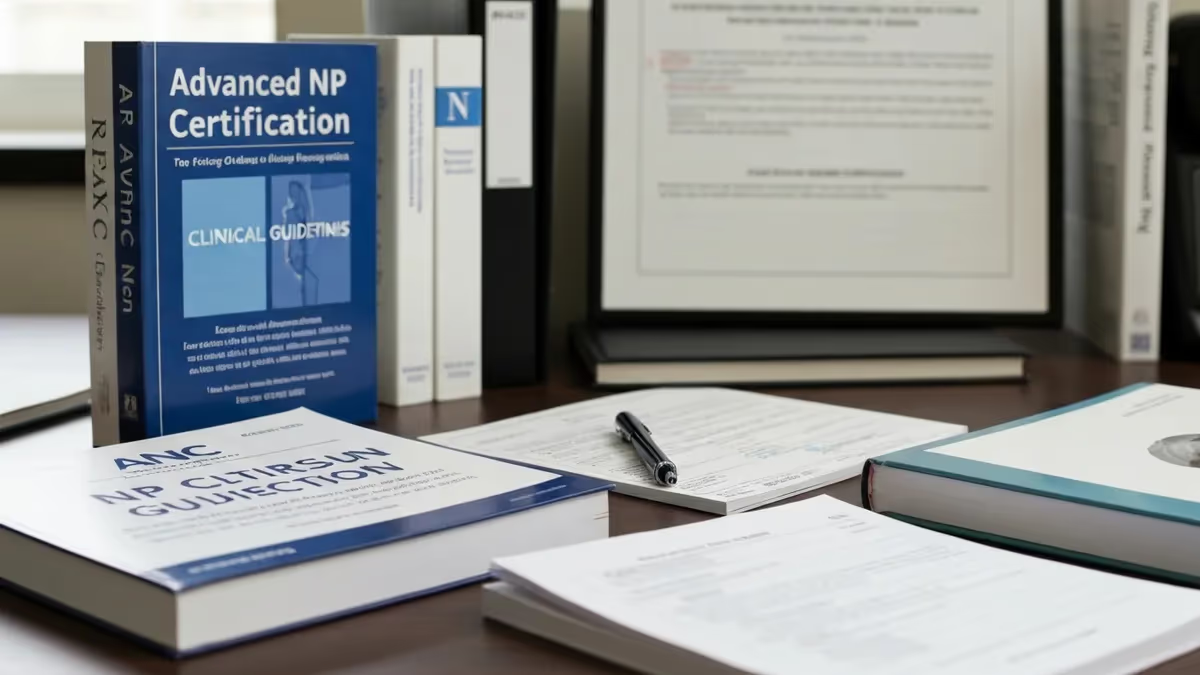
Choosing the right nurse practitioner schools in Maryland is one of the most important decisions you will make in your healthcare career. Maryland is home to a thriving medical ecosystem anchored by world-class institutions such as Johns Hopkins, the University of Maryland Medical System, and a dense network of community health centers. This combination of academic excellence and clinical opportunity makes the state an outstanding place to earn your NP credential, whether you are pursuing family practice, psychiatric care, acute care, or any other specialty.
The demand for nurse practitioners in Maryland has accelerated significantly over the past decade. According to the Bureau of Labor Statistics, NP employment nationwide is projected to grow 45 percent through 2032, and Maryland mirrors that trend. The state's aging population, expanded Medicaid coverage, and a persistent shortage of primary care physicians have pushed healthcare systems to rely more heavily on advanced practice registered nurses who can diagnose, prescribe, and manage complex patient conditions independently.
Maryland grants NPs full practice authority, meaning that after completing your education and passing national certification, you can open your own practice, prescribe Schedule II through V controlled substances, and serve patients without a mandatory physician collaboration agreement. This level of independence is a powerful incentive for nurses who want maximum career flexibility and the ability to reach underserved communities across Baltimore, the Eastern Shore, and rural western Maryland counties.
Understanding the landscape of nurse practitioner schools maryland requires looking at several factors: accreditation status, program format (on-campus versus online with local clinicals), specialty tracks offered, clinical hour requirements, tuition costs, and NCLEX and certification pass rates. Each program has its own strengths, and the best fit depends on your current RN experience, the specialty you want to practice, and how you balance work and academic commitments.
Most Maryland NP programs require applicants to hold an active RN license, a Bachelor of Science in Nursing, a minimum of one to two years of clinical RN experience, and competitive GPA and GRE scores. Some programs have moved away from the GRE requirement, but they often substitute letters of recommendation, personal statements, and structured interviews to evaluate a candidate's readiness for graduate-level coursework and clinical reasoning.
Financially, pursuing an NP degree in Maryland represents a significant investment, but the return is substantial. Entry-level NPs in the state earn between $98,000 and $115,000 annually, with experienced practitioners in specialty settings such as acute care or psychiatric mental health regularly exceeding $130,000. Tuition assistance, employer-sponsored education benefits, and federal loan forgiveness programs—including the National Health Service Corps—can dramatically reduce your out-of-pocket cost, particularly if you commit to practicing in a Health Professional Shortage Area after graduation.
This guide covers everything you need to know about Maryland's top NP programs, admission requirements, curriculum expectations, clinical placement strategies, certification pathways, and practical tips for succeeding in your program and beyond. Whether you are a bedside nurse considering your next step or a seasoned RN ready to transition to advanced practice, the information here will help you navigate the path with confidence and clarity.
Maryland NP Education by the Numbers

Top Nurse Practitioner Schools in Maryland
One of the largest and most respected nursing schools in the US, UMB offers MSN and DNP tracks in family, adult-gerontology, pediatric, and psychiatric-mental health NP specialties, with strong clinical partnerships across the UM Medical System.
A globally recognized research-intensive program offering MSN and DNP pathways. Hopkins NP graduates benefit from elite clinical placements at Hopkins Hospital and affiliated community health centers throughout the Baltimore metro area.
Offers a flexible MSN Family Nurse Practitioner program designed for working RNs, with evening and online coursework combined with regional clinical placements, making it accessible for nurses who cannot pause their careers to study full time.
NDMU's MSN program emphasizes community-focused primary care and offers specialty tracks in family and adult-gerontology NP practice. The program has a strong track record of graduate certification exam pass rates above the national average.
A historically Black university offering an MSN with NP concentration at a competitive tuition rate. BSU's program is particularly strong in serving diverse and underserved patient populations across Prince George's County and the Washington DC metro area.
Meeting the admission requirements for Maryland NP programs demands careful planning well before you submit your application. Most programs require a current, unrestricted RN license in Maryland or a compact state, a Bachelor of Science in Nursing from an accredited institution, a minimum undergraduate GPA of 3.0 (competitive applicants typically present 3.3 or higher), and documented clinical experience as a registered nurse. The depth and relevance of that clinical experience—particularly in an area related to your intended NP specialty—can be a decisive factor in competitive programs.
Graduate-level statistics is a prerequisite at many schools, reflecting the emphasis on evidence-based practice in advanced nursing education. If your BSN program did not include a rigorous statistics course, completing one before applying—at a community college or online through an accredited university—can strengthen your application and prevent academic difficulty once you begin graduate-level research courses. Some programs also require undergraduate pathophysiology, pharmacology, and physical assessment courses, though these are often available as bridge courses for admitted students who lack them.
Letters of recommendation carry significant weight in NP program admissions. Most programs request two to three letters, and the strongest ones come from individuals who can speak directly to your clinical competence, critical thinking, and professional character. A supervising physician or APRN who has observed your patient care skills can provide more compelling evidence of your readiness than a general character reference from a non-clinical colleague, so plan your recommender list strategically and give recommenders ample notice—at least six to eight weeks.
Personal statements are your opportunity to connect your RN experience to your NP goals in a specific, evidence-backed way. Admissions committees read hundreds of statements describing a desire to "help people" or "make a difference." What distinguishes strong applicants is specificity: a particular patient encounter that revealed a gap in care you want to address as an advanced practitioner, a community health disparity you witnessed, or a clinical problem that sparked your interest in a particular specialty. Concrete details make personal statements memorable and credible.
Interview processes vary by program. Some Maryland schools conduct individual interviews with faculty; others use multiple mini-interviews (MMIs) modeled on medical school formats that assess ethical reasoning, communication, and situational judgment. Preparing for clinical ethics scenarios, being able to articulate the NP scope of practice clearly, and demonstrating awareness of Maryland's full-practice-authority landscape will help you perform well regardless of format. Mock interviews with a mentor or career counselor are worth the investment.
International applicants or nurses who completed their BSN outside the United States face additional steps, including credential evaluation through organizations like CGFNS or World Education Services, English language proficiency testing (TOEFL or IELTS), and sometimes additional coursework to satisfy US accreditation standards. Starting this process at least 12 months before your intended program start date is strongly recommended, as credential evaluations can take several months to complete.
Application timelines in Maryland follow a rolling or cohort-based model depending on the school. Programs like the University of Maryland at Baltimore and Johns Hopkins typically have application deadlines in November or December for fall admission, while smaller programs may accept applications on a rolling basis well into spring. Submitting early—ideally two to three months before the stated deadline—maximizes your chance of securing a spot before cohorts fill and demonstrates the organizational discipline programs expect from future advanced practitioners.
NP Specialty Tracks and Curriculum in Maryland Programs
The Family Nurse Practitioner track is the most popular specialty among Maryland NP students because it offers the broadest scope of practice, allowing graduates to care for patients across the entire lifespan—from newborns to elderly adults. Maryland FNP programs typically require 45 to 52 credit hours, covering advanced pathophysiology, pharmacology, health assessment, and a series of clinical management courses addressing pediatric, women's health, adult, and geriatric populations, with a minimum of 500 to 600 supervised clinical hours.
FNP graduates in Maryland sit for either the AANP Family Nurse Practitioner certification exam (FNP-C) or the ANCC Family Nurse Practitioner board certification (FNP-BC). Both credentials are nationally recognized and accepted for Maryland APRN licensure. Many Maryland FNP graduates find positions in federally qualified health centers, private primary care practices, urgent care settings, and rural health clinics, where their broad training allows them to serve as the primary point of care for entire families across their community.

Pros and Cons of NP Programs in Maryland
- +Full practice authority allows independent practice after certification without physician collaboration agreements
- +Strong clinical placement opportunities through major health systems like UMMS and Johns Hopkins
- +Multiple program formats—traditional campus, hybrid, and online with local clinicals—accommodate working RNs
- +High median NP salary of approximately $112,000 provides strong return on educational investment
- +Diverse patient populations across urban, suburban, and rural settings build broad clinical competency
- +Access to federal loan forgiveness programs through NHSC for NPs practicing in underserved Maryland communities
- −Tuition at top Maryland programs can exceed $50,000 to $80,000 for the full MSN program
- −Securing sufficient clinical placement hours can be challenging without an established network in your specialty
- −Competitive admissions at flagship schools like UMB and Hopkins make acceptance difficult for borderline applicants
- −Balancing full-time RN employment with graduate coursework leads to significant personal and professional stress
- −DNP completion requirements are expected to become the entry-level standard, adding additional time and cost
- −Rural and Eastern Shore placements may require significant travel, which adds logistical burden for students
NP Program Application and Certification Checklist
- ✓Verify your RN license is active, unrestricted, and in good standing with the Maryland Board of Nursing
- ✓Confirm your BSN is from a CCNE- or ACEN-accredited institution before applying
- ✓Complete a graduate-level statistics course if not already included in your undergraduate degree
- ✓Request official transcripts from all post-secondary institutions at least 8 weeks before deadlines
- ✓Identify 3 recommenders—preferably clinical supervisors—and provide them at least 6–8 weeks' notice
- ✓Draft a personal statement that ties a specific clinical experience to your chosen NP specialty
- ✓Research clinical placement requirements for your chosen specialty and begin building preceptor relationships early
- ✓Apply for FAFSA and research NHSC scholarship and loan repayment eligibility for Health Professional Shortage Areas
- ✓Register for AANP or ANCC certification exam within 6 months of graduation while content is fresh
- ✓Submit your Maryland APRN licensure application to the Board of Nursing immediately after passing certification
Maryland's Full Practice Authority Is a Career Game-Changer
Since 2015, Maryland has granted NPs full practice authority under the Maryland Nurse Practitioner Act, meaning certified NPs can diagnose, treat, and prescribe—including controlled substances—without a mandatory physician collaboration agreement. This positions Maryland NPs among the most autonomous advanced practice nurses in the country and dramatically expands your career options, including starting your own independent practice.
Understanding the cost structure of Maryland NP programs is essential for making an informed decision about where to apply. Tuition rates vary significantly across institutions. At the University of Maryland Baltimore, graduate nursing tuition runs approximately $700 to $900 per credit hour for in-state students, putting a 45-credit MSN program in the range of $31,500 to $40,500 before fees, books, and clinical supplies. Johns Hopkins is considerably more expensive, with tuition approaching $1,500 to $1,800 per credit hour for its MSN and DNP programs, making total program costs potentially exceed $80,000 for full-time students.
Stevenson University and Notre Dame of Maryland University represent mid-range options, with tuition typically falling between $750 and $1,100 per credit hour. Bowie State University, as a historically Black university within the University System of Maryland, offers some of the most affordable per-credit tuition rates in the state, making it an especially attractive option for students who want a quality education without the debt burden associated with private university programs. Regardless of school, additional costs for clinical equipment, background checks, drug testing, malpractice insurance, and certification exam fees add another $2,000 to $4,000 to total program costs.
Financial aid options are more robust for NP students than many applicants realize. Federal Direct Unsubsidized Loans and Graduate PLUS Loans are available to eligible students, and many Maryland NP students also qualify for scholarships through the Maryland Higher Education Commission, the American Association of Nurse Practitioners Foundation, and specialty nursing organizations in fields like oncology, emergency care, and psychiatric-mental health nursing. The AANP Foundation, in particular, offers merit-based and need-based scholarships specifically for NP students, with awards ranging from $2,500 to $7,500.
The National Health Service Corps (NHSC) offers some of the most compelling financial incentives for NP students willing to practice in underserved communities. The NHSC Scholarship Program covers tuition, fees, and provides a living stipend in exchange for a two-year service commitment at an approved site. The NHSC Loan Repayment Program can provide up to $50,000 in tax-free loan repayment for full-time service or $25,000 for half-time service. Maryland has numerous NHSC-approved sites in Baltimore City, rural Appalachian counties, and Eastern Shore communities, making this an excellent option for NPs who want to address health disparities while eliminating educational debt.
Employer tuition assistance is another frequently overlooked resource. Major Maryland health systems, including UMMS, MedStar Health, LifeBridge Health, and Johns Hopkins Health System, offer tuition reimbursement benefits that can cover $5,000 to $15,000 per year toward graduate nursing education. Some employers go further, offering full tuition coverage in exchange for a post-graduation employment commitment. If you are currently employed by a large health system, reviewing your human resources benefits package before applying can reveal funding sources that make expensive programs far more affordable.
When evaluating return on investment, Maryland NP salary data is compelling. Family Nurse Practitioners in the state earn a median annual salary of approximately $108,000 to $115,000. Psychiatric-Mental Health NPs, reflecting high demand and a critical shortage, can command $115,000 to $130,000 or more, particularly in urban markets and telehealth platforms. Acute care and specialty NPs, including those certified in cardiology, oncology, or critical care, often earn even more, with total compensation packages—including productivity bonuses, sign-on bonuses, and benefits—sometimes pushing effective annual compensation above $150,000 in competitive markets.
Geographic salary variation within Maryland is worth noting. Baltimore City and its surrounding counties, including Howard, Montgomery, and Anne Arundel, tend to offer the highest base salaries, reflecting higher cost of living and intense competition among health systems for qualified NPs.
However, rural areas with critical shortages—particularly Allegany, Garrett, and Somerset Counties—sometimes offer rural recruitment incentives, loan forgiveness add-ons, and other financial packages that can make total compensation in those settings highly competitive despite lower base salaries. Students who factor total compensation and loan forgiveness potential into their decision-making often find that rural practice yields the best financial outcome in the first five to seven years after graduation.
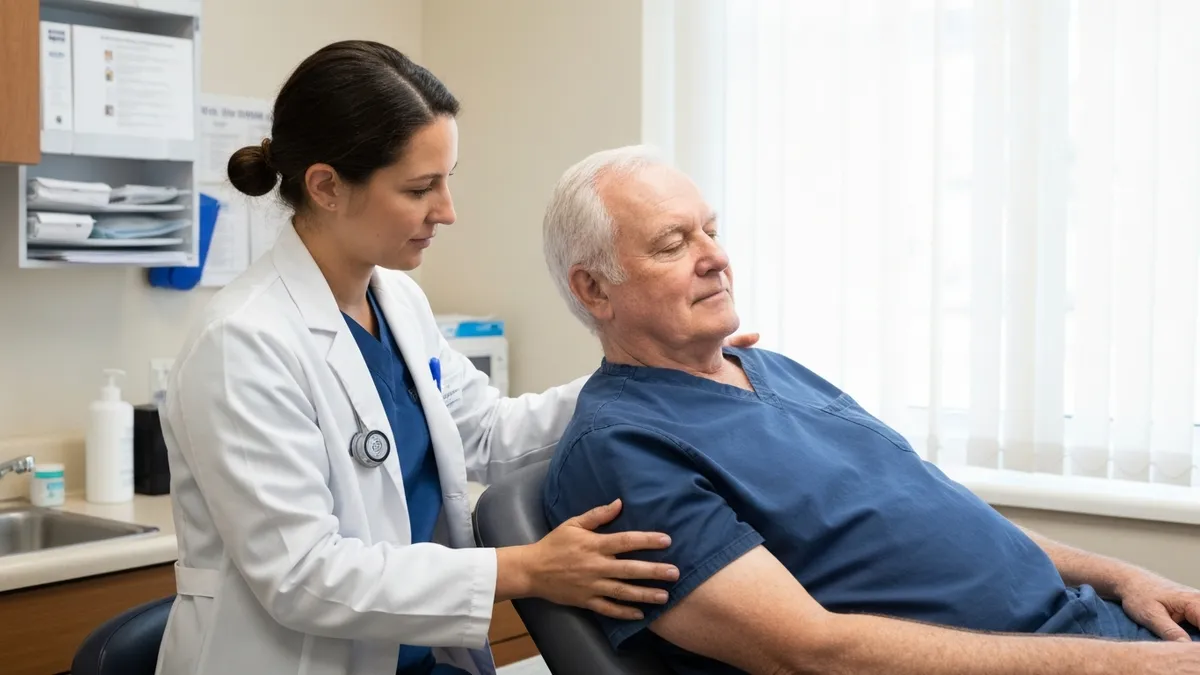
The American Association of Colleges of Nursing (AACN) has recommended transitioning NP entry-level education to the Doctor of Nursing Practice (DNP) degree. While no federal mandate exists yet, many Maryland programs are already offering or transitioning toward DNP-level NP preparation. Students beginning MSN programs now should verify whether their program offers a seamless MSN-to-DNP pathway, as completing the doctoral degree later may become a professional or employer expectation within the next decade.
Maryland's full practice authority for nurse practitioners creates one of the most favorable career environments in the United States, and understanding how to leverage that authority is essential for maximizing your career after graduation.
Once you pass your national certification exam and receive your APRN license from the Maryland Board of Nursing, you are legally empowered to establish and operate an independent practice, bill insurance companies directly, and function as a primary care or specialty provider without any requirement for physician oversight or collaboration agreements. This level of independence was still unavailable to Maryland NPs prior to 2015, and it continues to reshape how healthcare is delivered across the state.
The certification pathway after completing a Maryland NP program involves selecting the appropriate national certifying body for your specialty. Family Nurse Practitioners have two options: the American Academy of Nurse Practitioners (AANP), which offers the FNP-C, or the American Nurses Credentialing Center (ANCC), which offers the FNP-BC. Both are accepted by the Maryland Board of Nursing and are recognized nationwide. Adult-Gerontology NPs, Pediatric NPs, and Psychiatric-Mental Health NPs each have specialty-specific exams administered by ANCC or the Pediatric Nursing Certification Board (PNCB). Selecting the right exam and preparing strategically is as important as completing your program coursework.
Certification exam pass rates at top Maryland programs are strong indicators of program quality. The University of Maryland Baltimore and Johns Hopkins consistently report first-attempt pass rates at or above the national average, which hovers around 85 to 88 percent for most NP specialty exams. However, pass rates alone do not capture everything. Programs with dedicated board exam preparation curricula, faculty who have recent clinical practice experience, and robust NCLEX- and board-style question banks integrated into coursework tend to produce graduates who feel prepared and confident on exam day rather than scrambling for resources at the last minute.
Employment placement support varies significantly between Maryland NP programs. Larger programs affiliated with major health systems often have established relationships with clinical partners that translate directly into job opportunities for graduates. Faculty mentors, clinical preceptors, and program alumni networks are your most valuable resources for navigating the hidden job market—the majority of NP positions are filled through referrals and direct outreach before a formal job posting ever appears on a public board. Attending Maryland Nurses Association events, AANP chapter meetings, and specialty conferences while still in school builds the professional network that translates into career opportunities after graduation.
Scope of practice clarity is an ongoing professional responsibility for Maryland NPs. Even under full practice authority, NPs must practice within their specific population focus area as defined by their national certification. An FNP cannot practice as a psychiatric NP, and an AGPCNP cannot care for pediatric patients as an advanced practitioner.
Understanding these boundaries—and the legal and professional risks of practicing outside your scope—is essential for protecting your license and your patients. The Maryland Board of Nursing publishes guidance on APRN scope of practice, and consulting that guidance whenever you encounter a clinical or administrative question is a habit that serves you well throughout your career.
Continuing education and certification renewal are ongoing requirements for Maryland NPs. Most national certifications require renewal every five years through a combination of continuing education hours (typically 75 to 100 hours, depending on the certifying body), pharmacology education hours, and documentation of ongoing clinical practice hours.
Maryland's APRN license renewal is tied to national certification maintenance, so allowing your certification to lapse means your state license becomes inactive as well. Building continuing education into your annual professional development budget and calendar—rather than scrambling to complete hours at the end of a five-year cycle—keeps you compliant and ensures your clinical knowledge stays current.
Looking ahead, the career trajectory for NPs who begin their practice in Maryland is exceptionally promising. Beyond clinical practice, experienced NPs increasingly move into healthcare administration, policy, education, and entrepreneurship.
NP-owned clinics addressing primary care deserts, telehealth companies staffed primarily by advanced practice nurses, and healthcare consulting firms seeking practitioners who understand both clinical and operational realities all represent paths that begin with a strong foundational education at one of Maryland's excellent NP programs. The investment you make now in selecting the right program and excelling academically pays dividends not just in your first position, but across the full arc of a 30-to-40-year advanced practice career.
Succeeding in a Maryland NP program requires more than strong clinical instincts—it demands deliberate academic and professional strategies from day one. One of the most important things you can do before your first semester begins is to reach out to your program's clinical placement coordinator and discuss preceptor requirements for your specialty.
Clinical placements are the single most competitive resource in NP education, and students who wait until their clinical sequence begins to seek preceptors often find themselves scrambling. Starting conversations six to twelve months before your clinical rotations begin—ideally leveraging your current employer relationships and professional network—dramatically reduces placement stress.
Time management is another critical success factor for working RN students, who make up the majority of Maryland NP cohorts. Most programs are designed with working nurses in mind, but the workload is genuinely demanding. Blocking dedicated study time each week, communicating proactively with your employer about schedule flexibility during exam periods, and building a support system with classmates who can collaborate on case studies, literature reviews, and group projects all contribute to sustainable performance over a two-to-three-year program. Students who isolate academically tend to struggle more than those who engage actively with their cohort.
Board exam preparation should begin during your clinical sequence, not after graduation. Many Maryland NP programs integrate board review questions and case-based assessments into their clinical management courses, and students who engage seriously with that formative material—rather than treating it as a box-checking exercise—arrive at graduation with a strong foundation for certification exam success. Supplementing your program's resources with dedicated board review books, question banks from AANP or ANCC, and practice test platforms helps reinforce content areas and builds the test-taking stamina needed for a 150-to-200-question national exam.
Specialty selection is worth careful, deliberate thought before you commit to a program and track. Many nurses choose their NP specialty based on their current RN practice area, which makes sense because your clinical background directly informs your application materials and preceptor relationships. However, it is worth researching salary trends, job market demand, and personal fit for your target specialty before locking in.
A psychiatric-mental health NP who is passionate about mental health care and prepared for the emotional demands of psychiatric practice will be more satisfied and successful than an FNP who chose family practice by default without considering whether it aligns with their clinical interests and long-term goals.
Professional organizations should be on your radar from the moment you begin your program. The Maryland Nurses Association, the Maryland chapter of the American Association of Nurse Practitioners, and specialty organizations in your chosen field all offer student membership rates, networking events, advocacy opportunities, and educational resources. Membership in these organizations while still a student signals professionalism, connects you to practicing NPs who can serve as mentors and eventual references, and keeps you informed about regulatory changes, legislative updates, and employment trends that affect your future practice in Maryland.
Simulation labs and objective structured clinical examinations (OSCEs) are incorporated into most Maryland NP programs as checkpoints for clinical skill development. Taking these formative assessments seriously—practicing history-taking, physical examination, differential diagnosis generation, and patient counseling under observation—builds the performance confidence that translates to strong clinical rotations and board exam readiness. Students who treat simulation as a low-stakes opportunity to make mistakes and receive feedback in a safe environment gain far more than those who view it as an obstacle to check off.
Finally, remember that your NP education is the foundation of a professional identity that will evolve throughout your career. The habits of evidence-based practice, reflective learning, peer consultation, and ongoing self-assessment that you build during your program become the professional hallmarks that distinguish excellent NPs from average ones.
Maryland has outstanding educational resources, a supportive regulatory environment, and a robust healthcare market that rewards competent, compassionate advanced practice nurses. Investing fully in your preparation—academically, clinically, and professionally—sets you up not just to pass your boards, but to thrive as a practitioner who makes a meaningful difference in the health of Maryland communities for decades to come.
NP Questions and Answers
Nurse Practitioner vs Physician Assistant: Side-by-Side
Nurse Practitioner Taxonomy Code: Complete 2026 Guide to NPI Classification, Specialty Codes, and Billing Compliance

Family Nurse Practitioner Remote Jobs: Complete 2026 Guide to Telehealth Careers

Psychiatric Nurse Practitioner Programs Online: Complete Training Guide and Requirements

Nurse Practitioner Side Hustle: 10+ Ways NPs Earn Extra Income in 2026
About the Author

Registered Nurse & Healthcare Educator
Johns Hopkins University School of NursingDr. Sarah Mitchell is a board-certified registered nurse with over 15 years of clinical and academic experience. She completed her PhD in Nursing Science at Johns Hopkins University and has taught NCLEX preparation and clinical skills courses for nursing students across the United States. Her research focuses on evidence-based exam preparation strategies for healthcare certification candidates.