
Licensed Nurse Practitioner Programs Online: Complete Training Guide & Requirements
Complete guide to licensed nurse practitioner programs online: requirements, top specialties, costs, and how to choose the right NP program for your goals. ✍🏼

Licensed nurse practitioner programs have expanded dramatically over the past decade, giving registered nurses a flexible path to advanced practice without leaving their current jobs or uprooting their lives. Online formats now account for more than half of all NP enrollments nationwide, and accredited programs from established universities deliver the same rigorous curriculum that brick-and-mortar campuses have offered for generations.
If you are a working RN wondering whether an online degree can genuinely prepare you for independent practice, the short answer is yes — provided you choose a regionally accredited, CCNE- or ACEN-approved program that partners with clinical sites near you.
The journey to becoming a licensed NP typically begins with a Master of Science in Nursing (MSN) or, increasingly, a Doctor of Nursing Practice (DNP), which several states will eventually require for entry-level practice. Most accredited programs require applicants to hold an active RN license, a Bachelor of Science in Nursing (BSN), and between one and three years of clinical nursing experience.
Some programs offer a direct-entry pathway for students who hold a non-nursing bachelor's degree, though these routes are longer and more intensive. Understanding where you stand academically and professionally before comparing programs will save you months of misdirected research.
Online NP programs deliver didactic coursework through asynchronous video lectures, live virtual seminars, simulation platforms, and robust learning management systems. What they do not — and cannot — deliver online is clinical hours. Accreditation standards require a minimum of 500 supervised clinical hours for most specialties, and programs like the Family Nurse Practitioner (FNP) and Adult-Gerontology Primary Care NP (AGPCNP) often require 650 to 750 hours or more. Students are responsible for securing their own clinical preceptors in many programs, though a growing number of schools now offer preceptor-matching services to ease that burden.
Choosing the right specialty is one of the most consequential decisions you will make during this process. The NP workforce is divided into population-focused competency areas recognized by the National Organization of Nurse Practitioner Faculties (NONPF), including family, adult-gerontology, pediatric, neonatal, women's health, psychiatric-mental health, and acute care. Each specialty leads to a different certification exam — AANP or ANCC for family NPs, PMHNP-BC for psychiatric NPs — and ultimately shapes your day-to-day scope of practice and earning potential. Research the job market in your region before committing to a specialty, because demand varies considerably by geography.
Cost is a significant factor for most prospective students. Public universities charge in-state tuition that can be as low as $15,000 to $25,000 for a full MSN program, while private institutions and for-profit schools may charge $40,000 to $80,000 or more. The good news is that employer tuition reimbursement, graduate nursing scholarships, HRSA workforce grants, and federal student loans are all widely available to NP students. Many hospitals actively fund NP education in exchange for a post-graduation work commitment, effectively eliminating out-of-pocket costs for nurses already employed in healthcare systems.
Accreditation is non-negotiable. Programs accredited by the Commission on Collegiate Nursing Education (CCNE) or the Accreditation Commission for Education in Nursing (ACEN) meet the educational standards required for national certification and state licensure. Graduating from a non-accredited program can bar you from sitting for the AANP or ANCC certification exams, which in turn prevents you from obtaining a state license to practice. Before applying anywhere, verify current accreditation status directly on the CCNE or ACEN website — not solely on the school's marketing materials.
This guide will walk you through every stage of the process: understanding program types and requirements, comparing online formats, navigating clinical placement, preparing for certification exams, and launching your NP career. Whether you are just beginning to explore nurse practitioner programs online or are ready to submit your first application, the information ahead will help you make confident, well-informed decisions at each step of your training journey.
NP Programs Online by the Numbers
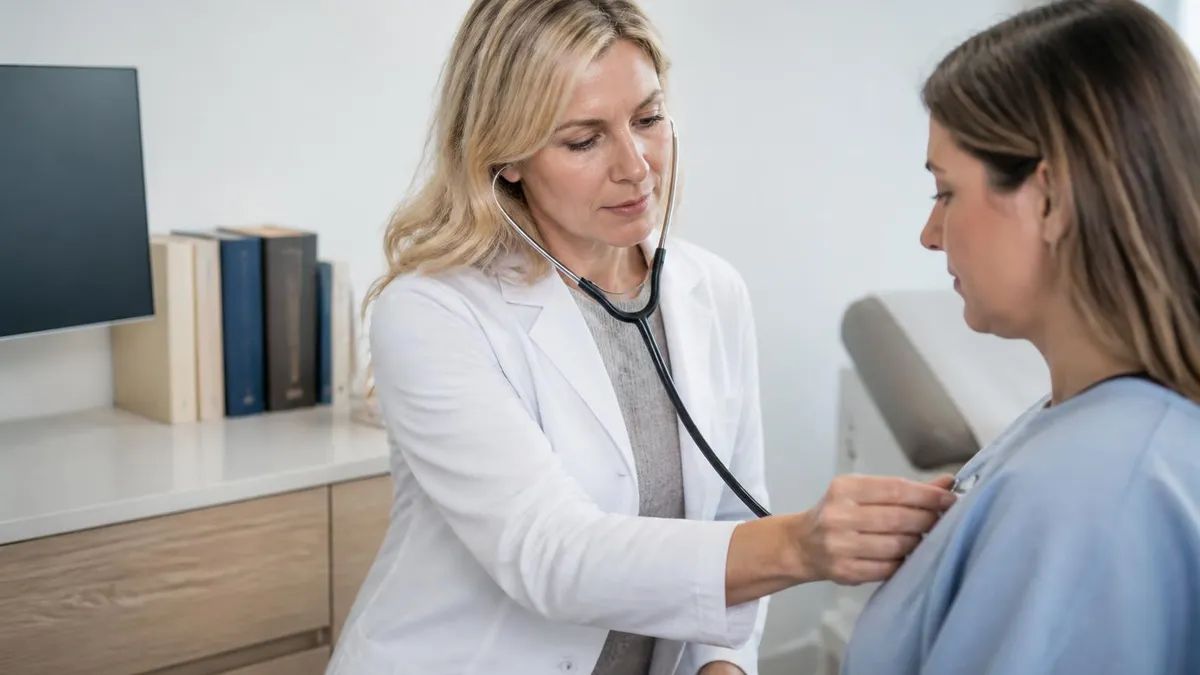
NP Program Types: MSN, Post-Master's, and DNP
The most common entry point. A Master of Science in Nursing with an NP concentration typically takes two to three years online, requires a BSN, and includes 500–750 clinical hours. Graduates are eligible to sit for national certification exams immediately upon graduation.
Designed for nurses who already hold an MSN in a different specialty. These focused programs add the population-focused NP coursework and clinical hours needed to pursue a new certification. Duration is typically 12–18 months depending on credit transfer.
The DNP is increasingly regarded as the preferred terminal practice degree. BSN-to-DNP pathways take three to four years online. Several states have signaled future DNP requirements for initial licensure, making this degree a strong long-term investment.
These programs accept associate-degree RNs and build BSN coursework into the first year before transitioning into graduate NP study. Total duration is typically three to four years, making them efficient for ADN nurses who want to skip a standalone BSN step.
Online nurse practitioner programs are not simply correspondence courses with a clinical add-on. Leading programs use synchronous and asynchronous learning in carefully constructed combinations designed to replicate — and in some cases improve upon — the collaborative environment of a residential campus. Synchronous sessions, typically held one to two evenings per week via video conferencing platforms, allow students to engage in case-based discussions, review complex pharmacology problems, and interact directly with faculty who are themselves practicing clinicians. These real-time exchanges build the critical thinking habits that certification exams and patient care demand.
Asynchronous content carries the bulk of the didactic load and typically includes pre-recorded lectures, assigned readings from evidence-based textbooks, discussion board participation, and module quizzes. Top programs release content on a weekly schedule so students can manage coursework around shift work and family obligations. Most programs cap cohort sizes to maintain manageable student-to-faculty ratios, and faculty hold regular virtual office hours so learners never feel stranded between synchronous sessions. The technological infrastructure of established programs is robust, including 24/7 IT support and mobile-compatible platforms that accommodate nurses who study between shifts.
Clinical placement is the most logistically complex element of any online NP program. Students must complete supervised hours with a qualified preceptor — a physician, APRN, or other licensed independent practitioner approved by their program — in a setting that matches their specialty. Some schools maintain formal partnerships with health systems and federally qualified health centers that can place students automatically, particularly in underserved communities.
Others rely on students to identify and recruit their own preceptors, a process that can take months and requires professional networking, cold outreach, and persistence. Before selecting a program, ask specifically what percentage of students the school places versus those who must self-arrange.
Simulation technology has become a significant supplement to clinical hours in many online programs. High-fidelity simulation labs — whether accessed during brief on-campus intensives or through licensed simulation software — allow students to practice procedures, practice history-taking, and manage deteriorating patient scenarios in a safe environment. The NONPF and most accreditation bodies support limited simulation replacement of clinical hours (typically up to 25%), which has become especially important for specialty areas where clinical sites are scarce, such as neonatal NP and women's health NP.
Faculty quality is a differentiator that prospective students often overlook. In the best online NP programs, instructors hold doctoral degrees, maintain active clinical practices in the specialty they teach, and bring current research or policy expertise to the curriculum. Adjunct faculty drawn from local practice settings add geographic and practice diversity to case discussions. When evaluating programs, ask about the percentage of full-time versus adjunct faculty, the average years of clinical experience among instructors, and whether faculty are involved in ongoing research that informs the curriculum.
Technology requirements for online NP students are more demanding than for undergraduate online programs. Students typically need a reliable high-speed internet connection, a laptop or desktop meeting minimum processor and memory specifications, a webcam and microphone for synchronous sessions, and access to a secure environment for proctored online examinations. Many programs also require students to purchase access to clinical decision support tools such as UpToDate or Epocrates, which double as study resources and will become indispensable tools in clinical practice. Budget for these recurring costs when comparing total program expenses.
Program length varies depending on full-time versus part-time enrollment, prior graduate credit, and specialty. Most online MSN-NP programs designed for full-time students can be completed in four to six semesters, or roughly two to two-and-a-half years. Part-time tracks stretch the same curriculum over three to four years, which allows nurses who work full-time to manage their load without burning out.
DNP programs requiring a scholarly project or final practice capstone add at least one additional year. Knowing your realistic bandwidth before enrolling — and having an honest conversation with your employer about schedule accommodation — dramatically increases the likelihood that you will complete the program you start.
Comparing NP Specialties Available Online
The Family Nurse Practitioner specialty is the most widely available and most enrolled NP program in the United States. FNP programs prepare graduates to provide comprehensive primary care across the lifespan — from newborns to older adults — in outpatient clinics, urgent care centers, rural health settings, and telehealth practices. Online FNP programs typically require 600 to 750 clinical hours and conclude with eligibility for the AANP FNP-C or ANCC FNP-BC certification exam.
The FNP credential opens more doors than any other NP specialty because of its broad population focus. Graduates work in family medicine, internal medicine, occupational health, college health, and federally qualified health centers. Demand is especially strong in rural and underserved communities, where FNPs often serve as the sole primary care provider. Median annual salaries for FNPs reached approximately $118,000 in 2024, with higher compensation in shortage areas and independent-practice states.
Online NP Programs: Benefits and Challenges to Consider
- +Complete coursework on your schedule without relocating or leaving your current job
- +Access top-ranked programs nationwide regardless of your geographic location
- +Lower total cost compared to many residential programs due to eliminated commuting and housing expenses
- +Asynchronous learning allows review of complex material at your own pace
- +Build professional networks with nurses across diverse practice settings and regions
- +Many online programs offer preceptor-matching support to simplify clinical placement
- −Students often must self-arrange clinical placements, which takes significant time and effort
- −Limited spontaneous face-to-face interaction with peers and faculty can feel isolating
- −Requires strong self-discipline and time management to succeed without a fixed classroom schedule
- −Technology issues can disrupt synchronous sessions and timed assessments
- −Some employers still prefer candidates from residential or hybrid programs for certain acute care roles
- −Clinical hours must still be completed locally, which restricts flexibility in that portion of training
NP Program Application Checklist: What You Need to Apply
- ✓Confirm your RN license is active, unrestricted, and in good standing in your state.
- ✓Verify you hold a BSN from a regionally accredited institution or are enrolled in an RN-to-MSN bridge.
- ✓Document a minimum of one to two years of full-time RN clinical experience as required by your target program.
- ✓Request official transcripts from all previously attended colleges and universities.
- ✓Secure three professional letters of recommendation from clinical supervisors, nurse managers, or faculty.
- ✓Write a compelling personal statement explaining your specialty choice and long-term career goals.
- ✓Confirm the program holds current CCNE or ACEN accreditation before submitting your application fee.
- ✓Research clinical placement support offered by the program and identify potential preceptor sites in your area.
- ✓Calculate total cost including tuition, fees, books, simulation access, and clinical-travel expenses.
- ✓Investigate employer tuition reimbursement, HRSA scholarships, and federal graduate loan options before enrolling.
Accreditation Determines Your Certification Eligibility
Graduating from an unaccredited NP program can permanently bar you from sitting for the AANP or ANCC certification exams, which are required for state licensure in every U.S. jurisdiction. Before paying any application fee or deposit, verify current accreditation status directly at ccneaccreditation.org or acenursing.org — not solely on the school's website or marketing materials.
Financing an online NP program requires a multi-source strategy, because few students can rely on a single funding mechanism to cover total program costs. Federal Direct Unsubsidized Loans remain the most widely used option; graduate nursing students may borrow up to $20,500 per year under this program at fixed interest rates. Graduate PLUS Loans can cover remaining costs up to the school's certified cost of attendance, which includes tuition, fees, books, and reasonable living expenses. Interest begins accruing during enrollment for both loan types, so borrowing only what you genuinely need minimizes long-term debt burden.
Employer tuition assistance is often the most underutilized and most valuable funding source available to working nurses. Many hospital systems, particularly large academic medical centers and integrated health networks, offer annual tuition reimbursement benefits ranging from $3,000 to $10,000 per year for employees pursuing advanced practice degrees. Some systems provide full tuition coverage in exchange for a post-graduation service commitment, typically two to three years in a role the employer designates. If your employer offers any form of education assistance, enrolling in a program that qualifies for that benefit should be your first financial planning priority.
The Health Resources and Services Administration (HRSA) administers several grant and scholarship programs specifically for nurses pursuing advanced education. The Nurse Corps Scholarship Program provides full tuition, required fees, and a living stipend to nursing students who commit to working at least two years in a designated Health Professional Shortage Area upon graduation.
The NURSE Corps Loan Repayment Program offers a different pathway, repaying up to 85 percent of outstanding nursing student loan debt in exchange for a two-year service commitment at a qualifying facility. Both programs are highly competitive, and applications open once per year — set a calendar reminder to apply during the annual window.
State-level funding deserves equal attention. Most states administer their own nursing workforce development programs that offer grants, scholarships, and loan forgiveness to nurses pursuing NP education, particularly in primary care specialties or rural practice settings. These programs are often funded by state general appropriations, federal workforce development grants, or Medicaid waiver dollars, and they target nurses who are willing to practice in underserved communities after graduation. Your state's Office of Rural Health or State Office of Primary Care is the best starting point for identifying programs available in your area.
Public Service Loan Forgiveness (PSLF) is another powerful long-term strategy for NP students who plan to work in nonprofit hospitals, federally qualified health centers, public health departments, or academic medical centers. Under PSLF, borrowers who make 120 qualifying monthly payments under an income-driven repayment plan while employed full-time by a qualifying public service employer become eligible for complete forgiveness of their remaining federal loan balance. For NP students who graduate with $60,000 to $80,000 in federal loans and spend their careers in nonprofit or public sector roles, PSLF can eliminate a substantial portion of their debt entirely.
Scholarships from professional nursing organizations add meaningful supplemental funding for many students. The American Association of Nurse Practitioners Foundation, the American Nurses Foundation, Nurse.com, and dozens of specialty nursing organizations offer merit-based and need-based scholarships annually, typically ranging from $1,000 to $10,000 per award. Hospital foundations, local community foundations, and state nursing associations also administer scholarships that attract fewer applicants than national programs and therefore carry better odds for diligent applicants. Applying to ten or more scholarships per year is a reasonable goal for motivated students.
When calculating the return on your NP education investment, factor in both the immediate salary increase and the long-term career trajectory. A registered nurse earning $75,000 annually who completes a two-year online MSN-FNP program and enters practice at a median salary of $118,000 gains roughly $43,000 in additional annual compensation — a return that typically recoups total program costs within two to three years after graduation. Specialty NPs in psychiatric-mental health, acute care, and certified registered nurse anesthetist roles command even higher compensation, making the advanced education investment highly favorable relative to other graduate-level healthcare credentials.

NP licensure requirements differ significantly by state, including prescriptive authority rules, collaborative practice agreement requirements, and continuing education mandates. Some states require a DNP for initial licensure by 2030 under proposed legislation. Research your specific state's Board of Nursing requirements before selecting a program, and confirm that the program's clinical hour structure and specialty focus meets your state's approval standards for advanced practice registration.
Passing a national certification exam is the final academic milestone before obtaining your NP license. The two major certifying bodies — the American Association of Nurse Practitioners (AANP) and the American Nurses Credentialing Center (ANCC) — each offer specialty-specific examinations that assess graduate-level clinical knowledge, diagnostic reasoning, pharmacology, and health policy competency. For most primary care specialties, both exams are widely accepted by state boards of nursing, and the choice between them often comes down to content emphasis, testing format preference, and which exam your program's curriculum most closely aligns with.
Preparing for a national NP certification exam is a distinct undertaking from completing your graduate coursework, and students who underestimate the gap between classroom performance and exam readiness consistently struggle. Certification exams are high-stakes multiple-choice tests that assess clinical reasoning across thousands of potential content areas, and the question formats — particularly AANP's complex case-based items — require deliberate practice with exam-style questions over months, not days. Most successful candidates report six to twelve weeks of structured review as optimal, combining a commercial review course, question banks, and focused reading in their weakest content areas.
Commercial review programs such as Fitzgerald Health Education Associates, Hollier Clinical Education, and the APEA OnlinePRACTICE platform have helped hundreds of thousands of NP students pass certification exams, and many programs now integrate review resources into final-semester coursework. These courses typically offer live and recorded lecture review, extensive rationale-rich question banks, and diagnostic feedback that identifies your content weaknesses before test day. Students who complete 1,000 or more practice questions with careful attention to rationale explanations consistently outperform peers who rely primarily on re-reading notes.
The AANP Family NP certification exam consists of 150 questions (135 scored, 15 pretest), covers the full lifespan from birth to end of life, and allocates approximately three hours of testing time. Content domains include assessment and diagnosis, planning and implementation, evaluation, and professional role.
The ANCC FNP-BC exam includes 175 questions and places a stronger emphasis on research, theory, and health policy, which some candidates find more challenging if their program did not heavily emphasize these domains. Taking full-length timed practice exams under realistic conditions during your review period is the single most effective way to build the stamina and confidence needed on test day.
After passing your certification exam, the state licensure application process begins. Every state requires submission of your certification credential, graduate transcripts, proof of current RN licensure, application fees, and in many states a criminal background check. Processing times range from two weeks in streamlined states to eight weeks or more in states with high application volumes or additional review requirements. Apply for state licensure as soon as you receive your certification pass notification — do not wait for your official certificate to arrive in the mail, as most boards accept electronic pass notifications from AANP or ANCC.
Prescriptive authority is a separate application in many states and requires its own documentation, including proof of pharmacology coursework completion and in some states evidence of an established collaborative practice agreement with a physician.
Full practice authority states — currently numbering more than two dozen — allow NPs to prescribe, diagnose, and treat independently without a physician collaboration requirement, which has significantly increased practice opportunities in rural and underserved settings. If independent practice is important to your career plans, factor the practice authority landscape of your target state into your decision about where to complete your clinical training and seek initial employment.
Continuing education requirements for maintaining NP certification vary by certifying body. The AANP requires 100 continuing education hours every five years, including pharmacology content. The ANCC requires either 75 continuing education hours or a combination of academic coursework, presentations, and professional activities. Both organizations offer online CE modules, webinars, and conference-based learning that can be completed around a full-time clinical schedule. Building a habit of completing CE credits throughout the certification cycle rather than scrambling to fill requirements in the final year keeps you current with evidence-based practice changes and simplifies recertification.
Succeeding in an online NP program requires more than academic ability — it demands a structured approach to self-directed learning, proactive communication with faculty, and strategic management of the clinical placement process. Students who treat online coursework with the same discipline they would bring to a hospital shift — showing up on time for synchronous sessions, completing readings before lecture, and submitting assignments ahead of deadlines — consistently outperform peers who let the flexibility of online learning drift into disorganization. Set dedicated study hours on your weekly calendar and protect them as firmly as you would protect a scheduled shift.
Clinical placement is where the most prepared students encounter the most unexpected obstacles, and early action is essential. Start identifying potential preceptors and clinical sites during the semester before your first clinical rotation begins, not the week your first clinical course launches. Reach out to your professional network — former colleagues, unit managers, physicians you have worked alongside — and explain your program's requirements clearly. A warm personal connection is far more effective than a cold email to a stranger, and experienced NPs and physicians often appreciate the opportunity to mentor the next generation of advanced practice providers.
Building a strong relationship with your program advisor or clinical coordinator pays dividends throughout your enrollment. These professionals know which clinical sites in your region have historically been receptive to student placements, which preceptors have positive track records with program graduates, and which bureaucratic hurdles to navigate proactively. Check in with your advisor at the start of each semester, not only when a problem arises. Advisors who know your goals and circumstances can alert you to opportunities — including scholarship announcements, research assistantships, and new clinical partnerships — that students who remain invisible in the system routinely miss.
Study groups among online NP cohorts are genuinely valuable and easier to form than many students expect. Asynchronous discussion boards and specialty-focused Facebook groups give online students shared spaces to compare notes, discuss challenging case studies, and support each other through particularly demanding modules.
More formal peer study partnerships — even two or three students who commit to weekly virtual study sessions — dramatically reduce the isolation that can accompany online learning and create accountability structures that improve exam performance. Reach out early in your first semester and propose a standing virtual study group to classmates you notice are engaged and thoughtful in discussion board posts.
Time management during clinical rotations requires a complete reset of your study strategy. When you are completing clinical hours simultaneously with academic coursework, the temptation to let reading and module work slide in favor of clinical experiences is strong.
The most successful students build a weekly schedule that explicitly allocates time for both, treating clinical paperwork, patient encounter documentation, and preceptor feedback sessions as non-negotiable academic tasks that must be completed alongside — not instead of — coursework. Programs that require SOAP note submissions and reflective clinical journals after every rotation day generate the documentation that demonstrates clinical competency and prepares you for certification exam success.
Wellness and burnout prevention deserve explicit attention for nurses pursuing graduate education while working clinically. The dual demands of patient care and academic study are genuinely stressful, and nurses as a professional group are at elevated risk for compassion fatigue and burnout. Build intentional recovery time into your weekly schedule — physical exercise, time outdoors, social connection outside of nursing contexts — and take the periodic warning signs of academic or professional burnout seriously rather than pushing through indefinitely.
Programs that build peer community, responsive advising, and accessible mental health support services into their student experience produce graduates who are not only more successful academically but better prepared for the long-term demands of advanced practice careers.
Finally, begin building your post-graduation professional network during your program, not after it ends. Attend virtual or in-person NP conferences in your specialty area, join your state NP association as a student member (dues are typically reduced), and connect with your clinical preceptors on LinkedIn after each rotation concludes.
The NP workforce is smaller and more interconnected than the broader nursing profession, and the professionals you meet during your training years are often the same ones who hire, mentor, and refer patients to you throughout your career. Investing in those relationships during graduate school costs very little but pays returns for decades.
NP Questions and Answers

Nurse Practitioner Day: Honoring NPs and Celebrating the Profession in 2026
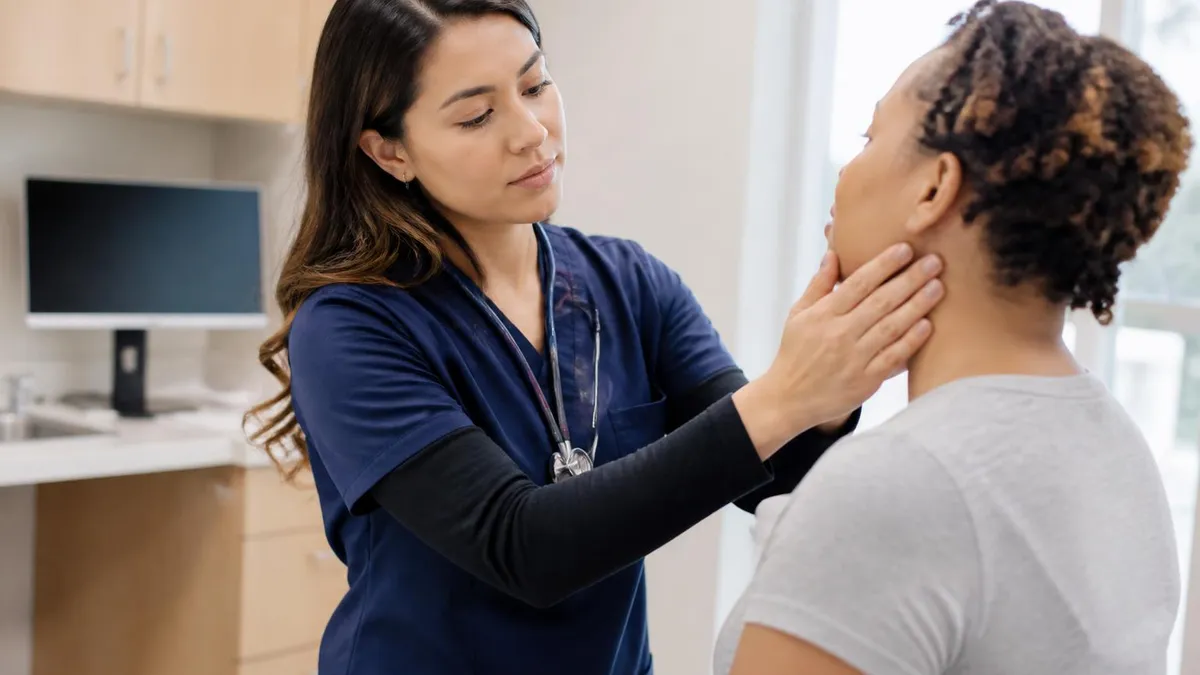
Psychiatric Mental Health Nurse Practitioner Guide
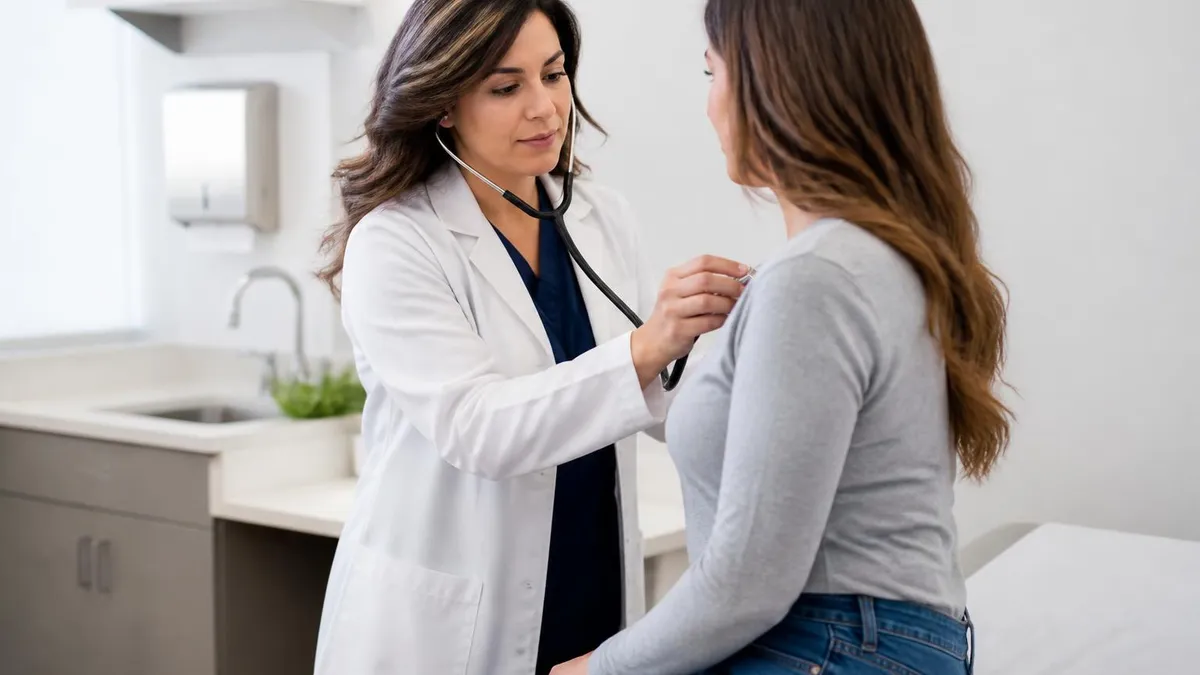
What Do Nurse Practitioners Do? Daily Scope, Settings, and Specialties
Family Nurse Practitioner: Role, Salary & How to Become One

SOAP Note Example for Nurse Practitioner — Complete Guide (2026)
About the Author

Registered Nurse & Healthcare Educator
Johns Hopkins University School of NursingDr. Sarah Mitchell is a board-certified registered nurse with over 15 years of clinical and academic experience. She completed her PhD in Nursing Science at Johns Hopkins University and has taught NCLEX preparation and clinical skills courses for nursing students across the United States. Her research focuses on evidence-based exam preparation strategies for healthcare certification candidates.