
Preceptor for Nurse Practitioner: Roles, Responsibilities, and How to Find One
Learn what a preceptor for nurse practitioner students does, key duties, how to find one, and why preceptorship shapes your NP career. 🎓
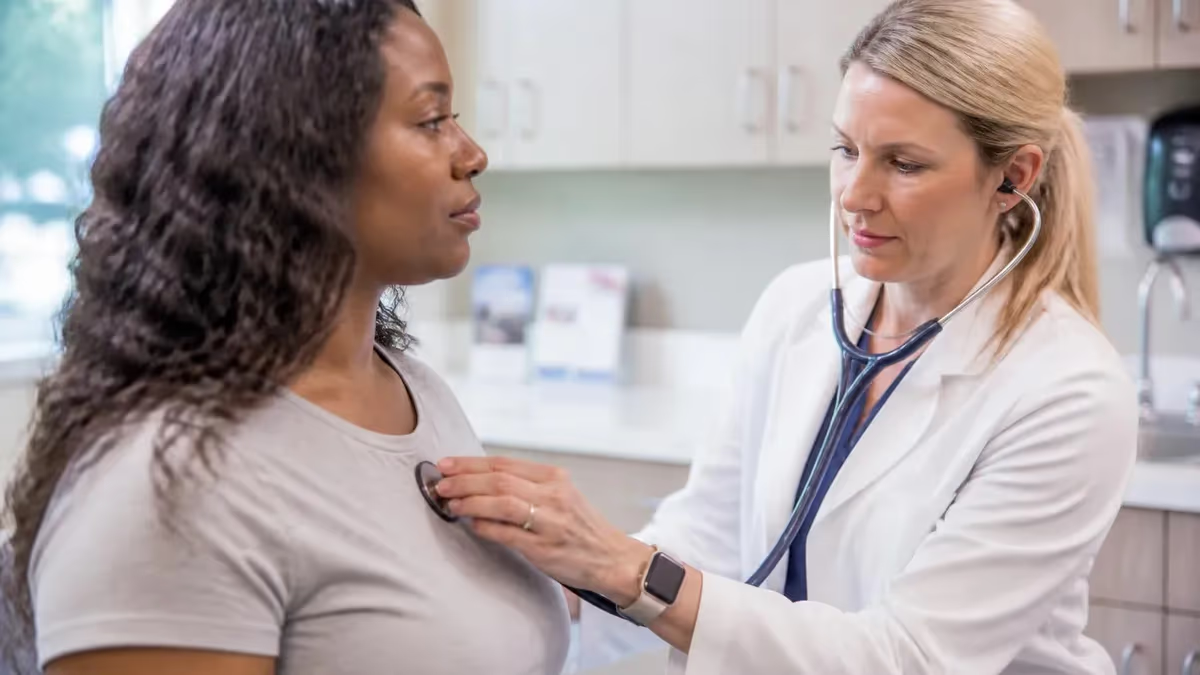
A preceptor for nurse practitioner students is one of the most pivotal figures in any NP's professional journey. Unlike classroom instructors who teach theory, preceptors work alongside students in real clinical environments — emergency departments, primary care offices, psychiatric units, and specialty clinics — providing hands-on mentorship that no textbook can replicate. The quality of your preceptorship experience has a direct, measurable impact on your clinical competence, board exam readiness, and long-term career trajectory as a practicing nurse practitioner.
Nurse practitioner programs across the United States require students to complete between 500 and 1,000 supervised clinical hours before graduation, and the vast majority of those hours are logged under the supervision of a qualified preceptor. Depending on your NP specialty — family practice, adult-gerontology, pediatrics, psychiatry, or acute care — you may work with multiple preceptors across different rotations, each bringing a distinct clinical perspective and set of skills to your education. Finding the right preceptors is as important as choosing the right program.
The preceptor role is not just about oversight. Effective preceptors actively teach diagnostic reasoning, challenge students with complex patient presentations, model professional communication, and provide structured feedback that helps students identify blind spots and build confidence. They serve as translators between the academic world and clinical reality, bridging the gap between what you learned in lecture and what you will actually encounter at 2 a.m. during a night shift in a busy urgent care center.
There is no single national certification for NP preceptors, but most institutions and accrediting bodies expect preceptors to hold an active advanced practice license, carry relevant clinical experience in the specialty area, and demonstrate a commitment to adult education principles. Many preceptors complete continuing education modules on clinical teaching, feedback delivery, and learner assessment to enhance their effectiveness. Some states have begun formalizing preceptor training requirements as part of broader NP workforce development initiatives.
Understanding the nurse practitioner preceptor role from both sides — as a student seeking a preceptor and as an RN considering becoming one — can dramatically improve your clinical education experience. Whether you are a current NP student frantically searching for your next rotation site or an experienced clinician wondering whether to take on a student, this guide covers everything you need to know: duties, qualifications, compensation, challenges, and practical strategies for making preceptorships work for everyone involved.
The NP preceptor shortage is a very real and well-documented problem in the United States. A 2022 survey by the American Association of Nurse Practitioners found that more than 30% of NP programs reported difficulty placing students in clinical sites due to a lack of available preceptors. This bottleneck slows the pipeline of new NPs entering the workforce at precisely the moment when primary care shortages are reaching critical levels across rural and underserved communities. Understanding why this shortage exists and what is being done about it is essential context for every NP student and practicing clinician.
This article provides a thorough career overview of the NP preceptor role, covering the core duties, qualifications, benefits, challenges, and actionable strategies for students and clinicians alike. Whether you are trying to secure your next clinical rotation or deciding whether to open your practice to NP students, the following sections will give you the knowledge you need to make informed, confident decisions about one of the most important relationships in advanced practice nursing education.
NP Preceptorship by the Numbers
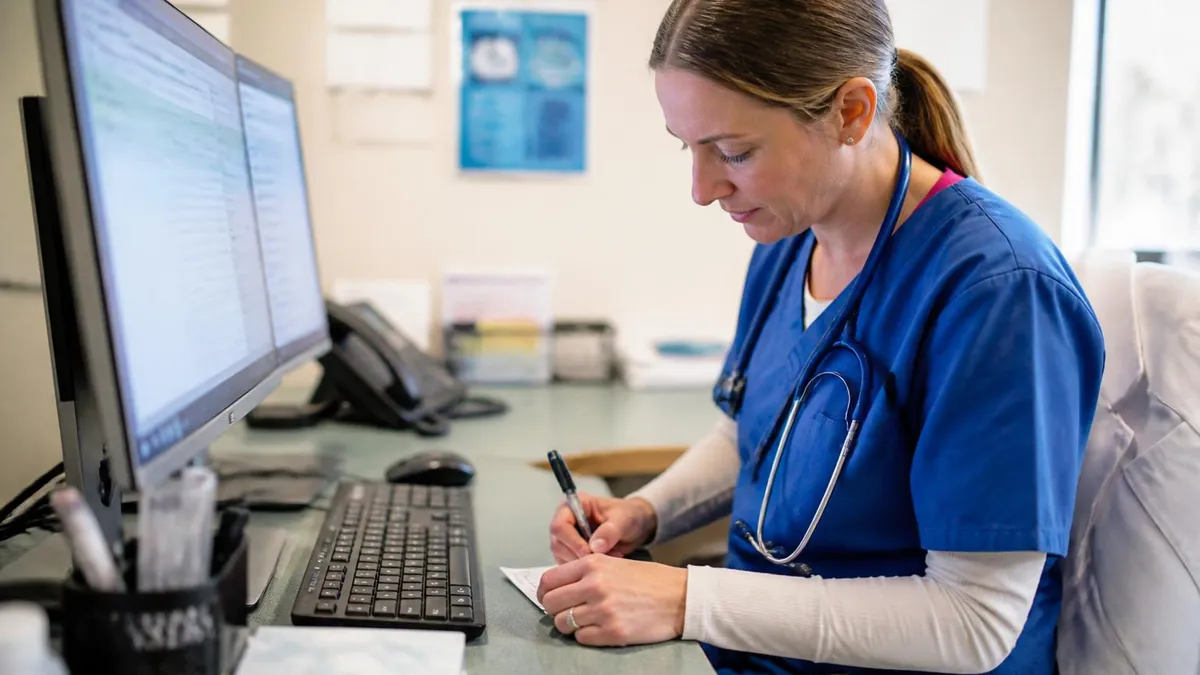
Core Duties of an NP Preceptor
Preceptors directly oversee student patient encounters, ensuring safe, evidence-based care. They observe history-taking, physical exams, and clinical decision-making in real time, stepping in when patient safety requires immediate intervention or guidance.
Effective preceptors deliver specific, timely, and actionable feedback after each encounter. They document student progress using program-provided evaluation tools and communicate with academic faculty about competency development and areas needing improvement.
Preceptors use real patient cases to teach diagnostic reasoning, differential diagnosis construction, and treatment planning. Socratic questioning — asking students to explain their thinking — is the gold-standard method in clinical education settings.
Beyond clinical skills, preceptors model interprofessional communication, ethical decision-making, documentation practices, and the professional demeanor expected of independent advanced practice clinicians in the student's chosen specialty area.
Preceptors complete required documentation, sign off on clinical hours, and maintain communication with the NP program's clinical coordinator. They alert faculty early if a student is struggling and participate in remediation planning when necessary.
The qualifications required to serve as a preceptor for nurse practitioner students vary by state, institution, and NP specialty, but several core requirements are nearly universal across the United States. At minimum, preceptors must hold an active, unrestricted license to practice in the state where the clinical rotation takes place. For most NP rotations, this means holding either an advanced practice registered nurse (APRN) license, a physician's medical license (MD or DO), or in some states, a Doctor of Pharmacy (PharmD) or Doctor of Psychology (PsyD) license for specific specialty rotations.
Clinical experience requirements are equally important. Most NP programs and accrediting bodies recommend — and many require — that preceptors have a minimum of one to three years of experience practicing in the specialty area relevant to the student's rotation. This threshold exists because clinical teaching requires not only competence in patient care but also the metacognitive ability to articulate clinical reasoning processes that experienced clinicians often perform automatically. A provider who has been practicing for at least a year has typically developed the pattern recognition and reflective capacity needed to teach effectively.
Formal preceptor training is increasingly expected but not yet universally mandated. Organizations such as the National Organization of Nurse Practitioner Faculties (NONPF) have developed preceptor education resources, and many NP programs require preceptors to complete a brief orientation module before accepting students. These modules typically cover adult learning principles, competency-based evaluation frameworks, constructive feedback techniques, and the legal and ethical boundaries of student supervision in clinical settings.
Malpractice and liability considerations are another qualification dimension that prospective preceptors must address proactively. Most clinical sites carry institutional malpractice coverage that extends to students on approved rotations, but preceptors should verify this coverage in writing before accepting a student. Some NP programs also carry student liability policies that supplement site coverage. Preceptors who supervise students in private practice settings may need to consult their individual malpractice carrier to ensure that student supervision activities are covered under their existing policy.
Specialty-specific requirements add another layer of complexity. A preceptor supervising a psychiatric-mental health NP student, for example, should ideally hold PMHNP or psychiatry credentials. A family nurse practitioner student completing a women's health rotation benefits most from a preceptor with demonstrated experience in gynecology, prenatal care, or reproductive health. The better the specialty alignment between preceptor and student, the richer and more targeted the learning experience tends to be, particularly during the final clinical rotations when students are expected to perform at near-independent levels.
State-level requirements are evolving rapidly, particularly in states that have passed legislation creating financial incentives or formal preceptor registries. Texas, Oregon, and several other states have implemented preceptor tax credits or stipend programs designed to offset the time and administrative burden associated with student supervision. Checking your state board of nursing's website and your NP program's clinical placement office is essential for staying current on local requirements and available resources for preceptors and students alike.
Finally, interpersonal and pedagogical skills — while not formally quantified — are arguably the most important qualifications a preceptor can bring to the relationship. Research consistently shows that students rate preceptors highest when they feel psychologically safe to ask questions, make supervised mistakes, and receive honest, respectful feedback. Preceptors who create this kind of supportive learning climate produce NP graduates who are more clinically confident, more diagnostically rigorous, and better prepared for independent practice than those who trained in high-pressure, low-support environments.
Types of NP Preceptorship Settings
Primary care settings — including family medicine offices, internal medicine practices, federally qualified health centers (FQHCs), and rural health clinics — are the most common preceptorship environments for FNP and adult-gerontology primary care students. These rotations expose students to a broad spectrum of acute and chronic conditions across all age groups, building the diagnostic breadth and longitudinal patient management skills that define competent primary care practice.
Preceptors in primary care settings typically supervise students through high-volume, time-pressured patient schedules, which accelerates the development of clinical efficiency without sacrificing thoroughness. Students learn to prioritize problems, write effective SOAP notes, navigate electronic health records, and communicate with referring specialists — all under direct observation from a seasoned primary care NP, MD, or DO who can model best practices in real time.

Benefits and Drawbacks of the NP Preceptor Role
- +Deepens your own clinical knowledge through the act of teaching and explaining your reasoning
- +Builds leadership skills and enhances your professional reputation within the NP community
- +Creates meaningful mentorship relationships that can last throughout your career
- +May qualify for tax credits or stipends in states with formal preceptor incentive programs
- +Contributes to solving the national NP workforce shortage in underserved communities
- +Demonstrates a commitment to the profession that supports promotion, tenure, or partnership tracks
- −Adds significant time pressure to already busy clinical schedules — supervising a student typically extends appointment times by 20-40%
- −Requires administrative work including evaluations, documentation, and program communications on top of patient care duties
- −Financial compensation is inconsistent and often absent — most preceptors are not paid directly by NP programs
- −Risk of liability exposure if supervision boundaries are not clearly established and documented in advance
- −Emotionally taxing when a student is underperforming and remediation conversations become necessary
- −Scheduling conflicts and student no-shows can disrupt carefully arranged clinical workflows
How to Find a Preceptor: 10-Step Action Checklist
- ✓Start your preceptor search at least 6 months before your rotation start date — wait times at popular sites are long.
- ✓Contact your NP program's clinical placement office first to access their existing preceptor database and partnership agreements.
- ✓Reach out to your professional network — former employers, nurses you have worked with, and NP program alumni are prime leads.
- ✓Join your state NP association and attend local chapter meetings where practicing NPs open to precepting can be found in person.
- ✓Draft a professional preceptor request email that includes your program name, rotation dates, required specialty, and a brief personal statement.
- ✓Follow up exactly one week after your initial email if you have not received a response — persistence respectfully applied is essential.
- ✓Ask your clinical coordinator to make a phone call or send a formal program letter of support to hesitant preceptor candidates.
- ✓Explore federally qualified health centers and community health clinics — many have formal NP student agreements and designated preceptors on staff.
- ✓Offer to complete all required program paperwork on the preceptor's behalf to reduce their administrative burden as much as possible.
- ✓Once a preceptor agrees, send a written confirmation with rotation dates, expected hours, specialty focus, and program contact information within 48 hours.
The Preceptor Relationship Is a Two-Way Street
Students who arrive prepared, demonstrate professional behavior, and show genuine curiosity about their preceptor's clinical reasoning are significantly more likely to receive strong evaluations, glowing letters of recommendation, and invitations to return as employees after graduation. Treat every preceptor interaction as both a learning opportunity and a professional audition — many NPs are hired directly from their clinical rotation sites.
The benefits of a strong preceptorship experience extend far beyond the clinical hours logged in your program's tracking system. Research published in the Journal of the American Association of Nurse Practitioners consistently shows that NP graduates who rate their preceptorship experience as highly effective report greater clinical confidence at 6 and 12 months post-graduation, lower rates of professional burnout in the first two years of practice, and higher scores on their initial board certification exams. The preceptor relationship, in other words, is one of the highest-leverage variables in your entire NP education.
For preceptors themselves, the benefits of taking on NP students are substantial and often underappreciated. The act of teaching — explaining your diagnostic reasoning, justifying your treatment choices, and fielding a curious student's probing questions — forces a level of metacognitive reflection that sharpens clinical thinking in ways that routine independent practice does not. Many experienced preceptors report that their students' questions prompted them to revisit evidence-based guidelines, reconsider habitual clinical patterns, or explore treatment options they had not previously considered for a particular patient population.
The professional development dimension of precepting is particularly relevant for NPs who aspire to leadership roles, academic appointments, or clinical faculty positions. Demonstrating a record of effective student preceptorship is a meaningful credential that distinguishes candidates in competitive hiring and promotion processes. NPs who have precept students for multiple years often develop a portfolio of teaching evaluations, student outcomes, and curriculum contributions that positions them as recognized experts in their specialty communities.
Community-level benefits are equally significant. Every NP student who completes a successful preceptorship in a rural or underserved setting is more likely to practice in that type of environment after graduation. Studies from the Robert Graham Center and the National Rural Health Association have documented this effect repeatedly: exposure to underserved clinical environments during training is one of the strongest predictors of long-term commitment to practice in those same environments. Preceptors in safety-net settings are therefore doing double service — caring for vulnerable patients today while training the next generation of providers who will continue that work tomorrow.
The challenges of precepting, while real, are manageable with the right preparation and institutional support. Time pressure is the most commonly cited barrier — busy clinicians worry that supervising a student will slow down their patient flow and create backlogs that frustrate staff and patients alike.
Research suggests, however, that this effect diminishes significantly after the first two to three weeks of a rotation, as students become familiar with the practice environment, the EHR system, and the preceptor's clinical preferences. Most preceptors report that by week four, a well-prepared student is actually contributing positively to practice efficiency by completing initial patient assessments and presenting organized SOAP notes that require only brief review and modification.
Financial compensation remains a persistent pain point in the preceptor landscape. Unlike medical residency programs, which are funded through Medicare Graduate Medical Education (GME) payments, NP clinical education relies primarily on the goodwill of practicing clinicians who receive little or no direct compensation for their teaching time.
A handful of NP programs offer modest stipends, typically ranging from $500 to $1,500 per rotation, but these amounts rarely reflect the actual economic value of preceptor time. Advocacy organizations including the AANP and NONPF have been pushing for federal legislation to extend GME-style funding to NP clinical education, and several bills have been introduced in Congress over the past decade, though none have yet achieved passage as of 2026.
Despite these challenges, the demand for qualified preceptors continues to grow alongside the rapid expansion of NP programs nationwide. The number of accredited NP programs has increased by more than 40% in the past decade, creating an ever-larger pool of students competing for a preceptor base that has not grown proportionally. This dynamic makes it more important than ever for NP programs, professional associations, state nursing boards, and individual practicing clinicians to work together on sustainable, systemic solutions to the preceptor shortage.

Many NP students have arrived at a preceptor's office on day one only to discover that their program and the clinical site never completed a required affiliation agreement. These legal contracts between the educational institution and the practice site can take 60 to 90 days to process. Confirm with your clinical coordinator at least 90 days in advance that all paperwork — including the affiliation agreement, preceptor credentials on file, and your student liability coverage — is fully executed before your rotation begins.
Becoming a preceptor for nurse practitioner students is one of the most professionally meaningful decisions an experienced NP can make, but it requires thoughtful preparation and realistic expectations about the commitment involved. Before you agree to supervise your first NP student, take time to assess your clinical environment, your schedule, and your own pedagogical readiness. A preceptorship that is poorly planned or undertaken reluctantly rarely produces good outcomes for the student, the preceptor, or the patients in the practice.
The first step toward becoming an NP preceptor is to contact NP programs in your region — most have a clinical placement coordinator who actively recruits new preceptor sites and can walk you through the credentialing and affiliation agreement process. You will typically be asked to submit a copy of your current license, your CV or professional biography, and any board certifications relevant to the specialty area. Some programs require preceptors to complete a brief online orientation module covering their program's competency framework, evaluation tools, and communication expectations.
Setting clear expectations at the start of each rotation is the single most effective thing you can do to ensure a successful preceptorship experience. Discuss with your student on day one: your communication preferences, how you want patient presentations structured, how much independence you will grant initially versus in later weeks, and how you prefer to deliver feedback. Students who understand your expectations upfront are dramatically more likely to meet them, and you will spend far less time managing misunderstandings or correcting ingrained habits later in the rotation.
Feedback delivery is arguably the most important and most underdeveloped skill among new preceptors. Research on clinical education consistently shows that vague, delayed, or exclusively negative feedback is the leading driver of student dissatisfaction and poor learning outcomes. The most effective preceptors use a structured approach: they observe a complete encounter, acknowledge specific strengths before discussing areas for improvement, and frame corrective feedback in terms of patient outcomes rather than personal criticism. The classic feedback framework — describe what you observed, explain its impact, and suggest an alternative approach — works well in NP preceptorship contexts.
Documentation and administrative responsibilities are a non-negotiable part of the preceptor role that many clinicians underestimate when they first agree to take on a student. Depending on the NP program, you may be asked to complete midpoint and final competency evaluations using a detailed rubric, verify clinical hours on a weekly or biweekly basis, and communicate proactively with the program's clinical faculty if the student's performance raises any concerns. Building these tasks into your regular workflow — rather than treating them as afterthoughts — prevents the administrative pile-up that causes preceptors to burn out and decline to take future students.
Compensation strategies are worth exploring before you commit to a preceptorship. If your state offers preceptor tax credits, gather the documentation you will need to claim them — typically the student's name, program affiliation, rotation dates, and hours supervised. If you work for a health system or academic medical center, ask your department chair whether the organization provides any stipend, protected time, or CME credit for preceptorship activities. Some larger health systems have formalized preceptor recognition programs that include both financial and non-financial incentives, and these programs tend to recruit and retain preceptors far more effectively than purely altruistic appeals.
Long-term, the most successful preceptors build sustainable preceptorship programs within their practices rather than taking individual students on an ad hoc basis. This means developing a standardized onboarding process for new students, training support staff on how to work alongside learners, and establishing a consistent rotation schedule that allows you to accept two to four students per year without disrupting patient care. Practices that have developed this infrastructure often find that their student alumni network becomes a powerful recruitment pipeline — and that their reputation as a high-quality training site attracts the most motivated, well-prepared NP students in the region.
Practical success in any NP preceptorship — whether you are the student or the preceptor — depends on deliberate habits developed and practiced from the very first day of the rotation. Students who approach each clinical day with a clear learning goal, a prepared list of questions, and a commitment to professional punctuality and reliability consistently outperform their peers in both competency evaluations and board exam outcomes. The preceptorship is not a passive experience; it is an active, high-stakes learning environment that rewards initiative and preparation in equal measure.
One of the most effective strategies for NP students is to pre-read about the types of patients likely to be seen in a given clinical setting before each rotation day. If you are scheduled in a cardiology clinic, spend 20 minutes the night before reviewing heart failure management guidelines or ACLS algorithms. If you are in an outpatient pediatrics office, review the CDC well-child visit schedule and current immunization recommendations. Arriving with current, relevant clinical knowledge signals competence and respect to your preceptor and allows you to contribute meaningfully to patient encounters from the earliest days of the rotation.
Communication with your preceptor between rotation days is another underutilized strategy. A brief, professional email at the end of each week — summarizing what you learned, noting any cases you found challenging, and asking one or two targeted questions — demonstrates reflective practice and keeps the mentorship relationship active even when you are not physically in the clinic. Most preceptors respond positively to this kind of engaged follow-up, and it creates a record of your professional growth that can inform your final evaluation and your own self-assessment as you prepare for board certification.
For preceptors, the practical tip with the greatest return on investment is structuring the rotation in graduated stages. During the first two weeks, the student observes and assists while the preceptor manages encounters. During weeks three and four, the student leads the encounter while the preceptor observes silently, stepping in only when necessary. From week five onward, the student functions at near-independent levels with the preceptor available for consultation. This graduated autonomy model — sometimes called the One-Minute Preceptor or a scaffolded supervision approach — produces faster competency development than either constant hand-holding or premature independence.
Simulation and case-based discussion outside of direct patient care can supplement preceptorship hours in meaningful ways. Some preceptors set aside 15 to 20 minutes at the end of a rotation day to discuss a challenging case, review a relevant clinical guideline, or work through a differential diagnosis exercise using a hypothetical patient. These brief, structured teaching moments dramatically enhance the educational value of the rotation without significantly extending the workday, and they are particularly valuable for addressing knowledge gaps that are difficult to address in real time during busy patient encounters.
Self-care and boundary setting are equally important for preceptors navigating the demands of clinical practice and student supervision simultaneously. It is entirely appropriate — and professionally advisable — to limit the number of students you accept per year based on your current workload, personal circumstances, and energy levels.
A preceptor who is stretched thin and resentful of the time commitment will not produce effective teaching moments, and the student deserves a fully engaged mentor. Sustainable preceptorship means accepting students at a pace that allows you to show up fully committed to each rotation, rather than burning through your goodwill and stepping away from preceptorship entirely.
Finally, take time to celebrate and acknowledge the moments when a student's clinical reasoning genuinely impresses you. One of the great joys of preceptorship — and a reward that no stipend can fully replicate — is the experience of watching a student arrive uncertain and tentative, then seeing them develop into a confident, competent clinician by the final week of the rotation.
These moments of witnessed growth are a reminder of why preceptorship matters, why the NP profession invests in clinical mentorship despite its challenges, and why the commitment to training the next generation of advanced practice nurses is one of the highest forms of professional service available to an experienced NP.
NP Questions and Answers
Nurse Practitioner vs Physician Assistant: Side-by-Side
Aesthetic Nurse Practitioner: Career, Education, Scope of Practice, Salary, and How to Become One
Travel Nurse Practitioner Salary: 2026 Pay Guide, Contract Rates, Stipends, and How to Maximize Your Earnings

Nurse Practitioner Taxonomy Code: Complete 2026 Guide to NPI Classification, Specialty Codes, and Billing Compliance

Family Nurse Practitioner Remote Jobs: Complete 2026 Guide to Telehealth Careers
About the Author

Registered Nurse & Healthcare Educator
Johns Hopkins University School of NursingDr. Sarah Mitchell is a board-certified registered nurse with over 15 years of clinical and academic experience. She completed her PhD in Nursing Science at Johns Hopkins University and has taught NCLEX preparation and clinical skills courses for nursing students across the United States. Her research focuses on evidence-based exam preparation strategies for healthcare certification candidates.