
Aesthetic Nurse Practitioner: Career, Education, Scope of Practice, Salary, and How to Become One
Aesthetic nurse practitioner career guide: 💯 education path, scope, certifications, salary, where to work, and how to combine NP credentials with aesthetics.

An aesthetic nurse practitioner combines NP-level clinical authority with advanced cosmetic medicine. Beyond what registered nurses can do, NPs prescribe medications, develop comprehensive treatment plans, perform advanced procedures, and (depending on state) practice independently. Aesthetic NPs are the highest-credentialed non-physician providers in medical aesthetics — commanding higher salaries, broader scope, and often greater independence than nurse estheticians or even some medical aestheticians.
What aesthetic NPs do. Comprehensive aesthetic assessment. Injectables (Botox, fillers, biostimulators). Lasers (when state allows independent practice). Microneedling, PRP, advanced facials. Cosmetic prescription management. Treatment plan development. Patient consultation including medical risk assessment. In some states: independent practice without physician oversight.
Career advantages. Higher salary than RN-aesthetician ($95K-200K+ vs $50-150K). Broader scope of practice. More independence (varies by state). Easier to open own practice. Less restrictions from medical director. Combination of clinical expertise + aesthetic skill.
Path to becoming. Already an NP? Add aesthetic training (6 months-2 years of specialty courses). Not yet NP? Become RN (2-4 years), get MSN/DNP in primary care or family practice (2-3 years), then add aesthetic training. Total: 6-9 years for new career, 1-2 years for current NP.
Demand. Medspa industry growing 25%+ annually. Aesthetic NP positions in high demand. Hospital systems with cosmetic centers. Private practices. Growing field with strong job market.
This guide covers the path, scope, salary, where to work, and how to launch an aesthetic NP career. It's for current NPs considering aesthetics or aspiring NPs interested in cosmetic medicine.
What to Know
- Education: RN + MSN/DNP (NP) + aesthetic training
- Time to qualify: 6-9 years from start (1-2 years for current NP)
- Salary range: $95K-200K+
- Setting: Medspas, dermatology, plastic surgery, own practice
- Procedures: Injectables, lasers, prescription cosmetics, advanced treatments
- Scope: Prescribe medications, often independent practice (state-dependent)
- Top markets: California, Texas, Florida, NYC, major metros
- Specialty cert: Various aesthetic NP certifications
- Independence: Many states allow practice without physician oversight
- Growth: 25%+ industry growth, strong job market
What aesthetic nurse practitioners do. Day-to-day scope.
Comprehensive consultation. Full medical history. Risk assessment. Treatment planning. Discussion of options. Multiple appointments often needed. NPs can deeply discuss clinical considerations beyond what RNs can.
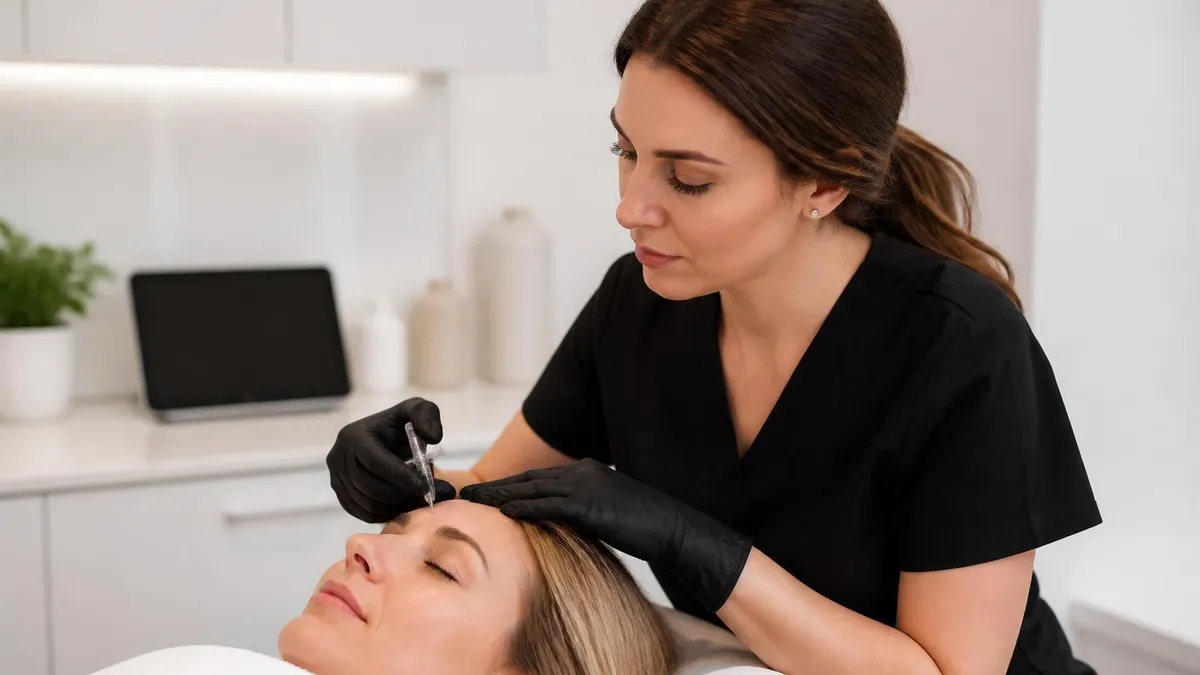
Botox and dermal fillers. Standard cosmetic procedures. Many NPs specialize in injectables. Advanced techniques: full-face rejuvenation, jawline contouring, brow lifts, non-surgical rhinoplasty.
Laser procedures. Hair removal, skin resurfacing, tattoo removal, vascular treatments, pigmentation. Some lasers require physician oversight; NP-independent in many states.
Body procedures. CoolSculpting, EmSculpt, radiofrequency, ultrasonic treatments. Body contouring and toning. Some practices NP-led.
Advanced facials. Hydrafacial, chemical peels, microneedling, PRP (platelet-rich plasma), microdermabrasion. All NP scope.
Treatment plan management. Multi-session protocols. Combining procedures. Long-term aesthetic goals. NP can prescribe and manage cosmetic medications.
Prescription cosmetics. Tretinoin, hydroquinone, niacinamide preparations, custom compounds. NPs can prescribe; RNs cannot.
Patient management. Pre-procedure preparation. Post-procedure care. Managing complications. Follow-up care. Long-term patient relationships.
Practice management (independent NPs). In many states, NPs can own and operate aesthetic practices independently. Manage business operations. Hire and supervise other staff. Set treatment protocols.
Specialty procedures. PRP for hair restoration. Sclerotherapy. Some IV therapy services. Cosmetic-adjacent wellness services.
Patient advocacy. Educating about realistic expectations. Recommending against unnecessary procedures. Building trust through honesty.
Job Duties
Botox, fillers, biostimulators. Advanced techniques. NP scope.
Hair removal, resurfacing, tattoo removal. State-dependent oversight.
CoolSculpting, EmSculpt, RF, ultrasonic treatments.
Tretinoin, hydroquinone, custom compounds. NPs only.
Multi-session protocols. Long-term aesthetic management.
Many states allow independent NP practice. Business potential.
Education and certification path. Multiple routes.
Route 1: New career path. Step 1: Complete RN program (ADN 2 years or BSN 4 years). Step 2: Pass NCLEX-RN. Get RN license. Work as RN 1-2 years minimum. Step 3: Apply to MSN or DNP program (family practice, primary care, or similar). Step 4: Complete 2-3 year graduate program. Pass certification exam (FNP, ANP, PNP, PMHNP). Get NP license. Step 5: Work as NP, ideally in dermatology or cosmetic-adjacent setting. Step 6: Add aesthetic training. Multiple options: aesthetic medicine fellowships (3-12 months), specialty certifications, manufacturer training programs. Total timeline: 6-9 years.
Route 2: Already an NP. Skip to step 6 above. Aesthetic training: 3-12 months typical. Cost: $5,000-25,000 depending on program. Some include hands-on procedures; others are coursework only. Verify program quality.
Aesthetic NP specialty certifications. Aesthetic Nurse Practitioner Certification (ANP-BC). Cosmetic Medicine Specialist. Medical Aesthetic Specialist (MAS). Aesthetic Nursing Certification. Multiple certifying bodies offer credentials. Strong career investment.
Manufacturer training. Allergan University (Botox/Juvederm). Galderma Aesthetic University (Restylane/Dysport). Other vendor programs. Specific to products. Free for licensed practitioners.
Fellowships. Aesthetic Medicine Fellowship Programs. 3-6 months hands-on. Cost: $10,000-30,000 typically. Best for transitioning into specialty. Multiple programs available.
Conferences. American Society for Aesthetic Plastic Surgery (ASAPS). Aesthetic Show. International Master Course on Aging Skin (IMCAS). Annual continuing education. Networking and skill development.
Cost considerations. RN program: $5K-100K (ADN to BSN range). MSN/DNP: $30K-100K typically. Aesthetic training: $5K-30K. Total education investment: $40K-230K. Significant but high ROI for established career.
Continuing education. NP license renewal: typically 75-100 CE hours every 2 years. Plus state-specific requirements. Plus procedure-specific training. Plus aesthetic specialty CE.
Education Paths
Total: 6-9 years. RN (2-4 yr) + RN experience (1-2 yr) + MSN/DNP (2-3 yr) + NP certification + aesthetic training (3-12 mo). Significant investment, high career return.
Salary expectations. Higher than RN-aesthetic positions.
Entry-level aesthetic NP. $95,000-115,000 typical. Less experience, learning curve, lower volume. Often base + small commission/tips.
Mid-career (3-7 years). $120,000-170,000 typical. Built client base, refined skills, specialty development. Base + commission + tips. Some practices structure heavily commission-based.
Senior (7-15 years). $150,000-200,000+ typical. Strong reputation, advanced procedures, training role. Some achieve $200,000+ through commission-heavy practice or specialty.
Practice owners. Highly variable: $80,000 (struggling) to $400,000+ (top performers). Income tied to business success, location, marketing, scale.
By geographic market. California: $135-220K. Texas: $115-180K. Florida: $120-180K. NYC: $135-200K. Less expensive metros: $100-150K. Cost of living adjustments matter.
By setting. Hospital cosmetic center: $110-150K + benefits. Independent medspa: $115-180K + commission. Plastic surgery practice: $115-170K + commission. Dermatology practice: $115-170K + commission. Independent practice: variable.
By specialty. Generic aesthetic NP: $115-170K. Advanced injection specialist: $125-200K. Laser specialist: $125-180K. Body contouring focus: $130-200K. Combined high-end services: $140-220K+.
Commission structures. Common: 10-30% commission on services performed. Higher commission percentage in commission-only roles. Lower in salary+commission. Average 15-25% in mid-range practices.
Tips. Many practices encourage tipping. $5-100+ per procedure typical. Adds $5K-30K annually to compensation in tip-heavy environments.
Benefits beyond salary. Health insurance (varies by employer). 401(k) match (variable). Continuing education stipend ($1-5K/year). Conference attendance allowance. Vacation time (typical 2-4 weeks). Some practices offer free aesthetic services or discounts.
Aesthetic NP Pay
Where aesthetic NPs work.
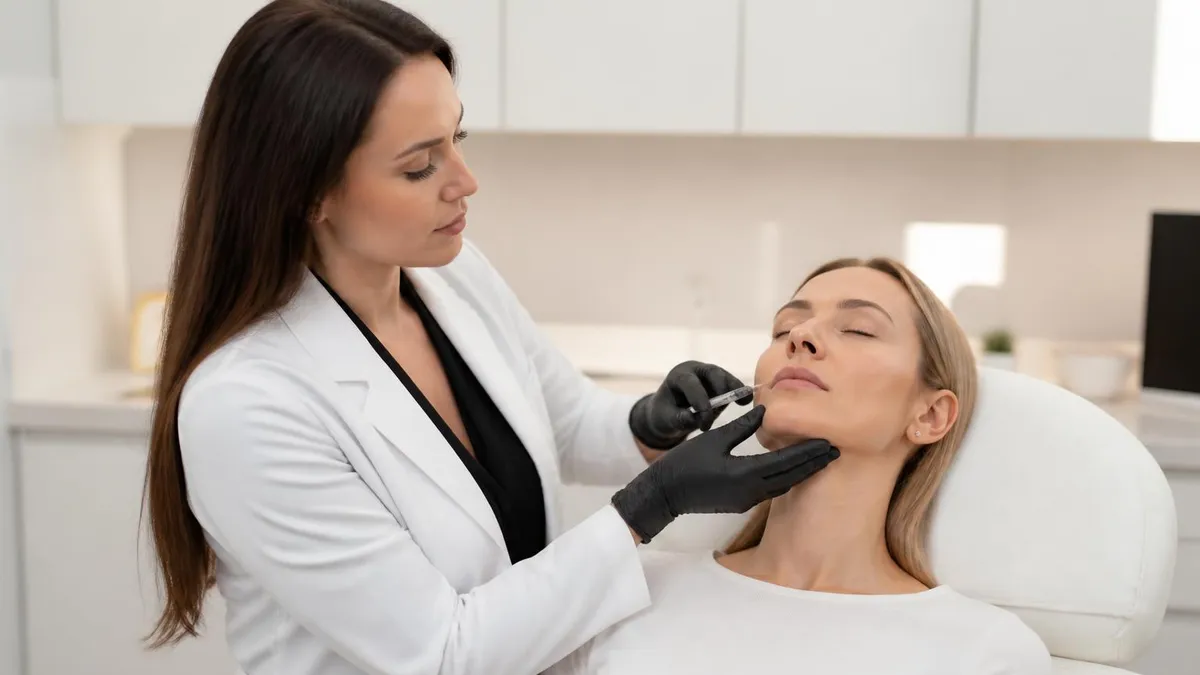
Independent medspas. Most common employer. NP-led or physician-led. Medical director typically physician. NP performs most aesthetic procedures. Salary $110-180K + commission/tips. Strong growth area.
Hospital-affiliated cosmetic centers. Hospital systems with aesthetic departments. More medical orientation. Stable salary + strong benefits. $110-160K typical. Strong job security.
Dermatology practices. Cosmetic side of dermatology. Mix of medical and aesthetic procedures. Strong patient base. Salary $115-170K + commission. Continued medical learning.
Plastic surgery practices. Pre and post-op cosmetic care. Procedures between surgical cases. Patient pipeline. Salary $115-170K + commission. High-end client base.
Standalone aesthetic clinics. Smaller practices specializing only in aesthetics. NP often primary practitioner. Salary $120-180K + commission. Variable structure.
Independent practice (NP-owned). Many states allow NPs to own and operate practices independently. Variable income: $80K (small practice) to $400K+ (large successful practice). Requires business skills and capital.
Telehealth aesthetics. Growing area. Consultations remote, procedures in-person. Hybrid models emerging. Limited compared to in-person but growing.
Mobile aesthetic services. Some NPs provide in-home services for high-end clients. Higher per-procedure fees ($300-1000). Limited geographic reach.
Corporate medspa chains. Sona Medspa, Skin Laundry, Restoration Hardware, etc. Standardized procedures. Often higher volume but lower individual earnings. $95-140K typical. Less flexibility.
Aesthetic wellness clinics. Combine traditional spa + medical aesthetics + wellness. Holistic approach. Some NPs lead these practices.
Top hiring markets. California (especially LA, Bay Area, San Diego). Texas (Houston, Dallas, Austin). Florida (Miami, Tampa, Orlando). New York City. Major metros generally outpace smaller markets.
Work Settings
Most common. NP-led or physician-led. $110-180K + commission.
Hospital-affiliated. Strong benefits. Stable. $110-160K.
Medical + aesthetic. Strong patient base. $115-170K.
Pre/post-op care. High-end clients. $115-170K + commission.
Many states allow NP-owned. Variable income $80-400K+.
Growing models. Hybrid in-home or remote consult + in-person.
Scope of practice for aesthetic NPs. State-by-state matters enormously.
Full practice authority states (27 states + DC). NPs can practice independently. No physician supervision required. Can own practice. Can prescribe medications independently. Includes: Alaska, Arizona, Colorado, Connecticut, Delaware, DC, Hawaii, Idaho, Iowa, Kansas, Maine, Maryland, Massachusetts, Minnesota, Montana, Nebraska, Nevada, New Hampshire, New Mexico, New York (recent), North Dakota, Oregon, Rhode Island, South Dakota, Utah, Vermont, Washington, Wyoming.
Reduced practice states (12 states). Collaborative practice agreement (CPA) with physician required for prescribing. Some independence but with restrictions. States: Alabama, Arkansas, Illinois, Indiana, Kentucky, Louisiana, Mississippi, New Jersey, Ohio, Pennsylvania, West Virginia, Wisconsin.
Restricted practice states (11 states). Most restrictive. Physician supervision required for most procedures. States: California (transitioning to FPA), Florida, Georgia, Michigan, Missouri, North Carolina, Oklahoma, South Carolina, Tennessee, Texas, Virginia.
What FPA means for aesthetic NPs. Can own practice independently. Can prescribe cosmetic medications. Can perform all NP-scope procedures without supervision. Greater earning potential. More flexibility.
What reduced practice means. Need physician collaborator. Many states require physician onsite (or by phone) during certain procedures. Some procedures restricted.
What restricted practice means. Need ongoing physician supervision. Some procedures restricted to physician practice. Income potential limited by physician overhead.
States transitioning. California now allowing FPA for NPs (after waiting period). Other states gradually expanding NP authority. Worth checking current state laws.
Aesthetic-specific scope. Some states have specific medical aesthetic license/registration in addition to NP license. California requires specific medical aesthetic license. Other states have specific cosmetic medicine regulations.
Laser regulations. Some states restrict laser use to physicians or require physician oversight. Others allow NPs independent laser practice. Verify state-specific rules.
Prescribing scope. NPs can prescribe most cosmetic medications (tretinoin, hydroquinone). Some controlled substances may be restricted. State varies.
Future trends. States gradually moving toward FPA. NPs lobbying for expanded scope. Resistance from physician groups in some states. Industry expects gradual expansion.
Practice Authority
NPs practice independently. Can own practice. Can prescribe. Maximum earning potential and flexibility. Includes most western and northeastern states.
Comparison with related roles.
Aesthetic NP vs RN-aesthetician. NP: prescribes, plans treatment, independent in many states, higher salary. RN-aesthetician: performs procedures under physician oversight, lower salary, more restricted scope.
Aesthetic NP vs medical aesthetician. Medical aesthetician: trained in aesthetics, not in medical scope. NP: medical authority + aesthetic skill. Different career paths but overlapping work in some practices.
Aesthetic NP vs dermatologist. Dermatologist: MD level training (4 years medical school + 3-4 years residency). Significantly higher salary ($300-500K+). Broader medical scope. Greater medical authority but longer training.
Aesthetic NP vs plastic surgeon. Plastic surgeon: MD + 5+ years residency. Surgical scope. $400-1M+ income. Different career path entirely.
Aesthetic NP vs PA (Physician Assistant). PA can also perform aesthetic medicine. Similar scope in many states. Different training pathway. Salary similar to NP ($100-180K). Each has advantages.
Career trajectory comparison. NP path: 6-9 years to qualify. Salary plateau around $200K typical. Independent practice option. Steady demand. PA path: similar timeline. Similar salary range. Slightly different practice model.
Decision factors. Want to practice independently? NP in FPA states. Want maximum medical scope? Dermatology or plastic surgery. Want fastest income? PA or aesthetic NP (faster than physician). Already RN? Stay in nursing pathway.
Best fit for aesthetic medicine specifically. Aesthetic NP combines manageable training timeline with strong scope of practice and income potential. For those without medical school background, often the optimal career path into aesthetic medicine.
Career Comparison
6-9 yr training, $95-200K, prescribe, often independent.
2-4 yr training, $50-150K, under supervision, more restricted.
1-2 yr training, $40-90K, no medical scope, limited.
6-7 yr training, $100-180K, similar to NP scope, different pathway.
12+ yr training, $300-500K+, broad medical scope, residency.
13+ yr training, $400K-1M+, surgical scope, longest path.
Pros and cons of aesthetic NP career.
Pros. High salary potential ($95-200K+). Combine medical authority with creative work. Often independent practice option (FPA states). Manageable training timeline (vs MD/DO). Strong career mobility. Less physically demanding than bedside nursing. Better work-life balance for many. Continuing learning in evolving field. Client appreciation and relationships.
Cons. Significant educational investment (6-9 years total). Significant student loans potentially. Building patient base takes time. Sales pressure in some practices. Industry competition increasing. State scope restrictions vary. Continuing education ongoing requirement. Risk of complications (rare but real).
When this career wins. You want to do aesthetic medicine. You don't want medical school timeline (12+ years). You enjoy patient interaction and creative work. You're comfortable with continuing education. You have business mindset for independent practice. You value autonomy.
When dermatology wins. You want broad medical practice. You're willing to invest 12+ years. You want highest income potential. You want maximum medical authority.
Realistic earnings progression. Year 1-2: $95-115K. Year 3-5: $115-150K. Year 5-10: $135-180K. Year 10+: $150-200K+. Practice owners can exceed these ranges significantly but with risk and business stress.
Risk considerations. Procedural complications (rare but real). Lawsuit risk (lower than surgery but real). Business risk for owners. Career risk if industry contracts.
Career satisfaction. High in surveys. Less burnout than bedside nursing. Creative element. Patient appreciation. Income reward. Worth the investment for those who fit the profile.
Demand outlook. Strong and growing. Medspa industry 25%+ annual growth. Aging population. Cosmetic procedures mainstreaming. Job market strong for aesthetic NPs.
Bottom line. For nurses interested in aesthetic medicine, NP is often the best career path. Better scope and pay than RN-only. Less burdensome than physician path. Strong long-term outlook.
1. Education investment is significant. 6-9 years total. Significant cost ($40-230K). Not for the faint of heart.
2. State scope matters. FPA states maximize earning potential. Restricted states limit. Geographic flexibility helps.
3. Business sense helps. Even employed NPs benefit from understanding the business. Independent practitioners need strong business skills.
4. Continuing education ongoing. Industry evolves rapidly. Annual learning costs $1-5K. Time commitment.
5. Patience for building patient base. First few years building reputation. Income grows over time. Long-term game.
6. Quality matters more than volume. Reputation is everything. Patient retention drives income. Don't cut corners on quality.
7. Sales aspect. Some practices commission-heavy. Comfortable selling treatments? If not, find salary-heavy positions.
8. Complications happen. Maintain insurance. Document carefully. Manage carefully. Some risk inherent.
9. Industry competition increasing. Differentiation through specialty or quality matters more.
10. Long-term commitment. Career investment of decades, not years. Pick a path you'll enjoy long-term.
How to build a successful aesthetic NP career.
Early career (years 1-3). Focus on technical skills. Work under experienced practitioners. Take procedure-specific training. Build client base. Develop early specialty. Earnings $95-120K.
Mid-career (years 4-8). Refine specialty. Master advanced procedures. Build patient retention. Consider partial ownership. Continuing specialty training. Earnings $120-160K.
Senior career (years 9-15). Established expertise. Train others. Lead practitioner or manager. Consider full ownership. Income $150-200K+.
Practice ownership consideration. Most successful aesthetic NPs eventually own or partner in practices. Timing matters. Start with established practice. Build capital. Develop business skills. Consider 5-10 year timeline.
Specialty development paths. Anti-aging specialist (Botox, fillers, biostimulators). Laser specialist (multiple lasers, various indications). Body contouring specialist (CoolSculpting, EmSculpt). Hair restoration. PRP specialist. Acne specialist (chemical peels, lasers). Each adds revenue and differentiation.
Specialty trends. Hispanic and Asian skin care: growing market. Men's aesthetic medicine: rapid growth. Younger demographic (millennials, Gen Z): increasing demand. Holistic approach (combining aesthetics with wellness): emerging.
Marketing strategy. Social media presence (Instagram especially). Before/after photos. Educational content. Personal branding. Reviews matter (Google, Yelp). Build referral network with related professionals.
Patient retention. Most income comes from repeat clients. Build personal relationships. Excellent results. Reasonable prices. Communication and follow-up.
Networking. Industry conferences. Aesthetic medicine associations. Connect with practitioners in your area. Reciprocal referrals. Builds career over years.
Continuing education investment. Industry evolves rapidly. New treatments, techniques, products. Annual conferences. Specialty courses. Worth $5-10K/year investment for serious practitioners.
Risk management. Insurance: liability, malpractice. Documentation: every procedure, every consultation. Patient screening: contraindications. Reputation: hard-won, easily lost.
Career Building
Build technical skills. Work under experienced practitioners. Take procedure-specific training. Develop early specialty. Earnings $95-120K typical. Focus on quality and learning.
Continuing education and specialty certifications.
Annual conferences. American Society for Aesthetic Plastic Surgery (ASAPS). Aesthetic Show (Las Vegas). International Master Course on Aging Skin (IMCAS — held globally). American Academy of Aesthetic Medicine. Industry conferences run annually.
Specialty certifications. Aesthetic Nurse Practitioner Certification. Cosmetic Medicine Specialist. Medical Aesthetic Specialist (MAS). Certified Aesthetic Medical Provider (CAMP). Multiple bodies offer different credentials.
Manufacturer certifications. Allergan University (Botox/Juvederm). Galderma Aesthetic University (Restylane/Dysport/Sculptra). Merz Aesthetics. Each manufacturer offers product-specific training. Often free for licensed practitioners.
Technique-specific training. Microneedling certifications. PRP training. Laser-specific certifications (CO2, Erbium, IPL, etc.). Threadlift training. Each adds revenue capacity.
Online learning platforms. Aesthetic Education Institute. Aesthetic Medicine Academy. American Med Spa Association. Several offer ongoing online courses.
State-specific requirements. NP license CE: typically 75-100 hours every 2 years. Plus state-specific aesthetic medicine CE. Plus procedure-specific.
Professional organizations. American Med Spa Association (AMSA). International Association for Physicians in Aesthetic Medicine (IAPAM). American Society for Cosmetic Medicine (ASCM). American Association of Nurse Practitioners (AANP). Membership builds credibility and provides resources.
Reading and research. Aesthetic medicine journals (Aesthetic Surgery Journal, Dermatologic Surgery, Journal of Cosmetic Dermatology). Subscribe to industry publications. Stay current on emerging treatments.
Mentorship. Find experienced aesthetic NPs as mentors. Many in industry willing to share knowledge. Builds expertise faster than going alone.
Investment in growth. Top practitioners invest heavily in continuing education. ROI typically strong. Knowledge differentiates you from competitors.
Lifelong Learning
ASAPS, Aesthetic Show, IMCAS. Networking and learning.
Various aesthetic NP, cosmetic medicine credentials.
Allergan, Galderma, Merz. Product-specific. Often free.
Aesthetic Education Institute, AMA. Ongoing accessible learning.
AMSA, AANP, IAPAM. Membership builds credibility.
Find experienced practitioners. Accelerates growth.
Common questions about aesthetic NP careers.
How does aesthetic NP differ from regular NP. Regular NP: family practice, primary care, internal medicine, specialty practice (cardiology, psychiatry, etc.). Aesthetic NP: focused on cosmetic medicine. Same NP credential, specialized practice area.
Can I be NP and not do aesthetics? Yes. Most NPs work in primary care or specialty (non-aesthetic). Aesthetic is one specialty among many.
How long does the certification last? NP certification: typically 5 years between recertifications. Aesthetic specialty certs: often 2-3 years between renewals.
Do I need to be RN first? Yes. All NPs must be RNs first. No shortcuts.
What's the salary difference vs general NP? Aesthetic NPs typically earn $95-200K vs general NPs $90-130K. Higher ceiling and earning potential in aesthetics.
Can I work part-time? Yes, common in this field. Many aesthetic NPs work 2-4 days per week. Allows flexibility and work-life balance.
Is malpractice insurance expensive? Aesthetic medicine has higher malpractice rates than primary care due to elective procedure nature. Plan for $5-15K annually for solo practice. Often included for employed NPs.
What if I dislike a particular procedure? Specialize in what you enjoy. Many NPs focus on injectables only, or only lasers, or only specific procedures.
How do I find good employers? Network at industry conferences. LinkedIn outreach to medical directors. Reviews on Indeed, Glassdoor. Ask current employees about practice culture.
Can I open my own practice immediately? Possible in FPA states but not recommended for new aesthetic NPs. Build experience and capital first. Typical timeline: 3-5 years employed before considering ownership.
Aesthetic Pros and Cons
- +Aesthetic has a publicly available content blueprint — you know exactly what to prepare for
- +Multiple preparation pathways accommodate different schedules and budgets
- +Clear score reporting shows specific strengths and weaknesses
- +Study communities share current insights from recent test-takers
- +Retake policies allow recovery from a difficult first attempt
- −Tested content scope requires substantial preparation time
- −No single resource covers everything optimally
- −Exam-day performance can differ from practice test performance
- −Registration, prep, and retake costs accumulate significantly
- −Content changes between versions can make older materials less reliable
Pros and Cons at a Glance
| Pros | Cons |
|---|---|
| Aesthetic has a publicly available content blueprint — you know exactly what to prepare for | Tested content scope requires substantial preparation time |
| Multiple preparation pathways accommodate different schedules and budgets | No single resource covers everything optimally |
| Clear score reporting shows specific strengths and weaknesses | Exam-day performance can differ from practice test performance |
| Study communities share current insights from recent test-takers | Registration, prep, and retake costs accumulate significantly |
| Retake policies allow recovery from a difficult first attempt | Content changes between versions can make older materials less reliable |
NP Questions and Answers
Final thoughts. Aesthetic nurse practitioners represent one of nursing's most rewarding career paths. With salary potential up to $200K+, independent practice options in many states, and a growing industry behind them, aesthetic NPs combine clinical expertise with creative satisfaction and strong financial rewards.
The path is significant: 6-9 years from start for new careers, 3-12 months for current NPs transitioning. State practice authority matters enormously — FPA states maximize income and flexibility. Build expertise gradually through specialization and continuing education.
For those who fit the profile, the career rewards the investment. Strong income, flexible schedule, creative work, clinical authority, business ownership potential. The aesthetic NP path offers what few healthcare careers can: significant earning potential, meaningful patient relationships, and continued growth opportunities throughout a long career.
About the Author

Registered Nurse & Healthcare Educator
Johns Hopkins University School of NursingDr. Sarah Mitchell is a board-certified registered nurse with over 15 years of clinical and academic experience. She completed her PhD in Nursing Science at Johns Hopkins University and has taught NCLEX preparation and clinical skills courses for nursing students across the United States. Her research focuses on evidence-based exam preparation strategies for healthcare certification candidates.