
Nurse Practitioner Organizations: Complete Guide to Professional Associations for NPs
Discover the top nurse practitioner organizations, what they offer, and how joining can advance your NP career. 🎓 Complete 2026 September guide.

Nurse practitioner organizations play a central role in shaping the profession, advocating for full practice authority, and providing NPs with the educational resources, networking opportunities, and credentialing support needed to thrive at every stage of their career. Whether you are a new graduate preparing for your board certification exam or a seasoned clinician looking to influence policy at the state or federal level, joining a professional association is one of the highest-return investments you can make in your nursing career.
The landscape of NP professional associations is broad and can feel overwhelming at first glance. There are national organizations that represent all nurse practitioners across specialties, as well as highly specialized groups focused on areas like family practice, psychiatric-mental health, women's health, and acute care. Understanding which organizations align with your clinical focus, career goals, and budget allows you to choose memberships strategically rather than simply joining every group that sends you an invitation.
Beyond networking, these organizations provide concrete, career-defining benefits. Many offer discounted or exclusive continuing education credits that count toward license renewal and board certification maintenance. Some publish peer-reviewed journals, host major annual conferences, and maintain political action committees (PACs) that lobby for expanded NP scope of practice. A strong professional association is often the difference between a profession that stagnates under physician-led restrictions and one that earns the legislative wins necessary to practice at the full extent of training.
Membership in a recognized professional body also signals a commitment to excellence to employers, patients, and peers. Hospital systems, group practices, and telehealth companies increasingly look for NPs who are active in their professional communities. It demonstrates that you stay current, engage with evidence-based guidelines, and take seriously the ethical and regulatory obligations of advanced practice nursing. Some employers even reimburse membership dues as part of their benefits packages, recognizing the value these organizations bring to practice quality.
The policy advocacy function of nurse practitioner organizations deserves special attention because it has a direct and measurable impact on every NP's daily work. State-level associations have been instrumental in passing full practice authority legislation across the country, allowing NPs to practice independently without a physician collaboration agreement. As of 2026, more than 27 states and the District of Columbia have granted full practice authority to NPs, and professional organizations were driving forces behind each of those legislative victories.
For NPs who are early in their careers, these organizations also provide mentorship programs, leadership development tracks, and student chapters that ease the transition from graduate school into clinical practice. Many national organizations have strong student divisions with reduced membership rates, giving nursing students and residents access to professional resources before they even sit for boards. This early engagement builds career capital and professional identity that pays dividends for decades.
This guide walks through the most important nurse practitioner organizations in the United States, explains what each one offers, and helps you decide which memberships make the most sense for your specialty and career trajectory. Understanding how these groups differ — and how they complement each other — is the foundation for building an active, engaged professional life as an NP. Just as comparing nurse practitioner organizations with those serving physician assistants reveals how each profession governs itself, exploring the NP association landscape reveals a profession that is organized, politically savvy, and growing in influence.
Nurse Practitioner Organizations by the Numbers

Major National Nurse Practitioner Organizations
The largest NP-specific organization in the US with over 130,000 members. Offers certification through AANPCB, annual conference, continuing education, advocacy, and a strong job board for all NP specialties.
Focused on NP education quality and curriculum standards. Essential for NPs in academic roles or those interested in shaping how the next generation of NPs is trained. Sets core competency frameworks adopted nationwide.
A Washington DC-based advocacy organization concentrating on federal policy and legislative action. ACNP works closely with Congress to advance NP-friendly healthcare legislation and reduce scope-of-practice barriers.
Represents CNSs alongside NPs and advocates for advanced practice nursing broadly. Useful for NPs who work alongside clinical nurse specialists or who hold dual APRN credentials and need multi-role representation.
Specialty-specific nurse practitioner organizations allow clinicians to go deep within their clinical niche, connecting with peers who face the same patient populations, documentation challenges, reimbursement hurdles, and scope-of-practice questions. While national organizations like the AANP provide a broad professional home, specialty associations are where many NPs find their most meaningful professional community and the most clinically relevant continuing education content.
The American Academy of Emergency Nurse Practitioners (AAENP) serves NPs practicing in emergency departments and urgent care settings. Membership provides access to specialty-specific competency guidelines, a dedicated annual conference featuring trauma and critical care content, and a peer network of NPs who understand the unique demands of high-acuity, high-volume environments. The organization also publishes position statements used to support staffing and credentialing decisions at hospital systems nationwide.
For psychiatric and mental health NPs, the American Psychiatric Nurses Association (APNA) is an essential resource. APNA publishes the Journal of the American Psychiatric Nurses Association, hosts an annual conference focused on behavioral health innovation, and offers specialty-specific continuing education that is directly applicable to maintaining the PMHNP-BC certification. With the behavioral health workforce shortage growing more acute each year, APNA plays a critical advocacy role in expanding mental health NP access across underserved communities.
The National Association of Pediatric Nurse Practitioners (NAPNAP) is the leading organization for NPs who work with children and adolescents. NAPNAP maintains clinical practice guidelines, advocacy positions, and educational programming tailored to pediatric and family health. Its KySS (Keep your children/yourself Safe and Secure) initiative is a nationally recognized program addressing pediatric mental health, making NAPNAP relevant to any NP seeing young patients regardless of primary specialty.
Women's health NPs and midwives often find professional community through the National Association of Nurse Practitioners in Women's Health (NPWH). This organization addresses reproductive health, menopause, sexually transmitted infections, and gynecologic oncology through its clinical toolkits and annual Women's Health conference. NPWH also has a strong position on contraceptive access, making it a leading voice in reproductive rights policy conversations that directly affect NP scope of practice.
Oncology NPs benefit greatly from membership in the Oncology Nursing Society (ONS) and its advanced practice subgroup. ONS publishes Oncology Nursing Forum and Clinical Journal of Oncology Nursing, both peer-reviewed resources with direct clinical applicability. The organization's emphasis on evidence-based chemotherapy administration, symptom management protocols, and survivorship care gives oncology NPs the clinical depth needed to function as true specialists in cancer care.
Geriatric and long-term care NPs are well-served by the American Association for Nurse Practitioners combined with the Society for Post-Acute and Long-Term Care Medicine (AMDA). AMDA is a multidisciplinary organization that includes NPs, physicians, and physician assistants who practice in nursing facilities, assisted living, and home-based primary care.
Its clinical practice guidelines for nursing facility care are widely adopted as the standard of practice in long-term care settings. Understanding the full spectrum of available specialty organizations is as important as understanding how your role differs from other providers — just as clarifying the scope of nurse practitioner organizations versus PA groups helps define professional identity.
Membership Benefits Across Top NP Organizations
The American Association of Nurse Practitioners offers one of the most comprehensive membership packages in the profession. Full members receive access to continuing education credits, the Journal of the American Association of Nurse Practitioners, legislative alerts, discounts on liability insurance through HPSO, a career center, and practice resources including clinical toolkits. Annual dues for full members run approximately $150 to $185 depending on membership tier, with student and new-grad rates significantly lower.
AANP members also benefit from access to the AANPCB certification and recertification programs, which are recognized by employers across the country for FNP, AGPCNP, and ENP credentials. The organization's annual NP Week campaign raises public awareness of the NP role nationally. Members who attend the annual AANP national conference receive deep-discount registration rates and access to over 100 continuing education sessions, making the conference a high-value perk that often offsets the cost of membership by itself.

Pros and Cons of Joining Multiple NP Organizations
- +Access to multiple CE libraries increases the variety and depth of available credit options
- +Broader professional network spanning national, specialty, and state-level peers
- +Stronger collective advocacy voice when multiple memberships fund political action committees
- +Specialty organizations provide clinical guidelines directly relevant to your patient population
- +Multiple memberships can look impressive on a CV or during hospital credentialing reviews
- +Some employers reimburse dues for multiple organizations, eliminating the cost barrier entirely
- −Annual dues for multiple organizations can total $400 to $700 or more before conference fees
- −Too many email newsletters and legislative alerts can create information overload
- −Overlapping CE content across organizations can make it hard to track credits without redundancy
- −Time commitment for volunteer roles and committee work multiplies with each membership
- −Not all organizations are equally well-run — some offer limited value relative to their dues
- −Managing multiple membership renewals, passwords, and login portals adds administrative friction
Pros and Cons at a Glance
| Pros | Cons |
|---|---|
| Access to multiple CE libraries increases the variety and depth of available credit options | Too many email newsletters and legislative alerts can create information overload |
| Broader professional network spanning national, specialty, and state-level peers | Overlapping CE content across organizations can make it hard to track credits without redundancy |
| Stronger collective advocacy voice when multiple memberships fund political action committees | Time commitment for volunteer roles and committee work multiplies with each membership |
| Specialty organizations provide clinical guidelines directly relevant to your patient population | Not all organizations are equally well-run — some offer limited value relative to their dues |
| Multiple memberships can look impressive on a CV or during hospital credentialing reviews | Managing multiple membership renewals, passwords, and login portals adds administrative friction |
How to Choose and Join Nurse Practitioner Organizations
- ✓Identify your primary NP specialty and search for both national and specialty-specific organizations in that area
- ✓Visit each organization's website and review the full membership benefits list before committing to dues
- ✓Check whether your employer offers dues reimbursement as part of your benefits or employment contract
- ✓Confirm that CE credits offered by the organization are accepted by your certifying body (ANCC or AANPCB)
- ✓Join your state NP association first — it provides the most direct impact on your daily scope of practice
- ✓Enroll at the student or new-graduate rate if eligible to save money while establishing professional habits early
- ✓Sign up for legislative alerts and action items so you can participate in advocacy without a large time commitment
- ✓Attend at least one annual conference within the first two years of membership to network and access hands-on CE
- ✓Volunteer for a committee or task force to deepen your involvement and build leadership credentials
- ✓Reassess your memberships annually — drop organizations that provide minimal value and reinvest dues strategically
Your State Association Is Your Most Powerful Membership
While national organizations like the AANP offer unparalleled resources and name recognition, your state NP association often delivers the highest practical return. State associations are the primary engine behind full practice authority legislation, and their advocacy work directly determines whether you need a collaborative agreement, how broadly you can prescribe, and what telehealth regulations govern your virtual practice. If you can only afford one membership, make it your state association.
Advocacy work conducted by nurse practitioner organizations has produced some of the most consequential changes in healthcare policy of the past two decades. The shift toward full practice authority — allowing NPs to evaluate, diagnose, treat, and prescribe without physician oversight — has been achieved state by state through sustained, strategic lobbying campaigns led by organized NP associations. Understanding this advocacy landscape helps NPs appreciate why membership dues are not just a professional courtesy but an investment in the structural conditions of their own practice.
The AANP's government affairs team monitors federal legislation continuously and deploys rapid-response alerts to members when bills affecting NP practice move through committee. Issues like Medicare reimbursement parity, prescribing authority for controlled substances, and telehealth permanency are all actively tracked by the AANP's DC-based policy staff. During the COVID-19 pandemic, the AANP successfully advocated for temporary waivers that allowed NPs in restricted states to practice independently — a policy win that created a template for permanent legislation in many of those states.
At the state level, the political action committees (PACs) maintained by state NP associations are critical tools for legislative influence. PAC funds are used to support candidates who favor NP-friendly healthcare policy and to engage professional lobbyists who can maintain a sustained presence at the state capitol throughout the legislative session. States with well-funded, well-organized NP PACs have historically achieved scope-of-practice expansions more quickly and more completely than states where NP advocacy is fragmented or underfunded.
Scope of practice is not the only policy battleground where NP organizations fight on behalf of their members. Title protection — ensuring that only credentialed NPs can use the title — is an ongoing concern in some states. Reimbursement equity under commercial insurance plans, Medicaid managed care contracts, and Medicare Advantage programs is another persistent issue. NP organizations work with the Centers for Medicare and Medicaid Services (CMS) to ensure that billing rules are clear and that NPs receive appropriate payment for their services without burdensome documentation requirements.
Opioid prescribing authority has been a particularly contentious area of NP policy advocacy. When the Drug Enforcement Administration (DEA) implemented new requirements for buprenorphine prescribing through its telemedicine rules, NP organizations were among the first and most vocal groups pushing back on provisions that would have restricted patient access to addiction treatment. These policy fights happen quietly in regulatory comments and congressional hearings, but they have direct consequences for NPs who treat patients with substance use disorders in rural and underserved settings.
Graduate medical education funding is another area where NP organizations have weighed in, advocating for federal investment in clinical training sites for advanced practice nursing students. Persistent shortages of NP clinical preceptors — especially in primary care — limit how many NPs the education system can produce each year. Organizations like NONPF have published detailed workforce projections and policy briefs calling on Congress to fund NP training at the same level as physician residency programs, making the case that NP education produces high-value primary care providers at a fraction of the cost of training physicians.
International scope is also emerging as a focus area for some NP organizations. The International Council of Nurses (ICN) has a nurse practitioner network that connects advanced practice nurses across more than 130 countries, sharing regulatory models and competency frameworks.
For NPs considering international practice or interested in global health initiatives, engagement with the ICN NP network opens doors to a worldwide professional community and exposes American NPs to practice models that may inform future domestic policy. Engaging fully in this advocacy ecosystem — from local state association meetings to international forums — is one of the clearest ways nurse practitioner organizations convert membership dues into lasting professional advancement for every NP in the country.
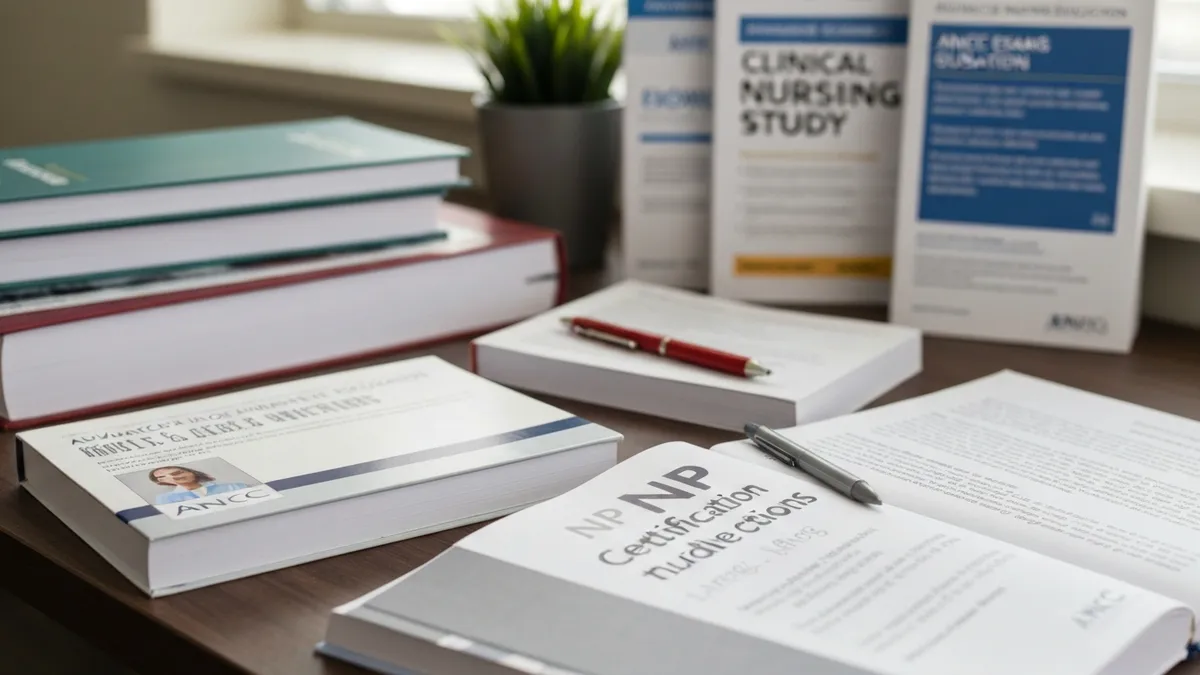
Both ANCC and AANPCB require NPs to earn continuing education credits every five years to maintain board certification. Many nurse practitioner organizations offer CE credits that satisfy these requirements, but you must verify that each credit type (pharmacology, clinical hours, etc.) meets your certifying body's specific category requirements before reporting them. Always download and save CE certificates immediately after completing a course, as some platforms restrict access to historical records after membership lapses.
Maximizing the value of your nurse practitioner organization memberships requires more than simply paying dues and receiving the monthly email newsletter. The NPs who benefit most from professional associations are those who actively participate — attending conferences, joining committees, volunteering as mentors, and contributing to advocacy campaigns. Active engagement transforms a membership from a passive credential into a dynamic network that generates career opportunities, clinical insights, and professional influence that passive membership never delivers.
Continuing education is the most immediately quantifiable membership benefit, and approaching it strategically can save NPs significant money. Rather than purchasing CE credits from commercial vendors at $20 to $40 per contact hour, active members of the AANP, specialty organizations, and state associations can often fulfill their entire five-year recertification requirement through member-exclusive CE content at no additional charge. For NPs maintaining multiple certifications — for example, an FNP-C and a PMHNP-BC — this CE access can represent hundreds of dollars in annual savings.
Annual conferences deserve special emphasis as a membership benefit because their value is qualitatively different from online CE. In-person conferences provide three days or more of intensive continuing education, opportunities to see new equipment, pharmacological agents, and diagnostic tools demonstrated live, and face-to-face networking with vendors, recruiters, researchers, and peers. The conversations that happen in hallways, exhibit halls, and dinner tables at professional conferences are where collaborations are born, jobs are offered informally, and ideas that shape clinical practice begin to circulate. No amount of webinars replicates this environment.
Leadership development programs offered by NP organizations represent a underutilized membership benefit. Organizations like the AANP offer fellowship programs, leadership academies, and committee appointment tracks that prepare NPs for roles as clinical directors, department chiefs, healthcare executives, and policy advocates. These programs are often available exclusively or at deep discounts to members, and completing them signals to health system administrators that an NP has both the clinical expertise and the organizational skills needed for management roles.
Publication and research opportunities through member journals are another meaningful benefit that many NPs overlook. The Journal of the American Association of Nurse Practitioners, the Journal of Pediatric Health Care, and other association publications actively seek submissions from frontline clinicians. Publishing a case report, literature review, or quality improvement project in a peer-reviewed NP journal builds academic credibility, supports promotion applications in academic medical center settings, and contributes to the evidence base that other NPs rely on for their practice decisions.
Mentorship programs helped by NP organizations are particularly valuable for new graduates and NPs making specialty transitions. Many state and national associations maintain formal mentorship matching programs that pair experienced NPs with newer clinicians navigating board preparation, credentialing, employment negotiations, or clinical learning curves. These relationships often develop into lasting professional friendships and informal referral networks that support career advancement for both mentor and mentee over many years.
Finally, the legal and regulatory support resources offered by some NP organizations are a safety net that members hope never to need but are profoundly grateful for when challenges arise. Some organizations provide access to legal consultants who can advise on scope-of-practice disputes, help interpret state regulatory language, or review employment contracts. Others maintain practice hotlines staffed by experienced NPs who can answer clinical and regulatory questions in real time.
These resources — available only to members — represent the professional infrastructure that helps NPs practice with confidence and resilience in an increasingly complex regulatory environment. Understanding how to fully use these tools is as important as knowing how to navigate the credentialing distinctions explored in comparisons of nurse practitioner organizations and related provider groups.
Building a long-term strategy for professional organization involvement requires thinking about where you want to be in your NP career five and ten years from now, not just what is immediately useful today. NPs who aspire to leadership roles in health systems, academic institutions, or policy organizations typically build their organizational involvement incrementally — starting with state association membership in their first year, adding the AANP in year two, joining a specialty organization as they establish their clinical identity, and eventually taking on committee leadership or elected positions within those organizations.
For NPs in rural or underserved practice settings, professional organizations offer a particular form of value: connection to a national peer community that counteracts the professional isolation common in geographically remote practice. Rural NPs who are the only advanced practice provider in a county or region often rely on specialty organization listservs, online forums, and teleconference-based committee work to stay connected to their professional community. Organizations have responded to this need by investing heavily in virtual engagement infrastructure, making meaningful participation accessible regardless of geography.
International nurse practitioners who practice in the United States or who are considering US licensure will find that professional organizations also provide guidance on credential recognition, NCLEX preparation, and state-specific licensure requirements. The CGFNS International and the AANP both publish resources relevant to internationally educated nurses pursuing NP licensure in the United States, and state associations can connect internationally trained NPs with local mentors who understand the specific challenges of navigating a new regulatory environment.
Telehealth has added a new dimension to what professional organizations offer. As telehealth practice expanded dramatically during and after the COVID-19 pandemic, NP organizations published position statements, practice guidelines, and continuing education content specifically addressing virtual care. Organizations like the AANP have advocated successfully for permanent telehealth flexibilities that allow NPs to prescribe controlled substances via telemedicine without an initial in-person visit in many circumstances — a policy change with enormous practical implications for NPs delivering addiction medicine and psychiatric care remotely.
Diversity, equity, and inclusion initiatives within NP organizations have also grown significantly. Organizations like NAPNAP and APNA have established DEI committees that publish resources on culturally responsive care, address health disparities in their clinical guidelines, and mentor NPs from underrepresented racial and ethnic groups who are navigating a profession that, while more diverse than medicine, still has meaningful representation gaps. Joining an organization with an active DEI program signals a commitment to equitable practice and connects NPs with peers working at the intersection of clinical excellence and social justice.
Professional liability protection is an often-overlooked dimension of NP organization membership. The AANP has a long-standing partnership with HPSO (Healthcare Providers Service Organization) that provides members with discounted professional liability insurance rates. For self-employed NPs or those in small group practices without employer-provided malpractice coverage, this discount alone can offset the entire cost of annual AANP membership. Understanding the full financial calculus of membership — including CE savings, insurance discounts, conference registration discounts, and journal subscriptions — reveals that the net cost is often far lower than the stated dues amount.
Ultimately, nurse practitioner organizations are the institutional backbone of a profession that has grown from a small experiment in the 1960s to a workforce of over 355,000 clinicians delivering high-quality, cost-effective care across every healthcare setting in the United States. The organizations covered in this guide — from the AANP to state associations to specialty groups — are the vehicles through which NPs collectively shape the future of their profession.
Joining them, engaging actively, and contributing your voice to advocacy and education is not just a career investment; it is a contribution to the ongoing project of ensuring that every patient in America has access to the skilled, compassionate, evidence-based care that nurse practitioners are trained to provide.
NP Questions and Answers
Nurse Practitioner vs Physician Assistant: Side-by-Side
How Long to Become a Nurse Practitioner: 6-8 Year Timeline

Travel Nurse Practitioner Salary: 2026 Pay Guide, Contract Rates, Stipends, and How to Maximize Your Earnings

Nurse Practitioner Taxonomy Code: Complete 2026 Guide to NPI Classification, Specialty Codes, and Billing Compliance

Family Nurse Practitioner Remote Jobs: Complete 2026 Guide to Telehealth Careers
About the Author

Registered Nurse & Healthcare Educator
Johns Hopkins University School of NursingDr. Sarah Mitchell is a board-certified registered nurse with over 15 years of clinical and academic experience. She completed her PhD in Nursing Science at Johns Hopkins University and has taught NCLEX preparation and clinical skills courses for nursing students across the United States. Her research focuses on evidence-based exam preparation strategies for healthcare certification candidates.