
History of Nurse Practitioners: From 1965 to Today's Advanced Practice
Explore the history of nurse practitioners from 1965 to today. Key milestones, legislation, and how NPs shaped US healthcare. 🏆

The history of nurse practitioners is one of the most compelling transformation stories in American healthcare. It begins in 1965, when a pediatrician and a nurse educator joined forces at the University of Colorado to address a shortage of primary care providers in rural and underserved communities.
What started as a pilot training program for registered nurses to take on expanded clinical roles has grown into a profession that now counts more than 385,000 licensed NPs practicing across the United States. Understanding this history helps explain why the NP role exists, how it evolved, and why it matters more than ever in today's healthcare landscape.
Before nurse practitioners existed, registered nurses operated under strict physician supervision and were rarely permitted to diagnose conditions, prescribe medications, or manage chronic illness independently. The postwar expansion of American hospitals created enormous demand for clinical personnel, but physician training pipelines could not keep pace. Rural communities in particular faced serious shortages. Families in Appalachia, the rural South, and the Great Plains often went without consistent primary care, relying instead on emergency departments or traveling long distances to see a doctor. This gap in access planted the seeds for what would become the nurse practitioner movement.
Loretta Ford, a public health nurse, and Henry Silver, a pediatrician, recognized that experienced nurses already possessed many of the clinical competencies needed to fill this gap. Their 1965 pediatric nurse practitioner program at Colorado trained nurses to conduct physical exams, assess developmental milestones, manage common childhood illnesses, and provide anticipatory guidance to families. Early outcomes were impressive. Studies showed that NP-managed patients experienced outcomes equivalent to physician-managed patients for a wide range of conditions, and families reported high levels of satisfaction with the care they received from these new providers.
The growth of the NP role through the late 1960s and 1970s was not without friction. Many physicians viewed the expanded scope as an encroachment on medical practice. State nursing boards and medical boards debated furiously over what tasks nurses could legally perform without direct physician oversight. Early NPs often operated in legal gray zones, relying on informal collaborative agreements rather than formal regulatory frameworks. Despite this resistance, federal investment in NP education programs through the Nurse Training Act and subsequent legislation helped the movement gain momentum, producing thousands of trained practitioners over the following decade.
The 1980s and 1990s brought increased formalization. National certification examinations emerged to standardize competency assessment across NP specialties. Graduate-level education became the expected baseline, replacing many of the early certificate-only programs. The American Association of Nurse Practitioners (AANP) was established, giving the profession a unified national voice for advocacy, research, and standards development. Simultaneously, a growing body of evidence consistently demonstrated that NPs delivered safe, cost-effective, high-quality care, particularly in primary care settings, which strengthened the case for broader autonomy and reimbursement parity.
Legislative milestones in the 1990s and 2000s significantly expanded NP authority. Medicare began reimbursing NPs directly in 1998, a watershed moment that recognized NPs as independent billable providers rather than physician extenders. An increasing number of states passed full practice authority legislation, allowing NPs to practice, prescribe, and refer patients without physician oversight agreements.
By the 2020s, more than half of US states had granted NPs full practice authority, a figure that continues to grow as evidence mounts and workforce shortages intensify. For those interested in understanding how the NP role compares to other advanced practice professions, the history of nurse practitioners provides important context for situating NPs within the broader advanced practice landscape.
Today, nurse practitioners hold doctoral-level preparation in many programs, with the Doctor of Nursing Practice (DNP) becoming the preferred terminal degree for clinical practice. NPs work in every clinical setting imaginable, from rural federally qualified health centers to urban academic medical centers, from telehealth platforms serving patients coast to coast to neonatal intensive care units. The profession has come extraordinarily far from its 1965 origins, and the trajectory shows no sign of slowing as the United States continues to face persistent primary care shortages and an aging population with complex chronic disease burdens.
Nurse Practitioners by the Numbers

Key Milestones in NP History
1965 — The First NP Program
1971 — Idaho Becomes First State to Authorize NP Practice
1985 — National NP Certification Established
1998 — Medicare Direct Reimbursement
2010 — Affordable Care Act Boosts NP Workforce
2020s — Full Practice Authority Expands Nationally
The evolution of nurse practitioner education mirrors the broader professionalization of the field. In the earliest years of the NP movement, training took the form of short certificate programs, often just a few months long, that layered clinical assessment and prescribing skills onto an RN's existing foundation. These programs were practical and urgently needed, but they lacked the theoretical depth and standardization that a maturing profession would eventually demand. As the 1970s progressed, educators and professional organizations began advocating for graduate-level preparation as the baseline standard for NP practice.
The shift toward master's education accelerated through the 1980s. Schools of nursing developed formal Master of Science in Nursing (MSN) programs with dedicated NP tracks in family practice, pediatrics, women's health, adult health, and gerontology. These programs combined advanced pathophysiology, pharmacology, and clinical assessment coursework with hundreds of supervised clinical hours. The rigor of these programs gave NPs a stronger educational foundation and made it easier to argue before state legislatures and medical boards that NPs possessed the knowledge and skills to practice with greater autonomy.
Certification examinations became the backbone of NP credentialing during this era. The American Nurses Credentialing Center (ANCC) and the American Association of Nurse Practitioners (AANP) developed specialty-specific board examinations that tested NPs on their clinical knowledge and decision-making skills. Passing a national board examination became a requirement for state licensure in virtually every US jurisdiction, ensuring that all practicing NPs had demonstrated a standardized level of competency regardless of where they trained. This credentialing infrastructure was critical for building public and policymaker trust in the profession.
The Doctor of Nursing Practice (DNP) degree emerged in the early 2000s as an alternative to the research-focused PhD in nursing, designed specifically to prepare advanced practice nurses for the highest levels of clinical leadership and evidence-based practice. The American Association of Colleges of Nursing (AACN) recommended in 2004 that the DNP become the terminal practice degree for all advanced practice nursing roles, including NPs.
While this recommendation remains aspirational rather than mandatory at the federal level, many nursing schools have phased out MSN-level NP programs or are actively planning to do so, and the DNP has become the degree of choice for NPs seeking to lead clinical programs, influence health policy, or advance into academic roles.
Continuing education requirements have also evolved significantly. Modern NPs must complete continuing competency requirements to maintain their national certification, typically earning a set number of continuing education units every five years along with demonstrating ongoing clinical practice hours. Some certifying bodies require pharmacology-specific education hours to ensure that prescribing NPs remain current on drug interactions, new medications, and evolving treatment guidelines. These requirements reflect the recognition that the knowledge base in advanced practice nursing is not static; it must be continuously refreshed to keep pace with rapidly changing evidence.
Simulation technology has transformed clinical training for NP students in recent decades. High-fidelity mannequins, standardized patient actors, and virtual reality environments allow NP students to practice complex clinical scenarios including cardiac emergencies, difficult airway management, and mental health crisis intervention before encountering these situations with real patients. Research consistently shows that simulation-based training improves clinical reasoning, reduces procedural errors, and boosts student confidence. Many NP programs now integrate simulation throughout their curricula rather than reserving it for specific skills labs, recognizing its value as a complement to traditional preceptored clinical hours.
Interprofessional education has emerged as another cornerstone of modern NP training. Leading programs deliberately create learning experiences where NP students train alongside medical students, pharmacy students, social work students, and physical therapy students, building the collaborative practice skills that contemporary team-based healthcare demands.
This shift reflects a broader recognition that complex patient needs are rarely met by a single discipline working in isolation, and that preparing NPs to function effectively within interdisciplinary teams is just as important as developing their individual clinical competencies. The roots of this collaborative spirit trace directly back to the original Ford-Silver partnership that launched the entire NP profession.
NP Specialties Through the Decades
The first nurse practitioners were almost exclusively pediatric and primary care focused. Loretta Ford's original program trained nurses to manage well-child visits, minor acute illnesses, and developmental screenings. Through the late 1960s and 1970s, adult nurse practitioner and family nurse practitioner programs emerged, largely driven by rural health access needs. Women's health NP programs followed closely, recognizing that obstetric and gynecological care was chronically undersupplied in many communities. By the early 1980s, a handful of distinct NP specialty tracks existed, though they remained loosely regulated and highly variable in their educational requirements across states.
Geriatric nurse practitioners began emerging in the late 1970s as clinicians and policymakers recognized that older Americans faced unique and complex care needs that generalist providers were often ill-equipped to address. These early gerontological NPs worked primarily in long-term care facilities and community health centers, conducting comprehensive geriatric assessments, managing polypharmacy, and coordinating care for patients with multiple chronic conditions. Their work laid the foundation for what would eventually become the adult-gerontology NP specialty, one of the most in-demand NP tracks in the country today given the dramatic aging of the American population.

Expanding NP Scope: Benefits and Ongoing Debates
- +Increases access to primary care in rural and underserved communities where physician shortages are severe
- +Studies consistently show NP care quality is equivalent to physician care for most primary care conditions
- +NPs provide cost-effective care, reducing overall healthcare spending without compromising outcomes
- +Full practice authority allows NPs to open independent clinics and serve populations with no other access point
- +NPs often spend more time with patients per visit, improving communication and chronic disease education
- +Growing NP workforce helps offset the projected shortage of 68,000 primary care physicians by 2030
- −Some physician groups argue NP training is shorter and less rigorous than medical school plus residency
- −NP scope of practice laws vary widely by state, creating confusion for patients and employers across state lines
- −Complex cases may still benefit from physician oversight, and clear referral protocols are not always established
- −Independent NP practice in rural areas can face infrastructure challenges including limited specialist backup
- −Reimbursement disparities persist, with NPs often paid 85% of physician rates for identical Medicare services
- −Rapid workforce expansion has created variability in clinical training site quality and preceptor availability
Pros and Cons at a Glance
| Pros | Cons |
|---|---|
| Increases access to primary care in rural and underserved communities where physician shortages are severe | Some physician groups argue NP training is shorter and less rigorous than medical school plus residency |
| Studies consistently show NP care quality is equivalent to physician care for most primary care conditions | NP scope of practice laws vary widely by state, creating confusion for patients and employers across state lines |
| NPs provide cost-effective care, reducing overall healthcare spending without compromising outcomes | Complex cases may still benefit from physician oversight, and clear referral protocols are not always established |
| Full practice authority allows NPs to open independent clinics and serve populations with no other access point | Independent NP practice in rural areas can face infrastructure challenges including limited specialist backup |
| NPs often spend more time with patients per visit, improving communication and chronic disease education | Rapid workforce expansion has created variability in clinical training site quality and preceptor availability |
Scope of Practice: What Modern NPs Can Do
- ✓Conduct comprehensive physical examinations and health histories independently
- ✓Order and interpret laboratory tests, imaging studies, and diagnostic procedures
- ✓Diagnose acute and chronic medical conditions across the lifespan
- ✓Prescribe medications including controlled substances (with DEA registration) in most states
- ✓Develop, implement, and modify individualized treatment plans
- ✓Provide preventive care including immunizations, screenings, and counseling
- ✓Manage chronic conditions such as diabetes, hypertension, and asthma longitudinally
- ✓Refer patients to specialist physicians and other healthcare providers as clinically indicated
- ✓Perform procedures appropriate to specialty and training, such as joint injections or colposcopy
- ✓Bill Medicare, Medicaid, and private insurers directly for services rendered
The Evidence Is Clear: NP Care Quality Matches Physician Care
More than 50 years of research — including landmark randomized controlled trials — consistently show that nurse practitioners deliver care equivalent to physicians for common primary care conditions, with comparable patient outcomes, similar satisfaction scores, and often lower overall costs. This body of evidence is the single most important driver of NP scope expansion legislation across the United States.
The legislative history of nurse practitioner practice authority is a story of persistent advocacy meeting a genuine public need. In the earliest years, NPs existed in a legal ambiguity that varied dramatically from state to state. Some states folded NP practice into existing nursing practice acts with broad language about advanced practice. Others required specific legislative amendments to authorize the expanded scope. A few states had no legal framework at all, leaving NPs and their collaborating physicians to navigate undefined territory and rely on the informal tolerance of state medical and nursing boards.
The movement toward formal full practice authority legislation gained its first major foothold in Washington State in 1971, followed by Idaho, which became the first state to formally recognize NPs in statute. Through the 1970s and 1980s, a patchwork of state laws emerged, ranging from highly restrictive frameworks requiring on-site physician supervision for all NP activities to relatively permissive structures allowing NPs to practice with periodic chart review agreements. This inconsistency created real problems for NPs who moved between states and for healthcare systems operating across state lines, and it energized national professional organizations to push for uniformity and expansion.
Medicare's 1998 decision to reimburse NPs directly at 85 percent of the physician rate was a pivotal federal milestone. Before this change, NPs working in non-rural settings could only bill Medicare under a physician's provider number, making it effectively impossible to track the volume or value of NP-provided care.
Direct billing not only enabled independent NP practice in a practical financial sense but also generated data that researchers could use to study NP outcomes and policymakers could use to evaluate NP contributions to Medicare beneficiary care. The 85 percent rate remains a point of advocacy, with NP organizations pushing for full parity.
The Affordable Care Act of 2010 represented the most significant federal investment in NP workforce expansion since the 1970s Nurse Training Act era. The ACA funded new NP residency and fellowship programs, expanded NP roles in community health centers, and included provisions encouraging states to modernize scope of practice laws to maximize the primary care workforce. The act's requirement that most Americans obtain health insurance created an enormous surge in demand for primary care services, making the NP workforce a critical policy lever for managing that demand without a proportional increase in medical school graduates.
The COVID-19 pandemic of 2020 and 2021 produced an extraordinary natural experiment in full NP practice authority. As hospitals and clinics were overwhelmed with acutely ill patients, many governors issued emergency executive orders suspending physician supervision requirements for NPs and allowing them to practice at the full extent of their training.
States that had resisted full practice authority legislation for years suddenly implemented it by executive fiat out of necessity. When the emergency orders expired, studies examining care quality, safety events, and patient satisfaction during the expanded-authority periods found no evidence of harm and significant evidence of improved access, weakening opponents' arguments substantially.
As of 2025, more than 27 states and the District of Columbia have enacted full practice authority legislation, and additional states move in this direction almost every legislative cycle. The Veterans Health Administration and Indian Health Service operate under federal full practice authority, meaning NPs within those systems can practice independently regardless of the state where they are located.
Military treatment facilities have similarly moved toward broader NP authority. The trajectory is clear, even if the pace of change remains uneven: the regulatory environment for NPs continues to move toward greater autonomy, driven by evidence, economics, and the relentless reality of physician shortages in communities across the country.
Interstate compacts represent one of the most recent and significant developments in NP regulatory history. The NP Compact, modeled on the Nursing Licensure Compact that allows RNs to practice across member states with a single license, would allow NPs to hold one license that is valid in multiple states.
For NPs working in telehealth, traveling positions, or border communities, this would eliminate the costly and time-consuming process of obtaining and maintaining multiple state licenses. While the NP Compact is still in early adoption phases, its development signals a profession that has matured to the point of reimagining its entire regulatory architecture for the modern era of mobile, digital healthcare delivery.
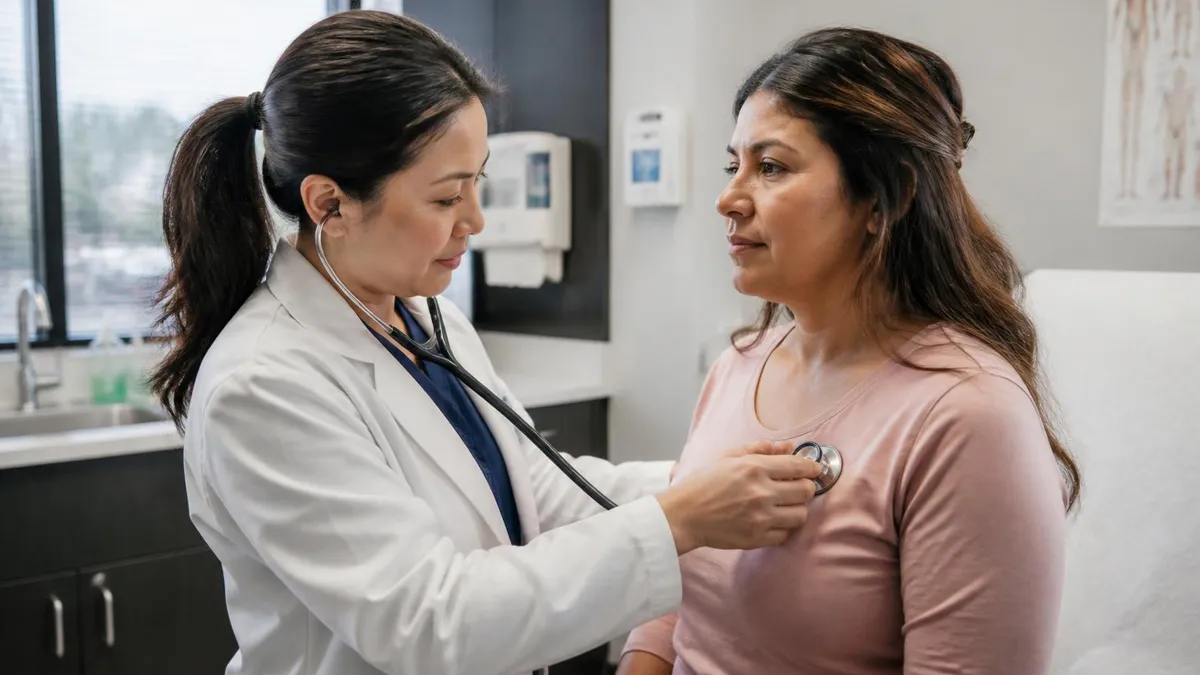
Nurse practitioner scope of practice laws differ substantially across US states. Before accepting a position or relocating, NPs should verify the specific practice authority, prescriptive authority, and supervision requirements in their target state through the relevant state board of nursing. Full practice authority states allow independent practice, while restricted practice states may require collaborative or supervisory agreements with physicians that can limit career options and geographic flexibility.
The modern nurse practitioner workforce is remarkably diverse in setting, specialty, and scope. Today's NPs practice not only in traditional primary care offices but in emergency departments, surgical suites, oncology infusion centers, hospice programs, correctional health facilities, occupational health clinics, and through direct-to-consumer telehealth platforms that reach patients in every time zone. This breadth of practice reflects the successful expansion of NP education into virtually every clinical specialty and the growing recognition by healthcare employers that NPs bring genuine value across the care continuum, not just in underserved primary care settings.
Telehealth has become one of the most significant practice settings for contemporary NPs, and its growth was dramatically accelerated by the COVID-19 pandemic. NPs had been providing telehealth services for years before 2020, particularly in rural health programs and mental health services, but pandemic-era regulatory flexibilities and patient acceptance of virtual care produced an explosion of NP-led telehealth. Mental health NPs prescribing antidepressants and mood stabilizers via video, family NPs managing chronic conditions through remote monitoring and secure messaging, and dermatology NPs reviewing skin lesions via high-resolution photographs are now routine features of the American healthcare landscape, not experimental innovations.
NP-owned and NP-led practices have proliferated in states with full practice authority, filling access gaps that physician practices have been unable or unwilling to address. Many NP entrepreneurs have opened clinics in food deserts, in communities of color with historically poor healthcare access, in rural counties without a single primary care physician, and in neighborhoods where the uninsured population is highest.
These NP-owned practices frequently offer extended evening and weekend hours, direct primary care membership models, and culturally and linguistically concordant care for specific immigrant communities. They represent the original vision of Loretta Ford and Henry Silver made real at scale: nurses using expanded clinical authority to reach patients who would otherwise go without care.
The mental health NP specialty deserves particular attention in any discussion of the modern NP workforce. The United States faces a catastrophic shortage of mental health providers, with estimates suggesting that fewer than half of Americans with serious mental illness receive adequate treatment.
Psychiatric-mental health nurse practitioners (PMHNPs) have become essential members of the behavioral health workforce, providing medication management, diagnostic evaluation, and brief therapy across outpatient clinics, inpatient psychiatric units, community mental health centers, and telehealth platforms. In many rural counties, the PMHNP is the only prescriber of psychiatric medications within a 100-mile radius, making their role not merely important but life-saving for patients with severe depression, bipolar disorder, or schizophrenia.
Workforce data projects continued strong growth for the NP profession through at least 2035. The Bureau of Labor Statistics projects that NP employment will grow by approximately 45 percent over the next decade, making it one of the fastest-growing occupations in the entire US economy.
This growth is driven by multiple converging forces: the aging of the baby boom generation creating unprecedented demand for chronic disease management and geriatric care, the retirement of large numbers of primary care physicians, the expansion of health insurance coverage, and the continued policy movement toward full practice authority that allows NPs to practice more efficiently and in more settings. No credible healthcare workforce analysis envisions meeting future demand without a substantially larger and more enabled NP workforce.
Diversity within the NP profession remains an area of active focus and ongoing work. While nursing has historically been a more diverse profession than medicine in terms of gender representation, NPs are still predominantly white and female, a demographic profile that does not reflect the patients they serve in many communities.
Professional organizations and nursing schools are investing in pipeline programs, scholarship funds, and mentorship initiatives designed to recruit and retain NPs from underrepresented racial and ethnic backgrounds, first-generation college students, and men, who remain a small minority in both nursing and advanced practice nursing despite significant outreach efforts over the past two decades.
For those considering NP careers, the historical trajectory of the profession offers genuine encouragement. The regulatory environment continues to expand. Salaries have grown substantially. The scope of clinical opportunity is broader than at any point in the profession's history. Understanding this history not only contextualizes current debates about NP authority and education standards — it reveals a profession that has consistently earned greater trust, responsibility, and recognition through demonstrated excellence and unwavering commitment to patient access and care quality.
Preparing for NP certification examinations requires a strategic understanding of both the content domains tested and the clinical reasoning skills that distinguish a competent practitioner from one who merely memorized facts. The national certification examinations offered by the ANCC and AANP are not simple recall tests. They present complex clinical vignettes requiring candidates to integrate knowledge of pathophysiology, pharmacology, epidemiology, and health promotion to arrive at the correct diagnosis, order the appropriate tests, and select the most evidence-based treatment. This integrative approach to assessment reflects the reality of NP practice, where clinical decisions rarely involve a single variable in isolation.
The family nurse practitioner examination is the most commonly sought NP credential in the United States, reflecting the dominant role of the FNP track in NP education and the broad clinical scope that makes FNPs employable across so many settings. The AANP FNP examination tests content across the full lifespan, from neonates to centenarians, covering common and emergent conditions in primary care, health promotion, disease prevention, and management of complex chronic illness.
Candidates who perform best typically combine systematic content review with extensive practice question work, using questions not simply to check their knowledge but to practice the clinical reasoning process that the examination rewards.
Adult-gerontology primary care and acute care NP certifications have become increasingly important as the US population ages and healthcare systems expand their advanced practice nursing roles in complex inpatient and specialty settings. The adult-gerontology acute care NP (AGACNP) examination administered by the ANCC focuses specifically on the management of acutely and critically ill adult and older adult patients, covering content from hemodynamic monitoring to complex medication management to end-of-life care planning.
Candidates for this examination should have substantial clinical experience in acute care settings and should supplement that experience with structured content review in areas like critical care pharmacology and sepsis management protocols.
Psychiatric-mental health NP certification has seen growing demand as the mental health crisis in the United States deepens. The PMHNP board examination covers psychiatric diagnosis across the DSM-5 framework, psychopharmacology, psychotherapy modalities, and special populations including children, geriatric patients, and those with co-occurring substance use disorders. Many candidates find that their clinical training has given them strong diagnostic and psychopharmacology skills but that they need more deliberate preparation in psychotherapy theory and in the management of psychiatric emergencies. Practice examinations that include these content areas are particularly valuable for identifying and closing those gaps before examination day.
Pediatric NP certification, offered in both primary care and acute care tracks by the Pediatric Nursing Certification Board (PNCB) and ANCC, tests candidates on child and adolescent development, common childhood illnesses, complex pediatric conditions, and family-centered care approaches. The acute care track includes content on pediatric resuscitation, respiratory failure, and management of critically ill neonates and children. Candidates who have trained in pediatric primary care and are seeking the acute care credential often benefit from additional simulation experience and targeted review of inpatient pediatric protocols before sitting for examination.
Regardless of specialty, every NP candidate should develop a structured study plan that allocates time across all major content domains, incorporates regular practice question sessions, and builds in time for review of high-yield pharmacology. Many successful candidates report that weekly practice question sessions beginning six months before examination date, combined with a focused content review course, represents the optimal preparation strategy. Spacing review sessions over several months rather than cramming in the weeks immediately before the examination takes advantage of spaced repetition learning principles and produces more durable retention of complex clinical content.
Community support and peer study groups have also proven valuable for many NP candidates. Studying with colleagues who are preparing for the same examination creates accountability, enables peer teaching of difficult concepts, and provides emotional support during a stressful preparation period. Online NP study communities, many of which are organized by specialty and certification body, offer forums where candidates can ask questions, share resources, and learn from the experiences of recently certified NPs. These communities have become an important informal supplement to formal review courses and textbooks in the modern NP certification preparation ecosystem.
Sample NP - Nurse Practitioner Practice Questions
Try these questions from our free NP - Nurse Practitioner practice tests. The correct answer and an explanation follow each question.
A nurse practitioner is assessing a pediatric patient for developmental delay. At what age should a child definitively be referred for evaluation if they are not yet walking independently?
- A. 12 months
- B. 15 months
- C. 18 months
- D. 24 months
Answer: C. 18 months
Independent walking is an expected milestone by 12–15 months; failure to walk by 18 months is a red flag that warrants formal developmental evaluation.
How should Nurse Practitioner professionals handle conflicts with stakeholders?
- A. Avoid all conflict
- B. Address issues professionally through active listening, finding common ground, and seeking resolution
- C. Escalate immediately to management
- D. Ignore stakeholder concerns
Answer: B. Address issues professionally through active listening, finding common ground, and seeking resolution
This is fundamental to Nurse Practitioner practice. Address issues professionally through active listening, finding common ground, and seeking resolution represents the professional standard for communication in the NP certification framework.
Which of the following is the PRIMARY goal of health information exchange (HIE) for a nurse practitioner treating an unresponsive patient in an urgent care setting?
- A. To retrieve the patient's insurance billing history
- B. To quickly access the patient's current medication list, allergies, and recent diagnoses from outside facilities to guide immediate treatment decisions
- C. To transfer the patient's social media health posts into the EHR
- D. To automate prior authorization for diagnostic tests
Answer: B. To quickly access the patient's current medication list, allergies, and recent diagnoses from outside facilities to guide immediate treatment decisions
HIE enables rapid access to existing clinical data from disparate sources, preventing medication errors and enabling informed urgent care decisions for patients who cannot provide history.
A nurse practitioner's practice adopts a Lean QI approach. Which concept is Lean PRIMARILY focused on eliminating?
- A. Statistical variation in outcomes
- B. Waste in processes that does not add patient value
- C. Hierarchical decision-making structures
- D. Unnecessary clinical documentation
Answer: B. Waste in processes that does not add patient value
Lean methodology, derived from the Toyota Production System, targets elimination of waste (muda) in all forms to maximize patient value.
NP Questions and Answers
Nurse Practitioner vs Physician Assistant: Side-by-Side

Travel Nurse Practitioner Salary: 2026 Pay Guide, Contract Rates, Stipends, and How to Maximize Your Earnings

Nurse Practitioner Taxonomy Code: Complete 2026 Guide to NPI Classification, Specialty Codes, and Billing Compliance

Family Nurse Practitioner Remote Jobs: Complete 2026 Guide to Telehealth Careers

Nurse Practitioner Specialties: Complete 2026 Guide to Every NP Track
About the Author

Registered Nurse & Healthcare Educator
Johns Hopkins University School of NursingDr. Sarah Mitchell is a board-certified registered nurse with over 15 years of clinical and academic experience. She completed her PhD in Nursing Science at Johns Hopkins University and has taught NCLEX preparation and clinical skills courses for nursing students across the United States. Her research focuses on evidence-based exam preparation strategies for healthcare certification candidates.