
Notario Publico: What It Means and How It Differs from US Notary 2026 October
📗 Understand notario publico vs US notary public: legal differences, scope of authority, and why this distinction matters for Spanish speakers.

Notario publico is a Spanish-language term that means very different things in different countries — and this difference matters significantly for Spanish-speaking immigrants and others who interact with notarial services in the United States. In Mexico, Spain, and most Latin American countries, a notario publico is a highly trained legal professional, often with credentials similar to attorneys, who can draft contracts, certify legal documents, and provide legal advice. In the United States, a notary public has much more limited authority — primarily verifying the identity of signers and witnessing signatures on documents.
This distinction creates serious confusion for Spanish-speaking immigrants who may assume that notarios publicos in the U.S. have the same legal authority as in their home countries. The confusion has been exploited by unauthorized practice of law cases where unscrupulous notaries (or people falsely advertising as notarios) have provided immigration legal services they weren't qualified to provide, sometimes with serious consequences for clients including deportation. Several U.S. states have passed laws specifically requiring notaries to disclose this distinction in their advertising.
For someone in the U.S. who needs a Spanish-speaking notary public — to notarize documents in Spanish or to communicate in Spanish during the notarization process — the term "notario publico" appearing in Spanish-language advertising might still refer to a U.S. notary public, but the linguistic confusion can lead to expectations beyond what the notary actually offers. Understanding both the linguistic differences and the legal scope-of-practice differences helps Spanish-speakers find the right professional for their actual needs.
This guide explains the differences between notarios publicos in Spanish-speaking countries and notary publics in the United States, explores the implications for immigrants seeking legal services, and provides guidance on finding appropriate professionals for various legal and notarial needs. Whether you're seeking notarial services or trying to understand differences in legal systems, you'll find clear practical information here.
The historical roots of the notario publico tradition trace back to civil law systems in Europe, particularly Spain, which spread the concept throughout Latin America during the colonial period. Civil law systems generally rely on highly trained notarios for many document drafting and legal certification functions that common law systems (like the U.S.) handle through licensed attorneys.
The terminology that survived as Latin American countries developed independent legal systems retained the high-authority meaning, while the U.S. notary public concept emerged separately from English common law traditions with much narrower authority. The two systems aren't related historically, despite sharing a similar name.

Latin American notario: Highly trained legal professional similar to an attorney; can draft contracts, certify documents, provide legal advice
U.S. notary public: Verifies signer identity and witnesses signatures; cannot provide legal advice
Common misconception: Spanish-speakers may expect U.S. notarios to have legal authority they don't have
Risk: Unauthorized practice of law cases have harmed immigrants relying on misadvertised services
State laws: Many U.S. states require notaries advertising in Spanish to disclose the distinction
To understand the difference between Latin American notarios and U.S. notaries, it helps to look at their respective training and authority. In Mexico, becoming a notario publico requires completing a law degree, passing rigorous additional examinations, and being appointed by the state government — typically only after extensive experience as a practicing attorney. The number of notarios in Mexico is limited by law, making the position both prestigious and well-compensated. Notarios there draft real estate contracts, prepare wills, certify business formations, and handle many transactions that in the U.S. would require an attorney.
The U.S. notary public, by contrast, is appointed by individual states with much lower requirements. Most states require: 18+ years old, U.S. citizen or permanent legal resident, residence in the state of appointment, completion of a brief application, often a short course or examination, and modest fees. The training emphasizes proper notarial acts (acknowledgments, jurats, oaths, copy certifications) but explicitly does not provide legal training. Notaries in the U.S. are administrators, not legal practitioners.
The scope of what U.S. notaries can do is narrowly defined: identify the signer (usually through government-issued ID), confirm willingness to sign (no coercion), administer oaths or affirmations, take acknowledgments, perform jurats, certify copies, witness signatures. Notaries cannot draft legal documents, give legal advice about what someone should sign, recommend whether a contract is favorable, or perform any legal analysis. Crossing this line into unauthorized practice of law carries serious consequences for the notary and potentially for the client. The public notary page covers these scope distinctions in more detail.
The harm caused by confusion about these terms has been documented in numerous cases. Spanish-speaking immigrants seeking help with immigration matters have approached people advertising as notarios, expecting comprehensive legal services. The unauthorized providers have prepared immigration paperwork incorrectly, missed critical filing deadlines, given dangerous legal advice, or simply taken money for services they didn't actually provide. Victims have faced deportation, denied immigration benefits, and financial losses, often with limited recourse because they entered the relationships in good faith based on cultural expectations of what notarios should be.
State responses to this problem have included specific advertising disclosures required of notaries who serve Spanish-speaking communities. California, Texas, Florida, Arizona, and many other states require Spanish-language notary advertising to include statements clarifying that the notary cannot provide legal services and is not equivalent to notarios in Latin American countries.
Violations can result in fines, loss of notary commission, and even criminal charges in egregious cases. Compliance with these requirements protects both notaries and the public from the confusion that has caused so much harm. The notario publico cerca de mi resource specifically addresses how to find appropriate notarial services in your area.
Spanish-language disclosures required by states for notaries advertising their services typically include specific language. California requires Spanish-language notary advertisements to include statements like "Yo no soy abogado y no puedo dar consejos legales" (I am not an attorney and cannot give legal advice). Texas, Florida, Arizona, and other states with significant Spanish-speaking populations have similar requirements. These disclosures serve as basic consumer protection by ensuring at least some clarity reaches potential customers, though they don't fully solve the cultural assumption gap they're meant to address.
Authorities Compared
Law degree required. Highly trained in contract law, real estate, business, and family law. Drafts legally binding documents. Provides legal advice. Certifies documents and transactions. Often has additional certifications and bar membership equivalents.
No legal training required. Verifies signer identity and witnesses signatures. Cannot draft documents or provide legal advice. Performs acknowledgments, jurats, oaths, copy certifications. Limited scope clearly defined by state law.
Law degree (JD) and bar exam required. Drafts contracts, provides legal advice, represents clients in legal matters. Can also act as notary if commissioned but does much more. The U.S. equivalent of what a Latin American notario is, in terms of legal authority.
Bilingual attorneys serving Spanish-speaking clients combine the legal authority of a U.S. attorney with the language access Spanish-speaking immigrants need. Often the right choice for complex legal matters that require both bilingual communication and legal expertise.
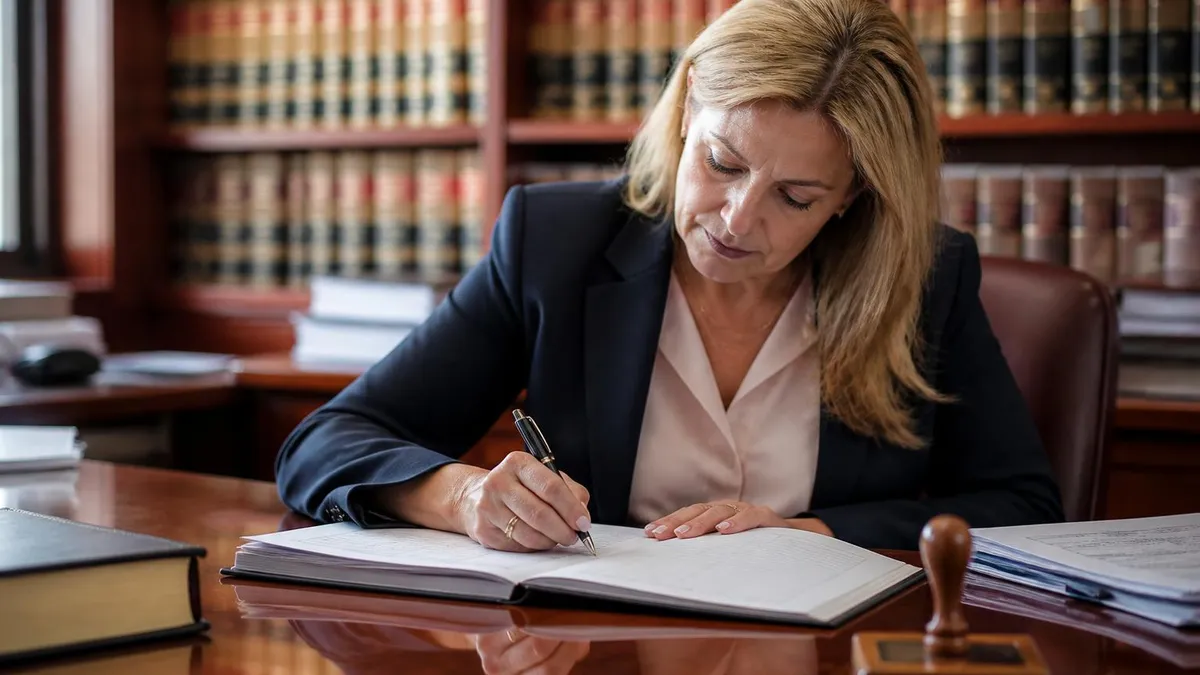
For Spanish-speaking individuals in the United States, finding the right professional for various legal needs requires understanding which type of help applies to your situation. For simple notarization (witnessing a signature, certifying identity), a U.S. notary public who speaks Spanish is appropriate and adequate. For drafting contracts, immigration matters, family law, or anything requiring legal analysis, you need an attorney — ideally a bilingual one — not a notary.
Finding bilingual attorneys for legal matters has become easier in recent years. Many state bar associations maintain lawyer referral services that include Spanish-speaking attorneys. Legal aid organizations specifically serving immigrant communities provide low-cost or free representation for qualifying matters. Pro bono programs through bar associations sometimes match volunteer attorneys with clients needing language assistance. Avocats Sans Frontières, AILA (American Immigration Lawyers Association), and state-level immigrant rights organizations all have networks for connecting Spanish-speakers with appropriate legal help.
For routine notarial services — witnessing a signature on a power of attorney, notarizing a vehicle title transfer, certifying a copy of an identity document — finding a Spanish-speaking notary may simplify the experience. Many banks, shipping centers (UPS Store, FedEx), and notary mobile services employ Spanish-speaking notaries for these routine matters. The cost is typically nominal ($5-$15 per notarization in most states) and the service is straightforward when properly understood. The notary public services resources cover the standard notary public scope and what to expect from these routine interactions.
Online notarization (remote online notarization or RON) has grown rapidly since the pandemic. Multiple states now permit notarization conducted via video call, with the notary verifying the signer's identity through digital means and witnessing the signing electronically. This service often costs more than in-person notarization ($25-$75) but offers convenience for people unable to visit a physical notary location. Spanish-speaking RON services exist for users who prefer that language. The technology continues to evolve, and acceptance varies by jurisdiction — verify your specific document needs are RON-eligible before relying on this approach for important matters.
For consumer protection in finding the right help, several principles apply universally. Always verify credentials before engaging anyone for legal services — bar membership for attorneys, notary commission for notaries, accreditation for immigration consultants in BIA-recognized organizations. Get written agreements describing services and fees before paying. Avoid anyone promising guaranteed legal outcomes or unusually fast results. Get second opinions for significant legal matters, especially immigration cases that affect long-term family or financial situations. Building these consumer protection habits prevents most of the worst exploitation cases that have harmed Spanish-speaking communities historically.
For online research about whether a specific person can provide legal services, several official resources help. State bar association attorney lookup tools verify whether someone is a licensed attorney. The Department of Justice's BIA-recognized organization list verifies who's authorized for immigration practice. State notary commission databases verify notary commissioning status. Better Business Bureau listings sometimes reveal complaint patterns. Combining these checks before engaging anyone for legal-style services takes 15-30 minutes but provides solid protection against fraud.
When You Need Each Type of Help
A U.S. notary is appropriate for:
- Witnessing signatures on legally drafted documents
- Certifying identity of someone signing a document
- Notarizing affidavits that an attorney has prepared
- Power of attorney signatures drafted by attorneys
- Vehicle title transfers and similar routine paperwork
The notary is just verifying who signed and that they signed willingly — not providing any legal review.

Becoming a U.S. notary as a bilingual person opens opportunities to serve Spanish-speaking communities ethically. The basic requirements are the same regardless of language ability: complete the application, pass any required exam, post bond if required by your state, take any required oath, and receive your commission. Many states' notary education materials are available in Spanish, simplifying the path for bilingual candidates. Once commissioned, ethically serving Spanish-speaking clients requires being explicit about the limited scope of notary authority versus what they may expect from notarios in their countries of origin.
For bilingual notaries serving Spanish-speaking communities, ethical practice means consistently explaining the scope of notary services in clear language, refusing to provide legal advice or document drafting beyond notary duties, being aware of state-specific advertising disclosure requirements, and being prepared to refer clients to appropriate legal services when their needs exceed notary scope. The notarial relationship works best when both parties have clear, accurate expectations about what the service involves.
The notary practice tests help candidates prepare for the notary exam in their state. Most states have notary exams that test knowledge of state-specific notary law, ethical responsibilities, and proper notarial acts. The exam is typically multiple choice, takes 30-90 minutes, and has passing scores in the 70-80% range. Resources are widely available; most candidates pass on the first attempt with adequate preparation.
For business owners or organizations regularly serving Spanish-speaking customers, having a bilingual notary on staff (or partnered with a regular bilingual notary contractor) provides valuable customer service. Banks, mortgage companies, immigration legal services firms, and many other business types benefit from this capability. Investing in notary commissioning for bilingual employees creates skill diversification while improving customer service for Spanish-speaking clients who may need both language access and notarial services.
Looking forward, as the U.S. Spanish-speaking population continues growing, the importance of clear distinctions between notarios publicos and notary publics will continue. State legislative action requiring disclosure has reduced some of the most egregious confusion, but the fundamental linguistic and conceptual difference between these terms remains. Continued public education about what each role actually entails, combined with honest professional practice by bilingual notaries and attorneys, supports better outcomes for the communities most affected by this confusion historically.
U.S. notaries cannot provide legal advice, draft contracts, file immigration paperwork, or perform other legal services. Anyone advertising these services as a notario in the U.S. without being a licensed attorney is engaging in unauthorized practice of law. Always verify whether someone offering legal-style services is actually a licensed attorney by checking with your state bar association before paying for services or signing documents. The few minutes of verification can prevent serious harm to your legal status and finances.
For immigrant rights organizations and legal aid groups, the notario problem represents an ongoing community education priority. Many organizations distribute multi-lingual materials explaining the differences and warning about unauthorized practice. Community workshops at churches, community centers, and consulates provide direct education to potentially vulnerable populations. Building this awareness gradually shifts the cultural assumption that someone advertising as a notario can provide legal services in the U.S., though the work continues year after year as new immigrants arrive and need similar information.
The legal industry itself has evolved partial responses to the underlying need. Bilingual law firms specifically serving Spanish-speaking communities have grown significantly. Some firms offer pricing structures that better fit the budgets of working-class immigrant clients. Pro bono and reduced-fee services through state bar associations serve clients who can't afford full-rate representation. These developments don't completely solve the access problem but represent improvements over the situation a decade ago.
For policymakers, the notario problem highlights broader access-to-justice issues. Immigrants and others who don't speak English fluently face significant barriers in U.S. legal systems even when they need standard legal services. Language access is one barrier; cultural unfamiliarity with U.S. legal terminology and processes is another; financial barriers add a third. Comprehensive access-to-justice reform requires addressing all of these together rather than treating them as separate issues. The notario confusion is one symptom of broader systemic challenges that affect millions of people in the U.S. legal system.
For individuals navigating this landscape, the key insights remain practical: U.S. notaries cannot provide legal services regardless of how they advertise themselves; bilingual attorneys serve the actual legal-services needs that Latin American notarios traditionally fill; verification of credentials before paying for services protects you from exploitation; and several free or low-cost resources exist for those who can't afford full-rate legal representation. Combining these insights with healthy skepticism of anyone promising fast or guaranteed legal outcomes produces better protection than relying on any single safeguard.
For Spanish-speaking communities, the bottom line is simple: in the U.S., notario publico generally means notary public, not the legal professional from your home country. Recognizing this difference protects you and your family from the most common source of immigration and legal services fraud affecting Spanish-speaking communities. When you need legal services, find a licensed attorney; when you need notarial services, find a notary public; and never assume the two are the same person regardless of how the services are advertised.
Notary vs. Notario Quick Facts
Key Facts at a Glance
| Item | Value | Details |
|---|---|---|
| Required to be a notario publico in most Latin American countries | Law degree | |
| Required for U.S. notary public commissioning | No legal training | |
| Typical fee per notarization in U.S. | $5-$15 | |
| Typical U.S. notary public exam length | 30-90 min |
Choosing the Right Service for Your Needs
- +U.S. notary: inexpensive, accessible, sufficient for routine notarial acts
- +Bilingual attorney: full legal authority plus language access for complex matters
- +BIA-accredited representative: low-cost immigration services with proper authority
- +Legal aid: free or reduced-cost representation for qualifying matters
- +Online notarization: convenience for people unable to visit physical locations
- −U.S. notary: no legal services authority — only routine notarial acts
- −Attorney: more expensive than notary services for matters needing legal expertise
- −Verifying credentials: takes time but essential to prevent unauthorized practice fraud
- −Online notarization: not accepted for all document types or in all jurisdictions
- −Misadvertised notarios: can cause serious harm to immigrants relying on cultural assumptions
Notary Questions and Answers
About the Author
Notary Public Law Expert & State Notary Exam Specialist
Georgetown University Law CenterAttorney Sarah Williams is a licensed attorney and National Notary Association (NNA) certified notary with a Juris Doctor from Georgetown University Law Center. She has 13 years of experience in notarial law, document authentication, and real estate closings. Sarah coaches candidates through state notary public examinations, notary signing agent certification, and loan signing agent training programs.