
Valium Before MRI: What You Need to Know About Sedation, Safety, and What to Expect
Everything about valium before MRI — dosing, safety, claustrophobia relief, and what to expect. ✅ Complete 2026 patient guide.
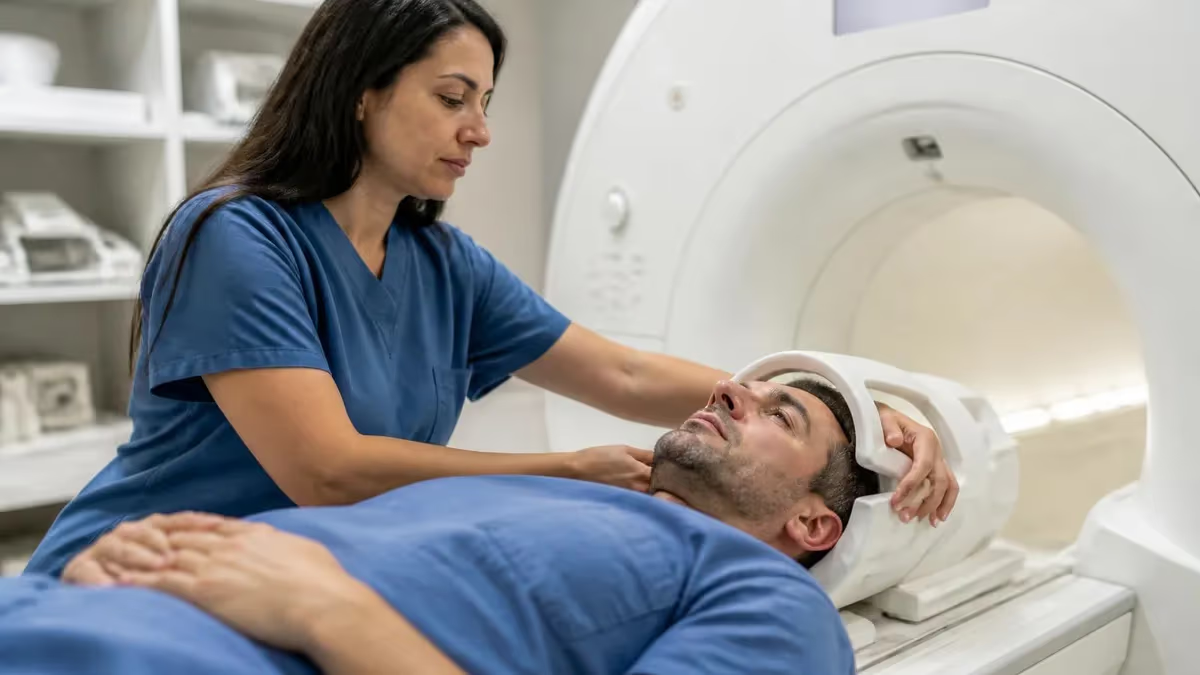
Taking valium before an MRI is one of the most common approaches physicians use to help patients manage anxiety, claustrophobia, and the psychological discomfort that often accompanies magnetic resonance imaging. Diazepam — the generic name for Valium — belongs to the benzodiazepine class of medications and works by enhancing the effect of gamma-aminobutyric acid (GABA) in the brain, producing a calming, sedating effect that can make a 30- to 90-minute scan feel far more manageable for nervous patients.
Claustrophobia affects a surprisingly large proportion of the population. Studies suggest that between 5% and 10% of all scheduled MRI appointments are cancelled or cannot be completed due to patient anxiety, with claustrophobia being the primary driver. The narrow bore of a standard 1.5 Tesla or 3 Tesla MRI machine — typically about 60 to 70 centimeters in diameter — combined with the loud, repetitive banging noises of the scan sequences can trigger intense stress responses, even in patients who do not consider themselves particularly anxious in everyday life.
For patients who struggle with the enclosed environment, physicians have several options ranging from breathing techniques and open-bore scanners to full general anesthesia. Oral diazepam sits in the middle of this spectrum — it is significantly more potent than relaxation techniques alone, yet far less invasive and risky than intravenous sedation or general anesthesia administered in a hospital setting. Its predictable pharmacological profile, decades of clinical use, and relatively low cost make it a go-to first-line option at many imaging centers across the United States.
Before your appointment, it is essential to understand that valium before MRI requires advance planning. Most imaging facilities cannot simply dispense the medication on the day of the scan — your ordering physician or primary care provider must issue a prescription in advance, often requiring a brief consultation. You will also need to arrange for a driver, because diazepam impairs reaction time, coordination, and cognitive function for several hours after administration, making it unsafe and often illegal to operate a motor vehicle or heavy machinery.
The typical oral dose prescribed for MRI sedation ranges from 5 mg to 10 mg, taken approximately 30 to 60 minutes before the scheduled scan time. Individual response varies based on body weight, age, liver function, tolerance to benzodiazepines, and concurrent medications. Older adults and those with hepatic impairment metabolize diazepam more slowly and are therefore more sensitive to its effects, often requiring lower doses to achieve the same level of anxiolysis without excessive sedation.
If you are studying for a certification in MRI technology or simply want to deepen your knowledge of patient management protocols, understanding valium before mri in the clinical context of diffusion-weighted imaging and patient preparation is an important piece of the broader puzzle. Patient cooperation directly affects image quality — motion artifacts caused by an anxious or fidgeting patient can render sequences non-diagnostic, wasting resources and delaying care.
This comprehensive guide covers everything patients, caregivers, and MRI technologists need to know about diazepam sedation for MRI: how it works, who qualifies, proper dosing protocols, contraindications, what to expect on the day of the scan, and how to ensure a safe, successful imaging experience from start to finish.
MRI: upcoming dates and official changes
- Aug 17, 2026: ARRT launched a separate entry-level Imaging Assistant, Magnetic Resonance (I.A.) credential. A reduced $75 fee applied to applications made Aug. 17–Oct. 14, 2026, for testing Oct. 15–Nov. 30, 2026. Later applicants pay $225 and can test on or after Jan. 1, 2027. (The American Registry of Radiologic Technologists)
Facts verified Oct 15, 2026 against The American Registry of Radiologic Technologists. Dates that have passed are removed automatically.
- The ARRT MRI exam for postprimary-pathway candidates has 220 questions: 200 scored and 20 unscored pilot items. (assets-us-01.kc-usercontent.com)
- The ARRT MRI exam for primary-pathway candidates has 230 questions: 200 scored and 30 unscored pilot items. (assets-us-01.kc-usercontent.com)
- Postprimary-pathway candidates get 210 minutes for the ARRT MRI exam, inside a 230-minute (3 hours, 50 minutes) appointment. (assets-us-01.kc-usercontent.com)
- Primary-pathway candidates get 230 minutes for the ARRT MRI exam, inside a 250-minute (4 hours, 10 minutes) appointment that also covers the tutorial, the NDA and a survey. (assets-us-01.kc-usercontent.com)
- To pass the ARRT MRI exam you need a total scaled score of 75 on ARRT's 1–99 scale. This is not a percentage. (The American Registry of Radiologic Technologists)
- The ARRT MRI exam through the postprimary pathway costs $225, or $450 for candidates whose supporting credential is from NMTCB or ARDMS. (The American Registry of Radiologic Technologists)
- The ARRT MRI certification exam costs $225 to apply for through the primary eligibility pathway. (The American Registry of Radiologic Technologists)
- ARRT MRI candidates have three attempts to pass the exam, all within three years of the date their first exam window opens. (assets-us-01.kc-usercontent.com)
- ARRT MRI certification and registration lasts 10 years, even with annual renewal. After that, holders must complete Continuing Qualifications Requirements (CQR). (assets-us-01.kc-usercontent.com)
Facts verified Oct 15, 2026 against The American Registry of Radiologic Technologists. Dates that have passed are removed automatically.
MRI Exam at a Glance
| Item | Detail | Official source |
|---|---|---|
| Number of questions (Postprimary pathway) | 220 questions (200 scored + 20 unscored pilot) | assets-us-01.kc-usercontent.com |
| Number of questions (Primary pathway) | 230 questions (200 scored + 30 unscored pilot) | assets-us-01.kc-usercontent.com |
| Time limit (Postprimary pathway) | 210 minutes test time (230-minute appointment) | assets-us-01.kc-usercontent.com |
| Time limit (Primary pathway) | 230 minutes test time (250-minute appointment) | assets-us-01.kc-usercontent.com |
| Passing score | Scaled score of 75 (scale 1–99) | The American Registry of Radiologic Technologists |
| Exam fee (Postprimary pathway) | $225 application fee ($450 with an NMTCB or ARDMS supporting credential) | The American Registry of Radiologic Technologists |
| Exam fee (Primary pathway) | $225 application fee | The American Registry of Radiologic Technologists |
| Retake policy | 3 attempts within 3 years of the first exam window | assets-us-01.kc-usercontent.com |
| Validity | 10 years, then Continuing Qualifications Requirements (CQR) | assets-us-01.kc-usercontent.com |
| Renewal | Annual renewal, $65/year; 24 CE credits every 2 years | assets-us-01.kc-usercontent.com |
| Delivery | Computer-based at Pearson VUE test centers | assets-us-01.kc-usercontent.com |
| Eligibility (Postprimary pathway) | Supporting ARRT credential (or NMTCB/ARDMS) + structured education + clinical experience | assets-us-01.kc-usercontent.com |
| Eligibility (Primary pathway) | ARRT-recognized MRI program + associate degree or higher + ethics | assets-us-01.kc-usercontent.com |
| Score release | Preliminary score at the test center; official results in about 10 business days | The American Registry of Radiologic Technologists |
| Testing window | One-year (365-day) exam window per application | assets-us-01.kc-usercontent.com |
Facts verified Oct 15, 2026 against The American Registry of Radiologic Technologists. Dates that have passed are removed automatically.
MRI Sedation by the Numbers
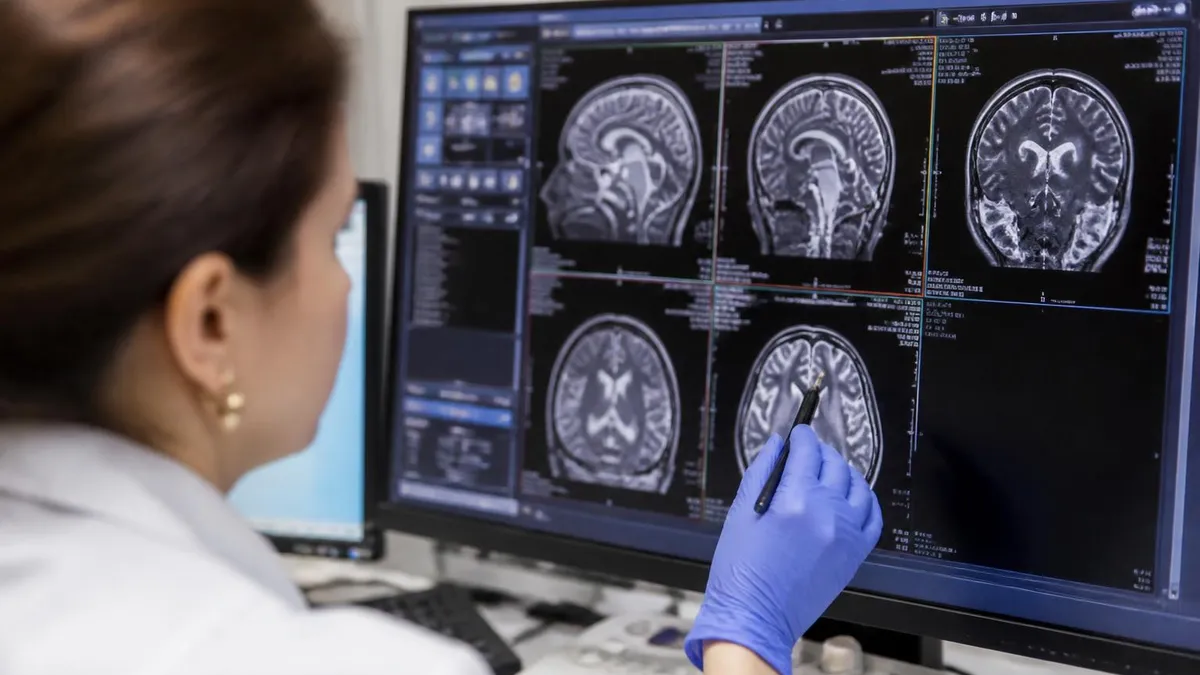
Step-by-Step: Getting Valium Before Your MRI
Contact Your Ordering Physician
Obtain the Prescription and Fill It
Arrange a Responsible Driver
Take the Dose at the Right Time
Arrive Early and Inform the Technologist
Rest and Recover After the Scan
Understanding who qualifies for diazepam sedation before an MRI requires a brief conversation with your prescribing physician. Not every patient who feels nervous about an MRI automatically receives a benzodiazepine prescription — physicians weigh several clinical factors before recommending this approach, including the severity of anxiety, the patient's medical history, any history of substance use disorder, and whether the MRI can be performed in an alternative scanner type such as an open-bore or wide-bore system.
To obtain a prescription, most patients start by calling either their primary care physician or the physician who ordered the MRI. Explain your level of anxiety clearly and specifically — instead of saying you are nervous, describe what happened during a previous attempt, such as needing to exit the scanner, experiencing a panic attack, or feeling unable to breathe. This level of specificity helps the physician determine whether oral diazepam is appropriate or whether you might benefit from a higher level of anxiolysis, such as intravenous midazolam administered by an anesthesiologist.
Some imaging centers have their own protocols for sedation and may have a radiologist or advanced practice provider who can issue the prescription directly as part of the scheduling process. When you call to book your appointment, ask specifically whether the facility offers sedation services, what medications they use, and whether you need to arrange the prescription through your own physician or whether they can handle it internally. Policies vary significantly between outpatient imaging centers, hospital-based radiology departments, and freestanding MRI clinics.
Insurance coverage for sedation is another important practical consideration. Most major insurers cover medically necessary sedation for MRI when documented anxiety or claustrophobia makes the scan otherwise impossible to complete. Your physician may need to include a brief note in the order specifying the clinical indication. Without this documentation, the cost of the medication and any associated sedation monitoring fees may fall to the patient out-of-pocket, though the cost of oral diazepam itself is generally quite low — often just a few dollars with a generic prescription.
Patients with a documented history of claustrophobia, generalized anxiety disorder, post-traumatic stress disorder, or prior failed MRI attempts due to anxiety are typically the strongest candidates for diazepam sedation. However, the medication is not appropriate for everyone. Individuals with severe respiratory depression, sleep apnea that is not managed with a CPAP device, a known allergy to benzodiazepines, or a current or recovering substance use disorder involving alcohol or sedatives may need alternative approaches.
Pediatric patients represent a special population. Children requiring MRI sedation are almost always managed with agents other than oral diazepam — typically inhaled nitrous oxide, oral chloral hydrate, or propofol administered by a pediatric anesthesiologist in a monitored setting. The pharmacokinetics of diazepam in children are less predictable, and the risks of paradoxical reactions — in which the drug produces agitation rather than sedation — are higher in younger patients.
For adults who qualify, the process of obtaining a prescription and preparing for a sedated MRI is straightforward. Clear communication with your physician, advance planning, and proper logistical arrangements — above all, a reliable driver — are the cornerstones of a safe and successful sedated scan experience. Technologists who understand the patient's anxiety level can also play a meaningful role by providing a calming environment, pacing their instructions, and offering comfort measures that complement the pharmacological sedation.
Valium Before MRI: Dosing, Timing, and What to Expect
The standard adult dose of oral diazepam for MRI anxiety ranges from 5 mg to 10 mg, taken 30 to 60 minutes before the scan. Your physician will individualize your dose based on your age, weight, liver function, baseline anxiety level, and whether you have used benzodiazepines before. Older adults, those with liver disease, and patients who are pharmacologically naive typically start at the lower 5 mg end, while younger, otherwise healthy adults with severe claustrophobia may receive a 10 mg dose. Never take a higher dose than prescribed in the hope of achieving stronger sedation — this dramatically increases the risk of respiratory depression, excessive sedation, and fall injury.
Diazepam should be taken with a small amount of water on a relatively empty stomach for faster and more predictable onset. Heavy meals can delay gastric emptying and blunt the onset of effect. Avoid grapefruit juice on the day of your scan, as compounds in grapefruit inhibit the CYP3A4 enzyme that metabolizes diazepam in the liver, potentially causing unexpectedly elevated blood levels. The peak anxiolytic effect typically occurs 60 to 90 minutes after oral administration, so coordinating the exact timing of your dose with your appointment time is critical for achieving maximum benefit during the scan itself.
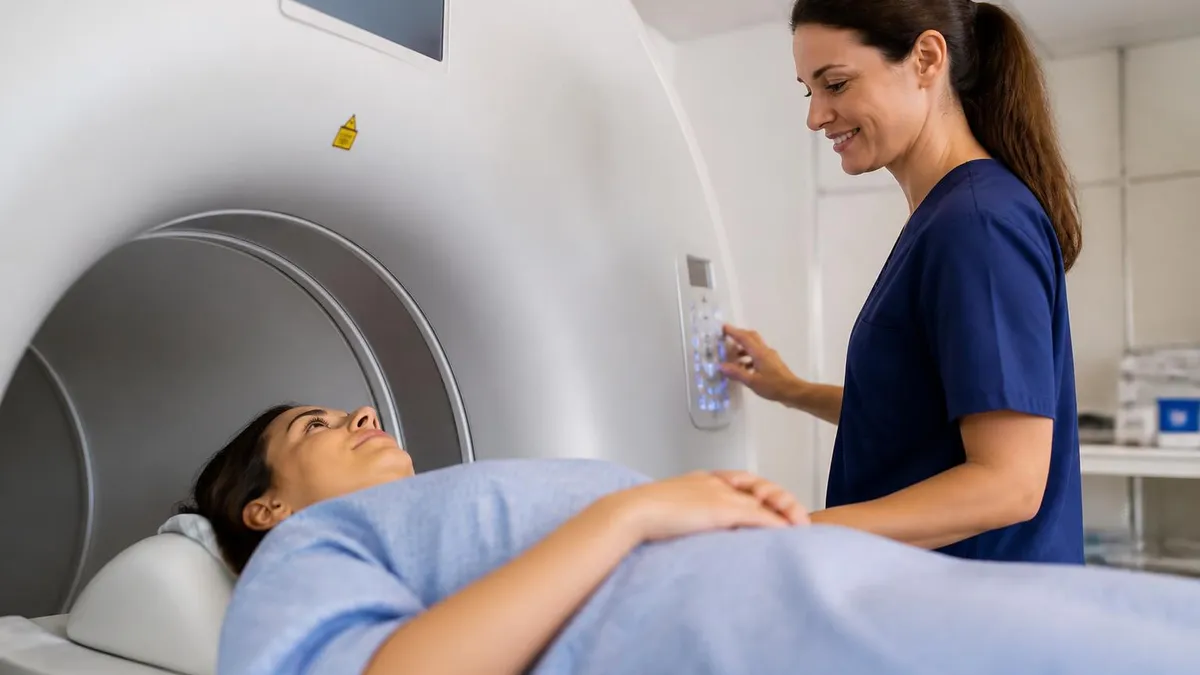
Valium Before MRI: Benefits and Drawbacks
- +Significantly reduces MRI-related anxiety and claustrophobia in most patients
- +Oral administration is simple, non-invasive, and does not require IV placement
- +Generic diazepam is inexpensive — often just a few dollars per dose
- +Allows the scan to be completed in a standard outpatient imaging center without anesthesia staff
- +Predictable onset and well-understood pharmacological profile after decades of use
- +Preserves patient consciousness and ability to follow breathing instructions during the scan
- −Requires advance prescription planning — cannot be dispensed same-day at most facilities
- −Mandates a designated driver for the entire day, which is logistically challenging for some patients
- −Long half-life means sedation persists for hours, limiting same-day activities
- −Not appropriate for patients with substance use disorders, severe respiratory disease, or certain other conditions
- −Risk of paradoxical excitement or agitation in a small subset of patients, particularly older adults
- −May not provide sufficient sedation for patients with severe claustrophobia — higher-level interventions may be needed
Pros and Cons at a Glance
| Pros | Cons |
|---|---|
| Significantly reduces MRI-related anxiety and claustrophobia in most patients | Requires advance prescription planning — cannot be dispensed same-day at most facilities |
| Oral administration is simple, non-invasive, and does not require IV placement | Mandates a designated driver for the entire day, which is logistically challenging for some patients |
| Generic diazepam is inexpensive — often just a few dollars per dose | Long half-life means sedation persists for hours, limiting same-day activities |
| Allows the scan to be completed in a standard outpatient imaging center without anesthesia staff | Not appropriate for patients with substance use disorders, severe respiratory disease, or certain other conditions |
| Predictable onset and well-understood pharmacological profile after decades of use | Risk of paradoxical excitement or agitation in a small subset of patients, particularly older adults |
| Preserves patient consciousness and ability to follow breathing instructions during the scan | May not provide sufficient sedation for patients with severe claustrophobia — higher-level interventions may be needed |
Day-of MRI with Valium: Complete Preparation Checklist
- ✓Confirm your prescription is filled at least 24 hours before your scan appointment.
- ✓Arrange a trusted adult driver who can stay with you for the full day after the dose.
- ✓Avoid alcohol for at least 24 hours before your MRI appointment.
- ✓Eat a light meal before taking your dose — avoid a large, heavy meal that can delay absorption.
- ✓Do not take grapefruit juice on the day of your scan, as it can intensify diazepam's effects unpredictably.
- ✓Take your prescribed dose exactly 30 to 60 minutes before your scheduled scan start time.
- ✓Bring a list of all your current medications to the imaging center for the technologist to review.
- ✓Inform the MRI technologist that you have taken diazepam, including the dose and exact time taken.
- ✓Remove all metal objects — jewelry, piercings, hairpins, and underwire bras — before entering the scan room.
- ✓Use the call button or squeeze ball during the scan to signal the technologist if you feel distressed.
You Will Still Be Conscious — Valium Does Not Put You to Sleep
Many patients mistakenly expect diazepam to render them fully unconscious for the MRI. In reality, a standard 5–10 mg oral dose produces anxiolysis and mild sedation — you will remain awake, aware, and able to follow the technologist's breathing instructions. This is intentional: patient cooperation is essential for image quality. If you require deeper sedation or full unconsciousness, discuss intravenous or general anesthesia options with your physician before your appointment.
Contraindications to diazepam for MRI sedation fall into several distinct categories, and reviewing them carefully with your prescribing physician before your appointment is essential for patient safety. The most critical absolute contraindication is known hypersensitivity or allergy to diazepam or any other benzodiazepine. Allergic reactions to this drug class, while rare, can include urticaria, angioedema, and anaphylaxis — reactions that are medical emergencies and require immediate intervention unavailable in most outpatient imaging centers.
Patients with untreated or severe obstructive sleep apnea face significant risk when taking diazepam. Benzodiazepines relax the muscles of the upper airway and suppress the respiratory drive, which can worsen apneic episodes in susceptible individuals. If you have diagnosed sleep apnea, inform your prescribing physician. In many cases, patients whose sleep apnea is well-controlled with continuous positive airway pressure (CPAP) therapy can still safely receive low-dose oral diazepam, but this determination requires clinical judgment and is made on a case-by-case basis.
Drug interactions represent one of the most commonly overlooked risks associated with diazepam use for MRI sedation. The medication is a central nervous system depressant, and its effects are additive or synergistic with any other CNS-depressant drugs a patient may be taking. Opioid pain medications, muscle relaxants, sleep aids including over-the-counter products such as diphenhydramine, antidepressants with sedating properties, antipsychotics, and certain antihistamines all fall into this category. When combined with diazepam, these medications can produce dangerously deep sedation, respiratory depression, or cardiovascular instability.
Certain medications affect the hepatic metabolism of diazepam through cytochrome P450 enzyme interactions, potentially causing the drug to accumulate at unexpectedly high levels. CYP3A4 inhibitors — including fluoxetine, fluvoxamine, ketoconazole, itraconazole, erythromycin, and clarithromycin — can substantially slow the breakdown of diazepam, extending and intensifying its effects. Conversely, CYP3A4 inducers such as rifampin, carbamazepine, and phenytoin accelerate diazepam metabolism and may reduce its effectiveness, leaving an anxious patient less sedated than expected despite a standard dose.
Pregnancy is a relative contraindication to diazepam. While MRI imaging during pregnancy is generally considered safe and is sometimes medically necessary, particularly in the second and third trimesters, the use of diazepam adds a layer of fetal risk that must be weighed carefully.
Diazepam crosses the placenta and the blood-brain barrier of the developing fetus, and benzodiazepine use during pregnancy has been associated with potential neonatal withdrawal syndromes when used chronically. A single low dose for MRI sedation may be acceptable in certain clinical situations, but this decision requires a careful risk-benefit discussion between the patient, her obstetrician, and the prescribing physician.
Patients with a current or recent history of alcohol use disorder or any other substance use disorder involving benzodiazepines or sedating substances are not ideal candidates for diazepam sedation. In addition to the elevated risk of physical dependence with even a single dose in highly susceptible individuals, there is a clinical and ethical concern about prescribing controlled substances in this population without careful assessment. Alternative approaches — including a wide-bore or open MRI system, behavioral interventions, or referral for anesthesia-managed sedation with intravenous agents that carry lower abuse potential — are generally preferred in this group.
Older adults over age 65 warrant special mention as a population where diazepam should be used with particular caution. The American Geriatrics Society includes benzodiazepines on the Beers Criteria list of medications that are potentially inappropriate for older adults, citing increased sensitivity to CNS-depressant effects and a markedly elevated risk of falls, cognitive impairment, and motor vehicle accidents. For elderly patients who truly cannot tolerate the MRI scan without pharmacological assistance, a lower-than-standard dose, enhanced monitoring, and careful post-procedure supervision are all important protective measures.
You can continue preparing with the open mri near me, which includes answer explanations for every question.
You can continue preparing with the mri abdomen and pelvis cpt code, which includes answer explanations for every question.
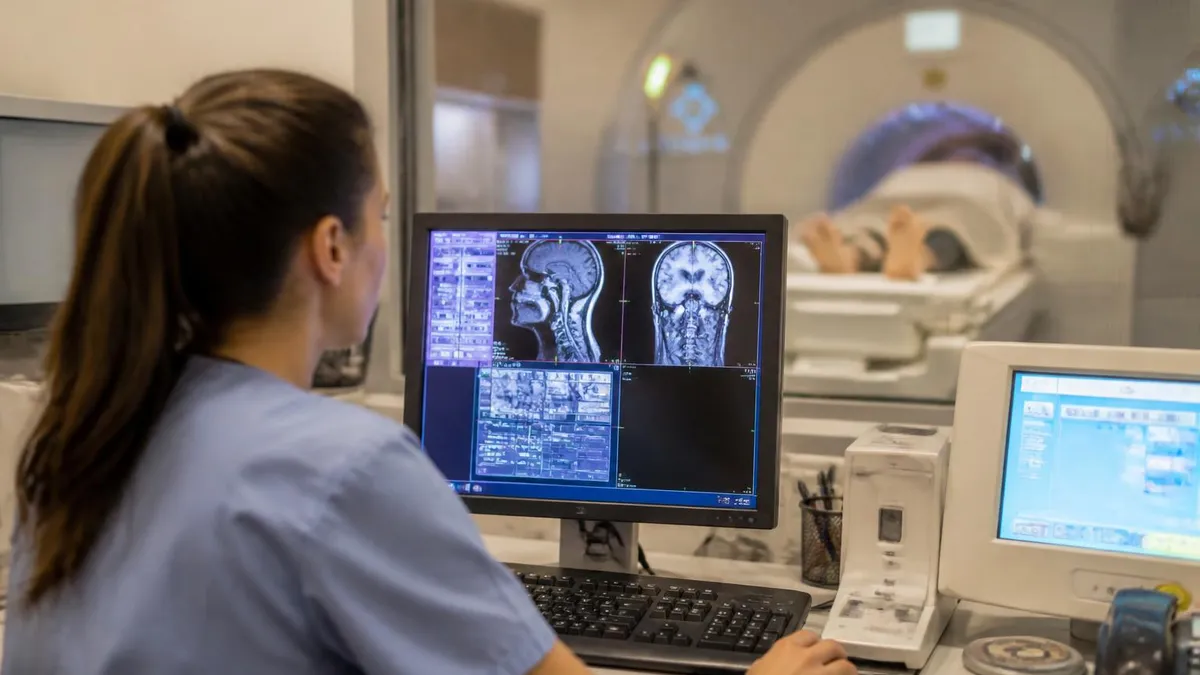
Diazepam impairs driving ability for 12 or more hours after a single oral dose. Most imaging centers require written confirmation that you have arranged a driver before they will administer or allow pre-scan sedation medications. Showing up without a driver will likely result in your appointment being rescheduled. Plan ahead — this requirement is a firm patient safety standard, not a suggestion.
For patients who cannot safely take diazepam, or for whom a standard oral dose proves insufficient, a spectrum of alternative approaches exists for managing MRI-related anxiety. Understanding these options empowers patients to have an informed conversation with their physician and imaging team, rather than simply abandoning the scan or struggling through an unnecessarily distressing experience.
Open-bore and wide-bore MRI scanners represent the most straightforward non-pharmacological solution for mild to moderate claustrophobia. Wide-bore magnets typically measure 70 centimeters in internal diameter compared to the 60-centimeter bore of a standard scanner, providing meaningfully more space and a less confining experience for many patients. True open MRI systems, which use a configuration with open sides rather than a closed cylindrical bore, offer the greatest degree of openness but typically operate at lower field strengths — 0.3 to 1.0 Tesla — than closed-bore systems, which can result in longer scan times or slightly lower image resolution for some applications.
Behavioral and psychological approaches offer another avenue, particularly for patients with mild anxiety or those who wish to avoid medication entirely. Guided relaxation audio tracks, mindfulness-based breathing exercises, and pre-scan virtual reality exposure therapy — in which patients use a VR headset to simulate the MRI experience before the actual appointment — have all demonstrated meaningful reductions in MRI anxiety in published clinical studies. Some radiology departments offer brief pre-scan coaching sessions with a psychologist or trained staff member to teach coping strategies before the patient enters the scanner.
Nitrous oxide inhalation, delivered via a fitted mask in the MRI suite, provides rapid-onset anxiolysis with an extremely short recovery time — most patients are fully alert within five minutes of discontinuing the gas. While not universally available at outpatient imaging centers, facilities that offer nitrous oxide sedation for MRI report high patient satisfaction rates. The short duration of effect is both a benefit — no extended impairment requiring a full day's recovery — and a limitation, since the patient must continue inhaling the gas throughout what can be a lengthy scan sequence.
Intravenous midazolam, administered by a nurse or anesthesiologist in a monitored setting, provides more potent and reliably titratable sedation than oral diazepam. The IV route allows precise dosing adjustments in real time, and midazolam has a shorter half-life than diazepam — typically two to four hours — resulting in faster recovery. Flumazenil, a benzodiazepine antagonist, can reverse midazolam's effects almost immediately if needed, providing an additional safety advantage in the rare event of excessive sedation or respiratory compromise. However, IV sedation requires vascular access, monitoring equipment, and trained personnel, making it more resource-intensive than oral medication.
General anesthesia, administered by a board-certified anesthesiologist or certified registered nurse anesthetist, is reserved for patients with the most severe anxiety, those undergoing very lengthy or complex scan protocols, and pediatric patients who cannot cooperate with the exam. Full general anesthesia eliminates all patient movement and cooperation issues but requires a hospital or ambulatory surgical center environment with full resuscitation capabilities. Recovery takes longer, costs are substantially higher, and the inherent risks of anesthesia — while low in healthy individuals — are non-trivial, particularly for older patients or those with significant comorbidities.
Regardless of which approach is chosen, communication between the patient, the prescribing or supervising physician, and the MRI technologist is the single most powerful tool for ensuring a successful scan. Technologists who are aware of a patient's anxiety can offer more frequent verbal reassurance, break the scan into shorter intervals with rest periods, and create a calming atmosphere that works synergistically with any pharmacological or behavioral intervention. The goal is always the same: to obtain the diagnostic images needed to guide the patient's care while keeping the experience as safe and comfortable as possible.
Practical preparation in the days leading up to a sedated MRI can make a significant difference in how smoothly the experience unfolds. Start by reaching out to the imaging center at least one week in advance to confirm their specific protocol for patients using diazepam — some facilities require patients to check in earlier than usual, while others have specific documentation requirements for controlled substance use on-site. Clarifying these details early prevents stressful surprises on the day of the scan.
Sleep hygiene in the 48 hours before your MRI matters more than many patients realize. Arriving at your scan already sleep-deprived amplifies the CNS-depressant effects of diazepam and increases the risk of feeling excessively groggy or disoriented during and after the procedure. Aim for seven to nine hours of sleep the night before your appointment, avoid late-night caffeine, and minimize alcohol in the days preceding the scan. A well-rested nervous system responds to benzodiazepines more predictably than one that is already running on a deficit.
On the day of the scan, dress comfortably in loose-fitting clothing without metal fasteners, zippers, or underwire. Many imaging centers allow patients to wear their own non-metallic clothing throughout the scan, while others require a hospital gown — confirming this in advance allows you to plan your outfit accordingly. Arriving in the right clothing saves time, eliminates an unnecessary obstacle, and reduces pre-scan stress. Bring your photo ID, insurance card, the prescription medication in its original labeled bottle, and any prior imaging studies that the radiologist may need for comparison.
Communicating your anxiety level clearly to the front desk staff when you arrive helps set the stage for a supportive experience from the very first moment. Do not minimize or downplay your fear — the technologist needs accurate information to adapt their approach and to ensure the appropriate level of monitoring is in place. If your facility has a patient liaison or patient experience coordinator, asking to speak with them before entering the scan room can provide an additional layer of reassurance and practical assistance.
After the scan is complete, resist the temptation to check your results on a patient portal immediately. Under the influence of residual diazepam, your ability to process and emotionally regulate around medical information is impaired. If results are available, wait until the following day when you are fully alert before reading them, and consider having a trusted friend or family member present when you do. This simple step can prevent unnecessary anxiety or misinterpretation of preliminary findings that may still require radiologist review.
For MRI students and technologists reading this article, recognizing the signs of over-sedation in a patient who has taken diazepam before entering your suite is a critical clinical skill. Signs include markedly slurred speech, inability to maintain eye contact, extreme difficulty following instructions, or respiratory rate below 10 breaths per minute. If you observe any of these signs, immediately notify your facility's supervising radiologist and follow your emergency protocol — do not proceed with the scan. Having oxygen and flumazenil immediately available in facilities that routinely see pre-medicated patients is best practice and consistent with ACR safety guidelines.
The intersection of pharmacological sedation and MRI technology will continue to evolve. Newer scanner designs emphasize patient comfort alongside image quality, and the integration of patient-reported outcome tools is giving imaging centers better data on which comfort interventions actually work at the population level. For now, oral diazepam remains a safe, accessible, and effective first-line option for the millions of Americans who experience significant anxiety at the prospect of entering an MRI scanner — and understanding how to use it wisely is valuable knowledge for patients and imaging professionals alike.
Sample MRI - Magnetic Resonance Imaging Practice Questions
Try these questions from our free MRI - Magnetic Resonance Imaging practice tests. The correct answer and an explanation follow each question.
In MRI safety, what is the specific absorption rate (SAR)?
- A. The rate of RF energy absorbed per unit mass of tissue, measured in W/kg
- B. The rate of gradient switching measured in T/m/s
- C. The static field strength absorbed by implants
- D. The rate of acoustic energy deposited in tissue
Answer: A. The rate of RF energy absorbed per unit mass of tissue, measured in W/kg
SAR measures RF power deposition in tissue; regulatory limits exist to prevent tissue heating, especially important at higher field strengths and with certain sequences.
What is the minimum number of clinical MRI hours required by ARRT before a candidate can sit for the MRI registry examination?
- A. 200 hours
- B. 500 hours
- C. 1,000 hours
- D. 1,500 hours
Answer: B. 500 hours
ARRT requires candidates to document at least 500 hours of clinical MRI experience as part of eligibility requirements.
In a spin-echo sequence, what is the role of the 180° refocusing pulse?
- A. It excites protons from equilibrium into the transverse plane
- B. It reverses phase dispersion caused by static field inhomogeneities to form an echo
- C. It suppresses fat signal by inverting its magnetization
- D. It encodes spatial information along the frequency direction
Answer: B. It reverses phase dispersion caused by static field inhomogeneities to form an echo
The 180° pulse flips the transverse magnetization so that faster and slower precessing spins rephase, forming a spin echo and eliminating fixed inhomogeneity effects.
Under ARRT policy, which scenario would trigger an automatic ethics review before an MRI registry application is processed?
- A. Candidate holds a second radiography credential
- B. Candidate has a prior misdemeanor conviction on record
- C. Candidate has exceeded the CE deadline by one week
- D. Candidate previously worked as a radiography aide
Answer: B. Candidate has a prior misdemeanor conviction on record
ARRT requires candidates with prior criminal history to undergo an ethics review to determine eligibility before the application proceeds.
Take the full MRI - Magnetic Resonance Imaging practice test
MRI Questions and Answers
DWI MRI: Diffusion-Weighted Imaging Explained (2026 Guide)
Side Effects of Brain MRI: Understanding Risks, Safety, and What Every Patient Should Know
MRI Lumbar Spine Without Contrast: Complete Guide to the Scan, What It Shows, and How to Prepare
MRI History: From Nuclear Resonance to Modern Scanners
MRI of Cervical Spine: Complete Guide to Imaging, Anatomy, Pathology, and Patient Preparation
About the Author

Medical Laboratory Scientist & Clinical Certification Expert
Johns Hopkins UniversityDr. Sandra Kim holds a PhD in Clinical Laboratory Science from Johns Hopkins University and is certified as a Medical Technologist (MT) and Medical Laboratory Scientist (MLS) through ASCP. With 16 years of clinical laboratory experience spanning hematology, microbiology, and molecular diagnostics, she prepares candidates for ASCP board exams, MLT, MLS, and specialist certification tests.