
Urgent Care With MRI Near Me: Same-Day Imaging Without the ER 2026 October
Urgent care with MRI near me: find walk-in clinics offering same-day MRI scans, learn costs, wait times, what conditions qualify, and when to skip the ER. 🆕
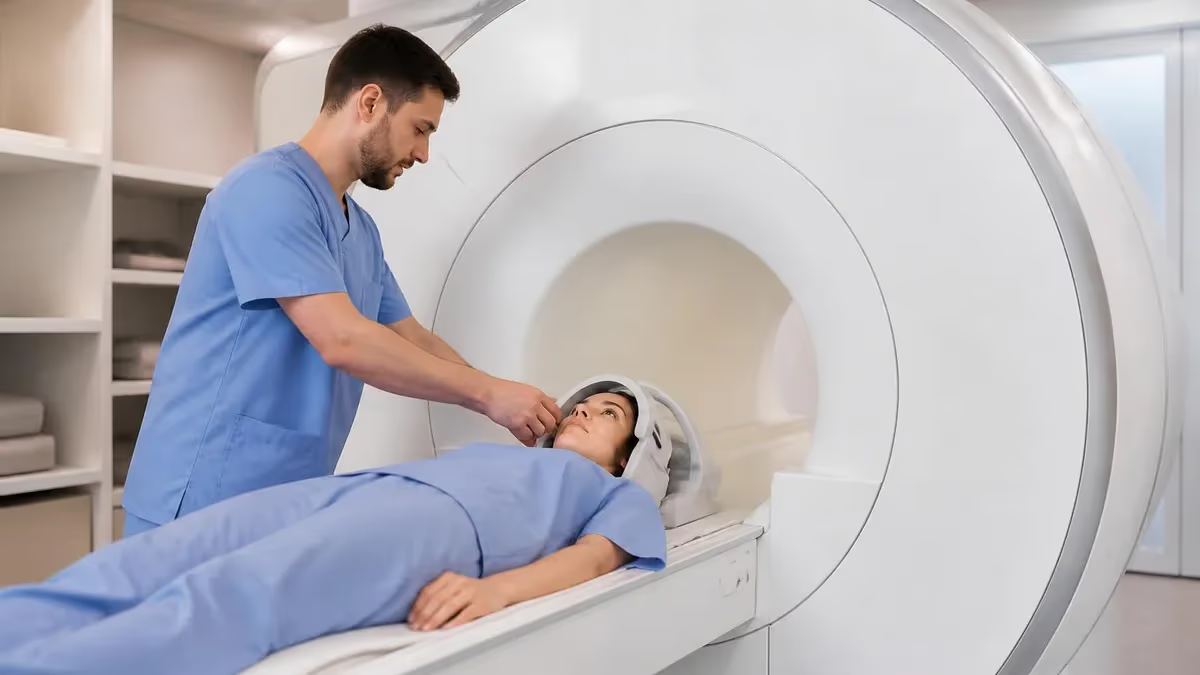
Searching for urgent care with MRI near me usually starts with a worried patient holding a swollen knee, a stiff lower back, or a headache that refuses to fade. Hospital emergency rooms can take six to eight hours and bill thousands of dollars, while traditional outpatient imaging centers may schedule MRIs two weeks out. A growing network of hybrid urgent care and imaging facilities now sits in between, offering walk-in evaluation plus a same-day magnetic resonance image when symptoms warrant deeper investigation.
These hybrid clinics combine a board-certified urgent care physician, a licensed MRI technologist, and a 1.5T or 3T scanner under one roof. A patient who walks in at 9 a.m. complaining of acute shoulder pain after a fall can often leave by lunchtime with a preliminary radiology read in hand. The model exploded after 2021 as private equity invested heavily in retail imaging, and today more than 1,400 U.S. urgent care locations advertise in-house MRI capabilities according to the Urgent Care Association.
Not every patient qualifies for same-day imaging, and not every urgent care MRI center handles the same exam types. Most facilities focus on musculoskeletal studies of the knee, shoulder, lumbar spine, cervical spine, and ankle. Brain MRI without contrast is increasingly available, but contrast-enhanced studies, pediatric sedation, breast MRI, and cardiac MRI remain rare in the urgent care setting and are still referred to hospitals or dedicated outpatient centers.
Cost transparency is one of the biggest reasons patients pick urgent care with MRI over the ER. A self-pay MRI at one of these clinics typically runs $400 to $750, compared with $3,200 to $8,500 for the identical scan billed through an emergency department. Even with commercial insurance, the patient responsibility for a freestanding facility tends to be 40 to 60 percent lower than the hospital outpatient equivalent because the place-of-service code is different.
Wait times are the second driver. The average urgent care with onsite MRI books walk-in slots within 30 to 90 minutes, and the scan itself takes 20 to 45 minutes depending on the body part and whether MRI with or without contrast is required. Compare that with the national outpatient MRI scheduling average of 11 days reported by the RBMA in 2024, and you can see why patients with red-flag musculoskeletal pain are increasingly walking past the hospital door.
This guide explains exactly how urgent care with MRI works, what conditions justify same-day imaging, how to verify a clinic is legitimate, what to expect inside the scanner, how billing differs from the ER and traditional radiology centers, and which patients should still go straight to the emergency department. By the end you will know how to evaluate any clinic showing up in your local search results, what questions to ask before you book, and how to interpret the radiologist report you receive a few hours after your scan.
Whether you tweaked a knee playing pickleball, woke up with shooting back pain, or were rear-ended at a stoplight last Tuesday, the right hybrid clinic can compress what used to be a ten-day diagnostic odyssey into a single afternoon visit. The trade-offs are real, however, and understanding them protects you from both delayed diagnosis and surprise bills.
Urgent Care With MRI By the Numbers
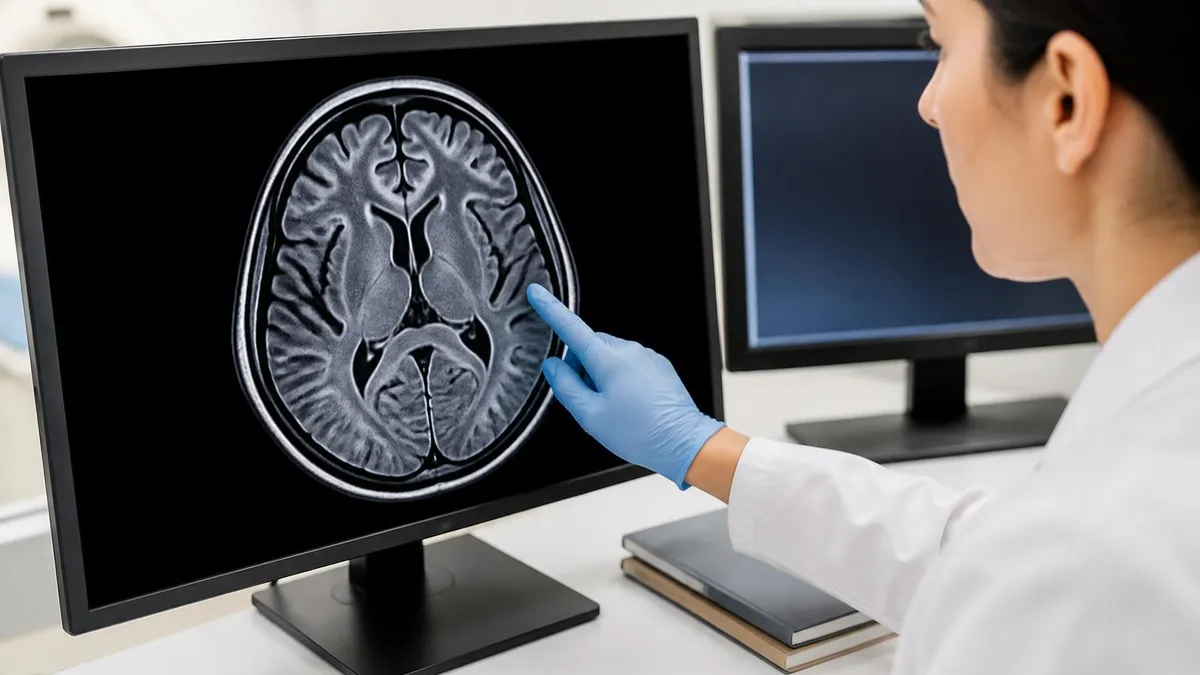
How Urgent Care MRI Clinics Actually Work
A physician or nurse practitioner evaluates your complaint, performs a focused musculoskeletal or neurologic exam, and decides within fifteen minutes whether imaging is clinically indicated under ACR Appropriateness Criteria.
A technologist screens you for pacemakers, aneurysm clips, cochlear implants, metal fragments, and pregnancy. About 5 percent of walk-ins are turned away or sent for X-ray clearance because of implants or shrapnel.
Most clinics run a 1.5T wide-bore or open MRI to accommodate larger patients and reduce claustrophobia. A few flagship locations operate 3T magnets for high-resolution joint and neuro imaging.
Images upload to a board-certified radiologist, often through services like vRad or RadNet. A preliminary read is returned in 30 to 120 minutes, and a final signed report follows within 24 hours.
The urgent care provider reviews results with you before discharge, prescribes medication, orders bracing, and faxes referrals to orthopedics, neurology, or pain management as needed for definitive care.
The conditions most commonly imaged at urgent care with MRI cluster tightly around acute orthopedic injuries and subacute spine complaints. Knee MRI dominates the volume, accounting for roughly 28 percent of urgent care scans nationwide, followed by lumbar spine at 22 percent, shoulder at 14 percent, cervical spine at 11 percent, and ankle at 9 percent. The remaining 16 percent covers wrist, hip, foot, and the occasional brain or abdominal study when symptoms are concerning but not catastrophic.
A torn meniscus mri is the textbook urgent care MRI case. Patient twists the knee on a soccer field, feels a pop, develops swelling within two hours, and cannot fully extend the leg the next morning. A physical exam suggests meniscal pathology, the patient walks into a hybrid clinic, gets a non-contrast knee MRI, and leaves with a tear classification (grade I-III), a referral to a sports medicine orthopedist, and a knee immobilizer. The whole process takes three hours instead of three weeks.
Acute disc herniation with radiculopathy is the second most common scenario. A patient picks up a heavy box, feels a sharp pain shoot from the lower back into the calf, and develops numbness across the top of the foot. Without imaging, primary care will prescribe muscle relaxants and a six-week wait. With urgent care MRI, an L5-S1 disc protrusion compressing the S1 nerve root can be confirmed the same day, triggering a much faster path to epidural steroid injection or microdiscectomy if needed.
Rotator cuff tears, ankle ligament injuries, achilles tendon ruptures, and stress fractures missed on X-ray round out the orthopedic case mix. Many urgent care MRI centers also screen for occult hip fractures in older patients who fell but had a negative plain film, a scenario where MRI catches roughly 30 percent of fractures that radiographs miss. Reviewing the differences in MRI versus CT helps explain why MRI is the gold standard for soft tissue and marrow.
Headache evaluation is more nuanced. Most urgent care MRI clinics will scan a patient with new-onset headache, worsening headache patterns, or post-concussion symptoms, but they will not handle thunderclap headaches, headaches with focal neurologic deficits, or any presentation suggesting subarachnoid hemorrhage. Those patients belong in an emergency department with CT-first protocols and on-call neurosurgery.
Sports concussions are increasingly common in urgent care MRI volume, especially in markets near high schools and colleges. A non-contrast brain MRI rules out structural lesions like subdural hematoma, diffuse axonal injury, or contusion in patients with prolonged post-concussive symptoms beyond seven to ten days. Most cases come back normal, which itself is clinically valuable because it reassures the athlete and clears the path toward gradual return-to-play protocols.
Conditions that almost never qualify include suspected aortic dissection, suspected stroke within the treatment window, uncontrolled chest pain, acute abdomen with rebound tenderness, or any pediatric emergency. These all require ER-level resuscitation capabilities, immediate access to surgery, and mri pregnant woman that urgent care clinics cannot match no matter how good their MRI scanner is. Knowing the difference between a same-day MRI candidate and an emergency keeps you safe and saves real money.
MRI Practice Test Questions
Prepare for the MRI - Magnetic Resonance Imaging exam with our free practice test modules. Each quiz covers key topics to help you pass on your first try.
MRI Knowledge
MRI Exam Questions covering Knowledge. Master MRI Test concepts for certification prep.
MRI Physics
Free MRI Practice Test featuring Physics. Improve your MRI Exam score with mock test prep.
MRI Anatomy and Pathology
MRI Test Prep for MRI Anatomy and Pathology. Practice MRI Quiz questions and boost your score.
MRI Anatomy and Positioning
MRI Questions and Answers on MRI Anatomy and Positioning. Free MRI practice for exam readiness.
MRI Contrast Agents
Free MRI Quiz on MRI Contrast Agents. MRI Exam prep questions with detailed explanations.
MRI Patient Care and Positioning
MRI Practice Questions for MRI Patient Care and Positioning. Build confidence for your MRI certification exam.
Cost of Urgent Care With MRI Near Me
Self-pay rates at urgent care MRI clinics range from $399 for a single non-contrast extremity scan up to $1,150 for contrast-enhanced lumbar studies with full radiologist interpretation. The median nationally sits around $625 for a non-contrast joint MRI as of 2025, which is roughly one-fifth of the hospital outpatient sticker price and one-tenth of the emergency department equivalent.
Many clinics publish bundled pricing online and include the urgent care visit, MRI, and radiology read in a single transparent fee. Ask whether the price includes the radiologist interpretation, because some lower-priced clinics quote the technical fee only and bill the professional fee separately, which can add $150 to $300 to your final cost on a different statement weeks later.
Urgent Care With MRI vs. Hospital ER: Honest Comparison
- +Same-day scan completed in under 3 hours from walk-in
- +Self-pay cost typically 70-90% lower than ER imaging
- +Wide-bore scanners reduce claustrophobia for most patients
- +Board-certified radiologist read within 24 hours
- +Provider reviews results with you before discharge
- +No 6-hour waiting rooms or crowded ER triage
- +Direct referral pipelines to orthopedics and neurology
- −Cannot handle true emergencies like stroke or dissection
- −Contrast-enhanced studies limited at most locations
- −Pediatric sedation almost never available
- −Cardiac, breast, and prostate MRI not offered
- −Insurance prior authorization can slow walk-in workflow
- −Lower magnet strength (1.5T) at most clinics vs. 3T hospital systems
Checklist Before Visiting Urgent Care With MRI Near Me
- ✓Confirm the clinic has a scanner onsite and is not just an order-and-refer center.
- ✓Verify the radiologist is board-certified and reads scans within 24 hours.
- ✓Call your insurance with the likely CPT code to confirm coverage and deductible status.
- ✓Bring a valid photo ID, insurance card, and a list of current medications.
- ✓List any metal implants, pacemakers, surgical clips, or shrapnel exposure.
- ✓Stop eating 4 hours before if contrast is likely (gadolinium with kidney check).
- ✓Wear loose clothing without metal zippers, snaps, or underwire.
- ✓Leave jewelry, watches, hearing aids, and metal hair accessories at home.
- ✓Bring prior imaging on CD or via the clinic's image-sharing portal.
- ✓Plan for someone to drive you home if you receive sedation or opioids.
Ask for the CPT code at booking
Always ask the clinic to text or email you the exact CPT code before you arrive. Calling your insurer with the right code (for example 73721 for lower extremity joint without contrast) is the single biggest predictor of whether your final out-of-pocket cost matches the quoted estimate.
The hardest decision in this whole space is recognizing which patients need an emergency department instead of an urgent care with MRI. Both share the word urgent in their branding, but the clinical capabilities are universes apart. Use the simple rule: if the worst-case differential diagnosis could kill you within hours, go to the ER. If the worst case is a longer recovery or a delayed referral, the hybrid clinic is the smarter call.
Stroke symptoms always belong in the ER. Sudden weakness on one side, facial droop, slurred speech, sudden vision loss, or worst-headache-of-life presentations need CT-first workup within the 4.5-hour tPA window. Even the fastest urgent care MRI cannot match a comprehensive stroke center for door-to-needle time, and MRI is not the first-line imaging in acute ischemic stroke anyway because CT excludes hemorrhage more quickly.
Cauda equina syndrome is the orthopedic ER referral that catches people off guard. Saddle anesthesia, new urinary retention, fecal incontinence, or bilateral leg weakness after a back injury require emergent MRI plus immediate neurosurgical decompression, typically within six to eight hours, to preserve function. Urgent care MRI clinics generally will not accept these patients because they cannot escalate to surgery on site.
Suspected septic arthritis, deep abscess, necrotizing fasciitis, or open fractures all require IV antibiotics, surgical consultation, and admission, none of which the urgent care setting provides. Same goes for new-onset confusion, suspected meningitis, suspected aortic dissection, suspected pulmonary embolism, or any chest pain with cardiac risk factors. Sending these patients to a freestanding clinic costs critical hours.
Pediatric patients under age six are usually better served at children-specialty centers, especially if sedation is needed to keep them still inside the bore. Adult patients with severe claustrophobia who require oral or IV sedation also need a facility with monitored anesthesia capabilities, which most urgent care MRI clinics lack. Ask about open MRI options or upright MRI if confined-space anxiety is a major issue.
Pregnant patients in the first trimester are a special case. MRI without gadolinium is generally considered safe at any gestational age according to ACR guidance, but most urgent care MRI clinics will defer to obstetric consultation before scanning anyone known to be pregnant. Gadolinium contrast is avoided in pregnancy except for life-threatening indications because it can cross the placenta and reach the fetus.
Trauma patients with mechanism concerning for major injury, such as high-speed motor vehicle collisions, falls from significant heights, or penetrating injuries, need a Level I or II trauma center with full FAST exam, CT, blood bank, and surgical capabilities. Urgent care MRI is wonderful for the day-after evaluation of a sore knee, not for the moments immediately after the crash itself.
Skip the urgent care MRI search and call 911 if you have any of the following: facial droop or one-sided weakness, worst headache of your life, loss of bladder or bowel control with back pain, chest pain radiating to jaw or arm, fever above 101°F with severe joint pain, new confusion, or trauma from a high-speed collision. These require ER-level workup within minutes, not hours.
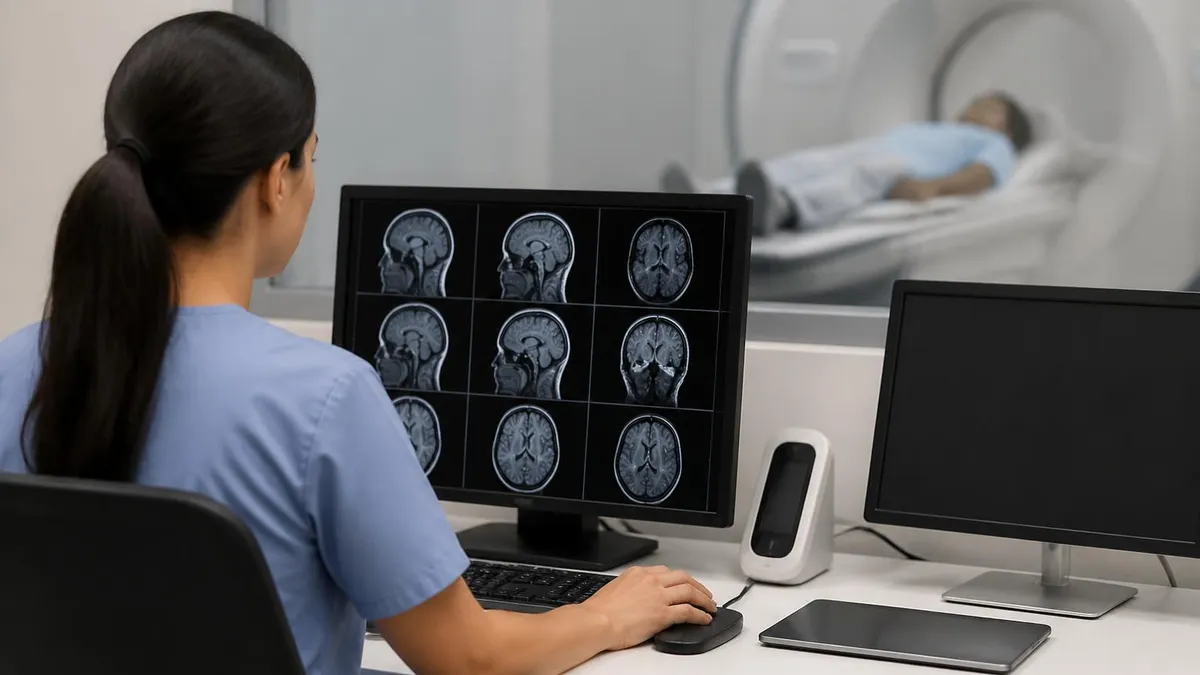
Once your scan finishes, the workflow inside an urgent care MRI clinic is built for speed. The technologist usually transfers your images to a teleradiology platform within five minutes of completion, and a board-certified radiologist picks up the study from a queue prioritized by ordering provider urgency flag. Most clinics promise a preliminary verbal read within 30 to 90 minutes and a final written report within 24 hours, though same-day final reads are increasingly standard at premium locations.
The urgent care physician will pull you back to a consultation room, project the images on a high-resolution monitor, and walk you through findings using lay terminology. Expect a printed copy of the report, a CD or QR code linking to your DICOM images, and a one-page summary that explains what the radiologist saw. Compare this to the typical hospital workflow, where reports often arrive through a patient portal three to seven days later with no clinical explanation at all.
If the scan shows something requiring specialist care, the clinic should fax or e-refer you to an orthopedist, neurosurgeon, sports medicine doctor, neurologist, or pain management physician within the same business day. Many hybrid clinics have preferred-provider networks that guarantee specialist appointments within five to seven business days, which is dramatically faster than the standard 30 to 60 day specialist wait in most U.S. markets.
Bring a copy of your radiology report and the CD to every follow-up appointment. Specialists often want to re-read the images themselves rather than relying on the original report, which is normal practice and not a reflection on the urgent care radiologist. Knowing how mri with and without contrast cpt protocols differ helps you discuss whether a repeat enhanced study might be useful.
Watch for the dreaded incidental finding. About 8 to 12 percent of musculoskeletal MRIs uncover something the patient never asked about: a small kidney cyst caught on a lumbar spine, a thyroid nodule visible on cervical spine, a meningioma seen on mri and alzheimers. Reputable clinics will flag these clearly in the report and recommend follow-up imaging or specialty referral. Less reputable clinics may bury incidentals in the body of the report, so always read every page.
Keep your images and reports forever. Imaging studies are like baseline labs: a knee MRI you got at 35 becomes the reference point if you have a comparable injury at 50. Most clinics let you download DICOM files to a personal cloud account or thumb drive. Services like Pocket Health, Medxnote, and Ambra Health offer permanent personal image archives for under $40 a year, which is well worth it.
Finally, give the clinic feedback. The hybrid urgent care MRI sector is young and improving rapidly. If the scanner was uncomfortable, the radiologist report arrived late, or the billing did not match the quote, Google reviews and direct emails to clinic leadership genuinely change practice. Strong reviews also help future patients find the legitimate operators in a market that is quickly attracting low-quality imposters.
Picking the best urgent care with MRI near you takes about fifteen minutes of focused research. Start with a Google search for your zip code plus the phrase urgent care MRI, then cross-reference the top results against the American College of Radiology accreditation database at acraccreditation.org. ACR accreditation is voluntary but signals that the scanner, technologist, and radiology workflow have been independently audited within the past three years.
Read the most recent fifty Google reviews carefully, ignoring obvious fakes. Look for patterns: do patients consistently mention door-to-scan times under ninety minutes? Are billing surprises mentioned in more than five percent of reviews? Do reviewers describe the radiologist actually explaining findings, or just handing them a piece of paper? Reviews from the last six months are weighted more heavily than older ones because clinic ownership and staffing change frequently in this sector.
Verify scanner specifications on the clinic's website. A 1.5T wide-bore scanner with a 70 cm aperture is the modern standard and works for the vast majority of musculoskeletal and neuro indications. A 3T scanner offers higher resolution but slightly more claustrophobia. Open or stand-up MRI scanners run at 0.3T to 0.7T and produce noticeably grainier images, which is fine for screening but limits diagnostic certainty for subtle findings.
Confirm the radiologist is fellowship-trained in the relevant subspecialty. Musculoskeletal radiology fellowships matter for joint and spine reads, neuroradiology fellowships matter for brain and cervical spine. Reading reports by general radiologists is acceptable but misses subtle findings about 15 percent more often than subspecialty reads in published studies. Ask the clinic which teleradiology group they contract with and whether subspecialty reads are available.
Pricing transparency is the final filter. The best urgent care MRI clinics publish all-in prices on their website, accept HSA and FSA cards at the front desk, and offer a refund if insurance ultimately pays more than expected. Walk away from any clinic that refuses to quote a price before you sign in, that pressures you into bundled add-ons, or that uses surprise billing tactics like out-of-network radiology groups. These are red flags identified by the No Surprises Act enforcement reports of 2023 and 2024.
Finally, plan your visit logistics. Most urgent care MRI clinics operate from 8 a.m. to 8 p.m. on weekdays and have shorter weekend hours. Arrive thirty minutes before the posted walk-in cutoff because the scanner schedule fills up faster than the provider schedule. Bring a phone charger because waits between provider evaluation and scanner availability can stretch to two hours on busy days. Stay hydrated, but limit caffeine to reduce muscle twitching inside the bore.
Save the clinic in your phone before you need it. The whole point of urgent care with MRI is fast access during an emergency that is not actually an emergency, and the patients who fare best already know where they would go six months before they pull a hamstring. Five minutes of preparation now turns a future bad day into a manageable afternoon errand with answers, a treatment plan, and a path forward.
MRI Questions and Answers
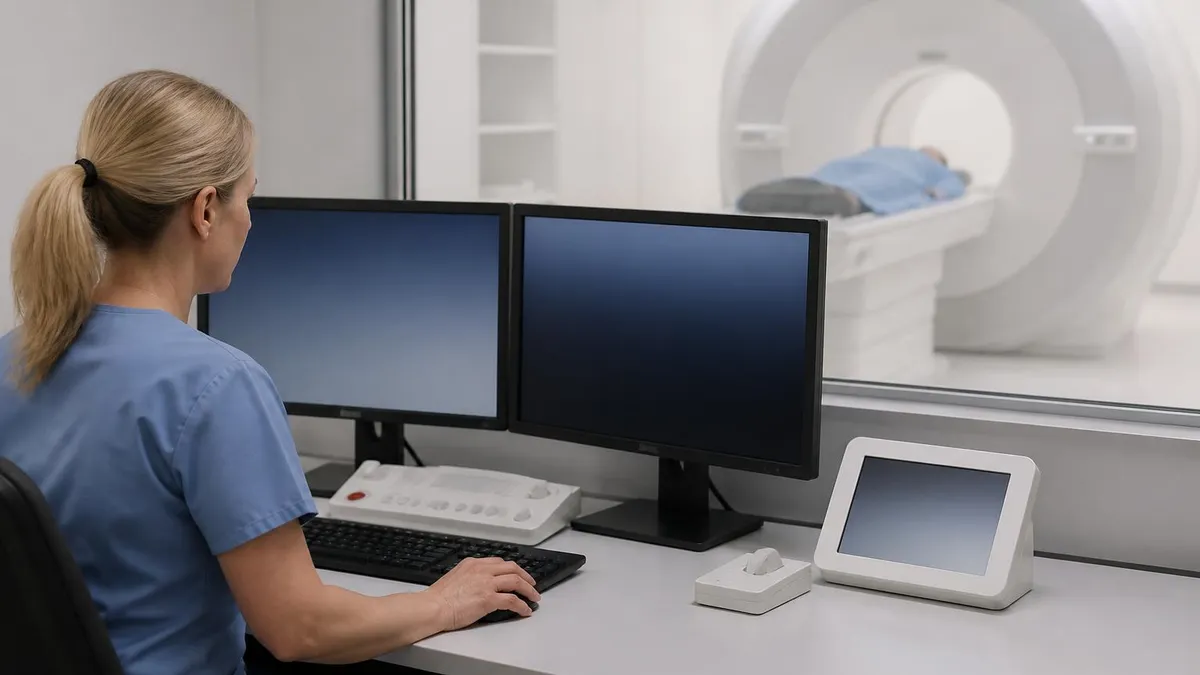
MRI MARS Protocol: Complete Guide to Metal Artifact Reduction Sequences for Orthopedic Imaging
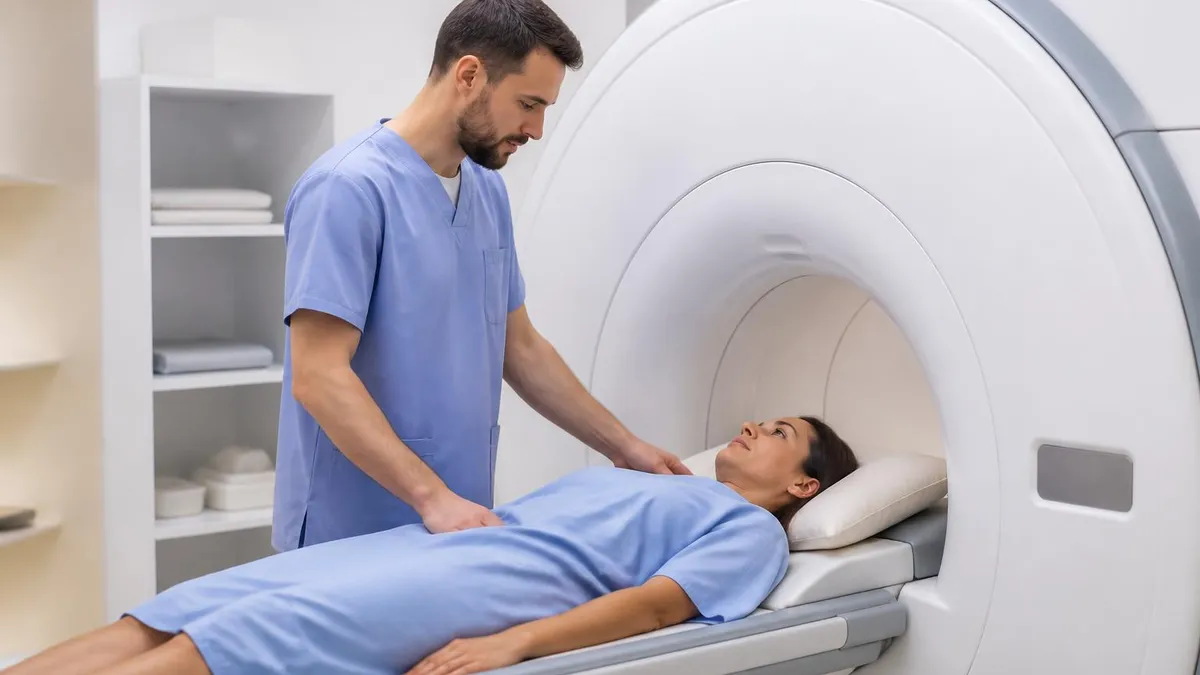
MRI With or Without Contrast: What to Expect
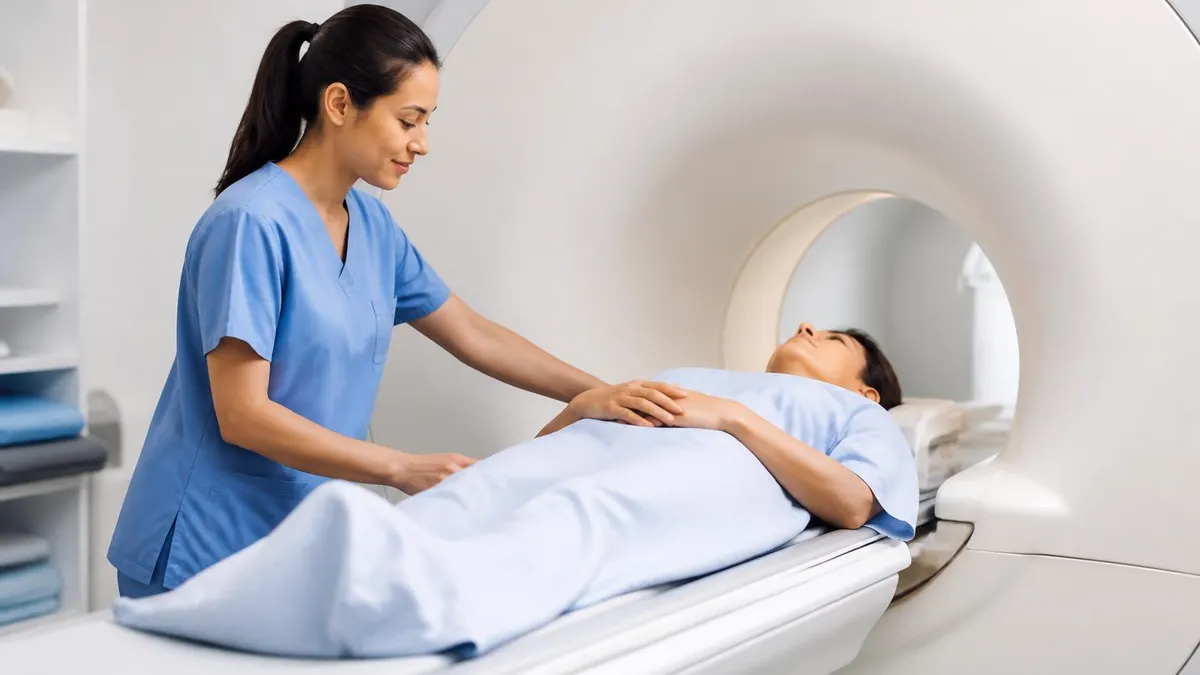
The History of MRI: From Discovery to Modern Medicine
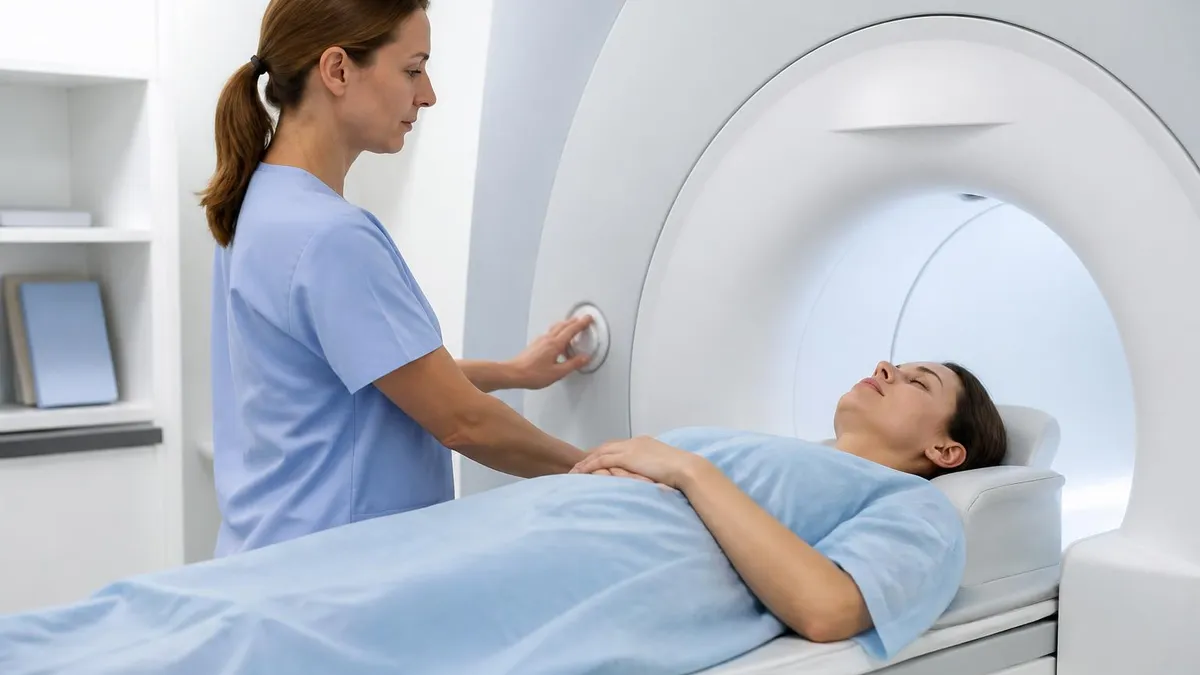
What's the Difference Between MRI and CT Scan? A Complete Comparison Guide
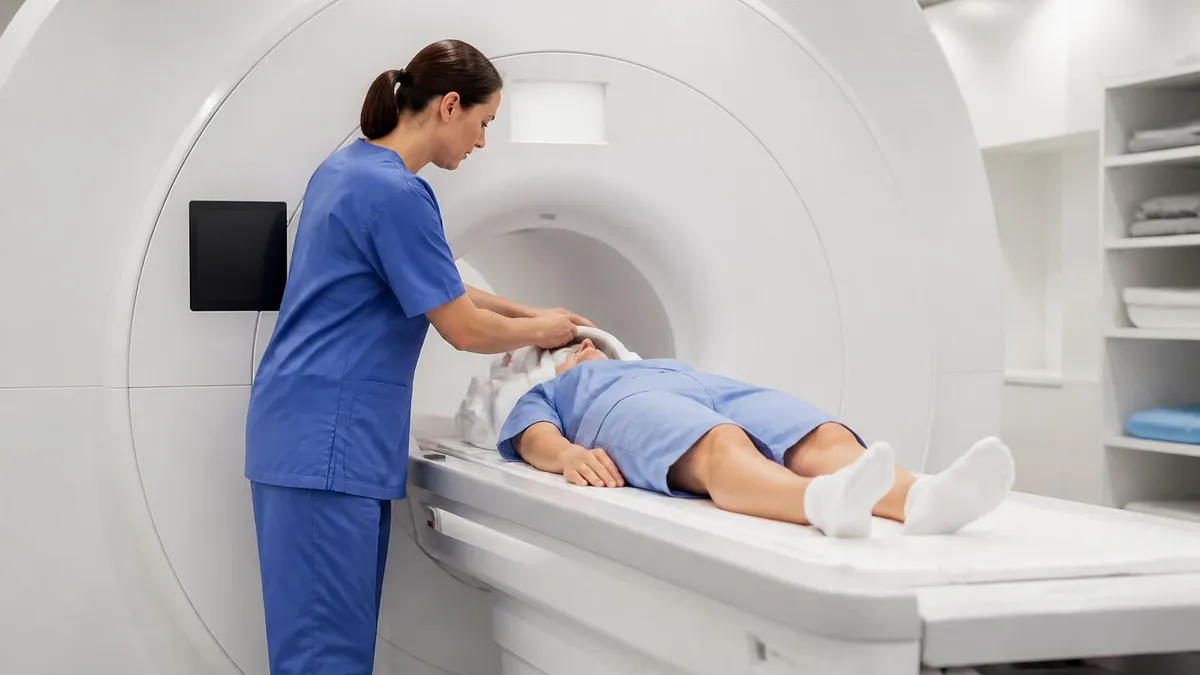
MRI With and Without Contrast: How It Works, What to Expect
About the Author

Medical Laboratory Scientist & Clinical Certification Expert
Johns Hopkins UniversityDr. Sandra Kim holds a PhD in Clinical Laboratory Science from Johns Hopkins University and is certified as a Medical Technologist (MT) and Medical Laboratory Scientist (MLS) through ASCP. With 16 years of clinical laboratory experience spanning hematology, microbiology, and molecular diagnostics, she prepares candidates for ASCP board exams, MLT, MLS, and specialist certification tests.
Join the Discussion
Connect with other students preparing for this exam. Share tips, ask questions, and get advice from people who have been there.
View discussion (8 replies)