
X Ray v MRI: Complete Guide to Differences, Uses, Costs, and Safety
X ray v MRI compared: ✏️ how each imaging test works, what conditions they detect, cost ranges, radiation safety, and how doctors choose between them.
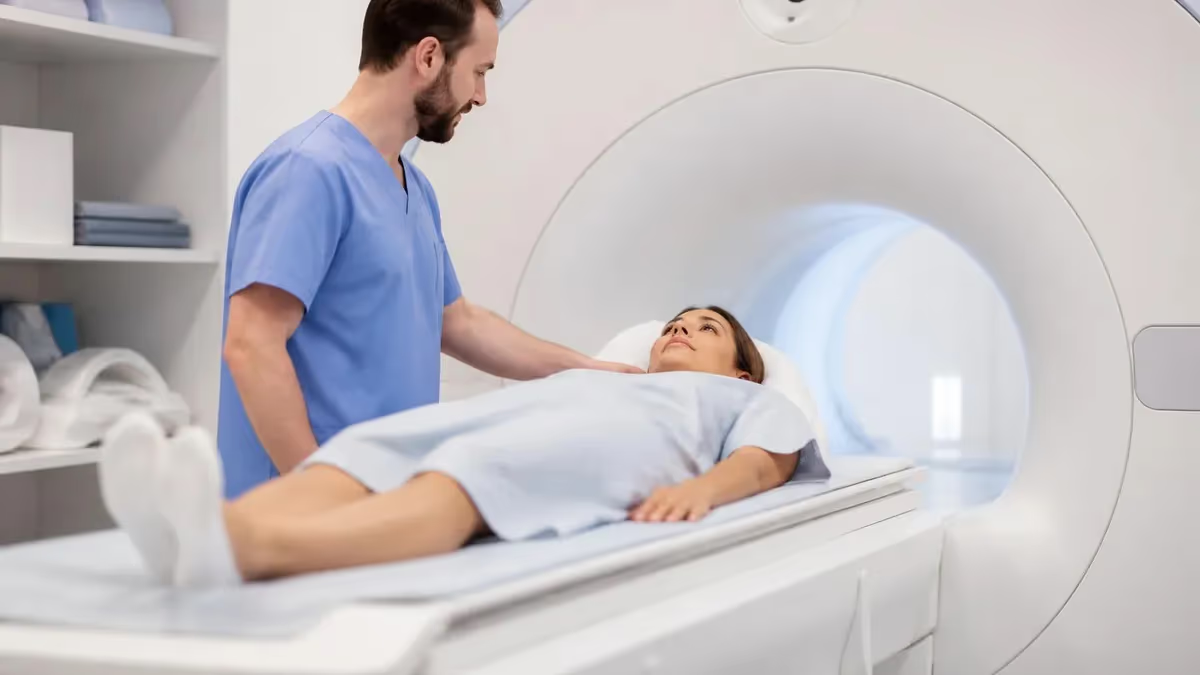
The x ray v MRI debate confuses millions of patients every year, and for good reason. Both tests produce images of the inside of your body, both are ordered by doctors after injuries or symptoms, and both happen inside a hospital or imaging center. Yet they rely on completely different physics, reveal completely different tissues, and carry completely different risks. Understanding the distinction matters because the wrong test can mean missed diagnoses, unnecessary radiation, or thousands of dollars in avoidable charges.
X-ray imaging uses ionizing electromagnetic radiation to pass photons through the body, capturing a shadow image based on tissue density. Bones absorb the most radiation and show up bright white, while soft tissues let photons through and appear gray or black. The technology dates to 1895 and remains the workhorse of emergency departments, dental offices, and orthopedic clinics because it is fast, cheap, and superb at revealing fractures, foreign objects, and lung pathology like pneumonia.
Magnetic Resonance Imaging works on entirely different principles. Instead of radiation, MRI uses a powerful magnet, radiofrequency pulses, and the natural hydrogen atoms in your body to generate detailed cross-sectional images. Because soft tissues contain enormous amounts of water and fat, MRI excels at visualizing structures x-ray cannot see at all: brain tissue, ligaments, tendons, cartilage, the spinal cord, organs, and tumors. The trade-off is time, cost, and contraindications around metal implants.
Choosing between the two is not really a choice the patient makes. Physicians select imaging based on the suspected diagnosis, the body part involved, the urgency of the situation, and factors like pregnancy, kidney function, and claustrophobia. A suspected wrist fracture almost always starts with x-ray. A torn ACL almost always ends up at MRI. Knowing why helps you become a more informed participant in your own care and ask better questions when a test is ordered.
Cost is another major differentiator. A standard x-ray in the United States typically runs $100 to $1,000 depending on the body part and facility, while an MRI without contrast averages $1,200 to $3,500 and can exceed $7,000 for complex protocols at hospital-based imaging centers. Insurance coverage, prior authorization requirements, and high-deductible plans all affect what patients actually pay out of pocket, making the choice of test a financial decision as well as a clinical one.
This guide walks through every meaningful difference between x-ray and MRI, including the underlying physics, the conditions each test detects best, radiation exposure, scan duration, contrast agents, safety screening, costs, image quality, and the clinical scenarios where one is unequivocally better than the other. By the end, you will understand exactly why your doctor ordered the test you got and what the images they produce actually mean for your diagnosis.
X Ray vs MRI by the Numbers
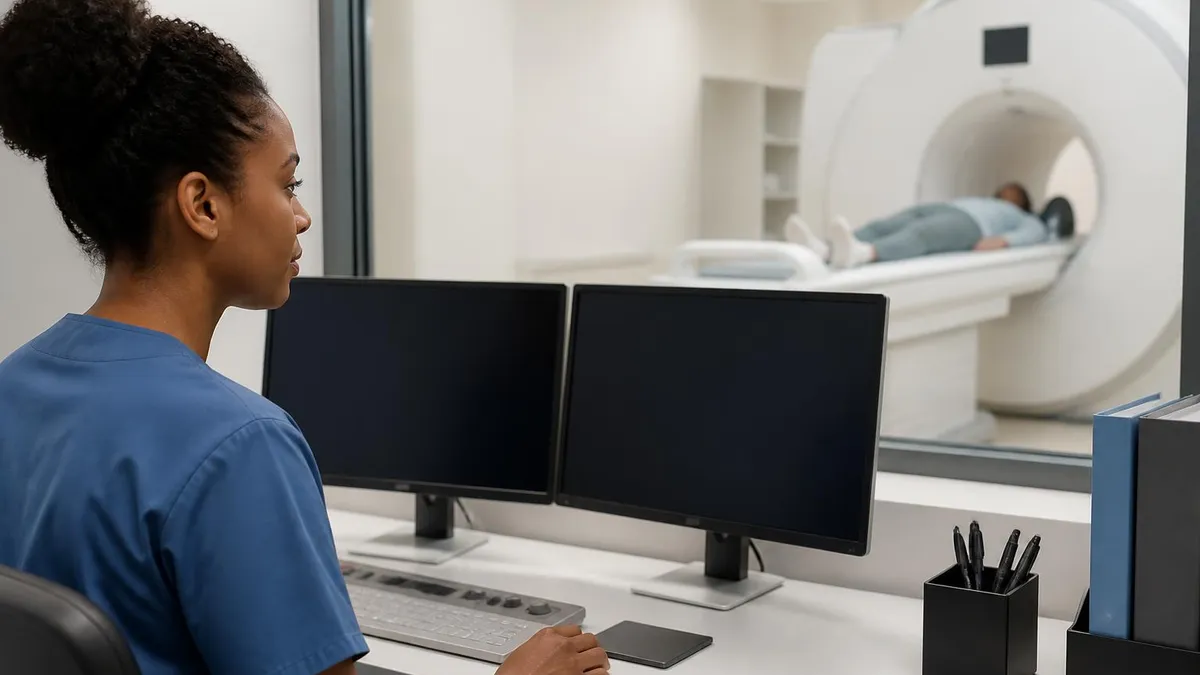
How X-Ray and MRI Technology Actually Works
An x-ray tube accelerates electrons into a tungsten target, producing high-energy photons that pass through the body. Dense tissues like bone absorb more photons, creating bright areas on the detector, while air and soft tissue appear darker.
A superconducting magnet aligns hydrogen protons in your body, then radiofrequency pulses knock them out of alignment. As they relax back, they emit signals that computers reconstruct into highly detailed cross-sectional images of soft tissue.
X-rays produce 2D projection images, like a shadow on a wall, with overlapping structures superimposed. MRI generates true 3D volumetric data sliced into hundreds of thin sections viewable from any angle in axial, sagittal, or coronal planes.
X-ray contrast depends purely on tissue density. MRI contrast depends on hydrogen density, T1 and T2 relaxation times, and tissue chemistry, which is why MRI distinguishes between similar-looking soft tissues x-ray cannot tell apart.
Modern x-rays use digital flat-panel detectors that convert photons directly to electrical signals. MRI uses radiofrequency coils tuned to specific body regions, with phased-array coils capturing signals from multiple channels simultaneously.
The most fundamental difference between x-ray and MRI is what each test sees clearly. X-rays show bones, calcifications, foreign metallic objects, gas patterns in the bowel, and gross changes in lung tissue with exceptional clarity. They struggle with anything soft: muscles, ligaments, nerves, and most organs blur together into indistinguishable gray. MRI is the inverse. It maps soft tissue in extraordinary detail but visualizes cortical bone poorly because dense bone contains very little mobile water for the magnet to excite.
Time is the second major distinction. A complete x-ray series of the wrist or chest takes five to ten minutes from check-in to walking out the door, often with results read within the hour. An MRI of the same wrist requires thirty to sixty minutes lying perfectly still inside a tube, plus screening forms, IV placement if contrast is needed, and a radiologist read that often takes 24 to 48 hours. This time gap shapes which test is used in emergencies versus scheduled outpatient evaluations.
Radiation exposure is a third differentiator that gets more attention than it probably deserves for routine imaging. A chest x-ray delivers about 0.1 millisieverts, roughly equivalent to ten days of natural background radiation from cosmic rays and radon. A dental x-ray is even less, around 0.005 mSv. MRI uses no ionizing radiation whatsoever and produces no measurable biological effect from the magnetic field itself, which is why MRI is preferred for pediatric, prenatal, and repeated imaging when clinically appropriate.
Cost and accessibility heavily favor x-ray. Nearly every hospital, urgent care, dental office, and orthopedic clinic in the country has x-ray capability on site. MRI machines cost $1 to $3 million each, require shielded rooms, cryogenic helium cooling, and specialized technologists, so they cluster at hospitals and dedicated imaging centers. This availability gap means x-rays happen the day they are ordered, while MRI scheduling can stretch from a few days to several weeks depending on geography and insurance authorization.
Image interpretation also differs. X-rays are often read by the ordering physician at the point of care, especially in emergency departments where rapid decisions about casting, surgery, or admission depend on immediate visualization. MRI is almost always interpreted by a fellowship-trained radiologist who issues a formal report. The complexity of MRI sequences, the volume of images per study, and the subtlety of soft tissue findings demand specialized training and dedicated reading workstations.
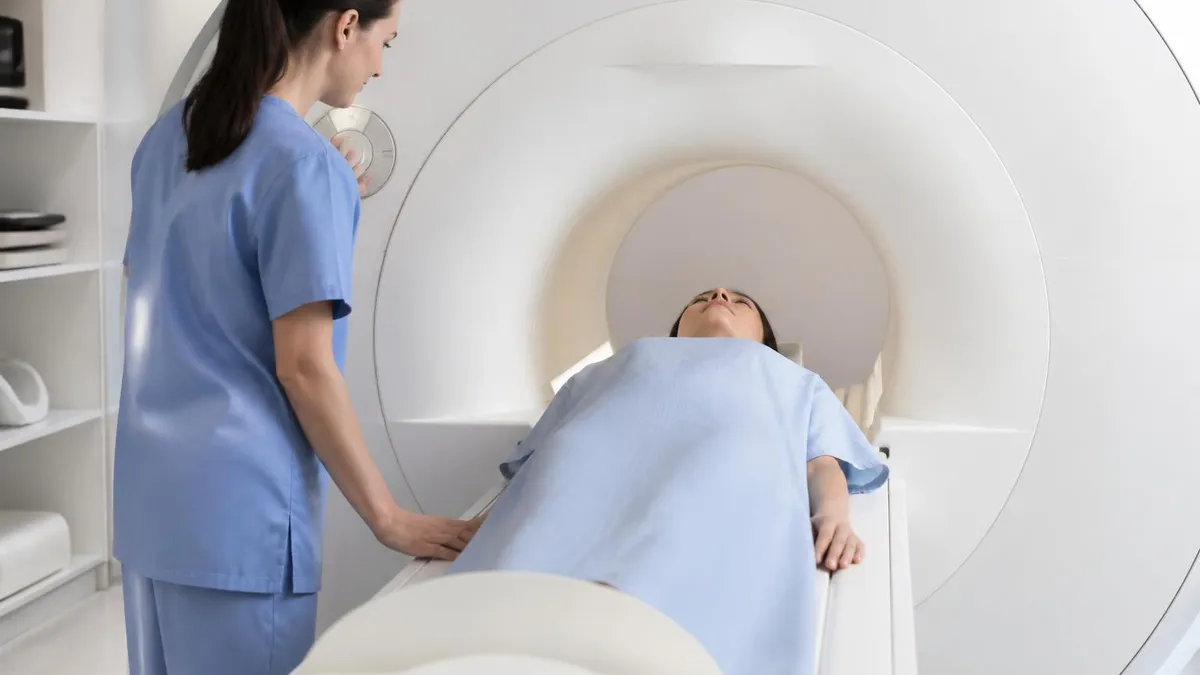
Finally, the patient experience varies dramatically. An x-ray involves standing or lying briefly against a detector while a technologist positions you and steps behind a shield. MRI involves lying motionless on a narrow table that slides into a tube barely wider than your shoulders, accompanied by loud knocking and buzzing noises that require hearing protection. Patients with claustrophobia, severe pain, or inability to hold still often need open-bore scanners, sedation, or alternative imaging strategies altogether.
Both modalities continue to evolve. Low-dose x-ray protocols, photon-counting CT, and AI-enhanced image reconstruction are reducing radiation while improving diagnostic accuracy. Faster MRI sequences, 3 Tesla and 7 Tesla magnets, and abbreviated breast and prostate protocols are shrinking scan times and expanding screening applications. Understanding these tools is increasingly important for anyone navigating modern healthcare, especially patients managing chronic conditions or recovering from significant injuries.
MRI Practice Test Questions
Prepare for the MRI - Magnetic Resonance Imaging exam with our free practice test modules. Each quiz covers key topics to help you pass on your first try.
MRI Knowledge
MRI Exam Questions covering Knowledge. Master MRI Test concepts for certification prep.
MRI Physics
Free MRI Practice Test featuring Physics. Improve your MRI Exam score with mock test prep.
MRI Anatomy and Pathology
MRI Test Prep for MRI Anatomy and Pathology. Practice MRI Quiz questions and boost your score.
MRI Anatomy and Positioning
MRI Questions and Answers on MRI Anatomy and Positioning. Free MRI practice for exam readiness.
MRI Contrast Agents
Free MRI Quiz on MRI Contrast Agents. MRI Exam prep questions with detailed explanations.
MRI Patient Care and Positioning
MRI Practice Questions for MRI Patient Care and Positioning. Build confidence for your MRI certification exam.
X Ray v MRI: When Doctors Choose Each Test
For suspected fractures, dislocations, and bone alignment problems, x-ray is the undisputed first-line test. It reveals cortical breaks, displacement, joint subluxation, and foreign bodies in seconds at a fraction of MRI cost. Emergency departments routinely order x-rays for wrist, ankle, hip, rib, and skull injuries because the answer drives immediate decisions about splinting, reduction, or surgical consultation without waiting for advanced imaging.
MRI enters the picture when x-rays are negative but pain persists, suggesting occult fractures, stress fractures, bone bruises, or marrow edema invisible to radiographs. Scaphoid wrist injuries, hip fractures in elderly patients, and sacral insufficiency fractures all commonly require MRI confirmation after a clean x-ray. MRI also evaluates bone tumors, infection like osteomyelitis, and the extent of bone marrow involvement in conditions x-ray simply cannot characterize at all.
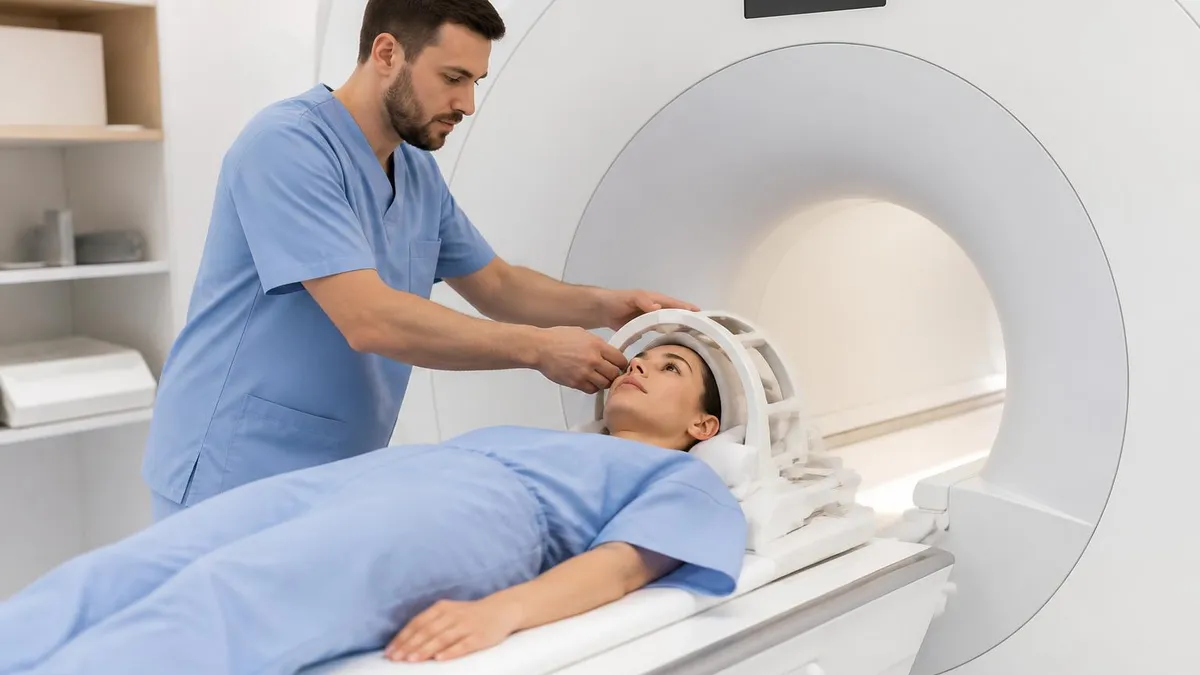
X Ray vs MRI: Which Is Better for Your Situation?
- +X-ray is fast, often completed in under ten minutes from arrival to images
- +X-ray costs a fraction of MRI, typically $100-$1,000 versus $1,200-$7,000
- +X-ray is available almost everywhere including urgent care and dental offices
- +X-ray is superior for fractures, dislocations, and bony alignment problems
- +X-ray requires no IV, no contrast prep, and no metal screening for most studies
- +X-ray works for patients with pacemakers, implants, and severe claustrophobia
- −X-ray uses ionizing radiation that accumulates over a lifetime of exposure
- −X-ray cannot evaluate ligaments, tendons, cartilage, nerves, or organs in detail
- −X-ray misses occult fractures, bone bruises, and early stress injuries
- −MRI takes 30-60 minutes of motionless lying in a noisy, narrow tube
- −MRI is contraindicated for many implants, pacemakers, and metal fragments
- −MRI scheduling often takes days to weeks plus insurance prior authorization
Patient Preparation Checklist for X Ray and MRI
- ✓Tell your doctor about pregnancy or possible pregnancy before any imaging study
- ✓List all implants, pacemakers, stents, surgical clips, and shrapnel for MRI screening
- ✓Remove jewelry, watches, hair clips, and metal-containing clothing before scanning
- ✓Bring prior imaging studies on CD or via patient portal for radiologist comparison
- ✓Confirm whether contrast is needed and follow fasting instructions for MRI with contrast
- ✓Disclose kidney disease or low GFR before receiving gadolinium-based MRI contrast
- ✓Take prescribed anti-anxiety medication early if you have claustrophobia and need it
- ✓Ask the technologist to explain the procedure and answer any questions beforehand
- ✓Wear loose, metal-free clothing or change into the gown the facility provides
- ✓Verify insurance authorization is complete to avoid unexpected billing problems
The right test answers the right clinical question
X-ray and MRI are not interchangeable. X-ray answers questions about bone integrity, alignment, and gross lung or abdominal pathology in seconds for a small fee. MRI answers questions about soft tissue structure, brain and spinal cord disease, and subtle pathology that x-ray cannot resolve. Asking your physician which question the ordered test is trying to answer will help you understand the strategy behind the imaging plan.
Cost transparency in medical imaging is notoriously poor, but a few general numbers help patients budget. A single-view chest x-ray averages $100 to $250 at a freestanding imaging center, while a multi-view spine x-ray series can run $300 to $600. Hospital-based x-ray departments charge two to four times more for identical studies, sometimes exceeding $1,000 for the same chest film that costs $150 down the street. Cash-pay rates are often dramatically lower than billed charges, so asking for a cash price is always worthwhile.
MRI pricing is even more variable. A basic MRI of a single body region without contrast averages $1,200 to $2,500 at freestanding centers and $2,500 to $5,000 at hospitals. Adding gadolinium contrast typically adds $200 to $600. Specialized studies like cardiac MRI, breast MRI, and MR enterography can push total charges past $7,000. High-deductible insurance plans expose patients to enormous out-of-pocket costs, making price comparison and freestanding center alternatives genuinely important financial decisions for non-urgent imaging.
Insurance authorization is another time and money consideration. Most insurers require prior authorization for MRI but not for x-ray. The authorization process involves the ordering physician submitting clinical documentation justifying medical necessity, which the insurer or its radiology benefits manager reviews against published appropriateness criteria. Denials are common when conservative therapy has not been documented, when x-ray was skipped as a first-line study, or when the clinical indication does not meet evidence-based guidelines for advanced imaging.
Scan duration affects scheduling logistics too. X-ray studies happen on demand at most facilities with same-day walk-in availability. MRI requires dedicated time slots, often booked one to four weeks out. Same-day MRI is generally limited to inpatients, emergency department patients, and urgent outpatient requests with physician advocacy. Mobile and after-hours MRI services have expanded access in some markets, but capacity constraints remain a real factor in care delivery, especially in rural areas with limited imaging resources.
Image archiving and access have improved significantly over the past decade. Both x-ray and MRI images are now stored digitally in picture archiving and communication systems, accessible to physicians across health systems and to patients through online portals. Carrying CDs between providers is largely obsolete, though some facilities still rely on physical media. Asking how to access your images electronically saves time and headaches when seeking second opinions or transferring care to specialists in other systems.
Repeat imaging is sometimes necessary, and the cumulative cost adds up quickly. Patients with chronic conditions, post-surgical surveillance, or staged treatment plans often undergo multiple studies over months or years. Maintaining a personal imaging log with dates, body parts, modalities, contrast used, and findings helps coordinate care and prevents unnecessary duplicate scans. Many electronic medical records still do not communicate well across systems, so patient self-advocacy fills the gap that institutional infrastructure leaves open.
Telemedicine and remote interpretation have changed the radiology landscape too. Teleradiology services read images from across time zones, providing 24/7 coverage at hospitals that cannot staff radiologists overnight. This has improved emergency imaging turnaround dramatically but introduces challenges around continuity, communication with ordering clinicians, and quality assurance. Patients rarely interact directly with the radiologist who reads their study, though most major centers now offer patient-facing radiology consultations on request for complex cases.
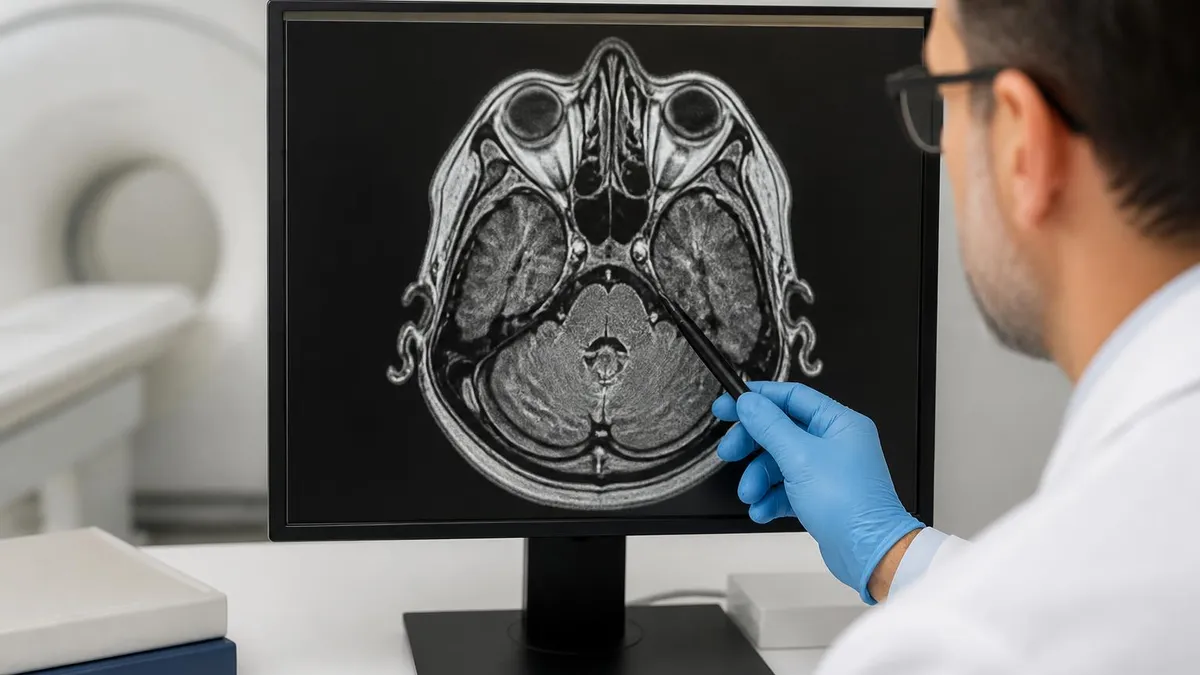
Anyone entering an MRI scanner must complete thorough metal screening. Pacemakers, certain aneurysm clips, cochlear implants, metal foreign bodies in the eye, and some neurostimulators are absolute contraindications. The static magnetic field is always on and can attract ferromagnetic objects with lethal force. Patients with embedded metal from welding, gunshot, or shrapnel must be screened with x-ray before MRI. Never enter the MRI suite with anyone who has not been formally cleared.
Safety profiles between x-ray and MRI differ in important ways that affect which patients can have which test. X-ray's primary safety concern is ionizing radiation, which damages DNA and carries a small theoretical lifetime cancer risk that accumulates with each exposure. For a single chest x-ray, this risk is vanishingly small, comparable to the risk added by a transcontinental flight. For frequent imaging in young patients, particularly children, the cumulative risk is taken seriously and drives modern dose-reduction protocols throughout pediatric radiology.
Pregnancy adds another safety dimension. Abdominal and pelvic x-rays during early pregnancy carry small but real risks to the developing fetus, especially during organogenesis in the first trimester. When imaging is unavoidable, lead shielding minimizes exposure, but elective studies are typically deferred. MRI has no known fetal effects from the magnetic field itself, making it preferred for pregnant patients when advanced imaging is medically necessary. Gadolinium contrast is generally avoided in pregnancy due to placental transfer.
Contrast safety is its own consideration. Iodinated contrast used with x-ray-based studies like CT and angiography can trigger allergic reactions and nephrotoxicity in patients with reduced kidney function. Gadolinium-based MRI contrast was historically considered safer but is now known to cause nephrogenic systemic fibrosis in patients with severe kidney disease and to deposit small amounts in brain tissue with repeated administration. Both contrast types require kidney function assessment in at-risk patients before use, especially in older adults with chronic kidney disease.
Implant compatibility is the most distinctive MRI safety issue. Modern pacemakers, defibrillators, and neurostimulators are increasingly labeled as MR-conditional, meaning they can be safely scanned under specific protocols with manufacturer-approved field strengths and gradient limits. Older devices are often unsafe. Surgical clips, joint replacements, dental work, tattoos with metallic ink, and even some medication patches require specific evaluation. The MRI screening process is detailed for good reason and should never be rushed or skipped, regardless of how routine the scan seems.
Claustrophobia and anxiety affect a substantial minority of MRI patients. Up to ten percent of patients struggle to complete a scan due to confinement, noise, and the inability to move. Strategies include open-bore wide-aperture scanners, prone or feet-first positioning, music and headphones, mirror systems to see outside the bore, anxiolytic medication, and in extreme cases general anesthesia. Pediatric MRI often requires sedation for children under six who cannot remain motionless for the duration of complex protocols. For broader options when MRI is not feasible, reviewing MRI alternatives can identify whether ultrasound, CT, or another study answers the clinical question.
Acoustic noise during MRI is another underappreciated issue. Gradient coils switching on and off generate sound levels of 100 to 130 decibels, comparable to a jet engine or rock concert. All patients must wear hearing protection in the form of earplugs or noise-canceling headphones. Modern quiet sequences and dedicated noise-reduction technology have reduced peak levels somewhat, but the experience remains startling for first-time patients. Children and patients with autism may need additional preparation, simulation visits, or sedation to tolerate the acoustic environment.
Finally, body habitus and weight limits constrain MRI access. Most clinical scanners accommodate patients up to roughly 350 to 450 pounds depending on the system, with bore diameters of 60 to 70 centimeters. Larger patients may not fit physically or may experience image quality compromises from coil positioning challenges. Wider-bore 70 cm scanners and select extra-large platforms help, but x-ray remains far more forgiving for patients whose size prevents MRI access. This is one of several practical reasons x-ray retains its central role even in the era of advanced imaging technology.
Practical decisions about x-ray and MRI happen at the bedside hundreds of millions of times a year, and a few principles help patients navigate them. First, ask what specific question the test is meant to answer. A good clinician can articulate this in a single sentence: is this fracture aligned, is there a meniscal tear, is the brain tumor responding to treatment? Knowing the question helps you understand why a particular modality was chosen and what the report should address when results return.
Second, ask about alternatives. If MRI is ordered but unavailable for weeks, can ultrasound answer the clinical question sooner for a fraction of the cost? If x-ray is negative but symptoms persist, when should MRI be the next step? Imaging decisions are rarely binary, and a brief conversation with the ordering physician about the diagnostic pathway helps you understand what to expect at each stage. This is especially important for chronic conditions where multiple studies will be needed over months or years.
Third, optimize the experience itself. For MRI specifically, practice slow breathing, request a blanket for warmth, ask about prone positioning if face-up triggers claustrophobia, and inquire whether your facility offers wide-bore or open scanners. Hydration helps if contrast is needed. Eating beforehand prevents nausea unless a fasting protocol applies. These small preparations make a meaningful difference in tolerating the scan and producing diagnostic-quality images that do not need to be repeated.
Fourth, follow up actively on results. Reports arrive in patient portals within days for most outpatient studies, but understanding the radiology language requires effort. Terms like incidental finding, indeterminate lesion, and clinical correlation recommended sound alarming but often mean little for your specific care. Discuss the report with your ordering physician rather than interpreting it alone or relying on internet searches. The relationship between findings and clinical context is what makes a study meaningful, not the findings in isolation.
Fifth, keep your own imaging library. Request CDs or digital downloads of every study and store them in an organized folder along with the radiologist report. Future physicians, especially specialists at new institutions, will need comparison images to evaluate change over time. Bringing prior studies to specialist consultations saves duplicate scans, accelerates diagnosis, and reduces cumulative radiation exposure across your lifetime. Many hospital systems offer secure cloud-based image sharing now, but having local copies remains a smart backup strategy.
Sixth, advocate for yourself when something feels wrong. If imaging is negative but symptoms persist, escalate. Occult fractures, slow-growing tumors, early multiple sclerosis lesions, and labral tears are all conditions that initial imaging can miss. A second opinion from a different radiologist, repeat imaging after a delay, or escalation to a higher-resolution modality is sometimes the answer. Trust your body's signals and do not assume a single negative scan rules out the disease your symptoms suggest.
Finally, learn the basics of your own imaging. Patients who understand the difference between x-ray and MRI, between contrast and non-contrast, and between routine and stat protocols make better partners in their own care. The technology is complex but the principles are accessible. Investing thirty minutes in understanding what your test does and does not show pays dividends across decades of healthcare interactions, especially as imaging becomes more central to nearly every chronic disease management strategy in modern medicine.
MRI Questions and Answers
MRI Medical Abbreviation: What MRI Stands For and Why It Matters
The History of MRI: From Discovery to Modern Medicine
Knee MRI Images: A Complete Guide to Reading, Understanding, and Interpreting Knee Scans
Noise of MRI Machine: Why MRI Scanners Are So Loud and What to Expect
MRI Alternatives: When CT, Ultrasound, X-Ray, and PET Make More Sense Than an MRI
About the Author

Medical Laboratory Scientist & Clinical Certification Expert
Johns Hopkins UniversityDr. Sandra Kim holds a PhD in Clinical Laboratory Science from Johns Hopkins University and is certified as a Medical Technologist (MT) and Medical Laboratory Scientist (MLS) through ASCP. With 16 years of clinical laboratory experience spanning hematology, microbiology, and molecular diagnostics, she prepares candidates for ASCP board exams, MLT, MLS, and specialist certification tests.
Join the Discussion
Connect with other students preparing for this exam. Share tips, ask questions, and get advice from people who have been there.
View discussion (8 replies)