
MRI Technologist Training: Complete Guide to Education, Certification, and Career Success
MRI technologist training paths, costs, and certification tips. 🎯 Learn what it takes to pass boards and launch your imaging career.
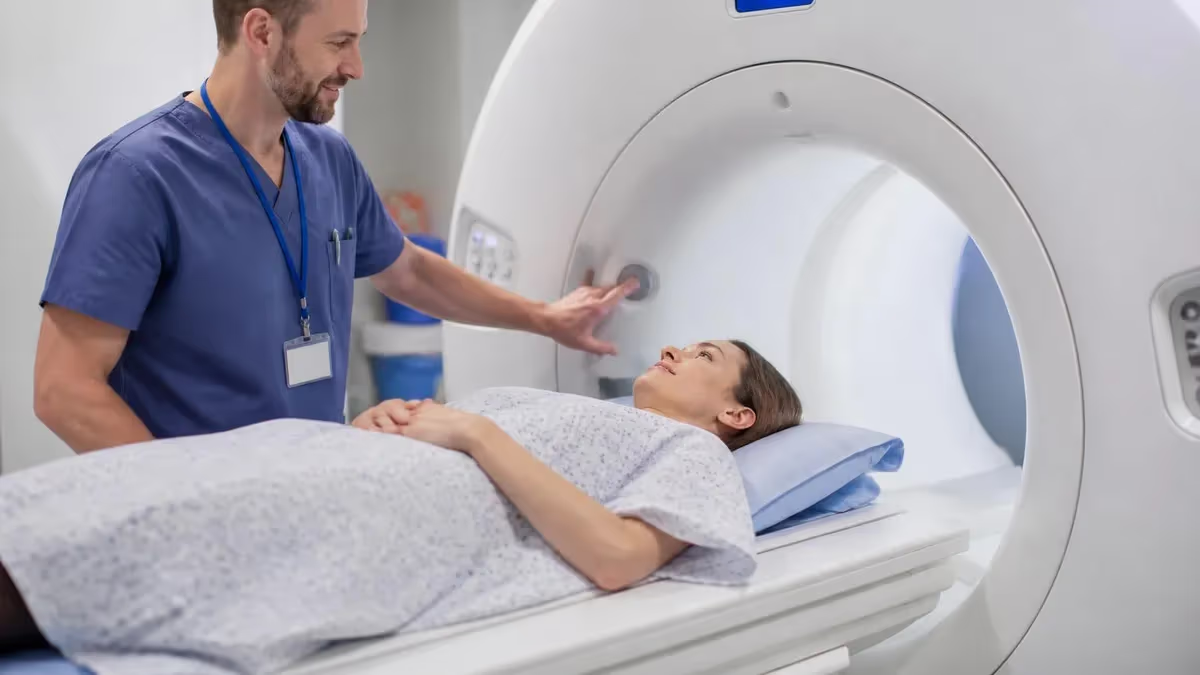
MRI technologist training is one of the most structured and rewarding pathways in the entire allied health profession. Candidates who commit to a formal program gain hands-on experience with superconducting magnets, radiofrequency coils, pulse sequences, and patient care protocols that form the daily fabric of clinical imaging.
Whether you are entering the field fresh out of high school or transitioning from radiography, understanding the full scope of training requirements helps you plan a realistic timeline, budget for costs, and select the right accredited program. The demand for qualified MRI technologists continues to grow faster than the national average for all occupations, making this an exceptionally stable career choice.
The educational journey typically begins with an associate or bachelor's degree in radiologic technology, diagnostic medical imaging, or a closely related field. Accredited programs integrate classroom instruction in anatomy, physiology, MRI physics, and patient safety alongside supervised clinical rotations in hospital and outpatient imaging centers. Most full-time associate programs take roughly two years to complete, while bachelor's pathways extend to four years and often open doors to supervisory and research roles. Some institutions now offer post-primary MRI certificates designed for radiographers who already hold ARRT credentials and want to add MRI to their scope of practice.
Physics is the foundation that distinguishes MRI from every other imaging modality. Students learn how strong magnetic fields align hydrogen protons, how radiofrequency pulses tip those protons out of alignment, and how the body's relaxation signal is captured to produce exquisitely detailed soft-tissue images. Topics such as T1 and T2 relaxation times, spin echo sequences, gradient echo protocols, and k-space filling strategies are introduced progressively throughout the curriculum so that each new concept builds on the last. This layered approach ensures graduates are not memorizing facts in isolation but developing genuine diagnostic intuition.
Clinical training hours are non-negotiable in any accredited program. Students rotate through a variety of scanning environments—brain and spine imaging, musculoskeletal studies, cardiac MRI, abdominal and pelvic protocols, and MR angiography—to develop a broad procedural skillset. Most programs require a minimum of 1,000 to 1,500 clinical hours before graduation, though competitive programs often exceed this threshold. Preceptors evaluate students on patient positioning, coil selection, sequence parameter adjustment, image quality assessment, and emergency response procedures including managing patients who experience claustrophobia or adverse contrast reactions.
After completing an accredited program, graduates are eligible to sit for the American Registry of Radiologic Technologists (ARRT) MRI examination, the industry's gold-standard credentialing test. The exam covers patient care, safety, image production, and procedures across 170 scored questions. Many states also require licensure beyond federal certification, so candidates must research their specific jurisdiction's rules before beginning practice. Maintaining credentials requires completing 24 continuing education credits every two years, ensuring technologists stay current with rapidly evolving scanner technology, contrast agents, and imaging protocols.
Salary expectations for credentialed MRI technologists are competitive relative to other imaging disciplines. The Bureau of Labor Statistics reports median annual wages around $78,000 nationally, with experienced technologists in high-cost metropolitan areas or specialized facilities such as academic medical centers earning well above $95,000. Choosing a training program with strong clinical affiliations and a documented board pass rate above 85% dramatically improves employment outcomes. Investing time in mri technologist training resources that cover advanced topics like diffusion-weighted imaging gives graduates an edge in interviews and in everyday practice.
This guide walks you through every stage of the training pipeline—from selecting the right educational pathway and understanding costs to mastering the certification exam and advancing your career in specialized MRI subspecialties. Whether you are weeks away from starting a program or months away from sitting for boards, the information here will help you make informed decisions, allocate your study time wisely, and enter the profession with confidence.
MRI Technologist Training by the Numbers
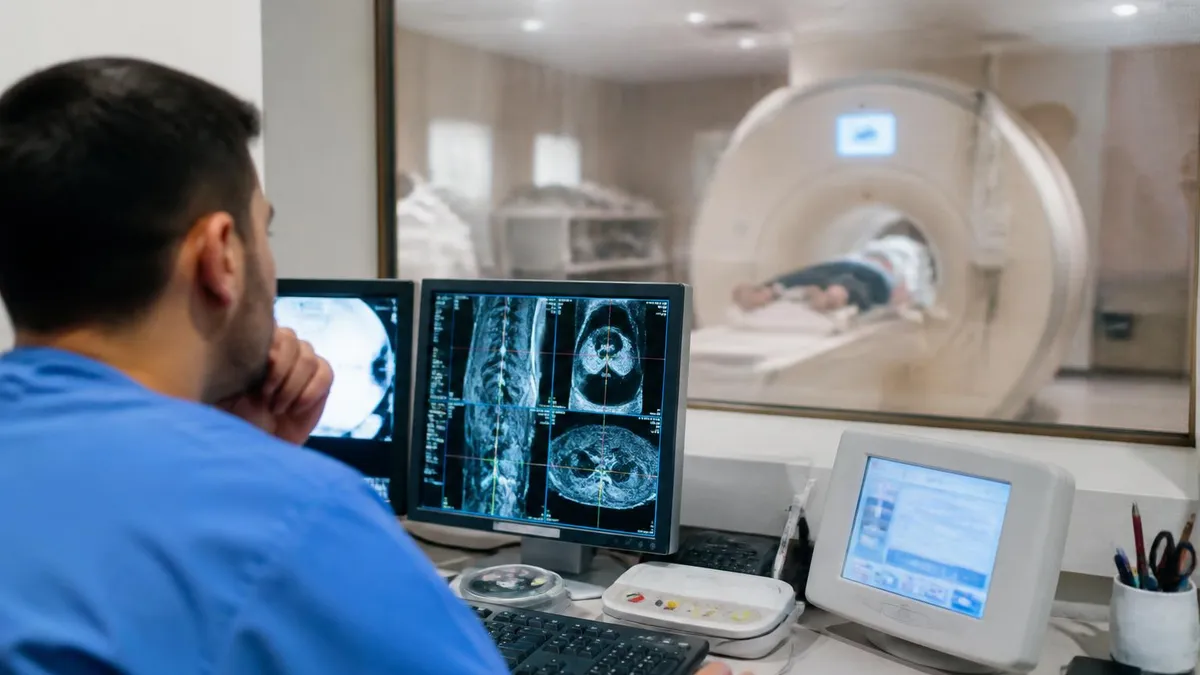
MRI Technologist Educational Pathways
The fastest traditional route—typically 24 months including clinical rotations. Qualifies graduates to sit for ARRT examinations and entry-level positions in hospitals, outpatient imaging centers, and urgent care clinics.
A four-year program that pairs MRI coursework with leadership, research methods, and health informatics. Preferred by academic medical centers and positions graduates for supervisory, education, or management tracks.
Designed for credentialed radiographers who want to add MRI to their scope. Typically 12-18 months of coursework and clinicals. ARRT requires documentation of 1,000 MRI clinical hours for this pathway.
Some community colleges offer dedicated MRI associate programs separate from general radiography. These emphasize magnetic resonance physics and sequences from day one rather than as a modality add-on.
Every accredited MRI technologist program is built on a common curriculum framework established by the Joint Review Committee on Education in Radiologic Technology (JRCERT). This framework ensures that regardless of whether a student attends a large university or a community college, the foundational content meets national standards. Core subject areas include human anatomy and sectional imaging, medical terminology, radiation and magnetic field safety, MRI physics and instrumentation, cross-sectional pathology recognition, contrast agent pharmacology, and professional ethics. Programs typically sequence these courses so that foundational science precedes clinical application, giving students the theoretical grounding they need before they touch a scanner.
MRI physics is universally regarded as the most demanding portion of the curriculum, and for good reason. Mastering concepts like the Larmor frequency, longitudinal and transverse magnetization, free induction decay, and the Fourier transform relationship between k-space and image space requires sustained intellectual effort over multiple semesters. Programs that allocate dedicated physics laboratory time—where students observe how changing repetition time or echo time alters image contrast on a real scanner—produce graduates with far more durable conceptual understanding than those relying solely on lectures. If your program lacks hands-on physics labs, supplementing with simulation software is strongly recommended.
Patient care content is integrated throughout most programs rather than isolated in a single semester. Technologists must be proficient in IV catheter insertion and management for gadolinium-based contrast administration, monitoring patients for allergic reactions, screening for contraindicated implants such as pacemakers and cochlear implants, and positioning patients who have physical limitations or acute injuries. Pediatric imaging introduces additional competencies around minimizing scan time to reduce sedation requirements, using child-friendly environments, and communicating with both the child and anxious parents. These interpersonal skills are tested during clinical evaluations and are scrutinized during job interviews.
Sectional anatomy is another cornerstone of MRI education because the modality produces images in multiple planes—axial, sagittal, coronal, and oblique—that radiographers trained primarily on conventional X-ray must learn to interpret in an entirely new spatial framework. Students study the brain, spine, joints, abdomen, pelvis, heart, and vasculature through detailed atlases, cadaveric specimens where available, and annotated MRI case libraries. Being able to identify structures quickly and precisely is essential not only for positioning accuracy but also for detecting incidental findings that the ordering physician should be aware of before the patient leaves the department.
Sequence optimization is a skill that separates good technologists from exceptional ones. Understanding when to switch from a fast spin echo to a gradient echo protocol, how to apply fat saturation techniques for musculoskeletal imaging, and how to trouble-shoot artifacts caused by patient motion, metal implants, or magnetic field inhomogeneity requires experience that only comes from extensive scanning practice. Many programs encourage students to keep a personal case log where they document challenging scans, the parameters they adjusted, and the outcome. Reviewing this log before the certification exam and during job interviews demonstrates genuine clinical engagement.
Clinical rotations are typically distributed across multiple affiliated sites to expose students to different scanner manufacturers—Siemens Magnetom, GE SIGNA, Philips Ingenia, and Canon Vantage systems each have distinct interfaces—as well as different field strengths, primarily 1.5T and 3T, which behave differently in terms of signal-to-noise ratio, specific absorption rate limits, and susceptibility artifacts. Students who complete rotations at a 3T site gain an advantage because high-field imaging is increasingly standard at academic centers and specialized outpatient facilities. Competency sign-offs from clinical preceptors are required for graduation, covering body regions, special procedures, and emergency protocols.
Elective or advanced coursework offered in many bachelor's programs now includes introductions to 7T research MRI, functional MRI concepts relevant to neurology and psychiatry, MR spectroscopy, and MR-guided focused ultrasound. While these topics are not tested on the entry-level ARRT board exam, familiarity with them distinguishes candidates in competitive hiring markets and lays groundwork for subspecialty certification in areas like MR cardiac imaging. Staying current with continuing education throughout your career—including resources that cover specialized techniques—is the best long-term investment any technologist can make in their professional development.
MRI Certification: ARRT Exam Overview and Preparation
The ARRT MRI examination consists of 220 questions administered over three hours, of which 170 are scored and 50 are unscored pilot items embedded randomly throughout the test. The content is divided into four major categories: patient care (12%), safety (30%), image production (38%), and procedures (20%). The safety domain carries the highest individual weight, reflecting how critical it is for technologists to prevent accidents involving projectile objects, implant heating, and radiofrequency burns. Candidates who allocate study time proportionally to domain weight consistently outperform those who study uniformly across all topics.
Questions are presented in a multiple-choice format with four answer options. The exam uses a fixed-form design, meaning all candidates receive the same set of questions during a given testing window, and scores are reported on a scale of 1 to 99. A scaled score of 75 or higher is required to pass. Candidates may take the exam up to three times per year and a maximum of six times in a lifetime under current ARRT rules, so thorough preparation before the first attempt is strongly advisable to preserve retake opportunities.
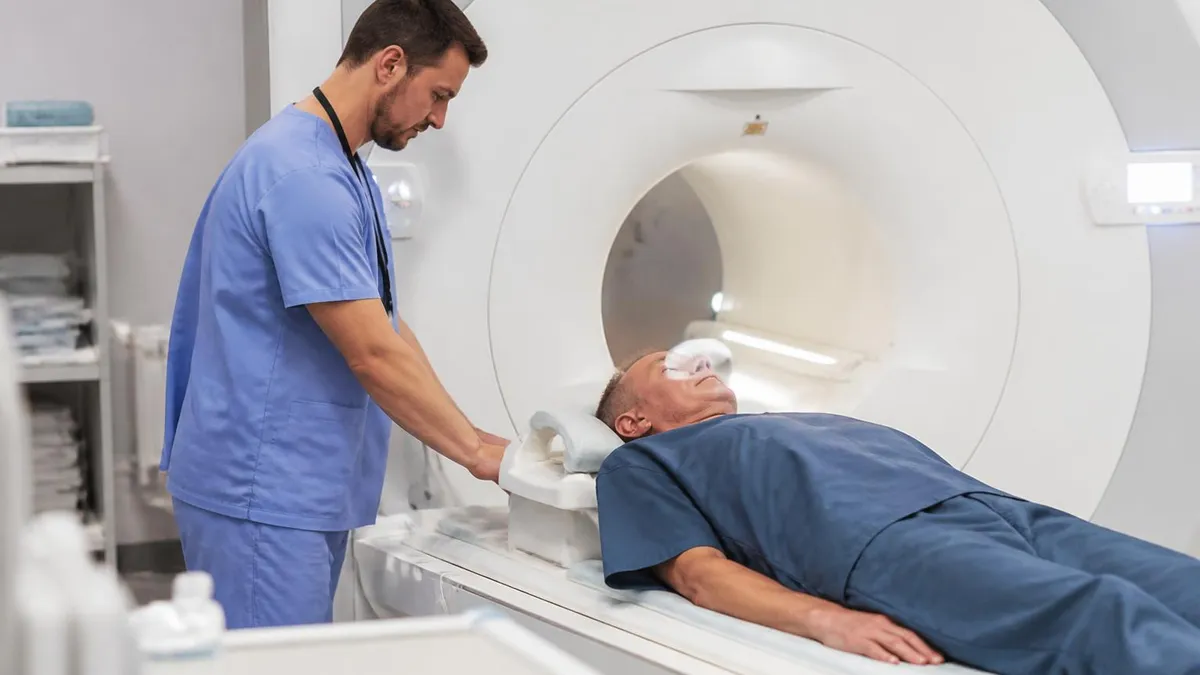
Is MRI Technologist Training Worth the Investment?
- +Strong and growing job market with 12% projected growth through 2032
- +Median salary of $78,000 with top earners exceeding $95,000 annually
- +No ionizing radiation exposure, making it safer than X-ray or CT modalities
- +Rich intellectual challenge combining physics, anatomy, and patient interaction
- +Multiple specialization pathways including cardiac, neuro, and pediatric MRI
- +High portability of credentials — ARRT certification recognized in nearly all US states
- −Physically demanding — long shifts standing, assisting heavy patients, and bending in tight scanner bores
- −Strict metal safety protocols create high cognitive load and constant vigilance requirements
- −Board exam is challenging, with many candidates requiring more than one attempt
- −Ongoing 24-credit continuing education requirement every two-year cycle
- −High noise levels from gradient coils require consistent use of ear protection over a career
- −Night and weekend on-call shifts are common in hospital settings, affecting work-life balance
MRI Technologist Training & Certification Prep Checklist
- ✓Verify your target program holds current JRCERT accreditation before applying.
- ✓Request the program's most recent ARRT board pass rate — aim for 85% or higher.
- ✓Shadow a credentialed MRI technologist for at least one full shift before committing.
- ✓Confirm clinical affiliate sites include both 1.5T and 3T scanner environments.
- ✓Purchase a dedicated MRI physics textbook such as Westbrook's MRI in Practice before classes begin.
- ✓Build a personal anatomy case log starting on your first clinical rotation day.
- ✓Create ARRT account online and review ethics requirements well before graduation.
- ✓Take a diagnostic practice exam in week one of board prep to identify weak content domains.
- ✓Allocate 30% of study time to the Safety domain — it carries the highest exam weight.
- ✓Schedule your Prometric exam appointment at least 4 weeks in advance to secure your preferred date.
Safety Domain = 30% of Your Score
The ARRT MRI exam weights the Safety domain at 30% — more than any other single category. Candidates who master projectile risk zones, implant screening protocols, RF heating thresholds, and quench procedures before attacking other content domains see the fastest score improvements. Start safety content first, not last.
Understanding the full cost of MRI technologist training is essential for sound financial planning. Tuition for community college associate programs typically ranges from $8,000 to $18,000 for in-state residents, making them the most affordable pathway. Public university bachelor's programs run $20,000 to $50,000 in total tuition, while private institutions can exceed $80,000. These figures exclude living expenses, transportation to clinical sites, textbooks, uniforms, liability insurance, and the ARRT application fee, which currently stands at $200. Most programs require students to purchase personal dosimetry badges and clinical tracking software subscriptions, adding another $150 to $400 per year.
Financial aid options are robust for accredited health science programs. Federal Pell Grants, subsidized and unsubsidized Stafford Loans, and institutional scholarships can substantially offset tuition costs for qualifying students. The American Society of Radiologic Technologists (ASRT) Foundation awards over $500,000 annually in scholarships to students enrolled in accredited imaging programs, with specific awards designated for MRI candidates. State radiologic technology societies also administer competitive scholarships, and many hospital systems offer tuition reimbursement programs for employees pursuing imaging credentials through approved partner schools.
Return on investment for MRI training is highly favorable when measured over a full career. A credentialed technologist who begins practicing at age 24 with a median salary of $78,000 and receives typical 2-3% annual increases will earn approximately $3.5 million over a 35-year career—substantially more than the total training investment even at a private university. Overtime pay, shift differentials for evenings and weekends, and bonus structures at high-volume imaging centers can push annual compensation well above published median figures. Technologists in California, Alaska, Hawaii, and the greater New York metropolitan area consistently report the highest wages nationally.
Job placement rates for graduates of well-regarded programs are exceptionally strong. The nationwide shortage of credentialed MRI technologists means that most graduates receive multiple job offers before completing their final clinical rotation. Employers actively recruit from clinical affiliate sites, and students who perform well during rotations frequently receive informal offers before graduation. This pre-placement pipeline is one of the most underappreciated advantages of choosing a program with strong, diverse clinical affiliations over a program that places students at a single facility.
Career advancement pathways available to experienced MRI technologists are numerous and well-compensated. Lead technologist and supervisor roles typically pay 15-25% above staff-level salaries and involve oversight of scheduling, quality assurance, and new staff orientation. Applications specialist positions with scanner manufacturers such as Siemens Healthineers, GE HealthCare, and Philips offer salaries in the $90,000 to $120,000 range, require significant travel, and provide an opportunity to train imaging teams across large hospital networks. Academic positions at university-affiliated programs combine clinical practice with teaching and curriculum development.
The MRI subspecialty certification pathway offers another avenue for salary growth and professional differentiation. After two years of full-time MRI practice, technologists can pursue advanced certifications in cardiac MRI, offered through the Cardiovascular Credentialing International (CCI), or apply for advanced practice designations through ARRT's post-primary pathway in additional imaging modalities. Cardiac MRI technologists are among the highest-earning imaging professionals, with median salaries often exceeding $90,000, reflecting the complexity of gating, breath-hold techniques, and post-processing software required for these studies.
Geographic flexibility is another significant career benefit. Credentialed MRI technologists can practice in all 50 states, and traveling technologist contracts—typically 13-week assignments at facilities experiencing staffing shortages—command total compensation packages exceeding $3,000 to $4,500 per week, inclusive of housing stipends and travel allowances. Many technologists use early-career travel assignments to pay off student loans rapidly while gaining experience across scanner platforms, facility types, and geographic regions before settling into a permanent role. This flexibility makes MRI technologist training one of the highest-ROI healthcare education investments available at the associate degree level.
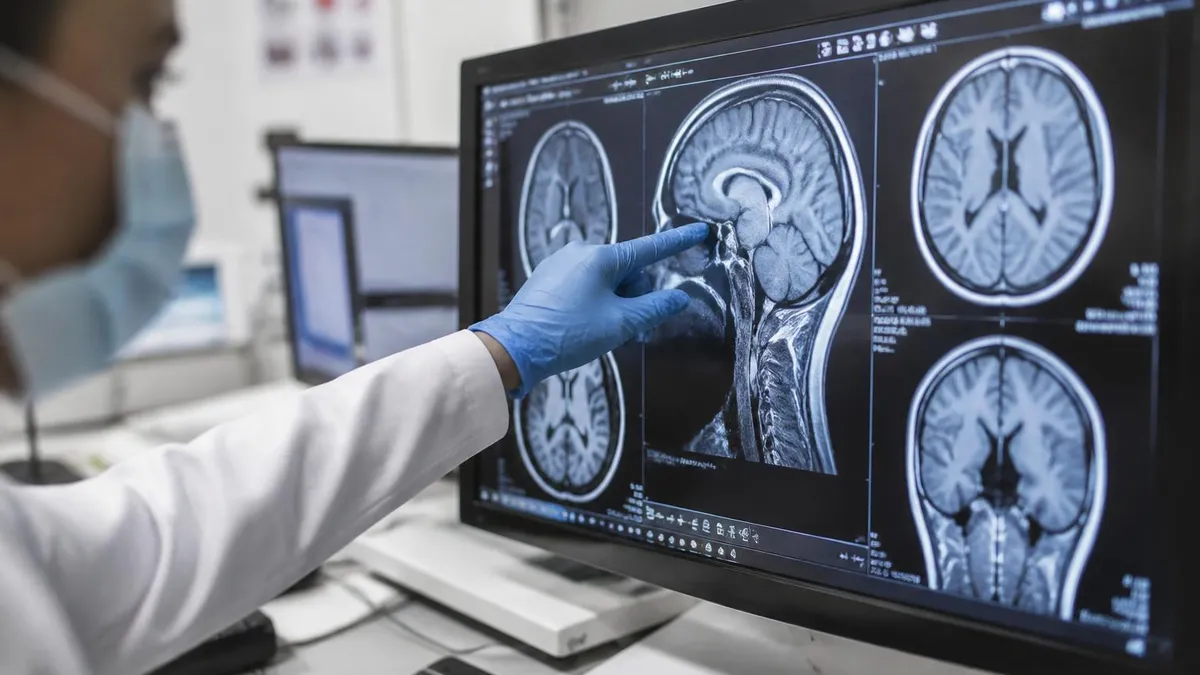
ARRT allows a maximum of six lifetime attempts at the MRI examination and no more than three attempts per calendar year. Candidates who sit for the exam underprepared risk consuming retake opportunities that may be needed later. Delaying your exam date by four to six weeks to complete proper preparation is far preferable to sitting early and failing. Confirm your readiness with at least two full-length, timed practice exams scoring 80% or higher before scheduling your Prometric appointment.
Advanced specialization in MRI opens some of the most intellectually stimulating and well-compensated positions in diagnostic imaging. Neuroimaging represents one of the largest subspecialty markets, with certified technologists performing brain tumor protocols, epilepsy monitoring sequences, stroke diffusion studies, and presurgical mapping using functional MRI. Academic medical centers with neurosurgery programs actively seek technologists who can operate advanced sequences confidently and communicate scan findings to neurosurgeons in real time. Proficiency in diffusion-weighted imaging—understanding how to interpret apparent diffusion coefficient maps and optimize b-values for different clinical questions—is increasingly expected in neuroimaging roles.
Cardiac MRI is the fastest-growing MRI subspecialty, driven by cardiologists who increasingly prefer the modality's superior soft-tissue contrast and absence of ionizing radiation over CT for evaluating myocardial viability, congenital heart disease, and cardiomyopathies. Cardiac technologists must master electrocardiographic gating techniques, breath-hold instructions for cooperative patients, real-time imaging for patients who cannot breath-hold, and a library of specialized sequences including late gadolinium enhancement, T1 and T2 mapping, and four-dimensional flow imaging. Training for cardiac MRI typically requires 6 to 12 months of dedicated mentorship beyond general ARRT credentialing, and the CCI offers a dedicated examination for this subspecialty.
Musculoskeletal MRI is another high-demand subspecialty, particularly in sports medicine clinics, orthopedic surgery centers, and dedicated outpatient imaging networks. Technologists working in this space become expert in joint imaging protocols for the shoulder, knee, hip, ankle, wrist, and elbow—understanding how to position athletes post-injury for diagnostic-quality images that directly influence surgical planning. MR arthrography, which involves intra-articular contrast injection followed by MRI, requires close coordination with radiologists and procedural technologists, creating opportunities for MRI professionals who enjoy working in multidisciplinary team environments.
Pediatric MRI presents unique challenges that drive demand for specialized technologists at children's hospitals and pediatric academic centers. Imaging children requires minimizing scan times to reduce the need for general anesthesia, using appropriately sized coils, calibrating scanner noise reduction features, and developing the communication skills to keep anxious young patients comfortable. Many pediatric imaging departments train their own MRI staff in-house after hiring from accredited general programs, recognizing that the combination of technical skill and child-specific patient care expertise is rare and valuable. Technologists who pursue pediatric-focused continuing education distinguish themselves in this competitive hiring market.
Interventional and intraoperative MRI is an emerging area where technologists work alongside surgeons and neurosurgeons in specially designed operating suites equipped with open or wide-bore scanners. These environments require mastery of MR-safe surgical tool identification, real-time image guidance techniques, and rapid protocol adaptation as surgical conditions change. The role demands exceptional composure under pressure and a deep understanding of the interaction between MRI scanner fields and electronic monitoring equipment used in the OR. Technologists who train in intraoperative MRI environments often hold dual competencies in MRI and surgical technology, commanding some of the highest salaries in the imaging field.
Research MRI at academic institutions and pharmaceutical companies offers a completely different career environment for technologists who enjoy contributing to scientific discovery. Research technologists operate high-field scanners—including 7T systems—for clinical trials, neuroscience studies, and new sequence development. They work closely with physicists, radiologists, and principal investigators to design scan protocols, maintain data quality across longitudinal studies, train research subjects, and troubleshoot acquisition issues that fall outside standard clinical workflows. While salaries in pure research settings may be slightly lower than clinical positions, the intellectual richness and schedule predictability attract many experienced technologists later in their careers.
Regardless of which specialization path you pursue, the commitment to lifelong learning that begins in your initial training program remains the defining characteristic of outstanding MRI technologists. Attending annual meetings of the ASRT, reading peer-reviewed imaging journals, participating in scanner manufacturer webinars, and regularly testing your knowledge with practice questions and registry simulations keeps your skills sharp and your credentials current. The field of MRI is evolving rapidly, with developments in artificial intelligence-assisted reconstruction, synthetic MRI, and ultra-fast acquisition techniques reshaping what is possible in clinical practice every few years.
Practical preparation strategies make a measurable difference in both board exam performance and early career success. One of the most valuable habits a student or recent graduate can develop is consistent daily engagement with practice questions rather than marathon study sessions concentrated in the final weeks before an exam. Research on learning and retention consistently demonstrates that distributed practice—answering 20 to 30 questions daily over 12 weeks—produces stronger long-term knowledge encoding than studying the same total number of questions in compressed, high-stress sessions. Build a daily practice question habit from the first day of your final semester.
Time management during the actual ARRT board exam is a skill that must be practiced deliberately. With 220 questions to complete in three hours, candidates have approximately 49 seconds per question.
Many test-takers report that they know the answer immediately for roughly 60% of questions, struggle momentarily with 25%, and genuinely do not know 15%. A proven strategy is to answer confidently known questions immediately, flag uncertain questions for review, and skip completely unknown items initially—returning to flagged and skipped items in the remaining time. This approach prevents time loss from dwelling on difficult questions at the expense of easy points.
Scanner simulator software, now available from multiple vendors and some ARRT-approved continuing education providers, allows candidates to practice adjusting imaging parameters in a realistic interface without access to a physical scanner. These tools are particularly valuable during exam preparation when clinical rotations have ended. Experimenting with how increasing TR affects T1 contrast, how changing the echo train length impacts image blur in fast spin echo sequences, or how adjusting bandwidth influences chemical shift artifact reinforces the physics knowledge tested on the board exam in a way that passive reading cannot replicate.
Peer study groups organized around specific content domains yield better outcomes than general review sessions. Structuring a group session so that each member is responsible for teaching one ARRT content outline section to the others forces active retrieval and verbal articulation of concepts—cognitive processes that dramatically strengthen memory consolidation. Group members can also identify each other's conceptual gaps that self-study tends to leave undetected. Online communities for MRI students and new graduates have proliferated on professional networks and social media platforms, offering accessible peer support for candidates who cannot meet in person.
Managing test anxiety is a practical concern for many candidates, particularly those who did not experience high-stakes standardized testing in their undergraduate programs. Scheduling the exam for a morning time slot when cognitive performance is typically optimal, ensuring adequate sleep for at least three nights before the exam, and arriving at the Prometric center 30 minutes early to complete check-in procedures without rushing all contribute to a calmer testing experience. Breathing techniques practiced during the weeks before the exam can be deployed in the testing room if anxiety spikes during difficult question clusters.
Post-exam, new MRI technologists entering their first positions benefit enormously from seeking out experienced mentors within their department. The gap between board exam knowledge and clinical confidence narrows quickly with supportive guidance, but widens painfully when new graduates feel unable to ask questions without judgment. Identifying one or two veteran technologists who are willing to debrief difficult scans, explain department-specific protocol choices, and share institutional knowledge about equipment quirks accelerates professional growth faster than any continuing education course. Most experienced technologists are generous mentors when approached respectfully and with genuine curiosity.
Building your professional network through the ASRT, your state radiologic technology society, and regional imaging conferences pays dividends throughout your career. These connections surface job opportunities before they are posted publicly, provide references for competitive positions, and alert you to industry changes—such as new ARRT ethics requirements, updated contrast safety guidelines, or emerging scanner technology—that affect daily practice. The MRI technologist community is relatively small and collegial, and professionals who invest in building relationships within it find that doors open more readily at every career stage.
MRI Questions and Answers
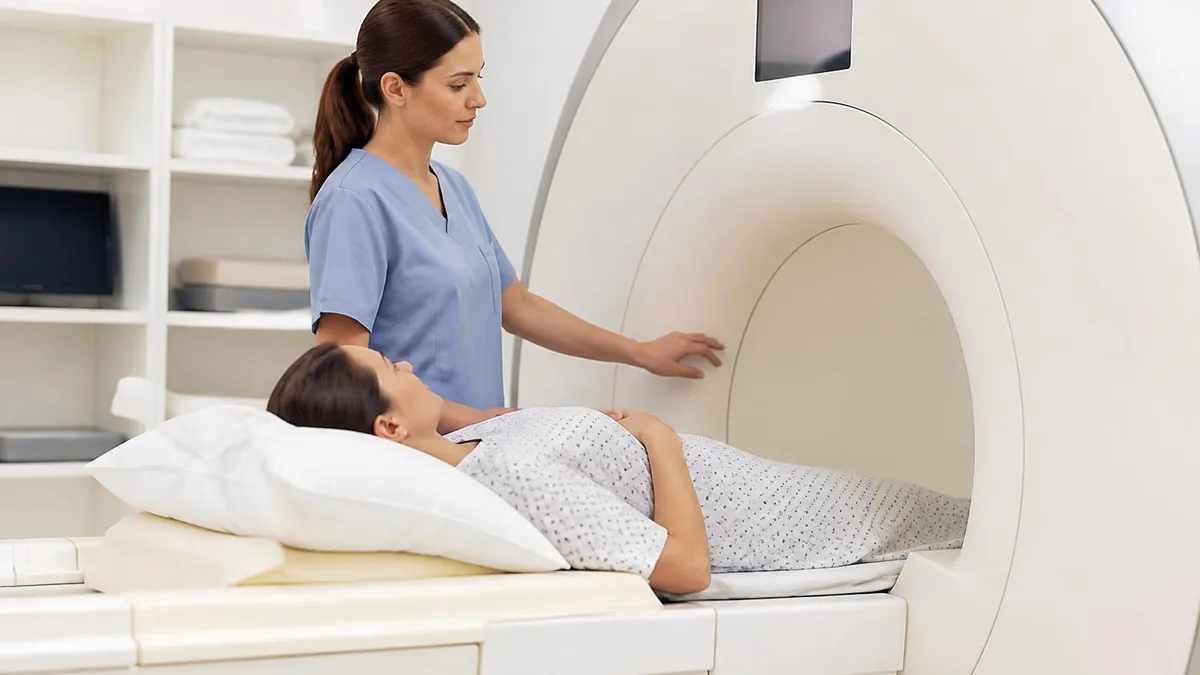
DWI MRI: Diffusion-Weighted Imaging Explained (2026 Guide)
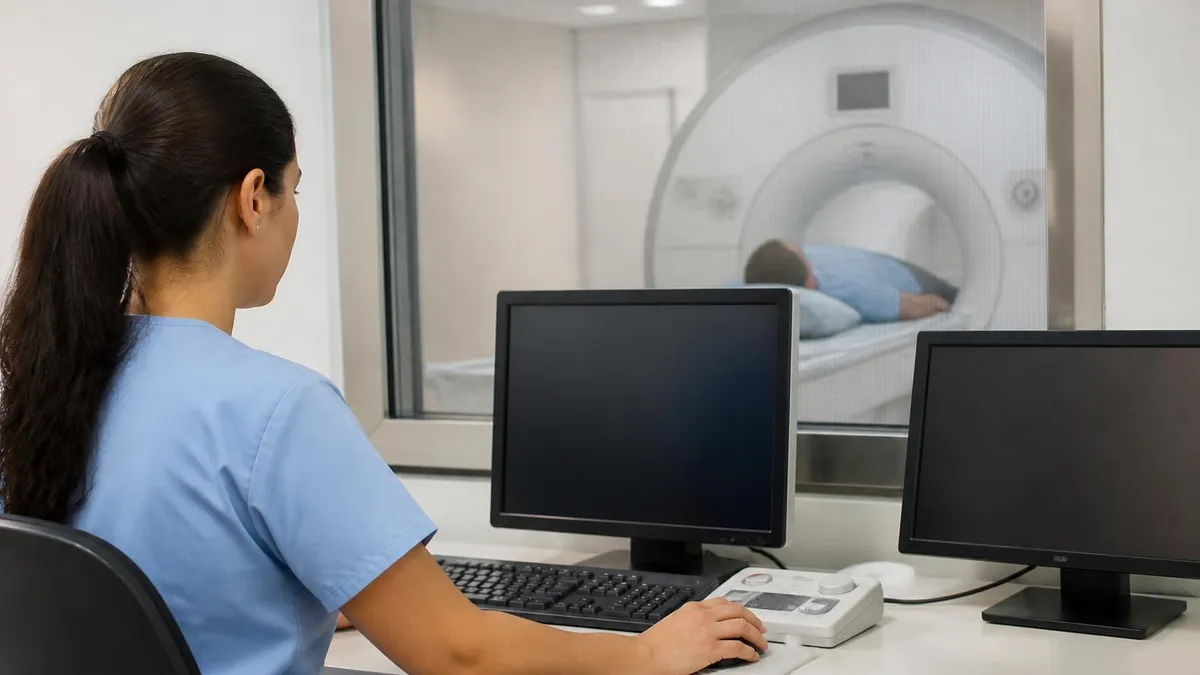
Side Effects of Brain MRI: Understanding Risks, Safety, and What Every Patient Should Know
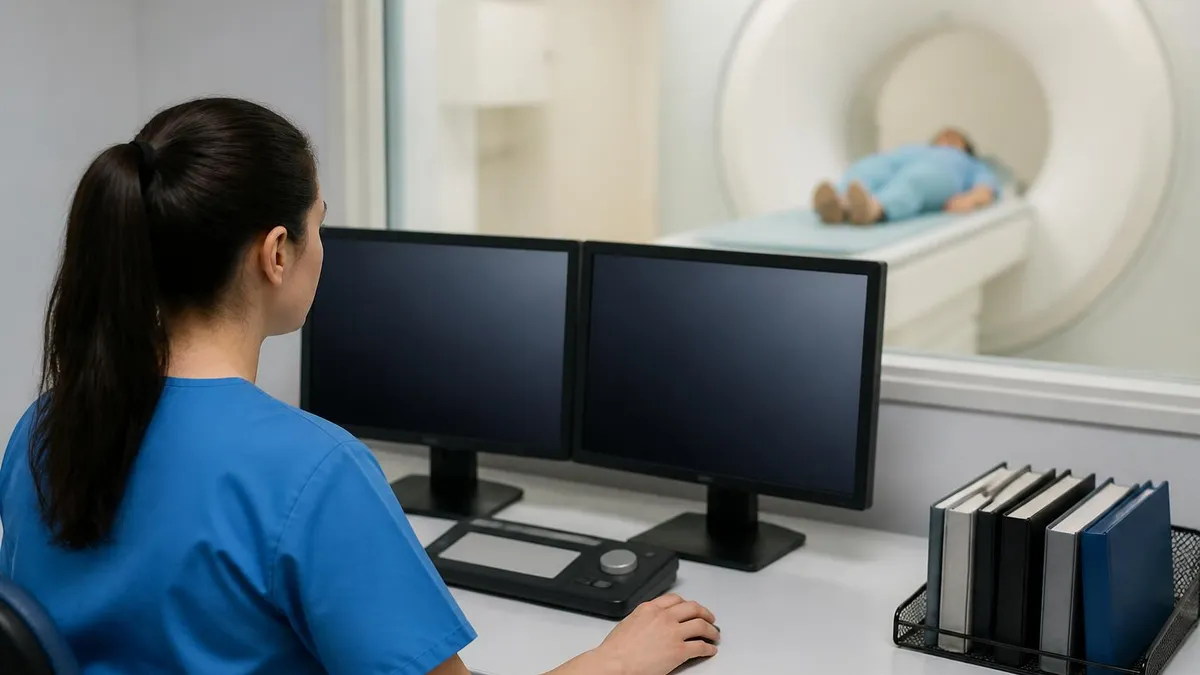
MRI Lumbar Spine Without Contrast: Complete Guide to the Scan, What It Shows, and How to Prepare
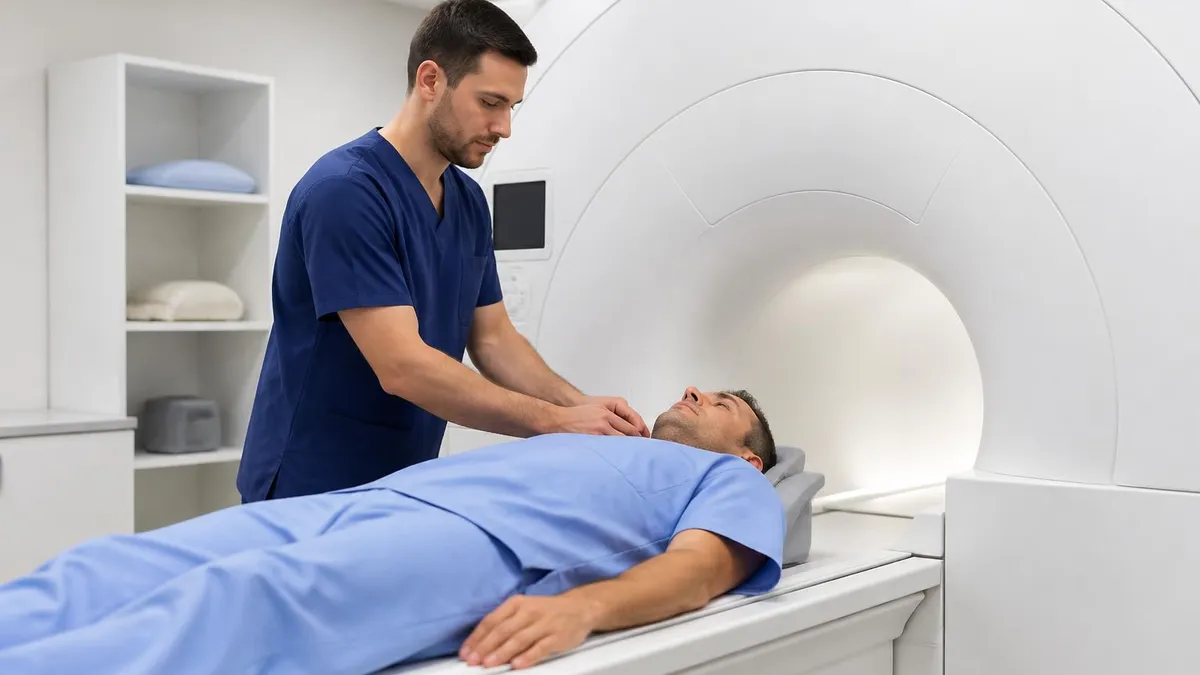
MRI History: From Nuclear Resonance to Modern Scanners
MRI of Cervical Spine: Complete Guide to Imaging, Anatomy, Pathology, and Patient Preparation
About the Author

Medical Laboratory Scientist & Clinical Certification Expert
Johns Hopkins UniversityDr. Sandra Kim holds a PhD in Clinical Laboratory Science from Johns Hopkins University and is certified as a Medical Technologist (MT) and Medical Laboratory Scientist (MLS) through ASCP. With 16 years of clinical laboratory experience spanning hematology, microbiology, and molecular diagnostics, she prepares candidates for ASCP board exams, MLT, MLS, and specialist certification tests.
Join the Discussion
Connect with other students preparing for this exam. Share tips, ask questions, and get advice from people who have been there.
View discussion (8 replies)