
MRI Tech Job Openings: Complete Hiring Guide for 2026 September
MRI tech hiring guide: explore job openings, salary ranges, certifications, employer types, and how to land your first or next MRI technologist role. ❓
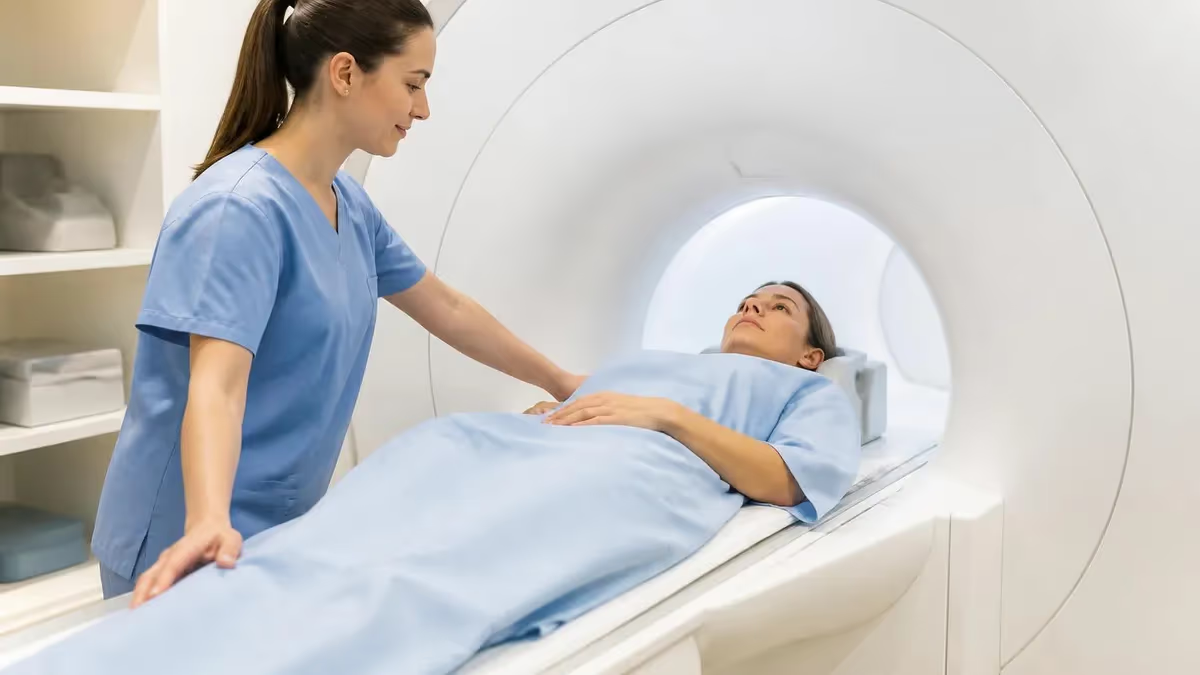
The current wave of mri tech hiring is one of the strongest in the last decade, with hospitals, imaging centers, and mobile MRI providers across the United States actively recruiting credentialed technologists to fill thousands of open positions. Demand has surged as outpatient imaging volume climbs, an aging workforce retires, and advanced sequences like cardiac MRI and prostate multiparametric imaging push facilities to staff more specialized chairs. If you are exploring MRI as a career path or considering a move, the timing favors candidates.
Job openings range from entry-level positions for newly registered technologists to senior, lead, and supervisor roles that pay six figures in many metropolitan markets. The Bureau of Labor Statistics projects faster-than-average growth for MRI technologists through 2032, and Indeed, LinkedIn, and ZipRecruiter consistently show MRI on lists of top healthcare jobs with the fewest qualified applicants per posting. Employers compete with sign-on bonuses, relocation packages, tuition reimbursement, and shift differentials.
This guide breaks down what the MRI tech job market actually looks like in 2026: who is hiring, what credentials they require, how much they pay, what shifts they need filled, and how to make your application stand out. Whether you are a recent graduate, an X-ray tech cross-training into MRI, or a seasoned technologist evaluating travel contracts, you will find concrete numbers and steps to act on.
We will also cover the parts of the hiring process that surprise applicants — the practical scanner tests employers sometimes give during interviews, the registry deadlines that can disqualify you from a role, and the negotiation levers that most candidates leave on the table. Understanding the full picture lets you target the openings that genuinely match your skills, schedule, and salary expectations rather than spraying resumes at every listing on a job board.
A solid foundation in MRI physics, safety, and cross-sectional anatomy is what separates candidates who get callbacks from those who get screened out. Many employers now include a brief technical interview or a written scenario question covering zone management, projectile risk, contrast extravasation, and basic sequence selection. Brushing up before applications go out pays measurable dividends in offer rates.
By the end of this article you will understand which employers are hiring most aggressively, what salary range is reasonable to ask for in your market, what the typical interview process looks like from application to offer, and how to position your resume so it survives the applicant tracking systems that screen most healthcare postings before a human ever sees them.
MRI Tech Hiring by the Numbers
Who Is Actively Hiring MRI Technologists
Large integrated networks like HCA, Ascension, Kaiser, and Cleveland Clinic post the highest volume of MRI openings, often with sign-on bonuses, robust benefits, and 24/7 scheduling that includes nights and weekends.
RadNet, SimonMed, Akumin, and independent imaging centers hire heavily for daytime weekday shifts with predictable schedules, lower acuity patients, and higher patient throughput than hospital settings.
Aya Healthcare, AMN, Cross Country, and Medical Solutions place techs on 13-week contracts across the country, paying $2,200–$3,800 weekly with stipends for housing, meals, and travel reimbursement.
Shared Medical Services, Alliance, and Akumin operate trailer-based MRI units that visit rural hospitals and clinics, hiring techs who can troubleshoot independently and handle variable patient populations.
Universities, NIH-funded labs, and pharma research sites hire MRI techs for clinical trials and protocol development, often requiring familiarity with advanced sequences, 3T or 7T scanners, and IRB documentation.
Salary is the first concrete data point most candidates want, and the spread in MRI tech compensation is wider than many realize. The 2026 national median sits near $86,500, but the 10th percentile earns roughly $62,000 while the 90th percentile clears $115,000 in high-cost metro areas like San Francisco, Seattle, Boston, and New York. Knowing your local benchmark is essential before you accept or counter an offer.
Geography drives the biggest variance. California, Washington, Massachusetts, Oregon, and Hawaii consistently pay 25–40% above the national median, while parts of the Midwest and rural South sit 10–15% below it. Cost-of-living adjustments matter, but even after normalizing for housing and taxes, coastal jobs still tend to come out ahead on net take-home pay for technologists willing to relocate.
Shift differentials add up faster than candidates expect. A typical hospital pays 10–15% extra for evening shifts, 15–25% for overnight shifts, and 1.5x to 2x base rate for weekend and holiday coverage. A technologist who picks up one weekend night per week can add $10,000–$15,000 per year to their base. Many hospitals also offer on-call pay plus callback hours, which becomes meaningful when MRI is staffed 24/7 for stroke and trauma protocols.
Certifications stack into pay differentials too. Holding the ARRT (MR) credential is now table stakes, but adding ARMRIT, CT cross-training, or sub-specialty experience in cardiac, breast, or prostate imaging can boost your offer by $3–$8 per hour. Some health systems also pay bonuses for bilingual fluency, BLS or ACLS certification, and willingness to float across modalities or facilities.
Travel contracts dramatically reshape the math. A traveler earning $3,000 per week gross translates to roughly $156,000 annually if worked back-to-back, though crisis rates have softened from their 2022 peak. The hidden costs — duplicate housing, license fees, taxes in multiple states, and unpaid gap weeks between contracts — eat into that headline number, so seasoned travelers budget for 44–46 paid weeks per year rather than 52.
Benefits often dwarf the salary delta between two competing offers. A hospital with a 6% 401(k) match, fully subsidized health insurance, generous PTO, tuition reimbursement, and a defined-benefit pension can be worth $15,000–$25,000 more annually than a higher-base offer at a leaner outpatient employer. Always model total compensation, not just the hourly rate, when comparing positions.
Finally, learn the basics of the underlying technology before you negotiate. Reviewing the history of MRI and how the field has evolved from early prototypes to today's wide-bore 3T systems will help you speak confidently about equipment differences during interviews and signal that you take the modality seriously as a long-term career.
MRI Practice Test Questions
Prepare for the MRI - Magnetic Resonance Imaging exam with our free practice test modules. Each quiz covers key topics to help you pass on your first try.
MRI Knowledge
MRI Exam Questions covering Knowledge. Master MRI Test concepts for certification prep.
MRI Physics
Free MRI Practice Test featuring Physics. Improve your MRI Exam score with mock test prep.
MRI Anatomy and Pathology
MRI Test Prep for MRI Anatomy and Pathology. Practice MRI Quiz questions and boost your score.
MRI Anatomy and Positioning
MRI Questions and Answers on MRI Anatomy and Positioning. Free MRI practice for exam readiness.
MRI Contrast Agents
Free MRI Quiz on MRI Contrast Agents. MRI Exam prep questions with detailed explanations.
MRI Patient Care and Positioning
MRI Practice Questions for MRI Patient Care and Positioning. Build confidence for your MRI certification exam.
Comparing Employer Types in MRI Tech Hiring
Hospital MRI departments offer the broadest case mix, including emergency, inpatient, and trauma scans alongside outpatient work. Technologists scan complex pathology, stroke protocols, MR enterography, and pediatric cases that outpatient centers refer out. The variety is unmatched and builds clinical depth quickly, especially for new graduates who benefit from exposure to a high volume of unusual presentations and supervising radiologists who teach in real time.
The trade-offs are 24/7 staffing demands, mandatory on-call, and higher acuity stress. Pay tends to be competitive thanks to union contracts in many regions, with strong benefits including pensions, tuition aid, and pathway programs for cross-training into CT, cardiac MR, or interventional radiology. Hospitals are the best long-term home for techs who want career mobility and intellectual challenge over schedule predictability.
Is an MRI Tech Career Worth Pursuing Right Now?
- +Strong nationwide demand with thousands of open positions in every major market
- +Competitive median salary near $86,500 with six-figure earning potential
- +Faster-than-average projected job growth through 2032 per BLS data
- +Multiple entry pathways including X-ray cross-training and direct MRI programs
- +Specialty opportunities in cardiac, breast, prostate, and neuro imaging
- +Sign-on bonuses, relocation packages, and tuition reimbursement common
- +Lower physical demands than many bedside clinical roles
- −Significant upfront education and certification costs ($15K–$40K)
- −Night, weekend, and on-call coverage required at most hospitals
- −Repetitive workflow in some outpatient settings can lead to burnout
- −Strict safety responsibilities — projectile and contrast incidents carry liability
- −Standing for long shifts and patient transfers can strain the back
- −Pay growth flattens after year 5–7 without specialty certifications
- −Limited remote work options compared to other healthcare careers
MRI Tech Job Application Checklist
- ✓Update your resume with quantified scan volumes, scanner models, and protocols
- ✓Confirm your ARRT (MR) or ARMRIT credential is active and verifiable online
- ✓Renew BLS and any required state license well before applications go out
- ✓Tailor your resume keywords to each posting to clear applicant tracking systems
- ✓Write a brief cover letter referencing the facility, scanner, and patient population
- ✓Request letters of reference from a lead tech, supervisor, or radiologist
- ✓Prepare a portfolio of 5–10 protocols you have optimized or images you have produced
- ✓Practice answering scenario questions on contrast reactions and zone safety
- ✓Research the employer's scanner inventory, software version, and PACS system
- ✓Verify salary benchmarks for your zip code on BLS, Payscale, and Glassdoor
- ✓Set up LinkedIn job alerts and apply within 48 hours of postings going live
- ✓Follow up with a thank-you email within 24 hours of every interview
Apply Within 48 Hours of a Job Posting
Hospital recruiters consistently report that the first 10–15 applicants get 80% of the interview slots. Set up daily LinkedIn and Indeed alerts for your zip code, and apply the same day a relevant opening appears. Late applications often go unread once interviews are already scheduled, even when the posting remains visible online.
The MRI tech interview process is more structured than many candidates expect, particularly at hospital systems. A typical timeline runs from initial application to final offer in two to four weeks, with three distinct stages: a recruiter screen, a technical or department interview with the modality lead, and a final conversation with the radiology manager or director. Larger systems may add a peer panel or a brief tour of the scan suite.
The recruiter screen is mostly logistical — they confirm your credentials, verify availability for required shifts, and ask about salary expectations. Have a clear, defensible number ready based on your local benchmark, and frame it as a range with the bottom 10–15% above the lowest figure you would accept. Recruiters use this number to slot you against internal pay bands, so undervaluing yourself here is costly and hard to correct later.
The technical interview is where most candidates win or lose the offer. The lead tech or modality coordinator will ask scenario questions covering MRI safety screening, ferromagnetic risks, contrast administration, common artifacts, and protocol selection for indications like rotator cuff tears, multiple sclerosis, or pituitary microadenomas. Some facilities include a written test or ask you to walk through a real scan from positioning to image review.
Behavioral questions follow a predictable pattern: tell me about a time you handled a claustrophobic patient, describe how you responded to a contrast reaction, walk me through a scan you optimized, or share a conflict with a referring physician. Prepare three or four detailed STAR-format stories in advance covering safety, patient care, teamwork, and technical problem-solving. Specific numbers and outcomes make your answers memorable.
Many hospitals also conduct a hands-on assessment, especially for new graduates or candidates moving across scanner vendors. You may be asked to position a phantom, walk through a console, or describe what you would change about a suboptimal image. Demonstrating that you can speak confidently about TR, TE, fat saturation, and motion compensation reassures hiring managers that your registry credential reflects actual scanner competence.
References usually come up after the second interview. Choose people who can speak specifically to your MRI competence — a lead tech who watched you work, a radiologist who reviewed your images, or a clinical instructor from your training program. A general supervisor reference carries less weight than someone who can describe specific protocols you ran or safety calls you made.
Once an offer arrives, you typically have 48–72 hours to respond. Use that window to negotiate base, sign-on bonus, shift differential, PTO, and start date. Most healthcare employers expect some negotiation and have room to move 5–10% on base pay or add a sign-on bonus when the candidate is qualified, so silence after the first number leaves money on the table.
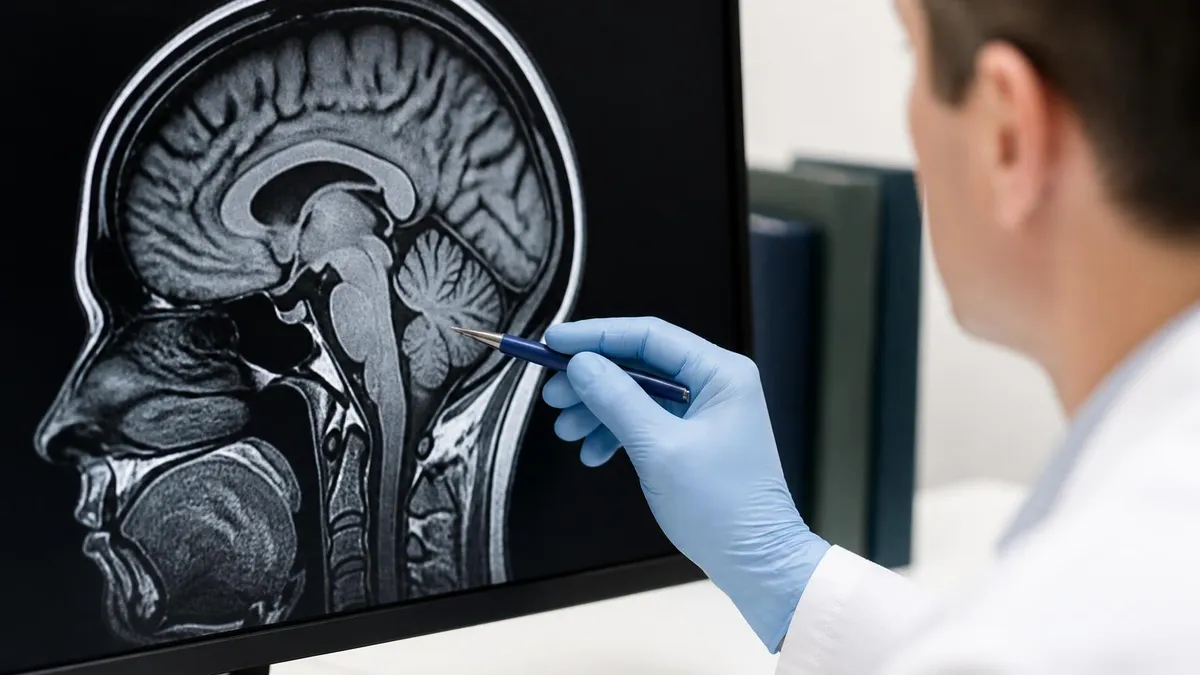
Many MRI tech applications are auto-rejected if your ARRT credential shows as lapsed, in continuing education arrears, or unverified. Log into your ARRT account, confirm your CE compliance status, and resolve any deficiencies at least 30 days before you start applying. A lapsed credential can disqualify you from consideration even when you have years of experience and the role is still posted.
Standing out in a competitive market requires more than meeting the minimum job description. Hiring managers screen dozens of applicants per opening, and the candidates who get interviews almost always show something extra — specialty certifications, advanced sequence experience, leadership signals, or evidence of continuous learning. Building these credentials early in your career compounds over time and creates options when you want to change jobs, relocate, or move into a senior role.
Specialty certifications matter most. Adding ARMRIT, CT cross-training, breast MRI experience, cardiac MR competency, or prostate multiparametric protocols opens doors to higher-paying roles that generalist techs cannot fill. Hospitals routinely struggle to staff specialized chairs, so a candidate who can independently run a cardiac stress perfusion or a prostate biopsy planning scan goes to the top of every shortlist. Investment in these areas typically pays back within one to two years.
Continuing education is another differentiator. The 24 CE credits required every two years for ARRT renewal are a floor, not a goal. Top candidates document workshops, ISMRM or RSNA attendance, vendor application training, and online courses on artifacts, safety, and new sequences. Listing recent CE on your resume signals that you stay current with the field and care about quality, which matters more in MRI than in any other imaging modality.
Networking inside the field is undervalued. Joining state and national associations like SMRT, attending local AHRA or ACR chapter meetings, and connecting with MRI applications specialists at GE, Siemens, Philips, Canon, and United Imaging puts you in front of hiring managers before jobs are posted publicly. A surprising number of MRI openings are filled through referrals, and one strong professional contact can unlock an interview that the public listing process never would.
Your online presence quietly affects hiring decisions. Keep LinkedIn updated with scanner models, protocols, specialty areas, and CE coursework. Remove anything from public social media that could raise concerns about professionalism, patient confidentiality, or judgment around safety. Recruiters routinely check candidates before extending offers, and one questionable post can cost you an interview that took weeks to land.
Soft skills matter more than candidates assume. MRI techs spend long stretches one-on-one with anxious patients, communicate with referring physicians under pressure, and coordinate with nurses, anesthesiologists, and radiologists throughout the day. Demonstrating warmth, calm under stress, and clear communication during interviews often outweighs a marginally stronger technical answer. Hiring managers know they can teach a sequence — they cannot teach bedside manner in a 12-week orientation.
Finally, understand what your future patients will actually experience. Reviewing patient-facing resources like our guide on MRI with and without contrast helps you explain the difference, the gadolinium safety profile, and what claustrophobia management looks like in plain language. Techs who can translate complex imaging into reassuring conversation consistently rate higher on patient experience surveys, and those scores increasingly factor into performance reviews and merit raises.
The final stretch between landing interviews and accepting the right offer is where preparation pays off most. Treat each interview cycle as a structured project: keep a tracking spreadsheet with employer name, scanner vendor, expected salary range, recruiter contact, interview dates, and follow-up deadlines. Candidates who run their search this way close offers faster and avoid the common pitfall of letting strong leads go cold because of missed emails or scheduling conflicts.
Practical interview prep should focus on three pillars: technical fluency, safety judgment, and patient communication. Spend 30 minutes a day for two weeks before interviews reviewing pulse sequence basics, contrast agents, and common artifacts. Walk through real cases you have scanned and articulate why you chose specific parameters. Most candidates can recite definitions; the ones who get hired explain trade-offs and decisions in plain, confident language that signals real bench experience.
Salary negotiation deserves dedicated preparation. Pull benchmarks from BLS, Payscale, Glassdoor, and Indeed for your specific zip code, then average them and add 5–10% to set your target. When the recruiter asks for your number, give a range starting at your target, never your minimum. If asked about current salary, redirect to market rate for the role and your experience level. Most states now prohibit recruiters from requiring salary history, so use that legal protection.
Once an offer arrives, evaluate the full package — base pay, sign-on bonus, shift differential, PTO, retirement match, health premiums, tuition reimbursement, CE allowance, and parking or commute costs. Build a simple side-by-side spreadsheet comparing two or three offers. The headline number rarely tells the full story, and the highest base salary often loses to a competing offer once you account for benefits, schedule flexibility, and growth opportunities.
Plan the first 90 days before your start date arrives. Reach out to your future lead tech and ask what sequences and protocols you should review, what PACS system the department uses, and whether any pre-employment scanner training is available. New techs who arrive prepared get faster autonomy, better assignments, and stronger early performance reviews — all of which translate to faster raises, better shifts, and earlier consideration for specialty training opportunities.
Stay in touch with hiring managers and recruiters even after you accept a role. The MRI tech community is small, and the lead who interviewed you today may run a hospital five years from now. A short thank-you note after a rejection, a periodic LinkedIn update, or a quick congratulations when someone changes jobs keeps you visible. Most career-defining opportunities come from connections you built years earlier, not cold applications you submit during a job search.
If you are still earning your credential or weighing the field, keep building fundamentals through structured practice. Working through targeted MRI question banks regularly strengthens your registry preparation and your interview readiness simultaneously, because the same physics, safety, anatomy, and pathology topics dominate both. Treating your career like a long-term skill investment rather than a series of one-off job applications is what separates technologists who plateau from those who reach senior, lead, and management roles within ten years of certification.
MRI Questions and Answers

About the Author

Medical Laboratory Scientist & Clinical Certification Expert
Johns Hopkins UniversityDr. Sandra Kim holds a PhD in Clinical Laboratory Science from Johns Hopkins University and is certified as a Medical Technologist (MT) and Medical Laboratory Scientist (MLS) through ASCP. With 16 years of clinical laboratory experience spanning hematology, microbiology, and molecular diagnostics, she prepares candidates for ASCP board exams, MLT, MLS, and specialist certification tests.
Join the Discussion
Connect with other students preparing for this exam. Share tips, ask questions, and get advice from people who have been there.
View discussion (8 replies)