
MRI Contrast Injection: A Complete Guide to Gadolinium Use, Safety, Procedure, and Side Effects
MRI contrast injection explained: ✏️ how gadolinium works, who needs it, side effects, kidney safety, costs, and what to expect during your scan.
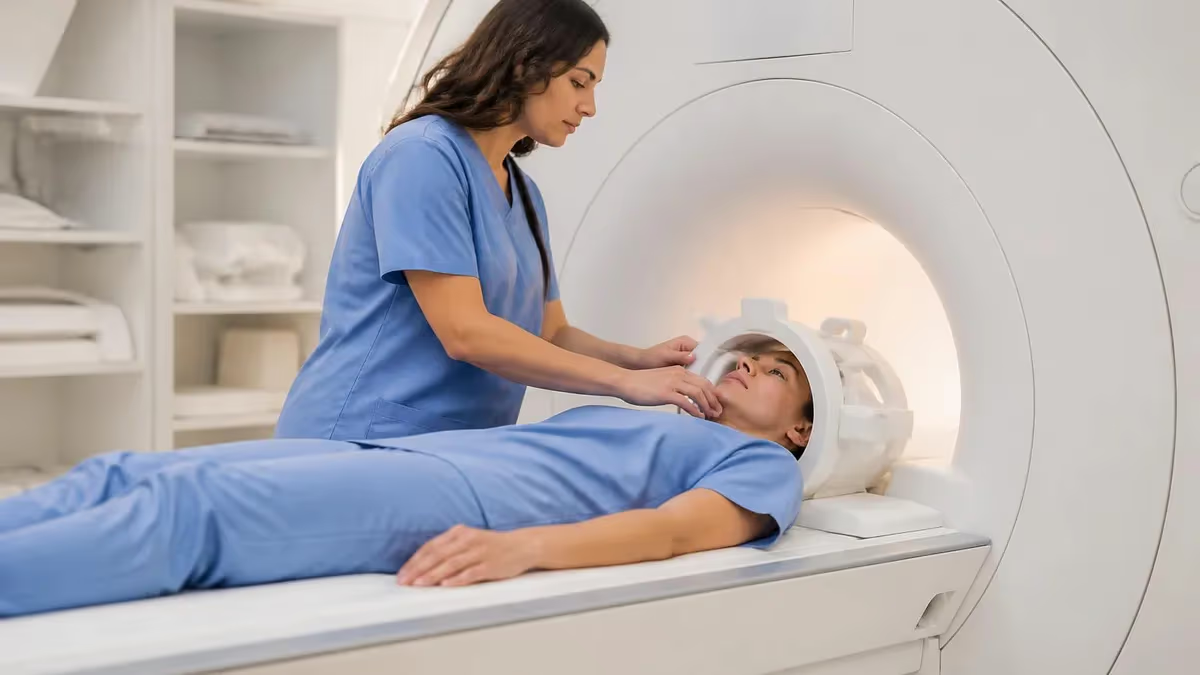
An mri contrast injection is a medical procedure in which a gadolinium-based contrast agent (GBCA) is delivered intravenously during a magnetic resonance imaging study to sharpen the visibility of blood vessels, tumors, inflammation, and subtle soft-tissue abnormalities. Roughly one in three MRI exams in the United States uses contrast, and the decision to administer it depends on the clinical question, the patient's kidney function, and the body region being imaged. Understanding what happens during the injection helps patients feel prepared and informed.
Gadolinium itself is a paramagnetic rare-earth metal that, in its free ionic form, would be toxic to the body. To make it safe for human use, manufacturers chelate the gadolinium ion within a tightly bound organic molecule, creating compounds such as gadobutrol, gadoterate meglumine, and gadoxetate disodium. These chelates circulate briefly in the bloodstream, alter local magnetic relaxation times, and are then filtered out by the kidneys. The result is brighter, more diagnostic images on T1-weighted sequences.
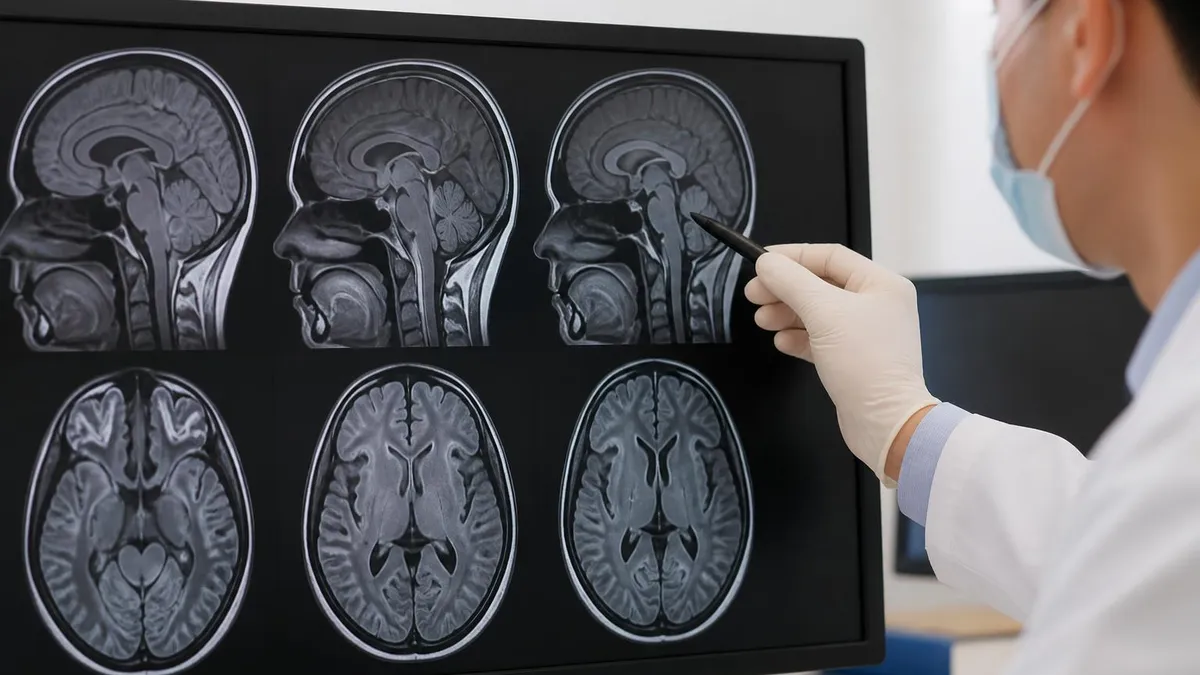
Patients often arrive at the MRI suite without realizing whether their study will require an injection. Radiologists determine the protocol in advance based on the referring physician's order and the suspected pathology. For example, a routine knee MRI for a torn meniscus mri typically does not need contrast, while an MRI of the brain to evaluate possible multiple sclerosis or metastatic disease almost always does. Knowing the rationale helps reduce anxiety on the day of the scan.
The injection itself is brief and similar to having blood drawn. A small intravenous catheter is placed in a vein, usually in the antecubital fossa or hand, and connected either to a hand-held syringe or a power injector. The contrast is administered over 10 to 30 seconds at a dose calibrated to body weight, typically 0.1 millimoles per kilogram. A saline flush follows to push the agent into central circulation and ensure accurate timing of post-contrast sequences.
Safety has improved significantly over the past two decades. Older linear gadolinium agents are being phased out of routine practice in favor of macrocyclic agents that bind gadolinium more securely and release far less free metal into tissues. The U.S. Food and Drug Administration now requires informed consent discussions about gadolinium retention, and many imaging centers screen kidney function before every contrast-enhanced exam to protect patients with renal impairment.
Still, MRI contrast remains one of the most thoroughly studied diagnostic tools in modern medicine. Since the first clinical approval of gadopentetate dimeglumine in 1988, hundreds of millions of doses have been administered worldwide. Serious reactions are rare, occurring in fewer than 0.01 percent of injections, and the diagnostic information gained frequently changes patient management in meaningful ways. To understand the broader context, it helps to review what an MRI test is before exploring contrast specifics.
This guide walks through every aspect of MRI contrast injection in detail: how gadolinium works at the molecular level, who needs it and who should avoid it, what the procedure feels like step by step, potential side effects ranging from minor to severe, kidney safety protocols, costs, and answers to the most common patient questions. Whether you are preparing for your first contrast MRI or studying for a registry exam, this article offers the practical clinical knowledge you need.
MRI Contrast Injection by the Numbers
How Gadolinium Contrast Works: Step-by-Step
IV Placement
Dose Calculation
Power Injection
Saline Flush
Distribution
Renal Elimination
Deciding whether a patient should receive an MRI contrast injection involves weighing the diagnostic benefit against the small but real risks of gadolinium exposure. Radiologists consider the clinical question first: is the suspected pathology likely to enhance? Tumors, infections, demyelinating plaques, and disruption of the blood-brain barrier all show characteristic enhancement patterns that can clarify diagnosis. Without contrast, these findings may be invisible or indistinguishable from surrounding tissue, leaving the radiologist with a non-diagnostic study.
The most common indications for contrast-enhanced MRI include brain tumor mris, multiple sclerosis monitoring, breast cancer screening in high-risk patients, liver lesion characterization, cardiac viability imaging, and evaluation of joint infection or osteomyelitis. In oncology, dynamic post-contrast imaging is essential for distinguishing benign from malignant lesions and for assessing treatment response. For vascular imaging, gadolinium-enhanced MR angiography can map arterial anatomy without the radiation of CT angiography.
Contraindications are relatively few but important. The most significant absolute contraindication has historically been severe renal impairment, defined as an estimated glomerular filtration rate below 30 mL/min/1.73 m². This restriction stems from the risk of nephrogenic systemic fibrosis, a debilitating condition described in the next sections. Modern macrocyclic agents have a much lower risk profile, and current ACR guidelines permit use even in dialysis patients when clinically justified.
Pregnancy represents a relative contraindication. Gadolinium crosses the placenta and has been detected in amniotic fluid, where it may remain for an unknown duration. The American College of Radiology recommends avoiding contrast during pregnancy unless the diagnostic information is essential and cannot be obtained another way. Lactation is not a contraindication; less than 0.04 percent of an administered dose appears in breast milk, and current guidance allows continued breastfeeding.
Prior contrast reactions deserve careful screening. Patients who had a moderate or severe reaction to gadolinium previously should not receive the same agent without premedication and consultation with the radiologist. Mild reactions like nausea or warmth do not necessarily preclude future use. A documented history of allergy to gadolinium itself, though rare, is considered an absolute contraindication and warrants alternative imaging strategies such as non-contrast MRI or ultrasound.
Patients should always disclose their full medical history before the scan, including kidney disease, diabetes, sickle cell disease, prior contrast reactions, allergies, asthma, and current medications. The screening process echoes the broader pre-scan workflow described in many MRI safety protocols, and it parallels questions asked about mri medical abbreviation and how it differs from other imaging modalities. Honest answers protect the patient and help the technologist tailor the protocol appropriately.
Children represent a special population requiring extra thought. Pediatric contrast-enhanced MRI is generally safe and well-tolerated, but doses must be precisely weight-based, and sedation may complicate IV access. The FDA recently approved several agents specifically for pediatric use down to neonatal age, reflecting accumulated safety data. Parents should ask the imaging center whether the institution follows the Image Gently campaign guidelines, which emphasize using contrast only when truly necessary in children.
MRI Practice Test Questions
Prepare for the MRI - Magnetic Resonance Imaging exam with our free practice test modules. Each quiz covers key topics to help you pass on your first try.
MRI Knowledge
MRI Exam Questions covering Knowledge. Master MRI Test concepts for certification prep.
MRI Physics
Free MRI Practice Test featuring Physics. Improve your MRI Exam score with mock test prep.
MRI Anatomy and Pathology
MRI Test Prep for MRI Anatomy and Pathology. Practice MRI Quiz questions and boost your score.
MRI Anatomy and Positioning
MRI Questions and Answers on MRI Anatomy and Positioning. Free MRI practice for exam readiness.
MRI Contrast Agents
Free MRI Quiz on MRI Contrast Agents. MRI Exam prep questions with detailed explanations.
MRI Patient Care and Positioning
MRI Practice Questions for MRI Patient Care and Positioning. Build confidence for your MRI certification exam.
Types of Gadolinium Agents Used in MRI Contrast Injection
Macrocyclic gadolinium agents bind the gadolinium ion inside a closed, ring-shaped molecular cage that surrounds it on all sides. This architecture provides exceptional thermodynamic and kinetic stability, meaning the gadolinium is highly unlikely to dissociate from its chelate while inside the body. The three macrocyclic agents widely used in the United States are gadobutrol (Gadavist), gadoteridol (ProHance), and gadoterate meglumine (Dotarem and Clariscan).
Because of their stability, macrocyclic agents are now the preferred choice for almost all clinical indications, especially in patients who may need repeated contrast-enhanced MRI over time, such as those with multiple sclerosis or surveillance imaging for cancer. They show the lowest rates of gadolinium retention in tissues and the lowest risk of nephrogenic systemic fibrosis. Most academic centers have transitioned exclusively to macrocyclic agents.
Should You Get an MRI With Contrast?
- +Reveals tumors, metastases, and inflammation invisible on non-contrast images
- +Improves diagnostic accuracy for multiple sclerosis and demyelinating disease
- +Allows non-invasive vascular imaging without ionizing radiation
- +Differentiates benign from malignant lesions in breast and liver imaging
- +Detects subtle infections and post-surgical complications earlier
- +Provides functional information through dynamic enhancement curves
- +Generally well-tolerated with very low rates of severe reactions
- −Adds 15-30 minutes to total scan time including IV setup
- −Increases exam cost by $100-$300 depending on facility and agent
- −Small risk of allergic-type reactions ranging from hives to anaphylaxis
- −Rare risk of nephrogenic systemic fibrosis in patients with severe kidney disease
- −Trace gadolinium retention in brain and bone of unclear long-term significance
- −Requires IV access which some patients find uncomfortable or difficult
- −Cannot be used safely in advanced pregnancy without strong clinical justification
Pre-MRI Contrast Injection Safety Checklist
- ✓Verify the patient's identity and confirm the imaging order matches the clinical indication
- ✓Screen for prior contrast reactions and document the type and severity of any past events
- ✓Check the most recent serum creatinine and calculated eGFR within 30 days for at-risk patients
- ✓Review home medication list for nephrotoxic drugs that could affect renal clearance
- ✓Confirm absence of pregnancy with a urine or serum test in females of reproductive age
- ✓Establish patent IV access with a 20- or 22-gauge catheter and verify with saline flush
- ✓Calculate the gadolinium dose precisely based on the patient's current body weight
- ✓Ensure emergency medications and resuscitation equipment are immediately available in the scan room
- ✓Educate the patient about possible sensations and instruct them to report any unusual symptoms
- ✓Document the agent name, lot number, dose, route, and time of administration in the medical record
Timing matters as much as the dose itself
The diagnostic value of an MRI contrast injection depends heavily on when the post-contrast images are acquired relative to the bolus. Arterial-phase liver imaging happens 15-20 seconds after injection, portal venous at 60 seconds, delayed at 3-5 minutes, and hepatobiliary at 20 minutes. Missing the optimal window by even 10 seconds can change a confidently malignant lesion into an indeterminate finding requiring follow-up.
Side effects from MRI contrast injection fall into three broad categories: physiologic reactions, allergic-type reactions, and the rare but serious entity of nephrogenic systemic fibrosis. Understanding the distinctions helps clinicians respond appropriately and reassures patients about what is normal versus what warrants concern. The overwhelming majority of injections produce no symptoms beyond the brief sensation of cold fluid traveling up the arm during administration.
Physiologic reactions are the most common and least concerning. About 1-2 percent of patients experience nausea, mild headache, dizziness, or a transient metallic taste during or shortly after injection. These symptoms typically resolve within minutes without intervention. The metallic taste in particular is so well-recognized that technologists often warn patients in advance to prevent alarm. Warm flushing sensations, similar to those experienced with iodinated CT contrast, can also occur but are less pronounced with gadolinium.
Allergic-type reactions occur in approximately 0.04 to 0.7 percent of injections, depending on the agent and patient risk factors. Mild reactions present as limited hives, itching, mild facial swelling, or nasal congestion and respond well to oral or intramuscular antihistamines. Moderate reactions involve more diffuse urticaria, throat tightness, or wheezing without compromising airway integrity. Severe anaphylactoid reactions with hypotension, laryngeal edema, or cardiovascular collapse are extraordinarily rare but require immediate epinephrine and resuscitation.
Risk factors for allergic-type reactions include prior contrast reaction, atopic disease, asthma, and multiple drug allergies. Patients with a prior moderate or severe reaction to gadolinium face roughly an eight-fold increased risk of recurrence and typically require premedication with corticosteroids and antihistamines if a contrast-enhanced study is essential. Switching to a chemically distinct gadolinium agent may also reduce the risk, though cross-reactivity between agents is not fully predictable.
Extravasation, in which contrast leaks from the vein into surrounding soft tissue, occurs in roughly 0.05 percent of power injections. Small extravasations are usually self-limited and resolve over hours with elevation and warm or cold compresses. Larger extravasations can rarely cause compartment syndrome requiring surgical evaluation. The technologist should monitor the injection site closely, especially during high-flow protocols, and stop the injection immediately if swelling or pain develops.
Patients are often more curious about the audible experience than the injection itself, since the gradient coils generate substantial acoustic energy during scanning. Anyone concerned should review information about the mri machine noise before their appointment so they can request hearing protection and understand what to expect. The contrast injection itself is silent, but post-contrast sequences may run for several minutes while the machine produces its characteristic loud knocking and buzzing.
Late-onset reactions, appearing hours to days after injection, account for roughly 2 percent of all reactions and most commonly present as delayed skin rash. These reactions are mediated by T cells rather than IgE and do not respond to epinephrine. Treatment is supportive with topical or oral corticosteroids. Patients should report any new symptoms within a week of contrast exposure to their referring physician, since delayed reactions are sometimes mistaken for unrelated illness.

Patients with severe acute kidney injury or chronic kidney disease (eGFR <30 mL/min/1.73 m²) face a small but documented risk of nephrogenic systemic fibrosis after gadolinium exposure. Always verify recent renal function before contrast administration in at-risk populations, and use Group II macrocyclic agents at the lowest diagnostic dose when contrast is unavoidable.
Kidney safety became the dominant concern in gadolinium pharmacology after the 2006 recognition of nephrogenic systemic fibrosis (NSF), a debilitating fibrosing disease affecting skin, joints, and internal organs. NSF was almost exclusively reported in patients with severe renal impairment who received gadolinium, particularly older linear agents. The discovery transformed contrast administration protocols worldwide and led to mandatory eGFR screening before contrast-enhanced MRI in most institutions.
The pathophysiology involves prolonged retention of gadolinium in the bloodstream when renal clearance is impaired, allowing the metal to dissociate from less stable chelates and deposit in tissues. Free gadolinium ions then trigger fibroblast proliferation and collagen deposition, producing the characteristic skin thickening, joint contractures, and sometimes fatal systemic involvement. Symptoms typically appear weeks to months after gadolinium exposure and may progress despite removal of the trigger.
Risk stratification follows the American College of Radiology framework. Group I agents (gadodiamide, gadoversetamide, gadopentetate dimeglumine) carry the highest NSF risk and are now rarely used in renal impairment. Group II agents (gadobutrol, gadoterate, gadoteridol, gadobenate) have only single-digit case reports of NSF after hundreds of millions of doses and are considered safe for most clinical situations. Group III agents (gadoxetate) have limited data because they are dosed lower and used less frequently.
Current guidelines from the ACR and ESUR allow Group II agents to be given to patients with chronic kidney disease, including those on dialysis, when the diagnostic benefit outweighs the small theoretical risk. Dialysis patients should ideally undergo hemodialysis within 2 hours after gadolinium administration to accelerate clearance, though this practice is no longer considered mandatory for Group II agents in stable patients.
Beyond NSF, attention has shifted to gadolinium retention in patients with normal renal function. MRI and pathology studies have shown that small amounts of gadolinium can persist in the brain, particularly the dentate nucleus and globus pallidus, as well as in bone and skin, after multiple contrast-enhanced exams. Linear agents produce more retention than macrocyclic agents, but no clinical syndrome has been definitively linked to this retention in patients with healthy kidneys.
The FDA issued a class warning in 2017 requiring discussion of gadolinium retention with patients and Medication Guides for all GBCAs. Several patient advocacy groups have reported a constellation of symptoms termed gadolinium deposition disease or gadolinium toxicity, though this remains controversial and is not formally recognized in mainstream radiology literature. Ongoing research aims to clarify whether retained gadolinium causes clinical effects.
For patients curious about the long evolution of contrast safety, reviewing the history of MRI shows how contrast administration evolved from cautious early trials to today's well-defined protocols. Hydration before and after contrast, careful agent selection, weight-based dosing, and rigorous renal screening together have made modern MRI contrast injection one of the safest interventional procedures in medicine, with serious adverse events occurring less frequently than complications from many common oral medications.
Preparing for an MRI contrast injection is straightforward but worth doing thoughtfully. Most facilities ask patients to drink water normally in the hours before the exam, since adequate hydration supports renal clearance afterward. Light meals are usually fine unless your exam is abdominal, in which case fasting for 4-6 hours may be requested to reduce bowel motion artifact. Always confirm specific instructions with the imaging center, since protocols vary by institution and exam type.
On the day of the scan, wear loose comfortable clothing without metal zippers or snaps, leave jewelry at home, and arrive 30 minutes early to complete the safety screening questionnaire. Bring a complete medication list, recent lab results if you have kidney disease, and contact information for your referring physician. The technologist will review the screening form with you, confirm your weight for accurate dosing, and explain what to expect during both the injection and the scan.
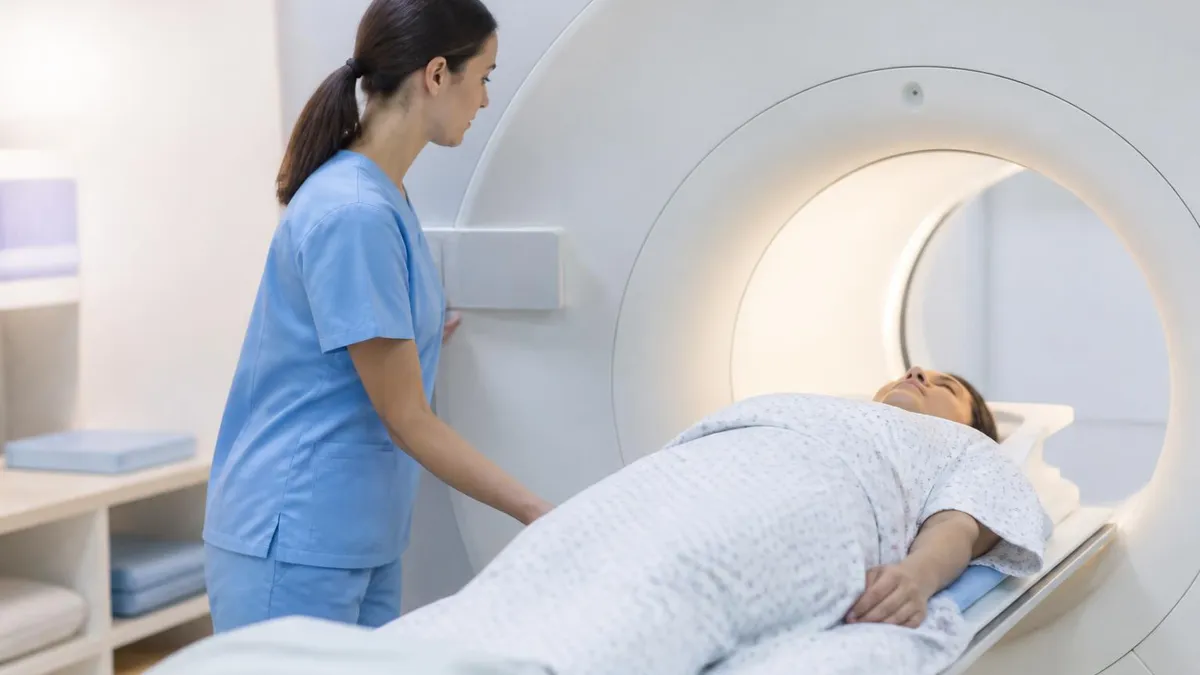
Patient communication during the scan is more important than people realize. The technologist watches you continuously through a window and via camera, and you have a squeeze ball to alert them at any time. Tell them immediately if you feel anything unusual during or after the injection, such as itching, throat tightness, difficulty breathing, or significant pain at the IV site. Most reactions occur within minutes of injection, while you are still in the scanner under direct observation.
Aftercare is generally minimal. Drink an extra liter or two of water over the next 24 hours to support renal clearance, especially if you have any degree of kidney disease. Resume normal activities immediately unless you received sedation. Breastfeeding may continue without interruption based on current ACR guidelines, as the amount of gadolinium reaching breast milk and then being absorbed by an infant is negligible. Monitor for delayed skin reactions over the following week.
Insurance coverage for contrast-enhanced MRI generally follows the same pattern as standard MRI, with the contrast portion bundled into the overall procedure code. Out-of-pocket costs vary widely, from under $100 with good insurance to over $3,000 at premium hospital-based outpatient centers without coverage. Free-standing imaging centers typically charge less than hospital outpatient departments, and many facilities offer self-pay discounts that can reduce costs by 40-60 percent if you call in advance.
Patients studying for MRI registry exams should know that contrast pharmacology, screening protocols, and reaction management are heavily tested topics. Questions often focus on dose calculation, recognizing severe reactions, NSF risk stratification, and proper documentation. Understanding the rationale behind each step—not just memorizing protocols—pays dividends both on the exam and in clinical practice. The principles of safe contrast administration apply equally whether you are imaging a brain, breast, or knee.
For those who want to deepen their understanding by reviewing real clinical cases, examining annotated examples of knee MRI images alongside post-contrast brain or abdominal studies reveals how dramatically contrast can change image interpretation. Building this visual library—recognizing when contrast adds value and when non-contrast sequences are sufficient—is a core competency for both technologists and radiologists practicing in the modern imaging environment.
MRI Questions and Answers

What Is an MRI Test? How Magnetic Resonance Imaging Scans Diagnose Disease in 2026
MRI Medical Abbreviation: What MRI Stands For and Why It Matters
The History of MRI: From Discovery to Modern Medicine
Knee MRI Images: A Complete Guide to Reading, Understanding, and Interpreting Knee Scans
Noise of MRI Machine: Why MRI Scanners Are So Loud and What to Expect
About the Author

Medical Laboratory Scientist & Clinical Certification Expert
Johns Hopkins UniversityDr. Sandra Kim holds a PhD in Clinical Laboratory Science from Johns Hopkins University and is certified as a Medical Technologist (MT) and Medical Laboratory Scientist (MLS) through ASCP. With 16 years of clinical laboratory experience spanning hematology, microbiology, and molecular diagnostics, she prepares candidates for ASCP board exams, MLT, MLS, and specialist certification tests.
Join the Discussion
Connect with other students preparing for this exam. Share tips, ask questions, and get advice from people who have been there.
View discussion (8 replies)