
How Often Can You Get an MRI? Safety Guidelines, Frequency Limits, and What Patients Need to Know
Learn how often can you do an MRI safely. Covers frequency limits, ✏️ contrast guidelines, and when repeat MRI scans are medically necessary.
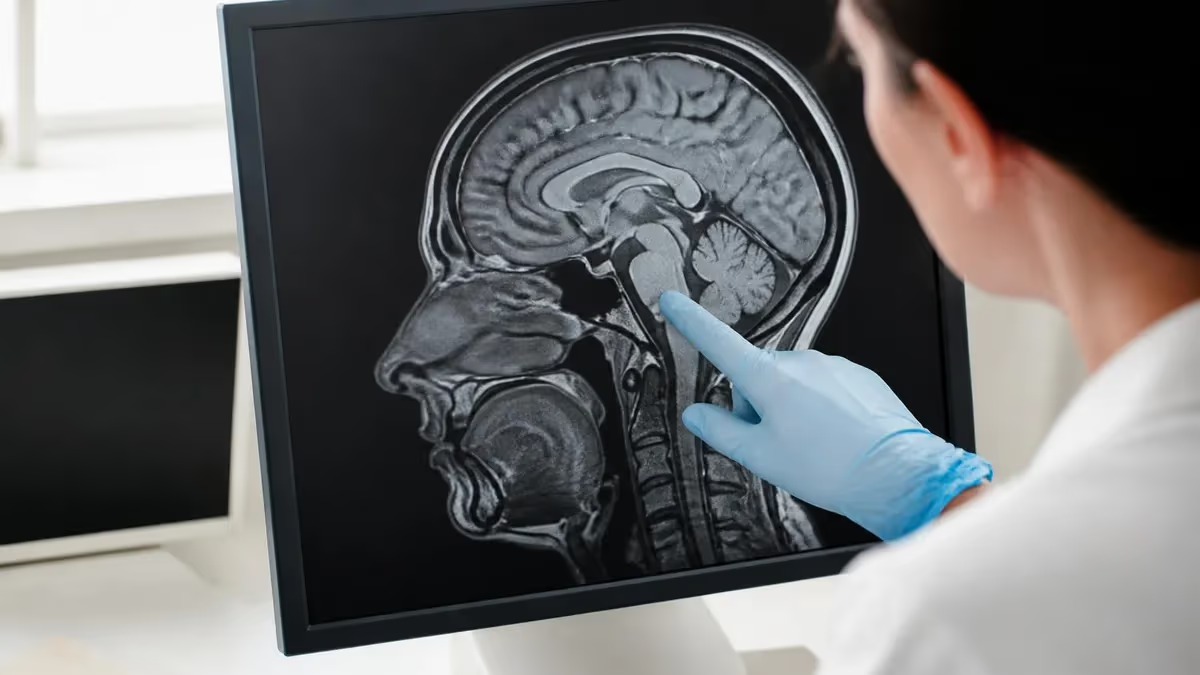
One of the most common questions patients and healthcare professionals encounter is how often can you do an MRI without risking harm to the body. Unlike X-rays or CT scans, magnetic resonance imaging does not use ionizing radiation, which fundamentally changes the safety equation for repeated examinations. Whether you are monitoring a chronic condition, tracking tumor progression, or evaluating an injury that has not fully resolved, understanding MRI frequency guidelines is essential for making informed decisions about your diagnostic care and long-term health management. Practice with the free MRI - Magnetic Resonance Imaging practice test on PracticeTestGeeks (200+ questions with answer explanations).
The short answer is that there is no established maximum number of MRI scans a person can safely receive over their lifetime. The United States Food and Drug Administration has not imposed a cap on MRI examinations because the technology relies on magnetic fields and radiofrequency pulses rather than radiation. However, this does not mean that unlimited scanning is always appropriate or recommended. Each MRI should be clinically justified, and physicians carefully weigh the diagnostic benefit against factors such as patient comfort, contrast agent exposure, and overall healthcare costs.
For patients living with conditions like multiple sclerosis, brain tumors, or complex spinal disorders, repeat MRI scans are a routine and expected part of their ongoing care plan. Neurologists may order brain MRIs every six to twelve months to track lesion development in MS patients and adjust treatment accordingly. Oncologists frequently schedule imaging every three to six months during active cancer treatment to measure tumor response. Orthopedic specialists might request follow-up scans at defined intervals after surgery to confirm proper healing of joints, ligaments, or bone structures.
The frequency of MRI scans is primarily determined by medical necessity rather than strict safety thresholds imposed on the technology itself. Insurance companies in the United States typically require prior authorization for MRI examinations and evaluate whether each requested scan meets established clinical guidelines before approving coverage. The American College of Radiology publishes appropriateness criteria that help physicians determine when an MRI is the most suitable imaging modality for a given clinical scenario, ensuring resources are used effectively.
While the magnetic fields used during an MRI are generally considered safe for the vast majority of people, certain populations require additional consideration and caution. Patients with implanted medical devices, including some older pacemakers, cochlear implants, or retained metallic fragments, may face restrictions on how frequently they can undergo MRI examinations. Pregnant women are typically advised to avoid MRI during the first trimester unless absolutely necessary for urgent diagnosis. Patients with severe claustrophobia may also find frequent scanning particularly challenging without appropriate sedation protocols.
One critical distinction to understand involves MRI scans performed with and without gadolinium-based contrast agents. These agents are injected intravenously to enhance image quality for certain examinations, particularly those involving blood vessels, tumors, or inflammatory conditions. While gadolinium agents are generally safe, repeated exposure has raised concerns about trace retention in the brain and other body tissues. The FDA issued a safety announcement in 2017 regarding gadolinium deposition, prompting radiologists across the country to become more selective about when contrast enhancement is truly necessary.
Throughout this comprehensive guide, we will explore the medical guidelines governing MRI frequency, the safety considerations for repeated scanning across different patient populations, special circumstances that affect how often you should receive an MRI, and practical advice for patients navigating the imaging process. Whether you are a radiology professional preparing for certification examinations or a patient seeking clarity about your care plan, this article provides evidence-based information to help you understand current MRI frequency recommendations.
Free MRI - Magnetic Resonance Imaging Study Tools
Interactive MRI - Magnetic Resonance Imaging resources on PracticeTestGeeks, free to start:
- MRI - Magnetic Resonance Imaging practice test — 200+ questions with instant scoring and answer explanations
- MRI - Magnetic Resonance Imaging flashcards — review key terms and concepts card by card
- MRI - Magnetic Resonance Imaging study guide — topic-by-topic overview of what the exam covers
- MRI - Magnetic Resonance Imaging cheat sheet — one-page printable summary for last-minute review
MRI Frequency by the Numbers

When Repeat MRI Scans Are Typically Scheduled
Initial Diagnostic MRI
Follow-Up at 3-6 Months
Routine Monitoring at 6-12 Months
Annual Surveillance Imaging
Extended Interval or Discharge
Understanding the safety profile of repeated MRI examinations requires a closer look at how magnetic resonance imaging actually works at a physical level. MRI scanners generate a powerful static magnetic field, typically measured at 1.5 Tesla or 3.0 Tesla in clinical settings used throughout the United States. This magnetic field aligns hydrogen protons in the body, and radiofrequency pulses are then applied to create detectable signals that form images. Unlike computed tomography or conventional radiography, this process involves no ionizing radiation, meaning there is no cumulative radiation dose to track.
The primary safety considerations for repeated MRI scans center on several important areas that radiologists and referring physicians must evaluate. First, the specific absorption rate measures how much radiofrequency energy is deposited in tissue during each scan sequence. Modern MRI systems automatically calculate and limit the SAR to remain within FDA-approved thresholds for patient safety. Second, acoustic noise generated by gradient coils during scanning can reach levels between 80 and 120 decibels, making hearing protection mandatory for every patient and staff member.
Gadolinium-based contrast agents represent the most significant clinical consideration when discussing how frequently MRI scans should be performed on individual patients. There are two primary categories of gadolinium agents used in clinical practice today: linear and macrocyclic formulations. Linear agents have been demonstrated to deposit more gadolinium in brain tissue compared to macrocyclic agents in multiple research studies. While no clinical symptoms have been definitively linked to gadolinium deposition in patients with normal kidney function, the medical community has prudently shifted toward using macrocyclic agents preferentially.
For patients with compromised kidney function, gadolinium contrast agents pose a well-documented risk of a condition called nephrogenic systemic fibrosis. This rare but potentially devastating condition causes progressive thickening and hardening of the skin and connective tissues throughout the body. Current clinical guidelines recommend checking the estimated glomerular filtration rate before administering gadolinium contrast to any patient. Patients with an eGFR below 30 milliliters per minute are generally not candidates for gadolinium-enhanced MRI unless the diagnostic benefit clearly and substantially outweighs the risk involved.
The thermal effects of MRI scanning also deserve careful consideration when evaluating the appropriateness of frequent examinations for any patient. Radiofrequency energy deposited during a scan can cause slight tissue heating, particularly in areas near metallic implants or regions with reduced blood flow that cannot dissipate heat efficiently. The FDA limits whole-body SAR to 4 watts per kilogram and head SAR to 3.2 watts per kilogram during a 15-minute scanning period. These carefully established limits ensure tissue temperature increases remain within safe physiological ranges.
Research studies examining the long-term effects of repeated MRI exposure have generally produced reassuring results for patients and clinicians alike. A comprehensive review published in the journal Radiology analyzed data from patients who had undergone more than fifty MRI examinations over their lifetime and found no statistically significant increase in adverse health outcomes compared to matched control subjects. Similarly, MRI technologists who work daily in the magnetic scanner environment have not shown elevated rates of health problems in published occupational health surveillance studies.
Pediatric patients represent a special population requiring additional thought when considering MRI frequency and cumulative exposure over time. Children may require repeated MRI scans for conditions such as brain tumors, congenital heart defects, or neurodevelopmental disorders that need ongoing monitoring. Since many pediatric MRI examinations require general anesthesia or deep sedation to keep the child still, the frequency consideration extends beyond magnetic field exposure to include the cumulative effects of repeated anesthesia on developing brains, which the FDA has specifically flagged for consideration.
MRI Practice Test Questions
Prepare for the MRI - Magnetic Resonance Imaging exam with our free practice test modules. Each quiz covers key topics to help you pass on your first try.
MRI Knowledge
MRI Exam Questions covering Knowledge. Master MRI Test concepts for certification prep.
MRI Physics
Free MRI Practice Test featuring Physics. Improve your MRI Exam score with mock test prep.
MRI Anatomy and Pathology
MRI Test Prep for MRI Anatomy and Pathology. Practice MRI Quiz questions and boost your score.
MRI Anatomy and Positioning
MRI Questions and Answers on MRI Anatomy and Positioning. Free MRI practice for exam readiness.
MRI Contrast Agents
Free MRI Quiz on MRI Contrast Agents. MRI Exam prep questions with detailed explanations.
MRI Patient Care and Positioning
MRI Practice Questions for MRI Patient Care and Positioning. Build confidence for your MRI certification exam.
MRI Frequency by Clinical Scenario
Patients with chronic conditions such as multiple sclerosis, stable brain aneurysms, or controlled inflammatory diseases typically receive MRI scans at intervals of six to twelve months. These routine monitoring examinations allow neurologists and specialists to detect subtle changes in lesion burden, vessel morphology, or tissue characteristics that might indicate disease progression requiring a change in the current treatment approach or medication adjustment for the patient.
The frequency of routine monitoring MRIs is often adjusted based on how stable the condition remains over successive imaging studies. If three or four consecutive scans show no meaningful changes, many physicians will extend the interval to annual or even biennial imaging. This stepwise approach balances the clinical need for surveillance against the practical burden of repeated scanning, including time away from work, travel to imaging centers, and the psychological stress some patients experience during MRI procedures.
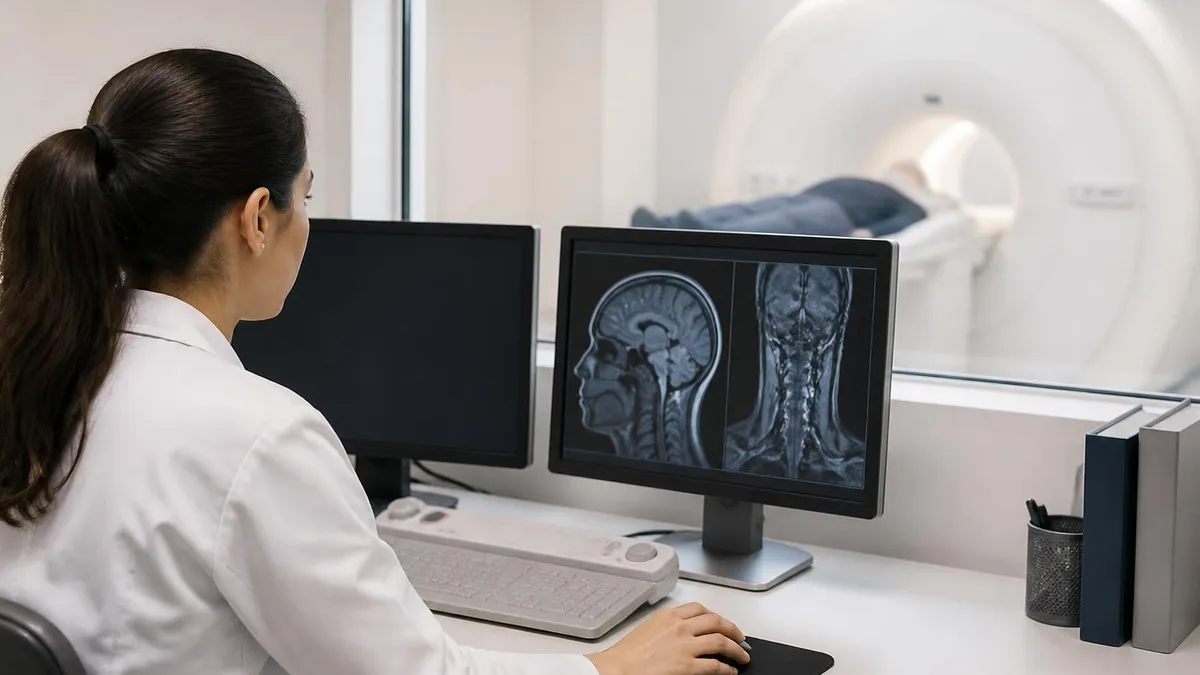
Frequent MRI Scans: Benefits vs. Drawbacks
- +No ionizing radiation exposure regardless of how many scans are performed over a lifetime
- +Early detection of disease progression enables timely treatment adjustments and better patient outcomes
- +Superior soft tissue contrast compared to CT or ultrasound for detailed anatomical assessment
- +Provides objective measurable data for tracking treatment response over multiple time points
- +Reduces need for invasive diagnostic procedures such as exploratory surgery or biopsy in many cases
- +Reassurance and peace of mind for patients anxious about disease recurrence or progression
- −Gadolinium contrast agents may deposit trace amounts in brain tissue with repeated use over time
- −Each scan costs between $400 and $3,500 creating significant financial burden without adequate insurance
- −MRI examinations require 30 to 90 minutes of lying still which is difficult for many patient populations
- −Repeated sedation or anesthesia for pediatric or claustrophobic patients carries cumulative procedural risk
- −Insurance prior authorization requirements can delay medically necessary follow-up imaging by weeks
- −Incidental findings on repeated scans can trigger unnecessary additional testing and patient anxiety
Pros and Cons at a Glance
| Pros | Cons |
|---|---|
| No ionizing radiation exposure regardless of how many scans are performed over a lifetime | Gadolinium contrast agents may deposit trace amounts in brain tissue with repeated use over time |
| Early detection of disease progression enables timely treatment adjustments and better patient outcomes | Repeated sedation or anesthesia for pediatric or claustrophobic patients carries cumulative procedural risk |
| Superior soft tissue contrast compared to CT or ultrasound for detailed anatomical assessment | Insurance prior authorization requirements can delay medically necessary follow-up imaging by weeks |
| Provides objective measurable data for tracking treatment response over multiple time points | Incidental findings on repeated scans can trigger unnecessary additional testing and patient anxiety |
Checklist Before Scheduling Your Next MRI
- ✓Confirm that the MRI is medically necessary and no alternative imaging modality would suffice.
- ✓Verify whether the scan requires gadolinium contrast or can be performed without it.
- ✓Check with your insurance provider regarding prior authorization requirements and coverage details.
- ✓Inform the scheduling team about any implanted devices, metal fragments, or surgical hardware.
- ✓Ask your physician whether sedation or anti-anxiety medication is recommended for your comfort.
- ✓Bring previous imaging reports or discs so radiologists can compare findings accurately.
- ✓Confirm the estimated scan duration and plan accordingly for your work and transportation schedule.
- ✓Notify the MRI team about any kidney disease or reduced renal function before contrast administration.
- ✓Remove all jewelry, watches, hearing aids, and clothing with metal fasteners before entering the suite.
- ✓Ask about open MRI or wide-bore scanner availability if claustrophobia is a significant concern.
No Lifetime Limit on MRI Scans Exists
The FDA has not established a maximum number of MRI scans a patient can receive because the technology does not use ionizing radiation. However, each scan should be clinically justified, and physicians should minimize unnecessary gadolinium contrast administration to reduce the potential for tissue deposition. Always discuss the necessity of each follow-up MRI with your referring physician.
The role of gadolinium-based contrast agents in determining MRI frequency deserves thorough examination because contrast administration is often the limiting factor in how often scans should be performed. Gadolinium is a rare earth metal that, when chelated with specific chemical compounds, becomes a highly effective paramagnetic contrast agent. It shortens the T1 relaxation time of nearby water molecules, producing bright signal enhancement on T1-weighted images that helps radiologists identify tumors, inflammation, infection, and vascular abnormalities with greater confidence and diagnostic accuracy.
There are currently nine FDA-approved gadolinium-based contrast agents available in the United States market, and they differ significantly in their chemical structure and stability profile. Group I agents, classified as macrocyclic, hold the gadolinium ion in a cage-like molecular structure that resists releasing free gadolinium into the body. Group II agents, classified as linear, use a more open chain structure that is thermodynamically less stable. Since 2017, the American College of Radiology has recommended preferential use of macrocyclic agents when contrast-enhanced MRI is clinically indicated for patient care.
The standard dose of gadolinium contrast is 0.1 millimoles per kilogram of body weight, though some specialized protocols call for double or even triple dosing in specific clinical scenarios. For a 70-kilogram adult, a standard single dose equals approximately 15 to 20 milliliters of contrast solution depending on the specific agent concentration used. Research has shown that patients who receive more than 20 lifetime doses of gadolinium contrast show measurable signal changes in the dentate nucleus and globus pallidus on subsequent unenhanced MRI scans, indicating persistent gadolinium retention.
Despite the documented evidence of gadolinium retention in neural tissue, no study has conclusively demonstrated clinical harm from this deposition in patients with normal kidney function. The FDA maintains that the benefits of gadolinium-enhanced MRI outweigh the theoretical risks for most patients when the examination is medically indicated. Nevertheless, the precautionary principle has led many radiology departments to implement contrast stewardship programs that track cumulative gadolinium doses for individual patients and question whether contrast is truly necessary for each scheduled examination.
For patients who require frequent MRI monitoring, non-contrast techniques have become increasingly sophisticated and capable of providing diagnostic-quality images without gadolinium administration. Diffusion-weighted imaging, arterial spin labeling perfusion, and susceptibility-weighted imaging are examples of advanced MRI sequences that can detect pathology without contrast agents. These techniques are particularly valuable for patients who need MRI scans every few months, as they eliminate gadolinium exposure entirely while still providing clinically actionable diagnostic information to the interpreting radiologist.
Patients with chronic kidney disease face the most significant contrast-related risk when considering MRI frequency, specifically nephrogenic systemic fibrosis. This progressive fibrotic condition was first identified in the early 2000s and has been strongly linked to exposure to certain linear gadolinium agents in patients with severely reduced kidney function. Since the implementation of strict screening protocols requiring eGFR measurement before contrast administration, new cases of nephrogenic systemic fibrosis have become exceedingly rare in the United States, demonstrating the effectiveness of proper patient screening.
Allergic-like reactions to gadolinium contrast agents occur in approximately 0.07 to 2.4 percent of administrations according to published data from major academic medical centers. Most reactions are mild, consisting of hives, nausea, or transient headache that resolves without treatment. Severe anaphylactoid reactions are extremely rare, occurring in fewer than 1 in 10,000 administrations. Patients who have experienced a prior reaction to gadolinium are typically premedicated with corticosteroids and antihistamines before any subsequent contrast-enhanced MRI examination, and the risk-benefit analysis is carefully documented in their medical record.
If you want more targeted practice, the mri pelvis cpt code page covers the same material with additional questions and explanations.
If you want more targeted practice, the totally open mri near me page covers the same material with additional questions and explanations.
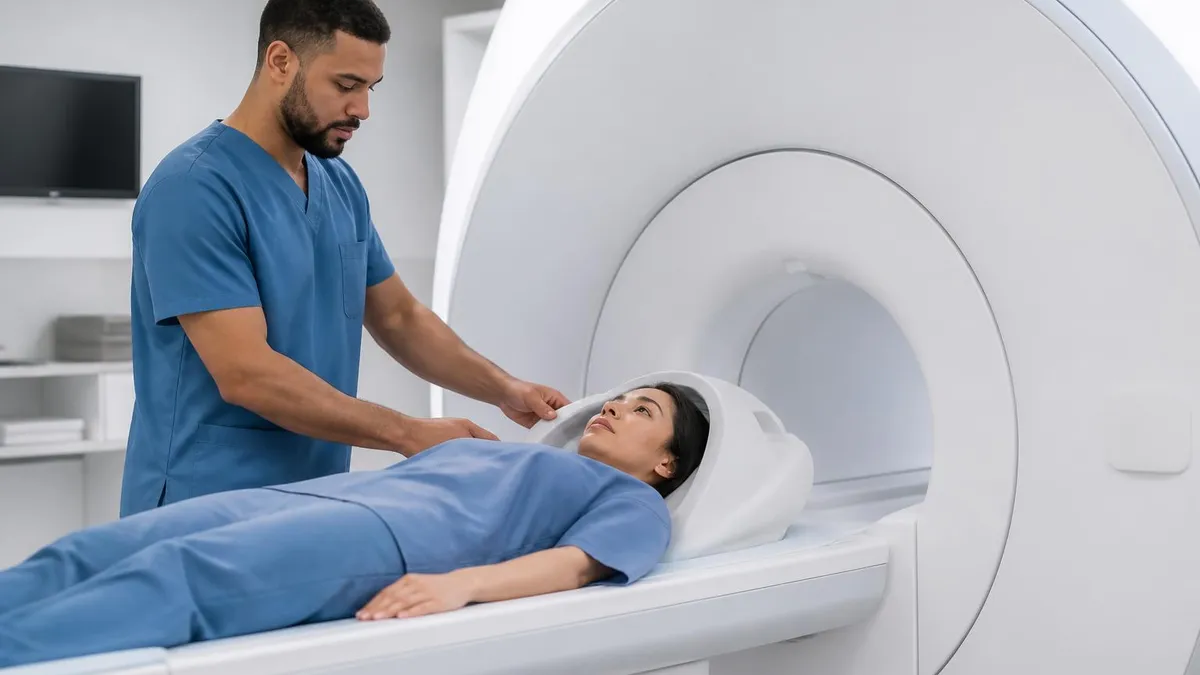
Patients with an estimated glomerular filtration rate below 30 mL/min/1.73m² face significant risk of nephrogenic systemic fibrosis from gadolinium contrast agents. Always ensure your healthcare provider checks your kidney function with a blood test before any contrast-enhanced MRI examination. If you have known kidney disease, inform the MRI scheduling team at the time of booking.
The financial dimensions of frequent MRI scanning represent a significant practical consideration for patients and healthcare systems across the United States. A single MRI examination without insurance can cost between $400 and $3,500 depending on the body region being scanned, whether contrast is administered, and the geographic location of the imaging facility. Hospital-based MRI departments typically charge substantially more than freestanding outpatient imaging centers for the same examination, with some studies showing price differentials of 300 to 500 percent for identical procedures.
Insurance coverage for repeated MRI examinations varies considerably based on the type of plan, the specific diagnosis, and whether the ordering physician provides sufficient clinical justification. Medicare covers medically necessary MRI scans but requires physicians to document specific clinical indications that meet coverage criteria. Private insurers generally require prior authorization, which involves submitting clinical notes, previous imaging reports, and a clear statement of the clinical question the MRI will address. Denials can be appealed, but the process typically delays the scan by two to four weeks.
Patients seeking to reduce their out-of-pocket costs for repeated MRI examinations have several practical strategies available to them. Freestanding imaging centers often offer self-pay rates that are significantly lower than hospital pricing, sometimes by 50 to 70 percent for the same examination quality. Some centers offer payment plans or financial assistance programs for patients who need frequent imaging. Additionally, negotiating the price directly with the imaging facility before scheduling can yield substantial discounts, particularly when patients can pay the full amount at the time of service.
The prior authorization process itself can influence how often MRI scans are practically obtainable regardless of medical necessity. Many insurance companies use radiology benefit management companies such as eviCore or National Imaging Associates to review MRI requests against clinical guidelines. These organizations may deny requests that do not precisely match their approved criteria, even when the ordering physician believes the scan is medically necessary. Understanding which clinical documentation elements are required can help physicians and patients navigate this process more efficiently.
From a healthcare system perspective, the appropriate utilization of MRI resources involves balancing diagnostic thoroughness with responsible resource stewardship. The Choosing Wisely campaign, launched by the American Board of Internal Medicine Foundation, has identified several clinical scenarios where MRI is commonly overutilized, including routine low back pain without red flag symptoms, uncomplicated headaches in patients without neurological deficits, and preoperative evaluations where the surgical plan will not change based on MRI findings. These guidelines help inform appropriate scan frequency decisions.
Facility accreditation plays an important role in ensuring consistent image quality across repeated MRI examinations, which directly affects diagnostic reliability and the value of serial comparisons over time. The American College of Radiology offers MRI accreditation programs that evaluate scanner performance, technologist qualifications, and quality control procedures. Patients who require frequent MRI monitoring should ideally have their scans performed at the same accredited facility using the same scanner and protocol whenever possible to ensure meaningful comparison between sequential studies.
Travel and logistical considerations also factor into the practical frequency of MRI examinations for many patients living in the United States. Rural patients may need to travel considerable distances to reach the nearest MRI facility, with some studies reporting average travel distances exceeding 50 miles in certain regions. Mobile MRI units serve some underserved communities on rotating schedules, but availability may be limited to specific days each month. These access barriers can effectively reduce the practical frequency of MRI monitoring regardless of what the clinical guidelines recommend.
Preparing effectively for repeated MRI examinations can significantly improve the experience and ensure optimal image quality at every visit. Patients who undergo frequent MRI scans should develop a personal system for organizing their imaging records, including dates of prior examinations, body regions scanned, whether contrast was administered, and the names of the interpreting radiologists. This organized approach allows new providers to quickly review the imaging history and make informed decisions about the necessity and timing of subsequent examinations.
Clothing preparation is a simple but often overlooked aspect of MRI readiness that becomes routine for frequent scanner visitors. Wearing comfortable clothing without any metal components, including zippers, underwire bras, belt buckles, or decorative snaps, eliminates the need to change into hospital gowns and reduces preparation time at the facility. Many patients who receive regular MRI scans invest in a set of dedicated MRI-friendly clothing that they wear specifically on scan days, streamlining the check-in process considerably.
Managing claustrophobia and anxiety during repeated MRI examinations requires proactive strategies that patients can develop and refine over successive visits to the scanning suite. Techniques such as controlled breathing exercises, visualization, and progressive muscle relaxation have been shown to reduce anxiety during MRI procedures. Some patients benefit from listening to music through MRI-compatible headphones during the examination, while others prefer guided meditation recordings. Discussing sedation options with your physician before the appointment ensures medication is available if non-pharmacological strategies prove insufficient.
Communication with the MRI technologist during the examination is both a safety requirement and a comfort measure that patients should actively embrace. Every MRI scanner is equipped with a squeeze-ball alert device and a two-way intercom system that allows patients to communicate with the technologist at any time during the scan. Experienced patients learn to use brief pauses between sequences to reposition slightly, swallow, or take deeper breaths. Understanding that the technologist is monitoring you continuously throughout the examination can provide significant reassurance during lengthy protocols.
Timing your MRI appointments strategically can improve both the experience and the scheduling efficiency for patients who require frequent imaging. Early morning appointments often have shorter wait times and more predictable scheduling since delays tend to accumulate throughout the day. Additionally, scheduling your MRI at the same facility and requesting the same scanner when possible ensures protocol consistency. Some patients find that keeping a brief journal of their MRI experiences, noting which techniques helped manage anxiety and which scan positions were most uncomfortable, helps them prepare better for future visits.
Hydration plays a practical role in MRI preparation, particularly for examinations requiring contrast agent administration through intravenous injection. Well-hydrated patients typically have more prominent veins, making intravenous access easier and less painful for the technologist to achieve. Additionally, adequate hydration before and after gadolinium-enhanced MRI helps the kidneys clear the contrast agent from the body more efficiently. Patients scheduled for contrast-enhanced examinations should drink plenty of water in the hours before their appointment unless their physician has specified fluid restrictions for other medical reasons.
Finally, patients who undergo frequent MRI examinations should maintain open and ongoing communication with their referring physicians about the rationale for each scan. Do not hesitate to ask whether a scheduled follow-up MRI is truly necessary or whether the interval could be extended based on your clinical stability and symptom profile. Engaged patients who understand their imaging protocols and ask thoughtful questions contribute to better healthcare decision-making and help ensure that each MRI examination provides meaningful clinical value that justifies the time, cost, and effort involved in the process.
Sample MRI - Magnetic Resonance Imaging Practice Questions
Try these questions from our free MRI - Magnetic Resonance Imaging practice tests. The correct answer and an explanation follow each question.
What is the primary advantage of using a higher-relaxivity GBCA (e.g., gadobenate dimeglumine) compared to a standard-relaxivity agent?
- A. It can be used at a lower dose to achieve comparable enhancement
- B. It is completely renally safe at any dose
- C. It eliminates the need for dynamic imaging
- D. It crosses the blood-brain barrier more readily
Answer: A. It can be used at a lower dose to achieve comparable enhancement
Higher relaxivity means greater T1 shortening per unit concentration, so a lower molar dose can produce equivalent or superior enhancement compared to standard agents.
Which gradient is primarily responsible for frequency encoding in MRI?
- A. Readout gradient
- B. Phase-encoding gradient
- C. Slice-select gradient
- D. Spoiler gradient
Answer: A. Readout gradient
The readout (frequency-encoding) gradient is applied during signal acquisition, causing spins at different positions to precess at different frequencies.
The difference between the hydrogen's periodic frequency in fat and water is known as
- A. SPIN DENSITY
- B. CHEMICAL SHIFT
- C. FOURIER TRANSFORM
- D. FID
Answer: B. CHEMICAL SHIFT
Chemical shift refers to the slight difference in the resonant frequency of protons when they are in different chemical environments, such as those found in fat versus water molecules. This frequency difference arises because electron shielding around protons varies with their molecular bonds, causing them to experience slightly different effective magnetic fields. This phenomenon is exploited in MRI to differentiate tissues but can also lead to artifacts if not properly accounted for.
A candidate who fails the ARRT MRI registry exam may retest after what mandatory waiting period?
- A. 30 days
- B. 60 days
- C. 90 days
- D. 6 months
Answer: C. 90 days
ARRT requires a 90-day waiting period between examination attempts for registry candidates.
Take the full MRI - Magnetic Resonance Imaging practice test
MRI Questions and Answers
MRI Medical Abbreviation: What MRI Stands For and Why It Matters

The History of MRI: From Discovery to Modern Medicine
Knee MRI Images: A Complete Guide to Reading, Understanding, and Interpreting Knee Scans
Noise of MRI Machine: Why MRI Scanners Are So Loud and What to Expect
MRI Alternatives: When CT, Ultrasound, X-Ray, and PET Make More Sense Than an MRI
About the Author

Medical Laboratory Scientist & Clinical Certification Expert
Johns Hopkins UniversityDr. Sandra Kim holds a PhD in Clinical Laboratory Science from Johns Hopkins University and is certified as a Medical Technologist (MT) and Medical Laboratory Scientist (MLS) through ASCP. With 16 years of clinical laboratory experience spanning hematology, microbiology, and molecular diagnostics, she prepares candidates for ASCP board exams, MLT, MLS, and specialist certification tests.