
MN Boat License Guide: DNR Requirements Minnesota 2026 September
Free MN Boat License Guide: DNR Requirements practice test with questions and answer explanations. Prepare for the 2026 September exam with instant scoring. 🗨️
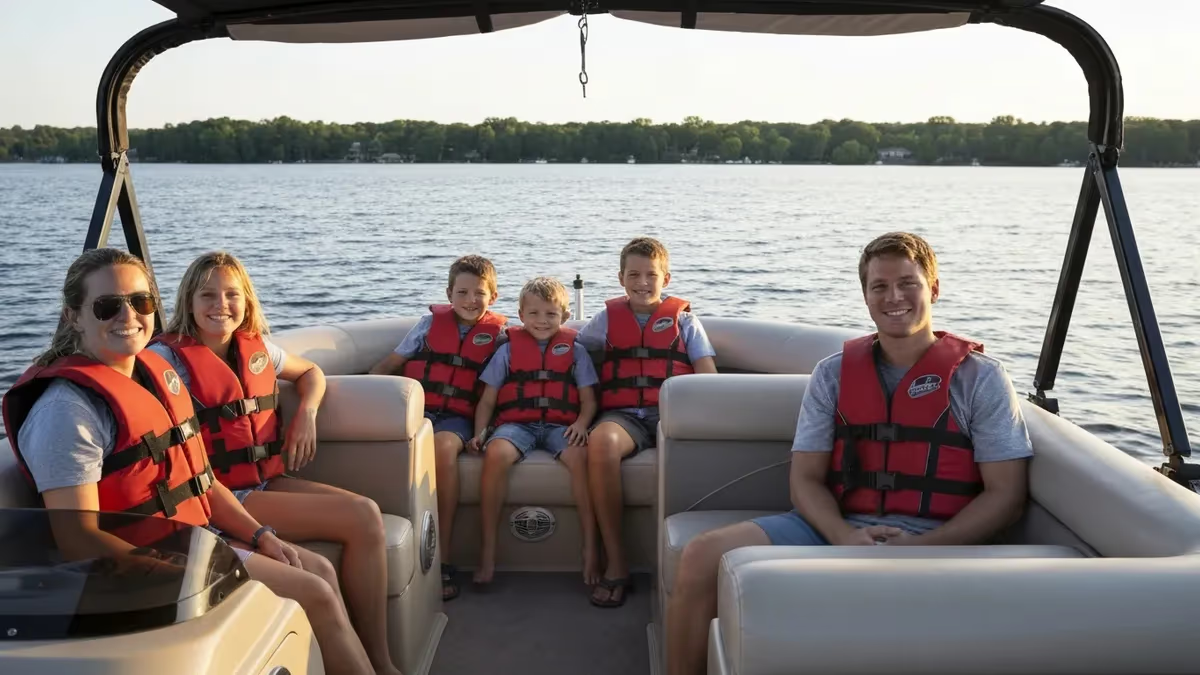
Minnesota's MN Boat License Law: What You Need to Know
If you were born after December 31, 1987 and want to operate a motorized watercraft on any of Minnesota's public waters, you are legally required to hold a Minnesota Watercraft Operator Certificate — commonly called the mn boat license. This requirement is enforced by the Minnesota Department of Natural Resources (MN DNR) under Minnesota Statute 86B.301 and applies to residents and non-residents alike.
One of the most important facts to understand about your boating license mn: once earned, the certificate is permanent — no renewal, no expiration. You complete the course and exam once, and you're certified for life.
Minnesota's enforcement of this requirement is serious. With over 10,000 lakes and one of the highest per-capita boat ownership rates in the country, the state ranks among the most actively enforced boating certification jurisdictions in the Midwest. DNR Conservation Officers conduct regular on-water checks throughout the summer boating season.
The minnesota boating license requirement covers:
- Motorized boats of any horsepower
- Personal watercraft (PWC) and jet skis
- Any operator born after December 31, 1987 — regardless of vessel size
Exemptions apply to operators born before January 1, 1988, who may legally operate without certification. Supervised minors under 13 may not operate motorized watercraft at all, even with a certificate.
Before your on-water session this season, use the mn boat license practice test to start preparing for the Watercraft Operator Exam immediately.
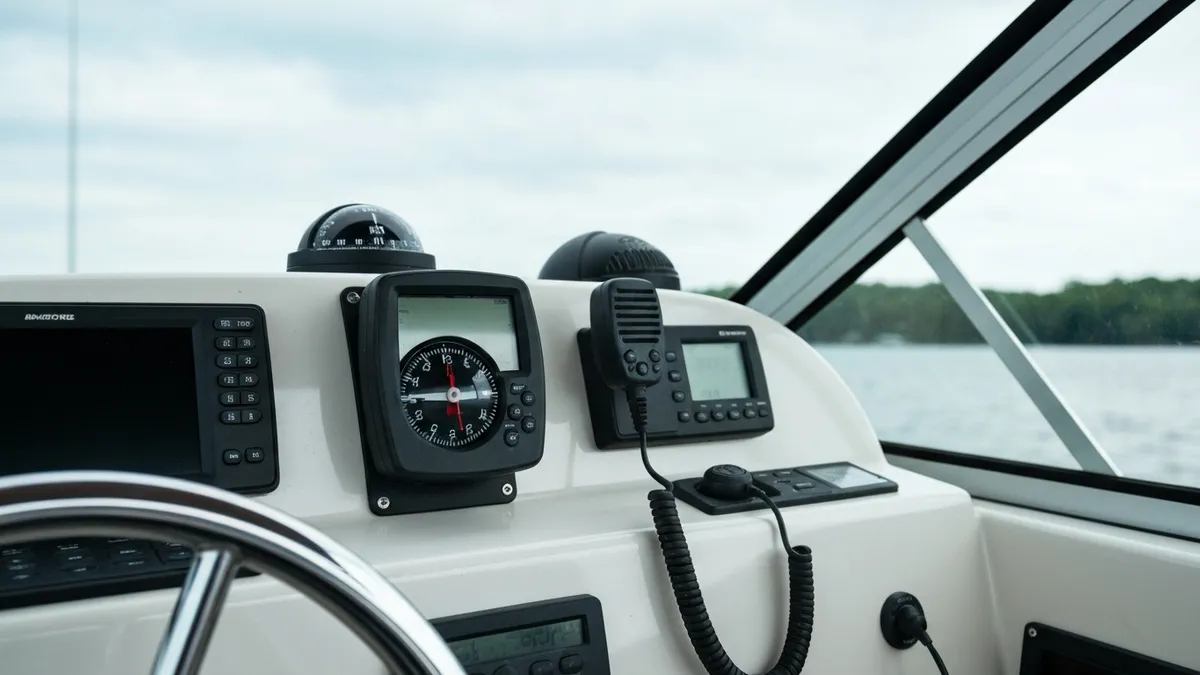
Who Needs a Boating License in Minnesota?
- ✓Born after Dec 31, 1987? You must hold a valid Watercraft Operator Certificate to operate any motorized boat.
- ✓PWC/jet ski operators must be at least 13 years old AND carry a valid certificate — no exceptions.
- ✓Ages 12–15 operating a boat over 25 HP must have a certified adult 18+ physically present onboard.
- ✓Born before Jan 1, 1988? You are exempt — no certificate required, though voluntary certification is accepted.
- ✓Operating on private, non-public waters? Minnesota's certification requirement does not apply.
- ✓Supervised by a certified adult physically on the vessel? You may operate without your own certificate.
- ✓Non-residents with a valid boating safety certificate from any U.S. state or Canadian province do not need to re-certify in Minnesota.
- ✓Children under 12 may not independently operate any motorized vessel — certification does not override this age restriction.
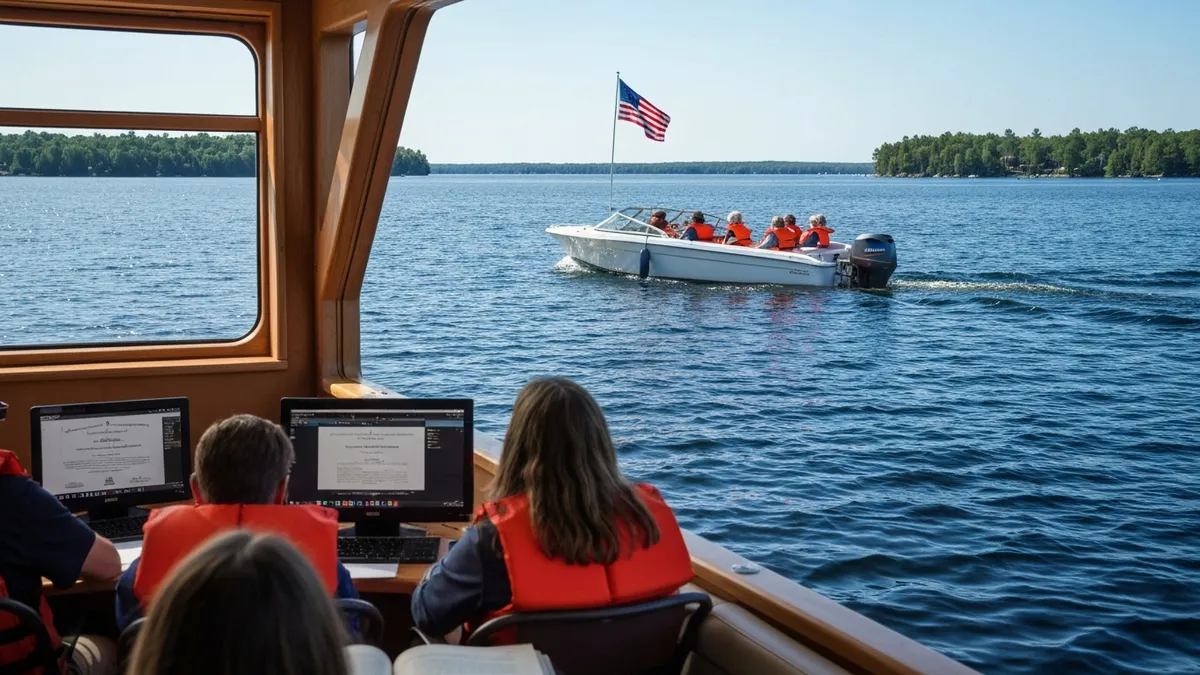
Online vs In-Person MN Boating Course: Which Option Is Right?
How it works: Self-paced theory modules completed on your own schedule via Boat-Ed or BoatUS Foundation. You pass the written exam online at the end of the course.
Field day requirement: Mandatory 3-hour in-person session with a DNR-certified MN instructor — required before your certificate is issued. This is separate from the online portion and easy to overlook when budgeting.
Total cost: Online course: $34–$45. Add $25–$40 for the mandatory field day. Total out-of-pocket is typically $60–$85, higher than the listed course fee alone.
Best for: Adults with busy or unpredictable schedules who can complete theory independently and arrange a separate field day at their convenience.
Certificate issued: Identical permanent MN Watercraft Operator Certificate — same as classroom or home study completers. No tier difference based on how you completed the course.
MN Pros and Cons
- +MN certification is recognized across employers as evidence of verified competency, often required for specific roles
- +Certification provides a structured framework for professional knowledge that benefits daily work, not just the credential itself
- +Many certified professionals report salary increases of 10–20% compared to non-certified peers in the same role
- +Certification maintenance requirements create ongoing professional development that keeps knowledge current
- +The certification credential differentiates candidates in competitive hiring processes and promotion decisions
- −MN certification fees can be substantial — exam costs, study materials, and renewal fees add up over a career
- −Certification requirements change over time; candidates who delay testing may face updated content requirements
- −Not all employers or markets equally value or require certification — the salary return varies significantly by geography and industry
- −Exam preparation requires significant time investment alongside existing work and personal responsibilities
- −Certification does not guarantee competency in practice — it validates knowledge at a point in time, not ongoing performance
Boating License Test Questions and Answers
More Boating License Test Resources
Alabama Boating License — Requirements, Cost & How to Get One
Do You Need a License to Drive a Boat? State-by-State Guide 2026
Florida Boating License: Requirements & How to Get One
Tennessee Boating License & Midwest States Guide
Ohio Boating License 2026 — Requirements, Age & How to Get One
NYS Boating License 2026 — New York Requirements, Age & How to Get One
About the Author

Master Mariner & Maritime Certification Specialist
Massachusetts Maritime AcademyCaptain David Harrington is a US Coast Guard licensed Master Mariner with a Bachelor of Science in Marine Transportation from Massachusetts Maritime Academy. He has 22 years of deep-sea and coastal navigation experience aboard commercial vessels and specializes in preparing maritime candidates for USCG licensing exams, STCW certification, dynamic positioning (DPO), and officer-of-the-watch qualifications.
Join the Discussion
Connect with other students preparing for this exam. Share tips, ask questions, and get advice from people who have been there.
View discussion (6 replies)