Millwright Union Indiana: Pay, Apprenticeship, and How to Join Local 1003 in 2026 July
Millwright union Indiana guide: Local 1003 pay scales, apprenticeship steps, benefits, and how to join. Free practice tests and career paths inside. 🆕

The millwright union indiana network—anchored by the United Brotherhood of Carpenters' Millwright Local 1003 in Indianapolis—has become one of the most respected industrial trade organizations in the Midwest, representing thousands of skilled tradespeople who install, maintain, and repair heavy machinery across automotive plants, power generation facilities, steel mills, and pharmaceutical manufacturing sites throughout the state. If you have ever wondered what is a millwright, the short answer is a precision industrial mechanic who keeps American manufacturing running.
Indiana sits at a unique intersection of heavy industry and emerging green-energy infrastructure, making union millwrights some of the busiest skilled tradespeople in the country. The state's gigantic NIPSCO power stations, BP Whiting refinery, Toyota Princeton assembly plant, and dozens of Eli Lilly and Cummins facilities all rely on signatory union millwright contractors for shutdowns, capital projects, and ongoing maintenance contracts that stretch years into the future.
Joining a union local is rarely as simple as filling out an online form. Applicants typically need a high school diploma or GED, a valid driver's license, basic math competency, the physical ability to lift seventy pounds, and a willingness to commit to a four-year apprenticeship combining classroom instruction with paid on-the-job training. The reward is a debt-free education, family-sustaining wages, and a portable pension that follows you anywhere in the United States or Canada.
Wage rates inside Indiana's millwright locals are public and posted in collective bargaining agreements. As of the 2024-2027 contract cycle, journeyman millwrights in Indianapolis earn approximately $39 to $42 per hour in base wage, plus a fringe benefit package worth another $25 to $28 per hour covering health insurance, pension, annuity, vacation, and training contributions. Total package value routinely exceeds $135,000 per year for full-time workers with overtime.
What separates union millwrights from their non-union counterparts is the structured training pipeline. The International Training Center in Las Vegas, along with regional training centers in Indianapolis and Kokomo, provides hands-on instruction in laser alignment, vibration analysis, hydraulic and pneumatic troubleshooting, rigging, welding, and computer-aided drafting. Apprentices receive raises every six months as they pass benchmark assessments, ensuring every union journeyman meets identical national skill standards.
The decision to pursue a union card is also a lifestyle choice. Many union millwrights travel within Indiana and across the Midwest for shutdown work, where double-time pay and per-diem allowances can push weekly earnings past $4,000 during peak summer outage seasons. Others find steady positions at industrial sites with strong union density, allowing them to stay close to home while still benefiting from union wages and protections.
This complete 2026 guide walks through every aspect of joining and thriving inside an Indiana millwright local, from initial application requirements through pension vesting and retirement health benefits. By the end, you will understand exactly how the apprenticeship works, what wages and benefits to expect, and how to position yourself for acceptance into one of the most competitive skilled trade programs in the United States.
Indiana Millwright Union by the Numbers

Indiana Millwright Locals and Their Jurisdictions
Covers central and southern Indiana including Marion, Hamilton, Madison, and Bartholomew counties. Services automotive plants, pharmaceutical sites, and power generation. Approximately 1,800 active members and the state's largest training center.
Northeast Indiana jurisdiction covering Allen, DeKalb, Whitley, and Adams counties. Serves General Motors Fort Wayne Assembly, BAE Systems, and food processing plants throughout the region with about 400 active members.
Lake, Porter, and LaPorte counties—the steel mill corridor including U.S. Steel Gary Works, ArcelorMittal Burns Harbor, and the BP Whiting refinery. Heavy emphasis on shutdown work and high-tonnage rigging assignments.
All three Indiana locals fall under the North Central States Regional Council of Carpenters. This umbrella structure provides shared training resources, dispatch coordination, and reciprocal pension benefits across multiple states for traveling members.
Understanding what union membership actually pays in Indiana requires looking beyond the hourly wage on a paycheck stub. The 2024-2027 collective bargaining agreement for Local 1003 establishes a journeyman base rate of approximately $42 per hour for general millwright work, with premium rates of an additional $2 to $4 per hour for specialty assignments involving turbine work, nuclear-qualified tasks, or hazardous material environments. Foreman positions add another $3 per hour, and general foreman roles can push effective rates above $50 per hour.
The fringe benefit package is where union membership truly distinguishes itself from non-union industrial work. For every hour worked, the signatory contractor contributes roughly $11 to the health and welfare fund, $9 to the defined benefit pension, $4 to the annuity (similar to a 401k but employer-funded), $1.50 to vacation pay, and smaller amounts to training, organizing, and industry promotion funds. These contributions are non-taxable and represent real, vested value.
Pension calculations follow a defined benefit formula tied to years of credited service and contribution rates. A millwright who works a full thirty-year career under union signatory contractors can expect a monthly pension benefit of $4,500 to $6,000 starting at age sixty-two, indexed for accumulated service credits. This is in addition to Social Security and any personal retirement savings, providing a genuinely secure retirement that has become increasingly rare in American manufacturing.
Healthcare benefits cover the member, spouse, and dependent children at minimal out-of-pocket cost. The Indiana State Council of Carpenters Health Fund typically requires no monthly premium contribution from the member, charges modest copays for office visits, and includes prescription drug coverage, dental, vision, mental health services, and short-term disability protection. For families, this benefit alone is worth $25,000 to $35,000 annually compared to purchasing equivalent coverage on the open market.
Overtime culture inside the millwright trade is genuinely lucrative. During plant shutdown seasons—typically spring and fall for automotive and summer for power generation—members routinely work sixty to seventy-two hour weeks at time-and-a-half and double-time rates. A four-week outage can generate $25,000 in gross earnings, and many members structure their careers around two or three major shutdowns per year to accelerate pension vesting and annuity accumulation. To grasp millwright what is required on shutdowns, study the rigging and alignment modules thoroughly.
Per-diem and travel pay add another financial dimension. When dispatched outside the home local jurisdiction, members typically receive $75 to $125 daily per-diem for lodging and meals, plus mileage reimbursement for the initial travel and demobilization. Skilled travelers who follow shutdown work across the Midwest can effectively bank their per-diem by staying in budget lodging or sharing accommodations with crew members.
Beyond direct compensation, union membership provides access to industry-leading safety training through the OSHA 30-hour curriculum, MSHA certification for mining work, and confined-space rescue training. These credentials follow the member regardless of employer changes, making union millwrights highly attractive hires whenever they decide to transition between contractors or even leave the trade for industrial supervisory positions.
Millwright Practice Test Questions
Prepare for the Millwright Certification exam with our free practice test modules. Each quiz covers key topics to help you pass on your first try.
Millwright Bearing Installation, Maintenan...
Millwright Exam Questions covering Bearing Installation, Maintenance, and Failure Analysis. Master Millwright Test concepts for certification prep.
Millwright Blueprint Reading
Free Millwright Practice Test featuring Blueprint Reading. Improve your Millwright Exam score with mock test prep.
Millwright Hydraulic Systems and Schematics
Millwright Mock Exam on Hydraulic Systems and Schematics. Millwright Study Guide questions to pass on your first try.
Millwright Mechanical Systems
Millwright Test Prep for Mechanical Systems. Practice Millwright Quiz questions and boost your score.
Millwright Pneumatic Systems and Schematics
Millwright Questions and Answers on Pneumatic Systems and Schematics. Free Millwright practice for exam readiness.
Millwright Precision Measuring and Layout
Millwright Mock Test covering Precision Measuring and Layout. Online Millwright Test practice with instant feedback.
Millwright Precision Shaft Alignment Techn...
Free Millwright Quiz on Precision Shaft Alignment Techniques. Millwright Exam prep questions with detailed explanations.
Millwright Predictive and Preventive Maint...
Millwright Practice Questions for Predictive and Preventive Maintenance. Build confidence for your Millwright certification exam.
Millwright Pumps, Seals, and Packing
Millwright Test Online for Pumps, Seals, and Packing. Free practice with instant results and feedback.
Millwright Rigging Techniques
Millwright Study Material on Rigging Techniques. Prepare effectively with real exam-style questions.
Millwright Safety Protocols
Free Millwright Test covering Safety Protocols. Practice and track your Millwright exam readiness.
Millwright Welding and Cutting Processes
Millwright Exam Questions covering Welding and Cutting Processes. Master Millwright Test concepts for certification prep.
Millwright Certification Bearing Installat...
Free Millwright Practice Test featuring Certification Bearing Installation, Maintenance, and Failure Analysis. Improve your Millwright Exam score with mock test prep.
Millwright Certification Blueprint Reading
Millwright Mock Exam on Certification Blueprint Reading. Millwright Study Guide questions to pass on your first try.
Millwright Certification Hydraulic Systems...
Millwright Test Prep for Certification Hydraulic Systems and Schematics. Practice Millwright Quiz questions and boost your score.
Millwright Certification Lubrication Syste...
Millwright Questions and Answers on Certification Lubrication Systems and Practices. Free Millwright practice for exam readiness.
Millwright Certification Mechanical Systems
Millwright Mock Test covering Certification Mechanical Systems. Online Millwright Test practice with instant feedback.
Millwright Certification Pneumatic Systems...
Free Millwright Quiz on Certification Pneumatic Systems and Schematics. Millwright Exam prep questions with detailed explanations.
Millwright Certification Power Transmissio...
Millwright Practice Questions for Certification Power Transmission and Drive Systems. Build confidence for your Millwright certification exam.
Millwright Certification Precision Measuri...
Millwright Test Online for Certification Precision Measuring and Layout. Free practice with instant results and feedback.
Millwright Certification Precision Shaft A...
Millwright Study Material on Certification Precision Shaft Alignment Techniques. Prepare effectively with real exam-style questions.
Millwright Certification Predictive and Pr...
Free Millwright Test covering Certification Predictive and Preventive Maintenance. Practice and track your Millwright exam readiness.
Millwright Certification Pumps, Seals, and...
Millwright Exam Questions covering Certification Pumps, Seals, and Packing. Master Millwright Test concepts for certification prep.
Millwright Certification Rigging Techniques
Free Millwright Practice Test featuring Certification Rigging Techniques. Improve your Millwright Exam score with mock test prep.
Millwright Apprenticeship Programs in Indiana
First-year apprentices spend their initial weeks at the Indianapolis Training Center completing safety orientation, basic hand tool instruction, OSHA 30-hour certification, and introductory rigging fundamentals. Classroom modules run roughly 160 hours during the first year, with the remaining 1,840 hours spent on jobsites alongside experienced journeyman millwrights. Apprentices earn approximately 55 percent of journeyman scale, which translates to about $23 per hour with partial fringe benefits.
Year two introduces precision measurement, laser alignment fundamentals, hydraulic and pneumatic systems, and intermediate welding processes. Apprentices begin rotating through different signatory contractors to gain exposure to varied industrial environments. Pay increases to about 65 percent of journeyman scale, and apprentices receive their first taste of shutdown overtime opportunities, where they earn the same overtime multipliers as journeymen working alongside them.

Indiana Millwright Union: Pros and Cons
- +Debt-free four-year apprenticeship with paid on-the-job training from day one
- +Total compensation package exceeding $135,000 annually for full-time journeymen
- +Family healthcare coverage with no monthly premium and minimal copays
- +Defined benefit pension that follows you across all UBC locals nationwide
- +Strong safety culture with mandatory training and stop-work authority
- +Job security through hiring hall dispatch even during contractor transitions
- +Premium overtime pay during plant shutdowns averaging $25K per outage
- −Highly competitive entrance process with limited annual openings
- −Travel requirements during slow periods or major outage seasons
- −Physically demanding work requiring excellent fitness and stamina
- −Apprentice wages start below market for non-union industrial positions
- −Periods of unemployment between dispatches during economic downturns
- −Mandatory union dues and assessments deducted from each paycheck
Millwright Union Indiana Application Checklist
- ✓Obtain high school diploma or GED with verified transcripts
- ✓Secure valid Indiana driver's license with clean three-year record
- ✓Pass pre-employment drug screen including marijuana and prescription opioids
- ✓Complete free TABE or aptitude assessment with passing math and reading scores
- ✓Gather DD-214 if claiming veteran preference points
- ✓Submit application during posted annual recruitment window only
- ✓Attend mandatory information session at the Indianapolis Training Center
- ✓Prepare for oral interview with Joint Apprenticeship Committee panel
- ✓Complete physical capacity evaluation demonstrating 70-pound lift ability
- ✓Be ready to report for first dispatch within 72 hours of acceptance call
Apply Every Year Until Accepted
The single biggest mistake aspiring apprentices make is treating the application as a one-shot opportunity. Indiana locals accept new apprentices annually, and successful candidates frequently apply two or three times before being indentured. Each application strengthens your candidacy as committee members recognize persistence and continued skill development between attempts.
Day-to-day work as a union millwright in Indiana varies dramatically depending on whether you are dispatched to a maintenance contract, a capital construction project, or an emergency shutdown. Maintenance contracts at facilities like Cummins Columbus or Subaru of Indiana Automotive typically involve four-ten or five-eight schedules with predictable hours, allowing members to maintain stable family routines while still earning union scale wages. These positions emphasize preventive maintenance, predictive analysis using vibration monitoring, and rapid response to breakdown events.
Capital construction work tends to follow a different rhythm. Major projects like the recent Eli Lilly expansion in Lebanon, Indiana involve coordinated multi-trade efforts spanning twelve to twenty-four months. Millwrights set massive pieces of equipment using precision rigging, perform piping and alignment work to mechanical contractor specifications, and commission systems alongside owner representatives. The work is methodical, well-documented, and provides exposure to cutting-edge industrial technology that translates directly into long-term career value.
Shutdown work represents the highest earning potential but also the most demanding schedule. A typical NIPSCO power plant outage runs three to six weeks with crews working twelve-hour shifts six or seven days per week. Mornings begin with safety briefings and lockout-tagout verification, followed by structured task assignments coordinating with boilermakers, ironworkers, and electrical trades. Evenings end with quality documentation, tool accountability, and preparation for the following day's critical-path activities.
The brotherhood culture inside Indiana millwright locals is genuine and meaningful. Members look out for each other on dangerous job sites, mentor apprentices through difficult skill challenges, and maintain a tradition of professional pride that goes back generations. New members quickly discover that asking questions, admitting uncertainty about unfamiliar equipment, and seeking guidance from senior journeymen is welcomed rather than penalized. This culture directly contributes to Indiana's excellent industrial safety record among union signatory contractors.
Technology has transformed the trade dramatically over the past decade. Modern union millwrights routinely use tablet-based work order systems, augmented reality alignment overlays, ultrasonic bearing analyzers, and 3D scanning equipment for as-built documentation. The Indianapolis Training Center invests heavily in keeping curriculum current with these technologies, ensuring members remain competitive against non-union mechanical contractors who sometimes claim technology advantages they cannot actually deliver in field practice.
Women and minority recruitment has become a genuine priority across Indiana locals. The Sisters in the Brotherhood program, Helmets to Hardhats veterans pipeline, and various community college partnership programs are actively recruiting candidates from underrepresented backgrounds. Successful recruits report that once they prove competence on the tools, acceptance into the brotherhood culture is rapid and complete—performance and reliability matter far more than demographics in determining long-term career trajectory.
Discipline and professionalism on the job site directly affect career advancement opportunities. Members who consistently arrive early, maintain clean tools, document work accurately, and demonstrate leadership during stressful situations get noticed by foremen and contractor superintendents. These individuals receive the most desirable assignments, the steadiest dispatches during slow periods, and the first considerations for foreman and general foreman promotions that can add $10,000 to $20,000 annually to total earnings.

Most Indiana millwright locals only accept applications during a brief two-to-four week window each year. Missing this window means waiting twelve months for the next opportunity. Sign up for the Indiana State Council of Carpenters notification list and confirm your contact information annually to ensure you never miss an announcement.
Career advancement inside an Indiana millwright local follows several distinct pathways, each offering meaningful financial and professional growth. The most traditional route progresses from apprentice to journeyman to lead hand to foreman to general foreman, with each rung adding wage premiums and supervisory responsibility. A motivated member can reach general foreman status within ten to twelve years of journeyman certification, commanding hourly rates of $50 or more before accounting for fringe benefits and overtime opportunities. Many millwrights follow this path successfully.
Specialty certifications create lateral advancement opportunities that can be equally lucrative. Members who complete advanced training in laser alignment, vibration analysis ISO Category III, certified welding inspection, or rigging engineer credentials become preferred dispatches for the highest-paying capital projects. These specialists often command additional premium pay built into project labor agreements and receive consistent year-round work even during regional economic slowdowns that affect general millwright dispatch availability.
The instructor pathway attracts members who enjoy teaching and want predictable schedules. Indiana training centers hire experienced journeymen as part-time and full-time instructors covering apprenticeship modules and continuing education for journeymen. Instructor positions typically offer journeyman scale plus instruction premium, daytime hours, and the satisfaction of shaping the next generation of skilled tradespeople. Many instructors continue working in the field part-time to maintain current technical skills.
Business representative and organizing positions inside the union itself offer another career trajectory. These elected and appointed roles handle contract negotiations, grievance representation, new contractor organizing, and political action on behalf of membership. Compensation is generally comparable to journeyman scale with predictable schedules, though the work demands strong communication skills, political awareness, and willingness to travel extensively throughout the regional council jurisdiction.
Some union millwrights eventually transition to contractor superintendent or project management roles within signatory companies. These positions leverage years of field experience and union network connections to deliver complex industrial projects. Compensation typically ranges from $110,000 to $180,000 annually with bonus potential, though the move requires giving up direct union representation and converting accumulated pension credits into deferred vested benefits.
Retirement planning inside the union structure rewards long-term commitment dramatically. Members who maintain consistent contributions for thirty years can retire with combined pension, annuity, and Social Security income exceeding $90,000 annually—often more than they earned during peak working years after accounting for elimination of payroll deductions and dependent costs. Healthcare continues through the retiree welfare fund at modest cost, providing genuine financial security through the typical twenty-plus year retirement period.
Networking inside the brotherhood creates opportunities that extend far beyond the immediate union local. Members who travel for shutdowns build contacts across multiple states, gaining insider knowledge about which contractors pay best, which locations offer steadiest work, and where emerging industries are creating new millwright demand. This network becomes increasingly valuable as members progress through their careers and consider strategic moves between regions or specialty assignments.
Practical preparation for the millwright union indiana application process should begin at least six months before the recruitment window opens. Start by building basic shop math fluency—decimals, fractions, basic algebra, and right-triangle trigonometry. The aptitude test typically requires solving applied problems involving gear ratios, conveyor belt lengths, and rigging load calculations. Free resources at community libraries and YouTube channels dedicated to industrial mathematics can fill knowledge gaps without spending money on prep courses. For those exploring millwright jobs long-term, this foundation pays continuous dividends.
Physical preparation matters more than many candidates realize. The work involves sustained periods of standing, climbing ladders, working overhead with hand tools, and occasionally lifting heavy equipment components. Three months of consistent strength training emphasizing functional movements—deadlifts, overhead presses, farmers carries, and grip strength work—will dramatically improve your performance on the physical capacity evaluation and your survival during the first months of apprenticeship work without injury or excessive fatigue.
Documentation preparation requires methodical attention. Order official high school transcripts directly from your school district rather than relying on student copies. Confirm your driver's license has no recent violations, address discrepancies, or restrictions that might raise questions during background check. Veterans should request multiple original copies of their DD-214 since some get retained by the apprenticeship office during processing. Having every document organized in a single folder demonstrates professionalism during the application interview.
Interview preparation deserves serious effort because the oral component carries significant weight in final selection decisions. Practice articulating why you want this specific career path, what attracts you to skilled trades over four-year college routes, how you handle physical demanding work, and what you understand about union principles like solidarity and collective bargaining. Honest, thoughtful answers consistently outperform rehearsed responses that committee members easily identify as inauthentic.
Networking before applying provides genuine competitive advantage. Attend local union outreach events, talk with active members at industry job fairs, and reach out to high school shop teachers who often maintain relationships with apprenticeship coordinators. While direct lobbying for acceptance is inappropriate, demonstrating sincere interest in the trade and building familiarity with the local culture signals serious commitment that distinguishes you from candidates who treat applications as mere paperwork exercises.
After acceptance, the first ninety days set the trajectory for your entire apprenticeship and career. Show up early, stay late when reasonably needed, ask thoughtful questions, take notes during instruction, and never decline reasonable assignments. Senior journeymen and foremen carefully evaluate new apprentices during this initial period, and the reputation you build becomes the lens through which future opportunities are filtered. Apprentices who establish strong reputations in their first year coast on that goodwill for decades afterward.
Long-term success inside the union requires balancing professional development with personal well-being. The trade is demanding physically and mentally, and members who neglect health, family relationships, or financial discipline often burn out before reaching the rewarding mid-career years. Use the excellent benefits package to maintain preventive healthcare, prioritize family time during slower work periods, and contribute consistently to the annuity beyond minimum requirements to maximize retirement readiness when your body eventually demands a slower pace.
Millwright Questions and Answers

Millwright Certification Practice Test PDF (Free Printable 2026)

Millwright Certification Test: Your Complete Guide
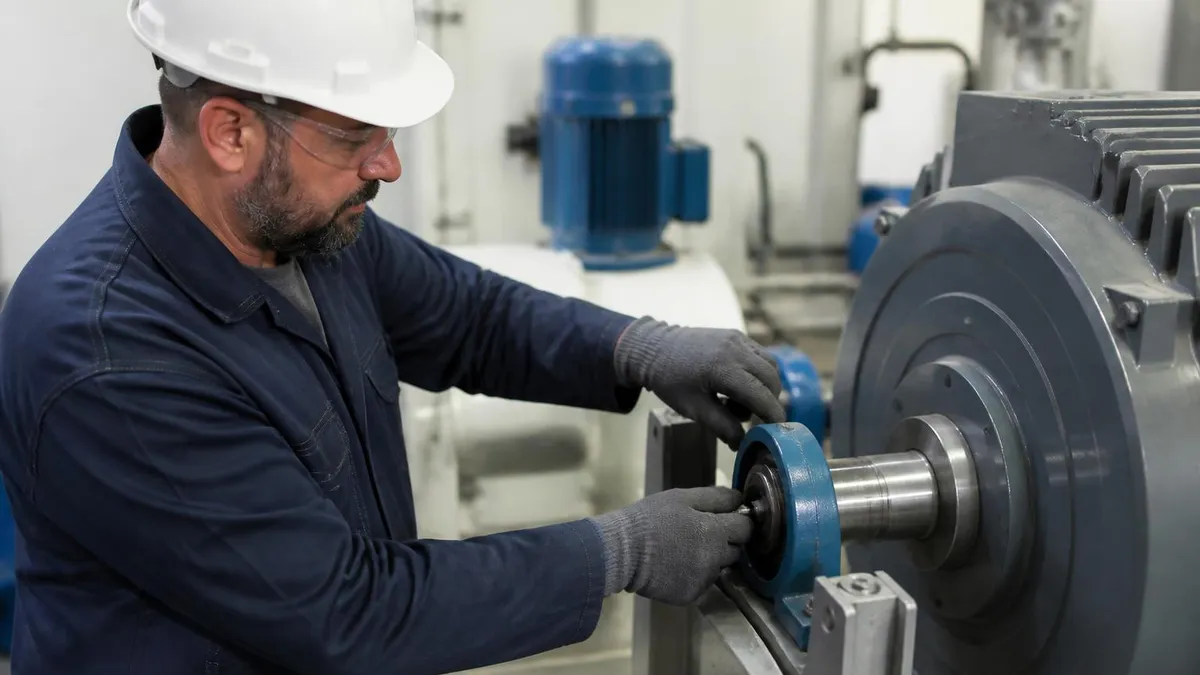
Millwright Union Guide: Membership, Pay, and Apprenticeship Paths
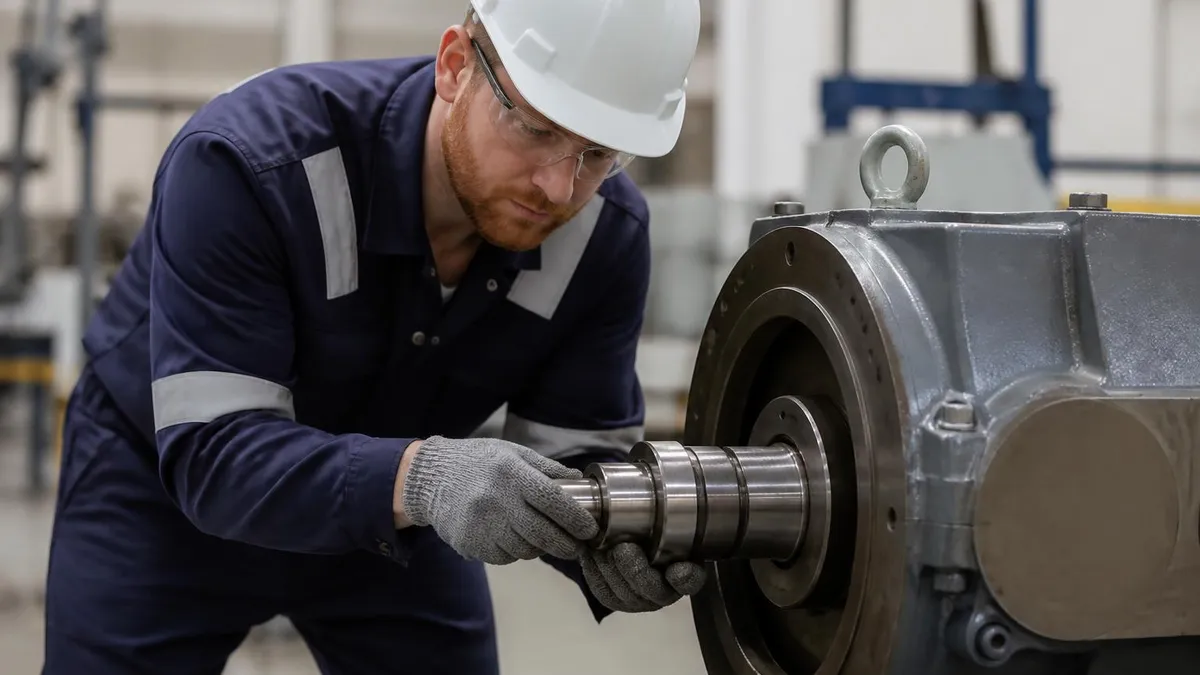
What is a Millwright? Trade, Duties, Pay, and How to Become One