
Is MEPS Open on Weekends? MEPS Schedule Explained 2026 September
Boost your Is MEPS Open on Weekends? MEPS Schedule exam score with practice questions and detailed answer explanations. Track progress with instant 💯

Is MEPS open on weekends? Generally, no. Most Military Entrance Processing Stations operate Monday through Friday, and weekend processing is rare—typically only during high-volume periods like summer when recruit demand spikes significantly. If your recruiter has told you to show up on a Saturday, that's the exception, not the rule.
This guide walks through what MEPS is, its standard operating schedule, what a typical processing day looks like hour by hour, and how you can prepare to make the most of your time there.
MEPS Hours of Operation
Standard MEPS hours are Monday through Friday, roughly 6:00 AM to 4:00 PM or later, depending on volume and processing speed that day. Recruits typically arrive very early—often reporting to the MEPS or the designated hotel by 5:30 AM or 6:00 AM—because processing starts early and can run 8-14 hours.
Weekend operations at MEPS depend entirely on the individual station and current military recruiting volume. High-demand periods (typically spring and summer) may see some Saturday processing at larger stations. Your recruiter is your best source for whether your specific MEPS has weekend availability at a given time—don't rely on outdated schedules from the internet.
MEPS locations vary in size and capacity. Larger stations in major metro areas (like Los Angeles, Dallas, or Chicago) tend to be busier and may have more scheduling flexibility. Smaller regional stations often have stricter scheduling and less capacity for walk-in or off-cycle processing.
How MEPS Scheduling Works
You don't schedule yourself for MEPS—your recruiter does it. The process looks like this:
- You work with your recruiter and complete pre-MEPS paperwork (SF-86 background information, medical history pre-screening, etc.).
- Your recruiter contacts the MEPS scheduling office and books you a processing date. For the ASVAB computer test at MEPS, scheduling can sometimes happen within days. For full physical processing, lead time is often 1-3 weeks.
- Depending on how far you live from the MEPS, you may be transported and housed the night before at a contracted hotel (often called the "MEPS hotel"). This is standard for recruits more than a short drive away.
- You report to the hotel or directly to MEPS as instructed, typically by early morning on your processing day.
If your date needs to change, your recruiter handles the rescheduling. You generally can't contact MEPS directly to reschedule—it's handled through the recruiting office.
What Happens During a MEPS Day: Hour by Hour
The MEPS processing day is long. Here's what the typical flow looks like:
5:30–6:30 AM — Check-in and paperwork review. You arrive, sign in, and begin the administrative processing phase. Your pre-submitted paperwork is reviewed, you verify personal information, and you complete any forms that weren't finished before arrival. Don't be late for this step—processing is sequential, and missing the start of your group delays everything that follows.
7:00–9:00 AM — ASVAB testing (if not previously taken). If you haven't already taken the Armed Services Vocational Aptitude Battery, you'll take it at MEPS on a computer. The CAT-ASVAB (computerized version) is adaptive—questions get harder or easier based on your responses. Total testing time is typically 90 minutes to 2 hours. If you've already taken the ASVAB at a Military Entrance Test site, this block is skipped.
9:00 AM–12:00 PM — Medical examination. This is the most time-consuming part of MEPS. The medical process includes:
- Height, weight, and blood pressure measurements
- Vision and hearing tests
- Blood draw and urinalysis (drug screen)
- Full orthopedic examination (the duck walk, squat test, range of motion)
- Review of medical history forms and any pre-existing conditions
- Physician interview for disclosed medical history items
The medical exam is where most MEPS delays occur. If you disclosed medical conditions on your history forms, the physician may need to review medical records before making a determination. Bring documentation for anything relevant—surgery records, prescription histories, specialist letters.
12:00–1:00 PM — Lunch break. MEPS facilities have a cafeteria or lunch area. Meals are provided for recruits who stay overnight.
1:00–3:00 PM — Job counseling and contract signing (for first-timers). If you're enlisting, you'll meet with a military job counselor (typically a branch-specific career advisor) to review your ASVAB scores and discuss available jobs (MOS, AFSC, rating, etc.). This is where you lock in your job assignment and contract terms.
3:00–4:00 PM — Oath of enlistment (for those swearing in). The swearing-in ceremony typically takes 10-15 minutes. You'll raise your right hand and take the Oath of Enlistment or Oath of Office, formally becoming a member of the U.S. military in Delayed Entry Program (DEP) status or on active duty.
MEPS for Prior Service and Waivers
If you're a prior service recruit or require a medical waiver, your MEPS day may run longer than average. Waiver reviews can take days to weeks—you may complete your initial processing but wait for formal approval before receiving a medical clearance. Your recruiter manages this communication with MEPS and with the branch's waiver authorities.
What to Bring to MEPS
Show up prepared. Missing documents can delay or derail your processing day and may require you to reschedule—which means waiting for another opening in the schedule.
Documents you must bring:
- Valid government-issued photo ID (driver's license, state ID, or passport)
- Social Security card (original, not a copy)
- Birth certificate (original or certified copy)
- All academic records (high school diploma, GED, college transcripts)
- Medical records for any disclosed conditions (surgery reports, specialist letters, prescription records)
- Prescription medications in original, labeled bottles if you're currently taking any
- Glasses or contacts if applicable (bring both your glasses and any prescription documentation)
What to wear: Wear comfortable, conservative clothing. You'll be in a medical examination environment for several hours—loose, easy-to-remove clothing is practical. No military-style clothing, revealing outfits, or offensive graphics. Avoid metal jewelry and accessories if possible (you'll likely remove them for the medical exam). The MEPS dress code is straightforward but worth reviewing before your day.
What not to bring: Leave valuables at home. Most MEPS facilities have secure storage, but you don't want to manage a laptop or expensive items throughout a 10-hour processing day. Leave firearms, weapons, and tobacco at home.
MEPS Drug Test: What to Know
The MEPS drug test is part of standard processing. You'll provide a urine sample, which is tested for a standard panel of controlled substances. Most common substances tested for include marijuana, cocaine, amphetamines, opiates, PCP, and barbiturates.
There's no way to "cheat" the MEPS drug test. Attempts to dilute samples are detectable. Positive tests result in disqualification from military service—no exceptions and no quick path back. If you've used any controlled substances recently, be honest with your recruiter about timing before you schedule MEPS.
The Military is currently one of the more stringent organizations when it comes to drug history, including marijuana in states where it's been legalized. Legality at the state level doesn't change federal military policy.
Can You Fail MEPS?
Yes. MEPS disqualifications happen for several reasons:
- Medical conditions that don't meet military standards (vision, hearing, musculoskeletal conditions, chronic illnesses)
- Drug test positive
- Background issues revealed during processing
- Fraudulent entry (lying about medical history or background information)
Some disqualifications are permanent; others may be waiverable. The waiver process takes time and isn't guaranteed. Your recruiter will guide you if a disqualifying condition is identified—don't assume rejection is final without understanding your waiver options.
How to Prepare for MEPS
Physical and mental preparation both matter for your MEPS day.
Physical preparation:
- Get adequate sleep the night before (if you're at the hotel, this means ignoring the temptation to stay up late—early wake-up calls are brutal after a short night)
- Don't use any substances in the weeks before (the drug test is unforgiving)
- Eat a good meal the evening before and a light breakfast if your schedule allows
- Stay hydrated—you'll need to provide a urine sample
ASVAB preparation: If you haven't taken the ASVAB yet and will be taking it at MEPS, prepare seriously. Your ASVAB score determines which jobs are available to you. Low scores significantly limit your options. Our MEPS ASVAB practice resources are structured around the actual CAT-ASVAB format—use them in the weeks before your scheduled MEPS date.
Medical documentation: If you have any disclosed medical history, gathering documentation in advance is one of the most impactful things you can do. Incomplete records are the most common cause of medical processing delays. A disclosed surgery without records means the physician has to use caution; a disclosed surgery with complete operative reports and clearance letters moves quickly through review.
After MEPS: What Happens Next
Assuming you're medically qualified and your contract is signed:
DEP (Delayed Entry Program): Most first-time enlistees enter DEP after MEPS. You've sworn in but haven't left for training yet. Your ship date to Basic Combat Training or Basic Military Training is set during this period, typically weeks to months in the future. Stay in contact with your recruiter, maintain physical fitness, and don't do anything that would disqualify you (legal issues, drug use, weight gain).
Active duty: If you're shipping immediately, you'll leave from or shortly after MEPS. Your recruiter handles transportation arrangements to the reception battalion or base.
The MEPS requirements process is long and thorough by design—the military invests significantly in each service member, and the entrance process is how it screens for people who meet the physical, mental, and legal standards for service. Being prepared makes the day smoother and gets you closer to your service goal without unnecessary delays.

- +Industry-recognized credential boosts your resume
- +Higher earning potential (10-20% salary increase on average)
- +Demonstrates commitment to professional development
- +Opens doors to advanced career opportunities
- −Exam preparation requires significant time investment (4-8 weeks)
- −Certification fees can be $100-$400+
- −May require continuing education to maintain
- −Some employers may not require certification




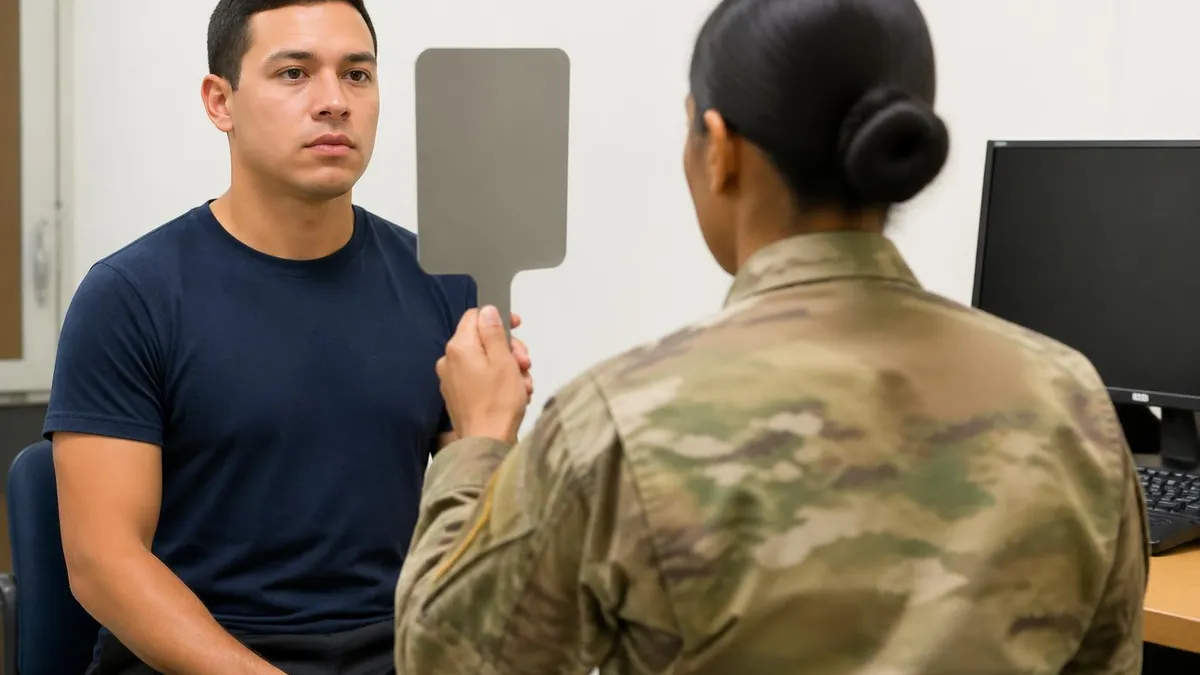
The Night Before MEPS: Setting Yourself Up for Success
The night before your MEPS date matters almost as much as the day itself. Here's what the most prepared recruits do:
Pack everything the night before. Lay out your clothes, gather all your documents in a folder, and charge your phone. The morning will be early, and scrambling for documents at 5 AM is a bad start.
Get to bed early. If you're at the MEPS hotel, there will be other recruits around who are nervous, excited, and not necessarily quiet. Use earplugs if needed. You need real sleep, not two hours of half-awake anxiety.
Review your medical history forms. Know what you disclosed. Physicians will ask about disclosed items, and inconsistent answers create problems. You don't need to memorize anything—just be familiar with what you put in writing.
Know your ASVAB status. If you've already taken it, confirm your score is in your recruiter's file. If you haven't, know that you'll be testing tomorrow and have been preparing appropriately.
MEPS is a gateway, not an obstacle. Most recruits who arrive prepared, are honest about their history, and follow instructions move through processing successfully. The physical and mental preparation you do beforehand determines how smoothly that day goes. Use the practice resources on this site to get ready for the ASVAB portion, and work with your recruiter on the rest. Your service starts here.
About the Author
Retired Military Officer & Armed Forces Test Preparation Specialist
United States Army War CollegeColonel Steven Harris (Ret.) served 28 years in the US Army, earning a Master of Arts in Military Science from the Army War College and a Bachelor of Science in Criminal Justice. He has coached thousands of military enlistment and officer candidate program applicants through the ASVAB, AFQT, AFCT, OAR, and officer selection assessment processes across all military branches.
Join the Discussion
Connect with other students preparing for this exam. Share tips, ask questions, and get advice from people who have been there.
View discussion (8 replies)