
LPN VA Jobs: Complete 2026 October Guide to Working as a Licensed Practical Nurse at the VA
🎯 Explore lpn va jobs: pay grades, federal benefits, USAJOBS steps, and interview tips for licensed practical nurses seeking a VA nursing position.

Searching for lpn va jobs usually starts with a practical question: is a federal nursing position worth the extra paperwork? For many licensed practical nurses, the answer is yes. The Department of Veterans Affairs runs the largest integrated health care system in the country, and it hires LPNs for hospitals, outpatient clinics, nursing homes, and home-based care programs. This guide explains what the work involves, how pay and benefits compare, and how to move from application to offer.
Before you apply, get the basics in place. The VA expects a graduate of an accredited practical nursing program who holds a current, full, and unrestricted license. Unlike many private employers, the VA generally accepts a license from any state, so you do not have to live in the state where you were licensed. If you are still working toward licensure, review the education, exam, and board steps behind lpn va jobs eligibility first.
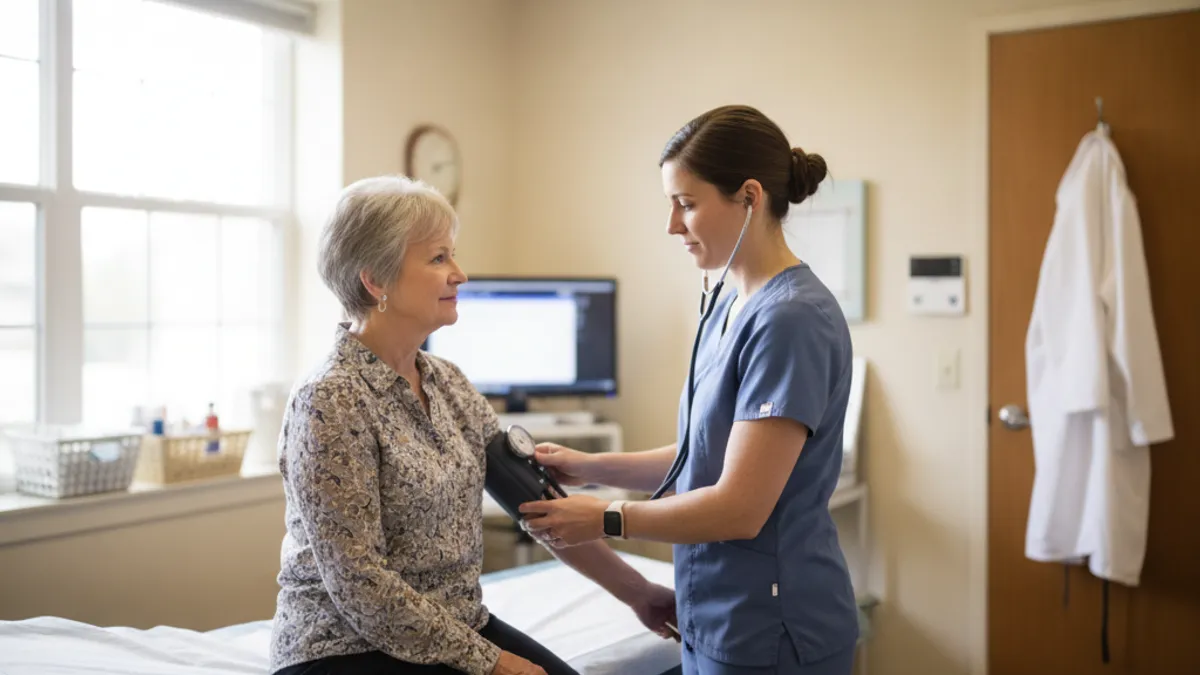
A VA LPN works under the direction of a registered nurse or provider, and the daily scope is broader than many students expect. Typical tasks include taking vital signs, giving oral and injectable medications where state law and facility policy allow, changing dressings, collecting specimens, documenting in the electronic health record, and teaching patients about their care plans. Veterans often live with several chronic conditions at once, so you will regularly see diabetes, heart failure, COPD, PTSD, and mobility limits.
Where you work shapes your schedule and pace. Inpatient medical-surgical units run around the clock, with eight- or twelve-hour shifts that include nights, weekends, and holidays. Outpatient primary care clinics, organized as Patient Aligned Care Teams, usually keep weekday hours and pair an LPN with a provider and an RN care manager. Community living centers, the VA's long-term care homes, add another option, and specialty areas such as spinal cord injury or home-based primary care offer variety.
Federal pay is public, which makes planning easier. Most LPN announcements fall under the GS-0620 Practical Nurse series, often advertised at GS-5 or GS-6 depending on experience, with locality pay added to the base rate. Total salary therefore varies by city, and a posting in San Francisco pays noticeably more than one in rural Mississippi. Every announcement lists its pay range, so you can compare offers against the current General Schedule tables before you apply.
Benefits are often the deciding factor. Federal employees receive health coverage through FEHB, a pension under FERS, and the Thrift Savings Plan with an agency match of up to 5 percent. Leave is generous: new hires earn 13 vacation days and 13 sick days each year, and vacation grows to 20 days after three years and 26 after fifteen. Eleven paid federal holidays are added, and many nurses also pursue Public Service Loan Forgiveness while they serve.
The tradeoff is process. Federal hiring is slower than private hiring, often taking several weeks from application to offer, and the application demands a detailed resume. Still, the stability, benefits, and mission attract nurses who stay for decades. The sections below walk through the hiring steps, compare VA work with other employers, and give you a checklist so you can apply with confidence and prepare for the interview and the clinical questions that follow.
LPN VA Jobs by the Numbers
LPN VA Jobs: Where the VA Hires Licensed Practical Nurses
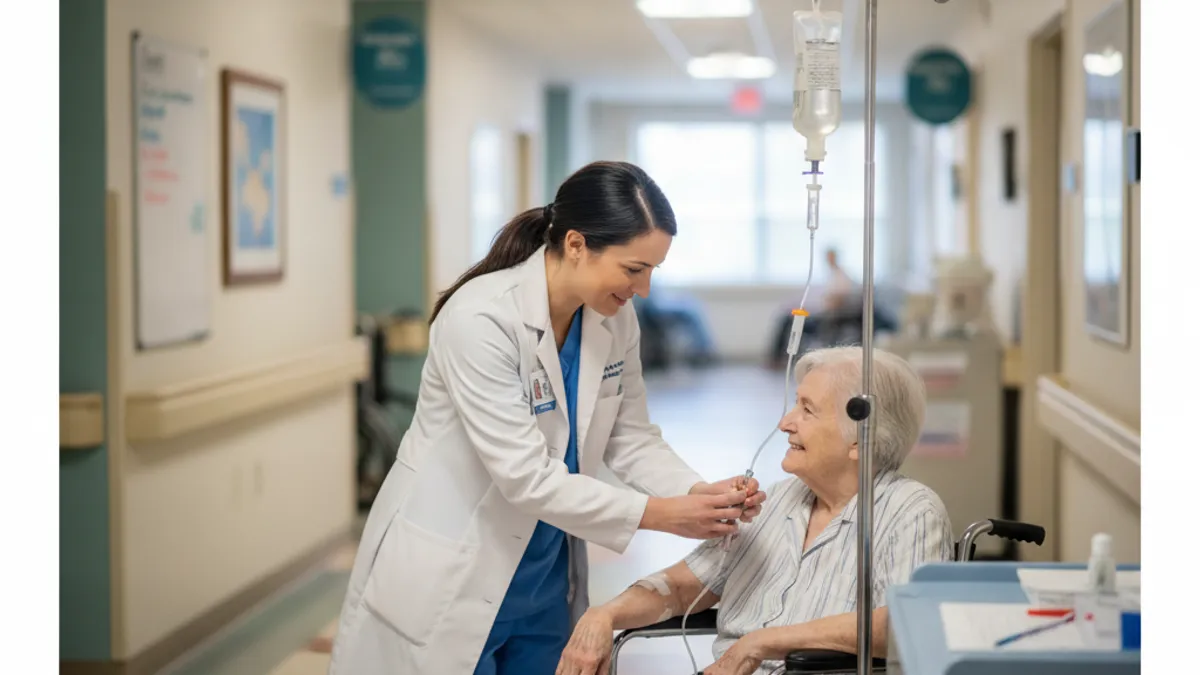
Inpatient units such as medical-surgical, telemetry, and rehabilitation hire LPNs to support RNs with medications, vital signs, wound care, and documentation. Expect rotating shifts, including nights, weekends, and holidays, with the broadest range of clinical experience.
Primary care and specialty clinics use LPNs for rooming patients, medication reconciliation, immunizations, and chronic disease education. Hours are usually weekdays, which appeals to nurses who want predictable schedules and steady patient relationships.
VA nursing homes provide long-term, hospice, and rehabilitation care. LPNs often lead daily resident care, pass medications, monitor skin integrity, and coordinate with therapy and social work for veterans needing extended support.
Home-based primary care and telehealth programs send LPNs to patients who cannot easily travel. Work includes visits, remote monitoring, and teaching families, and it demands independence, strong time management, and clear communication.
Applying for a VA position happens almost entirely through USAJOBS.gov, the federal hiring portal, and the process rewards preparation. Start by creating a profile and building a federal-style resume, which runs longer than a private-sector one. Federal resumes typically list each job with exact start and end dates, hours worked per week, supervisor name, and detailed duties. Reviewers screen against the posting line by line, so thin descriptions can cost you an interview even when you are qualified.
Search USAJOBS using terms like Licensed Practical Nurse, LPN, or Practical Nurse, then filter by the Department of Veterans Affairs and your preferred location. Read each announcement closely. It lists the grade, salary range, duty station, closing date, and the questionnaire you must complete. Many postings close within ten to fourteen days, and some close early once enough applications arrive, so set saved-search alerts and apply soon after a posting appears rather than waiting until the deadline.
The questionnaire matters more than most applicants realize. You will rate your own experience on tasks such as medication administration, wound care, and charting. Rate yourself honestly, but do not undersell real skills. Whatever you claim must be supported by your resume, because human resources specialists compare the two. Mismatches between a high self-rating and a resume with no supporting detail are a common reason applicants are screened out before a hiring manager ever sees their file.
Documents come next. Plan to upload your nursing license, a transcript or diploma from your practical nursing program, and, if applicable, a DD-214 for veterans claiming preference. Veterans' preference can add points or place eligible candidates higher in consideration, so submit military paperwork whenever it applies to you. Keep PDF copies ready, since the system can time out, and confirm that every required attachment uploaded properly before you submit the final application.
After submission, your status moves through stages such as received, referred, and interview. Referred means a hiring manager has your file, which is good news. Interviews are often conducted by a panel using standard questions, either by phone, by video, or in person. Expect to wait several weeks between steps. If you do not hear back, check your USAJOBS account rather than contacting the facility, since the human resources office controls the timeline and cannot always share details.
A tentative offer is not the end. The VA conducts a background investigation that includes fingerprints and a suitability review, plus a pre-employment physical, verification of your license, and checks of federal exclusion lists. Some facilities also require a drug screen and proof of immunizations. These steps can take several additional weeks, so do not resign from your current job until you hold a final, written offer with a confirmed start date and pay grade.
Finally, consider alternative paths into the system. VA facilities post temporary and term appointments, and some use direct hire authorities when staffing is tight. Volunteering, working for a community care contractor, or serving as a nursing assistant can build familiarity with how the organization runs. Networking with a nurse manager at a nearby medical center can also surface openings before they appear on USAJOBS, and it gives you someone to ask about unit culture.
LPN VA Jobs vs Private Employers: Pay, Schedule, and Growth
VA base pay follows the published General Schedule with locality adjustments, so you can see the range before applying. Private hospitals and staffing agencies sometimes offer higher hourly rates, especially for night shifts or travel contracts, but those rates can change quickly and may come without a pension. Compare the full package, not just the hourly figure, when weighing offers.
The VA package includes FEHB health coverage, a FERS pension, and a Thrift Savings Plan match of up to 5 percent. Add 13 sick days, generous vacation, and 11 paid holidays, and the total value often exceeds a higher private hourly wage. Retirement security is the largest difference, since few private employers still offer a guaranteed pension.
Is Working in LPN VA Jobs Right for You?
- +Public pay scales show your salary range before you apply
- +Pension, health coverage, and a 5 percent TSP match add real long-term value
- +Generous leave, including 13 sick days and up to 26 vacation days
- +Job stability backed by a large federal system
- +License from any state is generally accepted
- +Meaningful work serving veterans with varied, complex needs
- −Hiring can take many weeks from application to start date
- −Federal resumes and questionnaires demand extra time and detail
- −Hourly pay can trail private agencies or travel contracts
- −Inpatient roles still require nights, weekends, and holidays
- −Opportunities for LPNs vary by region and facility
- −Background checks and onboarding add steps before day one
Your LPN VA Jobs Application Checklist
- ✓Confirm your LPN license is current, full, and unrestricted.
- ✓Create a USAJOBS account and complete every profile section.
- ✓Build a federal resume with exact dates and weekly hours.
- ✓Save searches for Licensed Practical Nurse at VA facilities.
- ✓Read each announcement for grade, location, and closing date.
- ✓Answer the questionnaire honestly and support it with resume detail.
- ✓Upload your license, diploma or transcript, and any DD-214.
- ✓Check that your BLS certification has not expired.
- ✓Track your application status inside your USAJOBS account.
- ✓Prepare for background checks, fingerprints, and a physical.
Match Your Resume to the Questionnaire
Human resources specialists compare your self-ratings with the duties on your resume. Every skill you claim should appear in a job entry with specific details, such as medication passes per shift or wound types treated. That match often decides whether you are referred to the hiring manager.
Hiring managers at the VA screen for more than a valid license. They want nurses who document accurately, follow policy, and communicate calmly with patients who may be in pain, anxious, or living with trauma. During interviews, expect behavioral questions that ask for specific examples, such as a time you caught a medication discrepancy or handled an upset family member. Prepare three or four short stories from clinical experience and practice telling them clearly and concisely.
Patient safety is the common thread. Be ready to explain the rights of medication administration, how you verify patient identity with two identifiers, and what you do when an order looks wrong. The VA uses barcode medication administration at most facilities, so familiarity with scanners and electronic records is a plus. If you have used any electronic health record system, name it and describe how you used it in daily work to chart and communicate.
Scope of practice is another frequent topic. LPNs cannot perform every task an RN can, and the limits depend on state law and facility policy. Show that you understand when to report changes in condition, when to ask for clarification, and which assessments you can complete versus which require an RN. Interviewers respond well to nurses who describe delegation and escalation as normal parts of teamwork rather than as signs of weakness or inexperience.
Veteran-centered care deserves attention. You do not need military experience, but you should show respect for service and awareness of common concerns such as chronic pain, sleep problems, substance use, and post-traumatic stress. Trauma-informed communication means explaining what you are about to do, asking permission before touching, and avoiding sudden movements. Mentioning these habits shows that you understand the patient population, which sets you apart from applicants who give generic answers about compassion.
Technical questions often draw from fundamentals, which is why basic care and comfort review pays off. Know how to measure vital signs accurately, recognize abnormal values, position patients to prevent pressure injuries, assist with mobility, and support nutrition and hygiene. Be able to describe infection control steps such as hand hygiene and isolation precautions. These topics also appear on the NCLEX-PN, so refreshing them keeps both your interview answers and your clinical judgment sharp.
Reliability counts as well. Managers ask about attendance, flexibility with shifts, and how you handle a heavy assignment. Honest answers work best. If you prefer days, say so, but show that you understand weekend and holiday rotations are part of inpatient nursing. Describe how you prioritize tasks when several patients need attention at once, using urgency, stability, and safety as the guide rather than simply responding to whoever is loudest or most insistent.
Close the interview with preparation, not just thanks. Ask about unit staffing, orientation length, preceptor support, and opportunities for training. These questions show that you plan to stay and grow with the team. Afterward, send a short thank-you note if the process allows it. Keep records of the posting number, your questionnaire answers, and the names of your interviewers, since you may need them if the hiring office contacts you weeks later.
Pay grades, LPN eligibility rules, and hiring programs change over time. Always confirm requirements, closing dates, and scope of practice in the current USAJOBS announcement and with the facility's human resources office before you rely on any general guide.
Many nurses treat an LPN position at the VA as a stepping stone. The system employs registered nurses at every level, and it supports advancement through tuition programs, scholarships, and flexible scheduling at some facilities. Bridge programs let working LPNs earn an associate or bachelor's degree in nursing while keeping a paycheck. Because the VA is so large, moving from an LPN role to an RN role at the same employer is realistic for motivated staff.
Financial help exists, though availability changes from year to year. The VA has offered the Employee Incentive Scholarship Program for clinical staff pursuing degrees, and some facilities provide tuition support or education debt reduction for hard-to-fill positions. Ask human resources which programs are open now rather than relying on old information. Also confirm any service obligation that comes with funding, since most awards require you to keep working for the VA after you graduate.
Pay progression is predictable. Within a grade, step increases come on a published schedule, and moving to a higher grade usually requires either a promotion posting or a new role with greater responsibility. Longevity also matters for retirement, since FERS pensions are based on years of service and your highest three years of salary. A nurse who stays twenty years and keeps advancing will see a very different retirement picture than one who changes jobs often.
Specialty experience opens doors. LPNs in dialysis, wound care, mental health, or geriatrics can build skills that matter for later roles, and certifications in areas such as IV therapy, gerontology, or wound care strengthen a resume. Ask about cross-training. Some units rotate nurses through procedures or clinics, and these experiences can qualify you for posted positions that require a particular skill set, such as telehealth nursing, care coordination, or specialty clinic support.
Mobility is another advantage. A federal employee can often transfer between VA facilities in different states without losing leave balances or tenure. If your spouse relocates or you want to live near family, you can search postings in the new city and apply as an internal candidate. Some positions give priority to current employees, which can speed up the process compared with starting over at a private hospital system with a new benefits waiting period.
Understand the limits too. Some VA roles have moved toward RN-heavy staffing models, and LPN opportunities vary by region and facility. Scope of practice rules differ by state, and the VA follows the applicable state rules and facility policy. Check each announcement for details and ask the nurse manager what LPNs actually do on that unit. Honest answers help you avoid surprises and decide whether the position fits your long-term goals and your preferred type of patient care.
Finally, think about the whole career, not only the first job. A VA position can anchor a long career by combining steady employment, benefits, training, and mission. Pair it with continuing education and a plan for advancing, and you can move from entry-level practical nursing to leadership, education, or an RN role. Set a timeline, such as enrolling in a bridge program within two years, and review it every year so your plan stays realistic.
Start preparing weeks before a posting you want appears. Update your resume, gather your license, diploma, and BLS card, and write short descriptions of your clinical experience using numbers whenever possible. For example, state that you managed a twenty-bed unit, passed medications for twelve residents per shift, or performed daily wound care on six patients. Concrete figures make your resume stand out against vague claims and help reviewers match you to the posting.
Use practice questions to keep fundamentals fresh. Even experienced LPNs forget details they rarely use, such as normal lab ranges, positioning for specific conditions, or steps in sterile technique. Spend twenty to thirty minutes a day on basic care and comfort questions, then review any you miss by reading the rationale. This habit prepares you for interview scenarios and also keeps your clinical judgment sharp on the floor.
Build a story bank for behavioral interviews. Write down five examples from your experience: a patient safety catch, a conflict with a coworker, a time you handled a difficult family member, a moment you learned from a mistake, and a case where you advocated for a patient. Structure each answer with the situation, your action, and the result. Practice aloud with a friend or in front of a mirror until the answers feel natural.
Research the facility before you apply. Visit the local VA website, read about its clinics and programs, and note recent news or awards. Knowing whether the medical center runs a spinal cord injury unit or a large mental health program lets you tailor answers and ask better questions. Managers notice when candidates have done their homework, and it signals that you want this specific job rather than any federal paycheck.
Keep your credentials flawless. An expired BLS card, a license with unresolved discipline, or a gap in work history without explanation can delay or end your candidacy. Verify your license status online with your state board, renew certifications early, and prepare a short, honest explanation for any gaps. Being organized with documents also speeds up the onboarding stage, which is already slower than in private hospitals because of the background investigation.
Be patient and persistent. Federal hiring can feel slow, and some applicants submit dozens of applications before landing an interview. Apply to multiple facilities if you are willing to relocate, and consider related roles such as clinic LPN, community living center LPN, or home-based care nurse. Track every application in a spreadsheet with the posting number, closing date, and status so you can follow up appropriately and avoid missing deadlines.
On your first day, treat orientation as part of the interview. Arrive early, ask questions, and learn the electronic health record, medication systems, and unit routines. Build relationships with your preceptor, charge nurse, and pharmacy staff. Strong early performance leads to better schedules, training opportunities, and recommendations later. With preparation, accurate documents, and steady practice, you can turn an application into a stable, rewarding LPN career serving veterans.
LPN Questions and Answers

LPN Requirements 2026: Complete Guide to Becoming a Licensed Practical Nurse

LPN Programs in CT: Complete 2026 Guide to Connecticut Practical Nursing Schools

LPN Hospital Jobs: Complete 2026 Guide to Working as an LPN in a Hospital Setting
LPN Salary Ohio: Average Pay, Hourly Rate, and Top Cities in 2026

LPN Salary Wisconsin 2026: Average Pay, Top Cities, and How to Earn More
About the Author

Registered Nurse & Healthcare Educator
Johns Hopkins University School of NursingDr. Sarah Mitchell is a board-certified registered nurse with over 15 years of clinical and academic experience. She completed her PhD in Nursing Science at Johns Hopkins University and has taught NCLEX preparation and clinical skills courses for nursing students across the United States. Her research focuses on evidence-based exam preparation strategies for healthcare certification candidates.
Join the Discussion
Connect with other students preparing for this exam. Share tips, ask questions, and get advice from people who have been there.
View discussion (7 replies)