
LPN Skills: The Complete 2026 October Guide to Clinical, Technical & Soft Skills Every Licensed Practical Nurse Needs
🏆 Master the LPN skills employers demand in 2026 October. Complete guide to clinical procedures, technical competencies, and soft skills for licensed practical
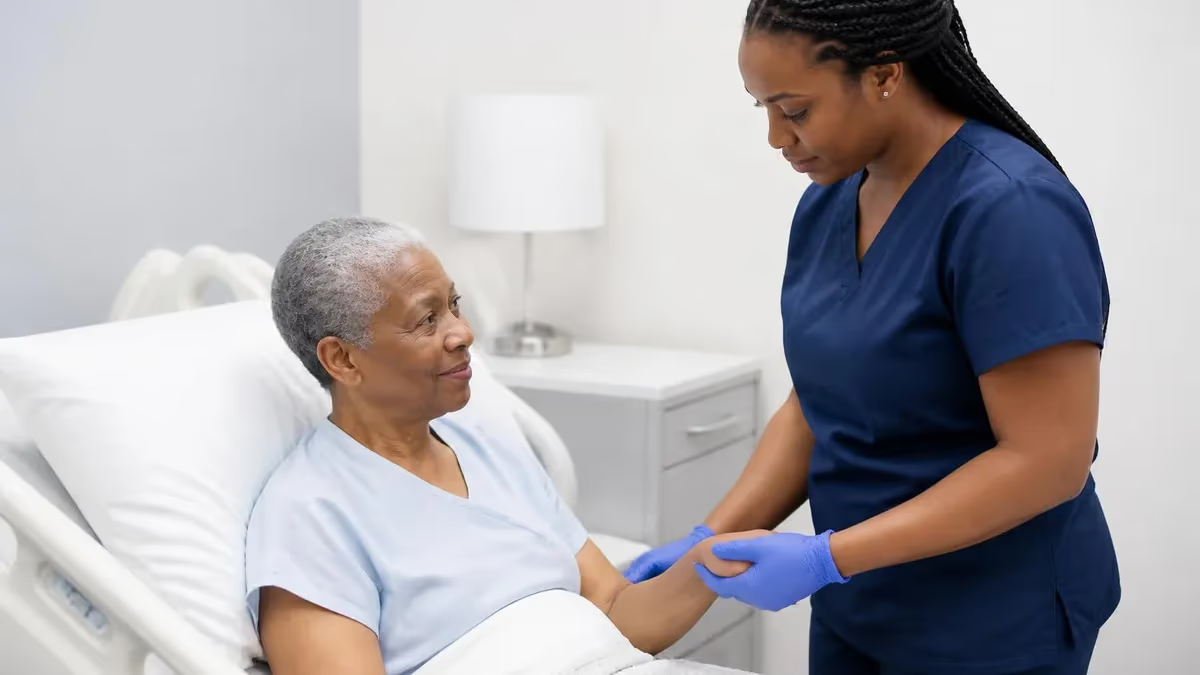
Strong lpn skills are the foundation of every successful nursing career, and in 2026 the bar is higher than ever. Licensed Practical Nurses are expected to perform complex assessments, manage multiple patients simultaneously, document electronically with precision, and communicate with interdisciplinary teams — all while delivering compassionate bedside care. Whether you are studying for the NCLEX-PN, applying for your first nursing job, or working to advance your career, mastering the right combination of clinical, technical, and interpersonal abilities is what separates good LPNs from exceptional ones.
The role of the LPN has evolved dramatically over the past decade. Today's practical nurses work in skilled nursing facilities, hospitals, home health agencies, outpatient clinics, correctional facilities, and rehabilitation centers. Each setting demands a slightly different skill mix, but the core competencies remain consistent: safe medication administration, accurate assessment, wound care, infection control, patient education, and ethical decision-making. Employers consistently report that LPNs who arrive with sharp clinical judgment and polished soft skills are promoted faster and retained longer.
This guide breaks down every skill category that LPN programs teach and that real-world employers expect. We will cover the technical procedures you must perform under pressure, the assessment frameworks that drive safe practice, the documentation standards that protect your license, and the soft skills — empathy, communication, time management, conflict resolution — that often determine whether you thrive or burn out. Each section includes concrete examples drawn from acute care, long-term care, and ambulatory settings.
We will also address common skill gaps that new graduates face. Surveys of nurse managers consistently identify the same weaknesses: hesitancy with IV therapy, difficulty prioritizing competing demands, weak delegation to nursing assistants, and inadequate documentation. These are all learnable skills, but they require deliberate practice and honest self-assessment. By the end of this article, you will have a clear roadmap for identifying your own gaps and closing them before they become career-limiting problems.
Beyond technical preparation, this guide explores the cognitive and emotional skills that define modern nursing practice. Critical thinking, clinical reasoning, cultural humility, trauma-informed care, and resilience are no longer optional add-ons — they are core competencies measured on the NCLEX-PN and evaluated during clinical rotations. We will explain how each of these skills shows up in daily practice and how to develop them deliberately rather than waiting for experience to slowly grind them into shape.
Finally, this article connects skill development to career growth. The LPN job market continues to expand, with the Bureau of Labor Statistics projecting roughly 5% growth through 2032 and median pay near $59,730 in 2024. But within that broad demand, the highest-paying and most stable positions go to LPNs who can document the specific competencies employers need. Whether you want to specialize in wound care, IV therapy, geriatrics, pediatrics, or eventually bridge to RN, the skills you build now determine the opportunities available later.
Read this guide carefully, bookmark the checklists, and revisit the practical scenarios as you progress through your program or your first year of practice. Nursing is a skill-based profession, and the more deliberately you build each competency, the more confident, capable, and marketable you become.
LPN Skills by the Numbers
Core Categories of LPN Skills
Hands-on procedures including vital signs, medication administration, wound care, catheterization, IV maintenance, blood glucose monitoring, and specimen collection performed safely under nursing protocols.
Focused head-to-toe assessments, recognizing abnormal findings, prioritizing patient needs using ABC and Maslow frameworks, and reporting changes accurately to the RN or provider in a timely manner.
Charting in electronic health records, using barcoded medication administration systems, completing care plans, and protecting patient privacy under HIPAA in every digital and paper workflow.
Therapeutic communication with patients and families, SBAR handoffs to nurses and physicians, conflict resolution, cultural humility, and clear delegation to certified nursing assistants on the unit.
Standard and transmission-based precautions, hand hygiene, safe patient handling, fall prevention, medication safety checks, and recognizing signs of patient deterioration before a rapid response is needed.
Hands-on technical procedures sit at the heart of every LPN job description, and competence with these tasks is what allows you to function independently on a busy unit. The most frequently performed procedures across settings include taking and recording vital signs, administering oral and injectable medications, performing wound dressing changes, inserting and removing urinary catheters, monitoring intake and output, collecting specimens, performing finger-stick blood glucose checks, and providing tracheostomy or ostomy care. Each of these procedures has a specific protocol, and small deviations can create real patient harm.
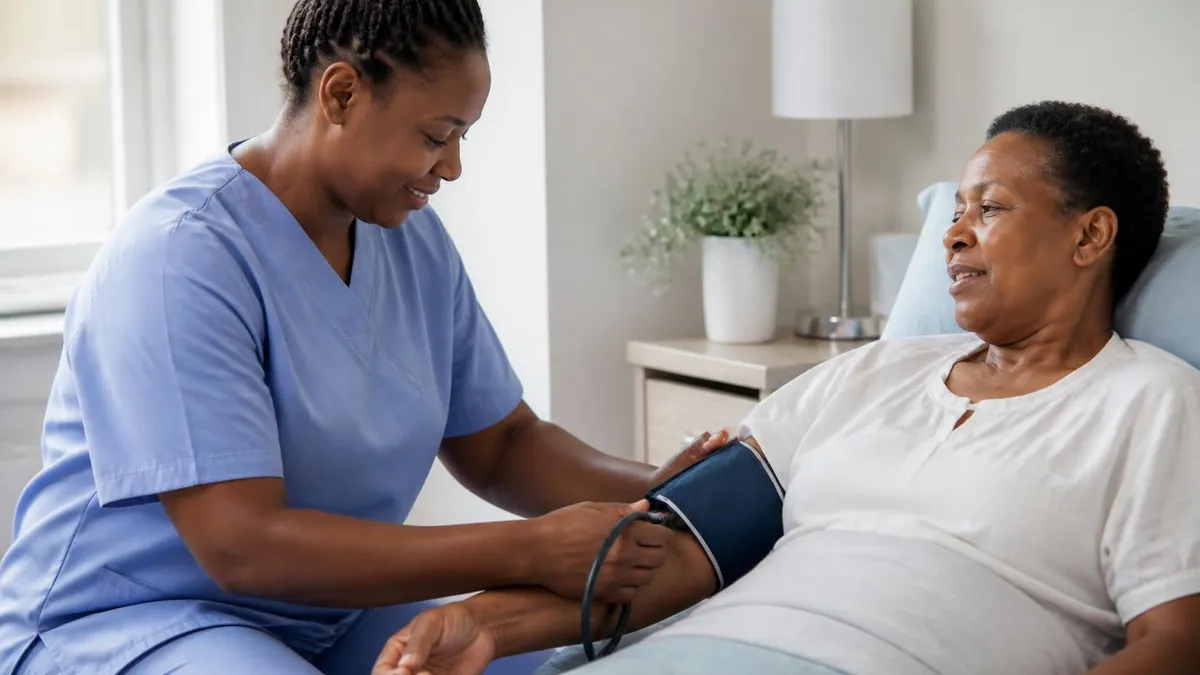
Vital signs are deceptively simple but tremendously important. A blood pressure that drops fifteen points between shifts, a pulse climbing past 110, or a respiratory rate of 8 in a postoperative patient are all early warning signs of deterioration. Skilled LPNs do not just record numbers — they interpret them in context, compare them to baseline trends, and escalate concerns before the patient codes. Practicing accurate manual blood pressure measurement and respiratory counts is essential even though automated cuffs are everywhere.
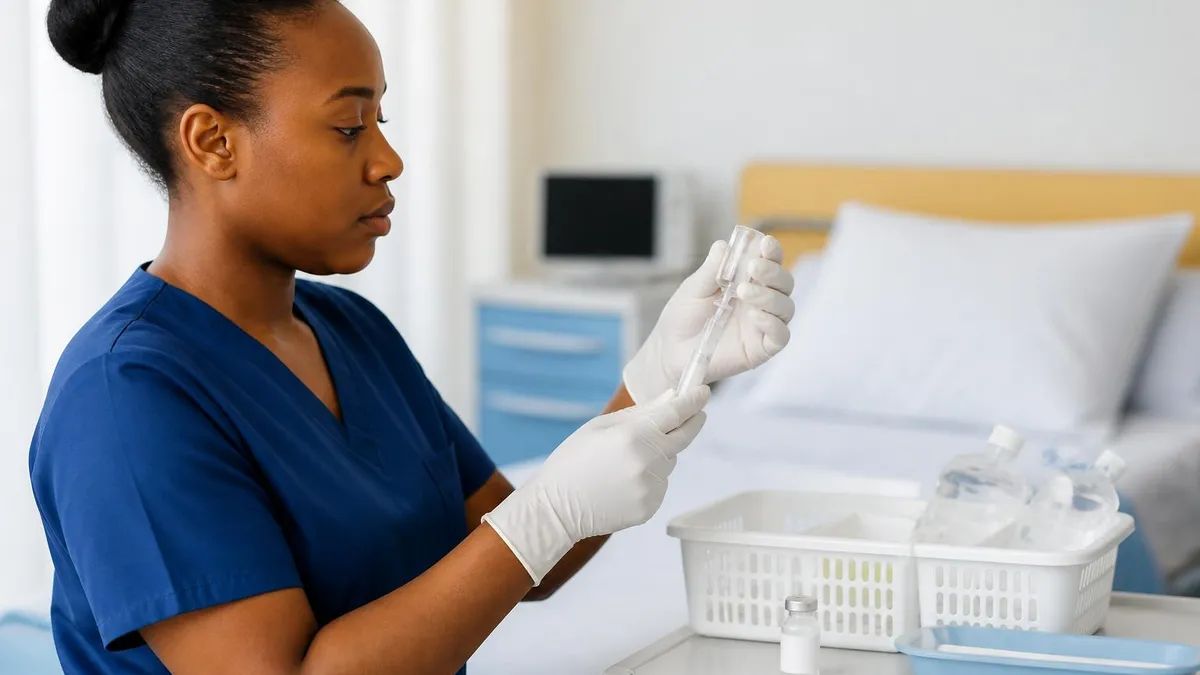
Medication administration is the most legally sensitive skill an LPN performs. The seven rights — right patient, right drug, right dose, right route, right time, right reason, and right documentation — must become reflex. Add the three checks (when retrieving, when preparing, and at the bedside) and you have a system that prevents most medication errors. Skilled LPNs also recognize high-alert medications such as insulin, anticoagulants, and opioids, and they perform independent double-checks whenever facility policy requires.
Wound care responsibilities have expanded dramatically as wound care certification programs make LPNs the primary dressing-change providers in long-term care and home health. Knowing how to stage pressure injuries, recognize signs of infection, measure wounds accurately, select the appropriate dressing for the wound bed, and document healing progression are core skills. LPNs who pursue specialty wound credentials often earn premium pay and become indispensable to their facilities.
Catheterization and ostomy care require both technical skill and patient sensitivity. Inserting a Foley catheter using strict sterile technique, recognizing signs of urinary tract infection, providing perineal care, and emptying drainage bags safely are all part of routine practice. Ostomy care includes assessing stoma color and integrity, properly fitting appliances, and teaching patients and families to manage care at home. These are intimate procedures that require equal parts competence and compassion.
Specimen collection and point-of-care testing round out the daily technical toolkit. Drawing blood for capillary glucose, collecting urine and stool specimens, obtaining wound cultures with sterile swabs, and operating point-of-care devices for hemoglobin A1C, INR, or strep testing are all routine. Skilled LPNs know which tubes to use, how to label specimens correctly, and how to transport them within required time windows so lab results remain valid.
The fastest way to build confidence with these procedures is deliberate, repetitive practice combined with honest feedback. Use skills lab time aggressively during your program, ask your preceptor to watch you perform procedures during clinicals, and never decline an opportunity to do a new procedure just because it feels uncomfortable. Skills you avoid in school are skills you will fear at the bedside.
LPN Practice Test Questions
Prepare for the LPN - Certified Practical Nurse exam with our free practice test modules. Each quiz covers key topics to help you pass on your first try.
LPN - Certified Practical Nurse Basic Care...
LPN Exam Questions covering - Certified Practical Nurse Basic Care and Comfort. Master LPN Test concepts for certification prep.
LPN - Certified Practical Nurse Coordinate...
Free LPN Practice Test featuring - Certified Practical Nurse Coordinated Care. Improve your LPN Exam score with mock test prep.
LPN - Certified Practical Nurse Health Pro...
LPN Mock Exam on - Certified Practical Nurse Health Promotion and Maintenance. LPN Study Guide questions to pass on your first try.
LPN - Certified Practical Nurse Pharmacolo...
LPN Test Prep for - Certified Practical Nurse Pharmacological Therapies. Practice LPN Quiz questions and boost your score.
LPN - Certified Practical Nurse Physiologi...
LPN Questions and Answers on - Certified Practical Nurse Physiological Adaptation. Free LPN practice for exam readiness.
LPN - Certified Practical Nurse Psychosoci...
LPN Mock Test covering - Certified Practical Nurse Psychosocial Integrity. Online LPN Test practice with instant feedback.
LPN - Certified Practical Nurse Reduction ...
Free LPN Quiz on - Certified Practical Nurse Reduction of Risk Potential. LPN Exam prep questions with detailed explanations.
LPN - Certified Practical Nurse Safety and...
LPN Practice Questions for - Certified Practical Nurse Safety and Infection Control. Build confidence for your LPN certification exam.
LPN Ethical, Legal & Professional Standards
LPN Test Online for Ethical, Legal & Professional Standards. Free practice with instant results and feedback.
LPN Health Evaluation & Monitoring
LPN Study Material on Health Evaluation & Monitoring. Prepare effectively with real exam-style questions.
Pharmacological & Assessment Skills in Depth
LPNs administer medications by oral, sublingual, topical, rectal, vaginal, intramuscular, subcutaneous, and intradermal routes. In many states LPNs also maintain peripheral IVs, push select medications, and perform IV antibiotic administration after completing certified IV therapy courses. Knowing your state's scope of practice is the first medication skill to master — it determines which routes you can use independently.
Beyond technical administration, skilled LPNs anticipate side effects, recognize allergic reactions, monitor therapeutic responses, and teach patients about their prescriptions. For example, a patient starting a beta-blocker needs orthostatic precautions and pulse monitoring, while a patient on warfarin needs INR awareness and bleeding precautions. Pharmacology is not a one-time exam topic — it is a daily competency.
Strong vs. Weak LPN Skill Sets: What Sets Top Nurses Apart
- +Performs procedures with confidence and minimal supervision after orientation
- +Recognizes subtle changes in patient condition and escalates promptly
- +Documents in real time using clear, objective, defensible language
- +Communicates calmly with families during stressful or end-of-life moments
- +Delegates effectively to CNAs while remaining accountable for outcomes
- +Maintains current certifications including BLS, IV therapy, and specialty credentials
- +Manages time across 8-12 patients without compromising safety standards
- −Avoids new procedures or asks RN to perform tasks within LPN scope
- −Misses early warning signs and reports deterioration too late
- −Charts hours after the fact with vague, subjective language
- −Becomes flustered during emergencies or family conflicts
- −Performs CNA tasks instead of delegating, causing missed nursing care
- −Lets certifications lapse and avoids continuing education opportunities
- −Falls behind on med pass, charting, and treatments by mid-shift
Pros and Cons at a Glance
| Pros | Cons |
|---|---|
| Performs procedures with confidence and minimal supervision after orientation | Avoids new procedures or asks RN to perform tasks within LPN scope |
| Recognizes subtle changes in patient condition and escalates promptly | Misses early warning signs and reports deterioration too late |
| Documents in real time using clear, objective, defensible language | Charts hours after the fact with vague, subjective language |
| Communicates calmly with families during stressful or end-of-life moments | Becomes flustered during emergencies or family conflicts |
| Delegates effectively to CNAs while remaining accountable for outcomes | Performs CNA tasks instead of delegating, causing missed nursing care |
| Maintains current certifications including BLS, IV therapy, and specialty credentials | Lets certifications lapse and avoids continuing education opportunities |
Daily LPN Skills Checklist Every New Nurse Should Master
- ✓Take accurate manual and automated vital signs and trend them across the shift
- ✓Perform the seven medication rights and three checks for every drug administration
- ✓Insert and remove urinary catheters using sterile technique without contamination
- ✓Complete focused head-to-toe assessments and document findings objectively
- ✓Change sterile and clean wound dressings while accurately measuring and staging
- ✓Administer subcutaneous and intramuscular injections using proper site rotation
- ✓Perform finger-stick blood glucose checks and respond to hypoglycemia protocols
- ✓Use SBAR format for handoffs to RNs, physicians, and on-coming nurses
- ✓Delegate appropriate tasks to certified nursing assistants and verify completion
- ✓Document care in the EHR in real time using approved abbreviations and objective language
- ✓Recognize signs of deterioration and activate rapid response when appropriate
- ✓Maintain strict hand hygiene and follow transmission-based precautions consistently
Clinical judgment beats clinical knowledge every time
Research from the NCSBN consistently shows that new nurses fail not because they lack knowledge but because they cannot apply it under pressure. Clinical judgment — the ability to notice, interpret, respond, and reflect — is what employers and the next-generation NCLEX-PN actually measure. Build this skill by talking through every decision out loud during clinicals and asking your preceptor: what would you have done differently?
Soft skills are the differentiator between an LPN who survives the job and one who thrives in it. Communication tops the list. Therapeutic communication with patients requires active listening, open-ended questions, reflection, and the discipline to sit with silence when a patient is processing difficult information. With families, communication must be honest but compassionate, especially during decline, end-of-life, or unexpected complications. Skilled LPNs know how to deliver hard news without sounding cold and how to set limits without sounding harsh.
Time management may be the single most undervalued skill in nursing school. New LPNs routinely report being overwhelmed by their first patient assignment because no instructor taught them how to plan a shift. Effective LPNs build a brain sheet at the start of every shift, batch medications and assessments, anticipate when CNAs will need help with turning or toileting, and protect twenty-minute charting windows so documentation does not pile up. Without these structures, a nine-patient assignment becomes impossible.
Delegation is closely tied to time management and is regulated by your state nurse practice act. LPNs in most states can delegate vital signs, hygiene, ambulation, intake and output recording, and meal assistance to certified nursing assistants while retaining accountability for the outcome. Skilled delegation involves clarifying expectations, providing the assistant with relevant patient information, setting timelines, and following up. LPNs who do CNA work themselves run out of time for nursing care that only they can provide.
Conflict resolution is unavoidable in healthcare. You will encounter angry family members, frustrated physicians, exhausted coworkers, and patients in pain. Skilled LPNs use techniques like acknowledging emotions before facts, separating people from problems, finding common ground around patient safety, and escalating to charge nurses or supervisors when conflicts threaten care. De-escalation is a teachable skill, and every facility should provide annual training.
Cultural humility has replaced the older idea of cultural competence. The 2026 patient population in the US is more diverse than ever, and assumptions about any culture lead to errors. Cultural humility means approaching every patient as the expert on their own values, beliefs, and preferences, then adapting your care plan accordingly. This applies to religious dietary needs, family decision-making structures, attitudes toward pain expression, and end-of-life rituals.
Emotional resilience is what sustains a long nursing career. The job is physically demanding, emotionally heavy, and often thankless. LPNs who build resilience early — through peer support, healthy sleep, separating work from home, processing difficult deaths, and seeking counseling when needed — last decades. Those who do not develop these habits often burn out within five years. Resilience is not toughness; it is the deliberate practice of recovery after stress.
Finally, professionalism in dress, language, punctuality, and digital presence shapes how every coworker, patient, and supervisor sees you. Arriving fifteen minutes early, taking handoff seriously, avoiding gossip, keeping social media free of patient references, and dressing the part may seem old-fashioned, but they are exactly what nurse managers notice when promotion and assignment decisions are made.
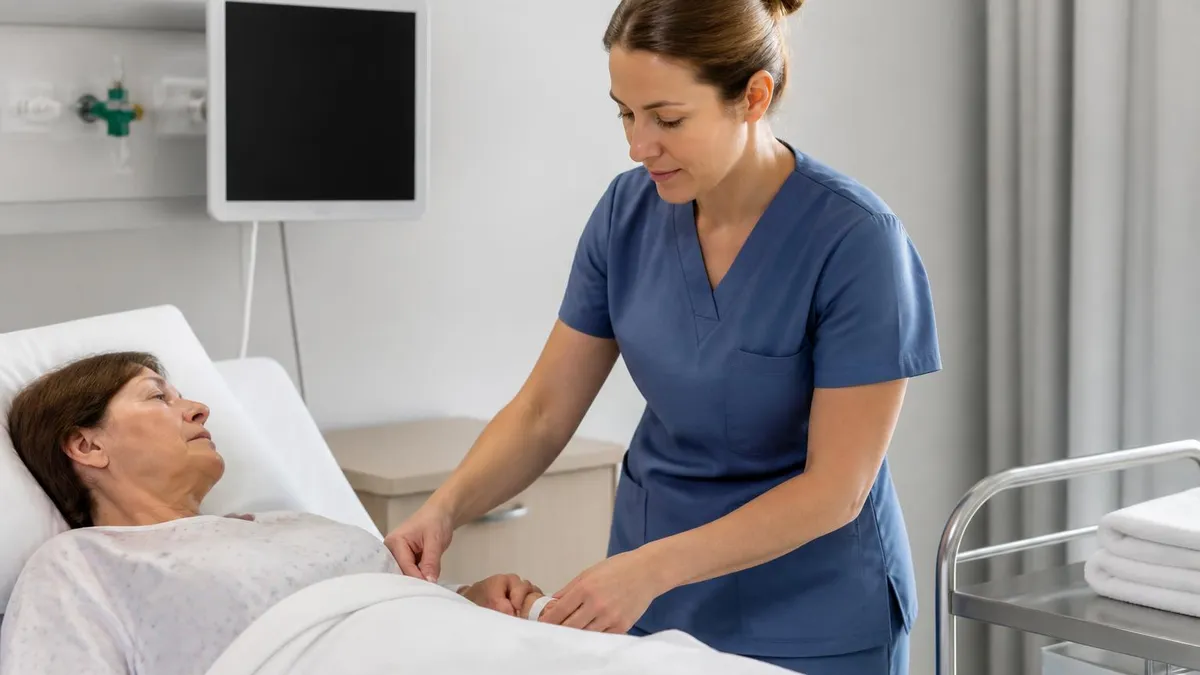
Three skill failures account for the majority of LPN disciplinary actions: medication errors from skipping the rights and checks, documentation failures that cannot defend the care given, and failure-to-rescue events where deterioration was missed or reported late. Every LPN should treat these as non-negotiable competencies and revisit them annually through continuing education, simulation, and self-audit. Your license depends on it.
Building LPN skills is not a one-time event that ends with graduation — it is a continuous process that should accelerate during your first year and continue across your entire career. The best way to organize ongoing skill development is to think in three layers: maintenance of core competencies, expansion into specialty areas, and preparation for advancement to RN or beyond. Each layer requires a different time investment and produces different career returns, so plan deliberately rather than reacting to whatever continuing education happens to land in your inbox.
Core competency maintenance begins with annual BLS renewal, mandatory facility competencies, and state-required continuing education hours. Treat these as the floor, not the ceiling. Skilled LPNs supplement required training with deliberate practice in areas they personally find difficult. If IV starts make you nervous, volunteer for them. If pediatric assessments feel unfamiliar, request a pediatric float assignment. Skills atrophy without use, and the easiest way to lose competence is to stay comfortable.
Specialty expansion is where pay differentials and job satisfaction often come from. Common LPN specialties include wound care, IV therapy, gerontology, hospice, dialysis, correctional nursing, and pediatric home health. Each specialty has dedicated certifications, and certified LPNs typically earn $2 to $6 more per hour than uncertified peers. Choose a specialty that matches both market demand in your region and your personal interests, then pursue the relevant certification within your first three years.
Technology skills increasingly separate competitive LPNs from the rest. Modern facilities expect comfort with electronic health records, barcoded medication administration, vital signs monitors that upload directly to charts, telehealth platforms, point-of-care testing devices, and patient portals. LPNs who embrace technology — including AI-assisted documentation tools rolling out in 2026 — find themselves in demand for super-user roles, training positions, and informatics pathways that offer career mobility beyond bedside care.
Leadership skills become relevant earlier than most new LPNs expect. Within two years, many LPNs are charging shifts in long-term care, precepting new graduates, leading committees, or supervising CNAs in home health. Building leadership skills starts with volunteering for committees, taking on charge shifts when offered, mentoring newer staff, and learning the basics of conflict resolution, scheduling, and accountability conversations. Leadership compensation usually adds another $3 to $7 per hour.
Bridge programs to RN are the most common career advancement path for LPNs. LPN-to-RN programs typically take twelve to eighteen months and can be completed online with clinical components at local sites. Skilled LPNs prepare for these programs by maintaining strong clinical skills, taking prerequisite science courses while still working as an LPN, and saving documentation of clinical hours and certifications. The transition is easier when your LPN foundation is solid.
Finally, treat your career as a portfolio. Keep a digital folder with current resume, certifications, continuing education certificates, performance reviews, letters of recommendation, and a running list of accomplishments. Update it every six months. When promotions or new job opportunities appear, you will be ready to apply within hours rather than scrambling to recreate documentation. Skilled LPNs treat career management itself as a skill — because it is.
Practical tips for closing skill gaps efficiently start with honest self-assessment. Use your facility's annual competency checklist or a published LPN skills inventory to rate yourself on every core procedure, then identify the three or four skills where you feel least confident. Most facilities will arrange skills lab time, simulation, or shadowing if you ask — but you have to ask. Waiting for skill problems to surface during an emergency is the worst time to discover a gap, and the worst possible learning environment.
Build a personal study and practice routine. Even thirty minutes a day, three or four days a week, produces dramatic results over six months. Rotate between reviewing pharmacology cards, practicing dosage calculations, watching procedure videos from reputable nursing schools, reading new clinical guidelines from professional organizations, and reviewing case studies. Treat continuing education like physical fitness — small consistent investments compound into elite performance, while sporadic binges accomplish little.
Find a mentor and become one. Mentorship is the single highest-use skill development strategy in nursing. A more experienced LPN or RN who has walked the path you want to walk can save you years of trial and error. Be specific in your ask — request a thirty-minute monthly coffee, bring a list of questions, and follow through on advice. As you gain experience, mentor newer staff in return; teaching forces you to articulate what you know, which deepens your own competence.
Use simulation aggressively. Mannequin-based simulation, virtual reality scenarios, and tabletop case discussions all improve clinical judgment in ways that book study cannot. Many community colleges and hospital systems open simulation labs to working LPNs for refresher training, and online simulation platforms now offer realistic decision-making practice on demand. Skilled LPNs use simulation to rehearse rare events — codes, anaphylaxis, hemorrhage, postpartum emergencies — so they do not freeze when those events finally happen.
Document your skills with evidence. Keep a running log of every procedure type performed, every certification earned, every committee joined, every educational hour completed, and every positive patient or family comment received. This portfolio supports performance evaluations, raises, promotions, and applications to bridge programs. Without documentation, your skills exist only in memory; with documentation, they become a marketable asset that travels with you to every future role.
Stay current with regulations and guidelines. Nurse practice acts change. Drug recalls happen. Infection control guidelines evolve. Subscribe to your state board of nursing newsletter, follow professional nursing organizations on social media, and read at least one nursing journal article each month. The fifteen-year LPN who still practices like a new graduate is dangerous; the fifteen-year LPN who stays current is the one every facility wants to keep, promote, and pay more.
Finally, protect your health as a foundational skill. Sleep, nutrition, exercise, and mental health support are not luxuries for nurses — they are job requirements. Skilled LPNs guard sleep before clinical shifts, hydrate and eat protein on shift, take their breaks, decompress after difficult days, and seek help promptly when stress becomes chronic. The skill of taking care of yourself enables every other skill on this list and is what makes a thirty-year career possible.
Sample Certified Practical Nurse Practice Questions
Try these questions from our free Certified Practical Nurse practice tests. The correct answer and an explanation follow each question.
A licensed practical nurse (LPN) is preparing to enter the room of a client diagnosed with pulmonary tuberculosis. Which combination of personal protective equipment (PPE) is essential for the nurse to don before providing care?
- A. Surgical mask and gloves
- B. Gown, gloves, and face shield
- C. N95 respirator and gloves
- D. Gown and surgical mask
Answer: C. N95 respirator and gloves
Pulmonary tuberculosis requires airborne precautions. The essential PPE for airborne precautions includes a fit-tested N95 respirator to prevent inhalation of small airborne particles. Gloves are also necessary as part of standard precautions when contact with bodily fluids is possible.
An older adult patient with dementia becomes agitated every evening around dusk. The nurse recognizes this as:
- A. Sundowning syndrome
- B. Confabulation
- C. Perseveration
- D. Tangentiality
Answer: A. Sundowning syndrome
Sundowning is increased confusion and agitation in dementia patients occurring in the late afternoon or evening hours.
A nurse is caring for a patient with a newly applied plaster cast on the forearm. What instruction should the nurse provide regarding cast care?
- A. Submerge the cast in water to relieve itching
- B. Use a blunt object to scratch inside the cast
- C. Elevate the arm above heart level for 24–48 hours
- D. Apply lotion around the cast edges daily
Answer: C. Elevate the arm above heart level for 24–48 hours
Elevating the casted extremity above heart level reduces swelling and prevents complications such as compartment syndrome in the first 24–48 hours.
A nurse is assessing a newborn and notes a soft mass on the back of the skull that crosses the suture line. This finding is consistent with:
- A. Caput succedaneum
- B. Cephalohematoma
- C. Craniosynostosis
- D. Normal molding
Answer: A. Caput succedaneum
Caput succedaneum is soft tissue edema of the scalp that crosses suture lines, present at birth, and resolves within days. Cephalohematoma is subperiosteal bleeding that does NOT cross suture lines.
LPN Questions and Answers

LPN Practice Test PDF (Free Printable 2026)
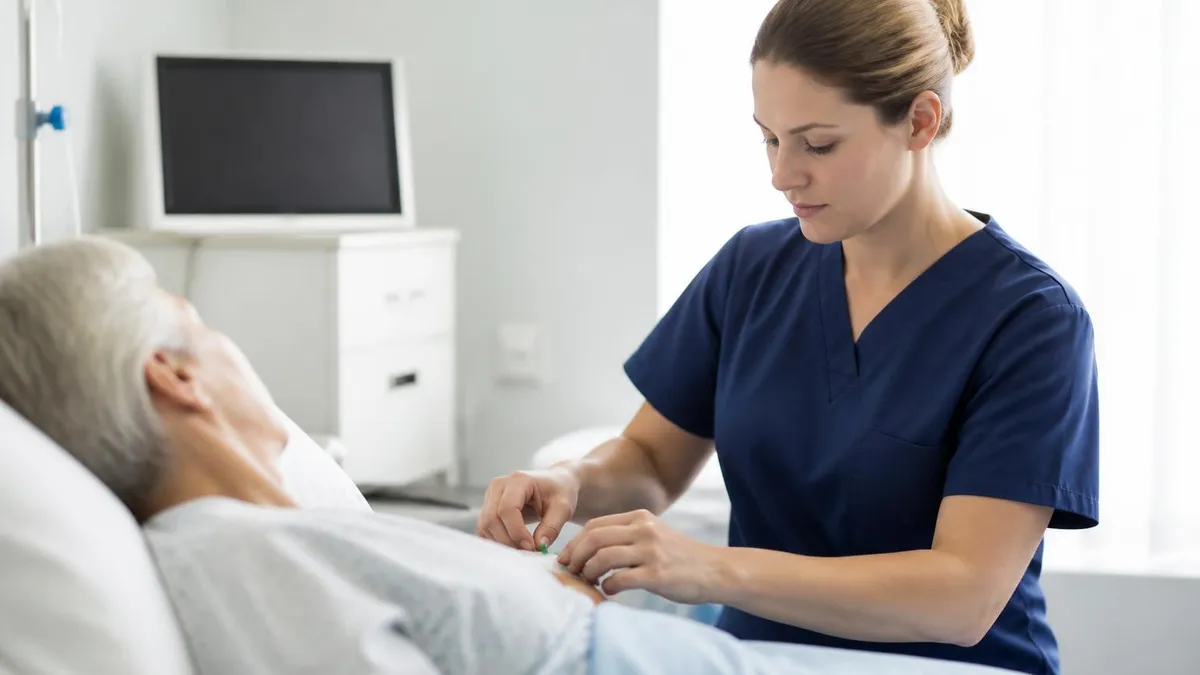
Wound Care Certification for LPN: 2026 Complete Guide to WCC, CWCA & Specialty Credentials
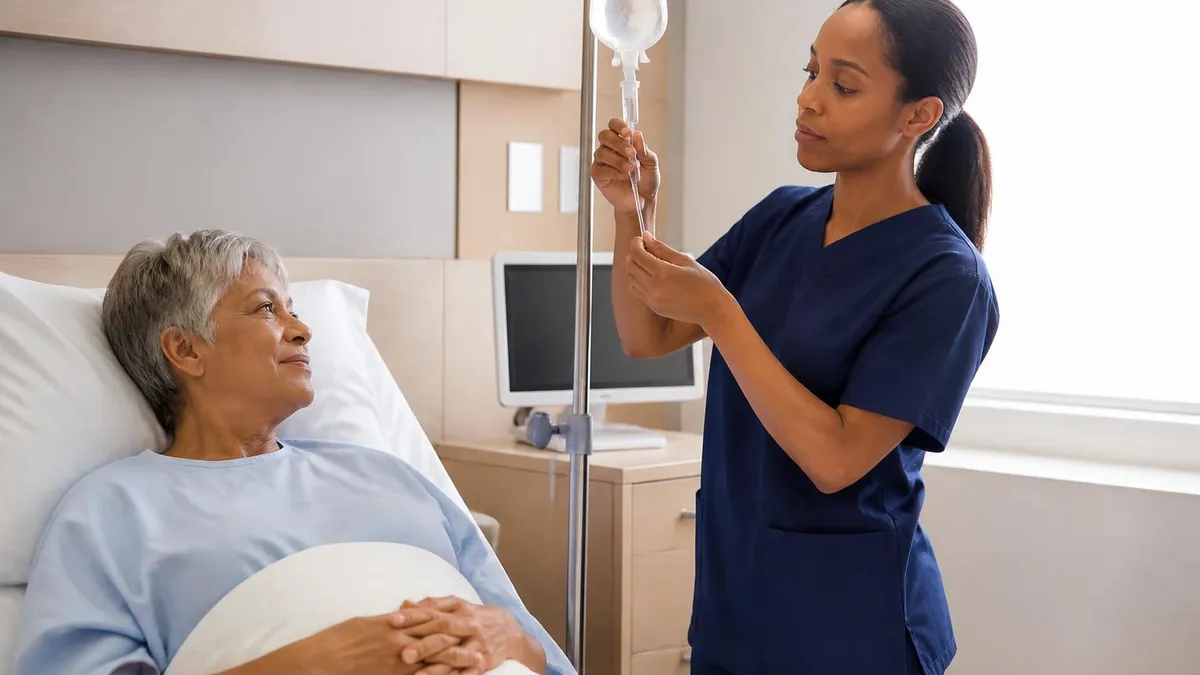
LPN Program Cost: Complete 2026 Tuition & Fees Guide
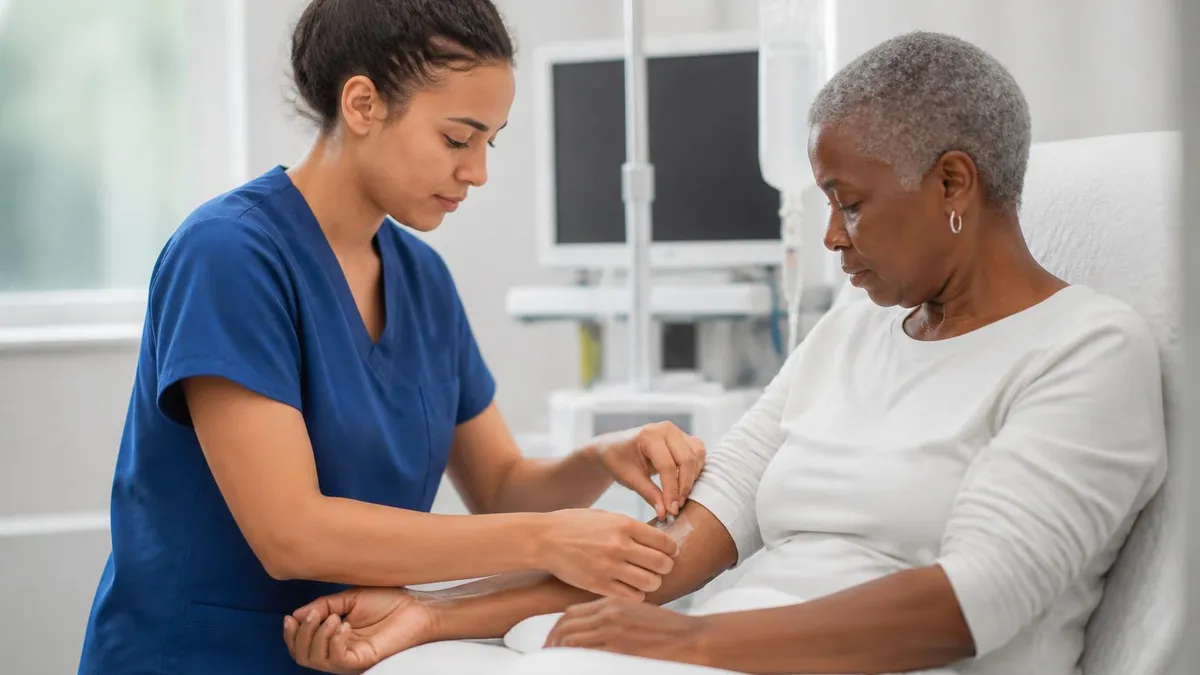
LPN Programs Near Me 2026: Find Accredited Schools & Costs
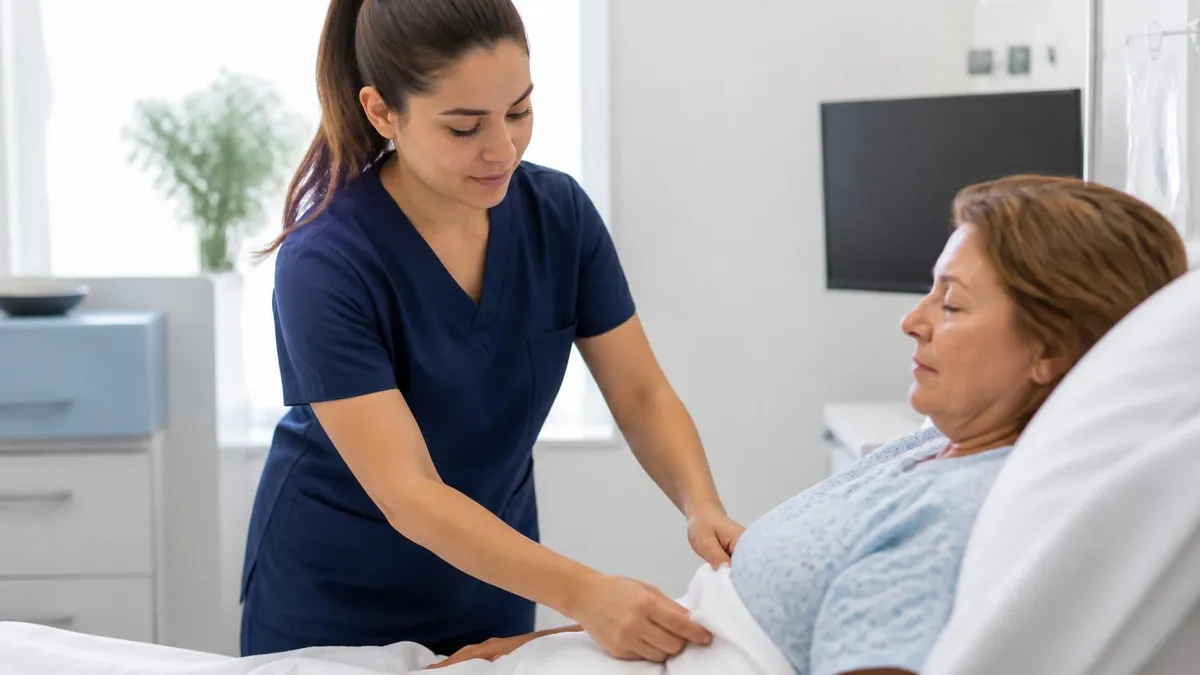
Macomb LPN Program: Complete 2026 Guide to Specific LPN Programs, Admission Requirements, Cost & Career Outcomes
About the Author

Registered Nurse & Healthcare Educator
Johns Hopkins University School of NursingDr. Sarah Mitchell is a board-certified registered nurse with over 15 years of clinical and academic experience. She completed her PhD in Nursing Science at Johns Hopkins University and has taught NCLEX preparation and clinical skills courses for nursing students across the United States. Her research focuses on evidence-based exam preparation strategies for healthcare certification candidates.
Join the Discussion
Connect with other students preparing for this exam. Share tips, ask questions, and get advice from people who have been there.
View discussion (7 replies)