
LPN Online Classes: Hybrid Programs by State and What You Can Actually Do Online
✅ LPN online classes explained — hybrid programs by state (NJ, NY, PA, NC, LA, VA), free resources, accreditation, and how to enroll.
The Reality of LPN Online Classes
If you've been searching for LPN online classes, you've probably seen programs marketed as fully online — and it sounds appealing. Study on your schedule, skip the commute, earn your license from home. But here's what most program websites don't say upfront: LPN programs can't be 100% online. Not because of some technicality, but because nursing literally requires hands-on patient care.
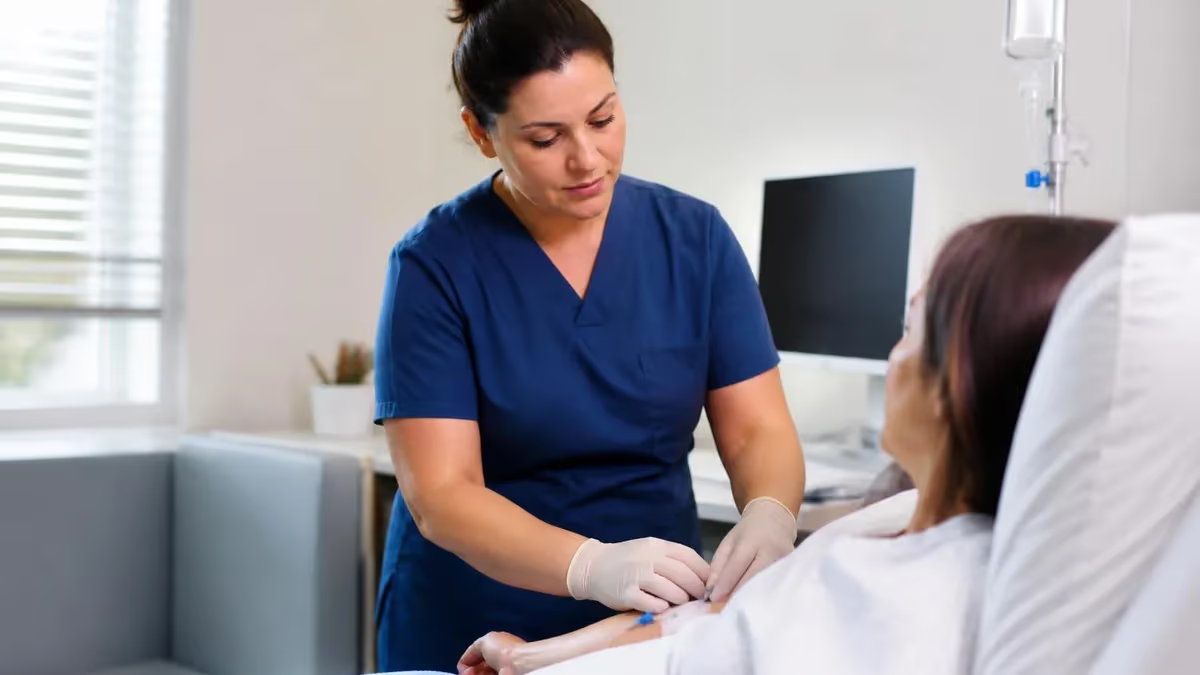
Every state board of nursing requires clinical hours — direct, supervised practice with real patients. You can't check a patient's blood pressure through a screen. You can't start an IV via Zoom. That work has to happen in person, at a hospital, clinic, or long-term care facility. So when a school calls its program "online," what they actually mean is hybrid: online coursework for the theory and lecture side, combined with local clinical placements arranged through the school or found by the student.
That's not a bad thing. Hybrid LPN programs are genuinely flexible — you're not locked into a fixed class schedule for lectures, and you can often work part-time while completing online coursework. You just need to go in with accurate expectations about what online actually means in this field. If you're exploring accelerated LPN programs, many of those are also hybrid formats that compress the timeline rather than eliminating clinicals entirely.
The search volume around "lpn online classes nj," "lpn online classes nyc," and similar state-specific queries reflects real demand from working adults who need flexibility. Many people searching are already in healthcare — CNAs, medical assistants, phlebotomists — who want to advance without quitting their jobs entirely.
The programs are out there. You just have to know what you're looking for, how to evaluate them, and which claims are too good to be true. Hybrid LPN programs are widely available, and state-specific options exist across NJ, NY, PA, North Carolina, Louisiana, and Virginia, all covered in full detail in the sections directly below.
It's worth understanding why the hybrid model has become standard. Nursing boards set these requirements because clinical competency can't be assessed from coursework alone. An employer hiring an LPN needs to know that person can perform real skills under pressure — inserting a catheter, administering a medication, monitoring a patient's condition and recognizing when something is wrong.
Those skills come from supervised practice, not online reading. So while the theory behind medication administration can absolutely be taught online, the first time you actually draw up and give an injection, you need a licensed supervisor present. That requirement shapes what every legitimate LPN program looks like today and into the future.
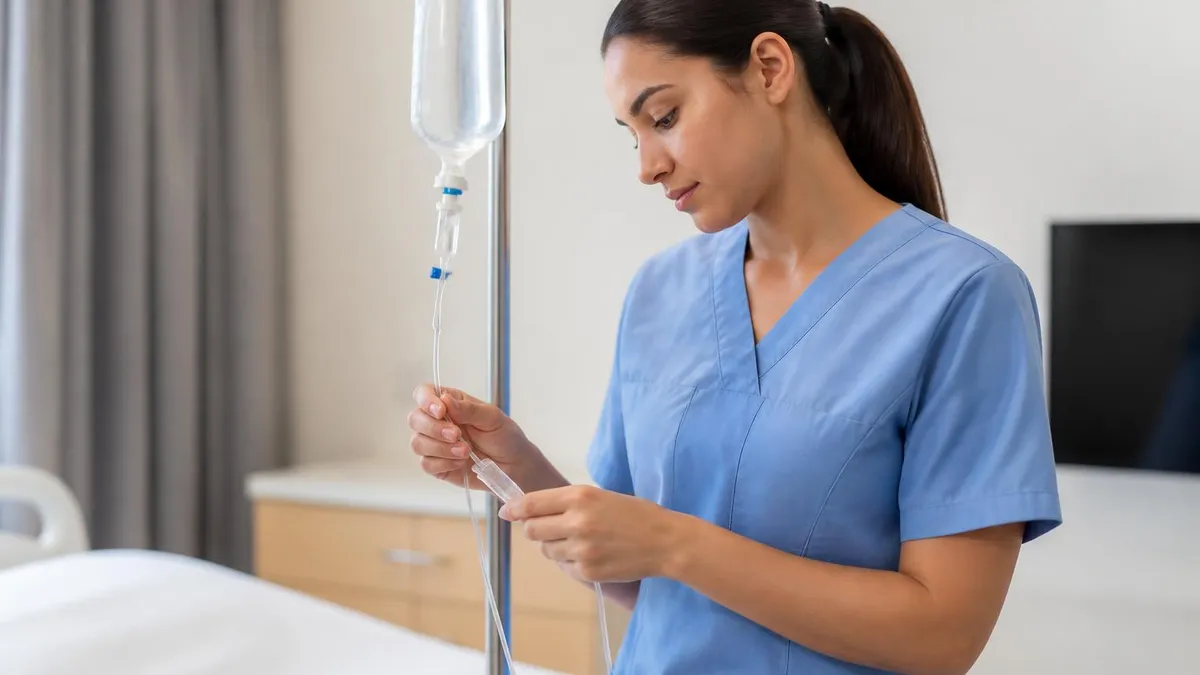
LPN programs take 12–18 months — not 6 weeks. Clinical hours (300–500+) are required by every state board of nursing and can't be done online. What schools call "online" is actually hybrid: online theory plus in-person clinical placements. Accreditation from ACEN or NLNAC, along with state board approval, is required for NCLEX-PN eligibility. Free LPN "classes" online cover prerequisites only — not the full program leading to licensure.
What Online LPN Programs Actually Offer
Let's break down what you're actually getting when a program advertises LPN online classes. The online portion typically covers theory-heavy subjects: anatomy and physiology, pharmacology, medical-surgical nursing concepts, nutrition, and mental health nursing. These courses translate well to asynchronous formats — you can watch recorded lectures at 11 PM if that's what your schedule allows.
What makes these programs genuinely useful is the scheduling flexibility. If you're working as a CNA or medical assistant while trying to upgrade your credentials, you can often fit online coursework around your current job. Many programs offer self-paced modules within defined windows, so you're not scrambling to join a live Zoom at 9 AM when you're on the night shift. That kind of flexibility is why hybrid programs have expanded over the past several years.
The in-person component — clinicals — is non-negotiable and typically accounts for 300–500 hours spread across the program. You'll rotate through settings like medical-surgical units, pediatrics, obstetrics, geriatrics, and community health. Some schools coordinate clinical placements for you; others provide a list of approved sites and expect you to arrange your own schedule within that network.
The 6-Week LPN Online Class Myth
You'll see ads for "6-week LPN online classes" and it's worth being direct: a 6-week program doesn't produce a licensed practical nurse. The curriculum alone requires far more time, and state boards mandate minimum clock hours for both theory and clinical practice. What 6-week courses actually are: CNA-to-LPN bridge prep refreshers to prepare for entrance exams, compressed prerequisite courses like A&P or medical terminology, or standalone skills review modules for pharmacology math and vital signs. If someone is selling a "complete LPN program" in 6 weeks, that program won't make you eligible to sit for the NCLEX-PN.
Accreditation: Why It Matters
Before enrolling anywhere, verify two things. First, the program should hold accreditation from the Accreditation Commission for Education in Nursing (ACEN) or the National League for Nursing Commission for Nursing Education Accreditation (NLNAC). Second — and this one's non-negotiable — the program must be approved by your state's board of nursing. Without that approval, completing the program still won't qualify you to take the NCLEX-PN.
Some online programs are approved in certain states but not others. If you're in NJ looking at a Texas-based program, check whether NJ's board recognizes it. This matters especially if you're considering crossing state lines — understanding LPN wages by state might influence where you plan to practice, which affects which board's rules apply to your education.
One thing many students don't consider upfront: the online component typically involves more work than a traditional class, not less. Asynchronous doesn't mean passive. You're expected to watch recorded lectures, complete readings, post to discussion boards, take online quizzes, and write reflection papers — all on your own schedule but with firm deadlines.
Self-discipline is critical. Students who struggle in online formats often find they miss the structure of showing up to a classroom at set times. If you've never done online coursework before, try one or two online prerequisite courses before committing to a full hybrid LPN program. It'll tell you quickly whether that format works for you.
Online LPN Programs by State
Passaic County Community College and Lincoln Technical Institute both offer hybrid LPN programs with online theory components. Clinical placements are arranged locally in northern and central NJ. The NJ Board of Nursing maintains a list of approved programs — always verify approval before enrolling. Many NJ programs accept working CNAs with scheduling flexibility built in.
Medtech College and select CUNY community colleges offer hybrid LPN options in the NYC metro area. Programs are rigorous given NY's nursing board requirements. If you're in upstate NY, SUNY community colleges often have hybrid LPN tracks with regional clinical placements. NYC programs tend to have strong hospital partnership networks for clinical hours.
Penn State World Campus offers online theory for select health programs, and PA career and technology centers (CTCs) run some of the most accessible LPN hybrid programs in the state. CTCs are often lower-cost than private institutions. Clinical sites are placed locally. The PA State Board of Nursing approves each program — check the board's website for the current approved list.
Wake Technical Community College and Forsyth Technical Community College both run hybrid practical nursing programs with online lecture components. NC Community College System schools are affordable, regionally accredited, and well-regarded by employers. The NC Board of Nursing lists all approved programs. Rural students can often find clinical placements near their home counties.
Delgado Community College in New Orleans and Fletcher Technical Community College offer hybrid LPN programs with online coursework options. Louisiana's Board of Nursing regulates LPN education closely — programs must log specific clinical hours. If you're in northern Louisiana, Bossier Parish Community College is worth checking for current hybrid availability.
Germanna Community College and Virginia Western Community College both offer practical nursing programs with flexible scheduling. Virginia's community college system (VCCS) has strong regional coverage, and several schools have moved portions of their PN curriculum online post-pandemic. The Virginia Board of Nursing approves all programs — hybrid options vary by campus location.
Free Online LPN Resources
Searching for free LPN online classes is a reasonable starting point — nursing school is expensive, and every cost-saving option matters. Here's what free actually gets you in this field, and how to use those resources well.
Platforms like Coursera and edX offer auditable courses in anatomy and physiology, medical terminology, and health sciences fundamentals — often from accredited universities. Auditing is free; certificates cost money. These courses don't count toward LPN program credit on their own, but they're genuinely useful as preparation. If you're entering an LPN program without a strong science background, spending four to six weeks on an A&P refresher before the program starts can make a real difference in your ability to keep pace once real coursework begins.
Khan Academy has solid biology and chemistry content at no cost. For pharmacology math — dosage calculations, unit conversions, IV rate problems — there are numerous free YouTube channels and nursing-focused study sites with practice problems. These skills come up constantly in clinical work, and getting ahead on them early is a smart move. Sites like RegisteredNurseRN, NurseHub, and various NCLEX prep platforms also offer free question banks you can use to gauge your readiness as you progress through a program.
What you won't find for free: a complete, accredited LPN curriculum leading to NCLEX-PN eligibility. Full programs cost money because they involve credentialed instructors, clinical coordination, liability insurance, and ongoing accreditation fees. Anyone offering a complete LPN program online for free that results in a nursing license is either misrepresenting what they're offering or running something you should avoid entirely. Use free resources as preparation tools — they're genuinely useful for that purpose — but budget for an accredited, board-approved program for the actual credential.
One underused strategy: reach out to your target LPN programs directly and ask if they have any free orientation materials, prerequisite guides, or sample study plans. Many programs provide these to prospective students as a way to prepare for their entrance exams and first semester. Some schools have YouTube channels or public-facing course previews that give you a real sense of what the curriculum involves.
This kind of self-directed preparation doesn't replace the program, but it can reduce your stress level significantly in the first weeks of enrollment — which is when attrition rates are highest. Students who arrive prepared for the pace and format of hybrid LPN programs tend to finish. Those who underestimate the workload often don't make it through the first semester.
How to Enroll in a Hybrid LPN Program

What to Look for When Evaluating Online LPN Programs
- ✓State board of nursing approval — verify directly on your state board's website, not just the school's claim
- ✓ACEN or NLNAC accreditation (or active candidacy for new programs)
- ✓NCLEX-PN pass rates published by the school — look for 80%+ first-attempt rates
- ✓Clinical placement support — does the school arrange placements or do you find them yourself?
- ✓Realistic program length — 12–18 months is standard; anything shorter should raise questions
- ✓Hybrid format details — what percentage is online vs. in-person, and can you view the schedule before committing?
- ✓Tuition transparency — full cost including fees, uniforms, equipment, and background checks
- ✓Financial aid eligibility — FAFSA-eligible programs are fully accredited regional or national schools
- ✓Student-to-instructor ratio for clinical supervision — smaller ratios mean more individual feedback
- ✓Graduate employment rates and employer relationships in your specific region
LPN Hybrid Program: Pros and Cons
- +Flexible scheduling — online lectures fit around work and family commitments
- +Lower cost than traditional 4-year nursing programs while still earning a nursing license
- +Faster path to employment — 12–18 months vs. 2–4 years for RN
- +Community college programs are significantly less expensive than private career schools
- +CNA experience often gives you a head start on both admission and clinical skills
- −Clinical hours require in-person commitment — you can't schedule around everything
- −Program waitlists can add 6–12 months before you even start
- −Some programs marketed as "online" require more on-campus time than advertised
- −Accreditation verification requires research — not all programs are what they claim
- −Out-of-state programs may not satisfy your home state board requirements
Choosing the Right Program for Your Situation
Choosing a hybrid LPN program isn't just about finding one that's approved and accredited — it's about finding one that actually fits your life. If you're working full-time while you study, the lecture schedule matters a lot. Some programs offer truly asynchronous coursework where you can complete modules any time during the week. Others have synchronous components — scheduled live sessions you're expected to attend even if held via video. Ask specifically before committing.
Clinical scheduling is another factor that catches students off guard. Most programs cluster clinical hours into blocks — you might have four consecutive weeks where you're expected at a clinical site for 36–40 hours per week. That's not easy to manage around a job. Some programs offer evening and weekend clinical slots through partner facilities; others don't. If you're working nights, you'll want to know whether morning clinicals are your only option or whether the program has more flexible placement networks.
Talk to current students and recent graduates before committing to any program. Online forums, Reddit's r/nursing community, and student Facebook groups for specific schools can give you candid feedback a school's admissions brochure won't. Questions worth asking: How responsive is the faculty? How long did clinical placement take to arrange? Did graduates feel prepared for the NCLEX-PN? What's the actual weekly time commitment for the online portion?
It's also worth thinking about where you want to work after graduation. LPN salaries and job availability vary meaningfully by state and setting. If you're staying in North Carolina, finishing a program approved by the NC Board of Nursing makes the most sense — it streamlines licensure and means local employers recognize your credential without question. Interstate endorsement is possible but adds time and fees after graduation.
Don't overlook community college programs over private career schools. Community colleges are often significantly less expensive, are regionally accredited, and have established clinical relationships with local healthcare systems. Their NCLEX-PN pass rates are publicly available through state boards — compare them directly against any private program you're considering. The price difference is often $10,000 or more for what is essentially the same credential. After you've earned your LPN license, your options expand.
Many LPNs use the credential as a stepping stone, gaining clinical experience while simultaneously working toward an LPN-to-RN bridge program. Others build long careers in LPN roles, particularly in long-term care and home health settings where LPNs carry significant day-to-day responsibility for patient outcomes. The hybrid format of modern LPN education gets you into practice faster than a traditional four-year path, without cutting corners on clinical readiness — as long as you're choosing an accredited, board-approved program with a realistic curriculum and solid NCLEX-PN pass rates on first attempt.
Finally, think about your long-term plan before choosing a program. If you're planning to eventually become an RN, choose a program from a school that has an LPN-to-RN bridge option — or at least one whose credits transfer to local RN programs. Not every LPN program feeds cleanly into an RN track.
Some community colleges have explicit articulation agreements with four-year nursing programs; others don't. If the RN credential is your eventual goal, that pathway planning should factor into which LPN program you choose today. The LPN license is a legitimate, in-demand credential on its own — but if you're already thinking about the next step, choose a program that sets you up for it.
Preparing for the NCLEX-PN After Your Online LPN Program
Finishing your hybrid LPN program is a significant milestone — but you still have one more step before you're licensed: passing the NCLEX-PN. This computerized adaptive exam is the national licensing exam for practical nurses, and your performance on it is independent of how well you did in your program. Most programs include NCLEX prep as part of their curriculum, but the amount of dedicated preparation varies significantly.
Plan to spend 4–8 weeks on focused NCLEX-PN review after completing your program. Use question banks that mirror the current NCLEX-PN format — ATI, Kaplan, and UWorld all have LPN-specific materials. The exam tests clinical judgment, not just memorization. Practice applying knowledge to patient scenarios rather than just reciting facts. Pay particular attention to pharmacology, infection control, safety, and prioritization questions, which appear frequently on the exam.
Your state board of nursing will notify you when you're eligible to register for the NCLEX-PN through Pearson VUE. Once approved, you typically have 90 days to take the exam. Most candidates who prepare adequately pass on their first attempt — and passing on the first try saves both money and time.
Your hybrid program's NCLEX-PN first-attempt pass rate is a reliable indicator of how well the curriculum prepares graduates for licensure. Look up that rate before you enroll. Programs with pass rates below 80% should prompt deeper research into why that number is low before you invest your time and tuition money.
LPN Questions and Answers
Accelerated LPN Programs: Complete 2026 Guide to Fast-Track Licensed Practical Nurse Training
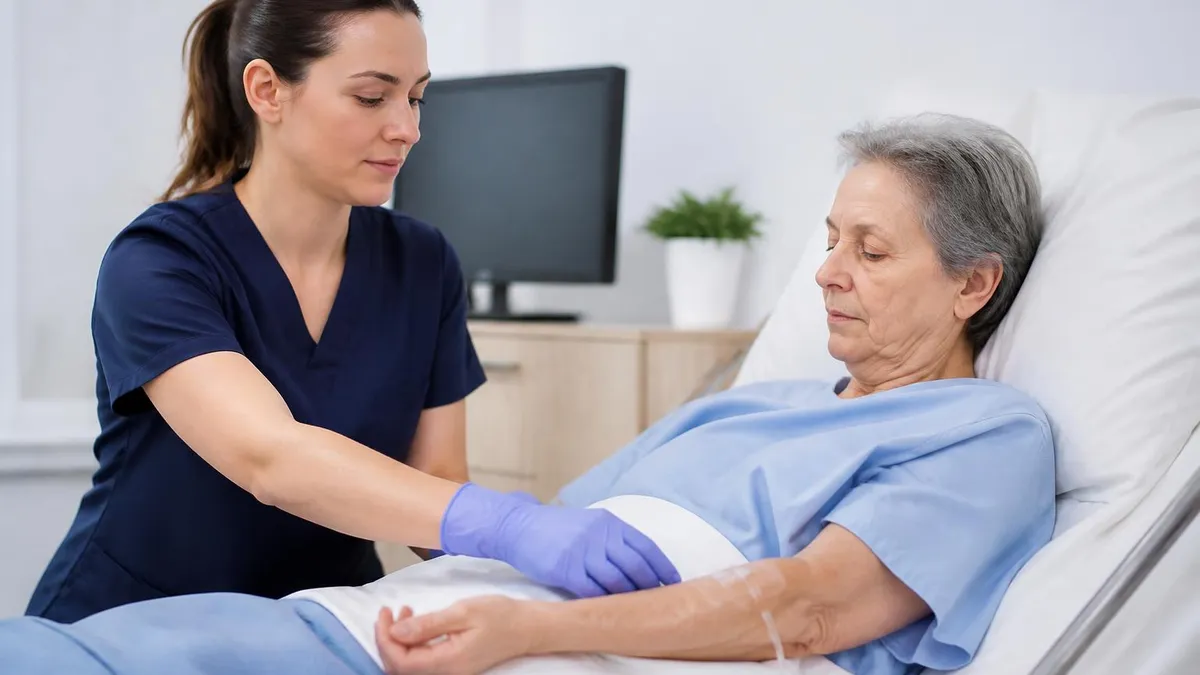
LPN Careers: Complete 2026 Guide to Jobs, Salary, Specialties & Growth
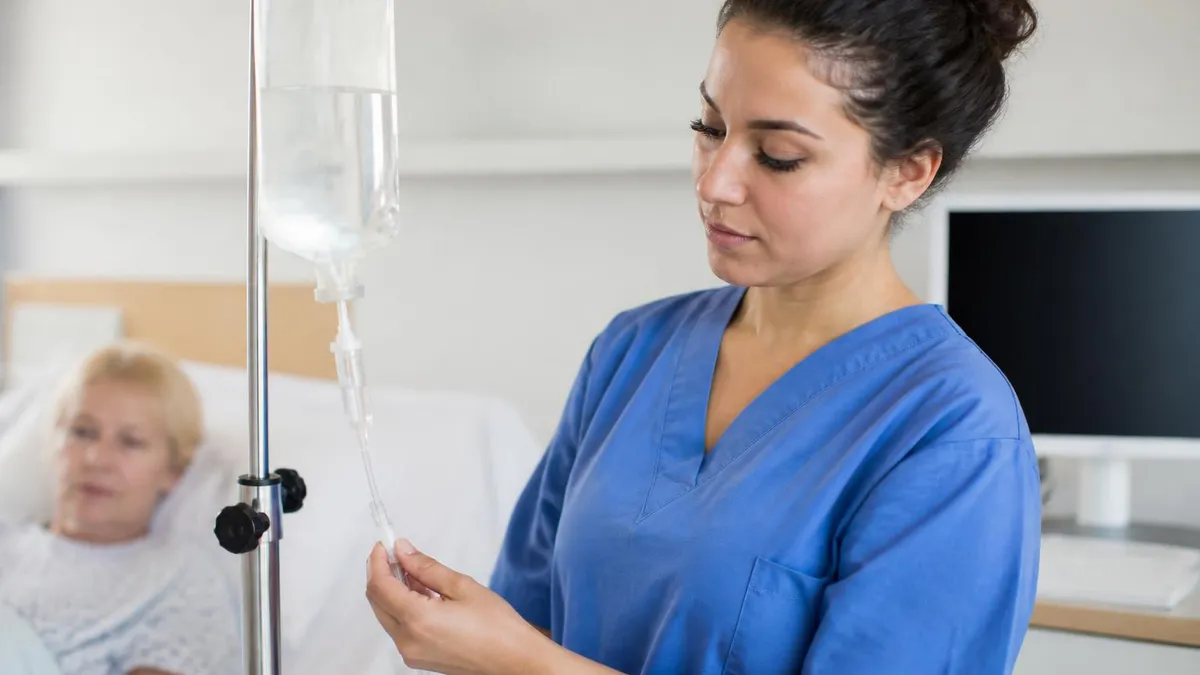
LPN Wages by State: Complete 2026 Salary Guide for Licensed Practical Nurses
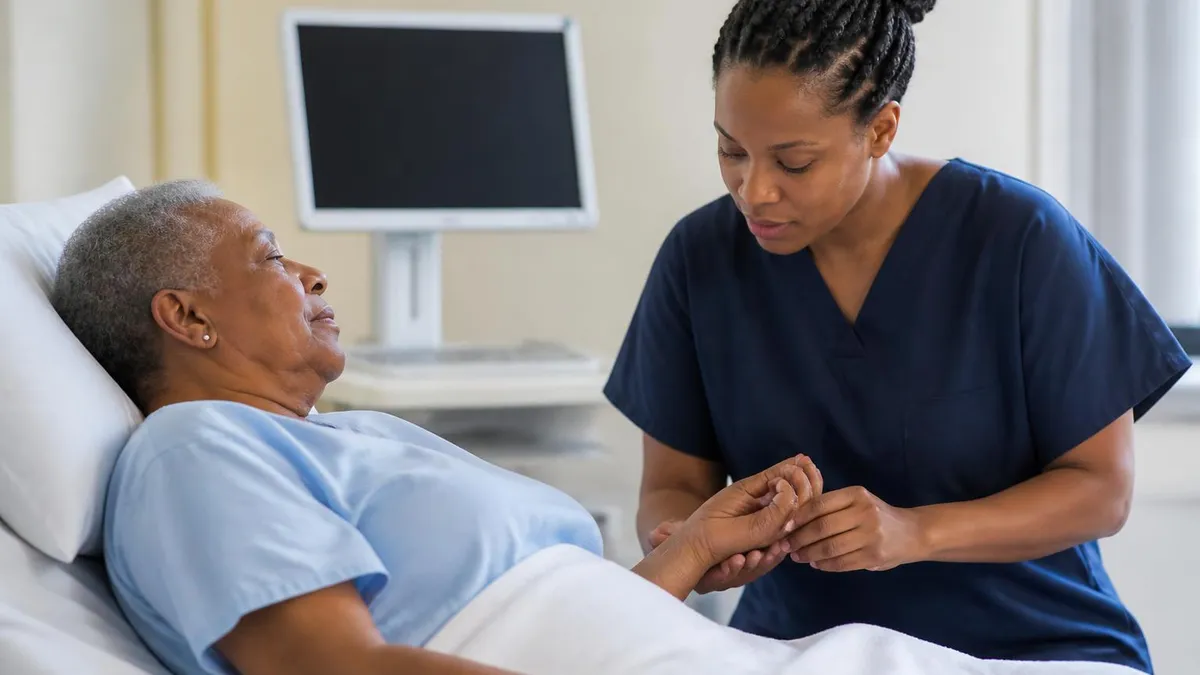
LPN vs ADN: Complete 2026 Comparison of Practical Nursing and Associate Degree Nursing Paths
About the Author

Registered Nurse & Healthcare Educator
Johns Hopkins University School of NursingDr. Sarah Mitchell is a board-certified registered nurse with over 15 years of clinical and academic experience. She completed her PhD in Nursing Science at Johns Hopkins University and has taught NCLEX preparation and clinical skills courses for nursing students across the United States. Her research focuses on evidence-based exam preparation strategies for healthcare certification candidates.
Join the Discussion
Connect with other students preparing for this exam. Share tips, ask questions, and get advice from people who have been there.
View discussion (7 replies)