
LPN Nursing Career Guide: Duties, Salary, and How to Become a Licensed Practical Nurse in 2026 October
✏️ LPN nursing career guide covering duties, salary, education, certification, and job outlook. Everything you need to become a Licensed Practical Nurse
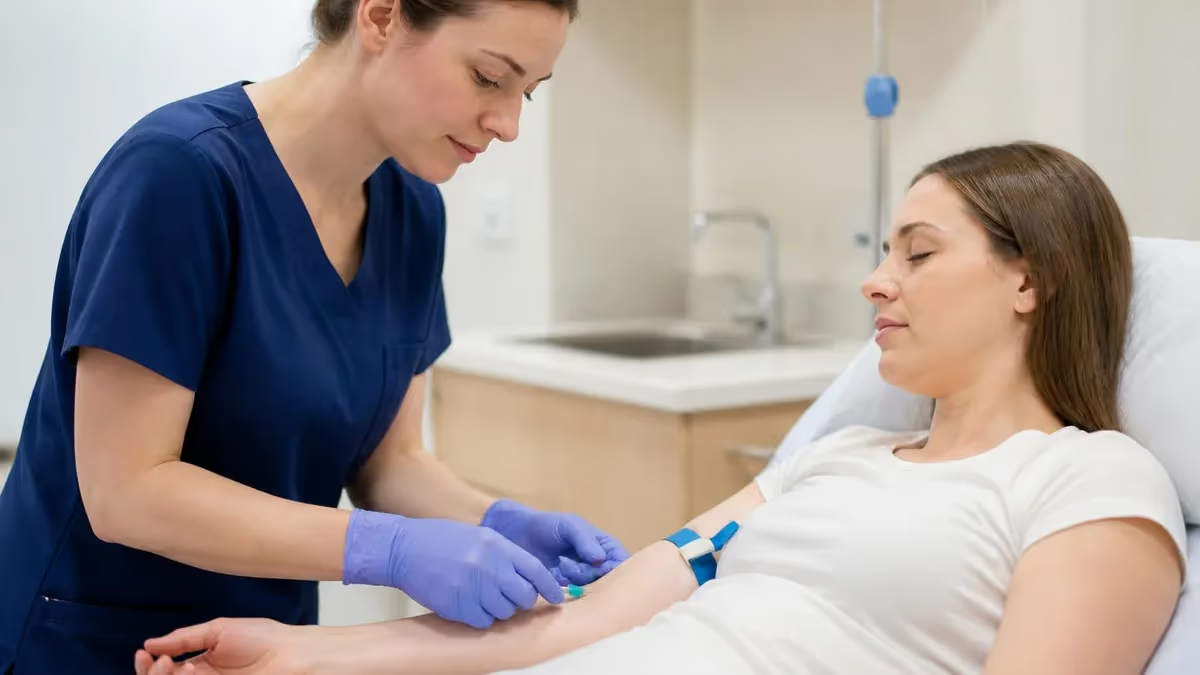
LPN nursing is one of the fastest entry points into a meaningful healthcare career, offering hands-on patient care, stable wages, and a clear pathway to advancement without the four-year commitment of a Bachelor of Science in Nursing program. A Licensed Practical Nurse — called a Licensed Vocational Nurse, or LVN, in California and Texas — works under the supervision of registered nurses and physicians to deliver bedside care, monitor vital signs, administer medications, and provide emotional support to patients across a wide range of clinical settings.
According to the U.S. Bureau of Labor Statistics, more than 657,000 Licensed Practical and Vocational Nurses are employed nationwide, and the field is projected to grow about 3 percent through 2032, adding roughly 54,400 job openings each year. Demand is especially strong in long-term care, home health, rehabilitation centers, and outpatient clinics, where staffing shortages have pushed sign-on bonuses to between $2,500 and $10,000 in many states throughout 2025 and into 2026.
The appeal of LPN nursing comes down to speed and accessibility. Most accredited programs take only 12 to 18 months to complete, cost a fraction of an RN degree, and lead directly to the NCLEX-PN licensure exam. Once licensed, you can begin earning a median annual wage of about $59,730 — with experienced LPNs in specialty settings or high-cost-of-living states earning $75,000 or more before pursuing further credentials.
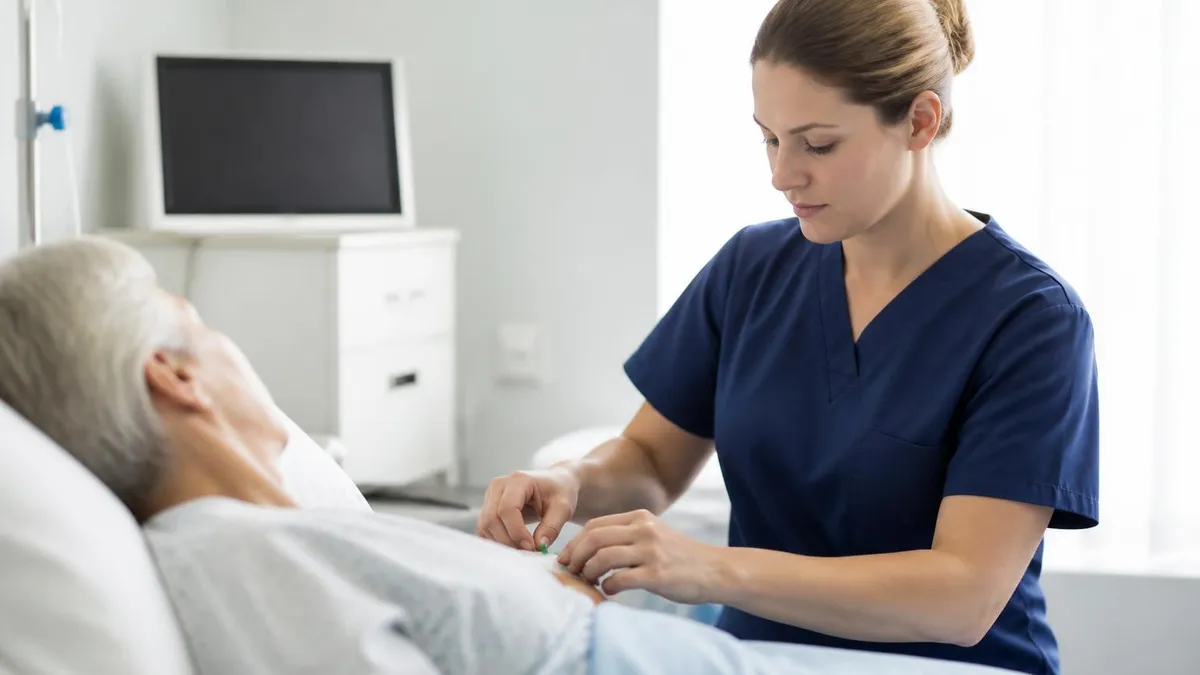
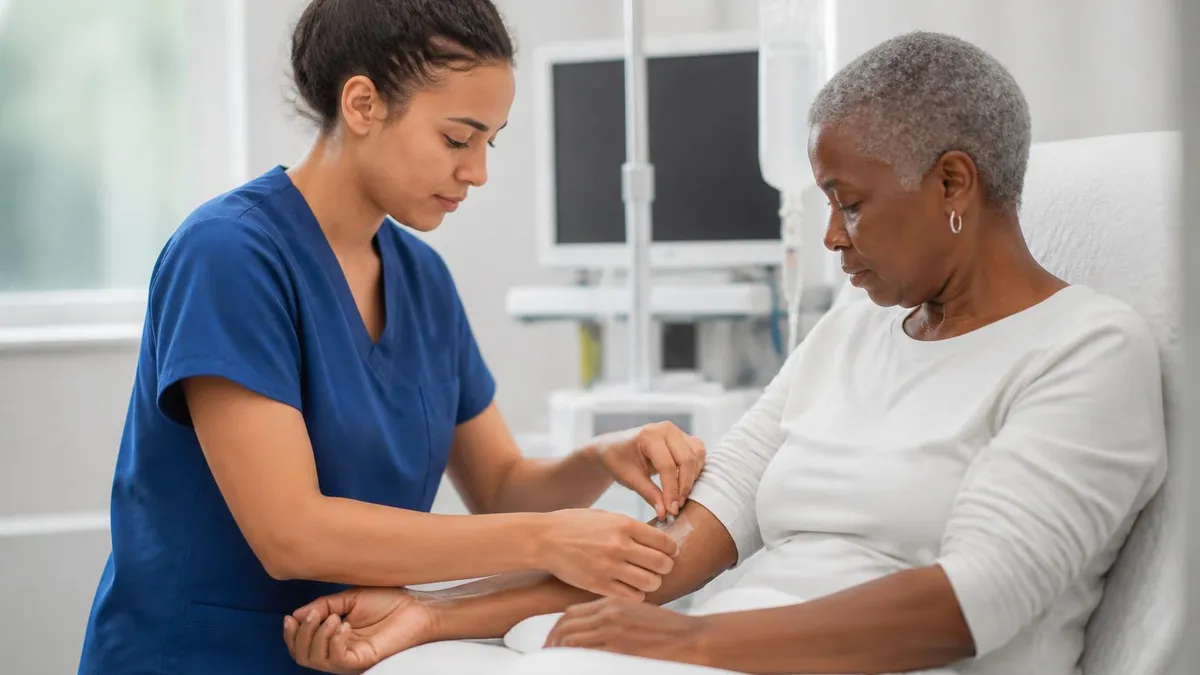
Yet LPN nursing is more than a stepping stone. Many practical nurses build entire 30-year careers in this role because they love the depth of patient relationships it allows. Unlike RNs who often juggle charting, case management, and admissions, LPNs spend the majority of their shift at the bedside performing direct care tasks such as dressing changes, catheter insertion, blood glucose monitoring, and patient education on chronic conditions like diabetes and hypertension.
This guide walks you through every dimension of the LPN career: what practical nurses actually do day to day, where they work, how much they earn by state and setting, the education and licensure requirements, the certifications that boost pay, the difference between LPN and RN roles, and the practical steps to enroll in a program and pass the NCLEX-PN. Whether you are a high school graduate exploring healthcare, a certified nursing assistant ready to level up, or a career changer drawn to nursing, you will find the information needed to decide if this path is right for you.
We will also cover the realities that recruiters and brochures sometimes gloss over — the physical demands, the documentation burden, scope-of-practice limits that vary state to state, and the emotional weight of caring for vulnerable populations. By the end, you will have a clear picture of what LPN nursing looks like in 2026 and a roadmap for getting started, including links to free practice questions to test your readiness.
Practical nurses are the steady, skilled presence at the bedside in nursing homes, hospitals, doctors' offices, correctional facilities, and patients' own living rooms. If you want to make a tangible difference quickly, the LPN route remains one of the smartest, most affordable choices in American healthcare today.
LPN Nursing by the Numbers (2026)
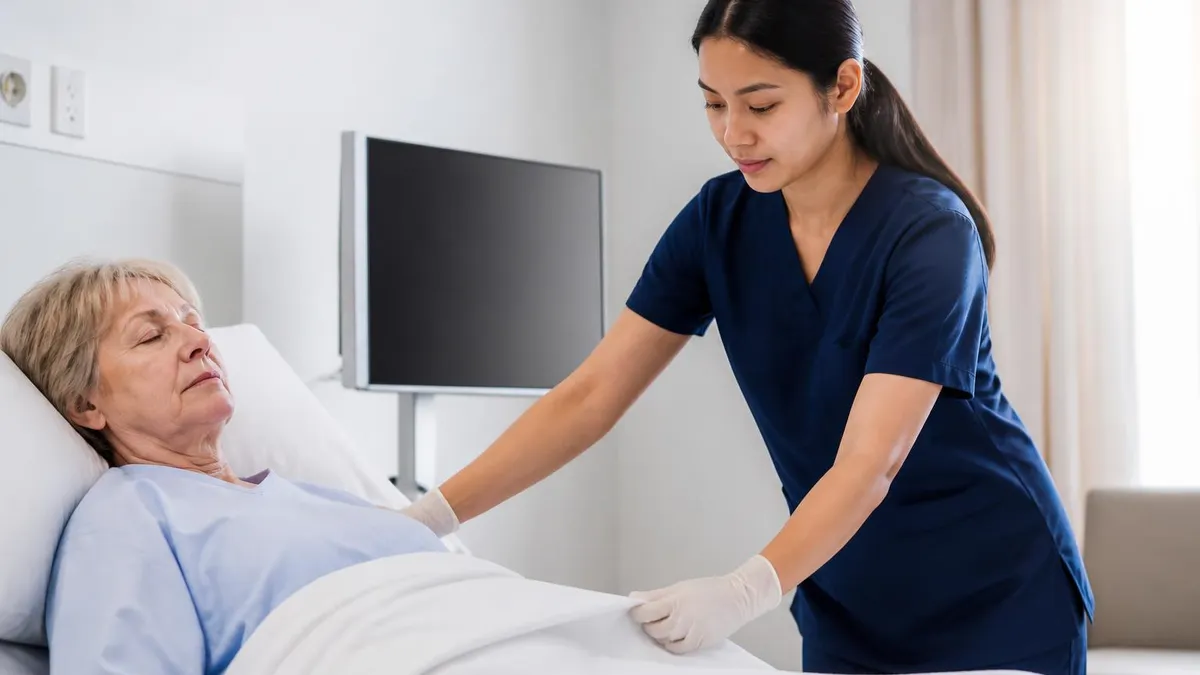
Core LPN Nursing Duties and Daily Responsibilities
Bathing, repositioning, feeding assistance, ambulation, vital sign measurement, wound dressing changes, catheter care, and ostomy management performed every shift at the bedside.
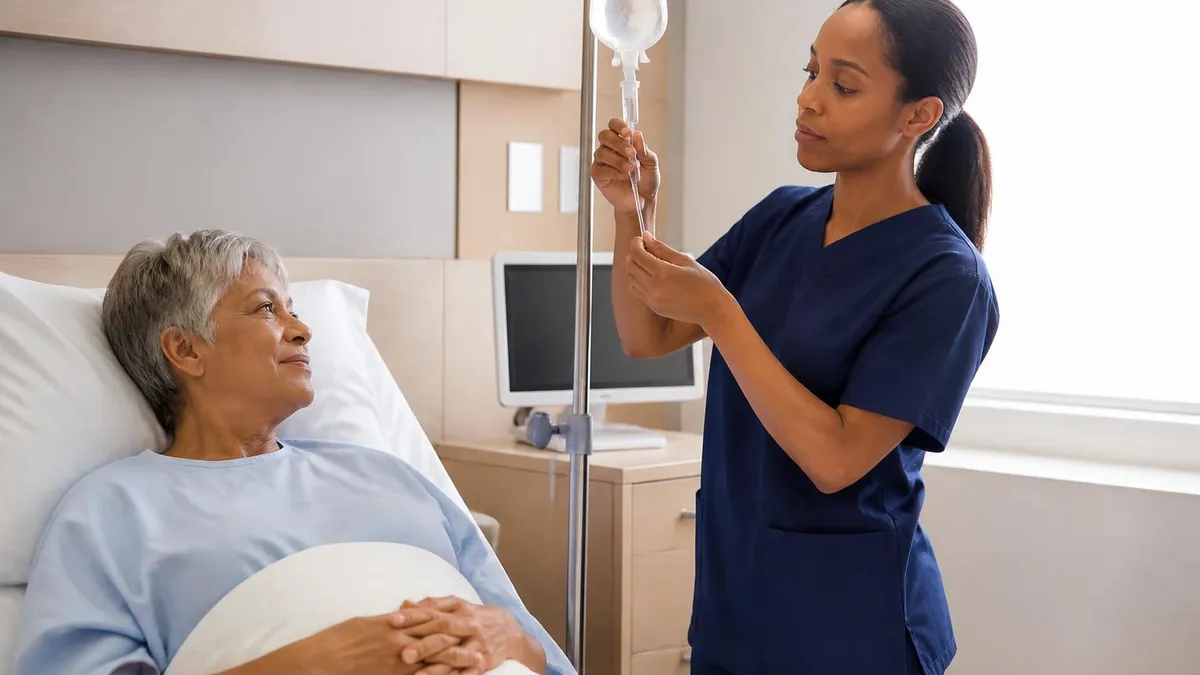
Administering oral, topical, subcutaneous, and intramuscular medications, performing blood glucose checks, and reinforcing patient teaching on dosage, side effects, and adherence schedules.
Tracking intake and output, monitoring for adverse reactions, recognizing changes in patient status, and reporting promptly to the supervising RN or physician for escalation.
Maintaining accurate electronic health records, completing MARs, recording skin assessments, and ensuring legal compliance with state nurse practice acts and facility protocols.
Teaching chronic disease self-management, demonstrating wound care techniques, explaining discharge instructions, and supporting families through end-of-life and rehabilitation transitions.
Work settings for LPN nursing have expanded well beyond the traditional nursing home image many people still carry. While long-term care facilities still employ the largest share — roughly 38 percent of all practical nurses according to the latest BLS Occupational Employment Statistics — LPNs now hold critical positions in physicians' offices, outpatient surgery centers, home health agencies, hospice teams, schools, correctional institutions, and even telehealth triage roles. Each setting carries its own pace, patient mix, and skill demands.
Skilled nursing facilities and long-term care centers remain the backbone of practical nursing. In these environments, an LPN typically manages medication passes for 20 to 30 residents per shift, supervises certified nursing assistants, coordinates with therapists, and serves as the de facto charge nurse during evenings and weekends. The relationships with residents and families often span years, which many LPNs describe as the most rewarding aspect of the work despite high acuity and chronic staffing pressures.
Home health is the second-fastest-growing setting and offers exceptional autonomy. A home health LPN visits four to seven patients a day, performing wound care after surgery, infusion therapy, ventilator monitoring, or post-stroke rehabilitation in private residences. Mileage reimbursement, flexible scheduling, and the ability to focus on one patient at a time draw nurses who feel burnt out by institutional environments. Hospice work follows a similar model with an added emphasis on comfort care and family support.
Physicians' offices and outpatient clinics typically offer the most predictable schedule — Monday through Friday, no holidays or weekends — making them popular with LPNs raising families. Duties shift toward triage phone calls, rooming patients, vaccinations, EKG setup, sterilizing instruments, and assisting with minor procedures. The trade-off is often a slightly lower hourly rate compared with acute or long-term care, though benefits and quality of life frequently compensate.
Hospitals employ fewer LPNs than they did a generation ago, but practical nurses still hold roles in rehabilitation units, behavioral health, obstetrics, and post-acute step-down floors in many regions, particularly rural and Southern states. Some hospital systems run dedicated LPN-to-RN bridge programs that pay tuition in exchange for a service commitment, which can fast-track career advancement while you continue earning a full salary.
Specialty settings round out the picture. Corrections nursing — working inside jails and prisons — pays among the highest LPN wages in the country, often $35 to $45 per hour, in exchange for working a controlled but demanding environment. School nursing offers academic-calendar scheduling, while occupational health LPNs at large manufacturing or warehouse employers run on-site clinics that handle injuries, drug screens, and wellness programs.
Choosing your setting shapes everything from your shift length and patient ratios to your long-term burnout risk and earning ceiling. New graduates are often advised to spend their first year somewhere with strong RN mentorship — typically long-term care or a hospital — to build clinical confidence before branching into more autonomous roles like home health or corrections, where independent judgment is essential from day one.
LPN Practice Test Questions
Prepare for the LPN - Certified Practical Nurse exam with our free practice test modules. Each quiz covers key topics to help you pass on your first try.
LPN - Certified Practical Nurse Basic Care...
LPN Exam Questions covering - Certified Practical Nurse Basic Care and Comfort. Master LPN Test concepts for certification prep.
LPN - Certified Practical Nurse Coordinate...
Free LPN Practice Test featuring - Certified Practical Nurse Coordinated Care. Improve your LPN Exam score with mock test prep.
LPN - Certified Practical Nurse Health Pro...
LPN Mock Exam on - Certified Practical Nurse Health Promotion and Maintenance. LPN Study Guide questions to pass on your first try.
LPN - Certified Practical Nurse Pharmacolo...
LPN Test Prep for - Certified Practical Nurse Pharmacological Therapies. Practice LPN Quiz questions and boost your score.
LPN - Certified Practical Nurse Physiologi...
LPN Questions and Answers on - Certified Practical Nurse Physiological Adaptation. Free LPN practice for exam readiness.
LPN - Certified Practical Nurse Psychosoci...
LPN Mock Test covering - Certified Practical Nurse Psychosocial Integrity. Online LPN Test practice with instant feedback.
LPN - Certified Practical Nurse Reduction ...
Free LPN Quiz on - Certified Practical Nurse Reduction of Risk Potential. LPN Exam prep questions with detailed explanations.
LPN - Certified Practical Nurse Safety and...
LPN Practice Questions for - Certified Practical Nurse Safety and Infection Control. Build confidence for your LPN certification exam.
LPN Ethical, Legal & Professional Standards
LPN Test Online for Ethical, Legal & Professional Standards. Free practice with instant results and feedback.
LPN Health Evaluation & Monitoring
LPN Study Material on Health Evaluation & Monitoring. Prepare effectively with real exam-style questions.
LPN Nursing Education and Licensure Path
Accredited practical nursing programs are offered at community colleges, vocational and technical schools, hospitals, and some four-year universities. Most last 12 to 18 months full time and award either a diploma or a technical certificate. Curriculum includes anatomy and physiology, pharmacology, nutrition, mental health, maternal-newborn, pediatric, geriatric, and medical-surgical nursing, alongside roughly 400 to 700 supervised clinical hours.
Admission usually requires a high school diploma or GED, a passing score on an entrance exam such as the TEAS or HESI A2, completion of prerequisite courses in biology and English, a criminal background check, immunization records, and CPR certification. Program tuition ranges from about $4,000 at public technical colleges to $30,000 at private institutions, with financial aid widely available through Pell Grants and state workforce funds.
Is LPN Nursing the Right Career Choice?
- +Shortest accredited path to a licensed nursing role — most programs finish in 12 to 18 months
- +Lower tuition than RN or BSN programs, often under $15,000 total at public colleges
- +Strong job demand with sign-on bonuses of $2,500 to $10,000 in shortage regions
- +Hands-on bedside patient care with deep, long-term patient and family relationships
- +Clear bridge pathways to RN, BSN, and eventually advanced practice if desired
- +Flexible schedules including evenings, nights, weekends, and PRN options across settings
- +Eligible for federal loan repayment in many underserved rural and inner-city areas
- −Lower ceiling on salary than RNs, with median wages roughly $30,000 less per year
- −Scope of practice limits in many states restrict IV push, assessment, and care planning
- −Physically demanding work involving lifting, transferring, and standing 8 to 12 hours
- −High patient ratios in long-term care can reach 30 residents per nurse on night shifts
- −Limited hospital opportunities in some regions as health systems shift to all-RN staffing
- −Documentation and regulatory burden has grown steadily under federal CMS reporting rules
Pros and Cons at a Glance
| Pros | Cons |
|---|---|
| Hands-on bedside patient care with deep, long-term patient and family relationships | Scope of practice limits in many states restrict IV push, assessment, and care planning |
| Clear bridge pathways to RN, BSN, and eventually advanced practice if desired | Limited hospital opportunities in some regions as health systems shift to all-RN staffing |
| Flexible schedules including evenings, nights, weekends, and PRN options across settings | Documentation and regulatory burden has grown steadily under federal CMS reporting rules |
How to Become an LPN: 10-Step Checklist
- ✓Earn a high school diploma or GED and take strong science courses if still in school
- ✓Research accredited practical nursing programs in your state through ACEN or NLN CNEA
- ✓Complete prerequisite courses such as anatomy, English composition, and basic algebra
- ✓Take and pass the TEAS or HESI A2 entrance exam at the score required by your school
- ✓Submit applications, transcripts, immunization records, and pass a background check
- ✓Enroll in your program and complete classroom, lab, and 400-plus clinical rotation hours
- ✓Apply to your state board of nursing for authorization to test on the NCLEX-PN exam
- ✓Register with Pearson VUE, pay the $200 fee, and schedule your NCLEX-PN test date
- ✓Pass the NCLEX-PN and receive your state-issued LPN or LVN license number within weeks
- ✓Secure your first nursing job and complete onboarding, orientation, and any IV certification
Start your LPN-to-RN bridge during your first year of practice
Hospitals and large health systems routinely offer tuition reimbursement of $5,000 to $10,000 per year for staff LPNs pursuing an associate degree in nursing. Enrolling in a bridge program within your first 6 to 12 months of work means your employer often pays for most of the RN degree while you keep earning. The result: you can reach an RN salary 18 months sooner with significantly less personal debt.
Salary and job outlook are decisive factors for anyone weighing an LPN nursing career, and the 2026 picture is encouraging despite modest national growth projections. The U.S. Bureau of Labor Statistics reports a median annual wage of $59,730 for Licensed Practical and Licensed Vocational Nurses, with the top 10 percent earning more than $77,870 and the bottom 10 percent earning around $46,140. Hourly wages average $28.72 nationally, though specialty and corrections roles routinely push past $40 an hour.
Geography drives some of the largest pay differences in the profession. California leads the country with an average LVN salary of about $74,480, followed by Washington at roughly $72,000, Massachusetts near $70,000, and Alaska close to $69,000. At the other end, states like Mississippi, Alabama, and West Virginia pay average wages between $44,000 and $48,000. Cost of living matters enormously — an LPN earning $55,000 in Tennessee often retains more buying power than one earning $74,000 in Los Angeles.
Setting also shapes earnings. Government employers, including the Veterans Health Administration and state correctional systems, pay the highest average wages at around $62,000, followed by nursing care facilities at $59,000, home health services at $57,000, and physicians' offices at $50,000. Travel LPN contracts through staffing agencies frequently reach $1,800 to $2,400 per week including stipends, providing a way to push annual income above $100,000 for nurses willing to relocate every 13 weeks.
Job outlook varies by region more than the modest 3 percent national projection suggests. Aging populations in Florida, Arizona, Texas, and across the Rust Belt are creating sustained demand in long-term care and home health, while many Northeastern hospitals continue replacing retiring LPNs with RNs. The net effect is steady opportunity for new graduates almost everywhere, with the strongest job markets in skilled nursing, hospice, correctional health, and outpatient surgery.
Sign-on bonuses, which had largely disappeared before the pandemic, returned aggressively in 2022 and remain widespread in 2026. Nursing home chains often advertise $5,000 to $10,000 bonuses with one-year commitments, and hospital systems in shortage areas offer similar packages plus relocation assistance. Hospice agencies frequently match these incentives because the work requires independent judgment that newer nurses sometimes hesitate to take on.
Benefits beyond the paycheck materially affect total compensation. Most full-time LPN positions include medical, dental, and vision insurance, paid time off, 401(k) or 403(b) retirement contributions with employer match, life insurance, tuition reimbursement, and free or discounted continuing education. Federal and many state employers also provide pension plans, which are increasingly rare in the private sector and can be worth tens of thousands of dollars annually in retirement.
Looking ahead, automation and artificial intelligence are unlikely to replace bedside nursing tasks for the foreseeable future. Wound care, medication administration, hands-on assessment, and the emotional labor of patient education simply cannot be outsourced or digitized. That structural protection, combined with demographic trends in an aging population, makes LPN nursing one of the most reliably future-proof careers available to workers who prefer skilled trades and human-centered work to office-based roles.
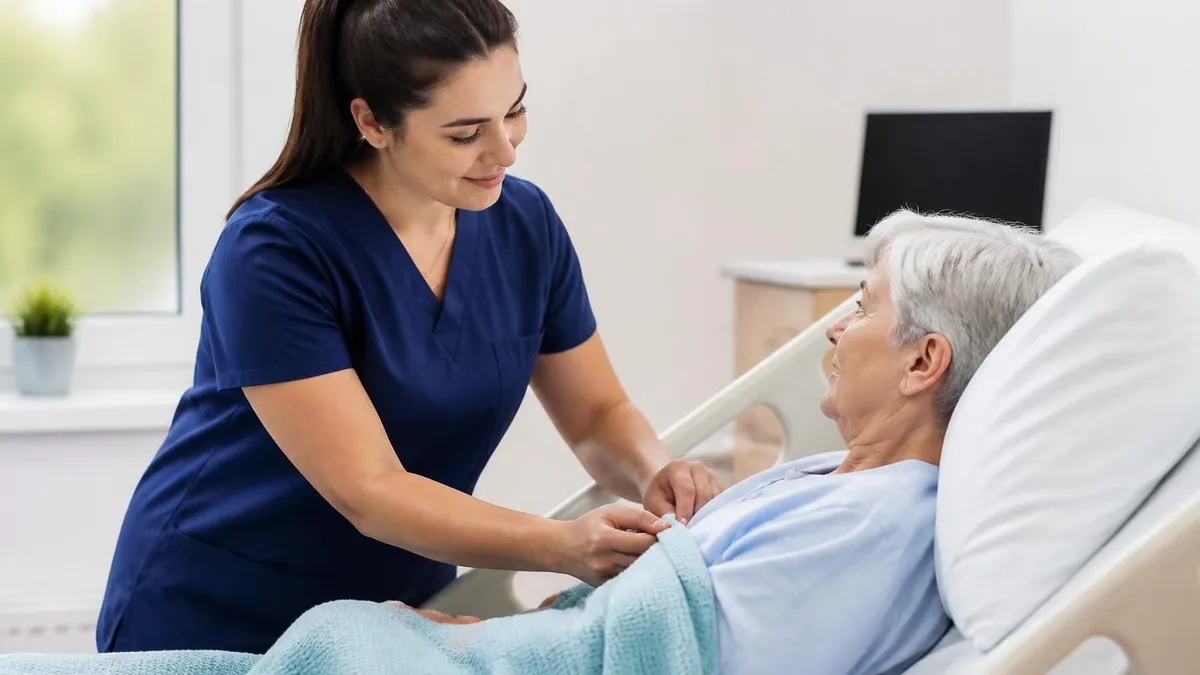
What an LPN can legally do differs significantly between states. California LVNs require a separate IV certification course before initiating peripheral IVs, Texas LVNs cannot perform initial nursing assessments, and Florida LPNs cannot administer IV push medications. Always review your state board of nursing's nurse practice act and your facility's policies before performing any task — practicing outside your scope can cost you your license and trigger civil liability even when supervisors verbally approve the task.
Career advancement in LPN nursing is far broader than many newcomers realize, with multiple specialty certifications, leadership tracks, and bridge degrees designed specifically for working practical nurses. After 12 to 24 months of bedside experience, most LPNs become eligible for credentials that add $2 to $7 per hour to their wage while opening doors to roles like wound care nurse, IV therapy team member, diabetes educator, or charge nurse on a long-term care unit.
The Wound Care Certified (WCC) credential through the National Alliance of Wound Care and Ostomy is the most popular specialty certification among LPNs, requiring 84 contact hours of approved coursework and a national exam. Demand for wound care nurses has exploded with the aging population and rise in chronic conditions like diabetes and venous insufficiency. Many candidates use our wound care certification for LPN roadmap to map costs, study timelines, and approved providers before committing.
IV therapy certification, sometimes called IV initiation or infusion therapy, is the next most common upgrade, particularly in California where it is required to start peripheral IVs. Programs typically run 36 hours over a few weekends and cost $300 to $700. Once certified, you become significantly more marketable to home health agencies, dialysis centers, infusion clinics, and surgical step-down units that rely on LPNs to handle high-volume IV starts.
Long-term care leadership offers another well-traveled path. The National Association of Directors of Nursing Administration certifies LPNs as Certified Director of Nursing in Long-Term Care eligible, and many state nursing home administrator licenses accept LPN experience toward eligibility. Charge nurse, unit manager, infection preventionist, MDS coordinator, and staff development positions are routinely held by experienced LPNs earning $70,000 to $90,000 annually before adding shift differentials.
The most popular long-term advancement is the LPN-to-RN bridge program, which gives credit for your practical nursing license and clinical experience to shorten the associate degree timeline to roughly 12 to 18 months of further study. Online and hybrid options have multiplied since 2020, with established schools like Excelsior, Achieve Test Prep partners, and dozens of community colleges offering evening and weekend cohorts designed for working nurses. Some employers pay full tuition in exchange for a two-year post-graduation service commitment.
Beyond the RN, the long horizon includes a BSN through an RN-to-BSN program (typically 12 months online), a Master of Science in Nursing for nurse practitioner or nurse educator roles, and ultimately the Doctor of Nursing Practice. Many of today's nurse practitioners and DNPs started as LPNs in nursing homes and moved up one credential at a time over a decade or two. The path is well worn, well funded by employers, and remarkably accessible compared with most other professional ladders.
Finally, do not overlook entrepreneurial routes. Experienced LPNs are launching private-duty agencies, foot care clinics for diabetic patients, post-surgical home recovery services, and continuing education businesses for fellow nurses. State regulations and required business structures vary, but the combination of healthcare expertise and high demand for personalized care has made small-business ownership a credible Plan B or even Plan A for veteran practical nurses.
Practical tips for thriving in LPN nursing begin long before your first shift and continue throughout your career. The transition from student to licensed nurse can feel overwhelming, but a few intentional habits dramatically shorten the learning curve and protect both your license and your well-being. Start by choosing a first job with strong preceptorship — at minimum two to four weeks of paired shifts with an experienced nurse — even if it means accepting slightly lower pay than competitors offering no real orientation.
Build a personal reference library from day one. Keep a current drug guide such as Davis's Drug Guide for Nurses, a lab values pocket card, and your state's nurse practice act bookmarked on your phone. Add facility-specific protocols and physician preference notes to a small notebook you carry on shift. Within six months you will have a customized clinical brain that makes you faster, safer, and more confident than peers who rely on memory alone for medication doses and assessment ranges.
Master delegation early. As an LPN you will routinely supervise certified nursing assistants who handle activities of daily living for your patients. Clear, respectful, and specific delegation — naming the task, the patient, the expected timeframe, and the reporting threshold — is the single biggest predictor of smooth shifts. Vague instructions invite missed care and create legal exposure because the licensed nurse remains accountable for outcomes regardless of who performed the task.
Document defensively and contemporaneously. Charting after the fact, hours later, or at the end of shift is when errors and omissions creep in. Aim to document significant assessments, medication administration, and patient education within 15 minutes of the event. Use objective language, quote patient statements directly, and never delete or edit prior entries — always add a corrected note with the current timestamp. These habits protect you in malpractice claims and state board investigations that may arrive years later.
Invest in your physical health proactively. LPN nursing involves lifting, bending, and standing for 8 to 12 hours, and back injuries end careers prematurely. Always use mechanical lifts or two-person transfers regardless of how independent a patient seems, wear quality compression socks, rotate between two pairs of supportive shoes, and prioritize sleep, hydration, and strength training during your off-days. Nurses who treat their bodies like professional athletes' bodies last decades longer in bedside roles.
Pursue continuing education that genuinely interests you, not just the minimum hours required for renewal. Specialty certifications, conferences, and even a single excellent course on motivational interviewing, dementia care, or trauma-informed practice can transform how you experience every shift. Many state nurses associations offer free or deeply discounted CE bundles to members, and employers frequently reimburse fees for courses tied to your role.
Finally, take the NCLEX-PN seriously but not fearfully. Most candidates who complete an accredited program, drill 75 to 125 questions a day for the four to six weeks before testing, and review weak areas using a structured plan pass on the first attempt. Free practice banks and our LPN practice test PDF provide a realistic feel for the exam's format and difficulty so test day feels familiar rather than foreign.
Sample Certified Practical Nurse Practice Questions
Try these questions from our free Certified Practical Nurse practice tests. The correct answer and an explanation follow each question.
A patient receiving IV potassium chloride reports burning at the IV site. What is the priority nursing action?
- A. Stop the infusion and remove the IV
- B. Slow the infusion rate
- C. Apply a warm compress over the site
- D. Dilute the solution further
Answer: B. Slow the infusion rate
Slowing the infusion rate reduces the burning sensation; potassium is irritating to veins and must never be given as an IV push.
Why is health assessment important in nursing?
- A. To provide medication
- B. To gather information that guides care planning
- C. To monitor vital signs only
- D. To offer treatment recommendations
Answer: B. To gather information that guides care planning
Health assessment is the foundational step in the nursing process, serving to systematically gather comprehensive information about a patient's health status. This data, both subjective and objective, is critical for identifying actual and potential health problems. The insights gained directly guide the development of individualized and effective care plans, ensuring patient-centered interventions.
The LPN is caring for a client with a new diagnosis of amyotrophic lateral sclerosis (ALS). Which nursing diagnosis takes the highest priority?
- A. Ineffective coping related to terminal diagnosis
- B. Impaired physical mobility related to muscle weakness
- C. Risk for aspiration related to bulbar involvement
- D. Chronic pain related to muscle cramps
Answer: C. Risk for aspiration related to bulbar involvement
Bulbar involvement in ALS causes dysphagia and dysarthria, dramatically increasing aspiration risk, which can cause pneumonia — the most common immediate cause of death in ALS.
A pregnant client at 20 weeks gestation is scheduled for an amniocentesis. Which nursing action is most important after the procedure?
- A. Encourage increased oral fluid intake for the next week
- B. Monitor for uterine contractions, leaking fluid, and report decreased fetal movement
- C. Keep the client in supine position for 8 hours post-procedure
- D. Perform a sterile vaginal examination to assess cervical dilation
Answer: B. Monitor for uterine contractions, leaking fluid, and report decreased fetal movement
Post-amniocentesis complications include preterm labor and membrane rupture. The client must be taught to monitor for contractions, fluid leaking from the vagina, fever, and decreased fetal movement.
LPN Questions and Answers

About the Author

Registered Nurse & Healthcare Educator
Johns Hopkins University School of NursingDr. Sarah Mitchell is a board-certified registered nurse with over 15 years of clinical and academic experience. She completed her PhD in Nursing Science at Johns Hopkins University and has taught NCLEX preparation and clinical skills courses for nursing students across the United States. Her research focuses on evidence-based exam preparation strategies for healthcare certification candidates.
Join the Discussion
Connect with other students preparing for this exam. Share tips, ask questions, and get advice from people who have been there.
View discussion (7 replies)