
LPN Jobs in Massachusetts: 2026 Guide to Salaries, Hiring Facilities, and Career Growth
Explore LPN jobs in Massachusetts: average salaries, top hiring facilities, city-by-city pay, and career tips. 🎓 Updated for 2026.

LPN jobs in Massachusetts remain among the most accessible entry points into the healthcare workforce for newly licensed practical nurses and experienced LPNs alike. The Bay State's dense concentration of hospitals, long-term care facilities, rehabilitation centers, and community health organizations creates a steady and diverse hiring landscape. Whether you are targeting a bustling academic medical center in Boston or a skilled nursing facility in Springfield, there is meaningful work available across every region of the state.
Massachusetts has long been recognized as a healthcare leader nationally, home to world-renowned institutions such as Massachusetts General Hospital, Brigham and Women's Hospital, and Boston Children's Hospital. While these flagship facilities employ many RNs and advanced practitioners, their affiliated outpatient clinics, post-acute units, and long-term care partners rely heavily on licensed practical nurses to deliver hands-on, day-to-day patient care. LPNs in these settings perform medication administration, wound care, patient assessments under RN supervision, and vital signs monitoring.
Beyond the Boston metro, cities like Worcester, Springfield, Lowell, and New Bedford each have strong healthcare ecosystems supported by regional hospitals, physician groups, and an aging population that increasingly needs skilled nursing services. Worcester alone is home to UMass Memorial Medical Center and Saint Vincent Hospital, both of which maintain active LPN hiring programs across inpatient units, outpatient practices, and behavioral health departments. This geographic spread means LPN job seekers are not limited to one corner of the state.
The demand for LPNs in Massachusetts is partly driven by demographics. Massachusetts has one of the highest proportions of residents over age 65 in New England, and that population is projected to grow significantly through 2030. Older adults require more frequent medical attention, chronic disease management, and long-term residential care — all areas where LPNs serve a critical frontline role. Assisted living facilities, memory care units, and home health agencies are expanding their LPN rosters to meet this demand.
Salary expectations for LPNs in Massachusetts compare favorably to national averages. According to the U.S. Bureau of Labor Statistics, the mean annual wage for LPNs in Massachusetts is roughly $64,000, which is approximately 12 percent above the national mean. Boston-area LPNs often earn closer to $68,000–$72,000 annually when factoring in shift differentials, overtime, and employer-sponsored benefits packages that include tuition reimbursement and retirement contributions.
For LPNs who want to advance their careers beyond bedside nursing, Massachusetts also offers clear pathways. Many community colleges and state universities have bridge programs that allow LPNs to transition into registered nursing roles — a pathway that can be pursued while working full time. Employers such as CVS Health, which operates a large number of MinuteClinic locations in Massachusetts, actively recruit LPNs and offer structured development programs. If you are exploring lpn jobs massachusetts and wondering what the full licensing requirements look like, reviewing the state-specific credentialing rules is an essential first step.
This comprehensive guide covers everything you need to know about finding, landing, and thriving in an LPN role in Massachusetts — from the cities with the highest concentrations of open positions, to typical employer expectations, pay ranges by specialty, and practical strategies for standing out in a competitive applicant pool. Whether you are a recent graduate or a seasoned LPN relocating from another state, the following sections will give you a clear picture of the job market and how to navigate it successfully.
LPN: upcoming dates and official changes
- Apr 1, 2026: The 2026 NCLEX-PN Test Plan became effective April 1, 2026, and applies through March 31, 2029. (National Council of State Boards of Nursing (NCSBN); state nursing regulatory bodies issue LPN/LVN licenses)
Facts verified Oct 16, 2026 against National Council of State Boards of Nursing (NCSBN); state nursing regulatory bodies issue LPN/LVN licenses. Dates that have passed are removed automatically.
- The NCLEX-PN is a computerized adaptive examination containing between 85 and 150 items. (ncsbn.org)
- The NCLEX-PN passing standard is -0.18 logits through March 31, 2029. (National Council of State Boards of Nursing (NCSBN); state nursing regulatory bodies issue LPN/LVN licenses)
- The NCLEX-PN registration fee for U.S. licensure is currently $200 USD, separate from state licensure fees. (National Council of State Boards of Nursing (NCSBN); state nursing regulatory bodies issue LPN/LVN licenses)
- NCLEX-PN retakes require the same registration fee as initial attempts, determined by the registration date. (National Council of State Boards of Nursing (NCSBN); state nursing regulatory bodies issue LPN/LVN licenses)
- NCSBN permits up to eight NCLEX-PN attempts annually with at least 45 test-free days between examinations, subject to stricter jurisdictional restrictions. (National Council of State Boards of Nursing (NCSBN); state nursing regulatory bodies issue LPN/LVN licenses)
- The NCLEX-PN is delivered at domestic and international test centers. (National Council of State Boards of Nursing (NCSBN); state nursing regulatory bodies issue LPN/LVN licenses)
- NCLEX-PN candidates must meet the eligibility requirements established by the nursing regulatory body where they seek licensure. (ncsbn.org)
- Official NCLEX-PN results are sent by the nursing regulatory body within six weeks after the examination. (National Council of State Boards of Nursing (NCSBN); state nursing regulatory bodies issue LPN/LVN licenses)
Facts verified Oct 16, 2026 against National Council of State Boards of Nursing (NCSBN); state nursing regulatory bodies issue LPN/LVN licenses. Dates that have passed are removed automatically.
LPN Exam at a Glance
Facts verified Oct 16, 2026 against National Council of State Boards of Nursing (NCSBN); state nursing regulatory bodies issue LPN/LVN licenses. Dates that have passed are removed automatically.
LPN Jobs in Massachusetts by the Numbers
LPN Salary Ranges by Massachusetts City
LPNs in Boston, Cambridge, and Quincy typically earn $66,000–$74,000 annually. Academic medical centers and specialty clinics drive up compensation, and night-shift differentials can add $4–$6 per hour on top of base pay.
Central Massachusetts LPNs average $59,000–$65,000 per year. UMass Memorial and Saint Vincent Hospital are the primary employers, and suburban skilled nursing facilities often offer sign-on bonuses of $2,000–$5,000 to attract qualified candidates.
Baystate Health and Mercy Medical Center anchor the western Massachusetts LPN job market. Average salaries run $56,000–$62,000, with lower cost of living making purchasing power competitive relative to the Boston corridor.
The Merrimack Valley region offers LPN salaries averaging $61,000–$67,000. Home health and visiting nurse agencies are particularly active recruiters here, offering flexible scheduling that appeals to LPNs managing family obligations.
Seasonal and year-round LPN positions exist throughout the Cape Cod and South Shore areas, averaging $60,000–$66,000. Elder care facilities and rehabilitation centers dominate hiring given the region's older demographic profile.
Understanding which employers are actively hiring LPNs in Massachusetts is one of the most efficient ways to focus your job search. The state's healthcare market is anchored by several large health systems, each with dozens of affiliated facilities spread across multiple counties. Knowing who the major players are — and what they look for in LPN candidates — allows you to tailor your resume and application strategy with precision rather than spraying applications broadly and hoping for a response.
Mass General Brigham (MGB) is the largest employer of healthcare workers in Massachusetts and regularly posts LPN openings across its network of community hospitals, specialty clinics, and outpatient practices. MGB facilities include Newton-Wellesley Hospital, Faulkner Hospital, and the Brigham and Women's Faulkner campus, all of which use LPNs in primary care, endoscopy, oncology, and ambulatory care settings. The system offers competitive base wages, strong benefits, and an education assistance program worth up to $5,250 annually — a significant perk for LPNs considering a bridge to RN licensure.
Steward Health Care, with hospitals across Worcester, Fall River, and the Boston suburbs, is another major LPN employer in the state. Steward facilities tend to hire LPNs for med-surg, behavioral health, and long-term acute care units. Their onboarding programs are structured to get new LPNs functional on the floor quickly, and they frequently post roles with immediate start dates for candidates who have a valid Massachusetts LPN license in hand.
Kindred Healthcare and Genesis Healthcare operate multiple skilled nursing and long-term care facilities throughout Massachusetts. These companies are among the highest-volume LPN employers in the state, given that SNFs rely disproportionately on LPNs for medication rounds, wound care management, and resident assessment documentation. Pay at SNF facilities is sometimes lower than at acute-care hospitals, but the trade-off is often greater scheduling flexibility, faster hiring timelines, and abundant overtime hours.
Home health agencies represent a growing segment of LPN employment in Massachusetts. Agencies such as Visiting Nurse Association (VNA) of Boston, Aveanna Healthcare, and Bayada Home Health Care actively recruit LPNs for home visits, infusion therapy, and post-surgical follow-up care. Home health LPN roles typically pay $28–$36 per hour depending on geography and case complexity, and they offer the autonomy of independent patient visits without the physical demands of a traditional hospital floor shift.
CVS Health's MinuteClinic locations in Massachusetts — there are over 80 of them statewide — hire LPNs and nurse practitioners to staff their walk-in clinic operations. These roles are particularly appealing for LPNs who prefer a clinic schedule (typically 8 a.m. to 8 p.m., seven days a week with rotating weekend coverage) over the 12-hour shifts common in acute care. MinuteClinic LPNs handle triage, immunizations, chronic disease monitoring, and point-of-care testing in a fast-paced but predictable environment.
Correctional and public health settings are often overlooked by LPN job seekers but represent a steady source of openings in Massachusetts. The Massachusetts Department of Correction employs LPNs at its facilities in Concord, Norfolk, and Shirley, offering state employee benefits including pension eligibility and generous paid time off. The Massachusetts Department of Public Health also recruits LPNs for community health programs targeting substance use recovery and maternal health. These roles offer stability and meaningful work in underserved populations.
For LPNs who want to explore the full spectrum of what is required to work in Massachusetts — from educational prerequisites to licensure endorsement for those coming from other states — a thorough review of credentialing rules is essential before applying. The competitive nature of Massachusetts hiring means that applications with complete, verified credentials rise to the top of recruiter queues far faster than those with pending documentation.
LPN Work Settings in Massachusetts
Acute care hospitals in Massachusetts employ LPNs primarily in medical-surgical units, behavioral health wards, and outpatient infusion centers. In these environments, LPNs work under RN supervision, performing tasks such as medication administration, IV site monitoring, wound dressing changes, and patient education on discharge instructions. Hospital LPNs in Massachusetts typically work 8- or 12-hour shifts with rotating days, evenings, and nights. Base wages at acute care facilities range from $28 to $36 per hour depending on the system and union status.
Many Massachusetts hospitals are unionized under the Massachusetts Nurses Association or SEIU, which means LPN wages and working conditions at union facilities are governed by collective bargaining agreements. These agreements often establish minimum staffing ratios, guaranteed break times, and structured pay scales with automatic step increases tied to years of service. LPNs considering hospital roles should research whether a target facility is unionized and review the relevant contract provisions before accepting an offer.
Pros and Cons of Working as an LPN in Massachusetts
- +Salaries averaging 12% above the national LPN mean, with Boston-area roles exceeding $70K
- +Exceptional density of healthcare employers across hospitals, SNFs, clinics, and home health agencies
- +Strong union presence at many facilities ensures protected wages, benefits, and staffing ratios
- +Clear LPN-to-RN bridge pathways at numerous community colleges and state universities
- +Employer tuition reimbursement programs common at large health systems like Mass General Brigham
- +Diverse patient populations across urban, suburban, and rural settings offer broad clinical exposure
- −High cost of living in Boston metro can offset the salary advantage compared to lower-cost states
- −Massachusetts LPN scope of practice is more restricted than some states, limiting certain procedures
- −Competitive applicant pools at top hospitals mean entry-level LPNs may need to start in SNFs first
- −Long winters and challenging commutes in urban areas add stress for LPNs working rotating shifts
- −Some SNF facilities face chronic staffing shortages, leading to mandatory overtime expectations
- −Licensure endorsement from another state requires additional processing time through the Massachusetts Board of Registration in Nursing
Pros and Cons at a Glance
| Pros | Cons |
|---|---|
| Exceptional density of healthcare employers across hospitals, SNFs, clinics, and home health agencies | High cost of living in Boston metro can offset the salary advantage compared to lower-cost states |
| Strong union presence at many facilities ensures protected wages, benefits, and staffing ratios | Massachusetts LPN scope of practice is more restricted than some states, limiting certain procedures |
| Clear LPN-to-RN bridge pathways at numerous community colleges and state universities | Competitive applicant pools at top hospitals mean entry-level LPNs may need to start in SNFs first |
| Employer tuition reimbursement programs common at large health systems like Mass General Brigham | Long winters and challenging commutes in urban areas add stress for LPNs working rotating shifts |
| Diverse patient populations across urban, suburban, and rural settings offer broad clinical exposure | Some SNF facilities face chronic staffing shortages, leading to mandatory overtime expectations |
LPN Job Search Checklist for Massachusetts
- ✓Verify your Massachusetts LPN license is active and in good standing on the Board of Registration in Nursing website before applying.
- ✓Update your resume to highlight clinical rotation sites, patient population experience, and any specialty certifications (IV therapy, wound care, etc.).
- ✓Create profiles on Indeed, LinkedIn, and the MGB Careers portal — the three highest-volume LPN job listing sources in Massachusetts.
- ✓Research union vs. non-union facilities in your target area and understand the wage and benefit differences before applying.
- ✓Prepare a concise cover letter for each application that names the specific facility and describes why your background fits their patient population.
- ✓Practice common LPN interview scenarios: a difficult patient situation, a medication error response, and a question about working under RN supervision.
- ✓Gather three professional references — ideally a clinical instructor, a charge nurse, and a peer — and notify them before listing their contact information.
- ✓Confirm your BLS (Basic Life Support) certification from the American Heart Association is current — most Massachusetts employers require it on day one.
- ✓Check whether target employers offer sign-on bonuses, relocation assistance, or tuition reimbursement and factor these into your total compensation comparison.
- ✓Follow up on submitted applications within seven to ten business days with a brief email to the recruiter or hiring manager expressing continued interest.
SNF Experience Opens Hospital Doors
Many Massachusetts hospital HR departments explicitly prefer LPN candidates who have at least one year of skilled nursing facility experience. The fast-paced, high-autonomy environment of SNF charge nursing builds the clinical judgment and time-management skills that hospital units need. Starting in a SNF — even if it is not your long-term goal — can significantly shorten the path to landing a hospital LPN role within 18 to 24 months.
Career advancement is one of the most compelling reasons to build your LPN career in Massachusetts. Unlike some states where LPN roles can feel like a career ceiling, the Massachusetts healthcare ecosystem is structured around genuine upward mobility for licensed practical nurses who are willing to pursue additional education and certification. The state's strong community college system and its tradition of employer-supported education make that pursuit financially realistic even for LPNs working full time.
The most common advancement pathway is the LPN-to-RN bridge program. Massachusetts institutions such as Bunker Hill Community College, Quinsigamond Community College, and Northern Essex Community College all offer bridge programs specifically designed for working LPNs. These programs typically take 12 to 18 months and award an associate degree in nursing, which qualifies graduates to sit for the NCLEX-RN. Many Massachusetts employers, including VNA Care Network and Partners Healthcare affiliates, will maintain an LPN's current position and pay while the employee completes bridge coursework part time.
For LPNs who prefer to remain in the LPN scope but want to increase their earnings and responsibilities, pursuing specialty certifications is a highly effective strategy. The National Association for Practical Nurse Education and Service (NAPNES) offers certifications in IV therapy, pharmacology, and long-term care that are recognized by Massachusetts employers. IV therapy certification in particular is valuable in Massachusetts, where hospitals and home health agencies often pay a differential of $1.50–$3.00 per hour for LPNs who hold this credential.
Wound, Ostomy, and Continence (WOC) nursing is another specialty area where LPNs can carve out a niche in Massachusetts. While the full WOC certification requires RN licensure, LPNs can develop significant wound care expertise through employer-sponsored training programs and become the go-to wound care specialist for their unit or facility. This informal specialization often leads to charge nurse roles and, eventually, to wound care coordinator positions that come with higher pay and administrative responsibilities.
Massachusetts also offers opportunities for LPNs interested in healthcare management. Some long-term care facilities promote experienced LPN charge nurses into assistant director of nursing (ADON) roles, particularly in smaller facilities where the director of nursing is an RN and needs a trusted operational partner. These positions involve staff scheduling, quality assurance documentation, and regulatory compliance oversight — skills that transfer directly to administrative healthcare careers if an LPN later earns an RN or healthcare management credential.
Public health nursing offers another dimension of LPN career growth in Massachusetts. The Massachusetts Department of Public Health's community health center network employs LPNs in roles focused on infectious disease case management, immunization programs, and maternal-child health. These positions often offer state employee benefits including pension vesting, generous paid leave, and predictable 9-to-5 schedules — a lifestyle very different from shift-based acute care work but equally meaningful in terms of community impact.
Travel nursing is an option that experienced Massachusetts LPNs sometimes explore after building two or more years of clinical experience. Travel LPN agencies place nurses on 13-week contracts at facilities across the country and sometimes within Massachusetts itself, typically paying $30–$45 per hour plus stipends for housing and meals. Massachusetts LPN experience is highly marketable to travel agencies given the state's reputation for rigorous clinical standards, and a travel stint can be an excellent way to explore different regions and specialties while significantly boosting income for a defined period.
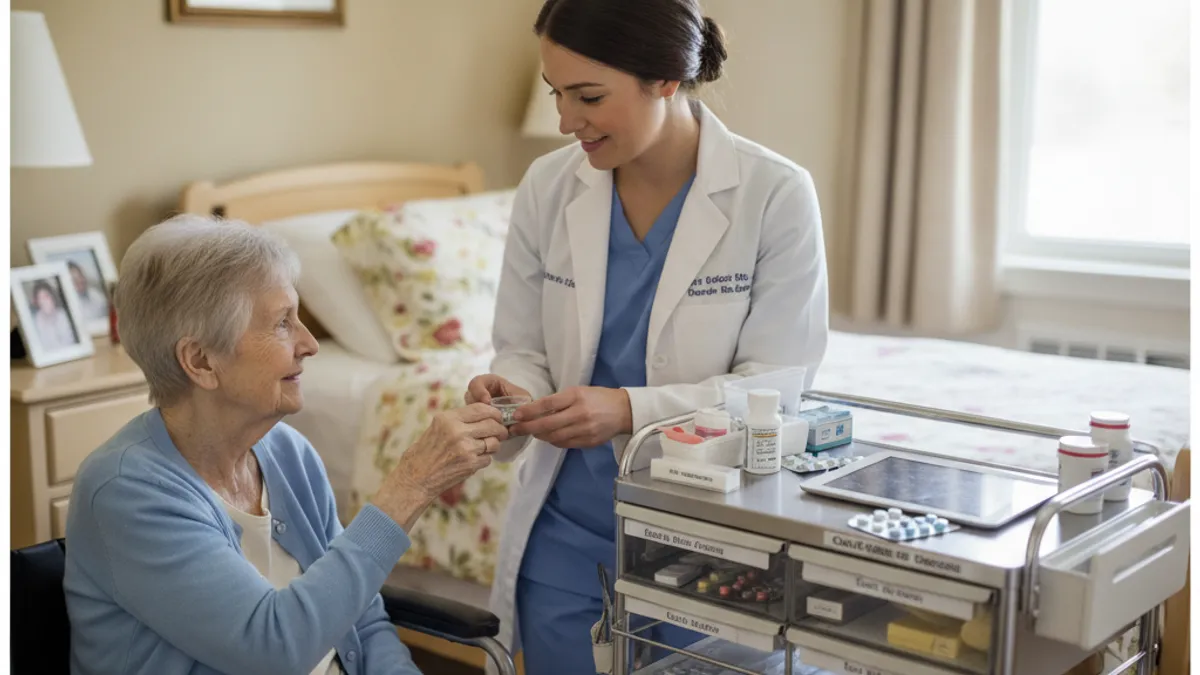
LPNs licensed in other states who want to work in Massachusetts must apply for licensure by endorsement through the Massachusetts Board of Registration in Nursing. Processing times currently range from six to twelve weeks, and some employers will not extend a conditional offer until the Massachusetts license is issued. Begin your endorsement application as early as possible — ideally before you resign from your current position — to avoid a gap in employment.
Getting hired as an LPN in Massachusetts — especially at a competitive hospital or large health system — requires more than a valid license and a filled-out application. Recruiters at major Massachusetts healthcare organizations screen dozens of LPN applications for every open position, and the candidates who move forward are those who demonstrate clinical competence, professional preparation, and a clear understanding of what the role entails. The strategies below are drawn from common feedback that Massachusetts nurse recruiters have shared publicly and through professional nursing forums.
Your resume should be no longer than two pages and should lead with a professional summary that directly addresses the type of LPN role you are targeting. If you are applying for a long-term care charge nurse position, your summary should mention your experience with medication administration, CNA supervision, and care plan documentation. If you are applying to a hospital outpatient clinic, emphasize your patient education, triage experience, and comfort with electronic health records. Generic resumes that do not align with the specific job description are consistently ranked lower by applicant tracking systems and human recruiters alike.
References matter more in healthcare hiring than in many other industries. Massachusetts healthcare employers routinely call LPN references before extending an offer, and a lukewarm or hard-to-reach reference can quietly kill an otherwise strong candidacy. Choose references who can speak specifically to your clinical skills, your reliability under pressure, and your ability to work within a multidisciplinary team. Ideally, at least one reference should be a current or former nurse manager or charge nurse who observed your clinical work directly.
Interview preparation for LPN roles in Massachusetts should include a review of the Massachusetts Nurse Practice Act and the specific scope of practice limitations that apply to LPNs in the state. Interviewers at Massachusetts facilities frequently ask candidates to describe how they handle a situation where they are asked to perform a task that exceeds their LPN scope of practice. The correct answer always involves declining the task respectfully, notifying the supervising RN, and documenting the situation — and demonstrating that you know this process fluently signals clinical maturity to the hiring team.
Networking within the Massachusetts nursing community is an underused but highly effective job search tool. The Massachusetts Association of Registered Nurses (MARN) and local chapters of the National Association for Practical Nurse Education and Service hold networking events, continuing education seminars, and job fairs throughout the year. Attending even one or two of these events puts you in direct contact with nurse managers and recruiters from facilities you might otherwise only know from a job board listing. Many LPN positions in Massachusetts are filled through internal referrals before they are ever posted publicly.
Social media — specifically LinkedIn — plays an increasingly important role in Massachusetts healthcare hiring. Many Massachusetts nurse recruiters actively search LinkedIn for LPN candidates in their region, especially for hard-to-fill positions in behavioral health, correctional nursing, and home health. A complete, professional LinkedIn profile with a current photo, an accurate work history, and a few recommendations from colleagues or supervisors makes you visible to recruiters who are proactively sourcing candidates rather than waiting for inbound applications.
Salary negotiation is appropriate and expected in Massachusetts LPN hiring, though the dynamics vary by employer type. Large hospital systems often have structured pay bands that leave limited room for individual negotiation, but elements like shift differential assignment, sign-on bonus amounts, and education reimbursement terms are frequently negotiable. Smaller facilities and home health agencies tend to have more flexibility on base pay. Research the going rate for the specific role and geography using BLS data and salary aggregators like Glassdoor or Indeed before entering any salary conversation, so you negotiate from a position of informed confidence rather than guesswork.
Finally, persistence pays off in the Massachusetts LPN job market. Positions at top-tier facilities receive many applications, and it is common for highly qualified LPN candidates to apply three to five times before landing an interview at their target employer. Each rejection is an opportunity to refine your application materials, deepen your clinical experience, or pursue an additional certification that strengthens your candidacy. LPNs who treat the job search as a skill to develop — rather than a single event to endure — consistently achieve better outcomes in the Massachusetts market.
Practical preparation for your LPN career in Massachusetts goes well beyond submitting job applications. The most successful LPN job seekers in the state combine strong clinical fundamentals with deliberate professional development activities that signal readiness to employers. This section covers actionable tactics that LPNs at every stage — from newly licensed graduates to experienced nurses entering the Massachusetts market for the first time — can use to build momentum and land the right role faster.
One of the most overlooked preparation strategies is completing a clinical skills checklist before your first interview. Many Massachusetts healthcare employers conduct a brief skills assessment during the hiring process, either as a written test or a demonstrated competency check. Common areas include medication calculation, blood glucose monitoring, nasogastric tube management, and urinary catheter care. If it has been several months since your last clinical rotation or previous position, spending a week reviewing these procedures — using a simulation lab at a local community college or a skills refresher course — can meaningfully improve your performance during employer assessments.
Understanding Massachusetts-specific documentation standards is also valuable preparation. The state's Department of Public Health conducts annual surveys of licensed healthcare facilities, and documentation accuracy is one of the highest-scrutiny areas during these inspections. LPNs who arrive at a new job already familiar with SOAP note structure, MDS (Minimum Data Set) completion for SNF settings, and controlled substance administration record (CSAR) requirements are recognized as higher-value employees from their first week on the floor. Demonstrating this knowledge during an interview — even briefly — distinguishes you from candidates who are learning these standards for the first time on the job.
Time management during a shift is a competency that Massachusetts employers probe heavily in LPN interviews. Charge nurse roles in SNFs, in particular, require an LPN to manage medication carts for 20 to 40 residents while simultaneously fielding calls from physicians, responding to resident emergencies, and supervising CNA staff.
Interviewers often present scenario-based questions like: how would you handle three urgent situations arising simultaneously? Preparing a structured response — triage by clinical acuity, delegate what you can to CNAs, notify the RN supervisor, document everything — and practicing delivering it calmly and confidently is worth investing time in before interview day.
Continuing education credits are mandatory for Massachusetts LPN license renewal, and proactively completing CE courses in high-demand specialty areas serves a dual purpose: it keeps your license current and signals to employers that you take professional development seriously. Online CE platforms such as Relias, Nurse.com, and the American Nurses Association offer Massachusetts-approved LPN CE courses in pain management, infection control, dementia care, and cultural competency — all topics that are directly relevant to Massachusetts LPN practice settings.
Building familiarity with the major electronic health record (EHR) systems used in Massachusetts is a practical investment that shortens your onboarding time at any new employer. Epic is the dominant EHR platform at Mass General Brigham, Boston Medical Center, and many affiliated community hospitals. PointClickCare is the most widely used platform across Massachusetts SNFs and long-term care facilities. If you have not used these systems previously, Epic and PointClickCare both offer free or low-cost online training modules through their websites. Adding EHR proficiency to your resume is a concrete differentiator in a competitive applicant pool.
Mentorship is another resource that Massachusetts LPN job seekers should actively seek out. The Massachusetts nursing community has a strong tradition of experienced nurses supporting newer colleagues, and many Massachusetts healthcare organizations have formal mentorship programs for new hires. If your employer does not have a structured program, consider reaching out directly to an experienced LPN or charge nurse in your facility and asking for informal guidance. Mentors can help you navigate the informal culture of a unit, advocate for you during performance reviews, and alert you to internal promotion opportunities before they are publicly posted.
Finally, maintaining your mental and physical health throughout a demanding LPN job search and early career is not a soft suggestion — it is a clinical and professional necessity. Massachusetts LPNs work in high-stress environments where burnout is a recognized occupational hazard. Building sustainable routines around sleep, exercise, and peer support before you start your first Massachusetts LPN role creates the resilience foundation you will need to deliver safe, compassionate care over a long career. The Massachusetts health system needs skilled, healthy LPNs, and the best thing you can do for your patients is to take care of yourself first.
Sample Certified Practical Nurse Practice Questions
Try these questions from our free Certified Practical Nurse practice tests. The correct answer and an explanation follow each question.
An LPN is inserting a urinary catheter in a female patient. After inflating the balloon, the patient reports pain. What should the LPN do first?
- A. Reassure the patient that this is normal
- B. Deflate the balloon and reposition the catheter
- C. Administer a PRN analgesic
- D. Secure the catheter to the inner thigh and monitor
Answer: B. Deflate the balloon and reposition the catheter
Pain after balloon inflation suggests the balloon may be in the urethra rather than the bladder, requiring immediate deflation and repositioning.
What is the role of a nurse in maintaining professional boundaries?
- A. To be friends with patients
- B. To maintain a professional, therapeutic relationship
- C. To manage personal relationships
- D. To share personal experiences with patients
Answer: B. To maintain a professional, therapeutic relationship
A nurse's role in maintaining professional boundaries is to establish and uphold a clear, professional, and therapeutic relationship with patients. This means avoiding personal involvement, refraining from sharing personal experiences, and ensuring that interactions remain focused on the patient's health needs. Maintaining these boundaries is crucial for fostering trust, ensuring patient safety, and preventing any form of exploitation or misunderstanding within the care relationship.
A postpartum client has lochia rubra on day 6 after delivery with a saturated perineal pad in 1 hour. The LPN should:
- A. Reassure the client that lochia rubra for 6 days is completely normal
- B. Notify the charge nurse — lochia rubra beyond day 3–4 with heavy saturation may indicate postpartum hemorrhage
- C. Instruct the client to change pads more frequently
- D. Advise the client to increase activity to help the uterus contract
Answer: B. Notify the charge nurse — lochia rubra beyond day 3–4 with heavy saturation may indicate postpartum hemorrhage
Lochia typically transitions from rubra (red) to serosa (pink-brown) by day 3–4. Persistent heavy red lochia on day 6 may indicate subinvolution or hemorrhage requiring evaluation.
Which urine output value over 8 hours should the LPN immediately report to the charge nurse or provider?
- A. 320 mL
- B. 280 mL
- C. 180 mL
- D. 400 mL
Answer: C. 180 mL
Urine output below 30 mL/hour (240 mL over 8 hours) indicates oliguria; 180 mL over 8 hours is critically low and requires urgent reporting.
Take the full Certified Practical Nurse practice test
LPN Questions and Answers

LPN Requirements 2026: Complete Guide to Becoming a Licensed Practical Nurse
LPN IV Certification: Complete 2026 Guide to Training, Requirements & Cost

Practical Nurse vs LPN: Are They the Same Thing?

LPN Programs in Florida: Complete 2026 Guide to Accredited Schools, Costs, Requirements & Licensure

LPN Salary Wisconsin 2026: Average Pay, Top Cities, and How to Earn More
About the Author

Registered Nurse & Healthcare Educator
Johns Hopkins University School of NursingDr. Sarah Mitchell is a board-certified registered nurse with over 15 years of clinical and academic experience. She completed her PhD in Nursing Science at Johns Hopkins University and has taught NCLEX preparation and clinical skills courses for nursing students across the United States. Her research focuses on evidence-based exam preparation strategies for healthcare certification candidates.