
LPN Hospital Jobs Near Me: 2026 September Complete Guide to Finding, Landing & Thriving in Hospital LPN Roles
LPN hospital jobs near me: find local hospital LPN openings, salary ranges, hiring requirements, top employers, and proven interview strategies for 2026 September. 🟢

Searching for lpn hospital jobs near me in 2026 means stepping into one of the most accessible, well-paying entry points in American healthcare. Hospitals across the country are actively recruiting Licensed Practical Nurses to fill staffing gaps in medical-surgical units, emergency departments, transitional care floors, rehabilitation wings, and outpatient surgery centers. With nursing shortages forecast to extend well into the next decade, your local hospital system is more likely than ever to interview qualified LPNs quickly, sometimes within days of applying online through their careers portal.
The hospital LPN role looks different in 2026 than it did even five years ago. Many systems that once phased out LPN positions in favor of registered nurses are bringing them back, often with expanded scope on telemetry floors, post-surgical units, and skilled nursing wings inside larger hospitals. You will find LPN openings posted as bedside nurse, charge nurse assistant, infusion LPN, pre-op LPN, and float pool LPN — each carrying slightly different responsibilities and pay bands depending on your state and certification mix.
Compensation is competitive. National averages for hospital-employed LPNs now sit between $26 and $36 per hour, with sign-on bonuses ranging from $2,000 to $15,000 depending on region, shift, and specialty. Night shift differentials add another $3 to $6 per hour, and weekend incentives can push effective hourly rates above $42. Hospitals also tend to offer richer benefits than long-term care facilities, including tuition reimbursement, robust health insurance, retirement matching, and clear career ladders into RN bridge programs sponsored by the employer.
Geography matters more than most candidates realize. The same job title can pay $24/hour in rural Alabama and $41/hour in Seattle or Boston. Cost-of-living adjustments aside, urban academic medical centers, level-one trauma hospitals, and Veterans Affairs systems consistently outpay smaller community hospitals. If you can commute 30 to 45 minutes, you may unlock a meaningfully higher wage. Travel LPN contracts inside hospital systems are also worth investigating once you have a year of acute-care experience under your belt.
Before you click apply, prepare your credentials. Hospitals expect a current state LPN license, BLS certification from the American Heart Association, a clean background check, up-to-date immunizations including hepatitis B and annual influenza, and increasingly an IV therapy certification specific to your state's scope of practice. Many hospital systems also require ACLS or PALS for specialty units like cardiac step-down or pediatrics. If you are still in school, our LPN programs near me guide walks through accredited options that hospital recruiters actually recognize on a resume.
This guide breaks down exactly how to find hospital LPN openings in your zip code, what hiring managers screen for in 2026, which units offer the best learning curve, how to negotiate salary and shift differentials, and what to expect during a typical hospital interview.
We will also cover red flags to watch for in job postings, how to leverage clinical rotations into job offers, and the certifications that put your application at the top of the stack. Whether you are a new graduate or a seasoned LPN pivoting from long-term care, the next 2,400 words give you a complete playbook.
Hospital systems hire continuously, but spring and late summer are peak windows because of budget cycles and nursing-school graduation timing. Setting up job alerts on Indeed, LinkedIn, NurseFly, and individual hospital career sites gives you a 48-hour edge over candidates browsing manually. Combine that with a strong cover letter that mentions specific units, certifications, and your willingness to work nights or weekends, and you dramatically increase your odds of landing the interview.
Hospital LPN Jobs by the Numbers (2026)

Where to Search for Local Hospital LPN Openings
Apply directly through HCA, Ascension, CommonSpirit, Kaiser, Banner, Trinity Health, and HSHS career pages. Direct applications skip recruiter filters and often reach hiring managers within 48 hours, especially for posted requisitions tagged urgent or hard-to-fill.
Indeed, LinkedIn, Glassdoor, ZipRecruiter, and NurseFly pull thousands of hospital LPN postings daily. Set zip code alerts within a 25-mile radius, filter by full-time hospital settings, and refresh searches twice weekly to catch new requisitions before saturation.
Veterans Affairs medical centers hire LPNs as licensed practical nurses at GS-5 to GS-7 federal pay grades, often with full federal benefits. Apply through USAJobs.gov and expect a 60- to 90-day federal hiring timeline with strong job security afterward.
Agencies like Aya Healthcare, Cross Country, Maxim, and Medical Solutions place LPNs in local hospital contracts. Per diem and 13-week assignments often pay 20 to 40 percent above staff rates and serve as a tryout for permanent placement.
If you completed clinicals at a local hospital, contact your clinical instructor and the unit manager directly. Many LPN hires originate from clinical performance referrals, bypassing the formal application queue entirely and accelerating onboarding by weeks.
Understanding which hospital units actually hire LPNs in 2026 saves you time and helps you target the openings where you will get hired fastest. Medical-surgical floors remain the largest employer of hospital LPNs nationwide, accounting for roughly 35 percent of all hospital LPN positions. Med-surg gives new graduates broad exposure to post-operative care, IV maintenance, wound dressings, blood glucose monitoring, ostomy care, and discharge teaching. It is widely considered the best clinical foundation for any LPN planning to bridge to RN within two to five years.
Skilled nursing wings inside hospitals, often called transitional care units or sub-acute floors, are the second-largest employer. These units bridge acute hospitalization and home or long-term care, treating patients who need a few extra days of IV antibiotics, physical therapy, or wound care. LPNs in these settings typically carry six to ten patients per shift, manage complex medication schedules, and coordinate closely with case management for discharge planning. Pay tends to be slightly lower than acute med-surg but workload pacing is more predictable.
Emergency departments hire LPNs in triage support, fast-track, and observation roles. While LPNs cannot independently triage in most states, they assist with vital signs, EKG acquisition, point-of-care testing, splint application, and patient flow management. ED LPN positions usually require at least one year of acute-care experience and BLS plus ACLS certification. Expect twelve-hour shifts, high patient volume, and a steep but rewarding learning curve. If you have wound expertise, our wound care certification for LPN guide explains how to add the WCC credential that ED managers love.
Operating room and pre-op holding units increasingly employ LPNs as scrub assistants, pre-op interview nurses, and post-anesthesia care unit support. These roles typically follow weekday Monday-through-Friday schedules without weekends, making them attractive for LPNs with children or caregiving obligations. The trade-off is that pre-op and PACU positions are highly competitive and often require completion of a hospital-sponsored perioperative course lasting four to eight weeks before independent practice begins.
Behavioral health and psychiatric units provide steady LPN employment in larger hospital systems. Responsibilities include medication administration, safety rounds, milieu management, and supporting RNs during admissions and de-escalation. Many psych-unit LPNs report higher job satisfaction and less physical strain than med-surg counterparts, though emotional intelligence and de-escalation skills are critical. Hospitals often pay a small psychiatric differential, typically one to three dollars per hour above the base LPN rate.
Infusion centers, oncology units, and ambulatory surgery centers within hospital networks round out the major LPN employment areas. Infusion LPNs administer chemotherapy under RN supervision, manage central lines, and monitor for reactions. Oncology positions usually require chemotherapy and biotherapy certification through ONS within the first year of hire. Ambulatory surgery centers offer the most consistent day-shift schedules and minimal weekend coverage, making them a favored destination for experienced LPNs later in their careers.
Float pool LPN positions deserve special attention. Hospital float pools pay premium rates, typically two to five dollars per hour above unit-assigned staff, in exchange for working across multiple units as needed. The variety builds versatile skills quickly and looks impressive on resumes, but it requires comfort with ambiguity, fast onboarding to new charting workflows, and the ability to advocate for yourself when assignments feel unsafe or unfamiliar.
LPN Practice Test Questions
Prepare for the LPN - Certified Practical Nurse exam with our free practice test modules. Each quiz covers key topics to help you pass on your first try.
LPN - Certified Practical Nurse Basic Care...
LPN Exam Questions covering - Certified Practical Nurse Basic Care and Comfort. Master LPN Test concepts for certification prep.
LPN - Certified Practical Nurse Coordinate...
Free LPN Practice Test featuring - Certified Practical Nurse Coordinated Care. Improve your LPN Exam score with mock test prep.
LPN - Certified Practical Nurse Health Pro...
LPN Mock Exam on - Certified Practical Nurse Health Promotion and Maintenance. LPN Study Guide questions to pass on your first try.
LPN - Certified Practical Nurse Pharmacolo...
LPN Test Prep for - Certified Practical Nurse Pharmacological Therapies. Practice LPN Quiz questions and boost your score.
LPN - Certified Practical Nurse Physiologi...
LPN Questions and Answers on - Certified Practical Nurse Physiological Adaptation. Free LPN practice for exam readiness.
LPN - Certified Practical Nurse Psychosoci...
LPN Mock Test covering - Certified Practical Nurse Psychosocial Integrity. Online LPN Test practice with instant feedback.
LPN - Certified Practical Nurse Reduction ...
Free LPN Quiz on - Certified Practical Nurse Reduction of Risk Potential. LPN Exam prep questions with detailed explanations.
LPN - Certified Practical Nurse Safety and...
LPN Practice Questions for - Certified Practical Nurse Safety and Infection Control. Build confidence for your LPN certification exam.
LPN Ethical, Legal & Professional Standards
LPN Test Online for Ethical, Legal & Professional Standards. Free practice with instant results and feedback.
LPN Health Evaluation & Monitoring
LPN Study Material on Health Evaluation & Monitoring. Prepare effectively with real exam-style questions.
Salary, Shifts & Benefits at Hospital LPN Jobs Near You
Hospital LPN base pay in 2026 ranges from $26 to $36 per hour depending on geography, experience, and unit specialty. Urban academic medical centers in California, Massachusetts, Washington, and New York consistently lead the pay bands, sometimes exceeding $40 per hour for experienced LPNs on critical-access shifts. Rural community hospitals in the South and Midwest tend to anchor the lower end, although sign-on bonuses often close the gap meaningfully for first-year hires willing to commit to a two-year retention agreement.
Differentials add real money. Night shift differentials average $3 to $6 per hour, weekend rates add $4 to $8 per hour, and charge or preceptor pay adds another $1 to $3. Holiday shifts often pay time-and-a-half or double time. Stacking a Friday-Saturday-Sunday night rotation can lift effective hourly wages above $45 for an LPN whose base rate is $32, which is why night shifts fill so quickly in competitive hospital markets nationwide.

Hospital LPN Jobs vs Long-Term Care: Which Wins?
- +Higher base hourly wages and richer benefits packages than nursing-home settings
- +Strong tuition reimbursement that pays for LPN-to-RN bridge programs
- +Variety of units and specialties to build broad clinical experience
- +Access to advanced equipment, electronic charting, and interdisciplinary teams
- +Clear career ladders into charge nurse, preceptor, and specialty certification tracks
- +Sign-on bonuses and shift differentials that meaningfully boost annual income
- +Better staffing ratios on most acute-care units compared to skilled nursing
- −Higher acuity and faster pace can overwhelm new graduates initially
- −Twelve-hour shifts and weekend rotations are physically demanding long-term
- −Some hospitals limit LPN scope on medications, IV pushes, or assessments
- −Float pool and cross-training expectations can feel chaotic the first year
- −Union and non-union hospitals have very different cultures and contracts
- −Charting in Epic, Cerner, or Meditech requires steep technology learning curves
- −Competition for day-shift positions is intense; nights are often the only entry point
Hospital LPN Application Checklist: Documents & Credentials
- ✓Current, unrestricted state LPN license with verification through Nursys e-Notify
- ✓BLS for Healthcare Providers from American Heart Association (not online-only versions)
- ✓Updated resume listing clinical rotations, units, EMR systems, and patient populations
- ✓Two professional references including at least one clinical instructor or nurse manager
- ✓Immunization records: MMR, varicella, hepatitis B series, Tdap, annual influenza, TB clearance
- ✓COVID-19 vaccination records or documented medical or religious exemption
- ✓IV therapy certification meeting your state scope of practice requirements
- ✓ACLS or PALS certification if applying to ED, ICU, step-down, or pediatric units
- ✓Cover letter customized to the specific hospital system and unit you are applying to
- ✓Clean criminal background check and 10-panel drug screen completed within 90 days
- ✓Social Security card, government photo ID, and I-9 work-authorization documentation
- ✓Recent reference letters from preceptors or instructors highlighting acute-care strengths
Timing your application matters more than you think
Hospital recruiters review the highest volume of applications on Tuesdays, Wednesdays, and Thursdays. Submissions sent Friday afternoon or over the weekend often sit unopened until the following Monday, by which point dozens of newer applications have piled on top. Applying mid-week between 8 and 10 AM local time gives your resume the best chance of being one of the first ten reviewed for any given requisition, increasing interview callbacks by an estimated 30 percent.
Hospital LPN interviews in 2026 follow predictable patterns, and preparing for them deliberately separates candidates who get offers from those who get polite rejection emails. Most hospitals run a two-stage process: an initial screening with a recruiter or talent acquisition specialist focused on credentials, scheduling, and salary expectations, followed by a panel or unit-manager interview centered on clinical scenarios, teamwork, and unit fit. Expect the entire process to take seven to twenty-one days from application to offer letter.
The recruiter screen lasts 20 to 30 minutes and focuses on logistics. Be ready to confirm your license status, certifications, availability for nights or weekends, salary expectations, and reasons for leaving your current employer. Have a clear, non-defensive answer prepared if you are leaving long-term care or a previous hospital, framing the move toward opportunity rather than away from problems. Recruiters note candidates who speak negatively about prior employers and often quietly screen them out.
The clinical interview is where offers are won or lost. Expect behavioral questions following the STAR format: Situation, Task, Action, Result. Common prompts include describing a time you handled a difficult patient or family, identified a medication error, advocated for a patient, managed a heavy assignment, or resolved conflict with a coworker. Prepare four or five strong stories from clinical rotations or prior work that you can adapt to multiple question variations during the conversation.
Clinical knowledge questions matter too. Be ready to discuss medication reconciliation, fall prevention protocols, the chain of command for reporting concerns, infection prevention bundles, and basic dosage calculations. Many hospitals administer a brief medication math test or a NCLEX-style competency screen during the interview day. Brushing up with a quality LPN practice test PDF the night before pays measurable dividends in confidence and accuracy during these on-the-spot assessments.
Always prepare three to five questions to ask your interviewer. Strong examples include questions about typical patient ratios on the unit, charge nurse and preceptor support during orientation, length of unit-specific orientation and competency sign-off, tuition reimbursement timing and approval, and opportunities for cross-training. Avoid leading with salary and benefits questions during the clinical interview; save those conversations for the recruiter who handles the formal offer negotiation later.
Dress professionally even for virtual interviews. Solid neutral colors, minimal jewelry, neat hair, and clean nails communicate that you will represent the hospital well at the bedside. Test your video, audio, and lighting at least 30 minutes before any Zoom or Microsoft Teams interview. Have your resume, license, and certifications ready in printed and digital form. Send a brief, personalized thank-you email within four hours of the interview to each participant by name, referencing one specific topic discussed.
Salary negotiation deserves intentional preparation. Hospital systems usually have published pay bands with five to fifteen percent flexibility based on experience and certifications. If the initial offer feels low, ask for documentation of the pay band, then make a single counter-offer based on specific factors: years of experience, specialty certifications, willingness to work overnight or weekends, and any competing offers. Most recruiters expect one round of negotiation and will not withdraw an offer because you asked politely.

Postings that have remained open for more than 90 days, list unusually high sign-on bonuses without retention requirements, or repeatedly cycle through different recruiters often signal underlying staffing or culture problems. Before accepting any offer, check Glassdoor and Indeed reviews for the specific unit and ask during the interview about average tenure, turnover rate, and standard nurse-to-patient ratios on day and night shifts.
Your first 90 days as a hospital LPN set the tone for your entire career at that employer, and approaching them strategically dramatically accelerates your growth, reputation, and earning potential. Most hospital orientation programs span four to twelve weeks depending on unit complexity. Med-surg orientation typically runs four to six weeks, while step-down, behavioral health, and specialty units extend to eight or twelve weeks. Take notes obsessively during this period; you will reference them constantly for the first six months.
Pair early with a strong preceptor and treat that relationship as one of the most important investments you can make. Ask clarifying questions, request feedback at the end of each shift, and document the policies, protocols, and unit-specific workflows you learn. Bring a small notebook into every shift. Hospital systems vary widely in how they handle straightforward tasks like blood glucose protocols, fall prevention rounding, and bedside shift report. Mastering local practice quickly signals competence to your charge nurse and manager.
Learn the electronic medical record cold within your first month. Epic, Cerner, Meditech, and Allscripts each have idiosyncratic workflows for medication administration, charting assessments, and submitting orders to the right discipline. Most hospitals offer ongoing EMR training sessions; attend every optional class you can. LPNs who chart accurately, completely, and efficiently are noticed by managers and protected from documentation-related discipline that can otherwise derail an otherwise excellent clinical performer.
Build relationships intentionally across disciplines. Introduce yourself to the unit secretaries, certified nursing assistants, respiratory therapists, case managers, physical therapists, and physicians who round on your floor. These relationships make every shift smoother and accelerate your visibility for advancement. CNAs and unit secretaries often know more about unit politics, who is hiring internally, and which units have openings before they post publicly than anyone else in the building combined.
Pursue at least one additional certification within your first year. Wound care, IV therapy, gerontology, infusion nursing, and rehabilitation nursing are all certifications that hospitals value and often reimburse fully. Each credential typically adds one to three dollars per hour to your base rate at large hospital systems, and certified LPNs are frequently first in line for charge nurse rotations, preceptor assignments, and float pool premium positions. Track your continuing education hours carefully for state license renewal too.
Plan your career trajectory deliberately from day one. If your goal is to bridge to RN, identify the tuition reimbursement deadlines, GPA requirements, and pre-requisite courses at programs your employer supports. Speaking with three or four LPNs who recently became RNs at the same hospital helps you avoid common pitfalls. If staying as an LPN is your goal, target specialty certifications, charge nurse opportunities, and leadership roles such as unit education coordinator or staffing lead, which often pay competitive salaries with day-shift hours.
Finally, protect your physical and mental health relentlessly. Hospital nursing burns out professionals who neglect sleep, nutrition, hydration, and recovery. Wear compression socks, invest in quality nursing shoes, schedule actual rest days, and use your employee assistance program if you struggle emotionally with patient deaths or critical events. The LPNs who thrive long-term in hospital settings are not the ones who push hardest in their first year, but the ones who pace themselves and protect their boundaries from the start.
Beyond the application and onboarding mechanics, a handful of practical habits reliably distinguish hospital LPNs who advance from those who plateau. The first is treating every shift as if you might be observed for a promotion. Charge nurses and unit managers notice the LPN who arrives ten minutes early, takes a thoughtful handoff report, answers call lights for other nurses, and stays calm during codes and rapid responses. These small consistent behaviors are remembered when charge, preceptor, and leadership openings become available later in the year.
Document everything you do, see, and learn. Keep a personal log of difficult cases, new procedures, unusual medications, and skills you observed RNs perform that you want to ask about later. This log becomes invaluable when you apply for specialty certifications, internal transfers, or bridge program admissions. It also serves as concrete evidence of your competence during annual performance reviews, when many hospitals tie merit raises and promotion eligibility directly to documented professional growth and skill expansion over the year.
Network beyond your immediate unit. Hospital systems are large organizations where opportunities frequently emerge through informal channels rather than posted requisitions. Join the shared governance council, volunteer for unit-based committees, attend grand rounds when invited, and participate in hospital-wide events. LPNs who become known across multiple units often hear about float pool openings, specialty transfers, and educational opportunities weeks before they are formally announced through standard internal job boards or recruiter outreach campaigns.
Track your continuing education proactively. Most states require 20 to 30 contact hours every renewal cycle, and hospitals typically offer free in-house CE through annual competencies, code blue training, infection control modules, and grand rounds. Save all certificates in both paper and digital form. When your renewal cycle approaches, you will not scramble to find missing hours. Several apps including CE Broker and Nurse.com track this automatically and integrate with most state board renewal portals seamlessly without significant effort.
Negotiate raises annually with data. Most hospital systems offer one percent to three percent merit increases automatically, but LPNs who present concrete evidence of expanded scope, new certifications, perfect attendance, preceptor work, committee participation, and quality-improvement contributions frequently negotiate raises of four to seven percent. Schedule a formal conversation with your manager 60 days before your annual review with a written summary of accomplishments. Approach the meeting with confidence rather than entitlement, and treat it as a partnership rather than a confrontation.
Finally, stay current with industry trends through the National Federation of Licensed Practical Nurses, the National Association of Licensed Practical Nurses, your state nursing association, and journals like the Journal of Practical Nursing. Understanding policy debates around LPN scope expansion, telemetry monitoring, IV therapy authority, and bridge-program funding helps you anticipate where opportunities will emerge over the next five years. If you are considering further education, our LPN program cost guide breaks down realistic budgets for the ADN and BSN paths.
The hospital LPN role is one of the most stable, scalable, and rewarding entry points into modern American healthcare. Demand will continue to outpace supply through 2030, salaries will keep climbing, and pathways into RN, specialty certification, and leadership remain wide open for LPNs who approach the work strategically. With a focused job search, solid interview preparation, and intentional first-year habits, you can land a hospital LPN role near you in 2026 and build a fulfilling, well-paid career from there.
LPN Questions and Answers

LPN Practice Test PDF (Free Printable 2026)

Wound Care Certification for LPN: 2026 Complete Guide to WCC, CWCA & Specialty Credentials

LPN Program Cost: Complete 2026 Tuition & Fees Guide
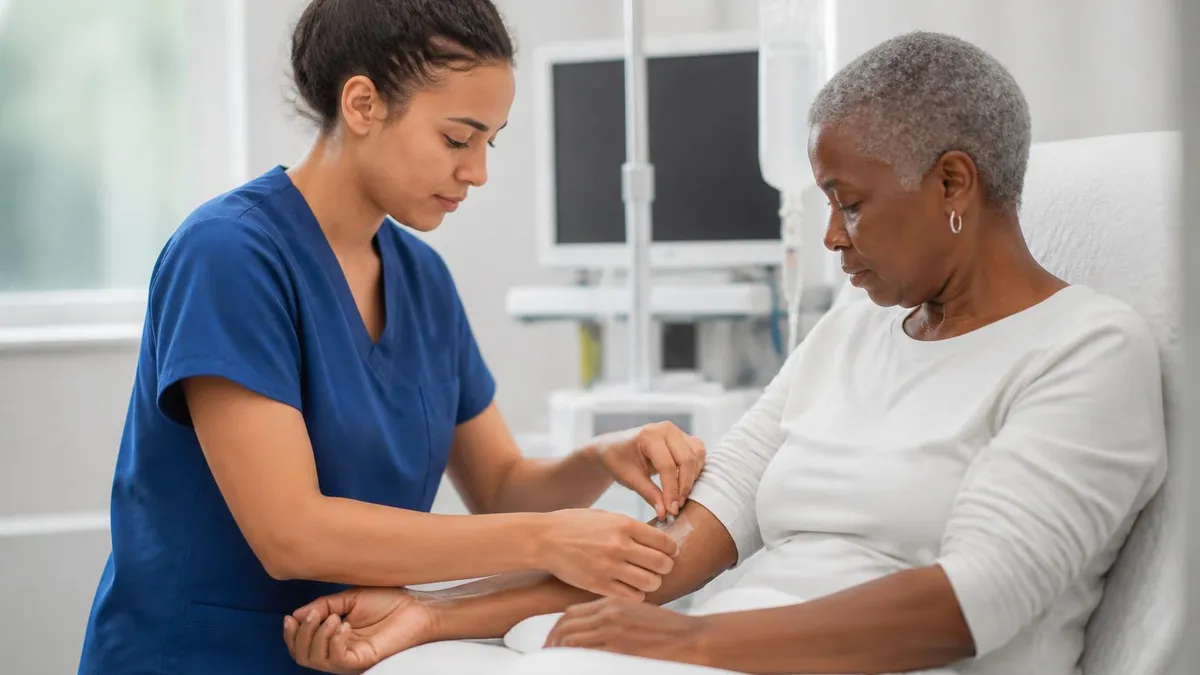
LPN Programs Near Me 2026: Find Accredited Schools & Costs
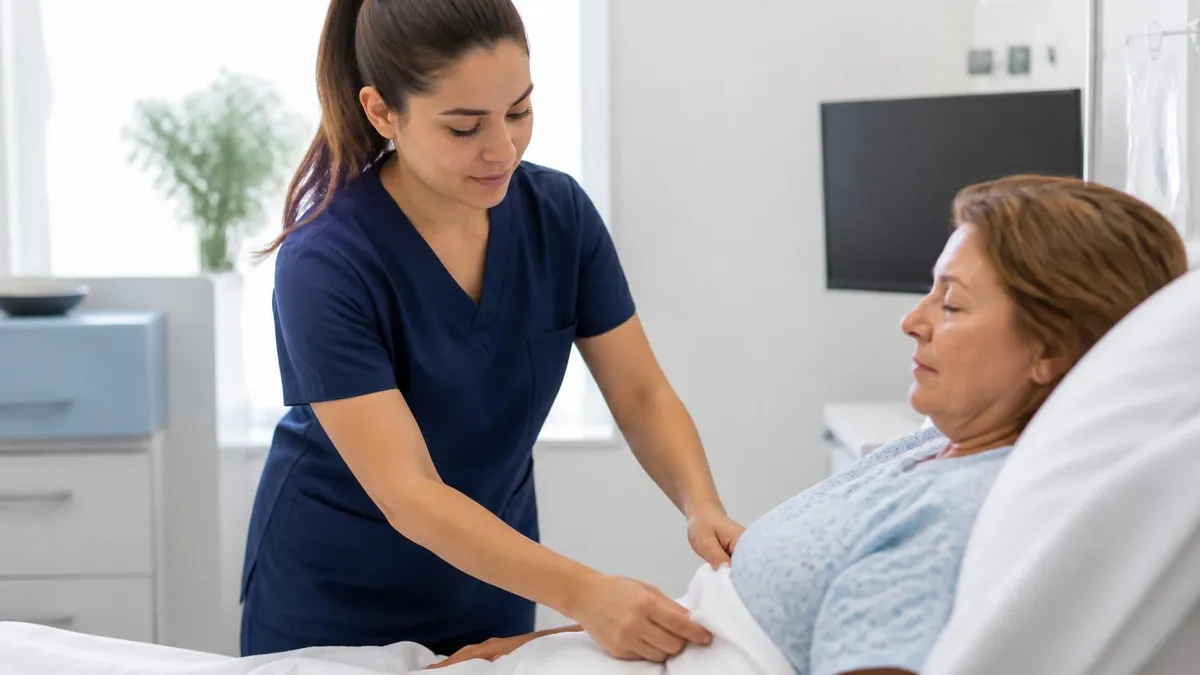
Macomb LPN Program: Complete 2026 Guide to Specific LPN Programs, Admission Requirements, Cost & Career Outcomes
About the Author

Registered Nurse & Healthcare Educator
Johns Hopkins University School of NursingDr. Sarah Mitchell is a board-certified registered nurse with over 15 years of clinical and academic experience. She completed her PhD in Nursing Science at Johns Hopkins University and has taught NCLEX preparation and clinical skills courses for nursing students across the United States. Her research focuses on evidence-based exam preparation strategies for healthcare certification candidates.
Join the Discussion
Connect with other students preparing for this exam. Share tips, ask questions, and get advice from people who have been there.
View discussion (7 replies)