
LPN Career Guide 2026 October: Salary, Job Outlook, Specialties & Career Path
Explore the LPN career in 2026 October: salary ranges, job outlook, top specialties, work settings, advancement paths, and how to launch your nursing future. 💯

A modern lpn career offers one of the fastest, most affordable entry points into professional healthcare, combining bedside patient care with strong job security and meaningful advancement opportunities. Licensed Practical Nurses (LPNs), known as Licensed Vocational Nurses (LVNs) in Texas and California, work alongside registered nurses and physicians to deliver hands-on care in hospitals, long-term care facilities, clinics, home health, and rehabilitation centers. With training that typically lasts only 12 to 18 months, the LPN pathway lets you start earning a nursing salary years sooner than traditional RN routes.
The demand for practical nurses continues to rise as the U.S. population ages and chronic disease management shifts increasingly to outpatient and long-term settings. The Bureau of Labor Statistics projects steady job growth through 2032, with roughly 54,000 LPN openings each year driven by retirements, attrition, and expansion in skilled nursing facilities. This stable demand makes the LPN role one of the most reliable healthcare careers for new graduates seeking immediate employment after passing the NCLEX-PN licensure examination.
What surprises many new nurses is how flexible the LPN career has become. Modern LPNs are no longer limited to nursing homes; they now serve in pediatric clinics, dialysis centers, correctional facilities, school nursing, behavioral health, hospice, oncology infusion suites, and even telehealth triage roles. Each setting offers different schedules, patient populations, and skill demands, allowing nurses to build a personalized career path that matches their lifestyle, financial goals, and clinical interests over time.
Compensation for LPNs has also grown meaningfully over the past five years. The national median wage now sits near $59,000 annually, with top earners in specialized or unionized settings exceeding $75,000 before overtime. Geographic location, shift differentials, certifications, and years of experience all influence pay. Many LPNs further boost income through sign-on bonuses, weekend premiums, and specialty credentials in wound care, IV therapy, geriatrics, or hospice — credentials that often pay for themselves within months of certification.
Beyond salary, an LPN career provides a clear ladder for upward mobility. Many practical nurses use the role as a launchpad to become registered nurses through LPN-to-RN or LPN-to-BSN bridge programs, while others pursue leadership roles such as charge nurse, MDS coordinator, or director of nursing in long-term care. Employers frequently offer tuition reimbursement, making the transition financially feasible and aligning your education with the workplace where you already understand the workflow, team dynamics, and patient population.
Whether you are evaluating nursing for the first time, returning to the workforce, or transitioning from another healthcare role like CNA or medical assistant, understanding the realities of the LPN career — the daily duties, training requirements, earning potential, specialty options, and long-term trajectory — is essential to making an informed decision. This 2026 guide walks you through every dimension of the profession so you can plan confidently and start strong on day one of your first nursing role.
You will also find practical insights on choosing the right program, preparing for the NCLEX-PN, picking your first job setting, and continuing to grow your scope of practice through certifications and bridge programs. Each section is built around current labor market data, state board regulations, and feedback from working LPNs across multiple specialties. By the end, you will have a complete roadmap for entering, succeeding in, and advancing through the practical nursing profession in the United States.
LPN Career by the Numbers (2026)
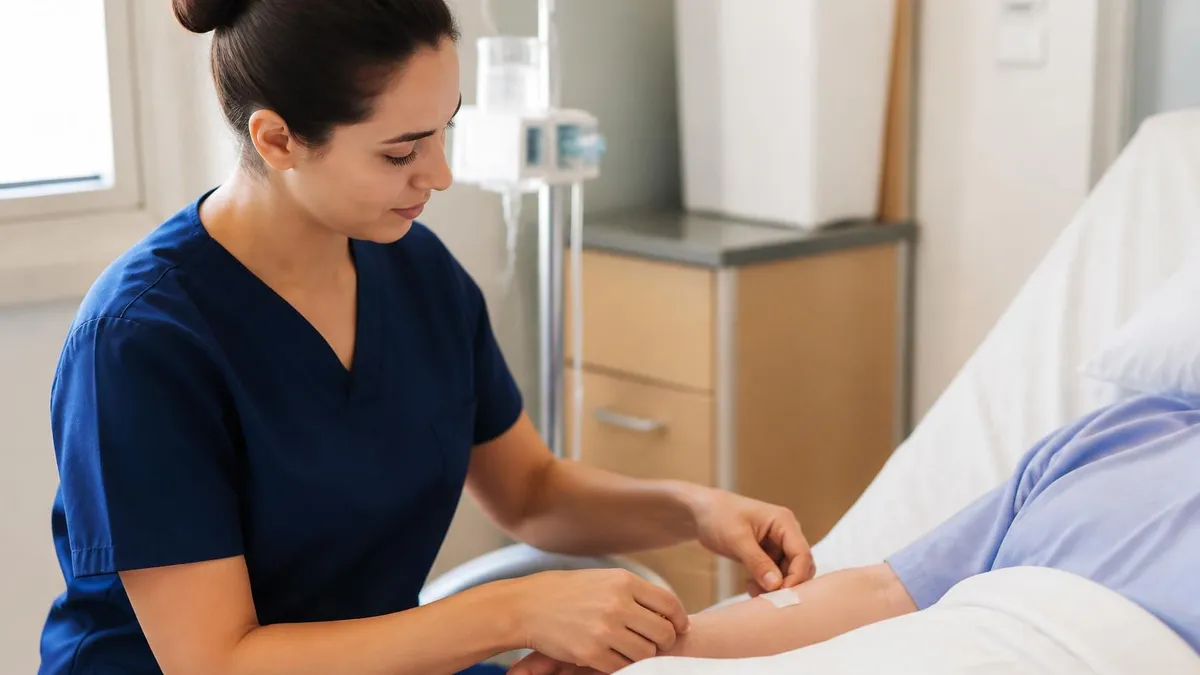
LPN Career Path: From Student to Specialist
Choose a state-approved practical nursing program at a community college, technical school, or hospital-based institute. Programs typically run 12–18 months and combine classroom theory with supervised clinical rotations in real healthcare facilities.
After graduation, apply to your state board, complete fingerprinting, and sit for the National Council Licensure Examination for Practical Nurses. The computerized adaptive test covers safety, pharmacology, and patient care fundamentals.
Most new graduates start in long-term care, rehabilitation, or sub-acute settings where mentorship is structured and patient ratios allow learning. Expect a 4–8 week orientation with a preceptor before independent assignments.
After 1–2 years, pursue credentials in IV therapy, wound care, gerontology, hospice, or infusion. These certifications expand your scope, increase pay, and open doors to specialty units and outpatient clinics.
Use LPN-to-RN, LPN-to-BSN, or LPN-to-paramedic bridge programs to climb the clinical ladder. Many employers offer tuition reimbursement, making continued education affordable while you keep working full-time.
The daily responsibilities of an LPN center on direct patient care under the supervision of registered nurses, nurse practitioners, or physicians. A typical shift involves assessing vital signs, administering medications, dressing wounds, monitoring patient responses to treatment, documenting in electronic health records, and communicating changes in condition to the care team. LPNs are often the first nurses patients see and the last who tuck them in at night, making relational skills as important as clinical proficiency in this hands-on role.
Scope of practice is defined by each state's Nurse Practice Act, which means an LPN's allowed tasks can vary significantly across state lines. In some states, LPNs may start IVs, push certain medications, hang blood products, or supervise CNAs; in others, those tasks remain exclusive to registered nurses. Before accepting a job offer, every LPN should review their state board's current practice rules to confirm that the position's expected duties fall within the legal scope and within personal competency.
Medication administration is one of the most consequential duties of the LPN role. Practical nurses must understand pharmacology basics, calculate dosages accurately, recognize adverse effects, and educate patients and families about safe medication use at home. Most facilities use electronic medication administration records (eMAR) and barcode scanning to reduce errors, but the nurse's clinical judgment remains the final safeguard. Strong math skills and the ability to question unusual orders professionally are non-negotiable competencies.
Wound care, ostomy management, catheter insertion, tracheostomy care, and tube feedings are everyday skills in long-term and sub-acute settings. Many LPNs become local experts in skin integrity, pressure injury prevention, and chronic wound healing — areas where certified specialists can command premium pay. Routine assessments, repositioning schedules, and nutritional monitoring all fall under the LPN's responsibility, and careful documentation protects both patients and the nurse's license during state inspections and litigation.
Communication and teamwork dominate the rest of the shift. LPNs coordinate with RNs during hand-off reports, update physicians during rounds, call families with status changes, and translate complex medical information into plain language at the bedside. Inside the team, LPNs often act as the bridge between bedside CNAs and supervising RNs, ensuring that delegated tasks are completed safely and that patient concerns escalate quickly to the right level of clinical decision-maker.
Documentation has expanded considerably in modern practice. LPNs must chart assessments, interventions, medication responses, education provided, and care plan updates in real time. Accurate documentation drives reimbursement, supports interdisciplinary care planning, and provides legal evidence of the care delivered. Time management around charting can make or break a shift, and most successful LPNs build the habit of documenting at the point of care rather than batching notes at the end of a long, exhausting day.
Finally, an LPN's day requires emotional intelligence. You will comfort patients facing terminal diagnoses, support families through difficult decisions, and de-escalate situations involving confused or anxious residents. Compassion fatigue is real, and the most resilient LPNs develop intentional self-care habits, lean on peer support, and recognize when to step back and recharge. For students preparing for this reality, the LPN Nursing Care & Clinical Skills Practice Test simulates many of the bedside scenarios you will actually encounter.
LPN Practice Test Questions
Prepare for the LPN - Certified Practical Nurse exam with our free practice test modules. Each quiz covers key topics to help you pass on your first try.
LPN - Certified Practical Nurse Basic Care...
LPN Exam Questions covering - Certified Practical Nurse Basic Care and Comfort. Master LPN Test concepts for certification prep.
LPN - Certified Practical Nurse Coordinate...
Free LPN Practice Test featuring - Certified Practical Nurse Coordinated Care. Improve your LPN Exam score with mock test prep.
LPN - Certified Practical Nurse Health Pro...
LPN Mock Exam on - Certified Practical Nurse Health Promotion and Maintenance. LPN Study Guide questions to pass on your first try.
LPN - Certified Practical Nurse Pharmacolo...
LPN Test Prep for - Certified Practical Nurse Pharmacological Therapies. Practice LPN Quiz questions and boost your score.
LPN - Certified Practical Nurse Physiologi...
LPN Questions and Answers on - Certified Practical Nurse Physiological Adaptation. Free LPN practice for exam readiness.
LPN - Certified Practical Nurse Psychosoci...
LPN Mock Test covering - Certified Practical Nurse Psychosocial Integrity. Online LPN Test practice with instant feedback.
LPN - Certified Practical Nurse Reduction ...
Free LPN Quiz on - Certified Practical Nurse Reduction of Risk Potential. LPN Exam prep questions with detailed explanations.
LPN - Certified Practical Nurse Safety and...
LPN Practice Questions for - Certified Practical Nurse Safety and Infection Control. Build confidence for your LPN certification exam.
LPN Ethical, Legal & Professional Standards
LPN Test Online for Ethical, Legal & Professional Standards. Free practice with instant results and feedback.
LPN Health Evaluation & Monitoring
LPN Study Material on Health Evaluation & Monitoring. Prepare effectively with real exam-style questions.
Top Work Settings in an LPN Career
Skilled nursing facilities (SNFs), assisted living communities, and memory care units remain the largest single employer of LPNs in the United States. Residents typically have multiple chronic conditions, complex medication regimens, and rehabilitation goals after hospital discharge. LPNs often serve as charge nurses, supervising CNAs, managing medication passes, and coordinating with physicians and family members daily.
The setting offers strong autonomy, predictable schedules, and excellent skill development in geriatrics, wound care, dementia care, and end-of-life support. New graduates frequently begin here because orientations are strong, the team-based culture is supportive, and the patient ratios allow time to build clinical confidence. Many LPNs build entire 30-year careers in long-term care, eventually moving into MDS coordination or unit management roles.
Is an LPN Career Right for You? Pros and Cons
- +Short, affordable training pathway (12–18 months)
- +Strong job security with steady nationwide demand
- +Multiple work settings and flexible scheduling options
- +Clear advancement path to RN, BSN, and beyond
- +Hands-on patient care from day one of licensure
- +Tuition reimbursement common from employers
- +Lower student debt than four-year nursing degrees
- −Lower ceiling on independent practice than RNs
- −Scope of practice varies significantly by state
- −Physical demands include lifting, standing, and long shifts
- −Night, weekend, and holiday shifts common in facilities
- −Emotional toll from chronic illness and end-of-life care
- −Some hospitals are phasing out LPN bedside roles
- −Limited leadership opportunities without RN credential
LPN Career Readiness Checklist
- ✓Research your state's Nurse Practice Act and LPN scope of practice
- ✓Confirm your chosen PN program is state-board approved and accredited
- ✓Save funds for tuition, books, uniforms, and licensure application fees
- ✓Complete prerequisite courses such as anatomy, biology, and English
- ✓Pass entrance exams like the TEAS or HESI if required by your school
- ✓Schedule a CPR-BLS certification before clinical rotations begin
- ✓Build a study routine for the NCLEX-PN during your final semester
- ✓Create a resume highlighting clinical experience and soft skills
- ✓Apply for state licensure and authorization to test (ATT) early
- ✓Network with preceptors and instructors who can write recommendations
- ✓Identify 2–3 work settings of interest before graduation interviews
- ✓Plan an emergency fund covering 30–60 days of post-licensure expenses
Start studying for NCLEX-PN on Day One
The most successful LPN graduates do not wait until their final semester to prepare for licensure. They review question-style content weekly from the moment they begin nursing school, treating every classroom topic as a future test item. This builds long-term retention, reduces panic during the final weeks before testing, and consistently produces first-time pass rates above the national average — accelerating your career launch by months.
Salary remains one of the most-asked questions about the LPN career, and the answer depends heavily on geography, setting, shift, and experience. The Bureau of Labor Statistics reports a national median annual wage near $59,730, with the bottom 10 percent earning around $44,000 and the top 10 percent exceeding $77,000. Hourly equivalents range from roughly $21 to $37 per hour before differentials, overtime, and bonuses are factored in. These figures place LPNs comfortably above the median U.S. worker income.
Geographic location dramatically influences pay. States with high cost of living and strong unionization — including California, Washington, Alaska, Massachusetts, and New Jersey — consistently report top-tier LPN wages, often $35 to $42 per hour for experienced nurses. By contrast, lower cost-of-living states in the South and Midwest may offer $22 to $28 per hour, but the purchasing power of those wages can be comparable once housing, taxes, and transportation are considered. Remote and rural facilities often add recruitment bonuses to bridge gaps.
Work setting also plays a major role in compensation structure. Skilled nursing facilities and rehabilitation centers typically offer the highest hourly base pay along with shift differentials of $2 to $6 per hour for evenings, nights, and weekends. Hospitals often pay slightly less per hour but provide strong benefits, tuition reimbursement, and predictable career ladders. Outpatient clinics offer lower hourly rates but no nights or weekends — an invisible raise for nurses with families or second jobs.
Specialty certifications meaningfully boost earnings. LPNs credentialed in IV therapy, wound care (WCC or CWCA), gerontology (CALN), hospice, or dialysis routinely earn $3 to $8 more per hour than non-certified peers. Many of these certifications can be earned online in eight to twelve weeks for under $1,500 and pay for themselves within a single quarter. Employers often cover the cost when nurses commit to staying in the specialty unit for a defined period.
Travel LPN positions have emerged as another significant earning lever. Travel nurses fill short-term contracts in facilities experiencing staffing shortages, often earning $1,800 to $2,800 per week including housing stipends and travel allowances. While the pay premium is attractive, travel LPNs must hold compact licensure or multiple state licenses, adapt quickly to new electronic health records, and tolerate frequent relocation — a lifestyle that suits some nurses far better than others.
Beyond base pay, LPNs should evaluate total compensation, including health insurance, retirement matching, paid time off, continuing education stipends, and sign-on or retention bonuses. A facility offering $26 per hour with a $5,000 sign-on bonus, full benefits, and tuition reimbursement may outperform a $30-per-hour job with limited benefits over a three-year horizon. Always model the full package before accepting an offer to avoid leaving thousands of dollars on the table.
Finally, salary growth over the career arc is meaningful but not automatic. LPNs who pursue certifications, accept charge-nurse responsibilities, transition into MDS coordination, or move into supervisory roles often double their starting wage within 10 years. Those who stay in the same staff role at the same facility may see only modest cost-of-living adjustments. Active career management — including periodic resume updates and market salary checks every two years — is essential to capture your full earning potential.
Before accepting any LPN position, verify which clinical tasks are legal for LPNs in that state. Practices like IV push medications, blood product administration, and certain assessments are permitted in some states but prohibited in others — even when employers ask you to perform them. Practicing outside your legal scope can result in license suspension, civil liability, and termination. Always consult your state board of nursing directly when in doubt.
Career advancement is one of the strongest reasons to choose the LPN pathway as a starting point in nursing. Unlike many entry-level healthcare roles, the LPN credential connects directly into established educational ladders that can carry you from bedside care all the way to advanced practice nursing. The most common next step is the LPN-to-RN bridge program, which awards an Associate Degree in Nursing (ADN) in roughly 12 to 18 months for working LPNs. Tuition reimbursement is widely available.
For nurses seeking maximum long-term flexibility, the LPN-to-BSN route delivers a Bachelor of Science in Nursing in two to three years and unlocks opportunities in management, public health, case management, and graduate study. Many universities now run fully online or hybrid LPN-to-BSN programs designed specifically for working nurses, with clinical hours arranged near your home. BSN graduates earn an average of $7,000 to $15,000 more per year than ADN-prepared RNs, and the gap continues to grow.
Beyond formal degree pathways, LPNs build careers through targeted certifications. Wound care credentials like the WCC or CWCA, IV therapy certifications, hospice and palliative care credentials, gerontology certifications, and infection prevention specialties all increase scope, pay, and marketability. Most are achievable in three to six months alongside full-time work. For a deeper dive into one of the most valuable LPN credentials, review our complete guide on wound care certification options and exam prep strategies.
Leadership advancement within facilities is another underrated path. Experienced LPNs frequently move into charge-nurse, shift-supervisor, MDS-coordinator, and staff-development roles. Some skilled nursing facilities even employ LPN directors of nursing in states where the law permits. These positions blend clinical expertise with management, scheduling, regulatory compliance, and quality improvement work, and they often pay comparably to entry-level RN positions while using the LPN's deep practical experience.
Cross-training into adjacent healthcare careers is also possible. Some LPNs transition into surgical technology, dialysis technology, radiology technology, paramedicine, or public-health roles using their nursing foundation as a powerful prerequisite. Others move into pharmaceutical sales, medical device education, insurance utilization review, legal nurse consulting, and case management, often at higher salaries and with reduced physical demands. The clinical credibility of an LPN credential opens doors that pure administrative backgrounds cannot.
Online and hybrid education has lowered barriers like never before. Modern LPN-to-RN programs allow students to complete didactic content asynchronously while attending clinicals locally on weekends. Costs vary widely — public community colleges often charge $6,000 to $12,000 total, while private universities may exceed $30,000. For a detailed look at program economics across the country, see our breakdown of LPN program cost data and financial aid strategies.
Throughout your career, continuing-education requirements set by your state board will keep your license active. Most states require 20 to 30 contact hours every two years, and many employers offer free CEUs through partnerships with platforms like Relias and Medbridge. Treat CEUs strategically: choose courses aligned with your next career move, not just whatever is easiest, and you will accumulate marketable expertise that compounds over decades in this remarkable profession.
Launching successfully into the LPN career takes more than passing the NCLEX-PN; it takes deliberate first-year planning. Your first 90 days set the tone for the rest of your professional life, so choose an employer with a structured orientation, an assigned preceptor, and a culture of safe questioning. Avoid facilities where new graduates are thrown onto the floor solo within a week. Strong onboarding pays dividends in clinical confidence, retention, and long-term skill development that lasts well beyond your first job.
Build a clinical reference toolkit from day one. A pocket drug guide, a lab values card, an abbreviation list approved by your facility, and a personal notes app with quick references for emergency protocols will save you countless minutes during busy shifts. Many seasoned LPNs maintain a private cheat sheet of common physician preferences, family contact rules, and unit-specific quirks. These small artifacts compound into significant time savings and noticeably reduced stress over the course of a typical year.
Treat documentation as a clinical skill, not an afterthought. Chart at the point of care whenever possible, use approved abbreviations, write objective observations rather than opinions, and never copy-paste prior shift notes. Strong charting protects your license, supports reimbursement, and creates a professional reputation that managers notice. Auditors and surveyors love clear, concise, time-stamped documentation. The LPN who charts well is almost always the LPN who gets the first call for promotions and leadership opportunities throughout each calendar year.
Invest in relationships with your CNAs, RNs, therapists, and physicians. The team around you is your single greatest professional asset — they will catch your mistakes, share their wisdom, cover your breaks, and advocate for you when raises are decided. Show appreciation, communicate respectfully, and remember that humility paired with competence is the single most attractive combination in any healthcare workplace. Toxic peers exist, but the vast majority of nurses respond enthusiastically to a teammate who genuinely cares.
Manage your personal finances early. New LPNs sometimes overspend in their first six months and find themselves trapped in jobs they would prefer to leave. Build an emergency fund covering at least three months of expenses, contribute to your employer's retirement match from your very first paycheck, and pay down high-interest debt aggressively. Many LPNs supplement income with PRN shifts at a second facility, but guard against burnout — exhaustion erodes both judgment and your enjoyment of nursing over the long run.
Prioritize self-care intentionally. Nursing demands physical, emotional, and cognitive endurance unmatched by most professions. Schedule recovery days, eat real meals during shifts, hydrate aggressively, and protect your sleep. Develop a debriefing habit — a brief journal entry, a walk, or a conversation with a trusted peer — after particularly hard shifts. Resilient LPNs are not the ones who push through everything silently; they are the ones who recognize warning signs early and recharge before reaching breaking point each season.
Finally, keep learning. Subscribe to a respected nursing journal, listen to a clinical podcast on your commute, attend a free webinar each quarter, and consider joining the National Association of Licensed Practical Nurses (NALPN). Lifelong learners stay sharp, stay marketable, and stay engaged for decades. Your license is a launchpad, not a finish line, and the LPNs who treat it that way enjoy the most rewarding, longest-running, and best-paid careers in this remarkable, changing profession across every single decade.
LPN Questions and Answers



About the Author

Registered Nurse & Healthcare Educator
Johns Hopkins University School of NursingDr. Sarah Mitchell is a board-certified registered nurse with over 15 years of clinical and academic experience. She completed her PhD in Nursing Science at Johns Hopkins University and has taught NCLEX preparation and clinical skills courses for nursing students across the United States. Her research focuses on evidence-based exam preparation strategies for healthcare certification candidates.
Join the Discussion
Connect with other students preparing for this exam. Share tips, ask questions, and get advice from people who have been there.
View discussion (7 replies)