
JCCC LPN Program: Complete Training Guide, Requirements & What to Expect
Complete guide to the JCCC LPN program — admission requirements, costs, curriculum, and NCLEX prep tips. 🎓 Start your nursing career today.
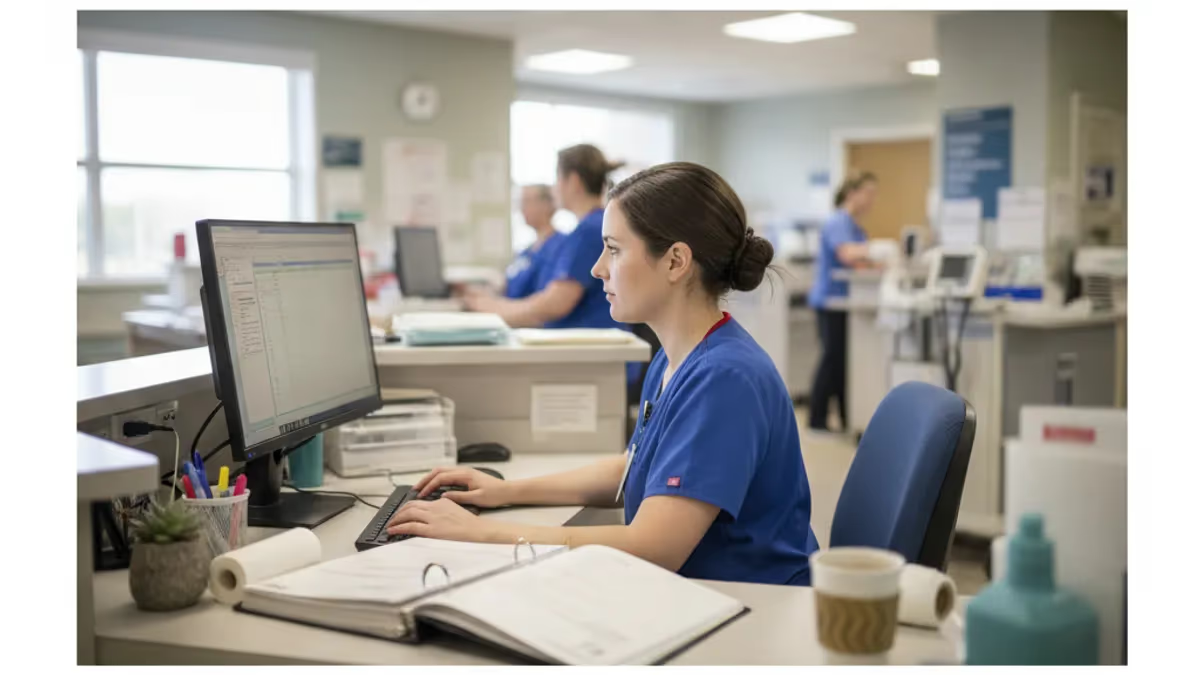
The jccc lpn program at Johnson County Community College is one of the most respected practical nursing pathways in the Kansas City metro area. Located in Overland Park, Kansas, JCCC has built a decades-long reputation for producing competent, job-ready Licensed Practical Nurses who pass the NCLEX-PN on their first attempt at rates well above the national average. If you're considering a career in healthcare and want a structured, affordable, accredited program close to home, JCCC deserves a serious look before you commit.
Practical nursing at JCCC is a full-time, intensive program that typically takes about twelve months to complete. Students move through a carefully sequenced curriculum that covers foundational nursing concepts, pharmacology, medical-surgical nursing, maternal and child health, and mental health nursing. The program balances classroom instruction with hands-on clinical rotations at area hospitals, long-term care facilities, and community health settings, giving graduates real-world exposure before they ever sit for the NCLEX-PN licensure exam.
Demand for LPNs in Kansas and Missouri remains strong, with the Bureau of Labor Statistics projecting steady employment growth through the end of the decade. Graduates of the JCCC program enter a job market that offers roles in physician offices, skilled nursing facilities, rehabilitation centers, home health agencies, and acute care hospitals. Many JCCC LPN graduates also use the credential as a stepping stone toward an RN bridge program, leveraging the practical experience and college credits they have already earned.
Admission to the JCCC practical nursing program is competitive. The college accepts a limited cohort each year, typically starting in the fall semester, and applicants are ranked using a points-based system that considers prerequisite GPA, entrance exam scores, and healthcare work experience. Understanding exactly what goes into that ranking — and how to maximize your points — can be the difference between a seat in the program and a spot on the waitlist.
Tuition at JCCC is structured on a per-credit-hour basis and is significantly lower than private nursing schools in the region. In-district residents enjoy the lowest rates, but even out-of-district and out-of-state students find JCCC competitive compared with for-profit alternatives. When you factor in the cost of textbooks, uniforms, clinical supplies, liability insurance, and NCLEX examination fees, having a detailed budget before you start keeps surprises to a minimum and helps you plan your financing strategy intelligently.
This guide breaks down everything you need to know about the JCCC LPN program: admission criteria, prerequisite courses, program costs, curriculum structure, clinical requirements, NCLEX preparation strategies, and career outcomes. Whether you are a recent high school graduate, a healthcare worker looking to advance, or someone switching careers entirely, you will find practical, accurate information here to help you decide whether JCCC is the right fit and how to put your best application forward.
Throughout the article you will also find links to free LPN practice quizzes, related articles about LPN requirements and salary data, and answers to the most common questions prospective students ask. Take the time to read each section thoroughly — the program is demanding, but for the right candidate, the JCCC LPN program offers one of the most direct and affordable routes into a stable, rewarding healthcare career in the Kansas City region.
JCCC LPN Program by the Numbers
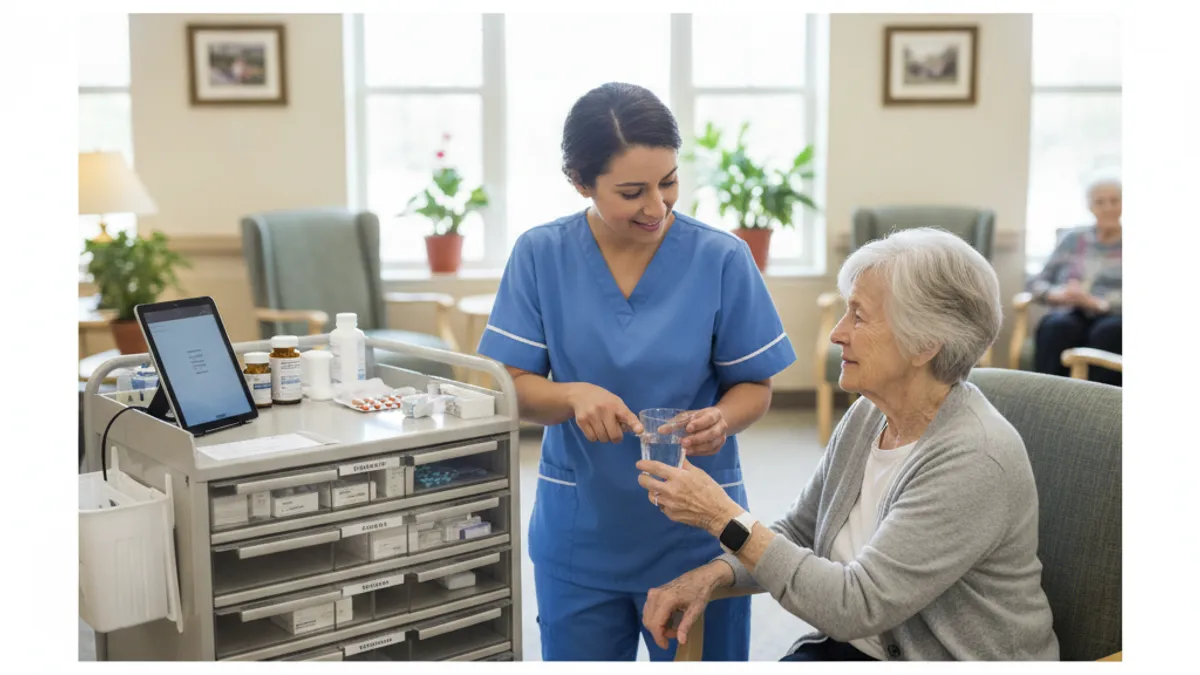
JCCC LPN Admission Requirements at a Glance
All applicants must hold a high school diploma or its equivalent. Transcripts are required at the time of application. Applicants who completed secondary education outside the United States must provide translated, evaluated transcripts from a NACES-approved service.
Applicants must complete specific prerequisite courses — including Anatomy and Physiology, English Composition, and Developmental Psychology — with a minimum grade of C. Higher grades in prerequisites contribute more points in the competitive ranking system used to select each cohort.
JCCC requires the ATI TEAS (Test of Essential Academic Skills) with a competitive composite score. The test covers Reading, Mathematics, Science, and English Language Usage. Most successful applicants score at the Proficient or Advanced level across all four sections.
Documented paid or volunteer healthcare work experience earns bonus points in the ranking system. Experience as a CNA, medical assistant, EMT, or direct patient care aide is particularly valued. Strong applicants typically have at least 500 documented hours in a clinical or care setting.
All accepted students must complete a criminal background check and drug screening before beginning clinical rotations. Certain convictions may affect clinical placement eligibility and, ultimately, the ability to obtain Kansas LPN licensure from the KSBN.
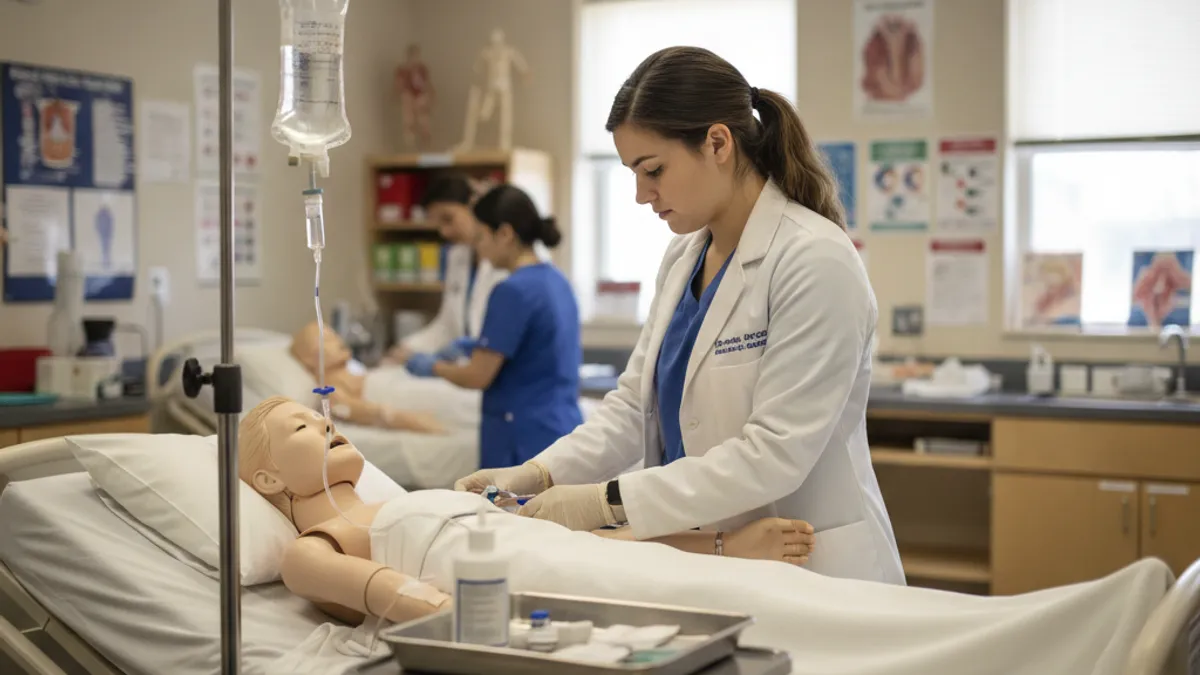
The curriculum of the JCCC LPN program is organized around a progressive model: foundational skills come first, followed by increasingly complex clinical applications. In the earliest weeks of the program, students master essential nursing skills such as vital sign measurement, patient positioning, wound care, catheter insertion, and medication administration. These fundamentals are practiced extensively in the college's simulation lab before students ever enter a real clinical setting, which dramatically reduces errors and builds confidence during hands-on rotations.
Pharmacology runs as a thread throughout the entire program rather than being confined to a single standalone course. Students learn to calculate drug dosages, understand drug classifications and mechanisms of action, recognize adverse effects, and educate patients about their medications. Given that medication errors are among the most common sources of patient harm in healthcare settings, JCCC's embedded pharmacology approach prepares graduates to handle real-world medication administration safely and accurately from day one of their first nursing job.
Medical-surgical nursing constitutes the largest content block in the program. Students study common adult health conditions — including cardiovascular disease, diabetes, respiratory disorders, renal failure, orthopedic injuries, and cancer — learning how to recognize clinical signs, implement nursing interventions, monitor patient responses, and document findings according to professional standards. This content aligns directly with the NCLEX-PN test plan, ensuring that what students learn in class translates into exam readiness by graduation day.
Clinical rotations at JCCC place students in a variety of care settings across the Kansas City metro. Partner sites include acute care hospitals, skilled nursing facilities, rehabilitation centers, pediatric clinics, and outpatient mental health programs. Each rotation is supervised by a licensed clinical instructor who evaluates students on clinical judgment, communication, professional conduct, and technical skill execution. Most students complete between 300 and 400 clinical hours over the course of the program, exceeding the minimum required for KSBN licensure.
Mental health nursing is covered in a dedicated rotation that challenges students to apply therapeutic communication techniques, understand psychiatric diagnoses, administer psychotropic medications safely, and work with interdisciplinary mental health teams. Many LPN students find this rotation among the most personally transformative, as it develops empathy and communication skills that improve care quality across every other nursing specialty they will work in after graduation.
Maternal and child health is another important component of the curriculum. Students learn the physiology of pregnancy, labor, and delivery; newborn assessment; postpartum care; and common complications such as preeclampsia and gestational diabetes. Pediatric nursing content covers growth and development milestones, common childhood illnesses, immunization schedules, and family-centered care principles. While LPNs in Kansas typically work under RN supervision in obstetric and pediatric settings, this knowledge base is essential for providing safe, competent care.
Throughout the program, JCCC faculty integrate NCLEX-PN style questions into every unit exam, helping students become fluent in the format and cognitive demands of the licensure test. The college also offers optional review sessions and NCLEX prep resources through the college library and nursing department. Students who engage actively with these resources — including the free practice quizzes available at PracticeTestGeeks.com — consistently report higher confidence and better performance on their actual NCLEX-PN examination.
Costs, Financial Aid & Program Timeline
JCCC charges tuition on a per-credit-hour basis. In-district students pay the lowest rate — typically around $110–$130 per credit hour — making the full practical nursing program one of the most affordable LPN pathways in the Kansas City area. Out-of-district Kansas residents pay a moderate surcharge, while out-of-state students pay a higher rate, though still competitive compared with private nursing schools. The program requires approximately 45–50 credit hours, placing total tuition for in-district students in the $5,000–$6,500 range before additional fees.
Beyond tuition, students should budget for books and digital resources ($400–$600), nursing uniforms and shoes ($150–$250), clinical supplies such as a stethoscope and blood pressure cuff ($100–$200), liability insurance ($30–$50 per year), ATI testing fees ($100–$200), and the NCLEX-PN examination fee ($200). A Kansas nursing license application adds another $75–$100. In total, most JCCC LPN students spend between $7,000 and $9,500 from admission through first licensure, making it an exceptional value relative to private alternatives that can cost $20,000 or more for comparable training.
JCCC LPN Program: Pros and Cons
- +Affordable in-district tuition — among the lowest LPN program costs in the Kansas City metro area
- +Strong NCLEX-PN first-time pass rates consistently above the national average
- +Accredited by ACEN, ensuring credits and credentials are recognized nationally
- +Diverse clinical rotation sites expose students to multiple healthcare settings before graduation
- +Federal financial aid eligible, including Pell Grants and subsidized student loans
- +Convenient Overland Park location with accessible public transit and ample parking
- −Competitive admission means not all qualified applicants receive a seat in the first application cycle
- −Program is full-time only — no part-time or evening-only option currently available
- −Limited cohort size means the waitlist can extend a full year for some applicants
- −Out-of-district and out-of-state tuition rates are significantly higher than in-district rates
- −Background check findings can disqualify applicants from clinical placements and KSBN licensure
- −The intensive twelve-month pace can be challenging for students with significant family or work obligations
NCLEX-PN Prep Checklist for JCCC Graduates
- ✓Submit your KSBN license application within two weeks of receiving your official program completion letter.
- ✓Register for the NCLEX-PN through Pearson VUE and schedule your test date at least three weeks out.
- ✓Complete a minimum of 1,500 NCLEX-PN style practice questions using a reputable question bank.
- ✓Review all five NCLEX-PN client need categories: Safe and Effective Care Environment, Health Promotion, Psychosocial Integrity, Physiological Integrity.
- ✓Use PracticeTestGeeks free LPN quizzes daily to reinforce basic care, pharmacology, and coordinated care content.
- ✓Focus extra study time on pharmacology — drug calculations, adverse effects, and patient education are heavily tested.
- ✓Practice prioritization questions using the ABC (Airway, Breathing, Circulation) and Maslow frameworks.
- ✓Join a JCCC graduate study group to review high-yield content areas in the weeks before your exam date.
- ✓Get a full eight hours of sleep the night before your exam and arrive at the testing center 30 minutes early.
- ✓After passing, complete your Kansas LPN license verification steps before accepting any employment offer.
Your Prerequisite GPA Is Your Most Powerful Ranking Factor
The JCCC LPN admission ranking system assigns the largest share of points to prerequisite course grades. Earning A's in Anatomy and Physiology, English Composition, and Developmental Psychology can place you significantly ahead of competitors who score similarly on the TEAS exam but have lower prerequisite GPAs. If your GPA is below a 3.5 in these courses, consider retaking them before applying — the investment in a single semester can move you from the waitlist to an accepted seat.
Graduates of the JCCC LPN program enter a Kansas City job market that is actively seeking qualified practical nurses across a wide range of care settings. Long-term care and skilled nursing facilities represent the largest employer category for LPNs nationally and locally, offering steady hours, predictable schedules, and opportunities for shift differential pay. Assisted living communities, memory care units, and rehabilitation centers are also hiring aggressively as the region's population of adults over 65 continues to grow faster than the national average.
Acute care hospitals in the Kansas City metro — including facilities operated by HCA Midwest Health, AdventHealth, and University Health — employ LPNs in a variety of roles. While many hospitals have shifted toward RN-only staffing in inpatient units, LPNs remain active in specialty clinics, outpatient surgery centers, procedural areas, and transitional care units attached to hospital campuses. Some facilities offer LPN-to-RN bridge programs as an employment benefit, allowing motivated LPN graduates to advance their credentials while working full time.
Physician offices and specialty clinics represent a growing opportunity for JCCC LPN graduates. Primary care, dermatology, orthopedics, oncology, and gastroenterology practices regularly hire LPNs to perform patient intake assessments, administer injections, manage chronic disease monitoring programs, conduct patient education, and coordinate referrals. Clinic-based LPN positions often offer day-shift schedules with weekends off — an attractive lifestyle benefit for nurses who prefer predictability over shift differentials.
Home health agencies are another significant employer. LPNs in home health visit patients in their residences to perform wound care, administer IV medications (where state scope allows), monitor chronic conditions, draw blood samples, and educate family caregivers. Home health LPN roles typically pay mileage reimbursement and sometimes offer schedule flexibility that is difficult to find in facility-based positions. The trade-off is that home health LPNs work more independently, so strong critical thinking and communication skills are essential.
Salary data from the Bureau of Labor Statistics and salary aggregators like Indeed and Glassdoor consistently place Kansas LPN annual wages between $50,000 and $72,000 depending on employer, experience, shift, and specialty. The median wage for LPNs in Kansas is approximately $55,000–$58,000 per year, with overtime, shift differentials, and certification bonuses pushing many experienced LPNs above $65,000. JCCC graduates who pursue specialty certifications — such as IV therapy certification or wound care certification — often earn premium wages within two to three years of licensure.
Many JCCC LPN alumni eventually pursue the LPN-to-RN transition, either through JCCC's own ADN program or through one of the several online LPN-to-BSN bridge programs available in Kansas. The practical nursing credential serves as genuine college credit in most transition programs, reducing the total coursework required to reach RN licensure. For nurses with career ambitions beyond the LPN scope of practice, using JCCC as a launchpad — rather than a final destination — is a financially smart, professionally logical strategy that dozens of JCCC alumni execute successfully every year.
Community health, school nursing, correctional nursing, and occupational health are additional settings where Kansas LPNs find meaningful, stable employment. These roles often emphasize public health education, chronic disease screening, and preventive care interventions. They tend to attract LPNs who want to address social determinants of health and work in nontraditional settings. JCCC's broad clinical rotation model gives graduates enough exposure to recognize which environments suit their personality and professional goals well before they begin the job search.

The JCCC practical nursing program admits one cohort per year, beginning in the fall semester. The application window typically opens in January and closes in March or April for the following August start. Missing the deadline by even one day means waiting twelve full months for the next cycle. Mark your calendar, complete all prerequisite courses before the application closes, and submit your TEAS scores and official transcripts well in advance of the deadline to avoid last-minute processing delays.
Preparing a strong application for the JCCC LPN program requires strategic planning that ideally begins twelve to eighteen months before your intended start date. The first step is auditing your existing college transcripts to identify which prerequisite courses you have already completed and which still need to be taken. JCCC's nursing advising office offers free prospective student appointments, and meeting with an advisor early allows you to build a realistic prerequisite completion timeline that aligns with the next application cycle.
If you have not yet taken the ATI TEAS, plan for at least four to eight weeks of focused preparation. The Science section is the most challenging for most applicants, covering topics in anatomy, physiology, biology, and chemistry. Commercially available TEAS prep books and online practice platforms can help you identify your weakest content areas and target your study time efficiently. Most testing centers allow candidates to retake the TEAS after a waiting period, so if your first score is below target, retaking is a viable strategy before the application window closes.
Healthcare work experience is the third major ranking factor in the JCCC admission system. If you are not currently working in a healthcare role, consider obtaining your Certified Nurse Aide (CNA) certificate — a process that takes four to six weeks and costs $500–$1,000 in Kansas. CNA work provides direct patient care experience that not only earns admission points but also makes your transition into the LPN program significantly smoother, because you will already understand basic care routines, clinical documentation, and the emotional demands of patient care before your first nursing class.
Writing a compelling personal statement — if required in JCCC's application — means being specific rather than generic. Admissions reviewers read hundreds of essays that describe a general love of helping people. What stands out is a concrete story: a patient interaction that revealed something unexpected about nursing, a clinical challenge that changed how you think about care, or a career decision that required genuine sacrifice. Authenticity, specificity, and professional maturity are qualities that distinguish strong candidates from average ones in competitive cohort selection processes.
Letters of recommendation, where accepted by JCCC, should come from supervisors, clinical instructors, or educators who can speak specifically to your reliability, critical thinking, and compassion under pressure — not just your GPA. A letter from a registered nurse who has directly observed your patient care is far more valuable than a general character reference from a family friend. Give your recommenders at least three to four weeks notice and provide them with a brief summary of your nursing career goals to help them write a targeted, persuasive letter.
Once admitted, orientation week is your first real opportunity to establish positive relationships with faculty and classmates. JCCC nursing faculty are experienced clinicians who have chosen education as their professional focus — they are invested in your success and available during office hours. Students who introduce themselves early, ask thoughtful questions, and demonstrate consistent effort from week one build the kind of academic relationships that translate into strong clinical references, faculty mentorship, and sometimes even early job leads from clinical instructors who know hiring managers at partner facilities.
Finally, take the NCLEX preparation process seriously from day one, not just in the final weeks before your exam. Every unit exam in the JCCC program is an opportunity to practice the analytical thinking the NCLEX-PN demands. Use resources like PracticeTestGeeks free quizzes consistently throughout the program rather than cramming at the end. Students who treat every practice question as a mini-simulation of the real exam build the cognitive stamina and clinical reasoning fluency that characterize high first-time pass rates — the ultimate measure of whether a program truly prepared you for professional nursing practice.
Success in the JCCC LPN program — and on the NCLEX-PN that follows — comes down to a set of habits and strategies that high-performing students develop intentionally rather than accidentally. The most consistent predictor of student success in intensive nursing programs is not raw intelligence or prior academic performance alone, but rather the ability to manage time aggressively, seek help proactively, and maintain physical and emotional health through a genuinely demanding twelve-month experience.
Time management in a full-time LPN program cannot be improvised. Successful students create weekly study schedules before the semester begins and treat study blocks with the same seriousness as scheduled clinical shifts. Most nursing faculty recommend spending two to three hours of independent study for every one hour of classroom instruction — meaning a week with fifteen classroom and lab hours requires thirty to forty-five hours of additional reading, practice questions, and concept review. Building this habit in the first month, when the content feels manageable, makes the later high-stakes units far less overwhelming.
Active recall is a proven learning technique that dramatically outperforms passive re-reading for nursing content. Instead of highlighting textbook pages, create flashcards for drug classes and their nursing implications, practice medication dosage calculations daily, and quiz yourself on disease processes before looking at your notes. Apps like Anki allow you to create spaced-repetition decks that surface difficult concepts at increasing intervals — a research-backed approach that builds long-term retention rather than short-term recognition.
Clinical simulation practice in JCCC's nursing lab is available outside of scheduled class time. Students who use open lab hours to repeat skills — IV catheter insertion, wound dressing changes, nasogastric tube management — arrive at clinical rotations significantly more confident and competent than students who practice only during formal lab sessions. Clinical instructors notice this difference immediately, and that confidence translates into higher clinical performance evaluations and more meaningful learning experiences during actual patient care.
Peer study groups are among the most valuable and underutilized resources in any nursing program. A well-organized study group of three to five students divides content review responsibility, tests each other with practice questions, explains difficult concepts from multiple angles, and provides emotional support during high-stress exam weeks. The key is keeping groups small and academically focused — groups larger than six tend to drift into social conversation and lose productivity. Identify two or three classmates who share your academic standards in the first two weeks and establish a standing weekly meeting.
Mental health and physical wellness are not luxuries in a nursing program — they are prerequisites for cognitive performance. Sleep deprivation impairs clinical judgment, memory consolidation, and emotional regulation in ways that directly affect patient safety. Exercise, even 30 minutes of walking three times per week, has been shown in multiple studies to reduce anxiety and improve academic performance in health professions students. JCCC offers counseling services and a student wellness center — using these resources is a sign of professional self-awareness, not weakness.
Finally, stay connected to your motivation. The JCCC LPN program will have difficult weeks — weeks where the content volume feels impossible, where clinical rotations test your emotional resilience, where you question whether you made the right choice. Keeping a journal, talking with a mentor, or simply revisiting the reason you chose nursing in the first place can restore perspective during those moments.
The nurses who persist and thrive in programs like JCCC's are not the ones who never struggle — they are the ones who struggle and keep going anyway, knowing that the credential and the career on the other side are worth every difficult hour invested.
LPN Questions and Answers

LPN Requirements 2026: Complete Guide to Becoming a Licensed Practical Nurse
LPN IV Certification: Complete 2026 Guide to Training, Requirements & Cost

Practical Nurse vs LPN: Are They the Same Thing?

LPN Programs in Florida: Complete 2026 Guide to Accredited Schools, Costs, Requirements & Licensure

LPN Salary Wisconsin 2026: Average Pay, Top Cities, and How to Earn More
About the Author

Registered Nurse & Healthcare Educator
Johns Hopkins University School of NursingDr. Sarah Mitchell is a board-certified registered nurse with over 15 years of clinical and academic experience. She completed her PhD in Nursing Science at Johns Hopkins University and has taught NCLEX preparation and clinical skills courses for nursing students across the United States. Her research focuses on evidence-based exam preparation strategies for healthcare certification candidates.
Join the Discussion
Connect with other students preparing for this exam. Share tips, ask questions, and get advice from people who have been there.
View discussion (7 replies)