

LLR Practice Test
Updated for September 2026LLR (Learners License Registration) Test Study Guide
For your driver's license, you might need to take a test. You can do this online before heading to a DMV office. This online course is easy and quick. It's made up of seven parts, each followed by a quiz. You can use a computer, laptop, tablet, or smartphone to study. It takes around 20 to 30 minutes.
The test is available on weekdays from 8 a.m. to 4 p.m., except on State holidays. A webcam is required. If you're younger than 18, you need permission from a parent or guardian to take the test.
There are two study options. One is an interactive course. The other is the online test. Both options are easy to use. They help you get ready for the test to get your permit or license. You can choose the one that works best for you.
LLR Practice Test Questions
Prepare for the LLR - Learners License Registration exam with our free practice test modules. Each quiz covers key topics to help you pass on your first try.
LLR Driving License
LLR Exam Questions covering Driving License. Master LLR Test concepts for certification prep.
LLR Written Test
Free LLR Practice Test featuring Written Test. Improve your LLR Exam score with mock test prep.
LLR Impaired and Distracted Driving
LLR Mock Exam on Impaired and Distracted Driving. LLR Study Guide questions to pass on your first try.
LLR Intersections and Turning Procedures
LLR Test Prep for Intersections and Turning Procedures. Practice LLR Quiz questions and boost your score.
LLR Parking and Stopping Rules
LLR Questions and Answers on Parking and Stopping Rules. Free LLR practice for exam readiness.
LLR Right of Way Rules
LLR Mock Test covering Right of Way Rules. Online LLR Test practice with instant feedback.
LLR Road Signs and Traffic Signals
Free LLR Quiz on Road Signs and Traffic Signals. LLR Exam prep questions with detailed explanations.
Key Takeaways
- The LLR (Learners License Registration) test checks your knowledge of driving. It includes road rules, traffic signs, and safe driving practices.
- To take the LLR test, you usually need to be at least 15. You also must meet any other rules of your state.
- The LLR test focuses on road signs, traffic lights, driving rules, and safe habits.
- You can take the test online or in-person at a DMV office. It's wise to study the DMV handbook and use smart test-taking skills.
- Passing the LLR test is key to getting your driver's license. It shows you know how to drive safely.
What is the LLR Test?
Understanding the LLR (Learners License Registration) Test
The LLR (Learners License Registration) test is very important. It checks a person's knowledge of driving rules, signs, and safe driving. Passing this test is needed to get a learner's permit, the first step to getting a full driver's license.
The LLR test checks if drivers understand the rules and how to drive safely. It asks about traffic signs, right-of-way, and defensive driving. The goal is to make sure new drivers know how to drive safely.
- ✓Review the official LLR exam content outline
- ✓Take a diagnostic practice test to identify weak areas
- ✓Create a study schedule (4-8 weeks recommended)
- ✓Focus on your weakest domains first
- ✓Complete at least 3 full-length practice exams
- ✓Review all incorrect answers with detailed explanations
- ✓Take a final practice test 1 week before exam day
Eligibility Requirements for the Learner's Permit
People usually need to be at least 15 to take the LLR test. They must also meet any special state rules. The learner's permit lets them practice driving with an adult. This helps them gain experience before getting a full license.
Preparing for the LLR Test
Getting ready for the LLR test means studying the DMV handbook
DMV handbook
, doing practice questions, and learning about road signs and safe driving. Studying hard and practicing can help you pass the test. This is a big step to becoming an independent driver.

Road Signs and Traffic Signals
Key Topics Covered in the LLR Test
The LLR test checks a driver's understanding of road rules and safe driving. It covers the meanings of different road signs and traffic signals. Also, it looks at the rules of the road like who has the right-of-way and speed limits. You should know about safe driving too, including how to spot dangers and drive defensively. Knowing all this is key to passing the LLR test and being a safe driver.
The LLR test wants to see if you know road signs and signals. You should understand what signs like "No U-Turn" and "No Parking" mean. Knowing about signals will help you drive safely and follow road rules.
Rules of the Road
Aside from signs, the LLR test is about road rules. You need to know about right-of-way and speed limits. Also, about how to use lanes correctly. Showing you know these rules is a major part of passing the test.
Safe Driving Practices
The LLR test also looks at how well you drive safely. It checks if you can avoid dangers and keep control of your vehicle. You must follow all road safety laws too. Knowing how to drive safely is crucial for doing well on this test.

Online vs. In-Person Testing Options
Taking the LLR Test
The LLR (Learners License Registration) test can be done online or in-person at a DMV office. This depends on your state's rules and what you prefer. In some areas, you can take the written test online from a computer or phone. Otherwise, you must go to your local DMV.
No matter how you take the test, using smart test-taking strategies is key to doing well. This means reading the questions carefully, ruling out wrong answers, and using your time wisely.
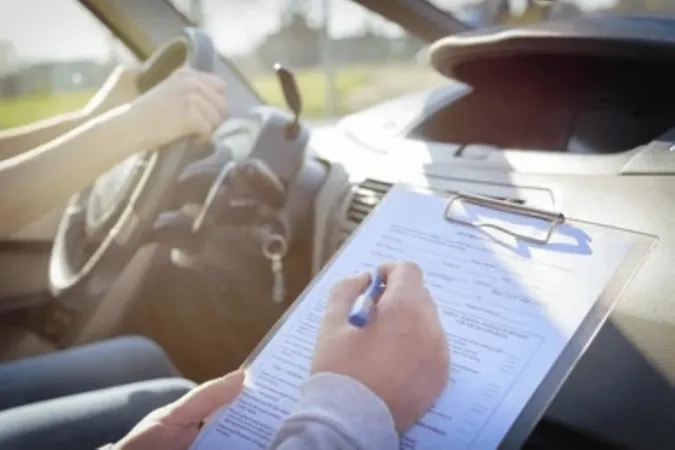
Test-Taking Strategies
To get ready for the LLR, practice with sample questions and study the DMV handbook. Doing so can boost your chances of passing. Practice tests and study resources will make you more comfortable with the test.
Practice Tests and Study Resources
To do your best on the LLR, know your test options, use good strategies, and study hard. This way, you can move closer to getting your driver's license.
LLR: Pros and Cons
- +LLR exam preparation strengthens your knowledge across all domains
- +Passing the exam proves competency to employers and clients
- +Study materials and practice tests are widely available
- +Exam-based credentials are portable across states and employers
- +Clear exam objectives help focus your study plan effectively
- −Exam anxiety can affect performance — practice tests help reduce it
- −Registration fees are non-refundable if you miss your test date
- −Limited retake opportunities may apply with waiting periods
- −Exam content updates periodically — use current study materials
- −Testing center availability may require advance scheduling
LLR Questions and Answers
About the Author

Certified Professional Development Expert & Niche Certification Advisor
University of Pennsylvania Graduate School of EducationDr. Alexandra Kim holds a PhD in Professional Studies from the University of Pennsylvania and is a Certified Professional in Learning and Performance (CPLP) and Certified Professional in Talent Development (CPTD). With 17 years of corporate training and professional certification advisory experience, she helps professionals navigate specialized, emerging, and cross-industry certification programs.
Join the Discussion
Connect with other students preparing for this exam. Share tips, ask questions, and get advice from people who have been there.
View discussion (8 replies)