
Smoke Damage HVAC Cleaning: The Complete Guide to Restoring Air Quality, Ductwork, and System Safety After a Fire
Smoke damage HVAC cleaning guide covering inspection, soot removal, duct decontamination, odor neutralization, and pro restoration costs. 🎯
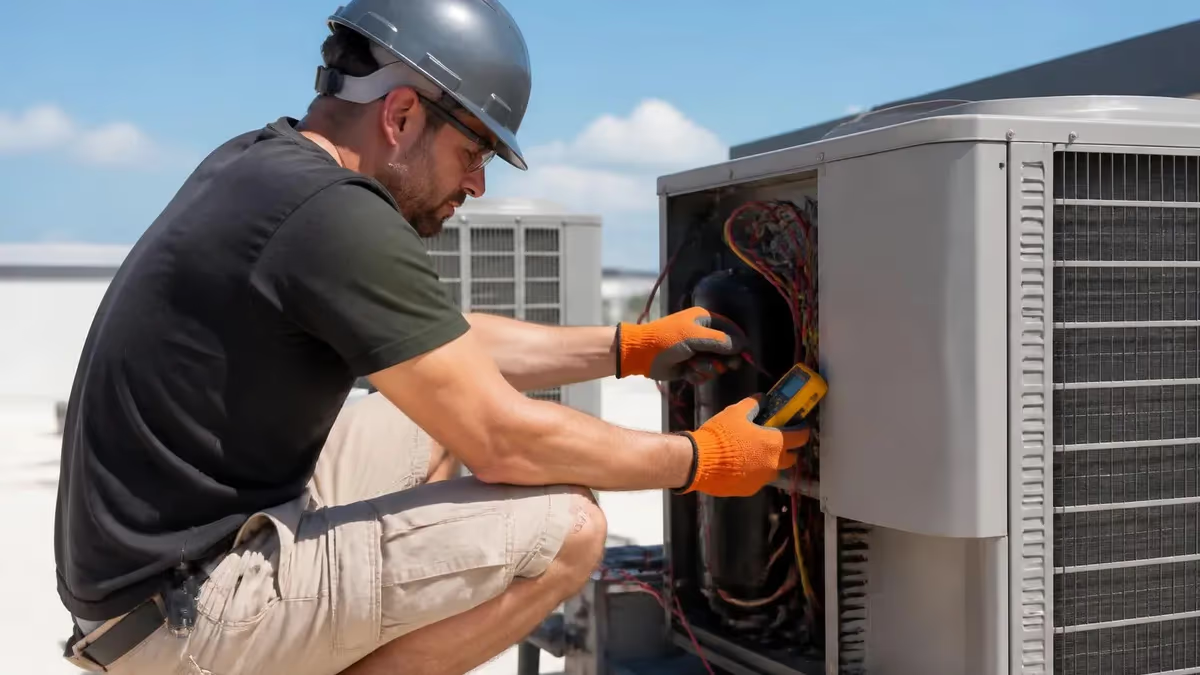
Smoke damage HVAC cleaning is the systematic process of inspecting, decontaminating, and restoring heating, ventilation, and air conditioning components after a fire — whether the blaze was a small kitchen flare-up or a structural blaze that engulfed the home. Even when flames never touched the furnace or air handler, smoke particles and corrosive residues travel through return ducts within minutes, coating coils, blower wheels, heat exchangers, and every inch of supply ductwork. Ignoring that contamination almost always shortens equipment life and recirculates toxic compounds for months.
What makes smoke residue so damaging is its chemistry. Combustion produces ultrafine particles between 0.1 and 4 microns, plus acidic byproducts like hydrogen chloride from burning plastics and sulfur compounds from synthetic materials. These deposits are hygroscopic — they attract moisture — which means they keep eating into copper, aluminum, and galvanized steel long after the fire is out. A blower motor that looked fine on day three can seize on day ninety because soot wicked into the bearings.
Homeowners often assume a fresh filter solves the problem. It does not. Standard MERV 8 filters capture particles down to 3 microns at best, while smoke aerosols frequently measure under 1 micron. Worse, the volatile organic compounds embedded in soot off-gas slowly, producing that lingering campfire smell that returns every time the system cycles. Real remediation requires physical removal of residue from every interior surface, not dilution by ventilation.
This guide walks through the full restoration sequence used by IICRC-certified fire restoration technicians: initial assessment, containment, mechanical cleaning of components, chemical neutralization, ozone or hydroxyl treatment for odor, and verification testing. We will cover when the system can be salvaged, when furnace heat exchangers must be replaced, what insurance typically pays, and how to vet contractors who claim fire-damage credentials they do not actually hold.
You will also learn how to differentiate light smoke residue from protein smoke (the invisible, foul-smelling film left by burned cooking oils) and from wet smoke (sticky, smeary deposits from slow, low-heat fires). Each category demands a different cleaning agent and different equipment, and using the wrong approach can permanently set odors into porous insulation, requiring full ductwork replacement that runs five figures.
Finally, expect honest numbers. A whole-home post-fire HVAC restoration on a 2,000 square foot house in the United States typically falls between $1,800 and $7,500 depending on smoke category, ductwork material, and whether the air handler escaped direct heat exposure. Catastrophic losses with melted plenums or contaminated fiberglass duct board can exceed $15,000. Knowing those benchmarks lets you negotiate fairly with adjusters and avoid both undercleaning and gold-plated overscoping.
Smoke Damage HVAC Cleaning by the Numbers
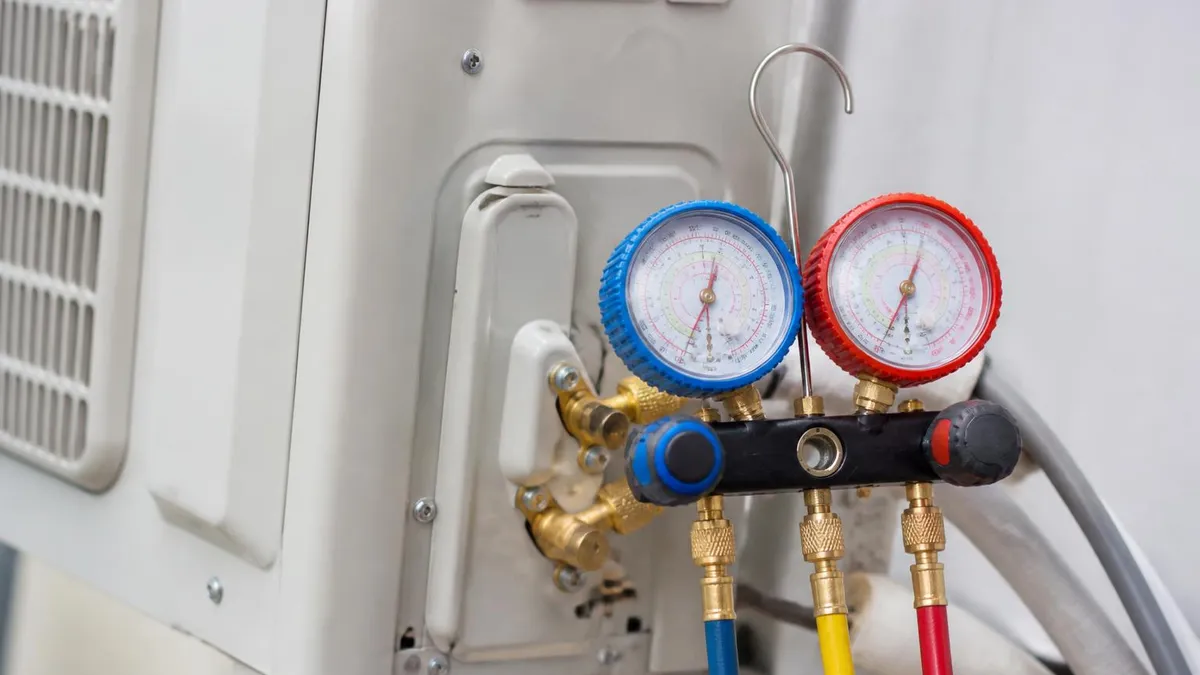
The Six-Stage Restoration Process
A certified technician inspects every component, photographs residue patterns, measures particulate counts, and identifies smoke category. This report drives the insurance claim and the cleaning scope.
The system is powered down, return and supply registers are sealed with poly sheeting, and negative-air machines isolate work zones to prevent cross-contamination of clean rooms.
Blower wheels, evaporator coils, drain pans, and accessible ductwork sections are removed. Heat exchangers are scoped with borescopes to verify cracks have not been masked by soot.
HEPA vacuums, agitation brushes, dry sponges for light residue, and pressure washing for metal parts physically remove soot. Chemical cleaners neutralize acidic films on coils and electronics.
Hydroxyl generators, ozone, or thermal fogging neutralize trapped odor molecules in porous materials. Multiple cycles may be required for protein smoke or heavy plastic combustion.
Post-cleaning particulate counts, surface swab tests, and a controlled burn-in cycle confirm the system runs without releasing residual contamination back into living spaces.
Understanding exactly how smoke damages HVAC equipment helps you make smarter decisions about what to clean, what to replace, and what to demand from a restoration contractor. The damage operates on three parallel tracks: particulate fouling, chemical corrosion, and odor embedment. Each requires a different remediation strategy, and missing any one leaves the system compromised even when surfaces look spotless.
Particulate fouling is the most visible problem. Soot is sticky because incomplete combustion produces tar-like polycyclic aromatic hydrocarbons that bond to cool metal surfaces. The evaporator coil — already wet during cooling cycles — becomes a magnet for this residue, and within days the fin spacing clogs. Airflow drops, static pressure climbs, the blower works harder, and energy consumption can jump 15 to 25 percent. If you need to recalculate airflow after duct contamination, an HVAC duct calculator can help verify whether existing runs still meet design CFM.
Chemical corrosion is the silent killer. When household plastics, vinyl flooring, or electronics burn, they release hydrogen chloride gas that combines with humidity to form hydrochloric acid. That acid pits aluminum coil fins, etches printed circuit boards on furnace control panels, and attacks the copper windings of motor armatures. Damage may not show for weeks, but corroded contactor points and pitted capacitor terminals lead to nuisance failures throughout the following heating and cooling seasons.
Odor embedment is what makes smoke uniquely difficult compared to ordinary dust contamination. Smoke molecules are small enough to penetrate the cellular structure of fiberglass duct liner, foam insulation around refrigerant lines, and even the rubber gaskets on access panels. Every time warm air passes through, those trapped molecules release back into the airstream. This is why simply vacuuming ducts rarely solves the smell — the source is inside the material, not on its surface.
Heat exchanger integrity deserves special attention. If the fire reached temperatures high enough to warp sheet metal in adjacent areas, a furnace heat exchanger may have flexed beyond its tolerance, creating microcracks that leak carbon monoxide into supply air. Visual inspection alone misses these defects. Borescope examination combined with a combustion-gas analyzer at startup is the only reliable verification, and any uncertainty justifies replacement on safety grounds.
Electrical components face dual jeopardy. Soot is mildly conductive, so deposits across circuit boards can create unintended current paths that trip breakers or destroy low-voltage transformers. Meanwhile, the acidic film accelerates oxidation on every relay, terminal block, and wire nut. Restoration contractors who skip the electrical bay — focusing only on the air-side components — leave time bombs that fail months later, often after the insurance claim has already been closed.
Finally, refrigerant lines and condensate drains can harbor concentrated contamination. Drain pans become petri dishes when smoke residue mixes with condensate water, and the resulting slime layer feeds biological growth long after the fire smell fades. Full restoration includes flushing the drain line with a biocide, cleaning the trap, and inspecting any in-line UV lamps that may have been coated with deposits that block their germicidal output.
HVAC Practice Test Questions
Prepare for the HVAC - Heating Ventilation and Air Conditioning exam with our free practice test modules. Each quiz covers key topics to help you pass on your first try.
HVAC Air Conditioning
HVAC Exam Questions covering Air Conditioning. Master HVAC Test concepts for certification prep.
HVAC Code Compliance
Free HVAC Practice Test featuring Code Compliance. Improve your HVAC Exam score with mock test prep.
HVAC Electrical Controls
HVAC Test Prep for Electrical Controls. Practice HVAC Quiz questions and boost your score.
HVAC Energy Efficiency
HVAC Questions and Answers on Energy Efficiency. Free HVAC practice for exam readiness.
HVAC Heating Systems
HVAC Mock Test covering Heating Systems. Online HVAC Test practice with instant feedback.
HVAC Load Calculations
Free HVAC Quiz on HVAC Load Calculations. HVAC Exam prep questions with detailed explanations.
HVAC Tools and Equipment
HVAC Practice Questions for HVAC Tools and Equipment. Build confidence for your HVAC certification exam.
HVAC Refrigeration
HVAC Test Online for Refrigeration. Free practice with instant results and feedback.
HVAC Safety Practices
HVAC Study Material on Safety Practices. Prepare effectively with real exam-style questions.
HVAC System Design
Free HVAC Test covering System Design. Practice and track your HVAC exam readiness.
HVAC Thermodynamics
HVAC Exam Questions covering Thermodynamics. Master HVAC Test concepts for certification prep.
Smoke Categories and Matching Cleaning Methods
Dry smoke originates from fast-burning, high-temperature fires fueled by paper, wood, or fabric. The residue is powdery, gray to black, and relatively easy to remove from non-porous surfaces because it has not melted into them. Technicians typically start with HEPA vacuuming followed by dry chemical sponges that lift soot without smearing. Mechanical cleaning alone often handles 80 to 90 percent of dry-smoke contamination on metal ductwork and equipment cabinets.
Despite being the most forgiving category, dry smoke still demands odor treatment because the fine particles travel deep into porous components. Hydroxyl generators running for 24 to 72 hours typically neutralize the smell without the safety restrictions of ozone. Filters must be replaced, blower wheels cleaned individually, and the evaporator coil flushed with an alkaline coil cleaner to neutralize any acidic deposits before the system is returned to service.
Professional Restoration vs. DIY Cleaning: Which Path Makes Sense?
- +IICRC-certified technicians carry the equipment to measure particulate counts and verify clearance
- +Insurance carriers almost always require licensed restoration documentation for full payout
- +Negative-air containment prevents cross-contamination of unaffected rooms during cleaning
- +Specialized cleaners neutralize acids that household products cannot touch
- +Hydroxyl and thermal fogging equipment removes odors DIY methods cannot reach
- +Warranties typically cover return visits if odor or residue resurfaces within 30 to 90 days
- +Pros can identify hidden damage like cracked heat exchangers that DIY inspection misses
- −Professional restoration costs $1,800 to $15,000 depending on damage severity
- −Scheduling delays after large regional fire events can stretch to several weeks
- −Some contractors overscope work, inflating claims with unnecessary duct replacement
- −Living arrangements may be required for 3 to 7 days during heavy odor treatment
- −Ozone treatment requires evacuating people, pets, and plants from the structure
- −DIY may handle very light kitchen smoke if you act within 48 hours and have HEPA equipment
- −Self-cleaning voids manufacturer warranties on most newer high-efficiency furnaces and air handlers
Pre-Restart Inspection Checklist for Smoke Damage HVAC Cleaning
- ✓Power off the system at the disconnect before any inspection or cleaning begins
- ✓Photograph every component with residue patterns visible for insurance documentation
- ✓Replace all air filters before any test run, even if they look only lightly contaminated
- ✓Inspect the heat exchanger with a borescope and verify with a combustion analyzer at startup
- ✓Clean or replace the blower wheel — soot buildup unbalances the assembly and burns out motors
- ✓Flush the evaporator coil with an alkaline coil cleaner to neutralize acidic residue
- ✓Vacuum and wipe down all accessible ductwork sections with HEPA-rated equipment
- ✓Remove and replace any fiberglass duct liner showing visible staining or odor retention
- ✓Clean and biocide-treat the condensate drain pan and trap before closing the access panel
- ✓Run hydroxyl or ozone deodorization until a third-party odor evaluation passes clearance
Act within 48 hours to prevent permanent damage
Acidic smoke residue begins etching aluminum coil fins and copper windings within hours of deposition. Most reputable restoration companies will not warranty their odor work if the system ran for more than 72 hours after the fire without containment. Shut the HVAC off at the breaker the moment the fire is out, seal all registers with poly sheeting, and contact a certified fire restoration contractor before turning anything back on.
Costs for smoke damage HVAC cleaning vary widely because the work scope depends on smoke category, system size, duct material, and how quickly remediation began. For a single-stage gas furnace and split AC serving a 1,500 to 2,000 square foot home with light dry-smoke contamination, expect $1,800 to $3,500 for full cleaning including hydroxyl deodorization. Moderate wet smoke with partial duct liner replacement pushes that figure to $4,000 to $7,500. Catastrophic losses involving melted plenums, contaminated fiberglass duct board, or replacement of the air handler itself routinely exceed $10,000 and can pass $20,000 on larger commercial-grade residential systems.
Insurance coverage under standard homeowner policies almost always includes smoke damage even when flames never reached the equipment. The policy typically covers cleaning, replacement of unrestorable components, and temporary alternative living arrangements during ozone or thermal fogging. Document everything: keep the original fire report from the responding department, take photos before any cleaning begins, and request itemized estimates from at least two IICRC-certified contractors. Adjusters generally pay closer to the higher estimate when documentation is complete and the lower estimate omits hidden scope items like coil replacement.
Vetting contractors matters more here than in routine HVAC service. Look for IICRC Fire and Smoke Restoration Technician (FSRT) certification, NADCA Air System Cleaning Specialist (ASCS) credentials for the duct work portion, and a state-issued HVAC contractor license for any component replacement. Ask for the actual certification numbers — they are verifiable on each governing body's website. A surprising number of "fire restoration" outfits operating after major wildfire events carry only general contractor licenses and subcontract the technical work to unverified crews.
Get the scope in writing before signing anything. The estimate should list every component to be cleaned, every component to be replaced, the deodorization method (hydroxyl, ozone, or thermal fog), and the clearance testing protocol. Vague language like "clean ductwork as needed" is a red flag that gives the contractor room to under-deliver.
A solid scope specifies linear feet of ducting, number of registers, coil cleaning method, and a written guarantee of post-cleaning particulate counts below a defined threshold. For larger projects, working with verified HVAC contractors who carry both restoration and standard installation credentials simplifies coordination if equipment replacement is needed.
Timing the work around insurance can save weeks. Most carriers authorize emergency containment — shutting down the system, sealing registers, setting up air scrubbers — without a full adjuster visit. That stabilization work prevents the damage from worsening and is usually paid under emergency mitigation provisions even before the main claim is approved. Do not wait for the full claim approval to begin containment; the damage compounds daily, and an experienced restoration company will document the emergency justification.
Hidden cost categories often blindside homeowners. Hazardous material disposal of contaminated insulation and fiberglass liner adds $300 to $1,500 depending on volume. Permitting fees for component replacement vary by jurisdiction. Refrigerant recovery and recharge during coil replacement runs $200 to $600 per system. And if asbestos-containing duct tape or vintage insulation is disturbed during cleaning, abatement requirements can add several thousand dollars and several days to the timeline.
Finally, beware of bundled offers from out-of-state restoration franchises that descend on areas after major fire events. While many are legitimate, the surge in demand attracts opportunists who collect insurance proceeds, perform superficial cleaning, and disappear before defects show. Local contractors with established offices, verifiable licensing, and at least five years of regional history are nearly always the safer choice. If you must use a national franchise, insist on meeting the actual technicians and verifying their certifications before signing.
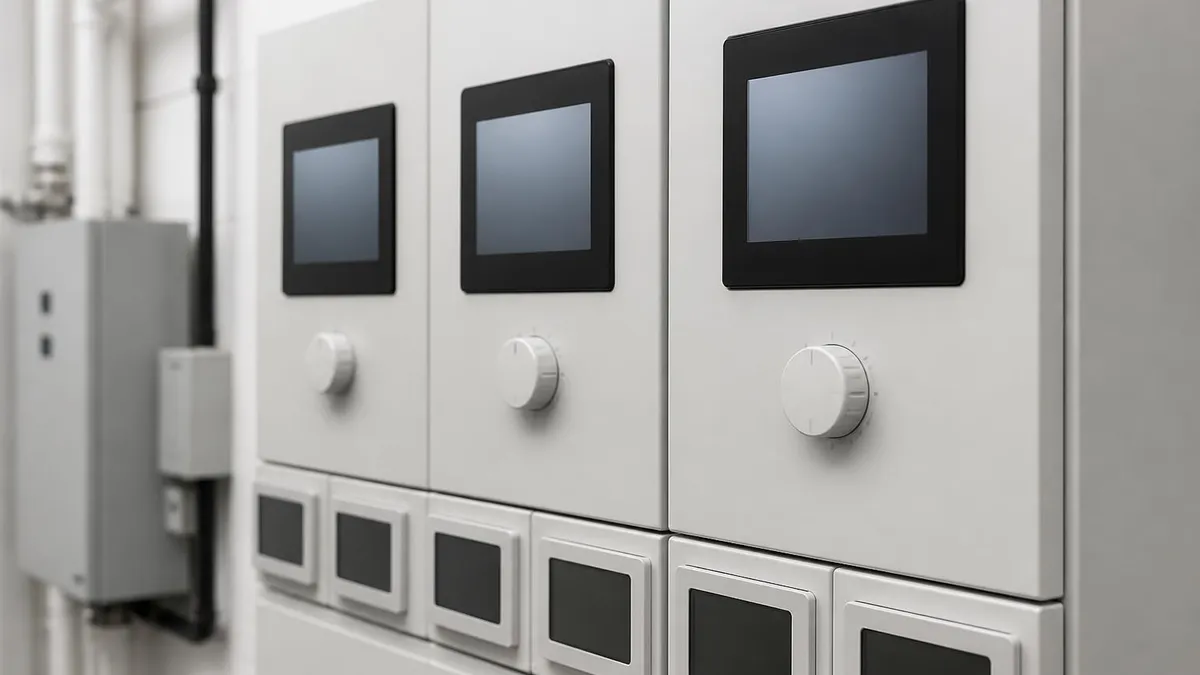
Running an HVAC system contaminated with smoke residue spreads soot deep into every supply duct, embeds odor molecules into porous materials, and accelerates acidic damage to electrical components. Even a few minutes of operation can turn a $2,000 cleaning job into a $10,000 replacement. Shut the breaker off immediately after a fire and leave it off until a certified technician has completed inspection and clearance approval.
Long-term air quality after smoke damage HVAC cleaning depends on what you do in the first three months after restoration. Even a thoroughly cleaned system can develop persistent odor problems if porous materials elsewhere in the home — drywall, carpet padding, attic insulation — continue off-gassing trapped smoke molecules. The HVAC system then recirculates those compounds, making the home smell smoky again and triggering homeowner panic that the cleaning failed. Comprehensive remediation always addresses both the system and its environment together.
Filter upgrades make the single biggest difference in maintaining clean air post-restoration. Step up from MERV 8 to MERV 13 if your blower can handle the static pressure increase — most modern variable-speed systems can. MERV 13 captures particles down to 0.3 microns, including the residual smoke aerosols that may continue releasing from porous materials for months. Change filters monthly for the first quarter after restoration, then return to standard 60 to 90 day intervals. Document the increased frequency in case any residual smell prompts an insurance dispute later.
Consider supplemental air cleaning technology if the original fire was severe. Whole-house HEPA bypass filters, plug-in PCO (photocatalytic oxidation) units, or properly sized UV-C lamps in the air handler each address different residual contamination categories. None replaces good mechanical cleaning, but they buffer against the slow off-gassing that continues from structural materials. Pricing ranges from $300 for a basic UV lamp to $2,500 for a whole-house HEPA bypass installation including ductwork modifications.
Ductwork material matters for long-term recovery. Metal ducts clean thoroughly and stay clean — soot does not penetrate galvanized steel. Flexible ducts with plastic inner liners clean adequately but can retain odor at the fabric tape joints. Fiberglass duct board and internally lined ducts are the problem children: porous materials trap odor molecules that no surface cleaning fully removes. If your home has fiberglass duct board and suffered moderate to heavy smoke damage, replacement is almost always more economical than repeated cleaning attempts. Stocking proper HVAC duct supplies in advance speeds replacement during restoration scheduling crunches.
Indoor air quality monitoring provides objective verification that restoration succeeded. Consumer-grade particulate monitors track PM2.5 levels around the clock and reveal whether the system is releasing contaminants during runtime. Expect baseline indoor PM2.5 below 12 µg/m³ in a clean home; readings consistently above 25 µg/m³ after restoration signal incomplete cleaning or external contamination sources. Many restoration contractors will return for additional work if monitoring documents elevated readings within their warranty window.
Plan for the second-year follow-up. Some smoke damage manifests slowly: a contactor that pitted from acidic residue may fail twelve months later, a corroded printed circuit board may go intermittent in the next cooling season, or a heat exchanger micro-crack may widen with thermal cycling. Schedule a thorough HVAC tune-up at one year post-restoration with explicit instructions to inspect every component for delayed smoke damage. The cost is minor compared to the diagnostic premium charged when a mystery failure strikes during peak summer.
Finally, prevention pays dividends. Install hardwired smoke detectors in every bedroom, hallway, and on every level. Keep a Class K extinguisher in the kitchen for grease fires, which produce the dreaded protein smoke. Have the dryer vent professionally cleaned annually — clothes dryers cause roughly 2,900 home fires per year in the United States, many of which spread through the very HVAC return system that pulls combustion gases into living spaces. The cheapest smoke damage restoration is the one you never need.
Practical execution separates restorations that hold up from those that fail at the first humid week. Start by treating containment as urgently as cleaning itself. Within hours of the fire being declared out, seal every supply and return register with 6-mil polyethylene sheeting and tape, shut the system at the breaker, and tape over the thermostat so no one accidentally restarts it. This single action prevents 40 to 60 percent of the residue migration that otherwise occurs during the days between fire and remediation start.
Document obsessively from the start. Take wide-angle photos of every room, close-ups of soot patterns on registers and vents, and macro shots of any visible residue on equipment surfaces. Video walkthroughs are even better — adjusters value continuous documentation that cannot be reordered or fabricated. Save the fire department's incident report PDF, the dispatch log if available, and any photos the fire crew took. These build a chain of evidence that prevents disputes about pre-existing versus fire-related damage later in the claim.
Get three written estimates if time allows, two at minimum. Compare not just the total price but the scope details: cubic feet per minute of negative air containment, brand of HEPA vacuum, specific cleaning chemicals (with SDS sheets available), and the clearance testing protocol. The lowest bid is rarely the best deal if it omits critical scope items like coil chemical cleaning or blower wheel removal. Mid-priced bids from contractors who explain their methodology in plain language consistently produce the best outcomes.
Coordinate timing carefully with the broader restoration. HVAC cleaning generally happens after structural cleaning is largely complete and before final paint and finish work. Doing it too early means painters' overspray and drywall dust recontaminate freshly cleaned components. Doing it too late means the system runs during finishing work and pulls dust into ductwork that was supposed to be clean. A good general contractor schedules HVAC restoration in the middle of the sequence and confirms the timing with the HVAC sub before final move-in.
Plan your living situation realistically. Hydroxyl treatment is occupancy-safe, but ozone is not — humans, pets, and even houseplants must vacate for 24 to 48 hours during ozone cycles, plus a 4-hour airing period afterward. Thermal fogging often requires a similar evacuation. Coordinate with your additional living expense coverage under the homeowners policy; most policies pay for hotels, meals, and pet boarding during these phases when documented as required by the restoration scope.
Test the system thoroughly before final move-in. Run it in cooling mode for at least four hours, then heating mode for at least two hours, with a fresh filter installed. Smell every register during operation. Listen for unusual noises from the blower or compressor. Check the disconnect for warmth indicating loose connections corroded by smoke residue. If anything seems off — odor, noise, performance — call the restoration contractor back before the warranty window closes. Reputable companies welcome punch-list calls; opportunistic ones go silent.
Update your home inventory and insurance documentation after restoration is complete. Photograph the cleaned equipment, retain all itemized invoices showing component replacement versus cleaning, and store the IICRC certification numbers of every technician who worked on the system. If you sell the home within seven years, disclosure laws in most states require revealing the fire history, and complete restoration documentation reassures buyers that the work was done correctly. It can preserve thousands of dollars of home value compared to vague "we had a fire and cleaned it up" claims.
HVAC Questions and Answers
HVAC Duct Supplies: The Complete Buyer's Guide to Ductwork Components, Sizing, and Installation Materials
HVAC Duct Calculator: The Complete Guide to Sizing Ductwork for Airflow, Static Pressure, and System Efficiency
Certified HVAC Contractors: How to Find, Vet, and Hire the Right Professional for Your Home or Business
HVAC Repair Philadelphia: The Complete Homeowner's Guide to Finding, Hiring, and Working With Local Heating and Cooling Pros
Best HVAC Repair in Bandon, OR: Local Services Near Me Guide
About the Author

NATE Certified HVAC Technician & Licensing Exam Trainer
Universal Technical InstituteMike Johnson is a NATE-certified HVAC technician and EPA 608 universal-certified refrigerant handler with a Bachelor of Science in HVAC/R Technology. He has 19 years of commercial and residential HVAC installation and service experience and specializes in preparing technicians for NATE certification, EPA 608, A2L refrigerant safety, and state HVAC contractor licensing examinations.