
HVAC Maintenance Anderson: Costs, Checklists, Seasonal Schedules, and How to Choose a Local Pro
🔎 HVAC maintenance Anderson guide: what a tune-up includes, seasonal schedules, typical costs, and how to choose a local pro or start a trade career.
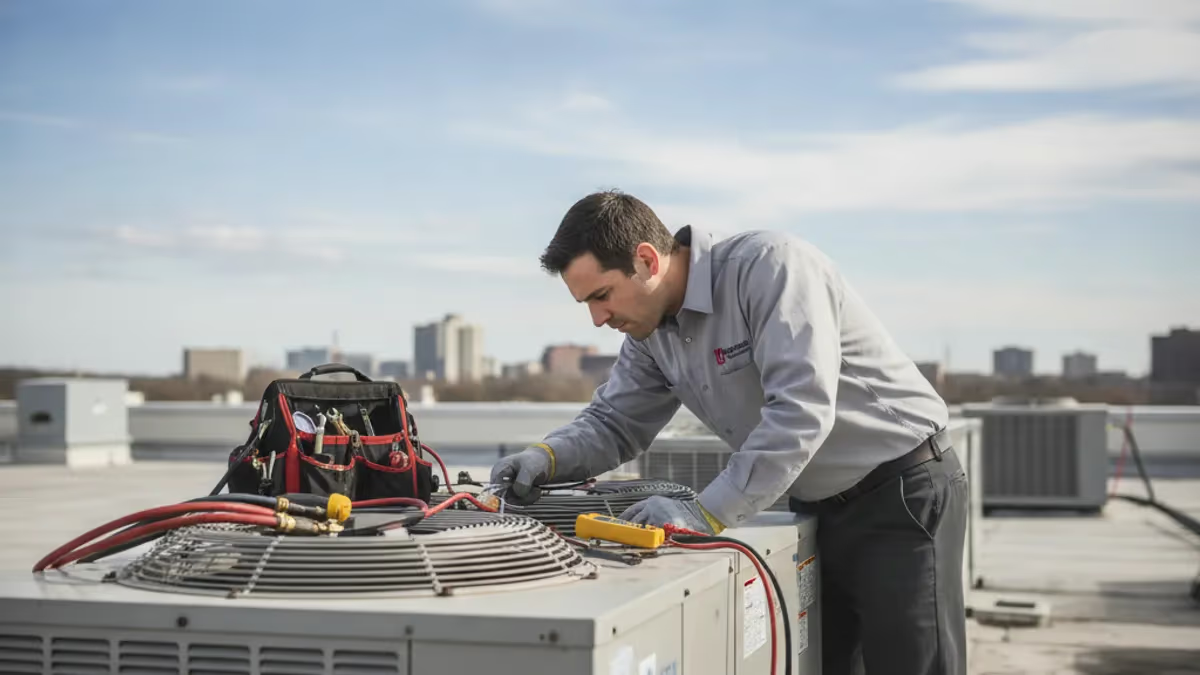
Searching for hvac maintenance anderson usually starts with a small warning sign: weak airflow from the vents, a strange rattle in the furnace closet, or a utility bill that jumped without explanation. Anderson homeowners, whether in the Upstate of South Carolina or in Madison County, Indiana, rely on heating and cooling equipment that works hard for much of the year. Routine maintenance is the most reliable way to keep that equipment efficient, safe, and out of the repair shop.
This guide explains what professional maintenance actually covers, how often it should happen, what it typically costs, and how to compare local providers without overpaying. It also looks at the topic from a second angle: the people doing the work. Every tune-up is performed by a technician who learned the trade through formal training. If you are curious about the career side, our overview of hvac maintenance services by location shows how local programs prepare these professionals.
Climate shapes everything about maintenance schedules. Anderson, South Carolina has long, humid summers where an air conditioner can run for six or seven months, collecting dust, pollen, and moisture on its coils. Anderson, Indiana sees the opposite pattern, with hard winters that push furnaces and heat pumps through months of near-constant cycling. In both places, seasonal stress slowly degrades capacitors, contactors, igniters, and blower motors unless someone inspects them before they fail.
Many homeowners treat maintenance as optional until something breaks, and that is understandable. Yet breakdowns rarely arrive at convenient times. A failed capacitor on the hottest July afternoon or a cracked heat exchanger during the first January cold snap forces you to book emergency service when demand and prices peak. Scheduled maintenance moves that work to a calm shoulder season, when technicians have open calendars and can spend real time finding small problems early.
There is also a financial argument. The U.S. Department of Energy estimates that heating and cooling account for roughly half of the energy used in a typical American home. Even a modest efficiency loss from dirty coils, a clogged filter, or low refrigerant therefore shows up on every monthly bill. Maintenance restores lost efficiency, extends equipment life, and protects manufacturer warranties, many of which require proof of regular service to remain valid after the first few years of ownership.
Safety matters just as much as savings. Gas furnaces produce carbon monoxide, and a cracked heat exchanger or blocked flue can allow that odorless gas into living spaces. Electrical connections also loosen over time, which can overheat wiring and trigger failures. A thorough annual inspection checks combustion, venting, and electrical components against manufacturer specifications. These checks are not cosmetic extras; they are the part of the visit that protects your family while the system quietly does its job.
By the end of this article you will know what to expect from a maintenance visit, how to prepare your home, which questions separate qualified contractors from sales-driven ones, and which simple tasks you can safely handle yourself. You will also find practice resources if you are considering a career in the trade. Use the table of contents to jump to any section, or read straight through for a complete picture of keeping your Anderson home comfortable all year.
HVAC Maintenance by the Numbers
How an HVAC Maintenance Visit Unfolds Step by Step
Booking and Preparation
System Walkthrough
Cleaning and Inspection
Electrical and Safety Testing
Report and Recommendations
A real maintenance visit is more than a quick look and a handshake. A qualified technician follows a checklist that covers both the indoor and outdoor equipment, and the visit usually runs sixty to ninety minutes for a single system. Expect the technician to begin by asking about symptoms, noise, or comfort problems, then test the thermostat, check airflow at several registers, and measure temperature differences before opening any equipment panels.
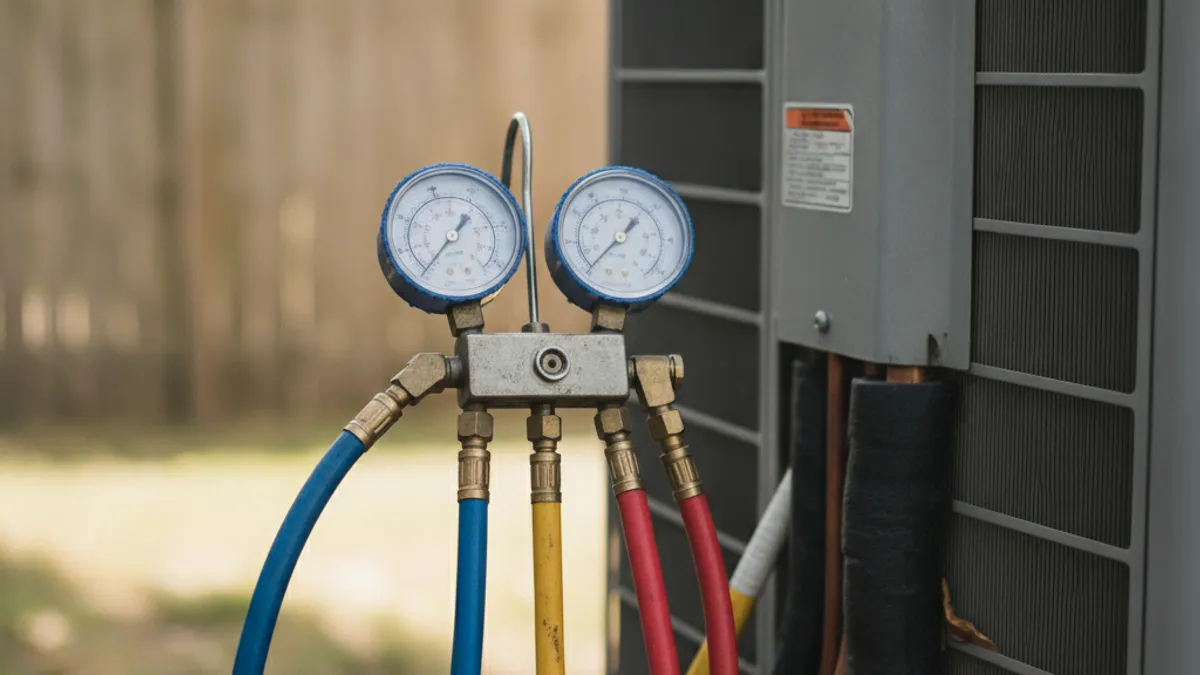
On the cooling side, the core tasks include inspecting and cleaning the outdoor condenser coil, checking the indoor evaporator coil, testing the capacitor and contactor, and measuring refrigerant pressures along with superheat or subcooling. A properly charged system moves heat efficiently, while one that is even ten percent low on refrigerant loses capacity and strains the compressor. Technicians also clear the condensate drain line, since a clogged drain is a leading cause of water damage and nuisance shutoffs.
On the heating side, a gas furnace visit includes inspecting the burners, cleaning the flame sensor, checking the igniter, and examining the heat exchanger for cracks or corrosion. The technician measures gas pressure, confirms the venting is intact, and tests carbon monoxide levels at the supply and flue. Heat pumps receive similar attention, including a check of the reversing valve and defrost cycle, which is especially important during colder Indiana winters.
Electrical and airflow checks tie everything together. The technician tightens connections, inspects wire insulation, measures motor amperage against nameplate ratings, and lubricates moving parts where the design calls for it. Airflow gets attention too: a dirty blower wheel, a collapsed duct section, or the wrong filter size can cut performance sharply. Many technicians also measure static pressure, a number that reveals whether the ductwork restricts the air your equipment was designed to move.
Documentation is a quality signal. After the visit, you should receive a written report listing readings, work performed, parts that are worn, and recommended repairs ranked by urgency. Vague summaries such as system looks fine are a red flag. Specific numbers, including measured amperage, refrigerant pressures, and the temperature split across the coil, give you a baseline that future visits can compare against, making slow declines visible long before they become failures.
Not every task requires a technician, and a good contractor will tell you which ones you can handle. Changing a one-inch filter, clearing leaves and debris from around the outdoor unit, keeping supply vents unblocked, and gently rinsing the condenser fins with a garden hose are all reasonable homeowner jobs. Anything involving refrigerant, gas valves, or electrical panels belongs to a licensed professional, and federal rules require EPA Section 608 certification to handle refrigerants.
Frequency depends on equipment and use. Most manufacturers and utilities recommend one visit per year for each system, ideally split into a spring cooling check and a fall heating check if you have separate equipment. Homes with pets, heavy dust, a workshop, or a heat pump that runs year-round may benefit from two visits. Older systems past twelve years also deserve closer monitoring, because small issues compound quickly as components age and wear.
HVAC Maintenance Anderson: Seasonal Care for Every Time of Year
Spring is the best window for cooling maintenance, ideally in March or April before the first heat wave fills contractor calendars. The technician cleans the condenser and evaporator coils, tests the capacitor, checks refrigerant charge, and flushes the condensate drain. In Anderson, South Carolina, where humidity is high, drain and coil cleanliness directly affect comfort because the system must remove large amounts of moisture from the air.
Homeowners can prepare by trimming plants back at least two feet from the outdoor unit, removing winter debris, and replacing the filter. Test the system briefly on a mild day to confirm it starts, cools, and drains properly. Finding a problem in April means a scheduled repair at normal pricing, while discovering it in late July usually means waiting days for parts and paying emergency rates.
Is an Annual HVAC Maintenance Plan Worth It?
- +Catches small failures before they become expensive emergency repairs
- +Keeps equipment running closer to its rated efficiency and lowers energy waste
- +Helps preserve manufacturer warranties that require documented service
- +Typically includes priority scheduling during heat waves and cold snaps
- +Often provides discounts on parts, labor, and repairs
- +Builds a written service history that supports resale value
- −Annual fees add a recurring cost even in years when nothing is wrong
- −Some plans cover only a basic inspection and exclude cleaning or filters
- −Poor providers may use visits to push unnecessary repairs or replacements
- −Scheduling windows can be limiting if you need a specific day
- −Cancellation and auto-renewal terms can be confusing in the fine print
- −Benefits are smaller for new equipment still under full warranty
HVAC Maintenance Anderson Homeowner Checklist
- ✓Replace the air filter every one to three months.
- ✓Clear leaves, grass, and debris from around the outdoor unit.
- ✓Keep at least two feet of space around the condenser.
- ✓Make sure supply vents and return grilles are unblocked.
- ✓Test thermostat settings and replace batteries each season.
- ✓Inspect the condensate drain line for clogs or standing water.
- ✓Install and test carbon monoxide detectors twice a year.
- ✓Schedule a spring cooling check and a fall heating check.
- ✓Record service dates, readings, and repair notes in one folder.
- ✓Call a licensed pro for refrigerant, gas, or electrical issues.
The cheapest maintenance task is also the most important
A clean filter protects the blower, the coils, and the compressor all at once. The Department of Energy notes that replacing a clogged filter can reduce energy use by about 5 to 15 percent. Set a recurring phone reminder and treat the filter like a monthly bill you never skip.
Pricing for hvac maintenance in Anderson varies with the size of the home, the number of systems, and the type of equipment, but the ranges are fairly predictable. A single-visit tune-up for one air conditioner or furnace commonly runs from about $90 to $200, while a combined heating and cooling inspection often lands between $150 and $300. Heat pumps, dual-fuel setups, and multi-zone systems cost more because they require additional testing and more time on site.
Most contractors also sell annual maintenance plans, usually priced between $150 and $500 per year depending on what is included. A typical plan bundles one or two visits, priority scheduling during heat waves and cold snaps, and a discount on repairs, often ten to fifteen percent. Read the details carefully, because some plans cover only a basic inspection while others include coil cleaning, drain treatment, and filters. Compare what you receive, not just the sticker price.
Repair costs put these fees in perspective. Replacing a failed capacitor typically costs a few hundred dollars, a new blower motor can run six to nine hundred, and a compressor or heat exchanger replacement can reach several thousand, sometimes approaching the price of new equipment. Maintenance does not eliminate these failures, but it often catches weakening parts early, when a planned repair costs far less than an emergency one performed on the hottest or coldest day of the year.
Choosing a provider deserves the same care as choosing a doctor. Start by confirming the company holds the licenses required in your state and locality, carries liability insurance and workers compensation coverage, and employs technicians with EPA Section 608 certification. Ask whether technicians hold additional credentials such as NATE certification. Request references from neighbors, check recent reviews for patterns rather than single complaints, and note how quickly the company responds when you first call, since that behavior rarely improves after you sign.
Watch for pressure tactics. A trustworthy technician explains findings, shows you the failing part or the measured reading, and lets you decide. Be cautious about companies that advertise a very low tune-up price and then present a long list of urgent repairs, or that recommend full replacement based solely on age. Equipment older than fifteen years may genuinely be nearing retirement, but a second opinion costs little compared with a premature four-figure or five-figure replacement.
Ask a few direct questions before booking. What exactly does the visit include? Will I receive a written report with readings? Are there extra charges for refrigerant, and how is it priced per pound? Do you service my brand? What is your availability during peak weather? Clear, confident answers signal an organized business. Hesitation or vague responses suggest the visit may be rushed, which defeats the purpose of paying for preventive care in the first place.
Finally, consider the long game. A contractor who knows your equipment history can spot trends, such as slowly rising amperage or repeated low-refrigerant readings that point to a leak. Staying with one reputable company for years usually yields better service, priority booking, and honest advice about when replacement truly makes sense. Keep all reports and receipts in one folder, since they support warranty claims, strengthen resale value, and help the next technician diagnose problems faster.
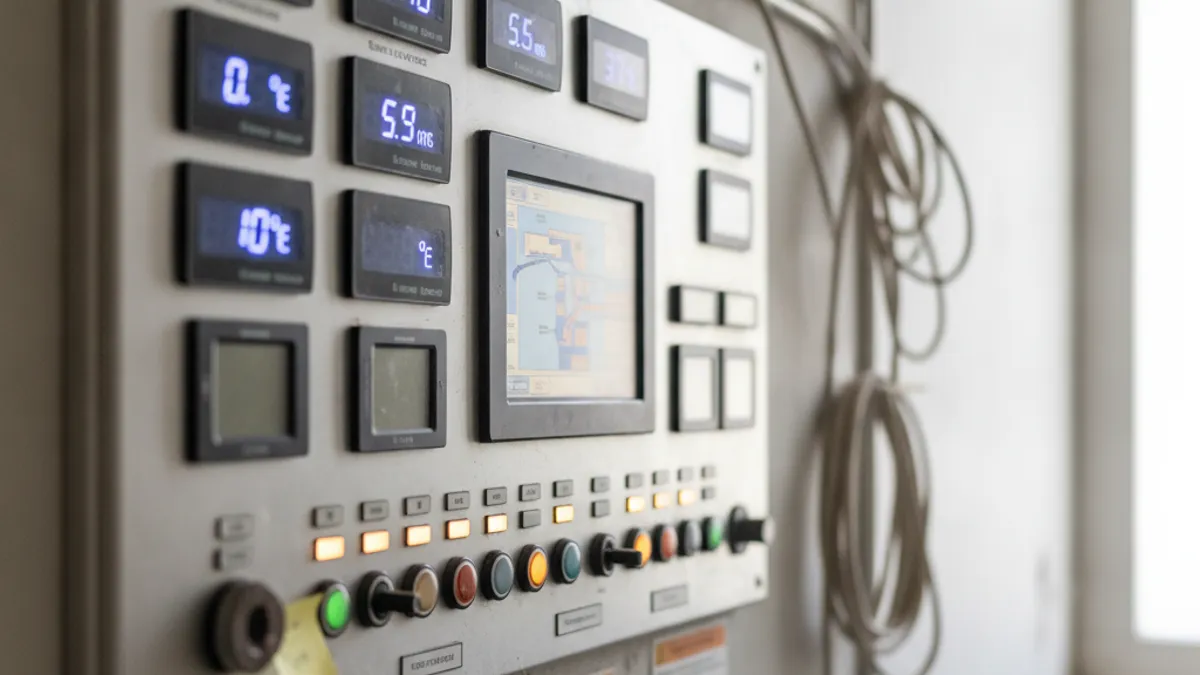
If a carbon monoxide detector sounds, or you notice headaches, dizziness, or a gas smell, leave the home immediately and call 911 or your gas utility from outside. Do not restart the furnace until a licensed technician has inspected it and confirmed the heat exchanger and venting are safe.
Knowing the warning signs helps you decide when a routine visit should become an urgent one. Short cycling, where the system turns on and off every few minutes, often points to a dirty filter, an oversized unit, or a failing control. Ice on the refrigerant lines suggests low airflow or low refrigerant. Weak airflow, uneven temperatures between rooms, and rising energy bills with no change in habits all deserve attention before the next scheduled tune-up.
Unusual noises and smells carry specific meaning. Grinding or squealing usually indicates a worn motor bearing or belt, while banging can mean a loose component or delayed ignition in a gas furnace. A musty smell from the vents often signals moisture or microbial growth on the coil or in the drain pan. A rotten-egg odor is the added scent in natural gas and means you should leave the house and call the utility right away.
Humidity is the signature challenge in Anderson, South Carolina. Oversized or poorly maintained air conditioners cool the air quickly but fail to remove moisture, leaving homes clammy and encouraging mold on ducts and walls. Keeping coils clean, drains clear, and fan settings correct improves dehumidification. Some homeowners add a whole-house dehumidifier, but it works best only after the base system has been tuned and the ducts have been checked for leaks.
Cold weather brings its own problems in Anderson, Indiana. Heat pumps must run defrost cycles when frost builds on the outdoor coil, and a failed defrost control can leave the unit encased in ice. High-efficiency furnaces produce condensate that can freeze in a poorly pitched or uninsulated drain line, causing shutdowns. Snow drifts around outdoor equipment restrict airflow, so keep the area clear and know where the emergency heat setting is on your thermostat.
Ductwork is the hidden half of the system. The Department of Energy notes that typical duct systems can lose as much as twenty to thirty percent of the air moving through them because of leaks, poor connections, and missing insulation. If some rooms never feel comfortable, a technician can measure static pressure, inspect accessible ducts in the attic or crawlspace, and recommend sealing or insulation before anyone suggests buying larger, more expensive equipment.
Thermostats and controls deserve a periodic check as well. A miscalibrated thermostat can cause temperature swings, and a wrongly configured heat pump setting can trigger costly auxiliary heat. Smart thermostats can send filter reminders and show runtime trends that help you notice problems early. Many utilities offer rebates for qualifying tune-ups or smart thermostats, so check your provider's programs before paying full price for upgrades you might be able to partially recover.
The repair-or-replace decision comes down to age, cost, and refrigerant. A common rule of thumb says to consider replacement when a repair costs more than half the price of new equipment and the system is past ten to twelve years old. Older units that use R-22 refrigerant, which was phased out of production in 2020, can be especially expensive to recharge. Ask for a written comparison covering repair cost, expected remaining life, and efficiency gains.
Practical preparation makes every maintenance visit more productive. Before the technician arrives, clear a path to the indoor unit, attic access, and the outdoor condenser. Move stored boxes away from the furnace, and secure pets in another room. Write down any symptoms with dates, such as when the noise started or which rooms feel warm. This short list gives the technician real clues and often saves diagnostic time you would otherwise pay for.
Take notes during the visit and ask the technician to explain the readings in plain language. A good professional welcomes questions and will show you the filter condition, coil cleanliness, and any worn parts. Ask which items are urgent, which can wait until next season, and what happens if you delay. That conversation turns a bill into education, and it helps you budget for future repairs instead of being surprised by them.
Build a simple annual calendar. Put the spring cooling visit in March or April, the fall heating visit in September or October, monthly filter checks on the first of each month, and a yearly battery change for thermostats and detectors. Scheduling the next appointment before the technician leaves ensures you get a preferred date. Consistency matters more than perfection, because a modest routine followed every year beats an ambitious plan that is abandoned by summer.
Track your results. Compare utility bills across the same months year after year, note the filter change dates, and keep every service report. If a bill rises sharply without explanation, that is an early signal to request a diagnostic check. Over several years, these records reveal patterns, such as a compressor drawing more current or a recurring drain clog, that help a technician fix the underlying cause instead of repeating the same temporary solution.
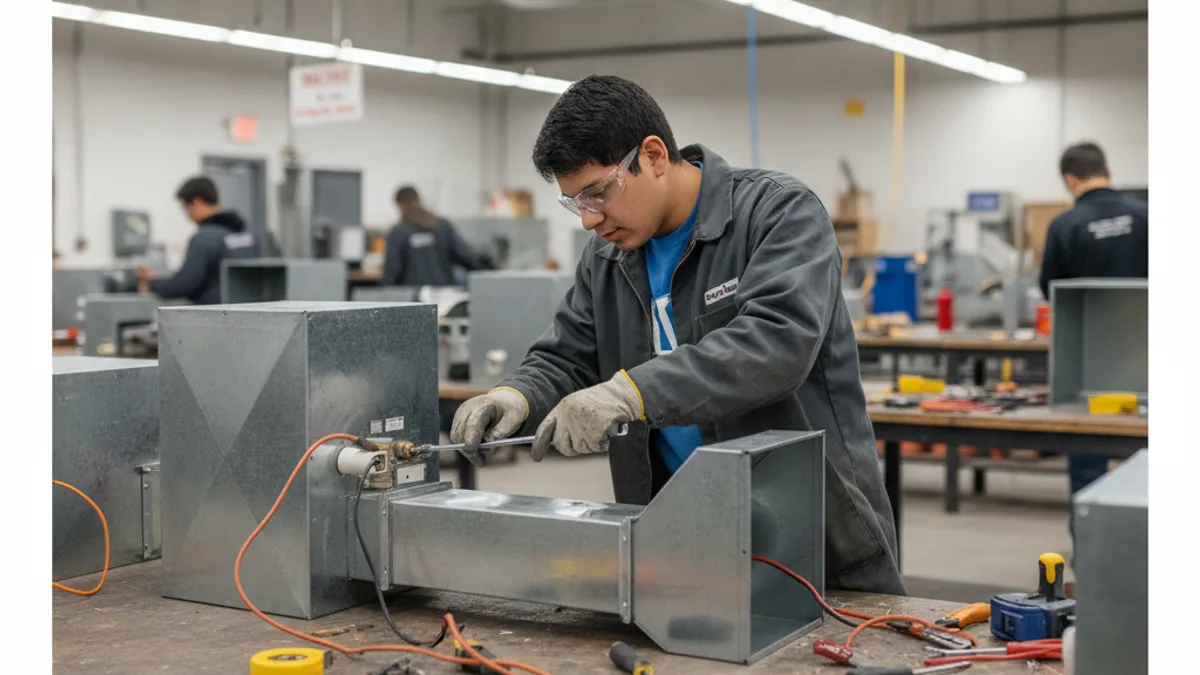
If you are curious about the work itself, the trade offers a solid path. The Bureau of Labor Statistics reports median pay for heating, air conditioning, and refrigeration mechanics near $60,000 per year, with steady demand because every building needs climate control. Entry routes include trade school programs, community college certificates, and apprenticeships. Understanding what technicians do during a tune-up is a practical first step toward deciding whether the career fits your interests and strengths.
Certification is the gateway. Anyone who handles refrigerants in the United States must hold EPA Section 608 certification, and many employers also value NATE credentials and state or local licenses. Exams test refrigeration cycle theory, safety, electrical basics, airflow, and code compliance. Practice questions are one of the most efficient ways to find weak areas early, so use the quizzes on this site regularly instead of cramming in the final week before an exam.
Finally, approach both homeownership and career planning with patience and curiosity. Whether you are protecting your family's comfort in Anderson or preparing to join the trade, steady habits produce the best results: consistent maintenance, written records, honest questions, and ongoing learning. Use the practice tests below to check your knowledge, and explore the related guides to compare training options, equipment sources, and career paths in installation and service work.
HVAC Questions and Answers
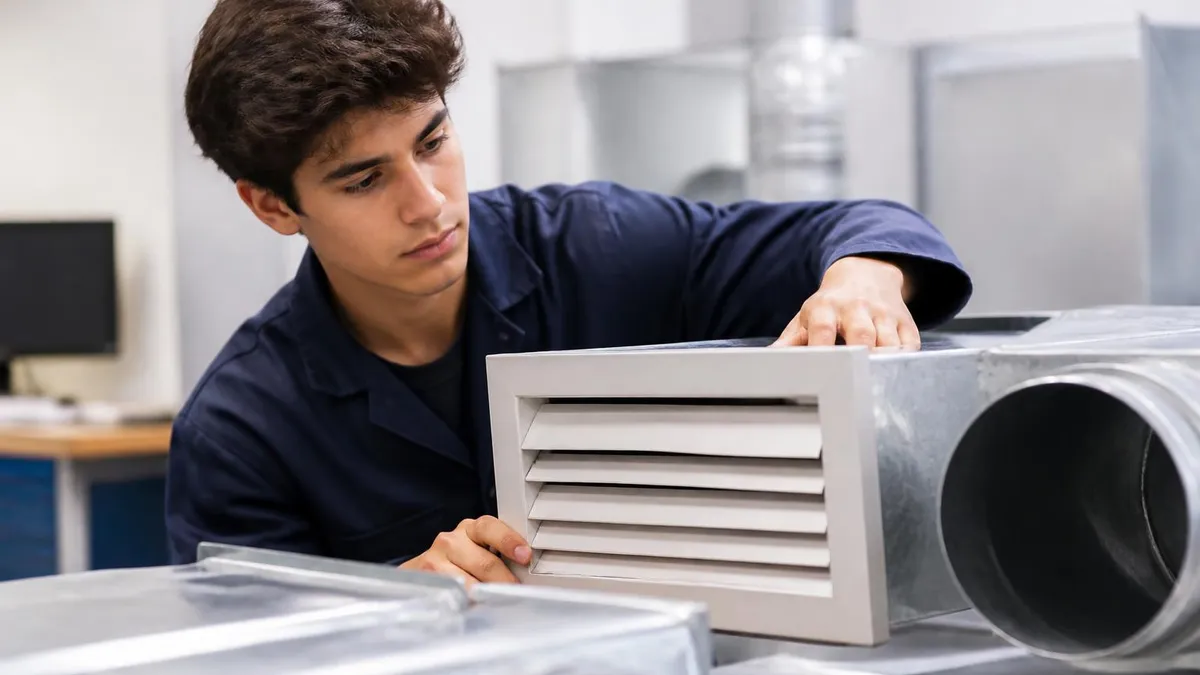
HVAC Training Near Me: Complete Guide to Local Programs, Costs, and Career Paths in 2026

HVAC Technical Academy: Your Complete Guide to Programs, Requirements, and Career Success

HVAC Trade Schools: The Complete Guide to Training Programs, Costs, Certifications, and Launching Your Career
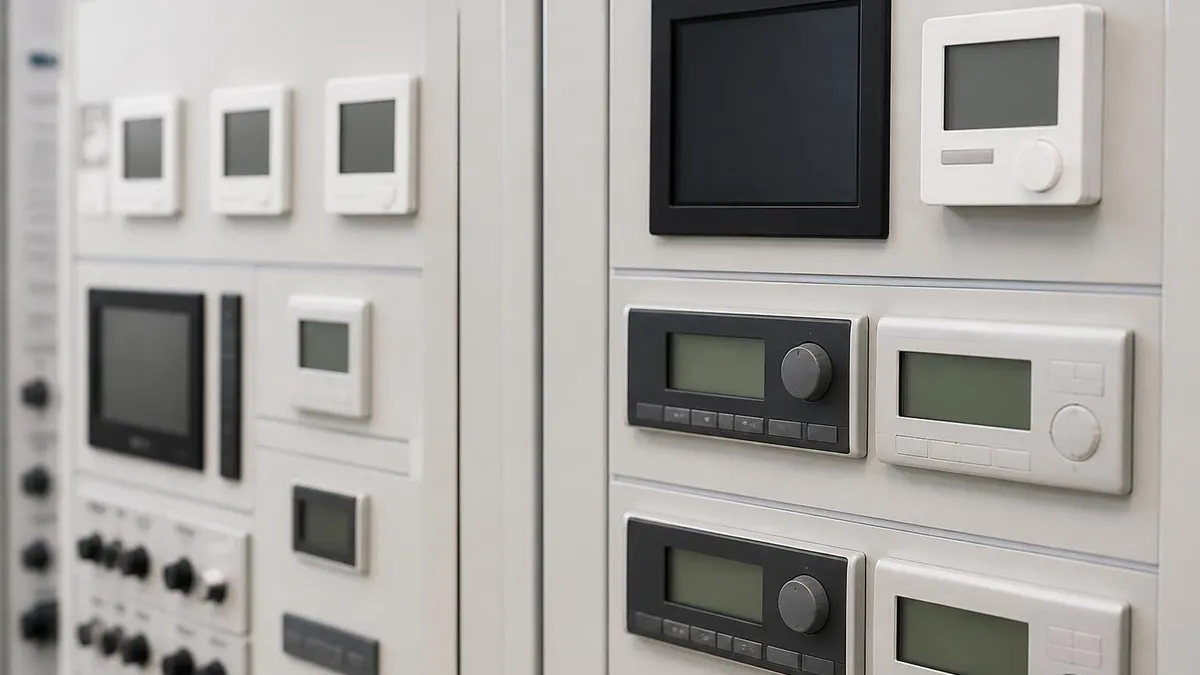
HVAC Parts and Supply: The Complete Guide to Sourcing, Identifying, and Buying Heating and Cooling Components in 2026
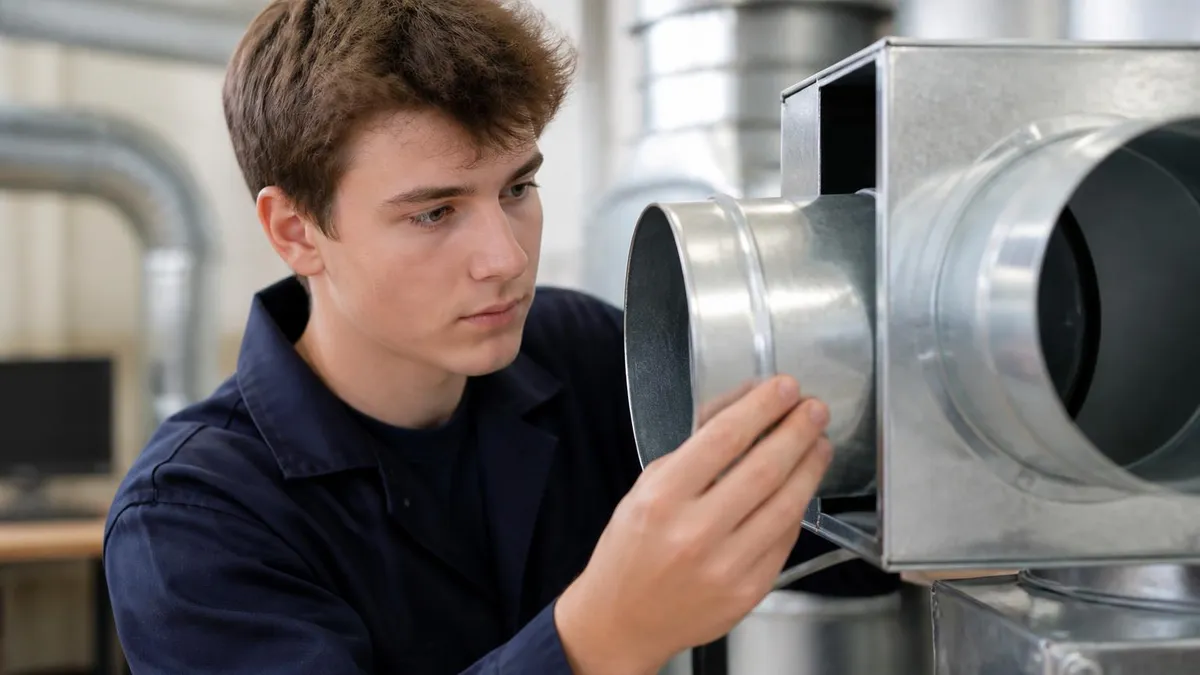
HVAC Installers: Career Guide, Certifications, Job Duties, and What It Takes to Succeed in the Trade
About the Author

NATE Certified HVAC Technician & Licensing Exam Trainer
Universal Technical InstituteMike Johnson is a NATE-certified HVAC technician and EPA 608 universal-certified refrigerant handler with a Bachelor of Science in HVAC/R Technology. He has 19 years of commercial and residential HVAC installation and service experience and specializes in preparing technicians for NATE certification, EPA 608, A2L refrigerant safety, and state HVAC contractor licensing examinations.