
HVAC Cleaning: Complete Guide to Coil, Duct, and System Maintenance 2026 October
🔎 HVAC cleaning service guide covering duct cleaning, coil care, costs, frequency, DIY tasks, and how to hire a certified contractor in 2026 October.
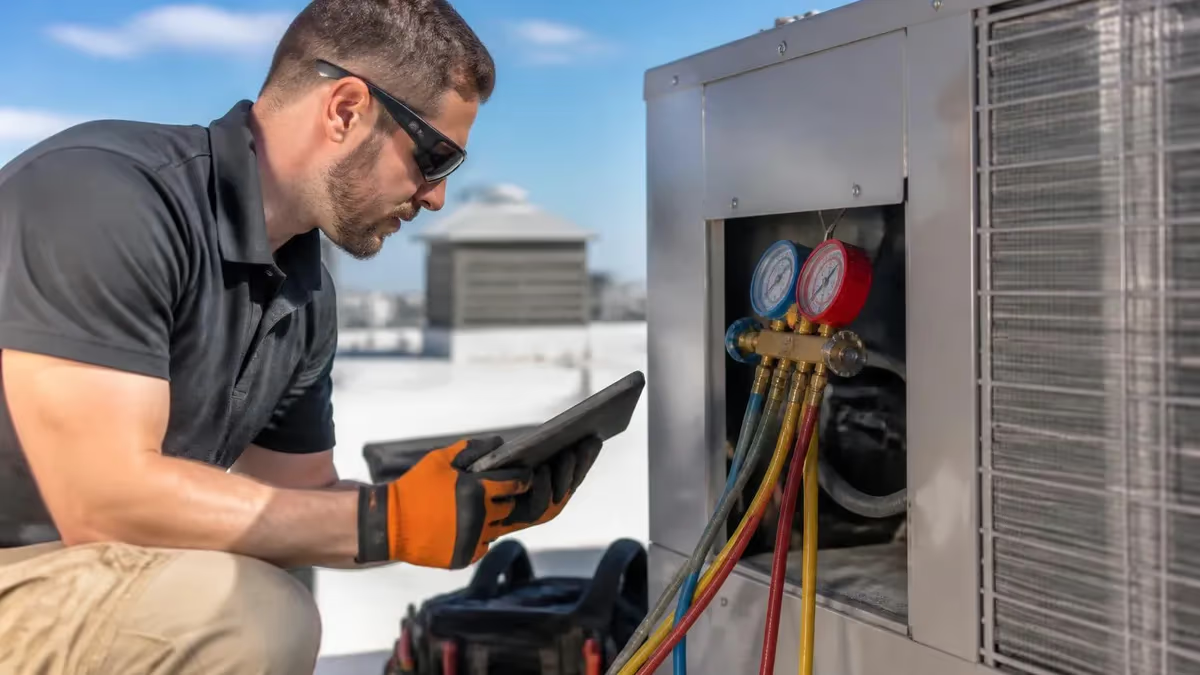
Hiring a professional hvac cleaning service is one of the most overlooked maintenance decisions American homeowners make, yet it directly influences indoor air quality, monthly utility bills, and the operating lifespan of equipment that can cost twelve thousand dollars or more to replace. A thorough cleaning addresses far more than dusty registers. It targets blower wheels, evaporator coils, condenser fins, drain pans, primary and secondary heat exchangers, and the supply and return ducts that distribute conditioned air throughout your living space every minute of every day.
The Environmental Protection Agency estimates that indoor air can be two to five times more polluted than the air outside, largely because dust, pet dander, pollen, mold spores, and combustion byproducts circulate and recirculate through neglected systems. When a technician opens an air handler that has not been serviced in three or four years, the interior cabinet often looks gray with packed lint, and the evaporator coil resembles a wool sweater rather than a finned aluminum heat exchanger.
Cleaning is not the same thing as changing a filter, although a clean filter is the first line of defense. Filters capture roughly the largest forty to sixty percent of airborne particles depending on MERV rating, but smaller particles, biofilm, and condensate sludge still accumulate on internal components over time. Once those deposits form, only mechanical agitation, specialized vacuums, and EPA-registered coil cleaners can restore the system to factory-clean performance and the airflow CFM that the engineer originally specified.
This guide walks you through what a complete cleaning includes, how often each component needs attention, fair price ranges across the United States, the certifications and standards that separate legitimate contractors from duct-cleaning scammers, and the maintenance tasks any reasonably handy homeowner can perform between professional visits. We also cover the warning signs that suggest your system is overdue, the cleaning frequency that the National Air Duct Cleaners Association actually recommends, and the specific questions to ask before signing a contract.
The information below applies to forced-air central systems, heat pumps, ductless mini-splits, and packaged rooftop units. While the equipment differs, the underlying principle is identical: airflow restriction is the enemy of efficiency, and contamination is the enemy of indoor air quality. Every percentage point of airflow you lose to fouling translates to higher energy use, longer run times, and accelerated wear on compressors, blower motors, and igniters.
Whether you are a new homeowner trying to understand what your inspector flagged, a landlord scheduling turnover service, or a building owner comparing bids, you will find concrete numbers, plain-English explanations, and a checklist you can use this week. Cleaning is not glamorous, but it is the single highest return on investment you can make in the comfort and air quality of your home.
HVAC Cleaning by the Numbers
What a Complete HVAC Cleaning Includes
Technician accesses the indoor coil through the air handler cabinet, applies a no-rinse EPA-registered foaming cleaner, and rinses biofilm and dust from the fins. Restores rated heat transfer and prevents mold colonization on the wet surface.
The squirrel-cage blower is removed or cleaned in place using brushes and a HEPA-filtered vacuum. Even a thin dust coating on the blades reduces CFM output dramatically and increases motor amperage by ten to twenty percent.
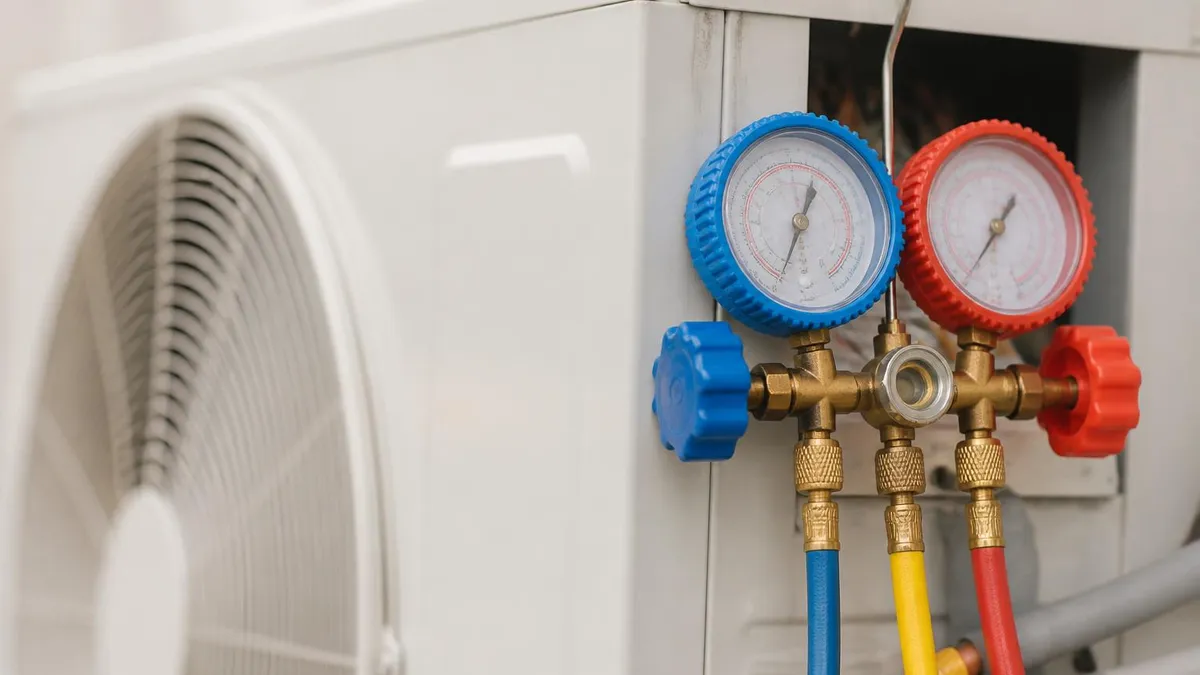
Outdoor unit is de-energized, top grille removed, and fins are flushed from inside out with low-pressure water and coil cleaner. Removes grass clippings, cottonwood, and pollen that insulate the coil and raise head pressure.
Primary drain pan is wet-vacuumed, the condensate line is cleared with nitrogen or a wet/dry vacuum, and a biocide tablet or strip is installed. Prevents clogs that trigger float-switch shutoffs and ceiling water damage.
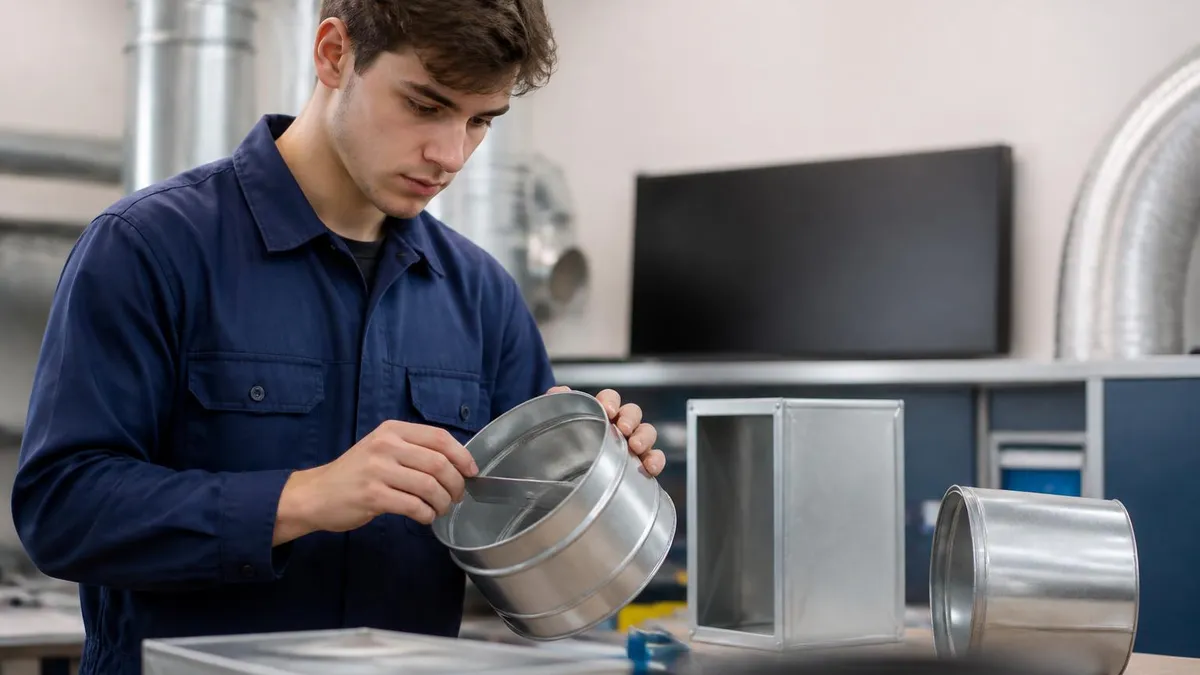
NADCA-compliant contractors use negative-pressure collection units with HEPA filtration plus agitation tools to dislodge debris from supply trunks, return plenums, and branch runs. Registers and grilles are washed separately.
Understanding what cleaning actually targets requires a brief tour of the airflow path. Return air enters the system through grilles, passes through the filter, crosses the evaporator coil in cooling mode, flows over the heat exchanger in heating mode, and is pushed by the blower wheel into the supply plenum. From there it travels through trunks, branches, and registers into your rooms. Every one of those surfaces collects contaminants, and each affects performance differently.
The evaporator coil is the most critical surface to keep clean because it is wet during cooling season. Condensate continuously drips down the fins, and any dust that makes it past the filter sticks to that wet aluminum and forms a biofilm. Within two or three seasons this biofilm becomes a mat that resists airflow, harbors mold, and reduces heat transfer by ten to thirty percent. A neglected coil is the single most common cause of low cooling capacity in older systems.
The blower wheel sits downstream of the coil and is therefore protected from most large particles, but fine dust still accumulates on the leading edge of each blade. A blower wheel works like an airfoil. When the blade profile is altered by debris, lift collapses and CFM drops sharply. Manufacturers publish performance curves assuming clean blades, and a fouled wheel can deliver thirty percent less air at the same RPM. You may have heard about a HVAC inspection finding low static pressure with high amp draw — that is the signature.
The condenser coil outside the home rejects heat to the atmosphere. It accumulates a different mix of contaminants: lawn clippings, dryer lint that drifts on the wind, dog hair, cottonwood seeds, pollen, and in coastal areas, salt deposits. Restricted airflow raises condensing pressure, which forces the compressor to work harder and shortens its life. Bent fins from weed trimmers or hail also reduce surface area and should be combed straight during cleaning.
Ductwork itself is generally less critical than equipment surfaces, contrary to what aggressive marketers claim. Sealed metal and properly installed flex duct do not accumulate dangerous amounts of dust because air velocity keeps surfaces relatively swept. However, ducts that were left open during construction, that suffered water intrusion, that house rodents, or that show visible mold growth genuinely require professional cleaning. The EPA recommends cleaning under those specific conditions rather than on a fixed schedule.
Return air systems deserve special attention because they operate under negative pressure and pull contaminants in through every gap. Panned floor joists used as returns, unsealed plenum boxes, and leaky return drops can suck in attic insulation, crawlspace humidity, and dust from inside wall cavities. A cleaning that ignores return-side leaks treats the symptom and not the cause.
Finally, the condensate management system — pan, primary drain, secondary pan, float switch, and trap — must be cleaned every season in humid climates. The pan grows algae and bacteria that produce a slimy mat capable of clogging a three-quarter-inch PVC line within weeks. Pouring vinegar down the cleanout helps, but a complete service includes physically vacuuming the pan and verifying the slope of the drain line.
HVAC Practice Test Questions
Prepare for the HVAC - Heating Ventilation and Air Conditioning exam with our free practice test modules. Each quiz covers key topics to help you pass on your first try.
HVAC Air Conditioning
HVAC Exam Questions covering Air Conditioning. Master HVAC Test concepts for certification prep.
HVAC Code Compliance
Free HVAC Practice Test featuring Code Compliance. Improve your HVAC Exam score with mock test prep.
HVAC Electrical Controls
HVAC Test Prep for Electrical Controls. Practice HVAC Quiz questions and boost your score.
HVAC Energy Efficiency
HVAC Questions and Answers on Energy Efficiency. Free HVAC practice for exam readiness.
HVAC Heating Systems
HVAC Mock Test covering Heating Systems. Online HVAC Test practice with instant feedback.
HVAC Load Calculations
Free HVAC Quiz on HVAC Load Calculations. HVAC Exam prep questions with detailed explanations.
HVAC Tools and Equipment
HVAC Practice Questions for HVAC Tools and Equipment. Build confidence for your HVAC certification exam.
HVAC Refrigeration
HVAC Test Online for Refrigeration. Free practice with instant results and feedback.
HVAC Safety Practices
HVAC Study Material on Safety Practices. Prepare effectively with real exam-style questions.
HVAC System Design
Free HVAC Test covering System Design. Practice and track your HVAC exam readiness.
HVAC Thermodynamics
HVAC Exam Questions covering Thermodynamics. Master HVAC Test concepts for certification prep.
Duct Cleaning, Coil Cleaning, and Drain Line Service
Professional duct cleaning under the NADCA ACR Standard uses a truck-mounted or portable negative-air machine that pulls between three thousand and five thousand CFM through the duct system while the technician agitates surfaces with rotating brushes, air whips, or skipper balls. The system is divided into zones, each register is sealed except the one being cleaned, and debris is captured in a HEPA-filtered collection bag rather than blown around your house.
A legitimate cleaning of a typical three-bedroom home takes three to five hours and costs between three hundred fifty and seven hundred dollars in most markets. Beware of the ninety-nine-dollar whole-house specials advertised on door hangers — those operations typically blow compressed air through a few registers and leave with most contamination still in place. Ask any contractor to show before and after photos of every run before payment.
Professional HVAC Cleaning: Is It Worth Hiring a Service?
- +Restores rated airflow and cooling capacity that has degraded over years
- +Lowers monthly electric bills by ten to fifteen percent in dirty systems
- +Reduces allergens, mold spores, and dust circulating through living spaces
- +Extends compressor and blower motor life by reducing amperage and head pressure
- +Identifies hidden problems like refrigerant leaks, cracked heat exchangers, or duct disconnects
- +Improves humidity control because a clean coil dehumidifies properly
- +Satisfies manufacturer warranty requirements for documented maintenance
- −Quality varies enormously between contractors, and scams are common in the duct cleaning industry
- −Cost ranges from three hundred to fifteen hundred dollars depending on scope and home size
- −Aggressive cleaning of fragile fiberglass duct board can damage interior surfaces
- −Most homes do not need duct cleaning on a fixed annual schedule despite marketing claims
- −Disruption inside the home with hoses running through doors for several hours
- −Marginal benefit if filters have been changed regularly and equipment is under three years old
Pros and Cons at a Glance
| Pros | Cons |
|---|---|
| Restores rated airflow and cooling capacity that has degraded over years | Quality varies enormously between contractors, and scams are common in the duct cleaning industry |
| Lowers monthly electric bills by ten to fifteen percent in dirty systems | Cost ranges from three hundred to fifteen hundred dollars depending on scope and home size |
| Reduces allergens, mold spores, and dust circulating through living spaces | Aggressive cleaning of fragile fiberglass duct board can damage interior surfaces |
| Extends compressor and blower motor life by reducing amperage and head pressure | Most homes do not need duct cleaning on a fixed annual schedule despite marketing claims |
| Identifies hidden problems like refrigerant leaks, cracked heat exchangers, or duct disconnects | Disruption inside the home with hoses running through doors for several hours |
| Improves humidity control because a clean coil dehumidifies properly | Marginal benefit if filters have been changed regularly and equipment is under three years old |
Homeowner HVAC Cleaning Checklist
- ✓Replace the air filter every ninety days, or every thirty days with pets or allergies
- ✓Vacuum supply and return registers with a brush attachment monthly during heavy-use seasons
- ✓Pour a cup of distilled white vinegar down the condensate cleanout every two months in summer
- ✓Clear leaves, grass clippings, and shrubs at least twenty-four inches from the outdoor condenser
- ✓Rinse the outdoor coil from inside out with a garden hose once each spring
- ✓Check the float switch by lifting the float and confirming the system shuts off
- ✓Inspect the secondary drain pan under attic units for any standing water
- ✓Listen for unusual whistling at registers that signals duct leaks or restrictions
- ✓Photograph the inside of your air handler cabinet annually to track dust buildup
- ✓Schedule a full professional cleaning every three to five years or when air feels stale
Most homes do not need annual duct cleaning
The EPA and NADCA both state that routine annual duct cleaning is not necessary for most homes. Cleaning is warranted when ducts show visible mold growth, vermin infestation, or substantial debris release into living spaces. What every system genuinely needs every year is coil, blower, and condensate maintenance — those wet, fan-driven surfaces are where contamination actually impacts performance and air quality.
Cost is the question every homeowner asks first, and the honest answer is that prices vary by an order of magnitude depending on scope. A basic spring tune-up that includes condenser coil rinse, drain flush, refrigerant pressure check, and capacitor testing runs eighty-five to one hundred fifty dollars in most markets. This is the bare minimum every system should receive every year, and many utilities subsidize it because it reduces grid load during summer peaks.
A full coil and blower cleaning performed inside the air handler typically costs three hundred to five hundred fifty dollars. This includes removing the blower assembly, chemical cleaning of the evaporator coil in place, cabinet vacuuming, and reassembly. If the coil is severely fouled and requires removal for a chemical bath, expect six hundred to nine hundred dollars depending on cabinet design and refrigerant recovery requirements.
Whole-house duct cleaning under the NADCA standard ranges from four hundred fifty to seven hundred fifty dollars for an average single-family home with six to ten supply runs. Multistory homes, homes with multiple zones, and homes with extensive flex duct in attics fall on the higher end. Add roughly fifty dollars per additional supply run beyond ten. Sanitization treatments add one hundred to two hundred dollars but are unnecessary in most cases.
Commercial buildings, restaurants with kitchen exhaust, and homes recovering from fire, smoke, or sewage events require specialized restoration cleaning that can exceed five thousand dollars. Insurance often covers these losses, but documentation matters — keep before-and-after photos, the cleaning company's NADCA certification number, and a detailed scope of work for every claim. Some insurers also reimburse routine cleaning when prescribed by a doctor for documented allergies or asthma.
Frequency depends on the component. Filters every one to three months. Outdoor coil rinse every spring. Condensate drain every two months during cooling season. Indoor coil and blower every two to three years in average conditions, every year in homes with pets, smoking, or new construction dust. Full duct cleaning every five to seven years in average homes, or sooner if NADCA inspection criteria are met. There is no universal schedule, only triggers and inspections.
You can also calculate your own return on investment. A typical three-ton system consumes about three thousand five hundred kilowatt-hours per cooling season. At fifteen cents per kilowatt-hour, that is five hundred twenty-five dollars annually. If cleaning restores ten percent efficiency, you save fifty-two dollars per year. Over a ten-year equipment life, that single cleaning pays for itself and contributes to a meaningfully longer lifespan for the compressor, which is the most expensive component to replace.
For homeowners exploring upgrades, our guide on the HVAC heat pump explains how modern variable-speed systems are less tolerant of dirty coils than older single-stage equipment. The tighter operating tolerances of inverter compressors and ECM blowers mean even modest fouling triggers efficiency drops measurable on your utility bill. Cleaning is not optional on premium equipment — it is a warranty requirement.
The duct cleaning industry has the highest complaint rate of any HVAC service category according to the Better Business Bureau. Avoid contractors advertising flat rates under one hundred fifty dollars, those who arrive without negative-pressure equipment, or those who pressure you into mold-remediation upsells after a five-minute inspection. Always verify NADCA membership and ask for the technician's ASCS certification number before work begins.
Choosing the right contractor is more important than choosing the right service package, because a skilled technician with basic tools produces better results than a careless one with expensive equipment. Start by verifying that the company holds membership in the National Air Duct Cleaners Association and that the on-site technician is an Air Systems Cleaning Specialist. These credentials are not marketing fluff — they require documented training, testing, and adherence to the ACR Standard that defines what cleaning actually means.
Ask for three references from cleanings completed within the past sixty days, and actually call them. Ask whether the contractor showed up on time, whether the price matched the estimate, whether the home was left clean, and whether the homeowner noticed measurable improvements. Vague endorsements like good guys are worthless — you want specific outcomes like the air feels different or our allergy symptoms improved or the cooling bill dropped twenty dollars.
Insist on a written scope of work before signing anything. The document should specify every component to be cleaned (supply trunks, return plenum, evaporator coil, blower wheel, condensate pan, drain line, registers, grilles), the equipment to be used (negative-pressure unit with HEPA filtration, agitation tool type, coil cleaner brand), the time on site, and the warranty on the work. A reputable company gladly puts everything in writing — a scammer dodges every specific question.
Before the technician leaves, walk through the home together. Open the air handler cabinet and inspect the coil and blower compartment with a flashlight. Look at the inside of one or two return ducts using your phone camera. Verify that all registers are reinstalled, all access doors are sealed with mastic or foil tape, and the float switch is reset. Pay only after this walkthrough is complete and you are satisfied with what you see.
Document the cleaning for your own records. Photograph the cleaned coil, save the invoice with itemized labor, and note any deficiencies the technician identified. This documentation supports manufacturer warranty claims, helps the next technician understand system history, and adds value when you sell the home. Buyers and inspectors look favorably on documented maintenance, and our guide to a full HVAC inspection explains exactly what they check.
Finally, understand what cleaning will and will not accomplish. It restores performance to the maximum the existing equipment can deliver. It does not fix undersized return ducts, improperly sized equipment, missing insulation, leaky building envelopes, or worn-out compressors. If your house was uncomfortable before cleaning, identify the root cause before assuming a service contract will solve it. A good contractor performs a Manual J load calculation or static pressure test and tells you the truth even when it costs them a sale.
Federal tax credits and state utility rebates occasionally include diagnostic testing performed during cleaning visits, particularly for blower-door tests and duct-leakage measurements. Combining cleaning with sealing services often qualifies for incentives that reduce out-of-pocket cost by twenty to forty percent. Ask your contractor about current programs and request the paperwork at time of service rather than after.
Between professional visits, the maintenance habits you develop matter more than any single cleaning event. Set a recurring calendar reminder for filter changes — most homeowners forget because the filter is hidden behind a return grille they never open. Buy filters in cases of six or twelve and store them near the air handler so the replacement is genuinely a two-minute task. Skipped filter changes are the single largest cause of premature coil fouling.
Pay attention to airflow at each register every month. Hold a tissue near the grille and confirm it deflects evenly across all rooms. Rooms that suddenly feel weak indicate either a closed damper, a disconnected flex duct in the attic, or a developing blockage. Catching a duct disconnect within weeks is far cheaper than discovering it years later after thousands of dollars of conditioned air have been pumped into the attic.
Walk around your outdoor condenser monthly during cooling season. Remove any leaves, grass, or debris that has accumulated against the fins. Trim back vegetation to maintain at least twenty-four inches of clearance on all sides. If a dryer vent terminates near the condenser, redirect it — lint coats the aluminum fins faster than any other contaminant and is the most common cause of premature condenser failure in suburban homes.
Test your float switch every spring before cooling season starts. Locate the small plastic device clipped to the side of the primary drain pan or installed in the secondary line. Carefully lift the float manually and confirm the system shuts off within a few seconds. This single test prevents thousands of dollars of water damage from clogged drains and is something every homeowner can do in under five minutes without tools.
Listen for changes in sound. New rattles, whistles, or buzzing rarely fix themselves. A blower wheel that begins to whine often has accumulated dust on one side, creating an imbalance that destroys the motor bearings within months. Catching the noise early lets a technician clean and rebalance the wheel rather than replace the entire blower assembly, saving you four hundred to eight hundred dollars in parts and labor.
Keep a maintenance log. A simple spreadsheet listing filter changes, professional service dates, refrigerant readings, and observed issues becomes invaluable over time. Patterns emerge — perhaps your filter loads faster in spring because of pollen, or your drain clogs every August because of humidity. The log also transfers to the next homeowner when you sell, supporting a higher resale price by demonstrating responsible ownership of the mechanical system.
Finally, treat your HVAC system like the major appliance it is. A modern variable-speed heat pump represents a fifteen-thousand-dollar investment that runs more hours per year than your refrigerator. Cleaning, filter changes, and prompt repairs are not optional luxuries — they are basic stewardship that protects that investment, your indoor air, and your monthly utility budget. The homeowners who treat their systems this way routinely get twenty-plus years of service from equipment rated for fifteen.
Sample HVAC Practice Questions
Try these questions from our free HVAC practice tests. The correct answer and an explanation follow each question.
A technician measures 350 CFM at a supply register designed for 400 CFM. After checking the duct system, they find a collapsed section of flex duct. What is the most likely effect on system static pressure?
- A. Static pressure decreases upstream of the restriction
- B. Static pressure increases upstream of the restriction
- C. Static pressure remains unchanged throughout the system
- D. Static pressure drops to zero at the register
Answer: B. Static pressure increases upstream of the restriction
A restriction (collapsed flex duct) increases resistance, causing static pressure to build up upstream of the blockage while reducing airflow downstream.
Which fitting is used to offset duct around an obstruction while maintaining the same duct size?
- A. Offset fitting
- B. Tee fitting
- C. Wye fitting
- D. Boot fitting
Answer: A. Offset fitting
An offset fitting shifts the duct laterally or vertically to route around a beam, pipe, or other obstruction while keeping the same duct dimensions.
A duct hanger rod for a rectangular duct should be sized based on which primary factor?
- A. The weight of the duct and any insulation it must support
- B. The duct air velocity
- C. The duct static pressure class
- D. The distance from the air handler
Answer: A. The weight of the duct and any insulation it must support
Hanger rods are sized by the load they must support, which is determined by the weight of the duct section (and insulation) between hanger points.
Which type of air distribution system delivers conditioned air through a single large duct and uses a mixing box at each zone to control temperature?
- A. Variable air volume (VAV) system
- B. Multi-zone system
- C. Dual-duct system
- D. Fan-coil unit system
Answer: C. Dual-duct system
A dual-duct system supplies both cold and hot air through separate ducts to mixing boxes at each zone, where they blend to achieve the desired temperature.
HVAC Questions and Answers
About the Author

NATE Certified HVAC Technician & Licensing Exam Trainer
Universal Technical InstituteMike Johnson is a NATE-certified HVAC technician and EPA 608 universal-certified refrigerant handler with a Bachelor of Science in HVAC/R Technology. He has 19 years of commercial and residential HVAC installation and service experience and specializes in preparing technicians for NATE certification, EPA 608, A2L refrigerant safety, and state HVAC contractor licensing examinations.