
HVAC Blower Motor Replacement Cost: The Complete 2026 October Pricing Guide for Homeowners
🔎 HVAC blower motor replacement cost ranges $450-$2,000. Get parts pricing, labor rates, brand comparisons, and money-saving tips for 2026 October.
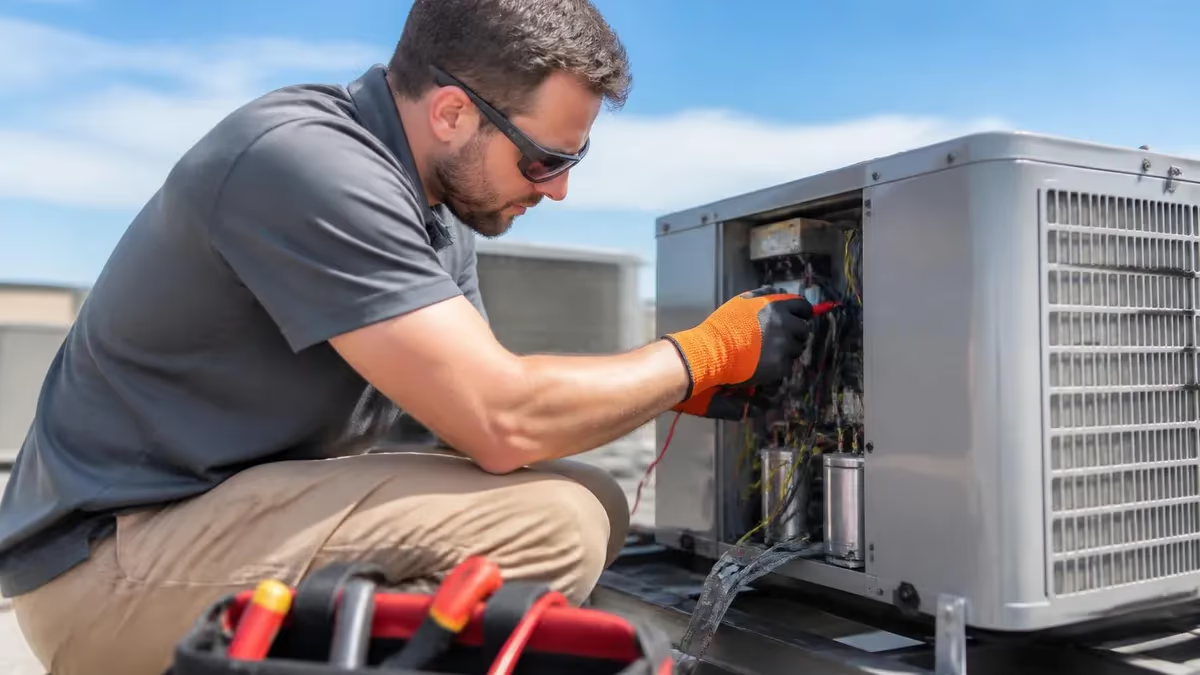
The average hvac blower motor replacement cost in 2026 falls between $450 and $2,000, with most homeowners paying around $850 for a complete swap including parts and labor. That range looks wide because the final number depends heavily on whether you have a standard PSC (permanent split capacitor) motor, a higher-end ECM (electronically commutated motor), the brand of your furnace or air handler, and the labor rates in your specific region. Understanding these variables before you call a contractor can save you several hundred dollars.
Your blower motor is the heart of your forced-air system. It pushes conditioned air through your ductwork to every room in the house, and when it fails, your entire heating and cooling system effectively shuts down. Symptoms of a failing motor include weak airflow from vents, unusual humming or grinding noises, frequent overheating shutdowns, and skyrocketing electricity bills. Most blower motors last 10 to 20 years, but poor maintenance, dirty filters, and oversized systems can shorten that lifespan dramatically.
This guide breaks down every cost component you'll encounter, from the motor itself to the capacitor, control board, and labor charges that often surprise homeowners. We'll cover ECM versus PSC pricing differences, brand-specific costs for Carrier, Trane, Lennox, Goodman, and Rheem, and the warranty considerations that can make replacement free if your system is under 10 years old. You'll also learn when replacement makes more financial sense than repair and how to spot upselling tactics.
Beyond just the motor, contractors often recommend replacing related parts during the same service call. The blower wheel, motor mount, capacitor, and run capacitor all wear together, and bundling these repairs typically costs less than separate visits. Reviewing HVAC Duct Supplies: The Complete Buyer's Guide to Ductwork Components, Sizing, and Installation Materials can help you understand how airflow components work together and why a properly sized motor matters for your duct system's performance.
Geographic location plays a bigger role than most homeowners realize. Labor rates in major metros like New York, San Francisco, and Boston run $150 to $200 per hour, while rural areas and smaller cities often charge $75 to $110 per hour. Emergency or after-hours service typically adds 50% to 100% to standard rates. Permits are rarely required for like-for-like motor swaps, but some jurisdictions require electrical permits if the motor amperage changes significantly from the original specification.
Before agreeing to any replacement, always verify the diagnosis with a multimeter test and request a written quote that itemizes parts, labor, and any disposal or trip fees. Reputable contractors will show you the failed component, explain the failure mode, and offer at least two options at different price points. The cheapest quote isn't always the best value, especially when warranty length and motor efficiency differ significantly between brands and models.
Blower Motor Replacement by the Numbers
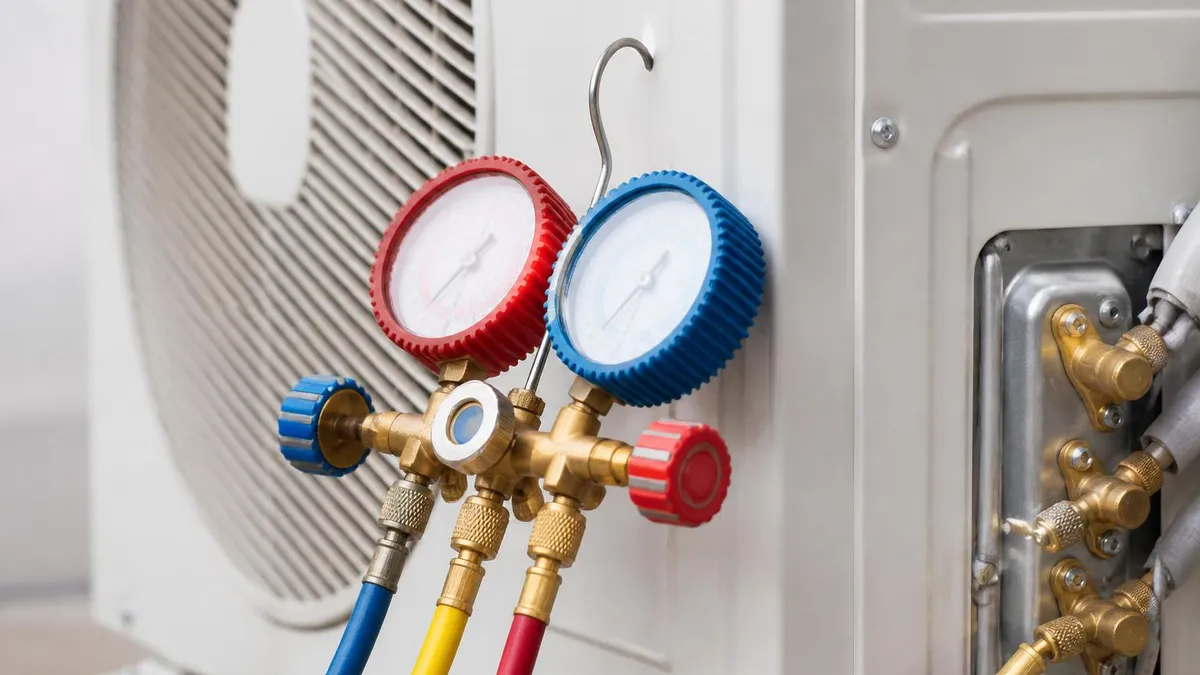
Cost Breakdown by Component
The biggest cost variable in any hvac blower motor replacement is whether you're installing a PSC motor or an ECM motor. PSC motors have been the workhorse of residential HVAC for decades. They run at a single fixed speed, cost between $150 and $650 for the part alone, and are relatively simple to install. Most contractors can swap a PSC motor in under three hours, keeping total project costs in the $400 to $900 range. They're reliable, widely available, and compatible with older systems built before 2010.
ECM motors represent the modern standard, especially in systems manufactured after 2015. These motors use a built-in microprocessor to vary their speed based on demand, ramping up gradually rather than slamming on at full power. Parts cost ranges from $400 to $1,200, and labor runs slightly higher because the motor module often requires programming or matching to your specific furnace control board. Total installed cost typically lands between $700 and $1,800, but you'll recoup much of that premium through 30% to 40% lower electricity bills over the motor's lifespan.
Variable-speed ECM motors also dramatically improve indoor comfort. They run longer at lower speeds, which removes more humidity in summer, distributes heat more evenly in winter, and reduces the noisy on-off cycling typical of PSC systems. If your home has rooms that are always too hot or too cold, upgrading from PSC to ECM can solve airflow problems that no amount of duct adjustment will fix. Understanding the relationship between motor speed and airflow is essential, and our guide to CFM HVAC Basics: How Airflow, Sizing, and System Performance Work Together explains how blower performance ties directly to system efficiency.
Compatibility matters enormously when choosing between motor types. You generally cannot upgrade a PSC system to ECM without also replacing the control board, and sometimes the entire furnace, because ECM motors require communication signals that older boards cannot generate. A reputable contractor will inspect your existing equipment, verify electrical compatibility, and present both options if your system supports either. Be skeptical of any technician who pushes ECM without first confirming your furnace can support it.
Universal replacement motors offer a middle-ground option for older systems where the OEM motor is discontinued or backordered. Brands like US Motors, Fasco, and Century make universal PSC and X13 (constant torque ECM) motors that fit dozens of OEM specifications. These typically cost $200 to $500 for the part and work well as long as horsepower, voltage, rotation direction, and mounting style match. Avoid no-name universal motors from online marketplaces, as they often fail within a year and void existing furnace warranties.
Don't overlook the cost of related parts that should be replaced at the same time. The run capacitor, which helps the motor start and maintain speed, costs only $15 to $60 but causes 80% of motor failures when it weakens. Replacing the capacitor preventively whenever you replace the motor is standard professional practice. The blower wheel itself should be inspected for rust, imbalance, or accumulated debris, and replaced at $80 to $250 if compromised. Skipping these inspections almost guarantees a callback within 18 months.
HVAC Practice Test Questions
Prepare for the HVAC - Heating Ventilation and Air Conditioning exam with our free practice test modules. Each quiz covers key topics to help you pass on your first try.
HVAC Air Conditioning
HVAC Exam Questions covering Air Conditioning. Master HVAC Test concepts for certification prep.
HVAC Code Compliance
Free HVAC Practice Test featuring Code Compliance. Improve your HVAC Exam score with mock test prep.
HVAC Electrical Controls
HVAC Test Prep for Electrical Controls. Practice HVAC Quiz questions and boost your score.
HVAC Energy Efficiency
HVAC Questions and Answers on Energy Efficiency. Free HVAC practice for exam readiness.
HVAC Heating Systems
HVAC Mock Test covering Heating Systems. Online HVAC Test practice with instant feedback.
HVAC Load Calculations
Free HVAC Quiz on HVAC Load Calculations. HVAC Exam prep questions with detailed explanations.
HVAC Tools and Equipment
HVAC Practice Questions for HVAC Tools and Equipment. Build confidence for your HVAC certification exam.
HVAC Refrigeration
HVAC Test Online for Refrigeration. Free practice with instant results and feedback.
HVAC Safety Practices
HVAC Study Material on Safety Practices. Prepare effectively with real exam-style questions.
HVAC System Design
Free HVAC Test covering System Design. Practice and track your HVAC exam readiness.
HVAC Thermodynamics
HVAC Exam Questions covering Thermodynamics. Master HVAC Test concepts for certification prep.
Brand-Specific Blower Motor Replacement Costs
Carrier and Bryant (same parent company) blower motors typically cost $450 to $1,500 installed, with their proprietary Infinity and Evolution variable-speed motors landing at the higher end. OEM parts run $300 to $900, and Carrier's 10-year parts warranty often covers replacement at no charge if your system was registered within 90 days of installation. Always check your warranty status at the Carrier owner portal before paying out of pocket.
Labor for Carrier systems averages slightly higher than generic brands because the Infinity series requires proprietary diagnostic tools and software updates after motor replacement. Expect $250 to $500 in labor charges from a factory-authorized dealer. Independent contractors can perform basic PSC replacements competently, but communicating ECM motors should generally be handled by Carrier-certified technicians to preserve warranty coverage and avoid configuration errors.
Replacing the Blower Motor Yourself vs Hiring a Pro
- +DIY replacement saves $200-$600 in labor costs for handy homeowners
- +Parts can be sourced online from supplyhouse.com or RepairClinic at wholesale prices
- +Most PSC motor swaps require only basic hand tools and 2-3 hours of time
- +You learn the inner workings of your system for future troubleshooting
- +No need to schedule appointments or wait for technician availability
- +Capacitor and minor parts can be replaced as preventive maintenance
- −Mistakes can damage the control board, costing $400-$800 in additional repairs
- −DIY repairs typically void manufacturer parts and labor warranties immediately
- −ECM motors require programming that exceeds most DIY skill levels
- −Working with 120V/240V wiring poses serious electrocution and fire risks
- −Improper motor sizing can damage ductwork and shorten system lifespan
- −No professional warranty on labor if the replacement fails prematurely
Pros and Cons at a Glance
| Pros | Cons |
|---|---|
| Parts can be sourced online from supplyhouse.com or RepairClinic at wholesale prices | DIY repairs typically void manufacturer parts and labor warranties immediately |
| You learn the inner workings of your system for future troubleshooting | ECM motors require programming that exceeds most DIY skill levels |
| No need to schedule appointments or wait for technician availability | Improper motor sizing can damage ductwork and shorten system lifespan |
| Capacitor and minor parts can be replaced as preventive maintenance | No professional warranty on labor if the replacement fails prematurely |
Pre-Replacement Verification Checklist
- ✓Confirm motor failure with multimeter test rather than guesswork
- ✓Check warranty status with manufacturer using model and serial numbers
- ✓Photograph existing wiring connections before disconnecting anything
- ✓Note motor specs: horsepower, voltage, RPM, rotation direction, frame size
- ✓Inspect blower wheel for cracks, rust, and accumulated debris buildup
- ✓Test the run capacitor with a capacitance meter for proper microfarad reading
- ✓Get written quotes from at least three licensed HVAC contractors
- ✓Verify contractor licensing, bonding, and insurance through state databases
- ✓Ask whether the quote includes haul-away of the old motor and packaging
- ✓Request a 1-year minimum labor warranty in writing before authorizing work
Check your warranty before paying a dime
Roughly 60% of blower motors fail within their 10-year parts warranty period, but only 30% of homeowners file warranty claims. Always check your equipment registration status at the manufacturer's website using your model and serial numbers. Even if you didn't register within 90 days of installation, many manufacturers offer reduced warranty coverage of 5 years that may still apply to your motor failure.
Deciding whether to repair the existing motor, replace it with a new one, or replace the entire furnace requires honest math. The general rule among HVAC professionals: if repair costs exceed 50% of replacement cost and the equipment is more than 75% through its expected lifespan, replace the whole system. For a 12-year-old furnace where the blower motor replacement quote comes in at $1,500, you should seriously evaluate a full furnace replacement at $3,500 to $6,000 rather than putting expensive parts into aging equipment.
Age matters because once one major component fails, others typically follow within 2 to 4 years. The heat exchanger, inducer motor, gas valve, and control board all wear at similar rates. Spending $1,500 on a blower motor in a 15-year-old furnace often leads to another $800 repair within 18 months, then another, until you've spent furnace-replacement money on a unit that's still inefficient and unreliable. Track your repair history honestly before authorizing major repairs.
Energy efficiency calculations also favor full replacement in many cases. A 15-year-old furnace likely operates at 78% to 82% AFUE efficiency, while modern condensing furnaces hit 95% to 98% AFUE. On a $1,800 annual heating bill, that efficiency jump saves $250 to $400 yearly, meaning a $4,000 furnace upgrade pays for itself in 10 to 16 years through energy savings alone, while delivering far better comfort and reliability than patching an old system.
However, blower motor replacement makes perfect sense in several scenarios. If your furnace is under 10 years old, has no other repair history, and the motor failure is isolated, replacement is the right call. Same goes for systems where the rest of the equipment is still under warranty, where you plan to sell the home within 2 to 3 years, or where the existing system is properly sized and well-maintained. In these cases, paying $600 to $1,500 for a motor swap extends usable life by 5 to 10 years.
The condition of your ductwork also influences the decision. If you're replacing the blower motor as part of a larger comfort upgrade, it makes sense to evaluate your entire air distribution system. Undersized or leaky ducts force the blower motor to work harder, shortening its life. Using an HVAC Duct Calculator: The Complete Guide to Sizing Ductwork for Airflow, Static Pressure, and System Efficiency can help you identify duct problems that may have contributed to the motor failure in the first place, preventing premature failure of the replacement motor.
Don't forget rebates and tax incentives when calculating replacement costs. The federal Inflation Reduction Act offers up to $2,000 in tax credits for high-efficiency heat pumps and $600 for furnaces meeting Energy Star requirements. Many utility companies offer additional rebates of $200 to $1,500 for high-efficiency equipment, and some states have stackable programs. These incentives can shift the math significantly toward full replacement, especially for homeowners with older inefficient equipment that's nearing end of life anyway.
Some contractors quote blower motor replacement at $2,500 or more by bundling unnecessary parts like new control boards, transformers, or even gas valves into the job. Always ask for itemized pricing and refuse to authorize parts that weren't independently tested and confirmed as failed. If a quote feels inflated, get a second opinion before signing anything.
Choosing the right contractor for your blower motor replacement is just as important as choosing the right motor. Start by verifying that any contractor you consider holds a current state HVAC license, carries general liability insurance of at least $1 million, and has workers' compensation coverage for their employees. These three credentials protect you from liability if a worker is injured on your property or if faulty work causes damage to your home or equipment.
Ask for NATE certification (North American Technician Excellence) as an additional quality indicator. NATE-certified technicians have passed rigorous testing on HVAC system installation, service, and repair, and they typically deliver better workmanship than uncertified counterparts. While NATE certification isn't legally required, it correlates strongly with first-time fix rates and proper diagnostic procedures, both of which directly affect your repair experience and long-term costs.
Request and actually call at least three customer references, focusing on jobs completed within the past year. Ask each reference whether the contractor showed up on time, kept the work area clean, completed the job on schedule, charged the agreed amount, and stood behind their warranty when problems arose later. Online reviews on Google, Yelp, and the BBB provide additional data points, but personal references from similar jobs are more reliable indicators of what your experience will be.
Geographic specialization matters more than most homeowners realize. Local contractors who work primarily in your city know the building codes, common system configurations in homes from your era, and the quirks of regional HVAC supply houses. For homeowners in larger metro areas, finding contractors with deep local experience is essential, and resources like our guide to Certified HVAC Contractors: How to Find, Vet, and Hire the Right Professional for Your Home or Business walk through the full vetting process step by step.
Always get written quotes that itemize parts, labor, warranty terms, and any additional fees like permit costs or disposal charges. Verbal quotes have no legal weight, and contractors who refuse to put pricing in writing should be eliminated from consideration immediately. The written quote should specify the exact motor brand, model number, and horsepower being installed, plus the duration of both parts and labor warranties separately. Vague language like 'one year warranty' without specifying what's covered creates disputes later.
Payment terms reveal a lot about contractor quality. Reputable companies typically require no payment until work is completed, or at most a small deposit for special-order parts. Be wary of any contractor demanding full payment upfront, large cash deposits, or pressuring you to sign immediately to lock in pricing. These are classic warning signs of fly-by-night operators who may take your money and disappear, leaving you with no recourse and no completed work.
Finally, ask about the contractor's approach to warranty claims and callback service. The best contractors guarantee their work for a minimum of one year on labor, will return at no charge to address any issues with the installation, and will handle manufacturer warranty claims on your behalf rather than making you navigate the paperwork yourself. This level of service distinguishes professional companies from cut-rate operators who disappear after collecting payment.
Once you've selected a contractor and scheduled the replacement, a few practical steps will ensure the project goes smoothly. Clear a path from your driveway or entrance to the furnace location, removing any stored items that block access to the unit. Technicians typically need 4 to 6 feet of clearance around the furnace cabinet to remove the blower assembly safely. Pets should be secured in another room, and children should be kept away from the work area to prevent injury from tools, sharp metal edges, or electrical components.
Document the existing system with photos before work begins. Take pictures of the model and serial number plate, the existing wiring connections, any visible damage or rust, and the overall furnace condition. These photos protect you if disputes arise later about pre-existing conditions, and they help establish a baseline for future maintenance comparisons. Reputable contractors will take their own documentation photos, but having your own record provides independent verification.
During the actual replacement, ask the technician to walk you through what they're doing and explain any unexpected findings. A professional will welcome questions and use them as opportunities to educate you about your system. If a technician seems annoyed by your involvement or refuses to explain their work, that's a significant warning sign about their competence and integrity. The best contractors view homeowner education as part of their job and pricing.
After the new motor is installed, request a complete system test that includes measuring static pressure, checking amperage draw on the new motor, verifying proper rotation direction, and confirming that all blower speeds work correctly. The technician should also clean the blower compartment, inspect the burner area for soot or rust, and verify that the safety switches and limit controls function properly. A thorough post-installation test typically takes 15 to 30 minutes and catches problems before they leave your driveway.
Keep all paperwork from the replacement in a dedicated home maintenance folder, including the itemized invoice, warranty documentation, model and serial numbers of new parts, and any test readings or measurements the technician recorded. This documentation proves invaluable when filing future warranty claims, scheduling preventive maintenance, or selling your home. Home inspectors and prospective buyers always appreciate detailed equipment records that demonstrate responsible homeownership.
Schedule annual preventive maintenance to maximize the lifespan of your new blower motor. Annual tune-ups typically cost $80 to $150 and include cleaning the blower wheel, lubricating bearings (on motors that require it), checking electrical connections, measuring motor amperage, and inspecting the capacitor for weakness. Most major brands actually require documented annual maintenance to honor their parts warranties, so skipping tune-ups can void coverage worth thousands of dollars if a major component fails.
Finally, change your furnace filter every 30 to 90 days depending on filter type and household conditions. Restricted airflow from a dirty filter is the single largest cause of premature blower motor failure, forcing the motor to work harder against increased static pressure. A $20 filter changed quarterly can extend motor life by 5 to 8 years compared to neglected filters, making this the single highest-ROI maintenance task any homeowner can perform on their HVAC system.
Sample HVAC Practice Questions
Try these questions from our free HVAC practice tests. The correct answer and an explanation follow each question.
What happens when a current-sensing overload protector in a compressor motor trips?
- A. The condenser fan continues but the compressor stops
- B. The entire unit including controls loses power
- C. Only the capacitor is disconnected
- D. The reversing valve shifts to cooling mode
Answer: A. The condenser fan continues but the compressor stops
An internal overload protector opens the compressor circuit, stopping the compressor while other components like the condenser fan may remain energized.
A motor starting capacitor (electrolytic) differs from a run capacitor (film/oil) in that it is rated for:
- A. Continuous duty at full voltage
- B. Intermittent duty only — seconds per start
- C. Higher capacitance but lower voltage
- D. Lower capacitance and higher temperature
Answer: B. Intermittent duty only — seconds per start
Start capacitors are electrolytic and designed for intermittent use only; leaving them in circuit continuously will cause them to overheat and fail.
Which refrigerant is classified as A2L and is being adopted as an R-410A replacement?
- A. R-134a
- B. R-404A
- C. R-454B
- D. R-22
Answer: C. R-454B
R-454B (sold as Puron Advance) is an A2L refrigerant with a GWP of 466 being adopted as the primary R-410A replacement in residential systems.
What control device is used to prevent a gas furnace from firing if the inducer blower has not proven airflow?
- A. Rollout switch
- B. Pressure switch (draft proving switch)
- C. Limit switch
- D. Ignition control module timer
Answer: B. Pressure switch (draft proving switch)
The draft proving (combustion air pressure) switch verifies that the inducer is operating and creating negative pressure before the control board allows gas valve operation.
HVAC Questions and Answers
HVAC Duct Supplies: The Complete Buyer's Guide to Ductwork Components, Sizing, and Installation Materials
CFM HVAC Basics: How Airflow, Sizing, and System Performance Work Together
HVAC Duct Calculator: The Complete Guide to Sizing Ductwork for Airflow, Static Pressure, and System Efficiency
Certified HVAC Contractors: How to Find, Vet, and Hire the Right Professional for Your Home or Business

HVAC Repair Philadelphia: The Complete Homeowner's Guide to Finding, Hiring, and Working With Local Heating and Cooling Pros
About the Author

NATE Certified HVAC Technician & Licensing Exam Trainer
Universal Technical InstituteMike Johnson is a NATE-certified HVAC technician and EPA 608 universal-certified refrigerant handler with a Bachelor of Science in HVAC/R Technology. He has 19 years of commercial and residential HVAC installation and service experience and specializes in preparing technicians for NATE certification, EPA 608, A2L refrigerant safety, and state HVAC contractor licensing examinations.