

HTL Practice Test
Updated for September 2026Histotechnology is a crucial field in the healthcare sector, focusing on the preparation and examination of tissue samples to aid in the diagnosis and treatment of diseases. Histotechnologists play an essential role in medical laboratories, working alongside pathologists to prepare slides for microscopic examination. To work as a histotechnologist, obtaining a Histotechnology Certification is a key step in ensuring proficiency and expertise in the field. This certification validates a professional's ability to perform technical tasks, understand the intricacies of tissue processing, and contribute to the success of medical diagnoses.
Free HTL Practice Test Online
Key Takeaways:
Histotechnologists prepare and analyze tissue samples for diagnostic purposes.
Histotechnology Certification ensures knowledge in tissue processing, staining, and microscopy.
Certification is often required for employment in medical labs and hospitals.
Certified professionals have better job prospects, higher salaries, and career advancement opportunities.
Continuous education and training are essential for maintaining certification.
What is Histotechnology?
Histotechnology involves the preparation and analysis of biological tissue samples using various staining techniques and microtomy methods. Histotechnologists help to ensure that these tissue samples are adequately prepared for pathologists to examine. The process involves fixing, embedding, cutting, staining, and mounting tissue specimens on slides for microscopic analysis. These steps are vital for accurate diagnosis, especially in cancer and other medical conditions.
Military candidates needing to prove language learning ability should use our DLAB practice test 2026, which simulates the Defense Language Aptitude Battery's invented-language audio and grammar pattern sections.
HTL Practice Test Questions
Prepare for the HTL - Histotechnology Certification exam with our free practice test modules. Each quiz covers key topics to help you pass on your first try.
HTL Communication & Interprofessional Coll...
HTL Exam Questions covering Communication & Interprofessional Collaboration. Master HTL Test concepts for certification prep.
HTL Evidence-Based Practice & Research Met...
Free HTL Practice Test featuring Evidence-Based Practice & Research Methods. Improve your HTL Exam score with mock test prep.
HTL Histopathology & Diagnostic Techniques
HTL Mock Exam on Histopathology & Diagnostic Techniques. HTL Study Guide questions to pass on your first try.
HTL Immunohistochemistry & Special Stains
HTL Test Prep for Immunohistochemistry & Special Stains. Practice HTL Quiz questions and boost your score.
HTL Laboratory Instrumentation & Equipment
HTL Questions and Answers on Laboratory Instrumentation & Equipment. Free HTL practice for exam readiness.
HTL Professional Ethics & Legal Compliance
HTL Mock Test covering Professional Ethics & Legal Compliance. Online HTL Test practice with instant feedback.
HTL Quality Assurance & Performance Improv...
Free HTL Quiz on Quality Assurance & Performance Improvement. HTL Exam prep questions with detailed explanations.
Did You Know? Passing the HTL exam on your first attempt saves both time and money. Start with diagnostic practice tests to identify weak areas.
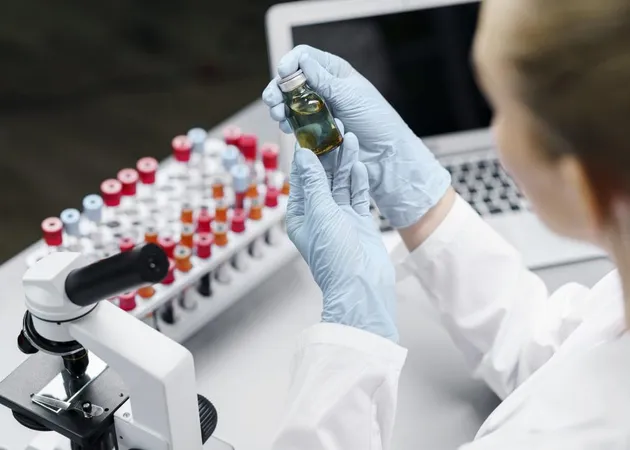
The Importance of Histotechnology Certification
Histotechnology Certification is a testament to a histotechnologist's knowledge, skills, and understanding of laboratory procedures. The American Society for Clinical Pathology (ASCP) and other organizations offer certification exams to ensure that professionals meet established standards. Certified histotechnologists are considered more competent and are often preferred by employers. Certification enhances job prospects, ensuring candidates are competitive in the job market and qualified for advanced roles in the field.
Requirements for Histotechnology Certification
To qualify for the Histotechnology Certification exam, candidates typically need a combination of formal education and hands-on experience. Most applicants must hold an associate’s degree in histotechnology or a related field, along with a clinical internship or equivalent experience. The certification process includes a comprehensive exam that assesses knowledge in areas such as tissue processing, histopathology, laboratory safety, and quality control. The exam is rigorous, ensuring that only well-prepared professionals obtain certification.
How to Prepare for the Certification Exam
Preparation for the Histotechnology Certification exam requires a detailed study of histological techniques, laboratory protocols, and medical terminology. Many professionals use textbooks, study guides, online courses, and practice exams to ensure they are ready for the test. In addition, continuing education is often recommended to stay current with the latest technologies and methodologies in histology. Networking with other certified professionals and attending workshops can also provide valuable insights into the certification process.
Career Opportunities for Certified Histotechnologists
Once certified, histotechnologists have numerous opportunities in clinical laboratories, research facilities, and hospitals. They can pursue specialized roles in areas like electron microscopy, immunohistochemistry, and molecular pathology. With experience and additional certifications, histotechnologists can advance to supervisory positions, teaching roles, or research-based careers. The job market for histotechnologists is robust, and certified professionals can expect competitive salaries and the potential for career growth.

Conclusion
Histotechnology Certification is an essential milestone for anyone aspiring to work in the field of histopathology. It not only provides a solid foundation of knowledge but also opens doors to various career opportunities. The certification process ensures that histotechnologists meet the necessary standards to perform their duties effectively and contribute significantly to medical advancements. As the healthcare industry continues to evolve, certified histotechnologists remain an integral part of the diagnostic process.
HTL: Pros and Cons
- +HTL certification validates expertise recognized by employers nationwide
- +Certified professionals typically earn 15-20% higher salaries
- +Opens doors to advanced positions and leadership roles
- +Demonstrates commitment to professional standards and ethics
- +Builds a strong professional network through certification communities
- −Exam preparation typically requires 2-4 months of dedicated study
- −Certification and exam fees can range from $150-$500+
- −Must complete continuing education to maintain active certification
- −Pass rates vary — thorough preparation is essential for success
- −Some certifications require prerequisite experience or education
About the Author

Certified Professional Development Expert & Niche Certification Advisor
University of Pennsylvania Graduate School of EducationDr. Alexandra Kim holds a PhD in Professional Studies from the University of Pennsylvania and is a Certified Professional in Learning and Performance (CPLP) and Certified Professional in Talent Development (CPTD). With 17 years of corporate training and professional certification advisory experience, she helps professionals navigate specialized, emerging, and cross-industry certification programs.