
HHA Training Near Me Free: Complete 2026 October Guide to No-Cost Home Health Aide Certification
Find free HHA training near me with paid certification programs, employer-sponsored courses, and state-funded options. Complete 2026 October guide with costs 📝
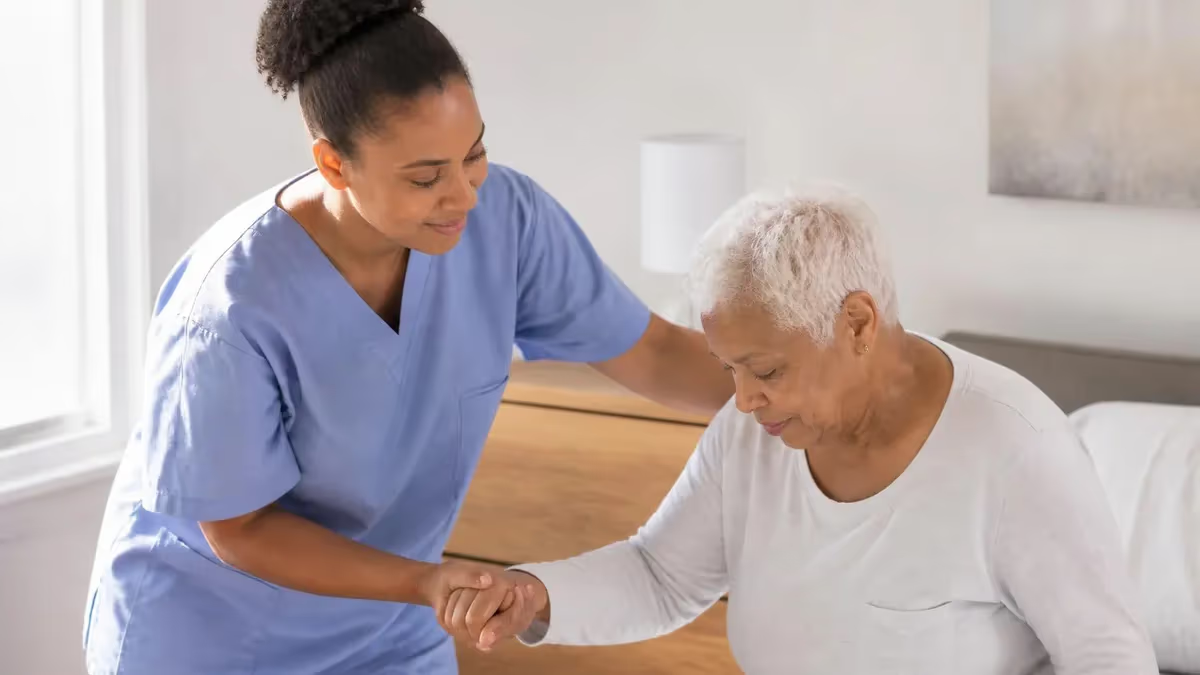
Searching for hha training near me free is one of the smartest moves anyone considering a healthcare career can make in 2026, because the home health aide field is exploding with demand while many agencies will literally pay you to train. The Bureau of Labor Statistics projects 21% growth for home health and personal care aides through 2033, which is more than seven times the average for all occupations. That demand has pushed employers, state workforce boards, and nonprofit organizations to subsidize entry-level training so they can fill open positions quickly and reliably.
A certified hha typically completes 75 to 120 hours of instruction depending on the state, covers classroom topics like infection control and patient rights, and finishes a supervised skills competency evaluation. Federal regulations under 42 CFR 484.80 set the minimum standards, but individual states often add hours, exam requirements, or background check rules. Knowing the difference between federal floors and state ceilings helps you spot legitimate free programs and avoid scams that promise certification without proper clinical hours.
Free does not always mean the program is low quality. Some of the strongest training partnerships come from large home care agencies like BAYADA, Visiting Angels, Amedisys, and Interim HealthCare, which run state-approved training academies and hire graduates directly. Hospital systems, community colleges with Workforce Innovation and Opportunity Act funding, and Area Agencies on Aging also operate tuition-free pathways. These programs typically require a service commitment of three to twelve months in exchange for paid training and certification fees.
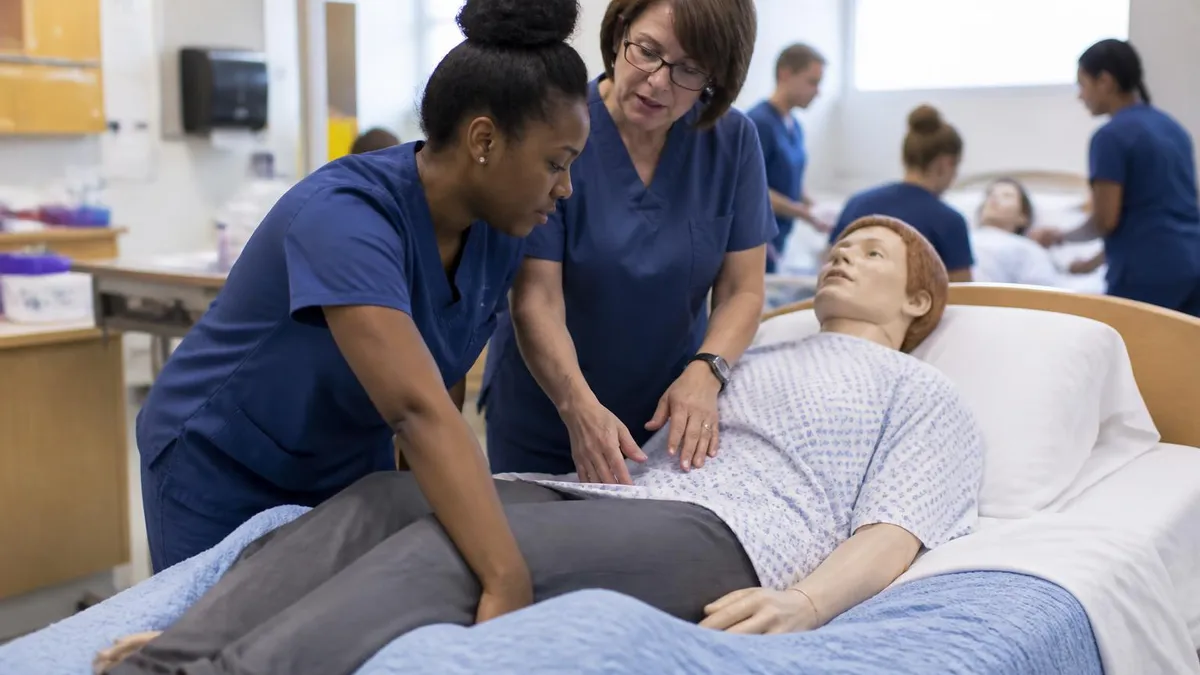
The home health aide certification process generally includes classroom instruction, hands-on lab practice with a mannequin, supervised clinical hours in a real care setting, and a final competency exam administered by a registered nurse. Many states also require enrollment on a state aide registry, fingerprinting, a TB test, and CPR certification. Free programs typically cover every cost in this list, including uniforms, textbooks, exam fees, and sometimes even transportation stipends or childcare assistance for qualified applicants.
Choosing the right free training program depends on three things: your state's specific requirements, the local employer market, and how quickly you need to start earning a paycheck. Some accelerated programs run two to three weeks full-time, while others stretch across eight to twelve weeks part-time to accommodate working learners. Understanding the trade-offs between speed, depth, and post-graduation job placement is the difference between landing a stable role and bouncing between gigs that never quite stabilize.
This guide breaks down every legitimate avenue for free HHA training in the United States, from employer-paid academies and state workforce programs to Medicaid demonstration projects and nonprofit scholarships. You'll learn what to expect during training, how to evaluate a program's credibility, what questions to ask before signing a service agreement, and how to use your new certification into higher-paying specialty roles. By the end, you'll have a clear action plan tailored to your state and your career goals.
We will also walk through what happens after certification, including how to register on the state aide registry, where to apply for jobs, how to negotiate starting pay, and what continuing education looks like. Many graduates use HHA work as a launchpad into LPN, RN, or medical assistant programs, and free training is often the first rung on that career ladder. Whether you're a recent high school graduate, a career changer, or returning to the workforce, the next few sections will save you weeks of confused searching.
Free HHA Training by the Numbers
Key Facts at a Glance
| Item | Value | Details |
|---|---|---|
| Federal Minimum Training | 75 hrs | Many states require 100-120 |
| Cost at Sponsored Academies | $0 | vs. $800-$1,500 paid programs |
| Typical Program Length | 2-12 wks | Depends on schedule and state |
Your Path to Free HHA Certification
Confirm State Requirements
Find a Sponsored Program
Complete Classroom and Clinical
Pass the Competency Exam
Register and Start Working
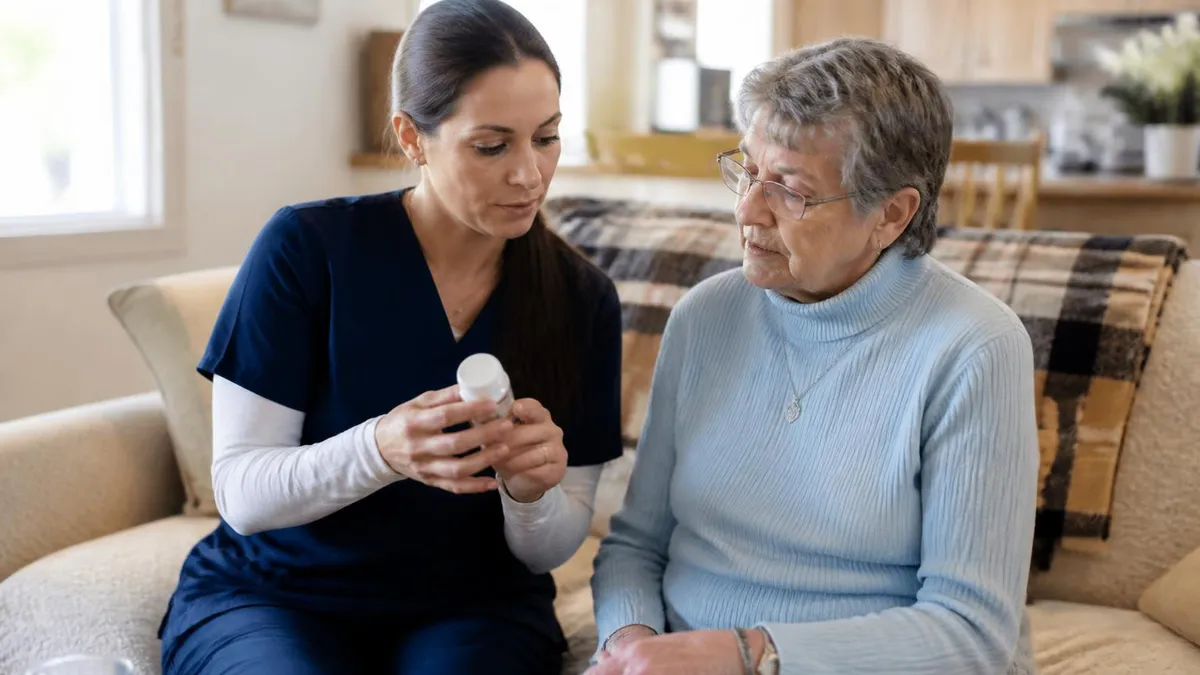
Free HHA programs are not charity; they are workforce pipelines designed to solve a brutal staffing shortage in the home care industry. When an agency pays for your training, they are betting that you will work for them long enough to recover the $1,200 to $2,500 investment they made in your certification, uniform, background check, and orientation. Most employer-sponsored programs include a service agreement requiring six months to one year of employment after certification, with prorated payback clauses if you leave early.
The largest category of free training comes from home care agencies running their own state-approved schools. BAYADA Home Health Care operates training programs in over 20 states, Interim HealthCare partners with local franchises for tuition-free academies, and Right at Home, Visiting Angels, and Comfort Keepers all offer similar pathways. These agencies typically advertise on Indeed, ZipRecruiter, and their own career pages with phrases like "paid training," "no certification required," or "we train you." If you already have an hha exchange login from previous work, mention it during the application because experienced applicants often skip directly to clinical hours.
The second major pathway is publicly funded workforce development. The Workforce Innovation and Opportunity Act provides federal dollars to local American Job Centers, which then contract with community colleges and nonprofit training providers. Eligibility usually requires being low-income, unemployed, underemployed, a dislocated worker, or part of a priority population like veterans or single parents. WIOA covers tuition, books, exam fees, and sometimes a small weekly stipend for transportation and childcare while you train.
State Medicaid programs also fund HHA training through specific initiatives like the Money Follows the Person demonstration, Community First Choice option, or state-level direct care worker investment funds. New York's Home Care Worker Wage Parity Law, California's IHSS provider training program, and Massachusetts's Home Care Aide Council all create no-cost pathways for residents who want to work as in-home caregivers, particularly for Medicaid beneficiaries.
Nonprofit and philanthropic programs round out the free training landscape. Organizations like PHI (Paraprofessional Healthcare Institute), Cooperative Home Care Associates in the Bronx, and faith-based groups like Catholic Charities and Lutheran Services in America run training programs in major metro areas. Some programs target specific populations such as immigrants and refugees, formerly incarcerated individuals, or older workers returning to the labor force. Pay attention to the population focus when applying because acceptance is often easier when you match the target demographic.
Hospital systems and skilled nursing facilities increasingly run free CNA-to-HHA bridge programs because they want to capture aides who can work across multiple settings. Programs at Kaiser Permanente, Providence Health, Ascension, and HCA Healthcare often combine HHA and Certified Nursing Assistant training into a single five to eight week course. Graduates can work in homes, assisted living facilities, hospitals, and rehab centers, which dramatically increases earning potential and scheduling flexibility compared to single-credential HHAs.
Understanding the funding source matters because it shapes your obligations after graduation. Employer-sponsored programs require working for that specific agency. WIOA programs require placement in any healthcare role within 90 to 180 days. Medicaid-funded programs sometimes require serving Medicaid beneficiaries specifically. Nonprofit programs may ask for community service or mentorship of future students. Read the fine print before signing because the wrong commitment can lock you into a low-paying role when better opportunities are available locally.
HHA Practice Test Questions
Prepare for the HHA - Home Health Aide exam with our free practice test modules. Each quiz covers key topics to help you pass on your first try.
HHA Basic Care and Comfort
HHA Exam Questions covering Basic Care and Comfort. Master HHA Test concepts for certification prep.
HHA Basic Care and Comfort Questions and A...
Free HHA Practice Test featuring Basic Care and Comfort Questions and Answers. Improve your HHA Exam score with mock test prep.
HHA Communication and Interpersonal Skills
HHA Mock Exam on Communication and Interpersonal Skills. HHA Study Guide questions to pass on your first try.
HHA Communication and Interpersonal Skills...
HHA Test Prep for Communication and Interpersonal Skills Questions and Answers. Practice HHA Quiz questions and boost your score.
HHA Infection Control and Safety
HHA Questions and Answers on Infection Control and Safety. Free HHA practice for exam readiness.
HHA Infection Control and Safety Questions...
HHA Mock Test covering Infection Control and Safety Questions and Answers. Online HHA Test practice with instant feedback.
HHA Mental and Emotional Support
Free HHA Quiz on Mental and Emotional Support. HHA Exam prep questions with detailed explanations.
HHA Mental and Emotional Support Questions...
HHA Practice Questions for Mental and Emotional Support Questions and Answers. Build confidence for your HHA certification exam.
HHA Mobility and Transfer Techniques
HHA Test Online for Mobility and Transfer Techniques. Free practice with instant results and feedback.
HHA Mobility and Transfer Techniques Quest...
HHA Study Material on Mobility and Transfer Techniques Questions and Answers. Prepare effectively with real exam-style questions.
HHA Nutrition and Hydration
Free HHA Test covering Nutrition and Hydration. Practice and track your HHA exam readiness.
HHA Nutrition and Hydration Questions and ...
HHA Exam Questions covering Nutrition and Hydration Questions and Answers. Master HHA Test concepts for certification prep.
HHA Observation and Reporting
Free HHA Practice Test featuring Observation and Reporting. Improve your HHA Exam score with mock test prep.
HHA Observation and Reporting Questions an...
HHA Mock Exam on Observation and Reporting Questions and Answers. HHA Study Guide questions to pass on your first try.
HHA Patient Rights and Ethics
HHA Test Prep for Patient Rights and Ethics. Practice HHA Quiz questions and boost your score.
HHA Patient Rights and Ethics Questions an...
HHA Questions and Answers on Patient Rights and Ethics Questions and Answers. Free HHA practice for exam readiness.
HHA Personal Care and Hygiene
HHA Mock Test covering Personal Care and Hygiene. Online HHA Test practice with instant feedback.
HHA Personal Care and Hygiene Questions an...
Free HHA Quiz on Personal Care and Hygiene Questions and Answers. HHA Exam prep questions with detailed explanations.
HHA Home Health Aide Certification Practic...
HHA Practice Questions for Home Health Aide Certification Practice Test. Build confidence for your HHA certification exam.
HHA Home Health Aide Certification Practic...
HHA Test Online for Home Health Aide Certification Practice Test #1. Free practice with instant results and feedback.
HHA Home Health Aide Certification Practic...
HHA Study Material on Home Health Aide Certification Practice Test #2. Prepare effectively with real exam-style questions.
HHA Home Health Aide Certification Practic...
Free HHA Test covering Home Health Aide Certification Practice Test #3. Practice and track your HHA exam readiness.
HHA Home Health Aide Certification Practic...
HHA Exam Questions covering Home Health Aide Certification Practice Test #4. Master HHA Test concepts for certification prep.
HHA HOME HEALTH AIDE COMPETENCY TEST
Free HHA Practice Test featuring HOME HEALTH AIDE COMPETENCY TEST. Improve your HHA Exam score with mock test prep.
HHA HOME HEALTH AIDE COMPETENCY TEST #1
HHA Mock Exam on HOME HEALTH AIDE COMPETENCY TEST #1. HHA Study Guide questions to pass on your first try.
HHA Home Health Aide Competency Test
HHA Test Prep for Home Health Aide Competency Test. Practice HHA Quiz questions and boost your score.
HHA Home Health Aide Competency Test #2
HHA Questions and Answers on Home Health Aide Competency Test #2. Free HHA practice for exam readiness.
Home Health Aide Training Program Formats
Agency-sponsored home health aide training program offerings are the most common free pathway in 2026. Large national chains and regional agencies absorb 100% of training costs in exchange for a service commitment. Classes typically meet weekdays from 8 a.m. to 4 p.m. for two to four weeks, and graduates start paid shifts within days of passing the competency exam.
The trade-off is flexibility. You commit to a specific employer, a defined geographic territory, and often a specific client population such as Medicaid waiver participants or veterans. Hourly rates start at $14 to $19 depending on the metro area, with overtime and weekend differentials available. Strong agencies offer health insurance, paid time off, and tuition assistance for LPN or RN bridge programs after one year of service.
Free vs. Paid HHA Training: Honest Comparison
- +No out-of-pocket cost for tuition, books, uniforms, or exam fees
- +Guaranteed job offer at completion with most agency-sponsored programs
- +Built-in mentorship from experienced HHAs during orientation
- +Often includes CPR certification and TB testing at no charge
- +Direct path to specialty pay for hospice, pediatric, or ventilator care
- +Tuition reimbursement available for LPN or RN bridge programs
- −Service commitment of 6 to 12 months with payback clauses if you leave
- −Limited choice of which agency or client population you serve
- −Lower starting pay than independent aides during first year
- −Schedule rigidity during training conflicts with second jobs
- −Some programs only run twice per year with long waitlists
- −Geographic restriction to the sponsoring agency's territory
Free HHA Training Eligibility Checklist
- ✓Be at least 18 years old (16-17 allowed in some states with parental consent)
- ✓Hold a high school diploma or GED, or be enrolled in an equivalency program
- ✓Pass a federal and state criminal background check covering 7-10 years
- ✓Submit fingerprints through approved livescan vendor in your state
- ✓Complete a two-step TB skin test or IGRA blood test within 6 months
- ✓Provide proof of legal authorization to work in the United States
- ✓Pass a drug screen including marijuana in most states regardless of recreational laws
- ✓Demonstrate English reading comprehension at the 8th-grade level minimum
- ✓Pass a physical exam confirming ability to lift 50 pounds and stand for shifts
- ✓Provide two professional or character references from non-family members
- ✓Sign service agreement and acknowledge payback terms if leaving early
- ✓Complete agency orientation including HIPAA, OSHA, and bloodborne pathogens
Apply to three programs simultaneously
Free HHA training cohorts fill quickly, and acceptance is not guaranteed even when you meet all requirements. Apply to at least three different sponsors at once: a national agency like BAYADA, a local nonprofit, and your community college's WIOA office. This triples your odds of starting within four weeks and gives you use to negotiate the best post-certification job offer.
Choosing the right free HHA training program comes down to three honest questions: what is your timeline, what is your long-term career goal, and what is your tolerance for service commitments? A 19-year-old planning to work as an aide for two years before nursing school has very different needs than a 45-year-old career changer who wants stable income with predictable hours. The best program for one person is the wrong choice for another, even when both qualify for the same free options.
If speed matters most, agency-sponsored programs win every time. You can apply on Monday, start training the following Monday, and be earning a paycheck within four weeks at most large home care chains. The downside is geographic and employer lock-in for six to twelve months. If you live in a major metro area like New York, Los Angeles, Chicago, Houston, Phoenix, or Philadelphia, you'll find at least five to ten free programs running monthly cohorts year-round.
For students who plan to eventually pursue an LPN, RN, or BSN credential, community college pathways funded through WIOA or state direct-pay programs are usually the smarter long-term play. The HHA credit hours often transfer toward an Associate Degree in Nursing, the instructors write recommendation letters for advanced programs, and the financial aid relationship continues seamlessly into higher credentials. Many graduates use HHA work to pay living expenses while completing prerequisites for competitive nursing programs.
If you face barriers like limited English proficiency, a felony record from over five years ago, recent unemployment, or single-parent household responsibilities, nonprofit pathways through PHI affiliates, Catholic Charities, JVS, or Goodwill Industries are designed specifically for your situation. These programs include wraparound supports that traditional programs do not offer: childcare assistance, ESL classes, financial coaching, mental health counseling, and personalized job coaching for 12 to 24 months after graduation.
Veterans qualify for additional pathways through the Department of Veterans Affairs' VET TEC program, GI Bill benefits applied to HHA certification, and the Veterans Affairs Caregiver Support Program. Some states also offer priority enrollment in WIOA programs for veterans and military spouses. Active-duty spouses can use MyCAA scholarships of up to $4,000, which more than covers any HHA program even if it's not technically free upfront.
Geographic reality matters more than people expect. A free program in rural Mississippi may be the only option within a 90-minute drive, while a free program in San Francisco competes with 15 other free options across the Bay Area. Use the state aide registry website to find every approved training provider in your region, then call each one directly to ask about current cohort availability, employer partnerships, and any hidden costs like uniforms, parking, or required textbooks not covered by the sponsor.
Finally, read every recent online review before committing. Search Google, Indeed, Glassdoor, and the Better Business Bureau for each sponsor. Look specifically for patterns: do graduates report being placed in unsafe homes, having paychecks delayed, or being pressured to work overtime without proper breaks? A program that's technically free but leads to a toxic employment relationship costs you far more in lost wages and emotional energy than a paid program with better post-certification placement.
Any program promising HHA certification in less than 75 hours, online-only without clinical hours, or for a "small processing fee" that turns out to be hundreds of dollars is not legitimate. Federal law requires hands-on clinical training and an in-person competency evaluation. Always verify your training provider on your state's Department of Health approved training list before enrolling, and never pay cash to an individual rather than an accredited organization.
The day you pass your competency exam is the day your real career begins, and what you do in the first 90 days after certification often determines your earning trajectory for the next five years. Most graduates accept the first job offered by their sponsoring agency without negotiating, then discover six months later that aides at the agency across town are earning $3 to $5 more per hour for identical work. Knowing the local pay landscape before signing prevents that expensive mistake.
Start by registering on the state aide registry within 30 days of passing your exam, because failing to register can void your certification and require retesting. The registry confirms your credential to potential employers, tracks any complaints or disciplinary actions, and unlocks access to higher-paying positions like Medicaid waiver work and managed long-term care assignments. Some states allow you to check your hha login credentials online to confirm registration status within days of submission.
Specialty certifications stack on top of HHA credentials to increase hourly pay significantly. Hospice care training adds $2 to $4 per hour, pediatric care typically adds $3 to $6, and ventilator or trach care training adds $4 to $8 per hour. Most large agencies offer these specialty modules free to existing employees after six months of service, making your initial service commitment a stepping stone rather than a ceiling. Dementia care certification is particularly valuable as the Alzheimer's Association projects 13 million Americans living with dementia by 2050.
Building a strong professional reputation in your first year matters enormously because home care is a word-of-mouth industry. Reliable aides who arrive on time, communicate clearly with families, and document accurately get requested by name, which often translates to premium assignments with longer hours, weekend differentials, and bonus pay. Aides with consistent five-star client ratings can transition to private-duty work earning $25 to $40 per hour within two to three years, double what agency aides typically make.
Continuing education is mandatory in most states, typically 12 hours annually to maintain certification. Free continuing education is widely available through state Departments of Health, Area Agencies on Aging, hospice organizations, and professional associations like the National Association for Home Care & Hospice. Smart aides exceed the minimum and complete 30 to 50 hours yearly because each additional certification opens new job categories and pay tiers. Topics like wound care, diabetes management, and behavioral health are especially valuable.
Many HHAs eventually transition to higher credentials, and the field provides excellent stepping stones. CNA certification requires only 75 to 120 additional hours in most states. Medical Assistant programs often grant credit for HHA experience. LPN programs sometimes waive prerequisites for HHAs with two years of documented experience. RN bridge programs through community colleges accept HHA work hours toward clinical requirements. The American Nurses Association reports that 23% of registered nurses started their careers as aides.
Track your hours carefully from day one, because verified work hours unlock scholarship opportunities, tuition reimbursement programs, and union benefits in states like New York, California, and Washington. The 1199SEIU Training and Employment Funds, for example, provide free tuition for LPN and RN programs to home care workers with 1,500+ verified hours. Similar funds exist in other states under different names. Asking your agency for hour verification quarterly prevents disputes when you eventually apply for these benefits.
Practical preparation in the final week before your training program starts can make the difference between cruising through certification and struggling. Gather all paperwork required by your sponsor at least seven days in advance: birth certificate, Social Security card, government-issued photo ID, high school transcripts or GED certificate, immunization records including MMR and Hepatitis B, and any prior healthcare certifications. Make three physical copies and scan everything to a secure cloud folder for backup access.
Get your TB test and physical exam done early because results take 48 to 72 hours and many programs will not allow you to start clinicals without documented clearance. Free TB testing is available at most county health departments, federally qualified health centers, and many CVS MinuteClinic and Walgreens Healthcare Clinic locations. Bring your insurance card or proof of low-income status to avoid surprise fees, and request a printed report rather than just verbal results because programs require physical documentation.
Set up reliable transportation and childcare for the entire training period, not just the first week. Free programs typically have strict attendance policies allowing only one or two absences before automatic dismissal, and there is no tuition refund because the sponsor paid your fees. If you rely on public transit, run the route during training hours one week in advance to verify timing. If you need childcare, confirm backup options because cohorts do not pause for individual circumstances.
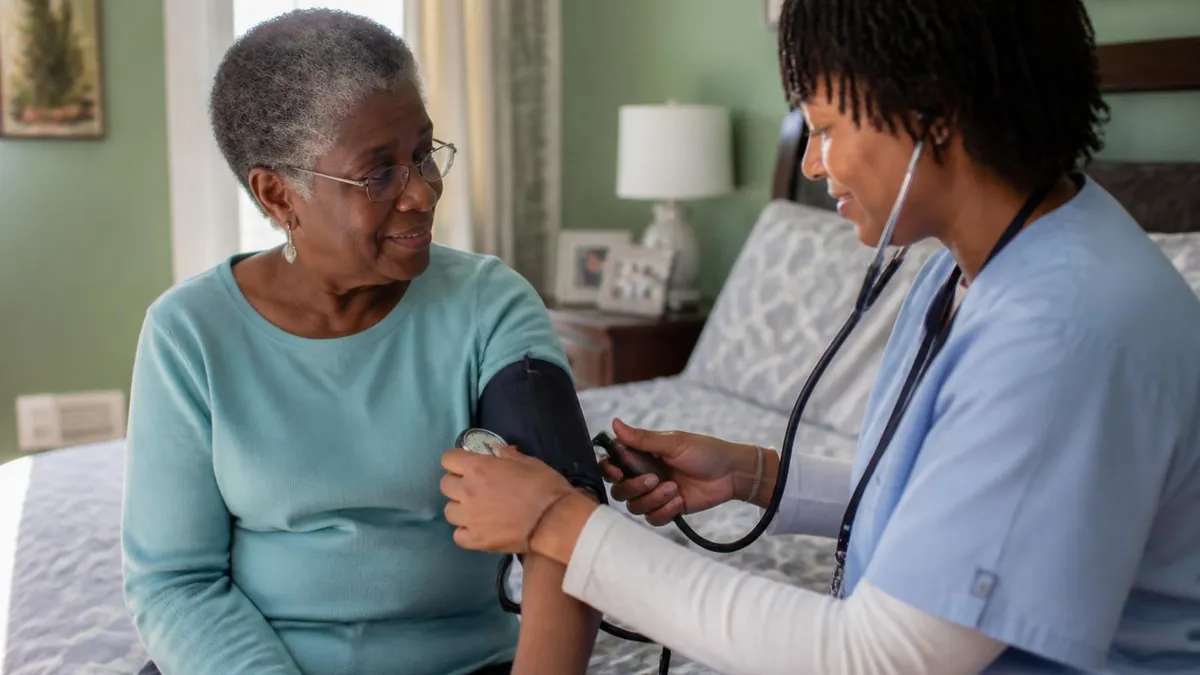
Pre-read foundational topics from your state's official curriculum before day one to dramatically reduce stress during the program. Focus on infection control, bloodborne pathogens, body mechanics for safe transfers, vital signs ranges, HIPAA basics, and patient rights under federal law. Free study materials are available from the National Institute on Aging, the CDC's training portal, and your state's Department of Health. Practice quizzes like the ones linked throughout this guide help you identify weak spots before they hurt your exam score.
Build your professional wardrobe affordably during the week before training. Most programs require solid-color scrubs in specific colors (often navy, gray, or burgundy), closed-toe non-slip shoes, a watch with a second hand for vital signs, and a stethoscope for blood pressure measurements. Total cost runs $80 to $150 if you buy new, but Goodwill, Facebook Marketplace, and Scrubs Direct often have nearly-new sets for $20 to $40. Some sponsors provide a uniform stipend or starter pack at orientation.
Mental preparation matters too. Home health aide work is emotionally and physically demanding because you'll witness aging, illness, family conflict, and sometimes end-of-life situations. Free counseling and peer support resources exist through Employee Assistance Programs, faith communities, and organizations like the Caregiver Action Network. Building a personal support system before training starts prevents burnout during your first year, which is when 40% of new aides leave the field according to PHI workforce research data.
Once you complete training and pass your competency exam, the next critical step is preparing a strong resume and interview presence. A well-crafted home health aide certification resume highlights both your training program and any prior caregiving experience, including informal family caregiving. Practice answering common interview questions about handling difficult clients, responding to emergencies, and maintaining professional boundaries with families. Confidence in these interviews directly impacts which clients you're assigned and how quickly you reach full-time hours.
Sample HHA Practice Questions
Try these questions from our free HHA practice tests. The correct answer and an explanation follow each question.
A home health aide is caring for a patient who is on a fluid restriction of 1,000 mL per day. The aide should:
- A. Offer fluids freely since restricting fluids is the nurse's responsibility
- B. Track all fluid intake including water, soup, and ice cream, and report totals to the nurse
- C. Only count water and juice, since solid foods do not count toward fluid intake
- D. Encourage the patient to drink extra fluids in the morning and none in the evening
Answer: B. Track all fluid intake including water, soup, and ice cream, and report totals to the nurse
Fluid restrictions apply to all foods that are liquid at room temperature, including soups, gelatin, and ice cream. The aide is responsible for accurately tracking and reporting all intake as part of the care plan.
. One morning shortly after the home health aide arrives, Mr. Walsh says, “I have had cramping pains in the calf of my right leg for the last two hours. In addition to reporting this complaint to the agency supervisor, what is the best way for the aide to write this on the chart?
- A. “Complains of pain.’
- B. “Right leg hurts.”
- C. “States he has had cramping pains in the calf of his right leg for 2 hours.”
- D. “Says he has leg cramps.”
Answer: C. “States he has had cramping pains in the calf of his right leg for 2 hours.”
Accurate and objective documentation is essential in healthcare. When charting a client's complaint, the home health aide should use the client's exact words or a direct quote to describe symptoms, along with relevant details like location and duration. This method provides the most precise and unbiased information for other healthcare professionals, avoiding interpretation or generalization which could lead to miscommunication or misdiagnosis.
A patient tells the home health aide, 'I don't want to take my medications today.' The aide should:
- A. Crush the medications into the patient's food without telling them
- B. Respect the refusal, document it, and report it to the supervising nurse
- C. Insist the patient take the medications because they are prescribed
- D. Contact the pharmacy to ask if the medications can be skipped
Answer: B. Respect the refusal, document it, and report it to the supervising nurse
Competent patients have the right to refuse any treatment, including medications. The aide must respect this right, document the refusal, and notify the nurse so the care team can follow up appropriately.
A home health aide notices that an elderly patient has not eaten or drunk anything in the past 24 hours and appears confused. The aide should:
- A. Prepare a large meal to encourage the patient to eat
- B. Document the observation and immediately report it to the supervising nurse
- C. Assume the patient is tired and let them rest without disturbing them
- D. Administer oral fluids forcefully to prevent dehydration
Answer: B. Document the observation and immediately report it to the supervising nurse
Changes in eating, drinking, or mental status can signal serious medical deterioration. The aide's role is to observe, document, and report findings to the nurse promptly — not to diagnose or independently intervene.
HHA Questions and Answers
HHA Practice Test Video Answers

HHA Jobs Near Me — How to Find, Train, and Start Your Career

Can a Home Health Aide Administer Medication? Scope of Practice Explained
Home Health Aide Training Online: Complete 2026 Guide to Certification, Cost, and Career Launch
Resume for HHA: Complete Guide to Writing a Home Health Aide Resume That Gets Hired in 2026
About the Author

Registered Nurse & Healthcare Educator
Johns Hopkins University School of NursingDr. Sarah Mitchell is a board-certified registered nurse with over 15 years of clinical and academic experience. She completed her PhD in Nursing Science at Johns Hopkins University and has taught NCLEX preparation and clinical skills courses for nursing students across the United States. Her research focuses on evidence-based exam preparation strategies for healthcare certification candidates.
Join the Discussion
Connect with other students preparing for this exam. Share tips, ask questions, and get advice from people who have been there.
View discussion (8 replies)