
HHA Training Near Me: How to Find a Program, Get Certified, and Start Working in 2026 October
✏️ Searching hha training near me? Compare program costs, length, certification steps, and how to start working as a home health aide fast.
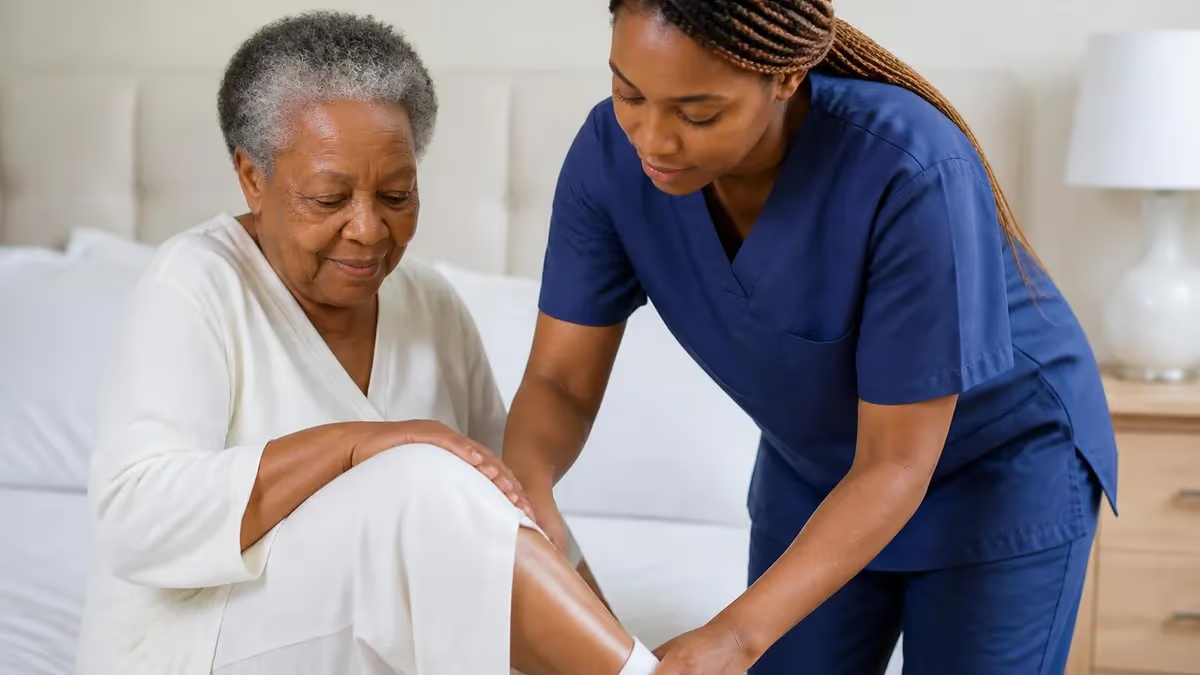
If you typed hha training near me into Google this week, you are in good company. Demand for home health aides is climbing faster than almost any other healthcare job in the United States, and the search volume for local training options has nearly doubled over the past three years. The good news is that becoming a certified hha rarely requires a year of school or a five-figure tuition bill. Most states let you finish a program in four to twelve weeks and start earning a paycheck shortly after.
Still, the landscape is confusing. One nearby community college might advertise a 120-hour course for $1,200, while a Red Cross chapter two towns over offers a similar program for free in exchange for a one-year work commitment at a partner agency. Online options promise convenience but cannot legally replace the supervised clinical hours every state requires. Knowing which program is legitimate, accredited, and accepted by employers in your zip code is the single most important decision you will make.
This guide walks you through everything you need to evaluate a home health aide training program, including federal minimums, state-specific add-ons, what your tuition should actually include, and red flags that signal a diploma mill. We will also cover certification testing, how registry listing works, and what your first ninety days on the job typically look like. By the end, you should be able to compare any two programs side by side and pick the one that fits your schedule, budget, and career goals.
Federal rules under the Centers for Medicare and Medicaid Services require a minimum of 75 hours of training, including 16 hours of supervised practical instruction, before you can work for any Medicare-certified home health agency. That is the floor, not the ceiling. States like New York, California, and Washington require 120 or more hours, and many large agencies prefer candidates who exceed the minimum because longer programs correlate with better patient outcomes and lower turnover.
Tuition for hha training varies wildly depending on where you live. In rural Tennessee or Oklahoma, you might pay $300 to $600 out of pocket. In Boston, Los Angeles, or the New York metro area, list prices climb to $1,500 or more, although workforce development grants, agency-sponsored programs, and WIOA funds often cover the entire bill. Always ask about scholarships, payment plans, and employer sponsorships before swiping a card.
Beyond cost, you should evaluate how the program prepares you for the certification exam, where clinical hours take place, what supplies are included, and whether the school helps with job placement. A program that hands you a binder and disappears after week four is not the same as one with a built-in pipeline to a regional home care agency. The next sections break each of these factors down so you can ask the right questions on your first phone call.
Finally, remember that training is only the start. Certification, registry listing, continuing education, and ongoing skills verification all follow. Use the table of contents to jump to the section you need most, or read straight through for a complete roadmap from your first Google search to your first paycheck.
HHA Training by the Numbers
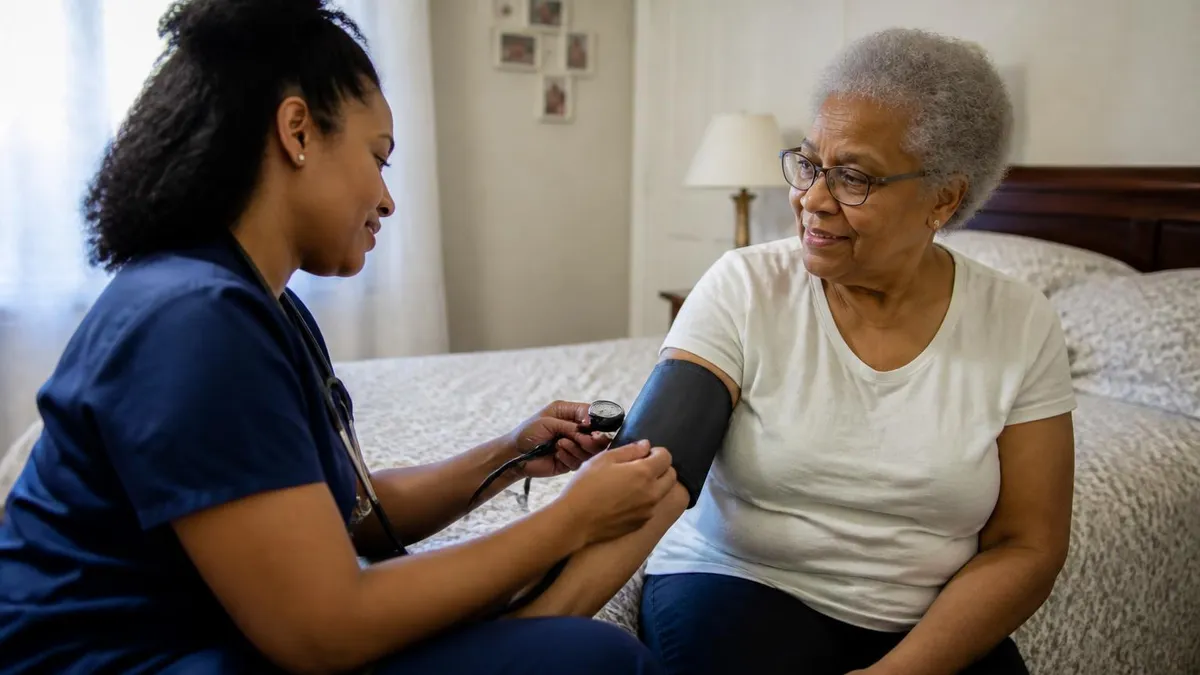
How to Find HHA Training Programs Near You
Public two-year colleges often run state-approved HHA programs for $400–$900. Credits may transfer toward an LPN or RN pathway later, making this a strong choice if you plan to climb the nursing ladder.
Many agencies run free in-house training in exchange for a six- to twelve-month work commitment. You earn while you learn, and job placement is automatic the day you pass your exam.
American Red Cross chapters, AARP partners, and local workforce boards offer subsidized or free programs targeted at career changers, veterans, and adults returning to work after caregiving breaks.
Private career schools run accelerated four- to six-week programs with flexible evening hours. Tuition tends to be higher, but cohort sizes are small and clinical placement is usually pre-arranged.
State-approved hybrids let you complete lecture material online and travel to a partner site for skills lab and clinicals. Best for working parents and rural students who cannot attend daytime classes.
Every legitimate home health aide training program in the United States is built on a federal foundation set by the Centers for Medicare and Medicaid Services. That foundation is 75 total training hours, 16 of which must be supervised practical or clinical instruction. The remaining 59 hours cover classroom topics such as infection control, communication, observation and reporting, basic body mechanics, nutrition, and the rights of the patient. Without these elements documented in your transcript, you cannot legally work for any Medicare-certified agency.
States layer additional requirements on top of the federal floor. New York requires 75 hours but adds strict in-service continuing education annually. California requires 120 hours plus a written and skills competency exam administered by the Department of Public Health. Florida requires 75 hours and a state-approved competency test, while Washington and Oregon ask for 120 and 155 hours respectively. Before enrolling anywhere, search your state department of health website for the current rule and confirm the program you are considering meets it.
The curriculum itself is standardized in broad strokes. You will learn how to take vital signs, transfer a patient from bed to wheelchair safely, recognize signs of stroke or infection, document care, prepare basic meals that fit medical diets, and respect cultural and personal preferences. Hands-on skills are tested in a lab on a mannequin or training partner first, then performed under supervision in a real care setting before you are signed off as competent.
If you ever plan to work in a state different from where you trained, ask about reciprocity. Many states accept training completed elsewhere as long as your registry status is active and clean. Others require a bridge course or a fresh competency exam. Spending five minutes verifying portability now can save you from re-taking a 75-hour program later. If you work through an agency that uses hha exchange, your training records may also be tracked digitally for easier transfer.
Clinical hours deserve special attention. Federal rules require that supervised practice happen in a real clinical environment, not just a classroom mannequin. The best programs pair you with an experienced aide or nurse who walks you through actual patient interactions in a long-term care facility or private home. Programs that skip or shortcut this requirement put your future certification at risk, because state inspectors can void your training retroactively if records show insufficient supervised hours.
Background checks are also part of the picture. Most states require fingerprinting, a criminal background screen, a TB test, and proof of immunization before you can begin clinical rotations. Allow two to four weeks for these to clear, and do not pay tuition until the school confirms you are clearable. Certain felony convictions are disqualifying, so disclose your history early and ask the program coordinator whether you can proceed before investing money.
Finally, plan ahead for tuition, books, scrubs, gait belts, watches with second hands, and exam fees. Some schools bundle these into a single price, and others nickel-and-dime you at every turn. A clear, written cost breakdown should be available from any honest program. If a school refuses to provide one, treat that as a major red flag and keep looking.
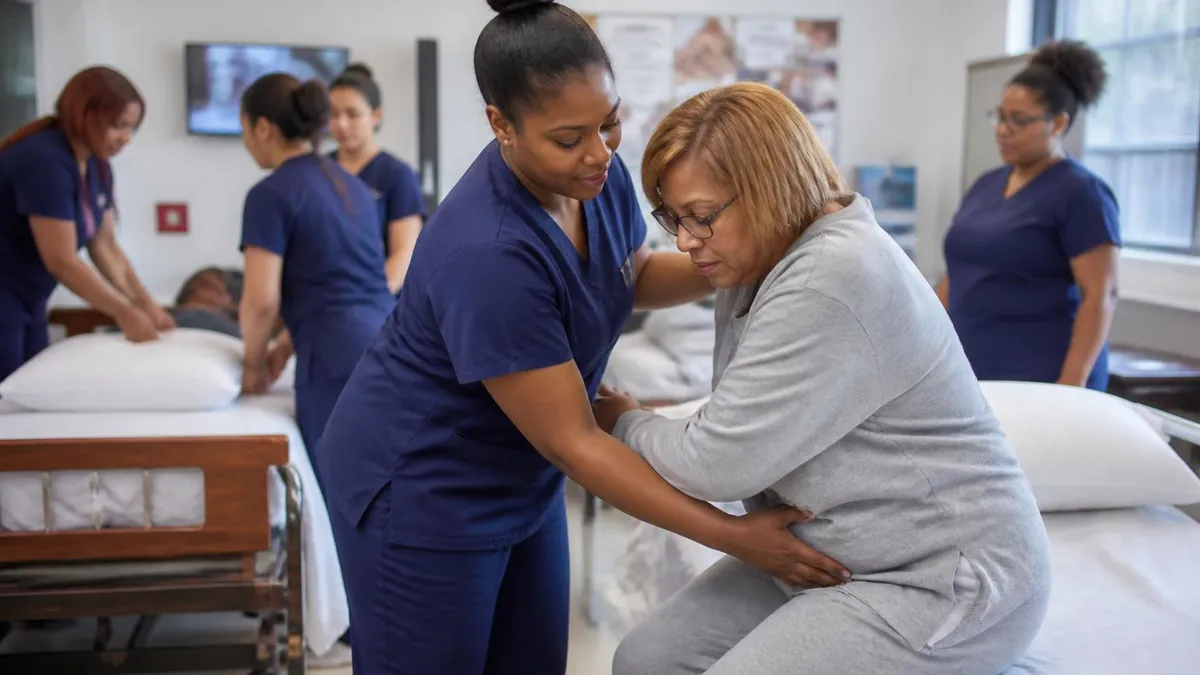
HHA Practice Test Questions
Prepare for the HHA - Home Health Aide exam with our free practice test modules. Each quiz covers key topics to help you pass on your first try.
HHA Basic Care and Comfort
HHA Exam Questions covering Basic Care and Comfort. Master HHA Test concepts for certification prep.
HHA Basic Care and Comfort Questions and A...
Free HHA Practice Test featuring Basic Care and Comfort Questions and Answers. Improve your HHA Exam score with mock test prep.
HHA Communication and Interpersonal Skills
HHA Mock Exam on Communication and Interpersonal Skills. HHA Study Guide questions to pass on your first try.
HHA Communication and Interpersonal Skills...
HHA Test Prep for Communication and Interpersonal Skills Questions and Answers. Practice HHA Quiz questions and boost your score.
HHA Infection Control and Safety
HHA Questions and Answers on Infection Control and Safety. Free HHA practice for exam readiness.
HHA Infection Control and Safety Questions...
HHA Mock Test covering Infection Control and Safety Questions and Answers. Online HHA Test practice with instant feedback.
HHA Mental and Emotional Support
Free HHA Quiz on Mental and Emotional Support. HHA Exam prep questions with detailed explanations.
HHA Mental and Emotional Support Questions...
HHA Practice Questions for Mental and Emotional Support Questions and Answers. Build confidence for your HHA certification exam.
HHA Mobility and Transfer Techniques
HHA Test Online for Mobility and Transfer Techniques. Free practice with instant results and feedback.
HHA Mobility and Transfer Techniques Quest...
HHA Study Material on Mobility and Transfer Techniques Questions and Answers. Prepare effectively with real exam-style questions.
HHA Nutrition and Hydration
Free HHA Test covering Nutrition and Hydration. Practice and track your HHA exam readiness.
HHA Nutrition and Hydration Questions and ...
HHA Exam Questions covering Nutrition and Hydration Questions and Answers. Master HHA Test concepts for certification prep.
HHA Observation and Reporting
Free HHA Practice Test featuring Observation and Reporting. Improve your HHA Exam score with mock test prep.
HHA Observation and Reporting Questions an...
HHA Mock Exam on Observation and Reporting Questions and Answers. HHA Study Guide questions to pass on your first try.
HHA Patient Rights and Ethics
HHA Test Prep for Patient Rights and Ethics. Practice HHA Quiz questions and boost your score.
HHA Patient Rights and Ethics Questions an...
HHA Questions and Answers on Patient Rights and Ethics Questions and Answers. Free HHA practice for exam readiness.
HHA Personal Care and Hygiene
HHA Mock Test covering Personal Care and Hygiene. Online HHA Test practice with instant feedback.
HHA Personal Care and Hygiene Questions an...
Free HHA Quiz on Personal Care and Hygiene Questions and Answers. HHA Exam prep questions with detailed explanations.
HHA Home Health Aide Certification Practic...
HHA Practice Questions for Home Health Aide Certification Practice Test. Build confidence for your HHA certification exam.
HHA Home Health Aide Certification Practic...
HHA Test Online for Home Health Aide Certification Practice Test #1. Free practice with instant results and feedback.
HHA Home Health Aide Certification Practic...
HHA Study Material on Home Health Aide Certification Practice Test #2. Prepare effectively with real exam-style questions.
HHA Home Health Aide Certification Practic...
Free HHA Test covering Home Health Aide Certification Practice Test #3. Practice and track your HHA exam readiness.
HHA Home Health Aide Certification Practic...
HHA Exam Questions covering Home Health Aide Certification Practice Test #4. Master HHA Test concepts for certification prep.
HHA HOME HEALTH AIDE COMPETENCY TEST
Free HHA Practice Test featuring HOME HEALTH AIDE COMPETENCY TEST. Improve your HHA Exam score with mock test prep.
HHA HOME HEALTH AIDE COMPETENCY TEST #1
HHA Mock Exam on HOME HEALTH AIDE COMPETENCY TEST #1. HHA Study Guide questions to pass on your first try.
HHA Home Health Aide Competency Test
HHA Test Prep for Home Health Aide Competency Test. Practice HHA Quiz questions and boost your score.
HHA Home Health Aide Competency Test #2
HHA Questions and Answers on Home Health Aide Competency Test #2. Free HHA practice for exam readiness.
Online, In-Person & Hybrid Home Health Aide Training
Traditional classroom programs remain the gold standard for home health aide training. You sit with classmates, practice skills on real partners, and work directly with instructors who can correct your technique in real time. Most last four to eight weeks full-time or eight to twelve weeks part-time, with morning, evening, and weekend cohorts available at larger schools.
The biggest advantage is exam pass rate. Students who complete in-person programs consistently score higher on state competency exams because skills like transfers, hygiene, and vital signs are muscle-memory tasks that need repeated supervised practice. Tuition averages $600 to $1,500 depending on region, often with grants, workforce funds, or agency sponsorships available to cover most or all of the cost.
Local Training vs Distance Programs: Pros and Cons
- +Hands-on practice with real equipment under instructor supervision
- +Built-in clinical placement at partner facilities
- +Easier to ask questions and clarify skills in real time
- +Networking with classmates who become future coworkers
- +Higher state competency exam pass rates
- +Faster transition into a paying job after graduation
- +Local employer recognition and program reputation
- −Fixed schedule may conflict with current job or childcare
- −Commuting cost and time over four to twelve weeks
- −Limited cohort start dates each year
- −Higher upfront tuition compared with online didactic-only
- −Smaller programs may have long waitlists in rural areas
- −Less flexibility for adult learners who need self-paced study
Pros and Cons at a Glance
| Pros | Cons |
|---|---|
| Hands-on practice with real equipment under instructor supervision | Fixed schedule may conflict with current job or childcare |
| Built-in clinical placement at partner facilities | Commuting cost and time over four to twelve weeks |
| Easier to ask questions and clarify skills in real time | Limited cohort start dates each year |
| Networking with classmates who become future coworkers | Higher upfront tuition compared with online didactic-only |
| Higher state competency exam pass rates | Smaller programs may have long waitlists in rural areas |
| Faster transition into a paying job after graduation | Less flexibility for adult learners who need self-paced study |
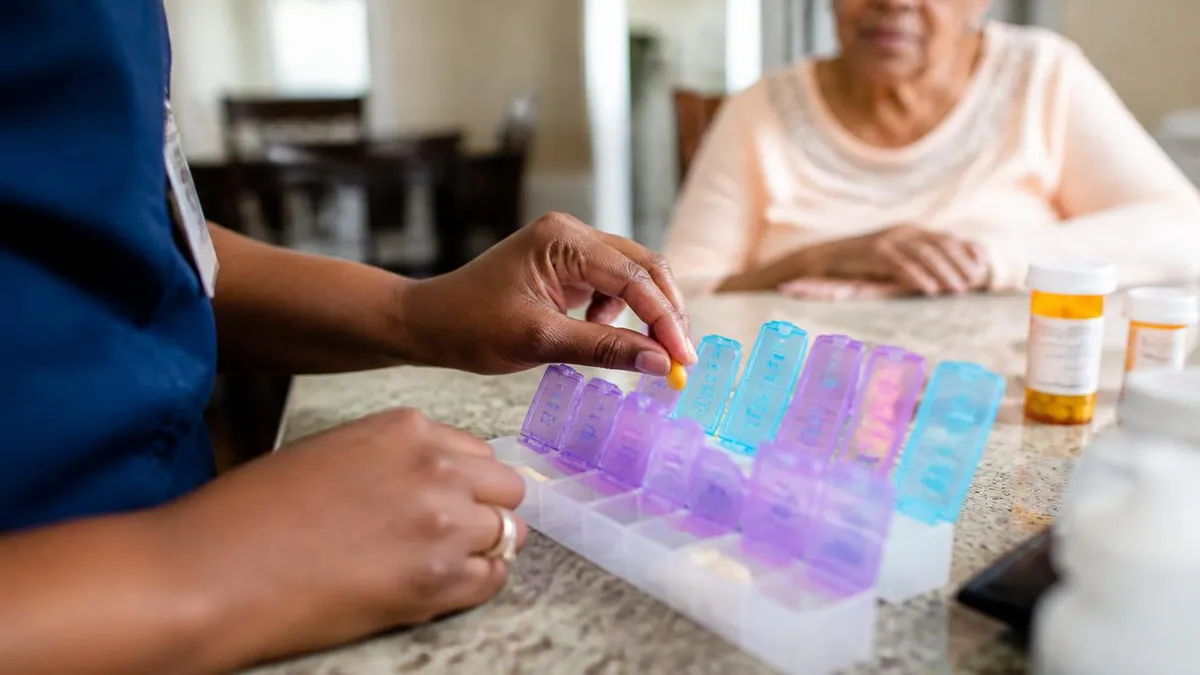
HHA Training Program Vetting Checklist
- ✓Confirm the program is listed on your state department of health approved provider page
- ✓Verify total hours meet or exceed your state minimum, not just the federal 75
- ✓Ask for written documentation of clinical site partnerships
- ✓Request the most recent state competency exam pass rate
- ✓Get a complete cost breakdown including books, supplies, and exam fees
- ✓Confirm fingerprinting, TB test, and background check timelines
- ✓Ask whether job placement assistance or agency partnerships are included
- ✓Verify instructors are RNs with at least two years of clinical experience
- ✓Read independent reviews from former students on Google and Indeed
- ✓Check whether the program qualifies for WIOA, Pell, or workforce grants
- ✓Confirm retake policies if you fail the skills or written exam
- ✓Ensure registry listing is automatic on completion, not an extra fee
Free training in exchange for a work commitment is the best-kept secret in home care
Hundreds of home care agencies will pay your entire training cost in exchange for a six- to twelve-month employment commitment after certification. You attend the same state-approved program everyone else does, but you graduate with zero debt and a guaranteed job at competitive wages. Call three local agencies before enrolling anywhere and simply ask, do you sponsor training. The answer is yes more often than people realize.
Once you complete classroom and clinical hours, the next step is passing your state certification exam and getting listed on the official nurse aide registry. The exam has two parts, a written or oral knowledge test and a hands-on skills demonstration. Together they usually run two to three hours and cost between $80 and $130. Most candidates pass on the first try, particularly if they review with practice questions and run through skills with a study partner the week before.
The written portion contains 60 to 100 multiple choice questions covering topics you studied during training. Expect items on infection control, patient rights, basic nutrition, vital signs, body mechanics, observation and reporting, communication, and emergency response. Reading carefully and using your full allotted time is the best strategy. There is no penalty for guessing on most state exams, so never leave an answer blank.
The skills portion is where most candidates feel nervous. You will be asked to perform three to five randomly selected skills from a published list of about twenty-five. Common picks include handwashing, transferring a resident from bed to wheelchair, measuring blood pressure, partial bed bath, mouth care, range of motion exercises, and ambulating with a gait belt. Handwashing is almost always required, regardless of which other skills you draw, so master it first.
After you pass, your name goes on the state nurse aide registry within a few business days to two weeks. Employers verify registry status before every hire, so make sure to confirm yours is active and that there are no findings, complaints, or holds attached to your record. If you ever move to another state, registry portability rules vary, and you may need to apply for reciprocity or repeat a competency exam to be added to the new state list.
Continuing education is part of the certification lifecycle. Federal rules require 12 hours of in-service training per year for any home health aide working with a Medicare-certified agency, and many states require more. Topics rotate annually and might cover dementia care, fall prevention, infection control updates, medication reminders, or end-of-life care. Your agency normally provides these in-services for free, but you remain responsible for tracking and reporting them.
You also must work a minimum number of paid hours every 24 months to keep your certification active. Most states require at least eight paid hours during the period, which is easy to hit if you work even one shift in two years. Let your registration lapse and you may face a refresher course or a brand new competency exam. Set calendar reminders well in advance, because employers will not warn you about renewal deadlines.
Finally, treat your certification as a credential to protect. A single complaint of abuse, neglect, or theft can permanently bar you from working as a home health aide anywhere in the United States. Document every shift, follow agency policy without shortcuts, and report concerns through proper channels. Your registry record follows you for life, so guard it as carefully as you would a nursing license.
If a website promises HHA certification for under $100 with zero in-person clinical hours and a printable certificate at checkout, it is not legitimate. No state accepts these credentials, and no Medicare-certified agency will hire you on the strength of one. Always verify any program against your state department of health approved provider list before paying tuition.
The fastest path from training to your first paycheck is to line up an interview before you finish your program. Many schools host hiring events in the final week, where five to ten local agencies show up to recruit graduates directly. Bring a polished one-page resume, two reference letters from instructors or clinical supervisors, your registry confirmation, and a list of questions about caseload, mileage reimbursement, and scheduling flexibility.
Pay varies significantly by region and agency type. Rural areas often start aides at $13 to $15 per hour, while metro markets like Boston, San Francisco, and the New York boroughs pay $18 to $24 per hour with shift differentials for evenings and weekends. Some agencies offer mileage reimbursement, paid wait time between clients, health insurance after 90 days, and tuition reimbursement if you plan to bridge into LPN or CNA roles later.
Choosing an agency is as important as picking the right training program. Look for organizations with low staff turnover, transparent scheduling software, a 24-hour clinical hotline, and clear escalation paths for difficult situations. Sit in the waiting room for a few minutes before your interview and notice how staff treat each other. If supervisors are short or dismissive with employees in front of you, that culture will affect you too. Tools like hha exchange login are commonly used to clock in, document visits, and verify hours, so ask how the agency handles digital recordkeeping.
Your first 30 days on the job involve a learning curve no amount of training can fully prepare you for. Real patients come with real personalities, family dynamics, and home environments that differ wildly from a controlled clinical setting. Expect to spend extra time on documentation, navigating unfamiliar neighborhoods, and learning your agency's preferred care plan format. Most aides feel confident and efficient within eight to ten weeks of full-time work.
Specialization opens up additional income streams once you have a year of experience. Dementia certification, hospice care, pediatric home health, and live-in shifts all pay premiums. Some aides build long-term private-pay client relationships that double or triple their hourly rate compared with agency work. Network with experienced peers and your agency director to learn which add-on certifications carry the most weight in your specific market.
The ladder up from home health aide is shorter than many realize. Some workers bridge into CNA roles after six months, into LPN training within two years, and into RN programs within five. Most LPN and RN programs award credit for completed HHA training and work experience, shaving weeks off the next step. If long-term career growth is your goal, mention it in your first interview and look for agencies with formal tuition reimbursement programs.
Burnout is real, however, so build habits that protect your energy from day one. Hydrate at every visit, eat lunch before your second client, document immediately rather than and use your paid time off. Aides who treat the work as a marathon, not a sprint, build durable careers and become the most trusted professionals in their agencies.
Practical preparation in the final weeks before your exam can mean the difference between a confident pass and a stressful retake. Start by printing the published skills list from your state and grading yourself on each one. Any skill where you hesitate or feel uncertain becomes your priority practice item. Set aside an hour each day to walk through three skills out loud, narrating every step exactly as you will on test day. Verbalizing infection control steps and patient communication during the demonstration is what separates passing from failing.
Form a study group of three or four classmates and meet twice a week in someone's living room or a quiet library corner. Take turns being the resident, the aide, and the evaluator. The person playing evaluator should hold the official skills checklist and mark missed steps without correcting them in real time. This mimics actual test conditions and teaches you to recover gracefully when you forget a step rather than freezing or panicking.
Sleep, hydration, and nutrition matter more than people admit. The week before your exam, aim for seven to eight hours of sleep nightly, drink at least 64 ounces of water daily, and avoid scheduling work shifts the day before. Going into a three-hour exam exhausted and dehydrated is the number one reason capable candidates fail. Pack a light snack, water bottle, two pens, your ID, your registry confirmation, and an extra mask.
On exam day, arrive 30 minutes early. Late arrivals are sometimes turned away and forced to reschedule with another fee. Wear clean scrubs, closed-toe shoes, a watch with a second hand, and hair tied back. Bring a small written note with your home address, social security number, and date of training completion in case the registration system needs verification. Treat the evaluator with the same respect you would a supervisor on a real shift.
During the written test, read every question twice, especially ones with double negatives or qualifiers like always, never, or except. Eliminate obviously wrong answers first and then choose between the remaining two. If you genuinely have no idea, mark your best guess and move on rather than burning time on a single item. You can flag and return to questions if your testing platform allows it.
During the skills test, the single most important habit is washing your hands and explaining each step to your patient. Even if the skill is something simple like measuring a pulse, verbalize what you are about to do, ask permission, ensure privacy, and confirm patient comfort throughout. Evaluators are looking for safety, infection control, dignity, and communication just as much as the technical skill itself. Many candidates lose points not because they cannot perform the task but because they skip the soft skills around it.
After the exam, plan how to handle both outcomes. If you pass, celebrate, then immediately follow up on agency leads you developed during clinicals. If you fail, request a detailed score breakdown and schedule a retake within the timeframe your state allows. Most candidates who fail on the first attempt pass on the second, especially when they target their study time at the specific skills or knowledge sections they missed.
Sample HHA Practice Questions
Try these questions from our free HHA practice tests. The correct answer and an explanation follow each question.
Before trying first aid measures for a client who is choking on food or some other object stuck in the airway, what should the home health aide find out?
- A. Does the client have a pulse rate over 70?
- B. Can the client swallow clear fluids?
- C. Has the client taken any sedatives within the last hour?
- D. Can the client speak or cough?
Answer: D. Can the client speak or cough?
Before initiating first aid for choking, it's crucial to assess the severity of the obstruction. If the client can speak or cough forcefully, it indicates a partial airway obstruction, and they should be encouraged to continue coughing to clear it themselves. If they cannot speak or cough, it signifies a complete obstruction, requiring immediate intervention like abdominal thrusts (Heimlich maneuver). This initial assessment guides the appropriate first aid response.
An aide is working with a patient who has a severe peanut allergy. A meal prepared for the patient contains peanut oil. The aide should:
- A. Serve the meal and monitor for a reaction
- B. Not serve the meal, remove the allergen from the patient's reach, prepare a safe alternative, and document the incident
- C. Ask the patient if they want to risk it
- D. Remove the visible peanuts and serve the rest
Answer: B. Not serve the meal, remove the allergen from the patient's reach, prepare a safe alternative, and document the incident
Severe food allergies can cause anaphylaxis — a life-threatening emergency. Allergen avoidance is non-negotiable. Peanut oil can trigger reactions even without visible nut pieces.
Which professional is legally qualified to conduct the hands-on competency evaluation for a home health aide working in a Medicare-certified agency?
- A. A senior home health aide with five or more years of experience
- B. A licensed social worker employed by the agency
- C. A registered nurse or licensed therapist (PT, OT, or SLP)
- D. Any agency supervisor who has completed an 8-hour evaluator course
Answer: C. A registered nurse or licensed therapist (PT, OT, or SLP)
Federal regulations specify that the competency evaluation must be performed by a registered nurse or a licensed therapist (physical, occupational, or speech-language pathologist). Unlicensed personnel—regardless of experience—are not authorized to conduct or sign off on formal competency evaluations.
HHA Questions and Answers

About the Author

Registered Nurse & Healthcare Educator
Johns Hopkins University School of NursingDr. Sarah Mitchell is a board-certified registered nurse with over 15 years of clinical and academic experience. She completed her PhD in Nursing Science at Johns Hopkins University and has taught NCLEX preparation and clinical skills courses for nursing students across the United States. Her research focuses on evidence-based exam preparation strategies for healthcare certification candidates.
Join the Discussion
Connect with other students preparing for this exam. Share tips, ask questions, and get advice from people who have been there.
View discussion (8 replies)