
HHA Schools Near Me: Complete 2026 September Guide to Finding, Choosing, and Enrolling in a Home Health Aide Training Program
Find HHA schools near me with our 2026 September guide covering hha certification, 🆕 training costs, accreditation, state requirements, and how to launch your home...
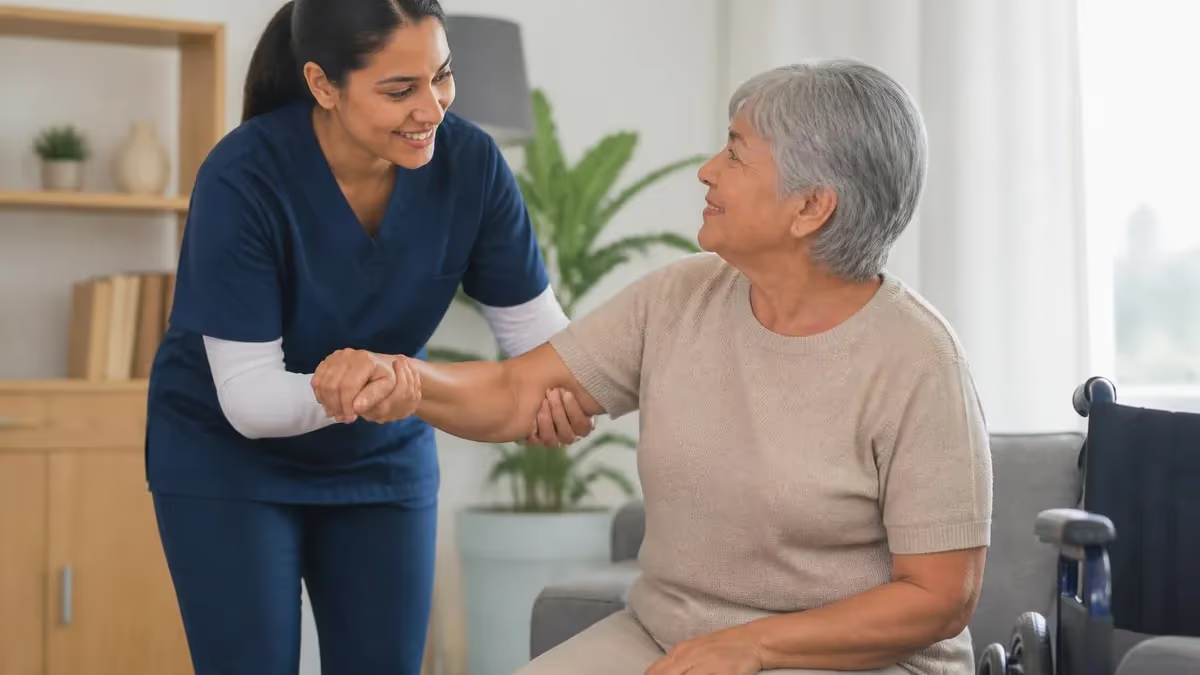
Searching for hha schools near me is often the first concrete step toward a stable, recession-resistant healthcare career, and the choices you make in the next few weeks will shape your earnings, schedule, and job offers for years. The home health aide field is projected to add more than 800,000 jobs by 2032, faster than nearly any other occupation tracked by the Bureau of Labor Statistics, and local training programs are the gateway to that growth. This guide walks you through everything from accreditation checks to tuition ranges so you can choose confidently.
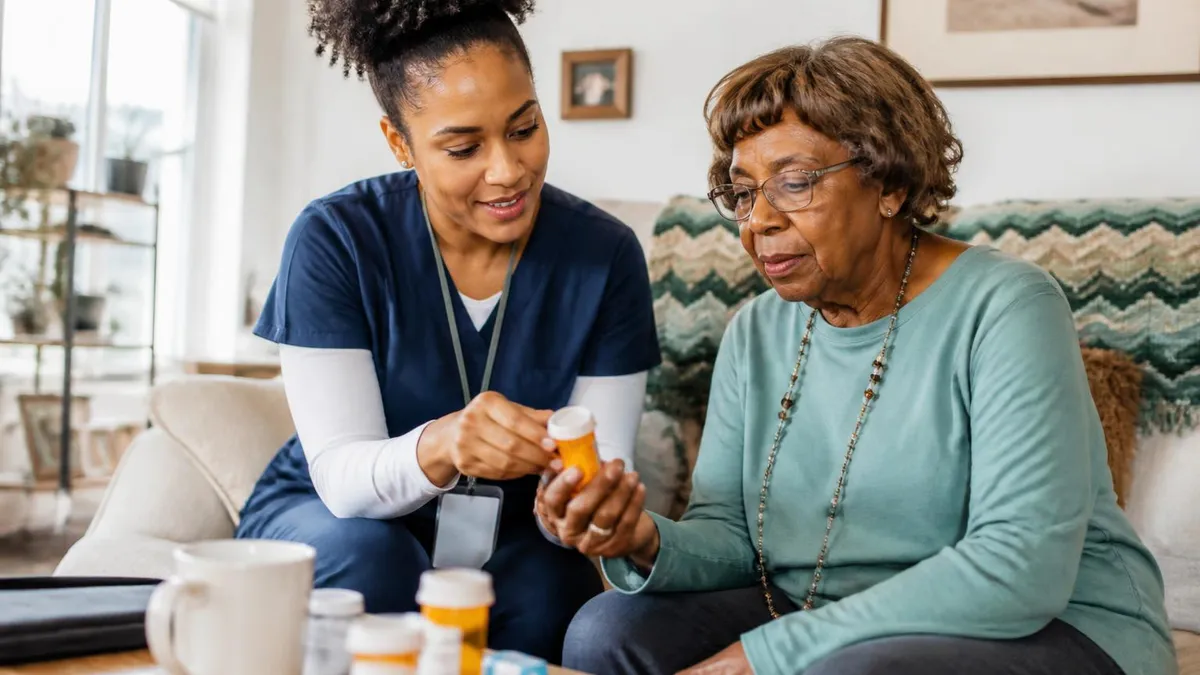
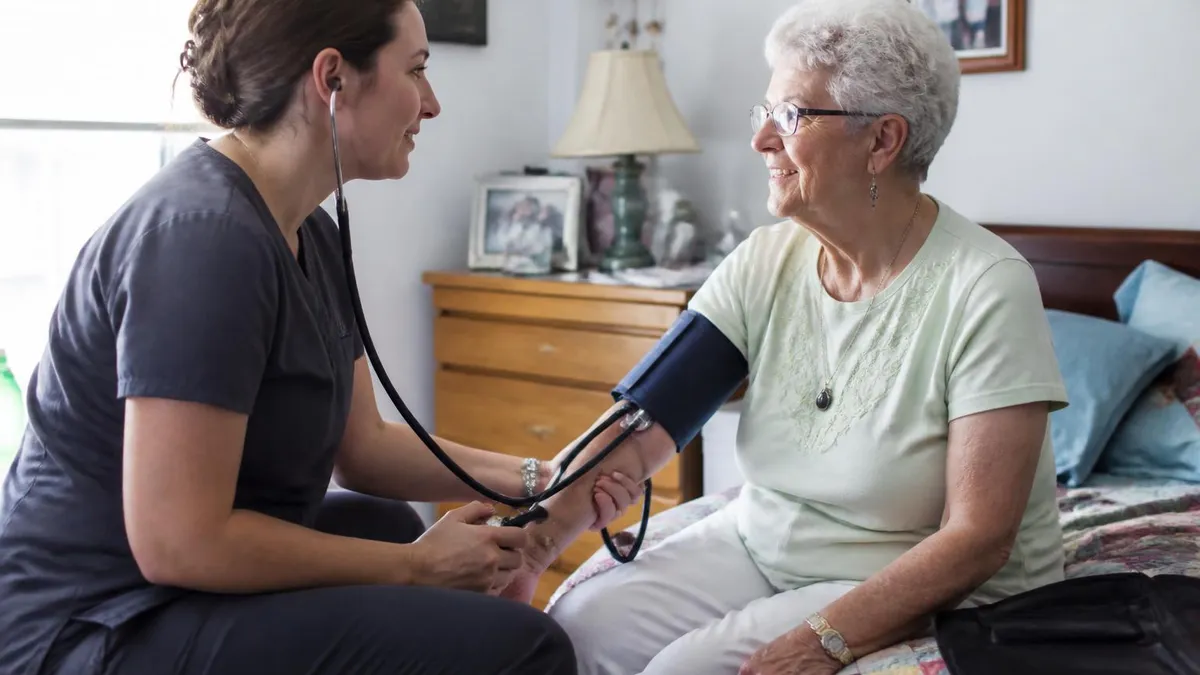
Before you compare campuses, it helps to understand what an hha actually does on the job. Aides assist clients with bathing, dressing, mobility, vital signs, light meal prep, and emotional support inside private homes, group homes, and assisted-living facilities. Some states allow expanded duties like medication reminders, blood-pressure checks, and basic wound observation, while others restrict aides to strictly non-medical personal care. Your state's scope of practice directly determines the curriculum your school must teach.
Federal law requires every Medicare- or Medicaid-funded home health agency to hire aides who completed at least 75 hours of approved training, including 16 hours of supervised hands-on practice. Many states layer additional hours on top — New York requires 75, Washington requires 85, and California now requires 120. When you type "hha schools near me" into a search engine, the top results may not reflect your state's specific hour requirement, so cross-check every program against your state department of health registry before paying any deposit.
The good news: most reputable programs can be completed in two to six weeks of full-time study, and tuition typically falls between $0 and $1,500. Free training is widely available through nonprofit agencies, community colleges, workforce development boards, and even employers who hire you on day one and pay you to train. Paid programs usually include uniforms, gloves, textbooks, CPR certification, and the state competency exam fee, so always compare what's bundled before judging price alone.
This article will help you evaluate schools across nine dimensions: accreditation, curriculum hours, clinical placement, instructor credentials, pass rates, job placement support, cost, schedule flexibility, and student reviews. We'll also cover online versus in-person hybrid models, what to do if no school exists within driving distance, and how to verify a program is actually state-approved rather than simply state-registered (an important legal distinction many applicants miss).
You'll also learn what questions to ask on a campus tour, which red flags signal a diploma mill, and how graduates of strong programs negotiate starting wages 15-25% higher than peers. Whether you are a career-changer, recent high school graduate, or family caregiver looking to formalize skills you already use daily, the right local school can transform your search for "hha schools near me" into a signed job offer within sixty days.
Let's start by looking at the numbers behind the home health aide profession today, then walk step-by-step through finding, vetting, enrolling in, and graduating from a program that fits your budget, schedule, and career goals.
HHA Schools by the Numbers (2026)
How HHA Training Programs Are Structured
Typically 40-60 hours covering infection control, body mechanics, communication, nutrition, basic anatomy, and observation skills. Instructors are usually registered nurses with home-care experience and lessons combine lecture, video, and small-group discussion.
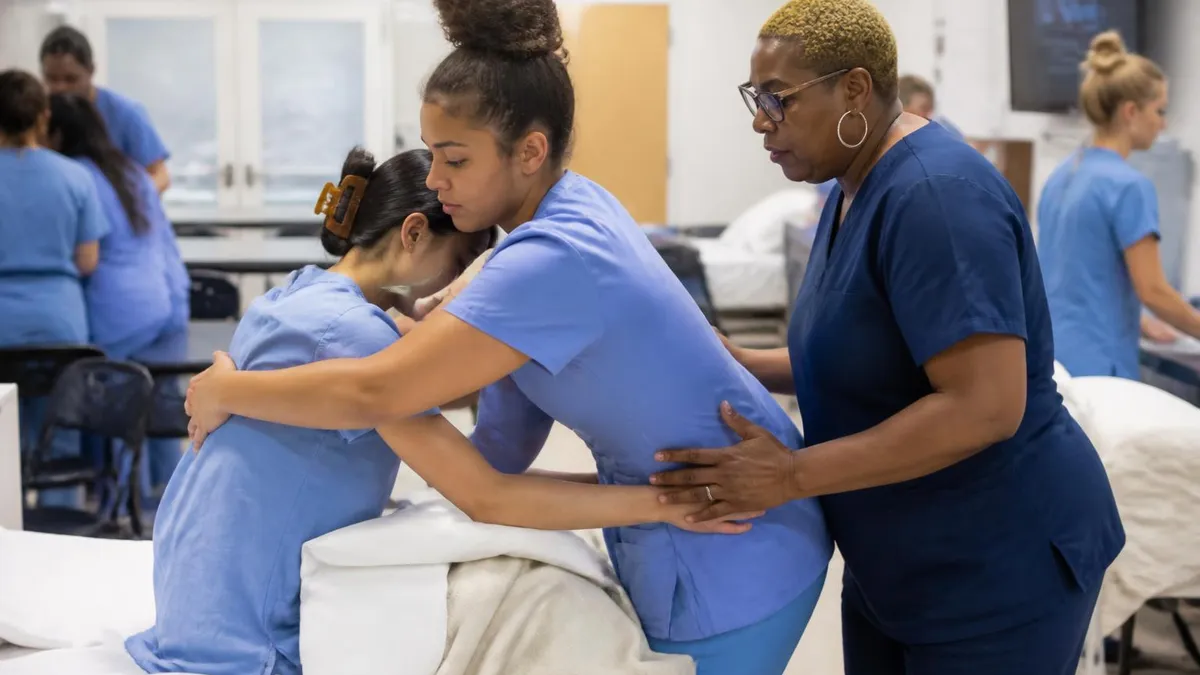
Hands-on practice in a mock apartment or hospital bed setup. Students rehearse transfers, bed baths, vital signs, range-of-motion exercises, and feeding techniques on mannequins and partners before touching real clients.
At least 16 supervised hours (often 40+) in a real home or facility setting. A licensed nurse evaluates each student on 22 core competencies before signing off on graduation eligibility.
Written test of 60-100 multiple-choice questions plus a practical demonstration of 5 randomly chosen skills. Passing scores typically require 70-80% and unlock state registry placement.
After passing, your name is added to your state's home health aide registry within 5-15 business days. Employers verify this listing before hiring, so confirm enrollment before accepting offers.
Finding legitimate hha schools near me starts with three authoritative sources: your state department of health website, the Accrediting Bureau of Health Education Schools (ABHES), and the Council on Occupational Education (COE). Each maintains a searchable list of approved programs by zip code or county. Bookmark these before you trust any social-media ad or Google result, because paid listings often surface unregistered programs that cannot legally place graduates on the state registry — meaning you cannot work after paying tuition.
Community colleges remain the most reliable starting point. Roughly 60% of US counties have at least one community college offering a CNA-to-HHA bridge or standalone HHA certificate, with tuition often under $800 and federal Pell Grant eligibility. Search your local college's continuing education or allied health department page. Many use the hha login portal system to manage applications, transcripts, and clinical placement scheduling once you enroll.
Workforce development boards funded through the Workforce Innovation and Opportunity Act (WIOA) are the second-most-reliable channel. Visit your nearest American Job Center (find one at careeronestop.org) and ask for the eligible training provider list filed under healthcare occupations. WIOA scholarships typically cover 100% of tuition, books, uniforms, exam fees, and even gas reimbursement for clinical rotations. Eligibility is broad — unemployed, underemployed, low-income, and dislocated workers all qualify in most states.
Home care agencies themselves operate the third tier of training. Companies like BAYADA, Visiting Angels, Right at Home, and Interim HealthCare run state-approved schools that pay you minimum wage during training in exchange for a 6-12 month employment commitment after graduation. This option works well if you need income immediately and don't mind a service contract. Read the contract carefully, however — early-departure penalties can reach $1,500-$2,500.
Hospitals and long-term-care facilities also operate in-house academies, particularly in markets with severe aide shortages. These programs often pair classroom learning with paid shifts as a nursing assistant trainee, making them ideal for applicants who want hospital-grade clinical exposure. Check careers pages at your local hospital network and search for keywords like "HHA trainee," "aide academy," or "earn while you learn."
Once you have a shortlist of three to five programs, request the following in writing: state approval number, ABHES or COE accreditation status, total clinical hours, instructor licensure, exam pass rate over the last two cohorts, and job-placement rate ninety days after graduation. Reputable schools provide this data without hesitation. If a school dodges the questions, treat it as an immediate red flag and move on — your tuition deposit deserves transparency.
Finally, schedule an in-person tour before signing anything. Walk the skills lab, meet at least one instructor, ask to speak with two recent graduates, and confirm clinical placement sites are within reasonable driving distance. A school that won't let you visit, or shows you a bare room with no hospital bed, gait belt, or vital-signs equipment, cannot adequately prepare you for the competency exam or real clients.
HHA Practice Test Questions
Prepare for the HHA - Home Health Aide exam with our free practice test modules. Each quiz covers key topics to help you pass on your first try.
HHA Basic Care and Comfort
HHA Exam Questions covering Basic Care and Comfort. Master HHA Test concepts for certification prep.
HHA Basic Care and Comfort Questions and A...
Free HHA Practice Test featuring Basic Care and Comfort Questions and Answers. Improve your HHA Exam score with mock test prep.
HHA Communication and Interpersonal Skills
HHA Mock Exam on Communication and Interpersonal Skills. HHA Study Guide questions to pass on your first try.
HHA Communication and Interpersonal Skills...
HHA Test Prep for Communication and Interpersonal Skills Questions and Answers. Practice HHA Quiz questions and boost your score.
HHA Infection Control and Safety
HHA Questions and Answers on Infection Control and Safety. Free HHA practice for exam readiness.
HHA Infection Control and Safety Questions...
HHA Mock Test covering Infection Control and Safety Questions and Answers. Online HHA Test practice with instant feedback.
HHA Mental and Emotional Support
Free HHA Quiz on Mental and Emotional Support. HHA Exam prep questions with detailed explanations.
HHA Mental and Emotional Support Questions...
HHA Practice Questions for Mental and Emotional Support Questions and Answers. Build confidence for your HHA certification exam.
HHA Mobility and Transfer Techniques
HHA Test Online for Mobility and Transfer Techniques. Free practice with instant results and feedback.
HHA Mobility and Transfer Techniques Quest...
HHA Study Material on Mobility and Transfer Techniques Questions and Answers. Prepare effectively with real exam-style questions.
HHA Nutrition and Hydration
Free HHA Test covering Nutrition and Hydration. Practice and track your HHA exam readiness.
HHA Nutrition and Hydration Questions and ...
HHA Exam Questions covering Nutrition and Hydration Questions and Answers. Master HHA Test concepts for certification prep.
HHA Observation and Reporting
Free HHA Practice Test featuring Observation and Reporting. Improve your HHA Exam score with mock test prep.
HHA Observation and Reporting Questions an...
HHA Mock Exam on Observation and Reporting Questions and Answers. HHA Study Guide questions to pass on your first try.
HHA Patient Rights and Ethics
HHA Test Prep for Patient Rights and Ethics. Practice HHA Quiz questions and boost your score.
HHA Patient Rights and Ethics Questions an...
HHA Questions and Answers on Patient Rights and Ethics Questions and Answers. Free HHA practice for exam readiness.
HHA Personal Care and Hygiene
HHA Mock Test covering Personal Care and Hygiene. Online HHA Test practice with instant feedback.
HHA Personal Care and Hygiene Questions an...
Free HHA Quiz on Personal Care and Hygiene Questions and Answers. HHA Exam prep questions with detailed explanations.
HHA Home Health Aide Certification Practic...
HHA Practice Questions for Home Health Aide Certification Practice Test. Build confidence for your HHA certification exam.
HHA Home Health Aide Certification Practic...
HHA Test Online for Home Health Aide Certification Practice Test #1. Free practice with instant results and feedback.
HHA Home Health Aide Certification Practic...
HHA Study Material on Home Health Aide Certification Practice Test #2. Prepare effectively with real exam-style questions.
HHA Home Health Aide Certification Practic...
Free HHA Test covering Home Health Aide Certification Practice Test #3. Practice and track your HHA exam readiness.
HHA Home Health Aide Certification Practic...
HHA Exam Questions covering Home Health Aide Certification Practice Test #4. Master HHA Test concepts for certification prep.
HHA HOME HEALTH AIDE COMPETENCY TEST
Free HHA Practice Test featuring HOME HEALTH AIDE COMPETENCY TEST. Improve your HHA Exam score with mock test prep.
HHA HOME HEALTH AIDE COMPETENCY TEST #1
HHA Mock Exam on HOME HEALTH AIDE COMPETENCY TEST #1. HHA Study Guide questions to pass on your first try.
HHA Home Health Aide Competency Test
HHA Test Prep for Home Health Aide Competency Test. Practice HHA Quiz questions and boost your score.
HHA Home Health Aide Competency Test #2
HHA Questions and Answers on Home Health Aide Competency Test #2. Free HHA practice for exam readiness.
Inside a Home Health Aide Training Program Curriculum
Classroom theory typically spans 40-60 hours and covers infection control, OSHA bloodborne pathogen standards, body mechanics, basic anatomy, normal aging changes, nutrition fundamentals, and HIPAA privacy rules. Instructors emphasize observation and reporting because aides are the eyes and ears of the care team between nurse visits.
Strong programs also teach documentation, electronic visit verification (EVV), and how to recognize early warning signs like sudden confusion, skin breakdown, or shortness of breath. These soft-yet-critical skills frequently appear on state competency exams and separate aides who advance from those who plateau at entry-level wages forever.
Local Campus vs Online-Hybrid HHA Schools: Which Is Right for You?
- +Hands-on skills lab access with real hospital beds, gait belts, and vital-signs equipment
- +Direct instructor feedback on body mechanics, transfers, and lift techniques
- +Built-in study groups and peer accountability that boost exam pass rates
- +Clinical externship sites typically arranged by the school within 15 miles
- +Career services with local employer relationships and same-week interviews
- +Financial aid counselors who walk you through WIOA, Pell Grants, and agency sponsorships
- −Fixed class schedules that may conflict with current job or childcare
- −Commute time and parking costs add 20-40 hours over a 4-week program
- −Limited seat availability — popular cohorts fill 6-8 weeks ahead
- −Some campuses lack updated equipment or current EVV software training
- −Tuition slightly higher than employer-sponsored programs in many markets
- −Less self-paced flexibility for working students or parents of young children
HHA School Enrollment Checklist: What to Gather Before You Apply
- ✓Government-issued photo ID (driver's license, state ID, or passport)
- ✓Social Security card or work authorization documentation
- ✓High school diploma, GED, or proof of enrollment (some states accept 8th-grade completion)
- ✓Completed criminal background check from your state's authorized vendor
- ✓Negative TB test or chest X-ray completed within the last 12 months
- ✓Up-to-date immunization records including MMR, Tdap, varicella, and influenza
- ✓Proof of COVID-19 vaccination if required by your state or clinical site
- ✓Drug screen results from a SAMHSA-certified laboratory
- ✓Reliable transportation plan for daily classes and clinical externship sites
- ✓Childcare and work-schedule arrangements covering the full program duration
Always confirm a school is state-approved, not just state-registered
A state-registered business license simply means the school can legally operate as a company; only state-approved programs can place graduates on the official HHA registry. Call your state department of health and ask for verbal confirmation of approval before paying any deposit. This 90-second phone call prevents a $1,500 mistake.
The total cost of home health aide training varies far more than most applicants expect, ranging from completely free to roughly $2,500 for premium private institutes. The national median sits near $700 for a community-college certificate that includes textbooks, gloves, scrubs, CPR certification, and the state competency exam fee. Understanding the full price stack — not just sticker tuition — helps you compare schools accurately and avoid surprise charges in week three.
Free training pathways multiply each year. WIOA scholarships through American Job Centers fund 100% of program costs plus support services like gas cards and childcare stipends. Medicaid-funded "earn-while-you-learn" agency programs pay students $13-$17 per hour during class and clinicals in exchange for a 90-day to 12-month employment commitment after graduation. State workforce departments in California, New York, Massachusetts, and Washington also offer direct grants to low-income residents.
Pell Grants cover community-college HHA programs that exceed 600 clock hours when bundled with CNA training, providing up to $7,395 per academic year (2025-2026 maximum). The FAFSA process takes about 45 minutes online and unlocks state grants, work-study, and subsidized loans simultaneously. Submit the form even if you think you earn too much — many families qualify for partial aid they never expected.
For-profit private institutes typically charge $1,200-$2,500 and bundle scrubs, equipment kits, exam fees, and job-placement guarantees. These programs often offer evening, weekend, and accelerated three-week formats that public colleges cannot match. The trade-off is that some private schools have weaker accreditation and lower exam pass rates, so always demand published outcome data covering the last two cohorts before enrolling at any private institution.
Hidden fees catch many students off guard. Budget an extra $150-$400 beyond advertised tuition for criminal background checks ($35-$75), TB test ($25-$50), drug screen ($35-$60), immunization updates ($100-$200), state exam retake fees ($85-$120 if needed), and registry application ($50-$100). Reputable programs disclose all of these in the enrollment agreement, so read every line before signing the financial responsibility form.
Employer reimbursement is another underused option. If you already work at an assisted-living facility, nursing home, hospital, or home-care agency in any role (housekeeping, dietary, transport), ask human resources about tuition reimbursement for HHA certification. Many employers will pay 50-100% of program cost in exchange for a one-year commitment after credential completion, effectively turning your current job into a free training pipeline.
Finally, weigh opportunity cost. A free 4-week program that pays $14/hour during training nets you about $2,200 in wages while a self-funded $1,500 program at a faster track might let you graduate one week earlier and start earning $18/hour immediately. Run the math on your specific market — sometimes paying tuition produces higher 90-day income than free options because the faster credential unlocks better job offers sooner.
No US state accepts a 100% online home health aide certification for registry placement. Federal Medicare regulations require at least 16 hours of supervised hands-on clinical practice. Programs advertising fully online certificates for $99-$299 are diploma mills, and their certificates will not qualify you for legitimate agency employment.
Walking across the graduation stage is satisfying, but your real goal is signing a job offer within thirty days. Strong home health aide training programs built that bridge into the curriculum through career-services workshops covering resume writing, interview practice, and direct introductions to agency recruiters. If your school doesn't actively connect you with employers in the final week, you'll need to take initiative — most local agencies hire from a candidate pool of registered aides updated weekly.
Start by claiming your spot on the state HHA registry the day after passing your competency exam. Registry placement is not automatic in every state; some require you to submit a separate application with a $25-$100 fee. Without registry placement, no Medicare- or Medicaid-funded agency can legally hire you regardless of how strong your home health aide training program was. Verify your listing online before scheduling interviews.
Apply to a minimum of eight agencies in your first week. Demand for aides is so high in 2026 that most applicants receive 2-4 interview invitations within 72 hours. Diversify your applications across agency types: Medicare-certified home health agencies (highest pay, structured cases), private-duty companies (flexible schedules, longer shifts), hospice providers (specialized end-of-life work), and staffing agencies (variable assignments, often higher hourly rates).
Negotiate your starting wage. New graduates often accept the first number offered because they feel grateful for the opportunity, but agencies typically have $1.50-$3.00 per hour of flexibility built into their rate cards. Mention competing offers, certifications beyond the minimum (CPR, dementia care, medication training), and willingness to work weekends or overnight shifts. A confident negotiation in week one compounds into thousands of extra dollars annually.
Bring documentation to every interview: state-issued HHA certificate, registry confirmation printout, CPR card, TB test results, current immunization records, driver's license, social security card, and at least two professional references. Agencies that can verify everything on the spot frequently extend same-day offers, while candidates who say "I'll send that next week" often lose positions to faster-moving competitors.
Build a 90-day skills journal during your first three months on the job. Log every new procedure performed, family dynamic navigated, and clinical observation reported. This journal becomes the foundation of your first performance review, your specialty certification applications (dementia, hospice, pediatric), and eventually your CNA, LPN, or RN school personal statement. Top aides treat the first 90 days as a paid extension of training.
Look beyond the first paycheck to long-term advancement. Within twelve months you can typically qualify for a $2-$5 raise by completing dementia care, end-of-life, or wound observation specialty modules. Many aides bridge to certified nursing assistant within 6-9 months, then LPN within two years using employer tuition assistance. The HHA credential is rarely a destination — it's the most affordable on-ramp to the entire healthcare industry.
The final stretch between enrollment and your first solo client visit is where many aspiring aides stumble, even after choosing a strong school. The fundamentals are simple but unforgiving: show up early every single day, treat the skills lab as if it were a real client's home, and ask questions the moment you feel uncertain. Instructors universally report that the students who pass on the first attempt are not always the smartest — they are the ones who practiced each of the 22 skills until the steps became automatic.
Build a study schedule the first week of class and protect it ruthlessly. A proven approach is 60-90 minutes of study six days per week: alternate days of reading textbook chapters and days of practicing skills with a partner or in front of a mirror. Add 30 minutes of practice questions every evening using free quiz banks. By exam week, you'll have logged 120+ hours of reinforcement beyond classroom time, which is the single strongest predictor of pass rate at every accredited program in the country.
Form a study group of three to five classmates during week one. Online flashcard apps like Quizlet and Anki work well for medical terminology and abbreviations, while in-person practice sessions are mandatory for physical skills like transfers and bed baths. Rotate roles — sometimes you're the aide, sometimes the patient, sometimes the observer scoring against the official skill checklist. Many programs allow students to borrow lab equipment over weekends; take advantage of every opportunity.
Master the language of the field. Words like "contracture," "dyspnea," "ambulation," "prone," "supine," "draw sheet," and "sphygmomanometer" appear frequently on competency exams and in real-world charting. Create a deck of 50-100 essential terms and review them daily. Strong vocabulary not only boosts test scores but also impresses nurse supervisors during clinical externship, which leads to stronger reference letters when you apply for jobs.
Take care of your body during training. Lifting, transferring, and bending consume more energy than office workers expect, and back injuries during clinical week derail dozens of students every year. Practice proper body mechanics from day one: bend knees not waist, keep load close to your center of gravity, never twist while lifting, and always use a gait belt. Many programs offer optional free body-mechanics refresher sessions — attend every one available.
Manage test anxiety with deliberate strategies. The competency exam is open-book at no school, but most programs allow scratch paper for the practical demonstration. Write out the steps of your assigned skills on the scratch paper before touching the mannequin. Take a slow breath between each step. Examiners want to see calm, methodical aides, not speed demons. Rushing causes safety skips like forgetting to lock brakes or check water temperature, which results in automatic failure of that station.
Finally, treat the search for hha schools near me as the first chapter of a 30-year healthcare journey rather than a short-term certificate purchase. The skills you learn — empathy, observation, communication, technical precision — transfer directly to CNA, LPN, RN, paramedic, occupational therapy, and physical therapy careers. Aides who enter the field with this long-view mindset earn 25-40% more over their first decade than peers who treat the credential as a dead-end job. Your future self will thank the version of you who picked the right school today.
HHA Questions and Answers
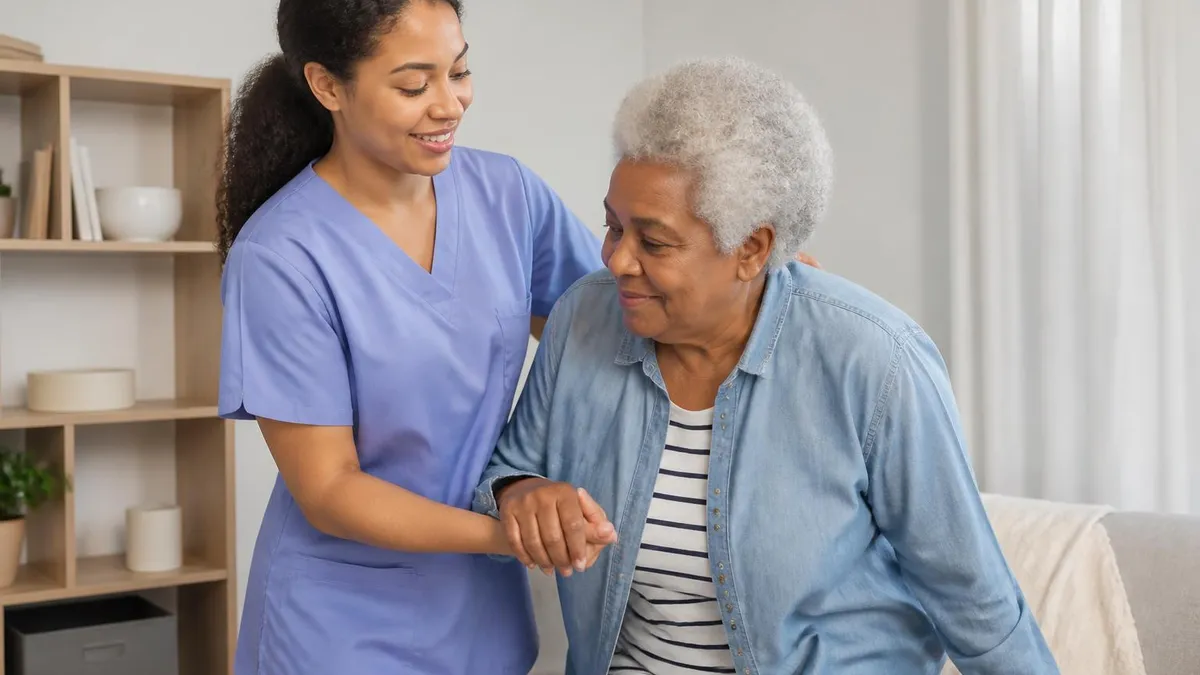
Hiring a Home Health Aide for Family: Complete 2026 Guide to Vetting, Costs, and Care Coordination

Home Health Aide Training Programs: Complete 2026 Guide to Certification, Cost, and Career Launch
HHA Practice Test Video Answers

HHA Jobs Near Me — How to Find, Train, and Start Your Career

Can a Home Health Aide Administer Medication? Scope of Practice Explained
About the Author

Registered Nurse & Healthcare Educator
Johns Hopkins University School of NursingDr. Sarah Mitchell is a board-certified registered nurse with over 15 years of clinical and academic experience. She completed her PhD in Nursing Science at Johns Hopkins University and has taught NCLEX preparation and clinical skills courses for nursing students across the United States. Her research focuses on evidence-based exam preparation strategies for healthcare certification candidates.
Join the Discussion
Connect with other students preparing for this exam. Share tips, ask questions, and get advice from people who have been there.
View discussion (8 replies)