

Diet Practice Test
Updated for September 2026Diet Question and Answers
- Seafood
- Meat and poultry
- Eggs
- Cheese
- Plain Greek yogurt and cottage cheese
- Cream and half-and-half
- Unsweetened plant-based milk
- Green leafy vegetables
- Peppers
- Summer squash
- High-fat veggies
- Other non-starchy vegetables
- Nuts and seeds
- Berries
- Shirataki noodles
- Dark chocolate and cocoa powder
- Olive oil
- Butter and ghee
- Unsweetened coffee and tea
- Unsweetened sparkling water
- Always eat breakfast. Eating breakfast daily is a habit many people who have lost weight and kept it off share. For a quick and wholesome start to your day, try a bowl of whole-grain cereal with fruit and low-fat dairy as toppings.
- At night, shut the kitchen. Establish a time when you will finish eating so you won’t succumb to mindless munching while watching television or the late-night hunger.
- Make Smart Liquid Calorie Choices. Drink sparkling water with citrus, skim, low-fat milk, or modest amounts of 100% fruit juice to quench your thirst. If you are getting hungry between meals, try a glass of nutrient-rich, low-calorie vegetable juice. Alcohol calories should be considered since they can add up quickly.
- Consume more produce. Consuming a lot of low-calorie, high-volume fruits and vegetables will make room for less calorie- and fat-dense items. You might also start your lunch or dinner with a vegetable salad or a cup of soup made with broth.
- Go with the flow. Pick whole-wheat products, including bread, pasta, brown rice, popcorn, and rye crackers.
- Take charge of your surroundings. This entails avoiding the temptation by avoiding all-you-can-eat establishments.
- Use small bowls, plates, and cups to reduce portion sizes instantly. Because the meal will appear ample on delicate dishware, you won’t feel deprived.
- Add more steps. Do all you can to be active throughout the day, including pacing while on the phone, taking the dog for extra walks, and marching in place while watching commercials.
- Include protein in all meals and snacks. A small serving of almonds, peanut butter, eggs, beans, low-fat yogurt, and lean meats are also good options. Additionally, experts advise eating modest, frequent meals and snacks (every 3–4 hours) to maintain stable blood sugar levels and prevent overeating.
- Use safer substitutes. Use salsa or hummus as a dip; spread mustard instead of mayo on sandwiches; choose plain, roasted sweet potatoes overloaded ones; use skim milk instead of cream in your coffee; forgo the cheese on sandwiches, and drizzle a little vinaigrette rather than a generous amount of creamy dressing on your salad.
- Eat breakfast daily Avoid it if you want to lose weight. You can be deficient in important nutrients and nibble more frequently throughout the day because of hunger.
- Consume regular meals Eating regularly throughout the day promotes calorie burning. Additionally, it lessens the desire to munch on fatty and sugary foods.
- Consume a lot of fruit and vegetables These foods are low in calories and fat and high in fibre, all of which are necessary for effective weight loss. They are also loaded with vitamins and minerals.
- Increase your activity level Maintaining weight loss requires regular exercise. Exercise has various positive health effects and can aid in burning off extra calories that are difficult to shed through diet alone.
- Drink lots of water Sometimes, people mistake thirst for appetite. You risk consuming unnecessary calories when you need a glass of water.
- Consume high-fibre foods Eating foods high in fibre will help you feel full, which is ideal for weight loss. Plant foods contain fibre, including fruit and vegetables, oats, wholegrain bread, brown rice, pasta, beans, peas, and lentils.
- Read food labels Deciphering food labels will enable you to make better decisions. Use the calorie information to determine how a specific food fits your daily calorie allocation on the weight loss plan.
- Use a smaller plate Eating fewer portions is made easier by using smaller plates. You might be able to gradually get used to eating smaller portions without feeling hungry by utilizing smaller dishes and bowls. Eat slowly and stop eating before you feel full because it takes the stomach 20 minutes to communicate with the brain that it is full.
- Don’t eliminate any foods from your diet This goes double for your favourite foods. Food bans will increase your desire for them. As long as you don’t over your daily calorie limit, there is no reason you shouldn’t occasionally indulge in a treat.
- Avoid temptation by avoiding junk food, such as chocolate, cookies, chips, and sugary fizzy beverages. Instead, choose healthful snacks like fruit, unsweetened or unsalted popcorn, uncooked oat cakes, unsalted rice cakes, and fruit juice.
- Drink less alcohol A typical glass of wine can have the same calories as a square of chocolate. Drinking excessively over time can easily lead to weight gain.
- Create a weekly meal plan Try to schedule your breakfast, lunch, supper, and snacks while staying under your daily calorie allowance. It could be beneficial to create a weekly shopping list.
- Plain flavoured water.
- Juices of fruits like grapes, apple and cranberry.
- Beverages of fruit flavoured made of lemonade and fruit punch.
- Carbonated drinks.
- Sports drinks.
- Tea and coffee without any milk and cream.
- Strained Vegetable juice.
- Fat-free broth.
- Bread, pasta, rice, and other refined carbs
- Beer and mixed drinks
- Honey and syrups
- Juice
- Sugary sodas
- Ketchup, barbecue sauce, and other condiments
- Glazed or honey-baked ham
- Light or low fat margarine
- Dried fruit or trail mix
- Low fat diet foods
- Potatoes and other starchy vegetables
- Sweetened yogurt or dairy
- Certain fresh fruits
- Beans and other legumes
- Quinoa and other grains
- Chocolate
- Make a list of all the symptoms you are currently experiencing before starting an elimination diet, regardless of how minor or persistent they may be. This evaluation will enable you to identify significant dietary changes as they occur.
- Discard the typical suspects for 23 days. The simplest elimination diet entails abstaining from fast food, gluten, dairy, eggs, soy, and alcohol for 23 days.
- Make a shopping list. It should be composed of 70% vegetables, legumes (including beans and lentils), nuts, seeds, seaweed, and gluten-free grains like quinoa and 30% “clean” protein, such as hormone-free, grass-fed, happy, lean cattle, chicken, and wild fish and shellfish.
- After 23 days, reintroduce the items you’ve been avoiding. Additionally, it’s far easier than people think it is to do this. On day 24, you can choose to consume one of the things you avoided, such as dairy, eggs, or gluten, but not more than one.
- Keep paying attention to your body How you feel as you go through the diet and reintroduction process. The key here is experimentation; no blood test can predict life without a specific food. When you learn for yourself, you might be able to avoid chronic diseases, annoyance-causing symptoms, and lifetime inflammation.
- Consume food every three to four hours.
- Put fibre, protein, and healthy fats on a plate to create a balanced meal.
- This includes placing fruit and vegetables on half of your plate.
- Include 20 to 25 grams of lean protein in each meal. Focus on timing and quantity of protein.
- Emphasize gut-friendly meals, such as probiotics.
- Add herbs and spices to your food.
- Sip a lot of water and include green tea in your diet.
- Be active by doing both cardio and weight training.
- Get enough sleep every night.
- Use strategies to ease stress because excessive cortisol levels might affect metabolism.
- You will be better positioned to concentrate on your weight objectives once you have grasped these processes. And the best-kept secret I can tell you is that when you develop these healthier behaviours, you might even lose weight on your own.
- Take your time. Most people find it quite difficult to stop doing something abruptly. Not impossible, but very difficult. So, if you are currently drinking one can per day, choose one or two days per week to take a day off. Once it becomes routine, attempt to schedule a couple more days without drinking diet soda. There won’t be any more cans left when you least expect them.
- Look for an alternative. There are also many flavoured sparkling waters on the market that are prepared with only natural sweeteners if you enjoy the carbonation and sweetness of soda.
- Get more sleep. Try switching to caffeine-free diet sodas to wean yourself off of the caffeinated versions. Once more, go slowly, especially since cutting back on coffee might give you bad headaches. Stop drinking your caffeine-free Coke after that. Keep your attention on getting more sleep throughout.
- Make your purpose known. Involving a spouse, relative, friend, or coworker who you believe will support you can be very beneficial. You might also partner up with someone who wants to stop drinking diet coke.
- Give yourself a break Possibly the most crucial advice. We must give ourselves a little leeway every time we work to break a habit. Fine; nobody is perfect. What counts is how we respond to it.
- Opt for grains devoid of gluten Popular grains that contain gluten include wheat, barley, and rye. There are many gluten-free grain options available, though.
- Seek a label that says “certified gluten-free.” Claims that food packaging is gluten-free are subject to FDA regulation. According to the FDA classification, a product must have fewer than 20 parts per million of gluten to be considered gluten-free.
- Consume more produce All organic fruits and vegetables are devoid of gluten by nature. Unless gluten-containing goods are substituted with other nutrient-dense meals, gluten-free diets may be deficient in micronutrients like folate and magnesium.
- Purge your pantry. Check the contents of your pantry and remove any possible gluten-containing goods. Reading the ingredient list is the most effective approach to determining whether a product contains gluten. Items made of grains like wheat, barley, and rye should be thrown away or donated.
- Steer clear of beverages with gluten. Some drinks, particularly those with alcohol, may contain gluten. Choose distilled liquors like vodka or gin if you’re on a gluten-free diet and wish to consume alcohol. The wine rarely contains gluten, either. However, malt barley, a gluten grain, may be present in wine coolers.
- Take your meal. Think about bringing your gluten-free dish if you’re going to a social function. At social gatherings, accidental gluten exposure is frequent. Even if a meal is naturally gluten-free, cross-contamination during preparation could still be dangerous for those who must strictly avoid gluten.
- Consume extra seeds and nuts. Diets free of gluten are more likely to be lacking in fiber, calcium, and zinc. Nuts and seeds are excellent providers of these nutrients and are inherently gluten-free.
- Be aware of the several names for wheat Wheat comes in a wide variety, making it challenging to read food labels. Semolina, farina, and graham flour are just a few of the many names for wheat flour. These flours must all be avoided if you follow a gluten-free diet because they all contain gluten.
- Avoid eating too much-manufactured food Food makers can add gluten to enhance the texture, mouthfeel, and shelf life of processed goods. Natural sources of gluten absence include whole foods like fruits, vegetables, eggs, nuts, and seeds. Concentrate on consuming fewer processed foods and more of these healthy foods.
- Increase your home cooking. More and more restaurants are providing gluten-free menu alternatives. However, these meals frequently cost more and run the danger of cross-contamination.
- Steer clear of condiments with gluten The sources of gluten in condiments and sauces are frequently obscure. Food producers can add gluten to condiments to serve as a stabilizer, thickener, or emulsifier.
- Join a gluten-free community. A gluten-free diet can make you feel lonely. Loneliness, sadness, and social phobia may be more common in celiac disease patients. Getting involved in a gluten-free community is a terrific way to discover support from those with similar dietary limitations and resources and community recommendations.
- Make vegetables the focal point of your meals. The benefits of veggie-packed meals are numerous: they are low in calories, contain nutrients like potassium and vitamins A and K, and can increase feelings of fullness due to their high fiber content.
- Consume a Range of Foods Eating balanced meals with a range of healthful foods will help you stay on a vegan diet and ensure you get all the nutrients you need.
- Opt for Whole Grain A vegan diet can gain iron and B vitamins by replacing refined carbohydrates like white pasta and bread with healthy grains like brown rice and quinoa. Additionally, the additional fiber in whole grains can keep you feeling full and might even aid in weight loss.
- Learn About Fresh Plant-Based Proteins Several vegan protein options include tofu, tempeh, edamame (soybeans), lentils, chickpeas, and beans. Protein can also be found in sunflower, pumpkin seeds, and nuts like almonds and walnuts.
- Don’t Pretend Vegan Food Is Healthier Palm oil and coconut oil, both high in saturated fats, are frequently included in processed vegan food. Stick to complete, healthy, vegan meals, such as whole-grain tortilla chips with guacamole, almonds and dried fruit, and carrots and hummus. It’s okay to indulge in vegan goodies occasionally, but don’t automatically consider them “healthy” because they are vegan.
- Focus on Omega-3s Free of Fish Flaxseed, walnuts, canola oil, and soy are examples of plants that contain another form of omega-3. DHA is now added to many meals, including soymilks and breakfast bars. DHA/EPA supplements derived from algae are also offered.
- Remember to Take Vitamin D A few fortified non-dairy kinds of milk, like soy or almond milk and orange juice, also include vitamin D. Additionally useful sources are some mushrooms that have been treated to UV radiation. Our skin can produce D in the summer when the sun is stronger. Many individuals—including vegans—might need a supplement to reach those quantities.
- Strengthen Your Iron Beans, legumes, and leafy greens are still good sources of this mineral for vegans, although non-heme iron from plants doesn’t absorb as well as from animal sources (heme iron). To maximize the benefits of plant-based iron, consume it with foods high in vitamin C, which promotes absorption, rather than calcium-rich foods, which can hinder iron absorption.
- Recognize B12 Vegans who consume fortified cereals or energy bars can obtain some B12, but they should consult their doctor about taking a supplement. For most adults, the DV for vitamin B12 is 2.4 micrograms.
- Simple Mills Original Organic Seed Flour Crackers
- Hippie Snacks Almond Crisps
- Mary’s Gone Super Seed Crackers
- Orga Foods Super Crisps
- Bob’s Red Mill Oat Crackers
- Hu Kitchen Grain-Free Crackers
- Ak-Mak Sesame Crackers TURES.
- Annie’s Homegrown White Cheddar Squares
- Top Seedz Cumin Crackers
- Wasa Multi-Grain Crispbread
- Bouillon
- Clear broths (beef, chicken, vegetable)
- Pureed soup made from strained vegetables.
- Soups with cream or beef broth (may contain pureed veggies or meat)
- Processed red meats ⇒ Hot dogs ⇒ Bacon ⇒ Lunch meats ⇒ Sausage
- Heavily processed foods ⇒ Frozen meals that have a lot of sodium ⇒ Sodas ⇒ Sugary beverages ⇒ Sugary desserts ⇒ Candy ⇒ Processed cheeses
- Refined grains ⇒ White bread ⇒ White pasta ⇒ Products with white flour
- Alcohol (other than red wine)
- Butter
- Refined, processed, or hydrogenated oils ⇒ Soybean oil ⇒ Safflower oil ⇒Corn oil ⇒ Vegetable oil ⇒ Canola oil ⇒ Hydrogenated and partially ⇒ hydrogenated oils
- Bone broth
- Chicken
- Fish and shellfish
- Egg whites
- Citrus fruits
- Berries
- Tropical fruits
- Garlic
- Leafy greens
- Beans 11. Cashews
- Tomatoes
- Bell peppers
- Saturated Fat Saturated fat is abundant in some of the world’s healthiest foods. For instance, egg yolks are a great source of nutrients like choline, iron, and vitamin A.
- Monounsaturated Fat Monounsaturated fat, which can be found in avocados and olives, has no detractors. If you look at the research, larger intakes are related to several health benefits, including improved blood sugar control, lower blood pressure, and more.
- Polyunsaturated Fat (PUFA) PUFAs can be divided into Omega-6s and Omega-3s. We advise against utilizing Omega-6 vegetable oils. The ideal method to get that 4:1 or lower ratio is to consume more fatty fish, walnuts, chia seeds, hemp seeds, and flax seeds, as well as more Omega-3 oils (flax, chia, hemp), and MUFAs (olive oil, avocado oil).
PCOS Diet
- Consuming meals with a low glycemic index (GI) causes insulin levels not to rise as soon as other foods, such as some carbs because the body digests low GI foods more slowly. Whole grains, legumes, nuts, seeds, fruits, starchy vegetables, and other unprocessed, low-carbohydrate foods are all included in a low GI diet.
- An anti-inflammatory diet: Foods like berries, fatty salmon, leafy greens, and extra virgin olive oil that are anti-inflammatory may lessen inflammation-related symptoms like weariness.
- The DASH diet: Doctors routinely advise adhering to the Dietary Approaches to Stop Hypertension (DASH) diet to reduce the risk or effects of heart disease. It might also aid in treating PCOS symptoms. Fish, poultry, fruits, vegetables, whole grains, and low-fat dairy products are abundant in a DASH diet. Foods that are heavy in sugar and saturated fat are discouraged by the diet.
Diet Practice Test Questions
Prepare for the Diet exam with our free practice test modules. Each quiz covers key topics to help you pass on your first try.
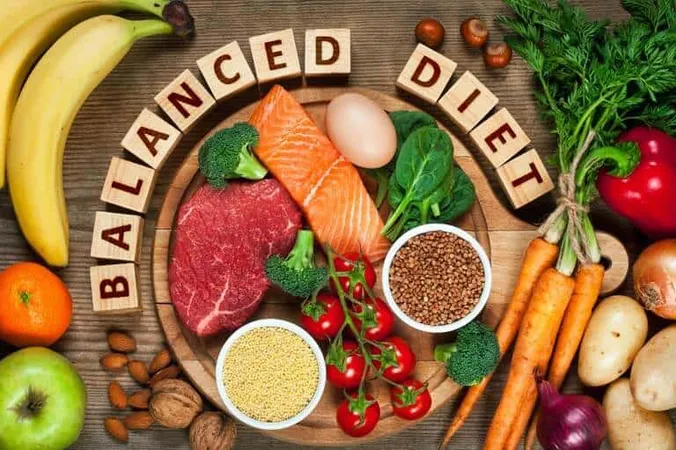
Diet Balanced Diet
Diet Exam Questions covering Balanced Diet. Master Diet Test concepts for certification prep.
Diet & Exercise
Free Diet Practice Test featuring & Exercise. Improve your Diet Exam score with mock test prep.
Diet Intermittent Fasting
Diet Mock Exam on Intermittent Fasting. Diet Study Guide questions to pass on your first try.
Diet Ketogenic Diet
Diet Test Prep for Ketogenic Diet. Practice Diet Quiz questions and boost your score.
Diet Macronutrients
Diet Questions and Answers on Macronutrients. Free Diet practice for exam readiness.
Diet Mediterranean Diet
Diet Mock Test covering Mediterranean Diet. Online Diet Test practice with instant feedback.
Diet Plant-Based Diet
Free Diet Quiz on Plant-Based Diet. Diet Exam prep questions with detailed explanations.
Important: The Diet exam covers multiple domains. Allocate more study time to unfamiliar topics while maintaining review of strong areas.
Agoge Diet
- You might be able to live a longer life due to it.
- It keeps the skin, teeth, and eyes healthy.
- Skeletal support.
- Boost the immune system.
- Bones are made more robust.
- Reduces the incidence of type 2 diabetes, heart disease, and a few malignancies.
- It helps to maintain healthy nursing and pregnancy.
- Aids in the digestive system's efficient operation.
Pro Metabolic Diet
- Eat more calories from foods that are high in nutrients.
- After waking up, eat something.
- Explain the Adrenal Cocktail.
- Drink raw milk
- Add meat from an organic liver
- Increase saturated fats while lowering PUFAs
- Combine your meals with carbohydrates, protein, and lipids.
GAPS Diet Food List
- Choose fresh, preferably hormone-free, grass-fed meat.
- Animal fats such as ghee, lamb fat, duck fat, lamb fat, grease, and raw butter
- Fish
- Seafood
- Eggs from a farm
- Fermented foods like homemade yogurt, sauerkraut, and kefir
- Vegetables
Vertical Diet Meals
- red flesh (the diet allows, but does not encourage, the consumption of chicken or fish)
- White rice
- Fruit
- Potatoes (white or sweet)
- FODMAP-friendly veggies (carrots, celery, cucumber, bell peppers, eggplant, etc.)
- Fats and oils
- Eggs
- Dairy
- Sodium
- Oats (only if soaked and fermented)
- Legume (only if soaked and fermented)
Lymphedema Diet
- A focus on whole foods, including a wide range of rainbow
- Hued fruits and vegetables.
- Since whole foods don't contain added sugar, salt, bad fats, soy, or additives, they should make up most of a person's diet.
- A person should focus on eating gluten-free grains such as brown rice, oats, quinoa, and wild rice.
- The main list includes almond, coconut, and hemp milk, whereas sweetened dairy milk should be avoided.
- Kefir, yogurt, pickles, and kimchi are examples of fermented foods rich in beneficial bacteria for gut health.
- Nuts, dairy, eggs, poultry, meat, oils, and condiments
- Dried fruit, sugar, and pure maple syrup should only be consumed in moderation.
- Red wine should only be consumed occasionally and in quantities of no more than three per week.
R3 Diet
- Reset - By adhering to the Yes & No Lists of foods, you can alter your eating habits, eliminate lousy food cravings, and reduce weight and body fat.
- Reintroduce - Continue to lose weight and inches while maintaining better hunger patterns and learning how to introduce foods from the No List in moderation.
- Real Life - To avoid ever feeling deprived, learn how to maintain losing weight while still indulging in your favorite meals at real-life events like holidays, vacations, and parties.
Diet: Pros and Cons
- +cdm — diet credential is recognized by employers and industry professionals
- +Higher earning potential compared to non-credentialed peers
- +Expanded career opportunities and professional advancement
- +Structured learning path builds comprehensive knowledge
- +Professional development that stays current with industry standards
- −Preparation requires significant time and study commitment
- −Associated costs for exams, materials, and renewal fees
- −Continuing education needed to maintain credentials
- −Competition for advanced positions can be challenging
- −Requirements and standards may vary by state or region
About the Author

Certified Professional Development Expert & Niche Certification Advisor
University of Pennsylvania Graduate School of EducationDr. Alexandra Kim holds a PhD in Professional Studies from the University of Pennsylvania and is a Certified Professional in Learning and Performance (CPLP) and Certified Professional in Talent Development (CPTD). With 17 years of corporate training and professional certification advisory experience, she helps professionals navigate specialized, emerging, and cross-industry certification programs.