
Level B HazMat Suit: What CDL Drivers Need to Know About Hazardous Materials Endorsement
Learn about the level b hazmat suit and how it connects to your hazardous materials endorsement. Study guide, requirements, and free practice tests. 🆕

If you are studying for your hazardous materials endorsement or working in a field that involves transporting or handling dangerous goods, understanding protective equipment like the level b hazmat suit is essential knowledge. The level b hazmat suit represents the second-highest tier of chemical protective gear under the EPA and OSHA classification system, and it appears on both written CDL exams and workplace safety certifications across the United States. Knowing how this suit differs from other protection levels can mean the difference between a safe response and a catastrophic exposure incident.
The hazardous materials endorsement required for CDL drivers is one of the most demanding additions a commercial driver can add to their license. It involves a federal background check through the TSA, a comprehensive written knowledge test, and in many states a separate application fee that must be renewed every five years. Drivers who carry placarded quantities of hazardous materials — everything from flammable liquids and compressed gases to explosives and radioactive materials — are required by federal law to hold a valid HazMat endorsement before getting behind the wheel.
Understanding personal protective equipment classifications is not just trivia for the CDL hazardous materials endorsement test. When a hazardous materials incident occurs on the roadway, first responders and commercial drivers need to know immediately what level of protection is appropriate.
The four EPA levels — A, B, C, and D — correspond to increasing vulnerability, and misidentifying the required protection level at a spill or leak scene can result in serious injury or death. Level B protection is mandated in situations where the highest level of respiratory protection is needed but skin and eye exposure risks are lower than Level A scenarios.
For CDL drivers pursuing their hazardous materials endorsement, the knowledge tested on the exam covers a wide range of topics beyond just protective suits. You will need to understand placarding requirements, shipping papers, emergency response procedures, and the proper loading and unloading of hazmat cargo. The hazardous materials endorsement study guide published by the Federal Motor Carrier Safety Administration breaks these topics into specific knowledge domains, and the written test typically contains between 30 and 40 questions drawn from this material, requiring a passing score of 80 percent in most states.
The TSA hazardous materials endorsement background check adds a layer of complexity that many first-time applicants do not anticipate. Because hazardous materials can potentially be weaponized or misused, Congress mandated in the USA PATRIOT Act that all CDL holders applying for a HazMat endorsement submit to a fingerprint-based criminal history check. This process is administered through your state DMV in coordination with the TSA, and it typically adds several weeks to your overall application timeline. Applicants with certain disqualifying criminal convictions or immigration status issues may be denied the endorsement regardless of their test score.
Whether you are a long-haul trucker adding the endorsement to increase your earning potential, a hazmat technician brushing up on protective equipment classifications, or a student preparing for the Texas hazardous materials endorsement test or a similar state exam, this guide covers everything you need to know. We will walk through Level B hazmat suit specifications, when this protection level is required, how it relates to the CDL exam, and how to use free hazardous material endorsement practice tests to maximize your chances of passing on the first attempt.
Drivers who hold the CDL hazardous materials endorsement earn significantly more than those without it, often commanding a premium of $5,000 to $15,000 per year in additional compensation. The endorsement opens doors to specialized freight lanes, hazmat-specific carriers, and government contracts that require certified drivers. Taking the time to thoroughly understand both the regulatory framework and the technical details — including protective equipment like the Level B suit — puts you ahead of the majority of test takers and sets you up for a safer, more lucrative career in commercial transportation.
HazMat Endorsement by the Numbers

The Four EPA HazMat Protection Levels
Full vapor-protective encapsulated suit with self-contained breathing apparatus (SCBA). Required when the highest degree of skin, respiratory, and eye protection is needed. Used at unknown chemical spills or when vapor concentrations are at immediately dangerous levels.
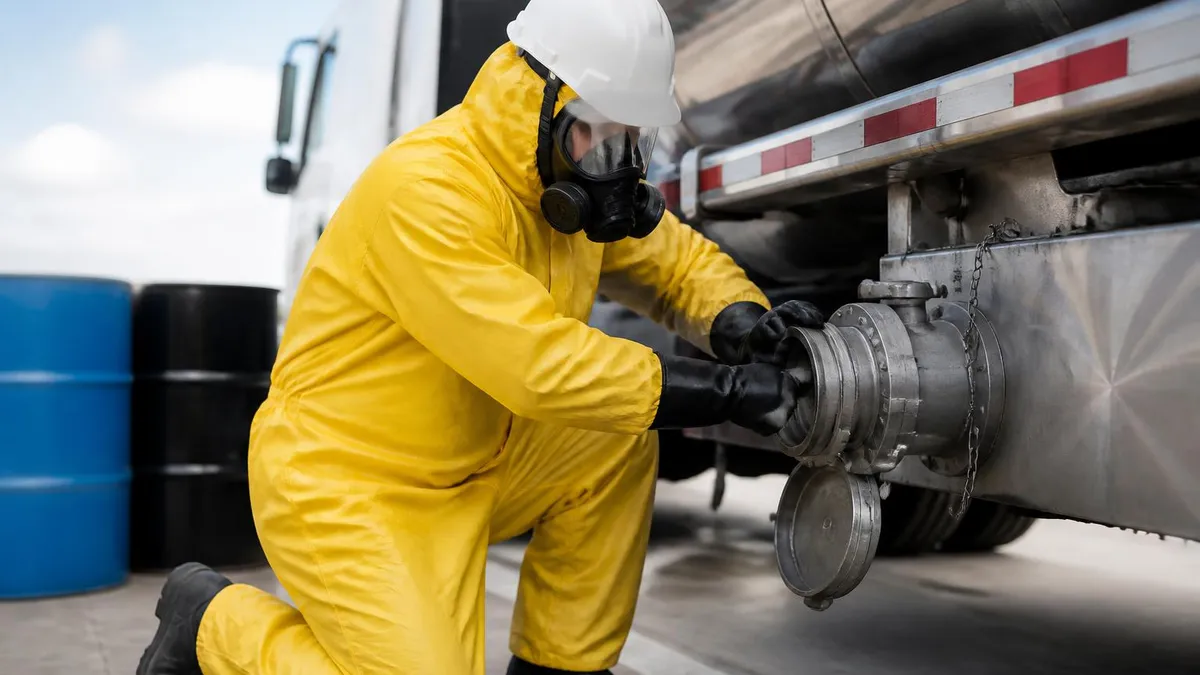
Provides the highest level of respiratory protection via SCBA but uses a non-encapsulating chemical-resistant suit. Appropriate when the chemical is identified, vapors are not expected to harm skin, but airborne contamination risk remains high. Common at many initial hazmat responses.
Uses an air-purifying respirator rather than SCBA, combined with chemical-resistant clothing. Required only when the specific chemical is identified, concentrations are measured and manageable, and skin absorption is not a threat. Common in routine chemical handling operations.
Standard work uniform with no respiratory protection. Provides no chemical protection and is suitable only in environments where no respiratory hazard exists and skin and eye contact with hazardous chemicals is not possible. Typical office or non-hazard zone garb.
Earning your CDL hazardous materials endorsement is a multi-step process governed by both federal and state regulations. The Federal Motor Carrier Safety Administration (FMCSA) sets the baseline requirements, but each state has its own DMV procedures, fees, and scheduling systems for the written knowledge test. At the federal level, every applicant must pass a TSA security threat assessment — which means fingerprinting, a criminal history check, and a review of immigration and citizenship records — before the endorsement can be added to the commercial driver's license.
The written knowledge test for the hazardous materials endorsement is drawn directly from the FMCSA's Hazardous Materials section of the Commercial Driver's License Manual. This section covers nine major topic areas: identifying hazardous materials and understanding the hazardous materials table, communicating the hazard through proper labeling and placarding, loading and unloading procedures, transporting hazardous materials safely, bulk packaging marks, cargo tanks, and emergency response procedures. Understanding the Level B hazmat suit classification is part of the broader emergency response knowledge that test-takers need to demonstrate.
The hazardous materials endorsement requirements are consistent at the federal level but vary in detail from state to state. For example, the Texas hazardous materials endorsement test follows the same FMCSA content standards but is administered through the Texas Department of Public Safety. In Texas, applicants must pay a separate endorsement fee, schedule the knowledge test at an approved testing site, and submit fingerprints through the IDEMIA identity services contractor. California, Florida, and other high-population states have similar systems with minor variations in cost and scheduling logistics.
One of the most important hazardous materials endorsement requirements that applicants overlook is the restriction on who can hold the endorsement. Under federal law, you are disqualified from receiving or renewing a HazMat endorsement if you have been convicted of certain felonies, if you are not a U.S. citizen or lawful permanent resident, if you have been found to be unlawfully in the United States, or if you are under indictment for a disqualifying offense. The TSA reviews these factors during the security threat assessment, and disqualification results in an automatic denial regardless of your written test performance.
The hazardous materials endorsement requirements also include age and license prerequisites. You must already hold a valid CDL — either Class A, B, or C — before you can add the HazMat endorsement. You must be at least 21 years old to transport hazardous materials in interstate commerce, though some intrastate exceptions exist. Your CDL must be in good standing with no active suspensions or revocations. Some carriers additionally require their HazMat-endorsed drivers to complete employer-sponsored training programs that go beyond the minimum state test requirements.
Understanding how protective equipment like the Level B hazmat suit fits into the larger regulatory picture is valuable not just for the endorsement test but for your day-to-day work as a hazmat driver. When you pull up to a delivery site and notice a placard indicating oxidizers, compressed gases, or toxic materials, you are legally and professionally responsible for knowing the appropriate emergency response procedures — including what protective gear first responders will be using.
The FMCSA's hazardous materials regulations require drivers to carry emergency response information for every hazmat shipment they transport, which references the same EPA protection level system.
Preparing for the hazardous materials endorsement test requires more than just memorizing definitions. The exam includes scenario-based questions that test your ability to apply regulatory knowledge in real-world situations. You might be asked to determine the correct placard for a mixed load, identify the proper shipping name for a specific chemical class, or recognize when a Level B response versus a Level C response is appropriate.
Using a comprehensive hazardous materials endorsement study guide that mirrors the actual test format — including timed practice questions — is the most effective way to build the applied knowledge you need to pass on your first attempt.
Hazardous Materials Endorsement Study Guide: Key Topics
Placarding is one of the most heavily tested areas on the hazardous materials endorsement exam. The FMCSA requires specific diamond-shaped placards on vehicles carrying hazardous materials in quantities above defined thresholds. There are two tables in the federal regulations — Table 1 materials require placards in any quantity, while Table 2 materials only require placards at 1,001 pounds or more. Common placard categories include flammable liquids, explosives, poison gases, and radioactive materials.
Labels are the smaller, 4-inch diamond symbols applied directly to individual packages rather than the vehicle itself. Each hazard class has a specific label color and design — for example, flammable liquids use a red diamond with a flame symbol, while corrosives use a white-and-black diamond with a test tube illustration. The endorsement test will ask you to match hazard classes to their correct labels, identify when labels are required, and understand the relationship between labels and placards throughout the transport chain.

Is the Hazardous Materials Endorsement Worth It?
- +Significantly higher earning potential — HazMat drivers typically earn $5,000 to $15,000 more annually than non-endorsed peers
- +Access to specialized freight markets including chemical tankers, fuel delivery, and government contracts
- +Greater job security due to the shortage of qualified HazMat-endorsed CDL drivers nationwide
- +Broader career options including roles with chemical companies, military contractors, and environmental services firms
- +Deeper safety knowledge that makes you a more competent and confident driver in all situations
- +Competitive edge when applying at top-tier carriers that prioritize versatile, multi-endorsed drivers
- −Requires a TSA security threat assessment with fingerprinting, adding cost ($86.50 federal fee) and significant time to the process
- −Certain criminal convictions or immigration statuses permanently disqualify applicants regardless of qualifications
- −The written knowledge test is substantially more difficult than standard CDL knowledge tests, requiring dedicated study
- −Endorsement must be renewed every five years, which includes repeating the background check and paying associated fees
- −Some carriers impose additional employer-specific HazMat training requirements beyond the state CDL exam
- −Increased liability and regulatory scrutiny — HazMat violations carry severe fines and can result in CDL disqualification
HazMat Endorsement Application Checklist
- ✓Confirm you hold a valid CDL (Class A, B, or C) in your state before beginning the HazMat endorsement application.
- ✓Download and study the Hazardous Materials section of the FMCSA CDL Manual — this is the official source for all test content.
- ✓Complete at least 3 full-length hazardous material endorsement practice tests and review every incorrect answer.
- ✓Schedule your TSA fingerprint appointment through your state DMV or an authorized IDEMIA enrollment center.
- ✓Pay the $86.50 federal TSA background check fee at the time of fingerprint enrollment.
- ✓Gather required identification documents — typically a valid passport or combination of federal and state IDs — for the fingerprint appointment.
- ✓Schedule and pass the written HazMat knowledge test at your state DMV or an authorized testing center.
- ✓Pay any state-specific endorsement application fee (varies by state, typically $5–$20).
- ✓Wait for TSA clearance — processing typically takes 30–60 days — before the endorsement can be added to your CDL.
- ✓Verify your updated CDL lists the 'H' endorsement code before accepting any hazmat freight loads.
The Written Test and the Background Check Are Separate — Plan Ahead
Many CDL applicants pass the written HazMat knowledge test but are surprised to learn the endorsement cannot be added to their license until the TSA background check clears — a process that takes 30 to 60 days on average. Submit your fingerprints and background check application as early as possible, even before you sit for the written exam, so both processes can run concurrently and minimize your total wait time.
The hazardous material endorsement renewal process is something every current CDL HazMat holder needs to plan for well in advance of their expiration date. Federal regulations require the endorsement to be renewed every five years, and critically, the TSA security threat assessment must be repeated at each renewal cycle — there is no grandfathering for drivers who passed the background check in a previous period. This means the fingerprinting appointment, the associated fee, and the waiting period all apply again at every renewal.
Most states send renewal notices to CDL holders several months before the endorsement expires, but it is the driver's responsibility to ensure the renewal is completed on time. Allowing the HazMat endorsement to lapse — even by one day — means you are legally prohibited from transporting placarded hazardous materials until the endorsement is reinstated. Carriers take this seriously, and drivers who unknowingly operate with an expired endorsement can face significant civil penalties from the FMCSA as well as disciplinary action from their employer.
The TSA hazardous materials endorsement background check at renewal evaluates the same disqualifying factors as the initial application. If you have acquired any disqualifying criminal convictions since your last renewal, you may be denied. This is an important consideration for drivers who have had any legal issues in the intervening five years. The TSA sends a written notice of its determination, and drivers who are denied have a right to appeal the decision through a formal administrative process that can take additional months to resolve.
For drivers in Texas and other states that administer their own hazardous materials endorsement tests independently, renewal may also require retaking the written knowledge test rather than just resubmitting the background check. Always verify your specific state's renewal requirements with your state DMV several months before your endorsement expires. Some states allow the written test to be waived at renewal if the driver completed FMCSA-approved training, while others require the full test regardless of experience.
The financial planning aspect of hazardous material endorsement renewal is also worth considering. Between the TSA fee, any state application fees, and potential time off work for appointments, renewal can cost $100 to $200 or more out of pocket. Some carriers will reimburse drivers for these costs as part of their benefits package, particularly large national carriers that depend on a stable pool of HazMat-qualified drivers. Ask about endorsement reimbursement when negotiating your employment contract or when comparing job offers between carriers.
Keeping your hazardous materials endorsement knowledge current between renewals is equally important. Regulations change, new hazmat classification categories are added, and emergency response protocols are updated periodically. FMCSA issues regulatory guidance updates throughout the year, and professional driver organizations like the American Trucking Associations publish newsletters and training resources to help members stay current. Attending employer-sponsored HazMat refresher training — even when not required — demonstrates professional commitment and keeps your knowledge sharp for the renewal test.
Beyond the practical benefits of staying current, understanding the full landscape of hazmat regulations — including how protective equipment like the Level B suit fits into emergency response doctrine — makes you a more credible and valuable professional. When incidents occur and law enforcement, fire departments, and hazmat teams converge on a scene, a driver who can knowledgeably communicate about the cargo, the appropriate response levels, and the relevant regulatory paperwork is an asset rather than an obstacle. That knowledge begins with your initial endorsement study and deepens with every year of professional experience in the field.

Driving a commercial vehicle loaded with placarded hazardous materials without a valid HazMat endorsement is a federal violation that can result in civil penalties up to $16,000 per violation and potential criminal charges. Even a single day of lapsed endorsement creates serious legal and financial exposure. Submit your TSA fingerprint appointment and state renewal application at least 90 days before your endorsement expiration date to ensure continuous coverage.
When it comes to actually passing the hazardous materials endorsement test, strategy matters as much as raw knowledge. The exam is designed to assess whether you can apply regulatory knowledge in realistic situations, not just recite definitions. Test writers deliberately include distractors — answer choices that sound plausible but contain a subtle regulatory error — so understanding the reasoning behind each rule is more valuable than memorizing a list of facts without context.
The most effective preparation strategy combines reading the official FMCSA CDL Manual's HazMat section at least twice with taking multiple rounds of hazardous material endorsement practice tests under timed conditions. The first read-through builds your foundational understanding of the regulatory framework. The second read-through — ideally after you have taken a practice test and identified your weak areas — allows you to engage more critically with the specific topics where you struggled. This active review process is far more effective than passive re-reading.
When using a hazardous materials endorsement study guide, focus particular attention on the hazmat table and how to read it. The hazardous materials table in 49 CFR Part 172 is a dense regulatory document that lists hundreds of materials with their proper shipping names, hazard classes, ID numbers, packing groups, and label requirements. Test questions frequently ask you to locate or interpret information from this table, and becoming comfortable with its structure will help you answer table-based questions quickly and confidently.
Practice tests are your best diagnostic tool during preparation. After each practice session, review not only the questions you got wrong but also the ones you answered correctly by guessing. Understanding why the correct answer is correct — and why each wrong answer is wrong — deepens your comprehension and prevents you from getting tripped up by similar questions on the real exam. The best hazardous material endorsement practice tests include detailed answer explanations for every question, not just a simple correct/incorrect indicator.
Time management during the actual exam is something many test takers underestimate. The HazMat knowledge test is typically not time-limited in a strict sense, but most testing centers do impose a session time limit. More importantly, the anxiety of exam conditions can cause test takers to rush through questions they would otherwise answer carefully. Practice under self-imposed time constraints — aiming for about 60 to 90 seconds per question — so the pacing feels familiar when you sit for the real test.
If you are preparing for the CDL hazardous materials endorsement, it is worth organizing your study time around the nine major topic areas in the FMCSA manual rather than studying randomly. Spend the most time on the areas that generate the most exam questions — typically placarding and labeling, shipping papers, loading and unloading, and emergency response — while still ensuring you have baseline competency in the remaining areas. Creating a simple study schedule that dedicates specific days to specific topics prevents the common mistake of over-studying familiar material while neglecting weak areas.
Finally, do not underestimate the value of the community of other CDL test takers preparing for the same exam. Online forums, driver social media groups, and local CDL training schools all offer opportunities to discuss difficult concepts, share study resources, and hear from drivers who recently passed the exam about what topics came up most frequently.
While exam content is not public information, patterns in what types of questions appear most commonly can help you prioritize your study time effectively. Combining this community knowledge with a structured study approach and consistent practice test sessions gives you the best possible chance of passing on your first attempt.
Practical preparation for the hazardous materials endorsement test starts well before you open the CDL manual. One of the most underrated steps is spending time with real shipping documents, placards, and labels before you study the regulations. If you work at a freight dock, a truck stop, or anywhere near commercial vehicles, take a few minutes to look at the placards on passing tankers and flatbeds and identify the hazard class. This real-world exposure accelerates your ability to recognize hazmat materials in exam questions, because you are connecting abstract regulatory language to concrete visual experiences.
Understanding the relationship between the UN identification number system and the Emergency Response Guide is another area where early investment pays off during the exam. The ERG is organized primarily by guide number, which is derived from the UN ID number on the shipping paper or the orange panel on a bulk tank. The endorsement test may present you with a scenario involving an unknown chemical and ask what response actions are appropriate — and working through the ERG lookup process during study sessions builds the procedural fluency you need to answer these questions efficiently.
For drivers preparing specifically for the Texas hazardous materials endorsement test or other state-specific exams, verify whether your state adds any content beyond the federal FMCSA standard. Some states include state-specific regulations about certain chemical categories, local hazmat route restrictions, or state emergency response notification requirements that appear on the exam. The Texas Department of Public Safety publishes its own CDL handbook that includes state-specific addenda to the federal content, and reviewing this document alongside the FMCSA manual ensures you are not blindsided by state-specific questions.
Managing test anxiety is a skill worth developing before your exam day. Many CDL test takers perform significantly below their actual knowledge level because nervousness causes them to misread questions, second-guess correct answers, or rush through the exam. Simulate actual test conditions during your practice sessions: sit at a desk, put away your notes, set a timer, and answer questions without looking anything up. The more familiar the exam format feels on the actual day, the less mental energy you will spend managing anxiety and the more you will have available for actually answering questions.
If you do not pass the hazardous materials endorsement test on your first attempt, do not panic. Most states allow you to retake the test after a waiting period, typically 24 hours to one week. Use the time between attempts strategically: review every topic you flagged as uncertain during the exam, take additional practice tests focused on your weak areas, and consider supplementing your self-study with a formal CDL training course if available in your area. Many drivers who fail on their first attempt pass comfortably on the second after targeted review.
Once you have earned your HazMat endorsement, the learning does not stop. The FMCSA updates its hazardous materials regulations regularly in response to new chemical hazards, updated international standards from the United Nations Committee of Experts, and lessons learned from real-world incidents. Subscribing to FMCSA regulatory update emails and reading the weekly safety bulletins published by industry organizations helps you stay current between formal renewal cycles. Many experienced HazMat drivers review the ERG and the hazardous materials table at the start of each year to keep their knowledge fresh and accurate.
The combination of regulatory knowledge, practical experience, and commitment to ongoing education is what distinguishes the safest and most professional HazMat-endorsed drivers in the industry. Whether you are just starting your preparation for the hazardous materials endorsement test or you are a seasoned driver approaching your renewal, the investment you make in thorough, evidence-based study directly translates into safer roads, more confident professional performance, and a longer, more successful career in commercial transportation.
HazMat Questions and Answers
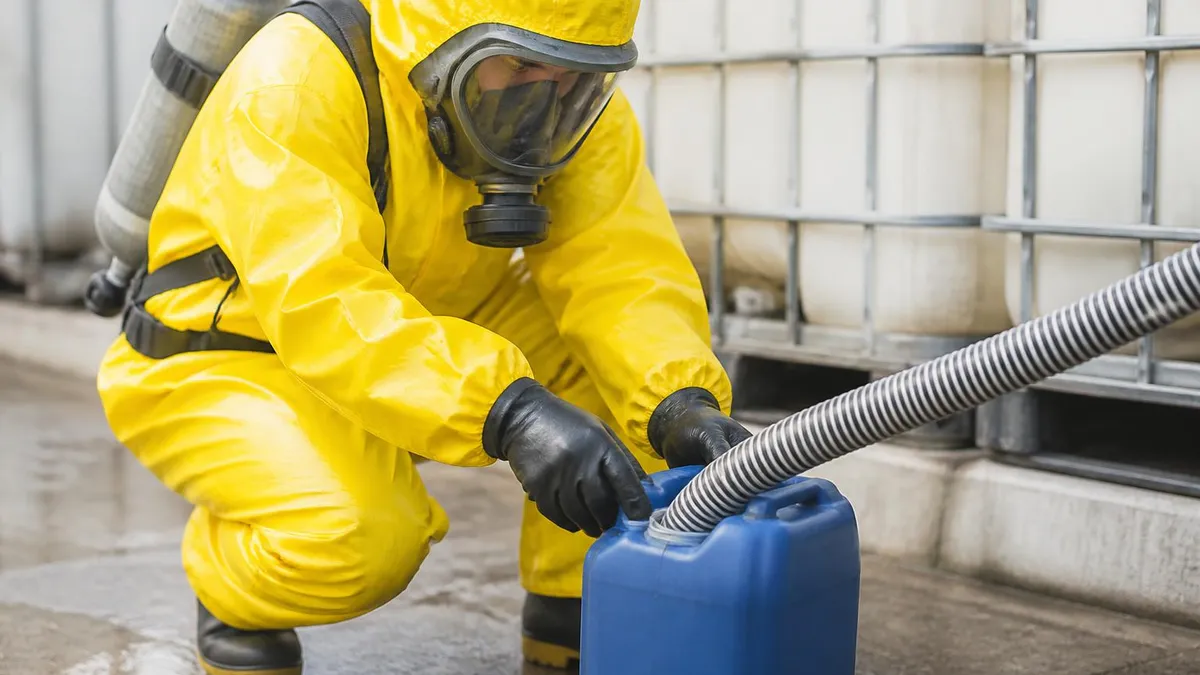
CDL HazMat Test: Free Practice Questions & Study Guide 2026
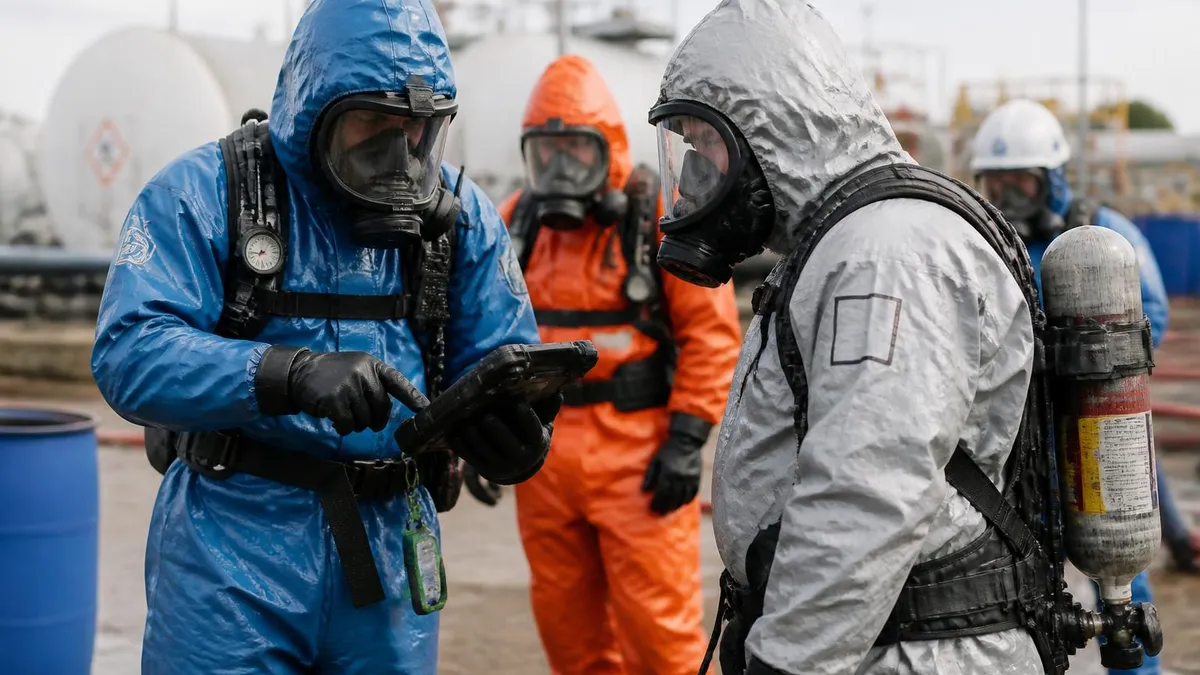
DMV HazMat Practice Test: Free Questions and Complete Study Guide for the Hazardous Materials Endorsement
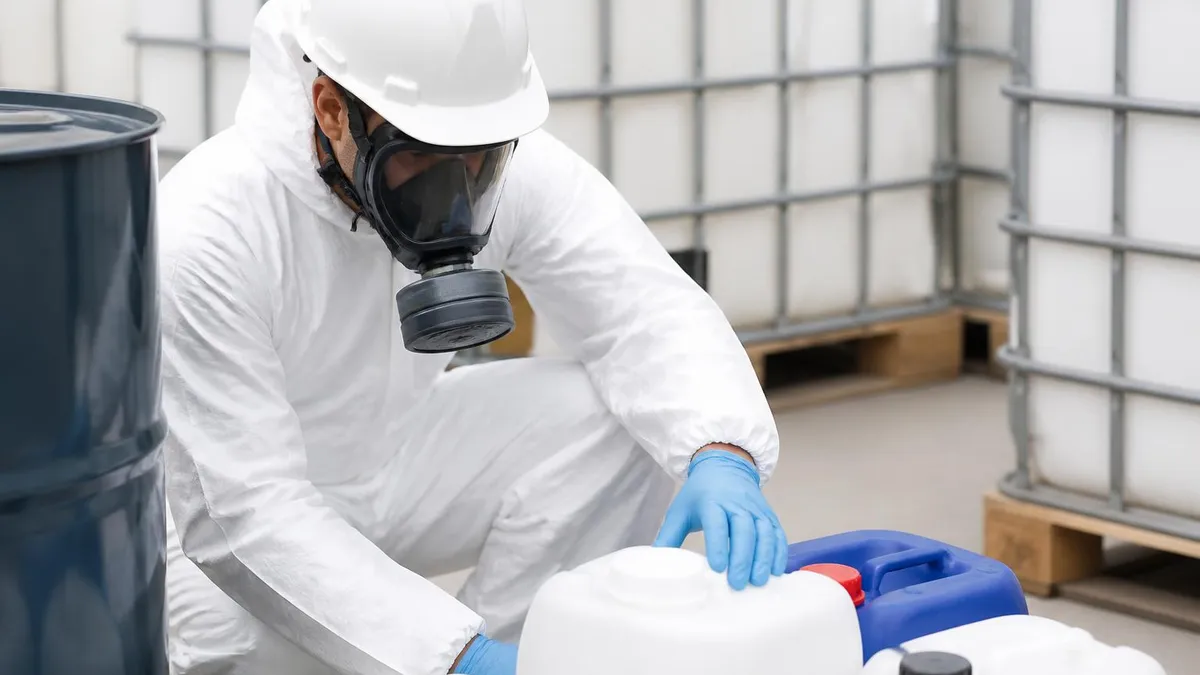
HazMat Endorsement: CDL Requirements, Test, and Cost
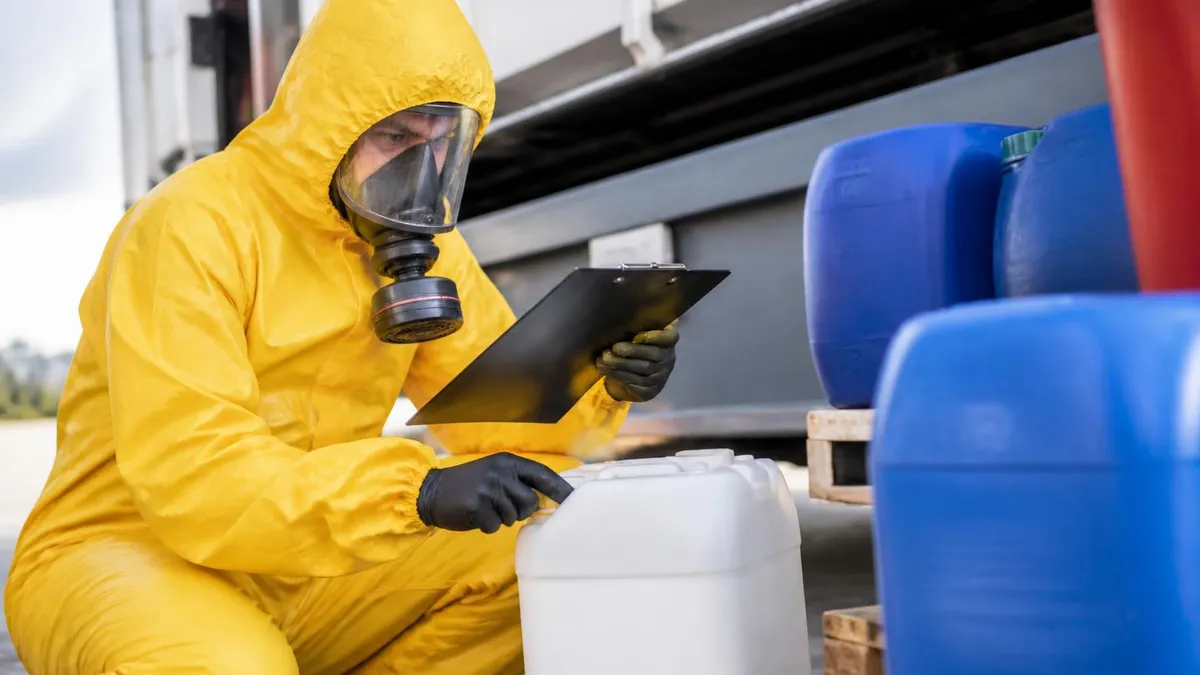
How to Get a HazMat Endorsement: Complete 2026 Step-by-Step Certification Guide
HazMat Certification: Complete Guide to Endorsement and Renewal
About the Author

Educational Psychologist & Academic Test Preparation Expert
Columbia University Teachers CollegeDr. Lisa Patel holds a Doctorate in Education from Columbia University Teachers College and has spent 17 years researching standardized test design and academic assessment. She has developed preparation programs for SAT, ACT, GRE, LSAT, UCAT, and numerous professional licensing exams, helping students of all backgrounds achieve their target scores.
Join the Discussion
Connect with other students preparing for this exam. Share tips, ask questions, and get advice from people who have been there.
View discussion (8 replies)