
HazMat Classification: Complete Guide to the 9 Hazard Classes for CDL Drivers
🧠 Master hazmat classification for your hazardous materials endorsement. Learn all 9 DOT hazard classes, labels, placards, and CDL test tips.
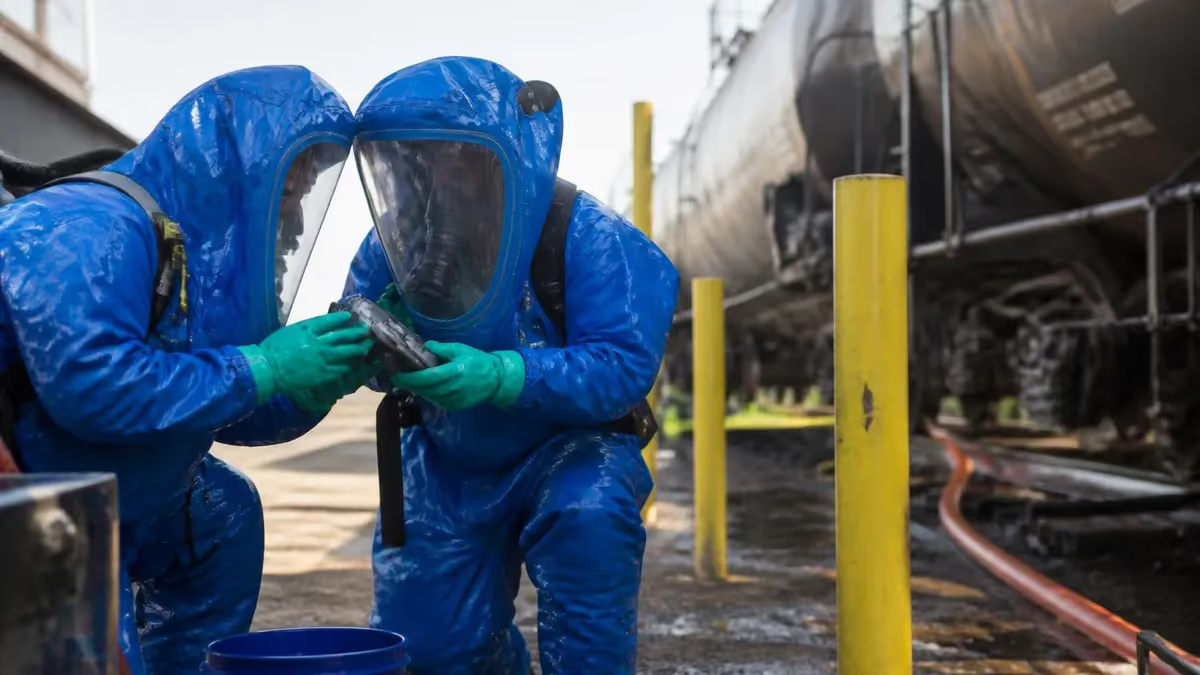
Understanding hazmat classification is the cornerstone of earning your hazardous materials endorsement and transporting dangerous goods legally and safely across the United States. The U.S. Department of Transportation divides hazardous materials into nine distinct hazard classes, each representing a unique category of risk — from explosives and flammable liquids to radioactive materials and corrosives. Every CDL driver who hauls hazardous cargo must know these classes cold because misidentifying a material can trigger enormous fines, cargo seizures, and serious safety consequences for everyone on the road.
The hazardous materials endorsement (HME) sits on top of your commercial driver's license and signals to employers and regulators that you have demonstrated competency in handling dangerous goods. Earning this credential requires passing a written knowledge test at your state's DMV or licensing office, submitting to a Transportation Security Administration (TSA) background check, and paying applicable fees. The classification system you'll be tested on mirrors what's found in the Federal Motor Carrier Safety Administration (FMCSA) regulations, specifically 49 CFR Parts 171–180, which govern the transportation of hazardous materials on public roads.
Many first-time test-takers underestimate how deeply the cdl hazardous materials endorsement exam tests classification knowledge. The exam doesn't simply ask you to name the nine classes — it asks you to identify which class applies to a specific substance, which placard a given shipment requires, and how different hazard classes interact during an emergency. For example, knowing that Division 2.3 covers poisonous gases while Division 2.1 covers flammable gases is easy on paper, but applying that knowledge to real shipping documents under time pressure requires genuine familiarity with each category.
A hazardous materials endorsement study guide will always begin with classification because everything downstream — labeling, placarding, segregation, loading procedures, and emergency response — depends on correctly identifying what you're carrying. If you get the class wrong, every subsequent decision in the transportation chain is built on a faulty foundation. This is why the DOT invests significant regulatory energy in maintaining clear, consistent class definitions and why your state DMV test mirrors those definitions almost verbatim.
The nine hazard classes cover an enormous range of physical and chemical properties. Class 1 materials can detonate. Class 2 materials are gases that may be flammable, non-flammable, or toxic. Classes 3 through 9 span flammable liquids, flammable solids, oxidizers, poisons, radioactive materials, corrosives, and miscellaneous hazardous materials. Within several classes, the DOT further breaks materials into divisions — for instance, Class 1 has six divisions based on the type and magnitude of explosive hazard. Understanding why these subdivisions exist helps you remember them rather than just memorizing labels.
Drivers pursuing the hazardous materials endorsement requirements should expect classification questions to make up a significant portion of their written test. In most states, the HazMat knowledge test contains between 30 and 40 questions drawn from the CDL Manual's hazardous materials section, and a passing score is typically 80 percent or higher.
That means you can miss no more than six to eight questions — and classification topics alone can account for a third of all questions. Starting your preparation with a thorough review of the nine classes, their divisions, and their associated labels and placards is the highest-return study investment you can make.
This guide walks you through every hazard class in detail, explains the labeling and placarding rules that flow from classification, and gives you practical study strategies for the hazardous materials endorsement test. Whether you're preparing for your first HME, working toward a texas hazardous materials endorsement test, or studying for a hazardous material endorsement renewal, the classification knowledge presented here forms the foundation you need to pass with confidence and haul hazardous cargo safely throughout your career.
HazMat Endorsement by the Numbers
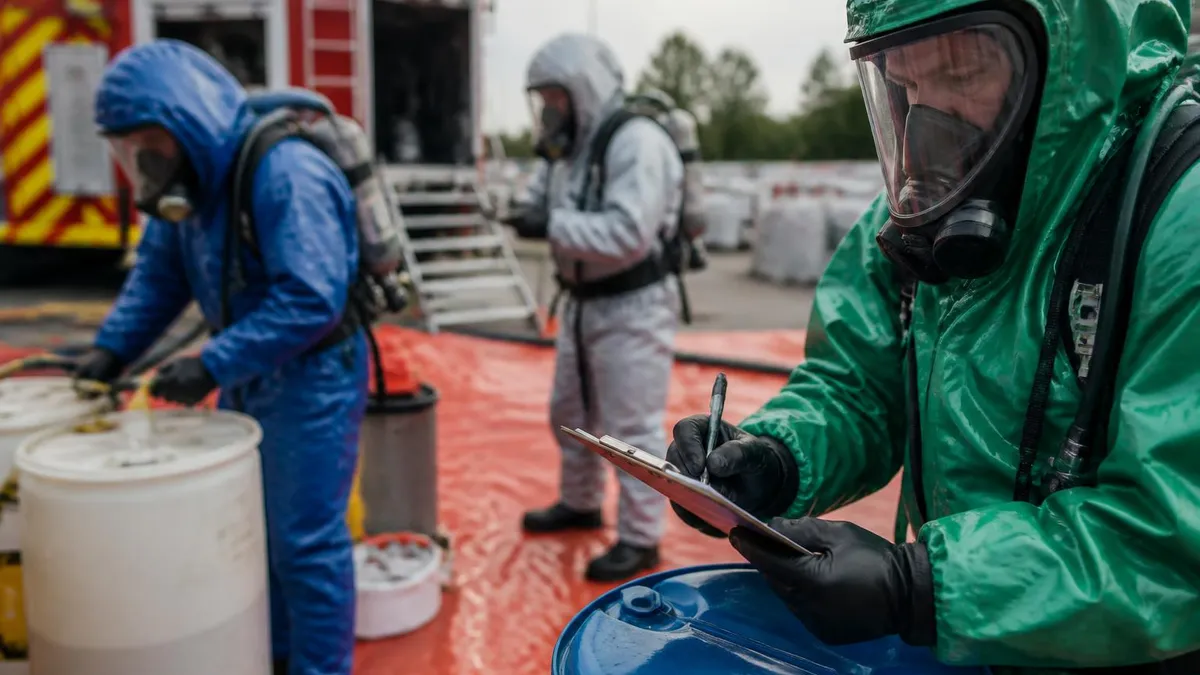
The 9 DOT Hazard Classes at a Glance
Six divisions ranging from mass-explosion hazards (1.1) to very insensitive detonating substances (1.6). Examples include dynamite, fireworks, ammunition, and airbag inflators. Requires orange placards with explosion symbol and division number.
Three divisions: flammable gas (2.1), non-flammable compressed gas (2.2), and poisonous gas (2.3). Includes propane, oxygen, chlorine, and acetylene. Placard color and symbol vary by division — know all three cold for the test.
Liquids with flash points below 140°F (60°C), including gasoline, diesel, ethanol, and paint solvents. Red placard with flame symbol. One of the most frequently hauled hazmat categories by CDL drivers on US highways.
Class 4 covers flammable solids and spontaneously combustible materials. Class 5 covers oxidizers and organic peroxides. Class 6 covers poisonous and infectious substances, including Division 6.2 biological agents with strict containment rules.
Class 7 requires radiation level monitoring and special packaging. Class 8 corrosives destroy tissue and metal on contact. Class 9 catches miscellaneous hazards like dry ice, lithium batteries, and magnetized materials not fitting other classes.
Labels and placards are the visual language of hazmat classification, and mastering them is essential for both the hazardous materials endorsement test and real-world safety. Labels are small (at least 3.9 inches square on-point) diamond-shaped markers affixed directly to packages and containers. Placards are large (10.75-inch square) diamond-shaped signs displayed on the outside of vehicles, rail cars, and freight containers. Both systems use standardized colors, symbols, and class numbers so that emergency responders, inspectors, and other drivers can instantly identify hazardous cargo even from a distance or without speaking the same language.
Each of the nine hazard classes has at least one associated label and placard design. Class 1 (Explosives) uses an orange background with a bursting bomb symbol and the word EXPLOSIVE. Class 2.1 (Flammable Gas) uses a red background with a flame. Class 2.2 (Non-Flammable Gas) uses a green background with a gas cylinder. Class 2.3 (Poison Gas) uses a white background with a skull and crossbones. These distinctions matter enormously during an accident — a first responder approaching a green-placarded vehicle knows to treat it differently than a white-placarded one. Confusing them in a crisis can be fatal.
The placarding rules are driven by quantity thresholds. For most hazard classes, you must placard when you're carrying 1,001 pounds or more of that hazardous material in a single shipment. However, certain especially dangerous materials — including all Class 1 explosives, all Class 2.3 poison gases, all Class 6.2 infectious substances, all Class 7 radioactive materials, and materials meeting the definition of poison-by-inhalation (PIH) — require placards in ANY quantity, even a single small package. These any-quantity materials appear frequently on the hazardous materials endorsement test, so memorizing this short list pays dividends.
Markings complement labels and placards with specific written information. Required markings on hazmat packages include the proper shipping name of the material, the UN or NA identification number (a four-digit code), the name and address of the consignee or consignor, and any special handling instructions. The UN identification number is particularly important — it's the same number that appears on orange rectangular panels displayed on tank trucks, giving emergency responders immediate access to the Emergency Response Guide (ERG) data for that specific substance. Drivers must know how to read and verify these numbers on shipping papers before accepting a load.
Shipping papers are the documentary backbone of every hazmat shipment. The driver must keep shipping papers within reach at all times — either within arm's reach while driving or visible on the driver's seat when outside the vehicle. These papers must list the proper shipping name, hazard class and division, identification number, packing group (I, II, or III), total quantity, and emergency response contact information.
Packing Group I represents the greatest danger, Packing Group II represents moderate danger, and Packing Group III represents minor danger. This ranking affects packaging requirements and sometimes placarding, so expect test questions that ask you to match packing groups to real-world materials.
One of the trickier classification concepts tested on the cdl hazardous materials endorsement exam is the distinction between primary and subsidiary hazards. Some materials pose more than one type of hazard. For example, a substance might be a Class 3 flammable liquid as its primary hazard but also carry a Class 6.1 poisonous subsidiary hazard.
In these cases, the label for the primary hazard class goes on first, followed by subsidiary hazard labels. The placard, however, only reflects the primary hazard class in most cases. Understanding this hierarchy prevents the common mistake of assuming that a single label tells the whole story about a material's danger profile.
Segregation rules are another area where classification knowledge directly affects driver behavior. Certain hazard classes must be kept separated during transport because combining them in the same vehicle creates a compounded risk. Class 1 explosive materials, for instance, cannot be loaded with Class 5.1 oxidizing materials.
Class 2.3 poison gases cannot share cargo space with food products. These restrictions are spelled out in 49 CFR 177.848, and violating them can result in federal fines exceeding $10,000 per violation per day. Knowing the classification of every item in your load isn't just a test requirement — it's an operational imperative every single time you accept a hazmat shipment.
Hazardous Materials Endorsement Test: What to Expect
The hazardous materials endorsement test is a computer-based written knowledge exam administered at your state's DMV or driver licensing office. Most states draw between 30 and 40 multiple-choice questions from the CDL Manual's HazMat section, though some states like Texas administer their own version with slightly different question counts. You'll have a set time limit — typically 60 to 90 minutes — and must answer at least 80 percent of questions correctly to pass. You can usually retake the test after a waiting period if you fail on the first attempt.
Questions are drawn from several topic areas: the nine hazard classes and their divisions, labeling and placarding rules, shipping paper requirements, loading and unloading procedures, emergency response steps, and driver safety obligations. Classification-related questions are the most common single topic. Expect to see scenario-based questions that describe a cargo situation and ask which hazard class or placard applies. Reviewing real practice questions from a hazardous material endorsement practice test before test day dramatically improves your ability to recognize these scenarios quickly under testing pressure.
Advantages and Drawbacks of Holding a HazMat Endorsement
- +Higher pay rates — HazMat-endorsed drivers typically earn $5,000–$15,000 more annually than non-endorsed peers
- +Broader job market — opens positions with chemical companies, fuel distributors, pharmaceutical carriers, and defense contractors
- +Preferred candidate status — many large carriers prioritize HME holders when assigning routes and equipment
- +Deeper regulatory knowledge makes you a safer, more professional driver across all cargo types
- +Career advancement — HME is often a prerequisite for tanker-combination routes and team driving contracts
- +Federal recognition — TSA clearance signals employers that you've passed a rigorous national security vetting
- −TSA background check adds cost ($86.50 federal fee) and two to four weeks of processing time
- −Five-year renewal cycle requires retesting and a repeat TSA background check each time
- −Strict disqualifying offense list — certain prior convictions permanently bar you from eligibility
- −Increased personal liability — drivers who misclassify or mishandle cargo can face federal enforcement action
- −Additional study burden — the HazMat knowledge test covers a large volume of regulatory detail
- −Some employers require periodic refresher training beyond the basic state knowledge test
HazMat Classification Study Checklist
- ✓Memorize all nine DOT hazard class names and their class numbers in order from Class 1 through Class 9
- ✓Learn the division system within Class 1 (Divisions 1.1 through 1.6) and the risk profile of each division
- ✓Learn the three divisions of Class 2 and the placard color for each: red (2.1), green (2.2), white (2.3)
- ✓Memorize the any-quantity placard list: Class 1, Division 2.3, Division 6.2, Class 7, and PIH materials
- ✓Study the packing group system — understand when Group I, II, or III applies and how it affects packaging
- ✓Practice identifying UN/NA four-digit identification numbers and locating them in the Emergency Response Guide
- ✓Review the hazmat shipping paper requirements including proper shipping name, ID number, packing group, and quantity
- ✓Study the segregation chart in 49 CFR 177.848 to know which classes cannot be loaded together
- ✓Memorize the label design for each hazard class — color, symbol, and the class number displayed at the bottom
- ✓Complete at least three full-length hazardous material endorsement practice tests under timed conditions before test day
The Any-Quantity Placard Rule Is a Top Test Topic
Most hazmat classes only require placards when you're carrying 1,001 pounds or more. But a short list of materials — all Class 1 explosives, all Division 2.3 poison gases, all Division 6.2 infectious substances, all Class 7 radioactive materials, and any poison-by-inhalation (PIH) material — require placards in any quantity, even one small package. This rule appears on nearly every state's HazMat knowledge test, often in scenario form. Memorize this list before test day.
The hazardous materials endorsement requirements vary somewhat by state, but the federal framework established by the FMCSA sets the floor that all states must meet. At the federal level, you must hold a valid CDL (any class — A, B, or C), pass your state's written HazMat knowledge test, pass the TSA security threat assessment, and pay any applicable state fees. Some states also require a medical examination or additional driving record review, so always consult your specific state's DMV website for the complete local requirement list before you begin the application process.
Age requirements deserve particular attention. Federal law requires HazMat-endorsed drivers to be at least 21 years old to transport hazardous materials across state lines in interstate commerce. Some intrastate exceptions exist — certain states allow 18-to-20-year-old drivers to haul hazmat within that state's borders under specific conditions — but the general rule is 21-and-older for most HazMat work. If you're a younger CDL holder planning your career, factoring this age threshold into your timeline helps you avoid delays when lucrative hazmat hauling positions become available.
The TSA background check process through IDEMIA is a prerequisite that must be initiated before your state can issue the HME. The process begins when you visit an IDEMIA enrollment center, present valid identification documents, provide fingerprints, and pay the federal processing fee.
IDEMIA transmits your data to the TSA, which runs checks against criminal justice databases, terrorist watch lists, and immigration records. If the TSA determines you are not a security threat, they notify your state DMV and you can proceed with the HME issuance. If flagged, you have the right to appeal through the TSA's Redress process, which can resolve identity errors and some ambiguous findings.
Disqualifying offenses fall into two categories: permanent and seven-year disqualifiers. Permanent disqualifiers include felony convictions for murder, sedition, espionage, treason, crimes involving explosives or destructive devices, crimes involving WMDs, and aircraft piracy. Seven-year disqualifiers are more common and include felony unlawful possession of a firearm, felony extortion, felony fraud, felony bribery, and similar offenses. If you have any prior legal history, it's worth reviewing the full disqualifier list in 49 CFR Part 1572 before investing time and money in the application — a quick review now saves significant frustration later.
State fees on top of the TSA's federal fee vary considerably. Some states charge as little as $10 to $15 to add the HME to an existing CDL, while others charge upward of $100. When you factor in the $86.50 federal TSA fee and any IDEMIA enrollment center service fees (typically $10 to $15), total out-of-pocket costs for a first-time HME range from about $100 to $200 in most states.
The texas hazardous materials endorsement test, for example, follows this general cost structure with a modest state endorsement fee added to the federal baseline. Always check your state's current fee schedule because these amounts change periodically.
Some employers cover or reimburse HME costs as part of their hiring package. Large trucking carriers, chemical distributors, fuel delivery companies, and waste management firms frequently offer sign-on incentives that include HME cost reimbursement in exchange for a minimum employment commitment of six months to one year.
If you're actively job searching while pursuing your endorsement, it's worth asking prospective employers about cost-coverage policies before you pay out of pocket. Even when an employer doesn't have a formal reimbursement policy, HME costs are tax-deductible as unreimbursed employee business expenses under certain conditions — consult a tax professional for guidance specific to your situation.
Hazardous materials endorsement requirements also extend to vehicle inspections and pre-trip procedures that go beyond what non-HazMat drivers perform. Before accepting any hazmat load, you must inspect shipping papers for completeness and accuracy, verify that packages are properly labeled, confirm that placards match the cargo description, and check that no cargo is leaking or damaged.
If you find a discrepancy — say, a package labeled as a flammable liquid but the shipping paper says corrosive — you are legally obligated to refuse the load until the error is corrected. Understanding the classification system in depth is what makes these verification steps possible rather than perfunctory.
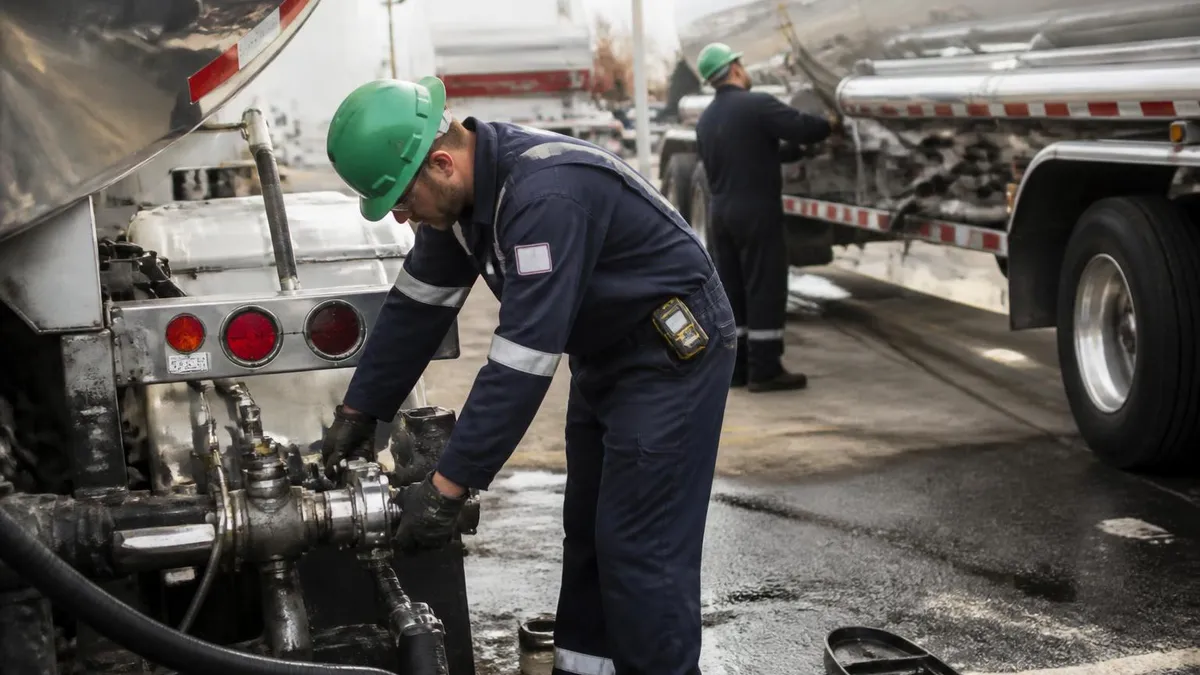
Your hazardous materials endorsement expires on the same date as your CDL — typically every five years. However, the TSA background check portion must be renewed separately and takes two to four weeks to process. If you wait until your renewal deadline to start the TSA process, you may face a gap period during which your HME is technically expired and you cannot legally haul hazmat. Begin the hazardous material endorsement renewal process at least 60 days before your CDL expiration date to avoid downtime and potential loss of income.
Renewing your hazardous material endorsement follows a process nearly identical to the original application: you retake the state knowledge test, resubmit to the TSA background check, and pay the applicable fees again. Most states do not grandfather in your prior test results — you must pass the written exam fresh each five-year cycle.
This might sound burdensome, but the regulatory landscape for hazardous materials does change. New substances get added to the hazmat table, placard requirements are updated, and emergency response procedures evolve. The renewal test ensures that working drivers stay current rather than operating on decade-old knowledge that may no longer reflect DOT regulations.
Preparing for your renewal is typically easier than preparing for the original test, because you have real-world experience reinforcing the classification concepts you'll be tested on. However, a common renewal mistake is overconfidence — drivers who've hauled hazmat for four years sometimes assume their field experience is sufficient and skip formal review.
Field experience is valuable, but it tends to reinforce what you already know while leaving blind spots in areas outside your typical cargo types. A targeted review of your weakest topics using a hazardous materials endorsement study guide, followed by two or three practice tests, typically produces the best renewal outcomes.
One area that catches renewal candidates off-guard is changes to the Hazardous Materials Table (HMT) in 49 CFR Part 172. The DOT periodically issues final rules that reclassify specific substances, change proper shipping names, or modify packing requirements.
Between renewal cycles, a chemical you've hauled as a Class 3 flammable liquid might acquire a new Division 6.1 subsidiary hazard designation, or a material's packing group might be upgraded from III to II based on new toxicological data. Checking the Federal Register for recent HMT amendments as part of your renewal study process keeps you ahead of these changes rather than learning about them during a roadside inspection.
The hazardous material endorsement renewal also requires that you remain current on emergency response procedures. The Emergency Response Guide (ERG) is updated every four years by the DOT's Pipeline and Hazardous Materials Safety Administration (PHMSA) in collaboration with Transport Canada and Mexico's SEMARNAT. The current edition in use for regulatory purposes is ERG 2024.
If you're still referencing a 2020 ERG during a roadside check, you're not in violation per se, but your emergency response information may be outdated. The renewal cycle is a natural checkpoint to download or order the latest ERG and refresh your familiarity with its guide pages, the orange-highlighted initial response guides, and the protective action distance tables.
Drivers who haul multiple hazard classes in the same career will benefit from building a systematic mental map of how the classes relate to each other.
One useful framework is grouping classes by their primary physical hazard mechanism: energy-release hazards (Class 1, Class 5), phase-change or pressure hazards (Class 2), combustion hazards (Classes 3 and 4), biological or chemical toxicity hazards (Classes 6 and 2.3), radiation hazards (Class 7), contact hazards (Class 8), and catch-all miscellaneous hazards (Class 9). This grouping is not an official DOT framework, but it creates natural memory hooks that help during both the renewal exam and real-world cargo decisions.
State-specific variations in the renewal process are worth noting if you've changed your state of CDL issuance since your original HME. If you move from one state to another, you'll need to transfer your CDL to the new state and follow that state's HME renewal procedures, which may differ from your prior state.
Some states require you to retake both the general CDL knowledge test and the HazMat knowledge test during a state transfer, not just at the five-year renewal mark. Checking your new state's CDL transfer rules early — ideally before you move — lets you plan your timeline and budget accordingly without a lapse in credentials.
For drivers pursuing long-term careers in hazardous materials transportation, staying informed about industry developments goes beyond passing the renewal test. Organizations like the Dangerous Goods Advisory Council (DGAC), the American Trucking Associations (ATA), and PHMSA offer training materials, webinars, and regulatory update bulletins that keep professionals at the cutting edge of hazmat compliance.
Subscribing to PHMSA's email alert system costs nothing and delivers regulatory updates directly to your inbox. Many experienced HazMat drivers also find value in the FMCSA's free online training portal, which covers hazmat regulations in depth and can supplement your hazardous materials endorsement study guide preparation for both initial and renewal tests.
Practical preparation for the hazardous materials endorsement test starts with the right resources and a realistic timeline. Most drivers who pass on their first attempt spend two to three weeks in active study, dedicating 30 to 60 minutes per day to reading, practice questions, and review. The official CDL Manual available on your state DMV's website is always the primary source because test questions are drawn directly from its language. Supplement that with a structured hazardous material endorsement practice test after each study session to convert reading comprehension into active recall — the cognitive mode that mirrors actual test-taking.
When studying the nine hazard classes, don't just read descriptions — draw the placard for each class from memory. Take a blank sheet of paper, write the class name at the top, and try to sketch the correct color, symbol, class number position, and any division number details without looking. This active reproduction technique forces deeper encoding than passive reading.
Check your work against the placard chart in the CDL Manual. Repeat this exercise for each of the nine classes until you can produce all nine correctly in under five minutes. On test day, you can use this mental placard gallery to work through scenario questions even when you're uncertain about specific regulatory text.
Focus extra attention on the materials and situations that appear most frequently in real enforcement actions and exam questions. The any-quantity placard list deserves its own dedicated memorization session. The list of forbidden hazmat combinations (segregation requirements) is another high-frequency test topic.
The distinction between a label and a placard — labels on packages, placards on vehicles — trips up many first-time test-takers who use the terms interchangeably in casual conversation but need to distinguish them precisely on exam questions. Even something as simple as knowing that placards are always 10.75 inches on each side can be the difference between a correct and incorrect answer on a dimensions question.
Emergency response knowledge is tested not just for procedural compliance but for genuine safety reasoning. Questions about what to do if you discover a hazmat leak, how far to stay away from a spill involving a specific class, and when to call 911 versus when to attempt containment require you to think through the logic of each situation.
Class 2.3 poison gas spills, for example, always warrant immediate evacuation of the area and a call to 911 — no driver should attempt containment because the inhalation hazard is immediate and potentially lethal. Class 3 spill procedures differ significantly because the primary concern is ignition source removal rather than toxicity. Knowing why each procedure exists makes it easier to reason through novel scenarios on the test.
The morning of your test, review your placard flashcards one last time, eat a balanced meal, and arrive at the testing center at least 15 minutes early. Bring two forms of identification as required by your state, along with any documentation of prior CDL status. Read each question carefully — as mentioned, a single word like 'except' or 'not' can flip the intended answer.
If you're unsure about a question, use the process of elimination: identify which answers are clearly wrong based on what you know, then select the best remaining option. Even experienced drivers encounter a few genuinely difficult questions; staying calm and systematic through those moments separates passing from failing scores.
After passing the written test, your state will initiate the HME addition to your CDL record, but the credential won't be issued until your TSA clearance comes through. During this waiting period, review the practical skills that classification knowledge enables: pre-trip hazmat inspection procedures, how to read and verify shipping papers at a carrier facility, how to select the correct placard from your placard kit, and how to use the ERG in an emergency.
Many new HME holders find it valuable to ride along with an experienced hazmat driver for their first few loads, asking questions about how classification knowledge plays out in real loading dock and inspection scenarios rather than just in textbooks.
Long-term success in hazmat transportation comes from treating classification not as a one-time test topic but as a living framework you refine throughout your career. Every load you accept is an opportunity to verify your classification knowledge against real shipping documents. Every pre-trip inspection reinforces the label-and-placard recognition skills you built during study.
Every emergency response drill or company safety meeting adds another layer of context that makes the regulatory abstractions more concrete and memorable. Drivers who think of the nine hazard classes as a practical vocabulary — not a test burden — consistently outperform peers on renewals, pass roadside inspections with fewer violations, and make safer decisions in the rare but consequential situations where classification knowledge matters most.
HazMat Questions and Answers
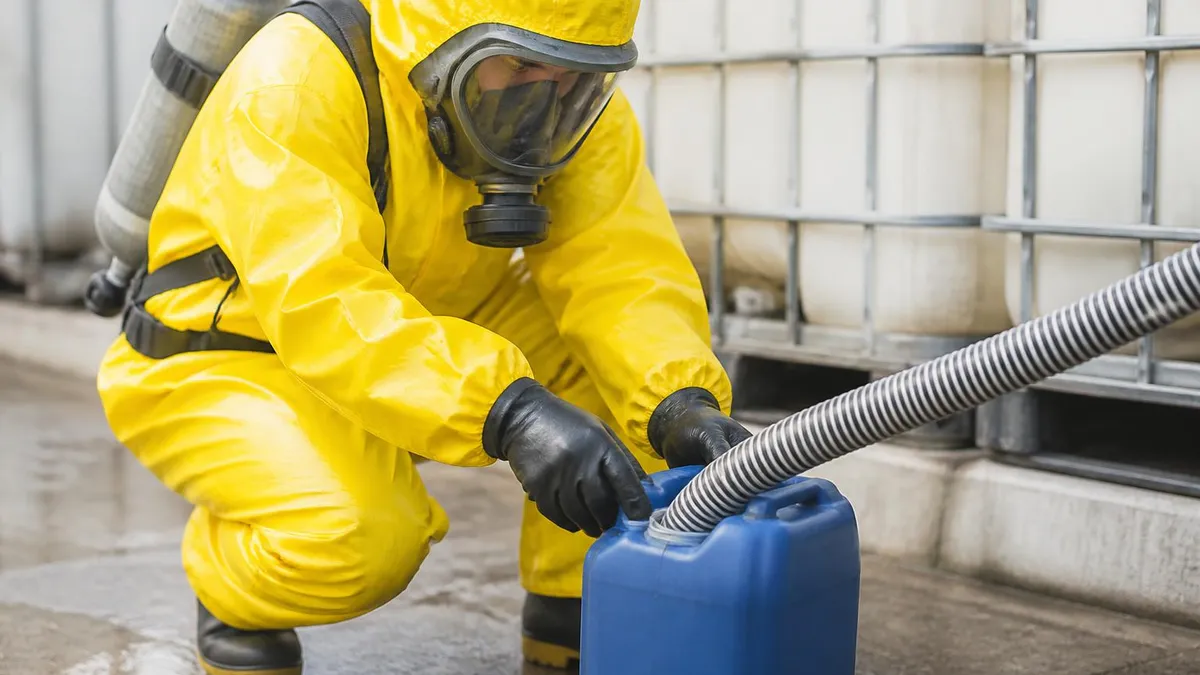
CDL HazMat Test: Free Practice Questions & Study Guide 2026
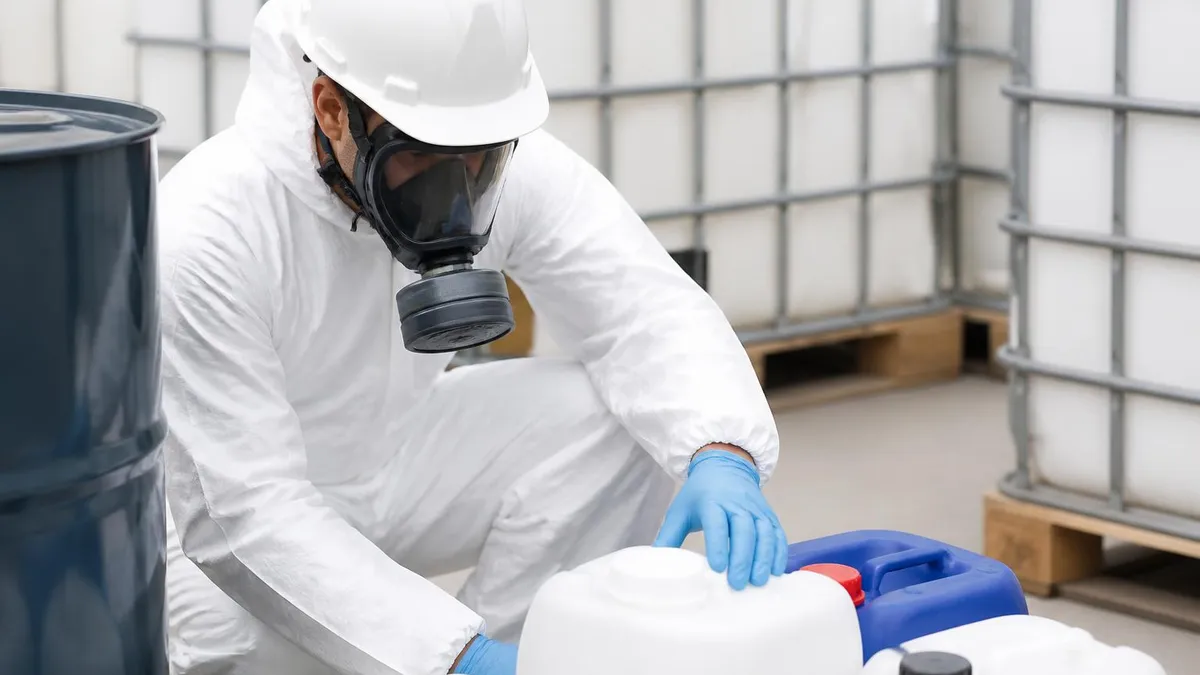
HazMat Endorsement: CDL Requirements, Test, and Cost

How to Get a HazMat Endorsement: Complete 2026 Step-by-Step Certification Guide

HazMat Certification: Complete Guide to Endorsement and Renewal

HazMat Test: Free Practice Questions & Study Guide
About the Author

Educational Psychologist & Academic Test Preparation Expert
Columbia University Teachers CollegeDr. Lisa Patel holds a Doctorate in Education from Columbia University Teachers College and has spent 17 years researching standardized test design and academic assessment. She has developed preparation programs for SAT, ACT, GRE, LSAT, UCAT, and numerous professional licensing exams, helping students of all backgrounds achieve their target scores.
Join the Discussion
Connect with other students preparing for this exam. Share tips, ask questions, and get advice from people who have been there.
View discussion (8 replies)