
How to Get Your Hazardous Materials Endorsement: Complete Study Guide
Learn how to get your hazardous materials endorsement: requirements, TSA check, test prep, costs, and renewal. ✅ Free practice tests included.

Getting your hazardous materials endorsement is one of the most valuable steps a CDL holder can take to boost earning potential and expand job opportunities. The hazardous material endorsement authorizes you to transport materials regulated under federal DOT hazmat rules — everything from flammable liquids and explosives to radioactive substances and corrosive chemicals. Carriers pay a meaningful premium for drivers who hold this credential, and demand remains strong across industries including fuel distribution, chemical manufacturing, and emergency response logistics.
Before you can get your hazmat endorsement, you need to understand exactly what the process involves. Unlike most CDL endorsements that require only a written knowledge test, the hazmat endorsement adds a mandatory TSA threat assessment — a federal background check that reviews criminal history, immigration status, and terror watchlist records. This security layer means the process takes longer than other endorsements, sometimes several weeks from application to approval, so planning ahead is essential for drivers with a hard start date.
The written knowledge test itself covers a wide range of federal regulations drawn from the FMCSA Hazardous Materials regulations, which align closely with CFR Title 49 and the Emergency Response Guidebook. Topics include hazard class identification, proper placarding rules, shipping paper requirements, loading and unloading procedures, segregation of incompatible materials, and driver responsibilities during an incident or spill. Many test-takers underestimate the depth of this content and show up underprepared — consistent practice with realistic test questions is the most reliable way to avoid that mistake.
State DMV offices administer the hazardous materials endorsement test, but the specific number of questions, passing score, and scheduling rules vary by state. Most states require a score of 80 percent or higher, and many limit the number of retakes within a given window. Texas, for example, uses a 30-question exam where you must answer at least 24 correctly. Knowing your state's exact format before you sit down helps you allocate study time efficiently rather than over-preparing in low-weight areas.
This guide is designed to walk you through every stage of the endorsement process — from eligibility requirements and TSA fingerprinting to study strategies, cost breakdowns, and renewal timelines. Whether you are pursuing your first CDL hazmat endorsement or renewing an existing one, the information here will give you a clear roadmap. We have also included links to free practice tests organized by topic so you can test your knowledge at each stage of your preparation and identify gaps before they cost you a passing score.
Drivers who hold a CDL hazmat endorsement report earning between $5,000 and $15,000 more per year than comparable non-endorsed drivers, according to industry salary surveys. That premium reflects the added responsibility, the federal background check requirement, and the specialized knowledge required to handle dangerous goods safely. The investment in preparation time and endorsement fees typically pays for itself within the first few months of endorsed driving.
By the time you finish reading this guide, you will know exactly what it takes to pass the hazardous materials endorsement test on your first attempt, what to expect from the TSA screening process, how to handle renewal before your endorsement lapses, and which study resources — including free practice tests here on PracticeTestGeeks — give you the best return on your preparation time.
HazMat Endorsement by the Numbers
Key Facts at a Glance
| Item | Value | Details |
|---|---|---|
| Typical Test Questions | 30 | Varies by state; most require 80%+ to pass |
| TSA Processing Time | 4–8 Wks | From fingerprinting to approval |
| Endorsement Fee | $35–$100 | State DMV fee range nationwide |
| Renewal Cycle | 5 Years | TSA re-check required at each renewal |

Step-by-Step: How to Get Your HazMat Endorsement
Confirm CDL Eligibility
Submit TSA Fingerprint Application
Receive TSA Determination
Study for the Knowledge Test
Pass the DMV Knowledge Test
Receive Endorsement on CDL
The TSA threat assessment is the part of the hazmat endorsement process that surprises most first-time applicants. Unlike a standard state background check, the federal HTAP program reviews multiple databases simultaneously — including the FBI criminal history database, DHS terrorist watchlists, immigration records, and mental health adjudications. This breadth means the check catches issues that might not appear in a routine MVR or state-level screen. Understanding what disqualifies an applicant before you invest the application fee can save significant time and frustration.
Federal law specifies a list of permanent disqualifying offenses that automatically prevent approval regardless of how long ago they occurred. These include felony convictions for crimes involving explosives, arson, murder, kidnapping, and aircraft piracy, among others. There is no waiver process for permanent disqualifiers — they are absolute. A separate list of seven-year disqualifiers covers offenses like certain drug crimes, robbery, and extortion. For seven-year disqualifiers, only convictions within the past seven years count, meaning older offenses do not automatically prevent approval.
If TSA issues an Initial Determination of Threat Assessment — essentially a preliminary denial — you have the right to request a copy of the records that triggered it and to appeal within 60 days. Common reasons for an initial denial include identity confusion with a similarly named individual, outdated records showing charges that were later dropped, and arrest records without disposition information. Correcting these errors through the appeal process typically resolves the issue, though it adds several weeks to the timeline.
The fingerprinting itself takes only about 15 minutes at an approved collection site. TSA maintains a directory of authorized sites through the HTAP program, and many third-party testing centers that handle CDL exams also offer fingerprinting services. You will need to bring two forms of ID — a government-issued photo ID plus a second form such as a Social Security card — along with payment for the federal fee. The fee is non-refundable even if the application is denied, so confirm your eligibility before submitting.
For drivers with a TSA-approved hazmat endorsement who relocate to a new state, the endorsement does not automatically transfer. You must apply for a new CDL in the new state and undergo a new TSA threat assessment, even if your previous approval is still current. This is a commonly overlooked requirement that causes delays for drivers who transfer between states and assume their existing endorsement status carries over seamlessly to the new license.
The full requirements and application procedures for the endorsement are covered in detail if you review the hazardous materials endorsement requirements for your specific state. While federal rules set the floor, states have some discretion in administrative procedures, fees, and scheduling processes. Checking your state DMV website early in the process ensures you have the right forms, understand local fee structures, and know how long your TSA approval letter remains valid before the written test must be completed.
Once your endorsement is active, it is tied to your CDL renewal cycle. Most CDL licenses renew every four to five years, and the hazmat endorsement follows the same schedule. However, TSA requires a new threat assessment at each renewal, meaning the fingerprinting and background check process repeats every renewal cycle. Many experienced hazmat drivers schedule their TSA appointment well in advance of their CDL expiration date to avoid a lapse in the endorsement while waiting for federal processing to complete.
Hazardous Materials Endorsement Study Guide: Key Topic Areas
The nine DOT hazard classes form the backbone of the hazardous materials endorsement test. Class 1 covers explosives, divided into six divisions based on mass explosion hazard and projection hazard. Class 2 covers gases, Class 3 flammable liquids, Class 4 flammable solids, Class 5 oxidizers and organic peroxides, Class 6 toxic and infectious substances, Class 7 radioactive materials, Class 8 corrosives, and Class 9 miscellaneous hazardous materials. Knowing each class's placard requirements — including the weight thresholds that trigger mandatory placarding — is essential test content.
Placarding rules hinge on quantity and class. For most classes, a shipment of 1,001 pounds or more requires placards on all four sides of the vehicle. However, certain materials — including poison inhalation hazards, radioactive materials, and explosives — require placards regardless of quantity. The test frequently presents scenarios where you must determine whether a given load requires placarding, which placard to use, and where exactly on the vehicle it must be displayed. Memorizing the any-quantity classes and the 1,001-pound threshold rule covers the vast majority of placard questions you will encounter.

Is the HazMat Endorsement Worth Pursuing?
- +Significant salary premium of $5,000–$15,000 per year over non-endorsed CDL drivers
- +Opens doors to specialized freight sectors including fuel distribution, chemical transport, and government contracts
- +Demonstrates federal-level trustworthiness that strengthens your overall CDL profile with employers
- +Relatively short study timeline — most candidates pass after 2–4 weeks of focused preparation
- +Endorsement renews with your CDL so there is no separate renewal administrative burden beyond TSA
- +High demand across industries means endorsed drivers rarely struggle to find competitive employment
- −TSA background check adds 4–8 weeks to the process and is not available to drivers with disqualifying criminal history
- −Total upfront cost including federal HTAP fee, state DMV fee, and study materials can reach $150–$200
- −Renewed TSA screening at every CDL renewal cycle adds recurring time and cost to maintaining the endorsement
- −Stricter liability exposure — hazmat drivers face heavier federal penalties for violations involving dangerous goods
- −Some employers require additional company-specific hazmat training beyond the state endorsement, extending onboarding
- −Certain hazmat loads restrict routing — tunnel bans, urban driving restrictions, and parking limitations add complexity
HazMat Endorsement Study Checklist Before Test Day
- ✓Download and read the hazardous materials chapter of your state's official CDL manual cover to cover.
- ✓Memorize all nine DOT hazard classes, their divisions, and the placard associated with each.
- ✓Learn the any-quantity placard rule and the 1,001-pound threshold rule for general hazmat shipments.
- ✓Study the proper sequence for writing a basic hazmat description on a shipping paper (name, class, ID number, packing group).
- ✓Practice identifying which material combinations are incompatible using the DOT segregation table.
- ✓Review the rules for keeping shipping papers accessible while driving and when outside the cab.
- ✓Complete at least three full-length hazmat practice tests and review every question you answered incorrectly.
- ✓Study emergency response procedures including spill containment, evacuation distances, and notification requirements.
- ✓Confirm your state's passing score, number of questions, and any retake waiting period before scheduling your exam.
- ✓Bring your TSA approval documentation, CDL, and required payment on test day — verify requirements with your state DMV in advance.
The Any-Quantity Placard Rule Is Your Most Tested Concept
More hazmat endorsement test questions involve placarding rules than any other single topic. Mastering the distinction between materials that require placards at any quantity — including explosives, poison inhalation hazards, and radioactive materials — versus those that require placards only above 1,001 pounds will account for a substantial share of your correct answers. Build a quick-reference mental list of any-quantity materials and drill it until it is automatic before test day.
Understanding the full cost picture before you begin the hazmat endorsement process helps you budget accurately and avoid surprise expenses. The largest single cost is the federal TSA threat assessment fee, currently set at $86.50 and payable directly to the HTAP program at the time of fingerprinting.
This fee is non-refundable regardless of the outcome — if your application is denied or you decide not to proceed with the knowledge test, you will not receive a refund. Factor this into your decision to apply, particularly if you have any unresolved items in your criminal or immigration history that might trigger a review.
State DMV fees for the actual knowledge test and endorsement issuance vary considerably. On the low end, states like Texas charge around $11 for the endorsement transaction itself, while others bundle testing fees into broader CDL transaction costs that can reach $75 to $100. Some states also charge a separate fingerprinting facility fee of $10 to $25 on top of the federal HTAP fee if you use a commercial fingerprint collection site. Call your state DMV or check the official fee schedule online to get an exact total before your appointment.
Third-party CDL testing centers have become more common since FMCSA expanded the authorized testing provider program. These centers sometimes offer bundled packages — fingerprinting plus knowledge test scheduling — that simplify the process, though they may charge a convenience fee on top of state rates. If cost is a primary concern, completing the process through your state DMV directly typically offers the lowest total expense, even if scheduling takes slightly longer.
The hazardous materials endorsement application process also involves indirect costs that many drivers overlook. Time away from driving for fingerprinting appointments and DMV visits translates into lost revenue for owner-operators or requires shift coordination for company drivers. Planning your endorsement timeline during a slower work period — or negotiating with your employer to cover costs as part of a signing bonus or professional development benefit — can offset these soft costs meaningfully.
Renewal costs follow a similar structure. When your CDL comes up for renewal, you must repeat the TSA fingerprinting and pay the federal fee again — currently $86.50 — in addition to the state CDL renewal fee. Some states charge an additional endorsement renewal fee on top of the base CDL renewal, while others bundle all endorsements into a single renewal transaction cost. The total cost of renewing a CDL with hazmat endorsement typically runs between $130 and $200 depending on the state, and you should budget for it every four to five years.
Hazmat material endorsement renewal deadlines are strictly enforced. If your CDL expires before you complete the TSA process and renew the endorsement, you lose authorization to transport hazmat until the renewal is complete — which can mean lost work if your employer requires the endorsement for your assigned routes. TSA processing alone can take four to eight weeks, so beginning the renewal process at least three months before your CDL expiration date is the safest approach. Some drivers set a calendar reminder six months out to give themselves maximum buffer for any delays in the federal background check.
Drivers who hold the hazmat endorsement in multiple states — for example, those who hold CDLs in a home state and work in neighboring states — must maintain the endorsement through their home state CDL. Federal law does not recognize separate state-by-state hazmat endorsements; the endorsement on your primary CDL is what matters. If you work across state lines regularly, verify with your carrier's compliance team that your home-state endorsement satisfies the operating requirements for all the states in your regular route.

The TSA threat assessment for hazmat renewal takes four to eight weeks on average, but delays due to incomplete records, identity verification issues, or high application volume can push that timeline past twelve weeks. If your CDL expires before TSA completes the review and your DMV issues the renewal, you are legally prohibited from transporting hazardous materials until the new endorsement appears on your license. Begin the fingerprinting and HTAP application at least 90 days before your CDL expiration date to eliminate this risk entirely.
State-specific rules introduce meaningful variation in the hazmat endorsement process that can trip up drivers who rely solely on federal guidelines. Texas is a good example: the texas hazardous materials endorsement test uses a 30-question format with a passing threshold of 80 percent, meaning you can miss no more than six questions. The Texas DPS also requires drivers to complete the TSA fingerprint process before scheduling the knowledge test, so there is no shortcut to get the written exam done while waiting for federal clearance. Understanding these sequencing requirements upfront prevents wasted trips to the testing center.
California applies additional state-level hazmat regulations beyond federal requirements, particularly around intrastate transportation of certain materials classified under California-specific definitions. Drivers operating exclusively within California may encounter materials or transport scenarios governed by CalOES and CalTrans rules that differ from the federal framework. If you plan to work in California, reviewing the California-specific hazmat supplement in the state CDL manual is worthwhile before your knowledge test, even though most test questions still draw from federal DOT regulations.
New York and New Jersey impose tunnel and bridge restrictions on certain hazmat loads that require drivers to plan routes carefully. These restrictions are enforced at the commercial vehicle level, and violations carry steep penalties. The endorsement knowledge test in these states may include scenario questions about routing restrictions — another reason to supplement your study with state-specific content rather than relying exclusively on the FMCSA study materials that reflect nationwide rules.
Florida offers a relatively simplified endorsement process, with the TSA fingerprint requirement handled through IdentoGO sites located at many DMV service centers. The convenience of co-located fingerprinting and testing services reduces the number of separate trips required, and Florida DMV staff are generally well-versed in the sequencing requirements for the hazmat endorsement. The Florida CDL handbook hazmat section closely mirrors federal language, making it one of the more straightforward states for first-time applicants from a study content perspective.
Some states have begun piloting online scheduling and digital document submission for the TSA pre-application steps, reducing wait times at fingerprinting sites. Check your state DMV website for any digital service updates, as these can significantly shorten the administrative portion of the endorsement timeline. Online resources also make it easier to track your TSA application status rather than waiting for paper correspondence.
Regardless of which state you apply in, the core knowledge tested on the hazmat endorsement exam draws from the same federal source material — the FMCSA regulations in 49 CFR Parts 171–180. This means that a thorough study of the federal hazmat regulations prepares you for the content portion of any state's test, even if the administrative procedures differ. Focusing your study energy on the federal material while confirming your state's procedural requirements is the most efficient preparation strategy available.
Drivers who have previously held a hazmat endorsement in another state and are applying in a new state should bring documentation of their prior endorsement history to the DMV. While the endorsement does not automatically transfer and the TSA process must be repeated, having a record of prior approved status can sometimes help smoother processing. Some states also accept the federal CDL skills test waiver for military CDL holders, which may apply to certain hazmat-related training completed during military service — worth confirming with your state DMV if applicable.
Walking into your hazmat endorsement knowledge test fully prepared is about more than memorizing rules — it is about building the pattern recognition that lets you work through tricky scenario questions quickly and confidently. The most common test question format presents a specific driving or loading situation and asks you what the driver should do, which placard is required, or whether the scenario violates any regulations. These scenario questions are harder to answer from memory alone; they require you to apply rules to context, which is a skill you develop through repeated practice testing rather than passive reading.
One of the highest-value study habits is reviewing wrong answers in detail rather than simply noting the correct answer and moving on. When you answer a practice question incorrectly, find the specific section of the CDL manual that governs that topic, read it carefully, and then rephrase the rule in your own words.
This active retrieval process encodes the information more durably than re-reading the original text and significantly reduces the chance of making the same mistake on the actual exam. Many test-takers who fail their first attempt report that they could identify exactly which section they had glossed over in their original study — don't let that be you.
Timing yourself on practice tests is another underused preparation tactic. Most states allow 60 to 90 minutes for the hazmat knowledge test, which sounds like plenty of time for 25 to 30 questions, but anxiety and unfamiliar question phrasing can slow you down. Running timed practice sessions builds comfortable pacing and identifies whether any topic area causes you to slow down significantly — a useful signal that more study in that area is warranted before test day.
On the day of your test, arrive at least 15 minutes early. Bring your CDL, TSA approval letter, and any state-required payment documentation. If your state uses a computer-based testing terminal, the testing center staff will walk you through the interface before you begin — do not skip this orientation even if you are comfortable with computers, as the specific navigation controls vary between systems. Flag questions you are unsure about and return to them after completing the questions you know cold, so you don't run out of time before addressing your strongest material.
After you pass your test and receive your updated CDL with the H endorsement code, your next step is to confirm with your employer or prospective employer exactly what additional company-specific training is required before you can run hazmat loads. Most large carriers require drivers to complete internal hazmat training that covers company SOPs for spill response, emergency notification, and load-specific handling. This training is typically paid and conducted during onboarding, but knowing it exists helps you set realistic expectations for your first week on hazmat loads.
Keep digital and physical copies of all your endorsement documentation — your updated CDL, the original TSA determination letter, and any employer-issued hazmat training certificates. Federal inspectors and state weigh station officers may request documentation during roadside inspections, and having organized records reduces the friction of those encounters considerably. Some carriers also ask for copies during annual compliance reviews, so a well-organized personal file saves time across multiple touchpoints throughout your career.
Finally, stay current with regulatory updates. FMCSA and DOT periodically update the hazardous materials regulations — adjusting placard thresholds, revising shipping paper requirements, or adding new material classifications in response to emerging chemical technologies. Subscribing to FMCSA email alerts and reviewing the Federal Register updates related to 49 CFR hazmat regulations once or twice per year keeps your knowledge current and protects you from compliance gaps that could result in citations or liability exposure on the road.
Sample HazMat - Hazardous Materials Endorsement Practice Questions
Try these questions from our free HazMat - Hazardous Materials Endorsement practice tests. The correct answer and an explanation follow each question.
Which federal agency primarily regulates the transportation of hazardous materials on US highways?
- A. EPA
- B. OSHA
- C. PHMSA
- D. FMCSA
Answer: C. PHMSA
The Pipeline and Hazardous Materials Safety Administration (PHMSA) sets the regulations for hazardous materials transportation, while FMCSA enforces them for motor carriers.
When a hazardous materials/WMD incident occurs, CHEMTREC will not offer assistance in calculating the extent of the endangered region.
- A. True
- B. False
Answer: B. False
CHEMTREC (Chemical Transportation Emergency Center) is a critical resource for emergency responders dealing with hazardous materials incidents. Among its comprehensive services, CHEMTREC actively assists in assessing the extent of the endangered region. They achieve this by connecting responders with chemical experts, providing crucial information on product hazards, and offering guidance on initial isolation and protective action distances, making the statement false.
What detail from the list below appears in column 2 of the hazardous materials table?
- A. Proper Shipping Name
- B. Special Provisions
- C. Identification Numbers
- D. Quantity Limitations
Answer: A. Proper Shipping Name
The detail "Proper Shipping Name" appears in column 2 of the hazardous materials table. In the context of hazardous materials transportation, the hazardous materials table (HMT) is a comprehensive list that provides essential information about hazardous substances or dangerous goods. This table is used for proper classification, identification, and labeling of hazardous materials during transportation.
The _____ is in charge of locating the necessary authorizations and unique routes required to transport hazardous materials.
- A. The carrier
- B. Driver
- C. Local government
- D. The shipper
Answer: B. Driver
The driver is responsible for finding the necessary permits and special routes needed to haul hazardous materials. Hauling hazardous materials is heavily regulated, and the requirements for transporting hazardous materials can vary depending on the type of material being transported, the quantity being transported, and the route being taken. The driver of a vehicle transporting hazardous materials is responsible for ensuring that the vehicle is properly marked and placarded, that the driver has the required training and certification to handle hazardous materials, and that all required permits and special routes have been obtained.
Take the full HazMat - Hazardous Materials Endorsement practice test
HazMat Questions and Answers
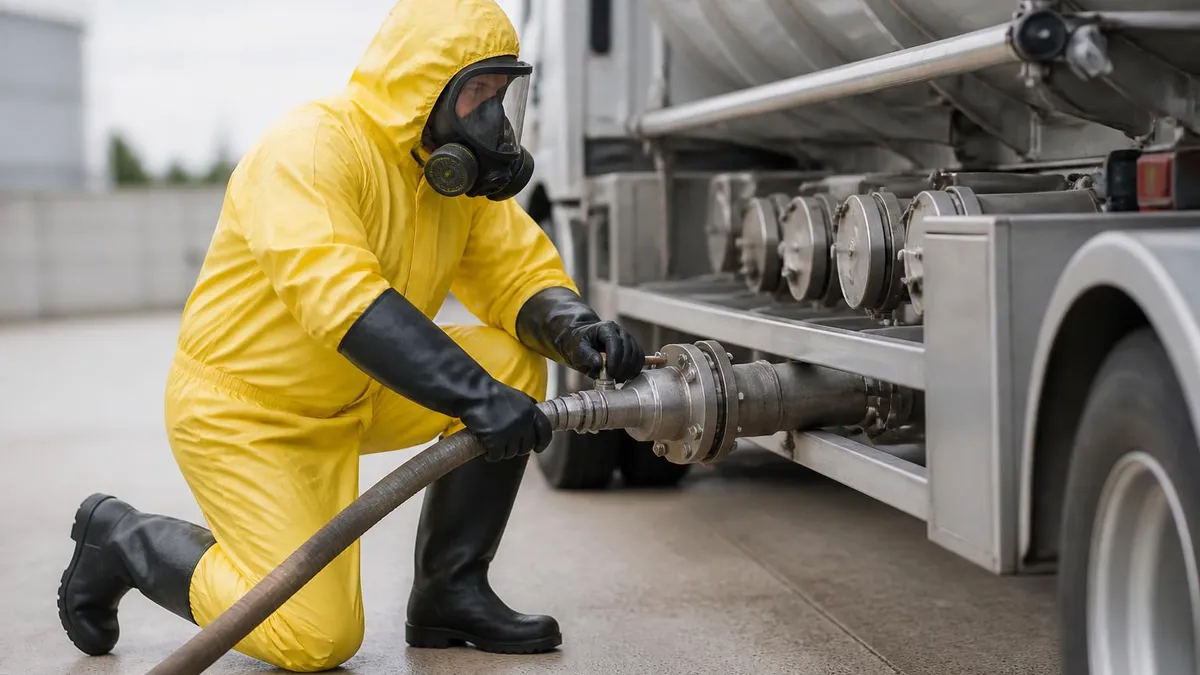
Hazmat Placards: The 9 Hazard Classes and DOT Placarding Rules
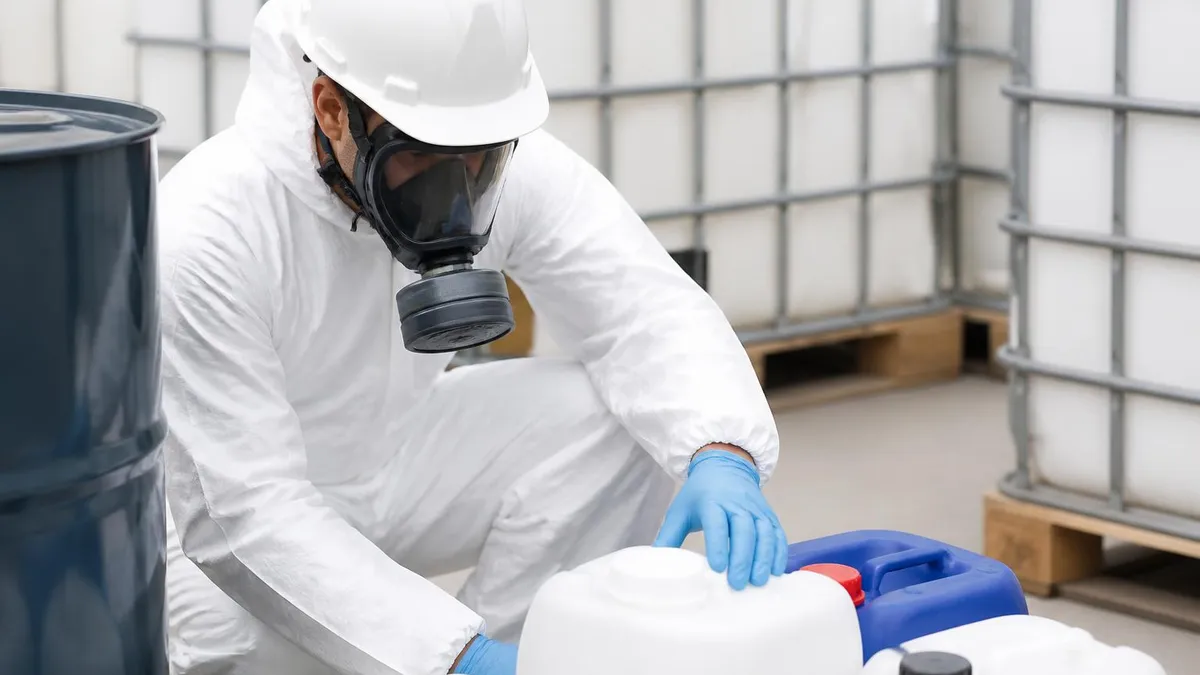
HazMat Endorsement: CDL Requirements, Test, and Cost

Hazmat Endorsement Practice Test — Free Questions & Answers (2026)

HazMat Endorsement License: Complete Study Guide & Certification Prep

JJ Keller HazMat Training Answers: Complete Guide to the Hazardous Materials Endorsement
About the Author

Educational Psychologist & Academic Test Preparation Expert
Columbia University Teachers CollegeDr. Lisa Patel holds a Doctorate in Education from Columbia University Teachers College and has spent 17 years researching standardized test design and academic assessment. She has developed preparation programs for SAT, ACT, GRE, LSAT, UCAT, and numerous professional licensing exams, helping students of all backgrounds achieve their target scores.
Join the Discussion
Connect with other students preparing for this exam. Share tips, ask questions, and get advice from people who have been there.
View discussion (8 replies)